Changzhousaurus
"Changzhou lizard"
Type species Changzhousaurus sinensis
- Lived
- 121 to 113 million years ago, Early Cretaceous
- Diet
- Carnivore
- Group
- Theropods
- Found in
- China
- Named by
- Xu 2026
Where its fossils were found
The evidence
Today

115 million years ago
Habitat
It lived among forests and lakes in the Jiufotang Formation of China. Dinosaurs from these rocks include Microraptor, Psittacosaurus and Sinotyrannus.
Field notes
About Changzhousaurus
What it was like
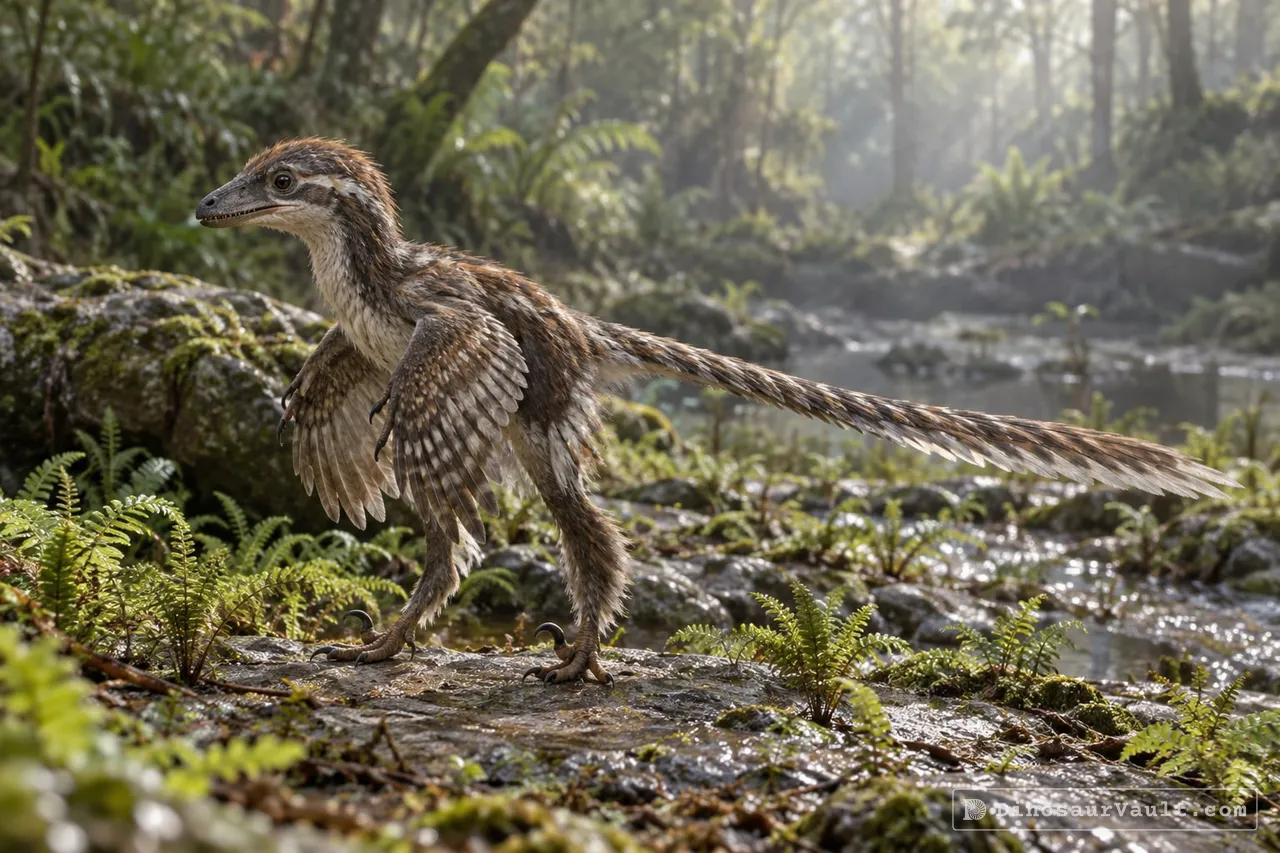
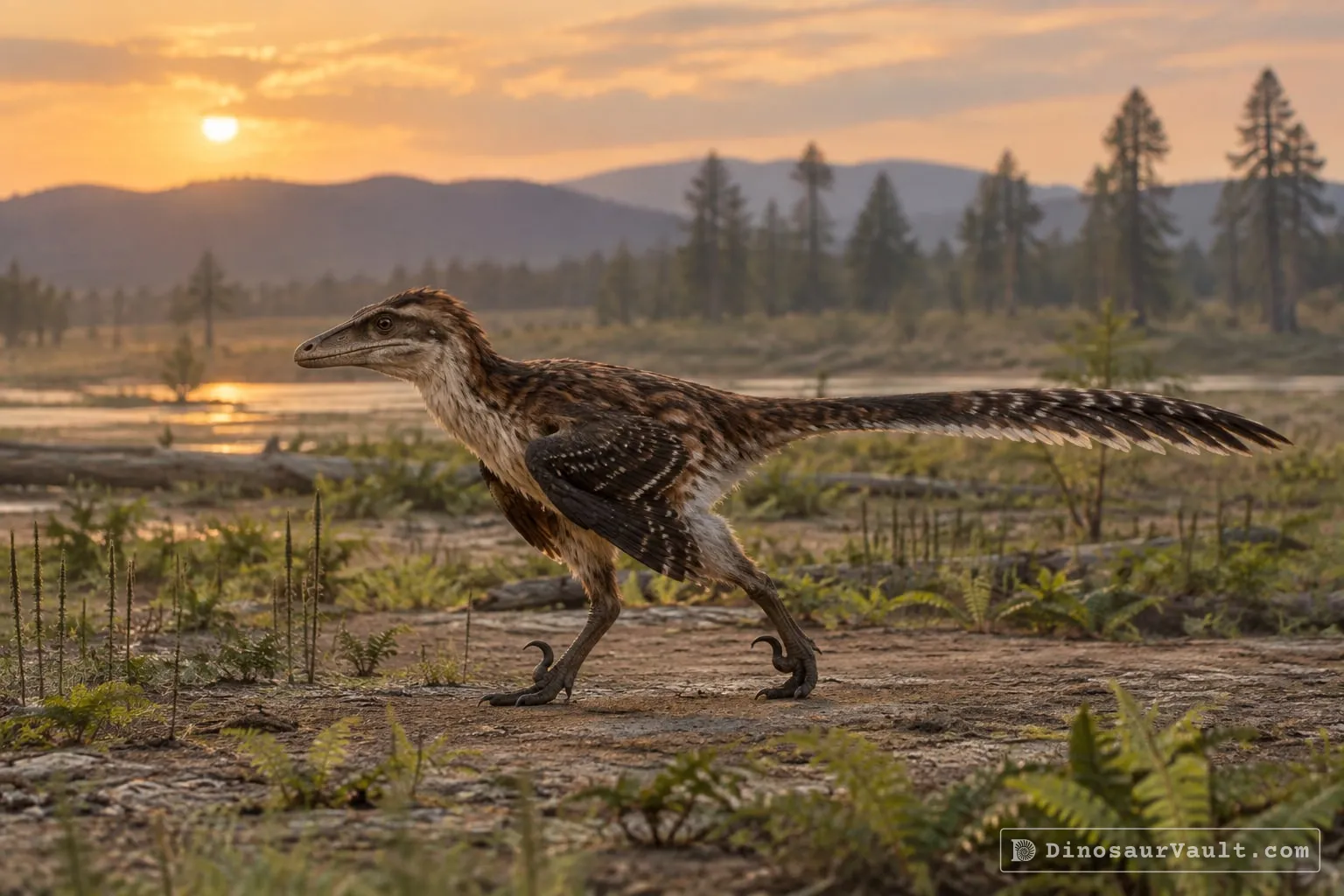
Changzhousaurus was a small feathered dinosaur, a close relative of birds. It is known from a nearly complete skeleton with feather traces preserved around it.
Its world
It lived in the Early Cretaceous in what is now northeastern China. Its skeleton comes from the Jiufotang Formation, where it shared forests and lakes with the four-winged Microraptor, the beaked Psittacosaurus and the large tyrannosaur relative Sinotyrannus.
How it was found
Xu named Changzhousaurus in 2026, from a single find.
Field gallery
More views of Changzhousaurus
Scenes reconstructed from the available fossil evidence.
1 of 3
Lived alongside
Found in the same rock formations
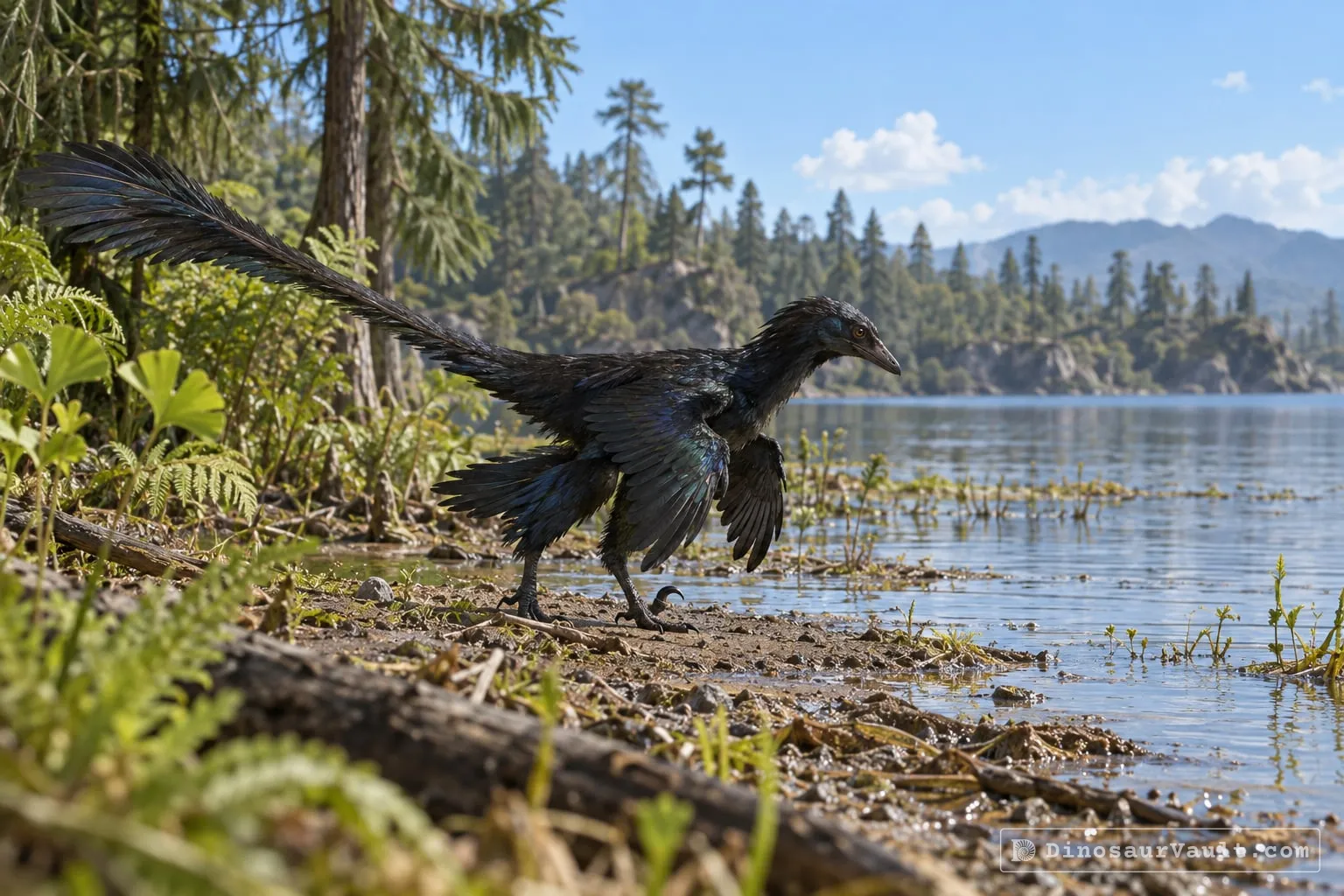
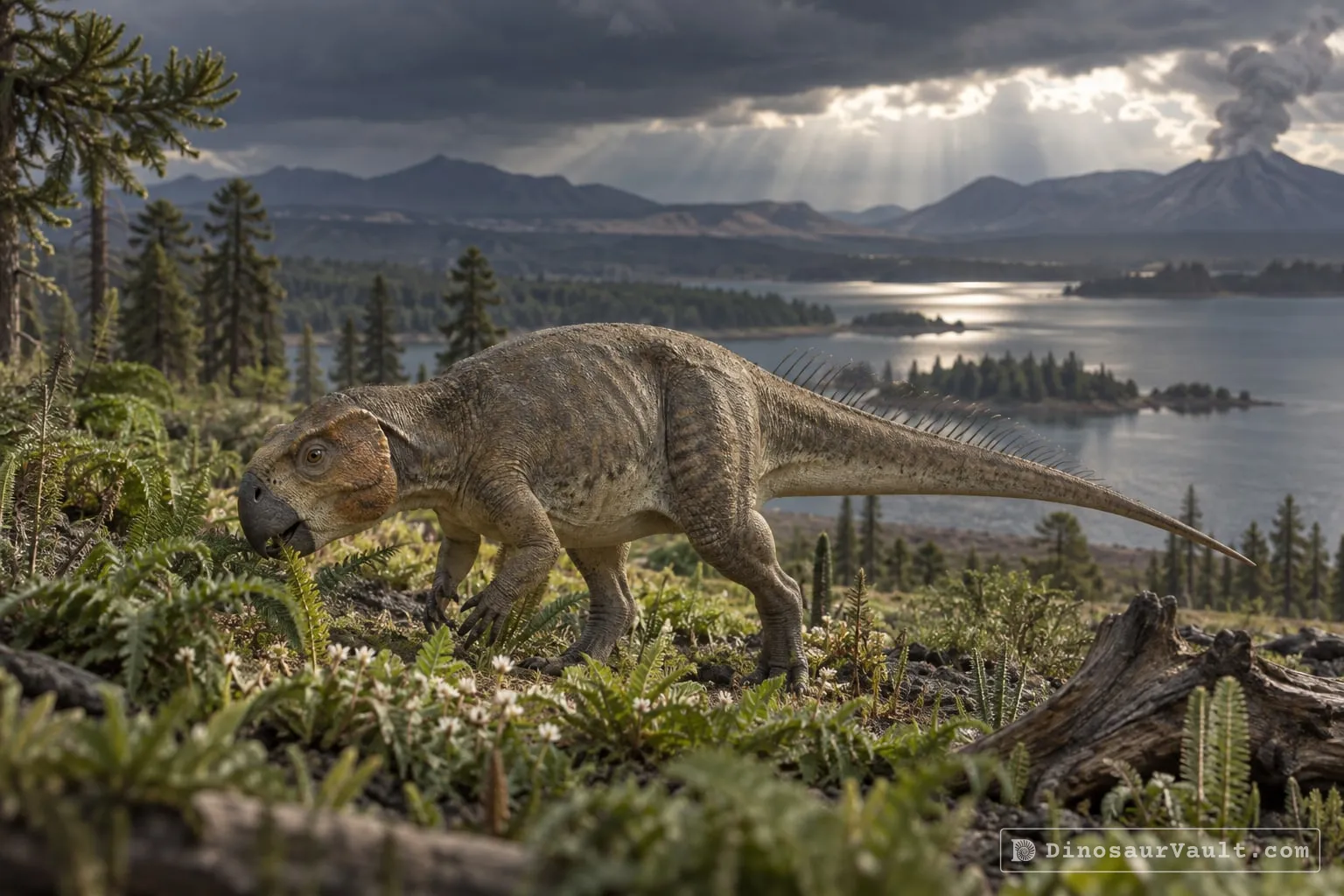
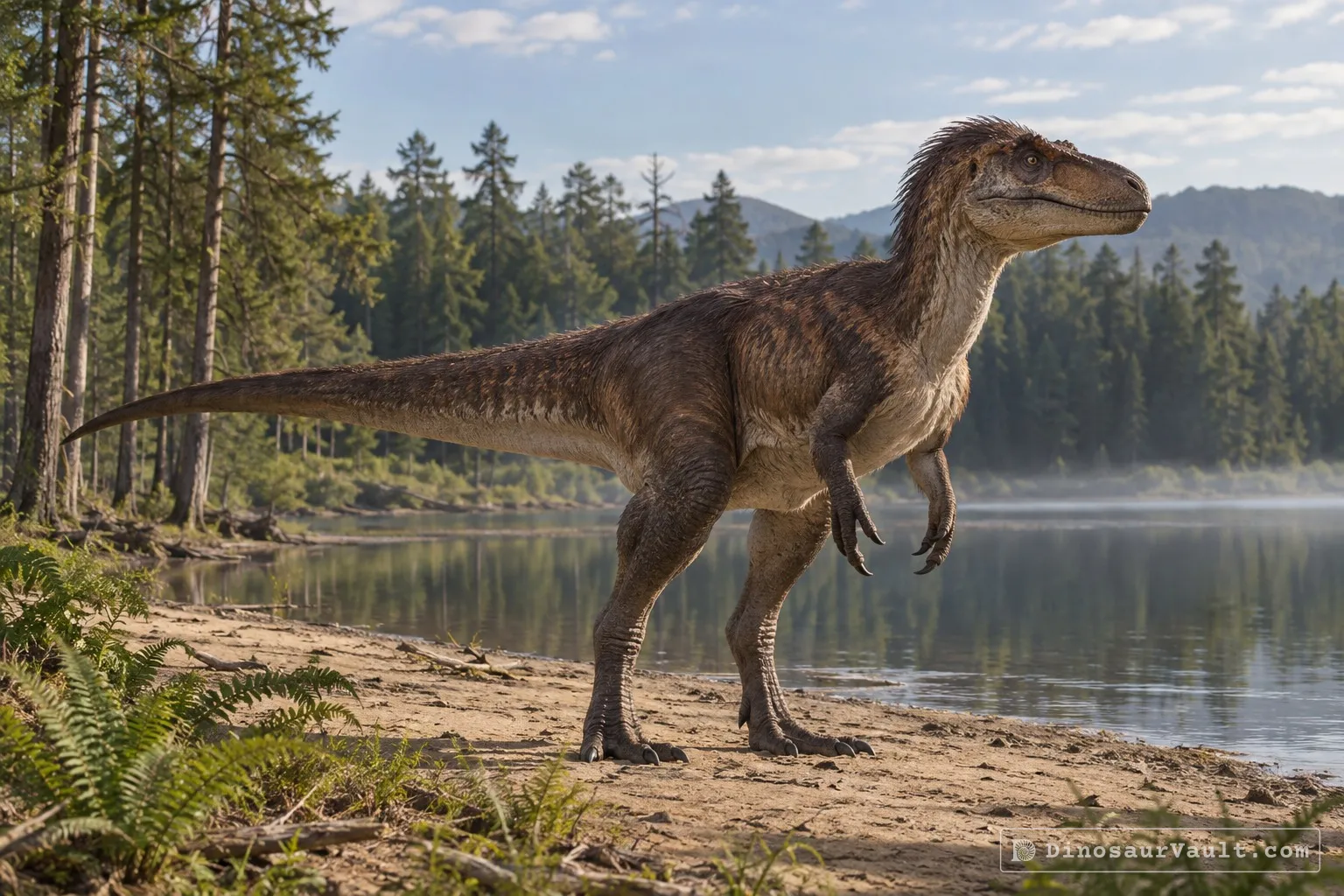
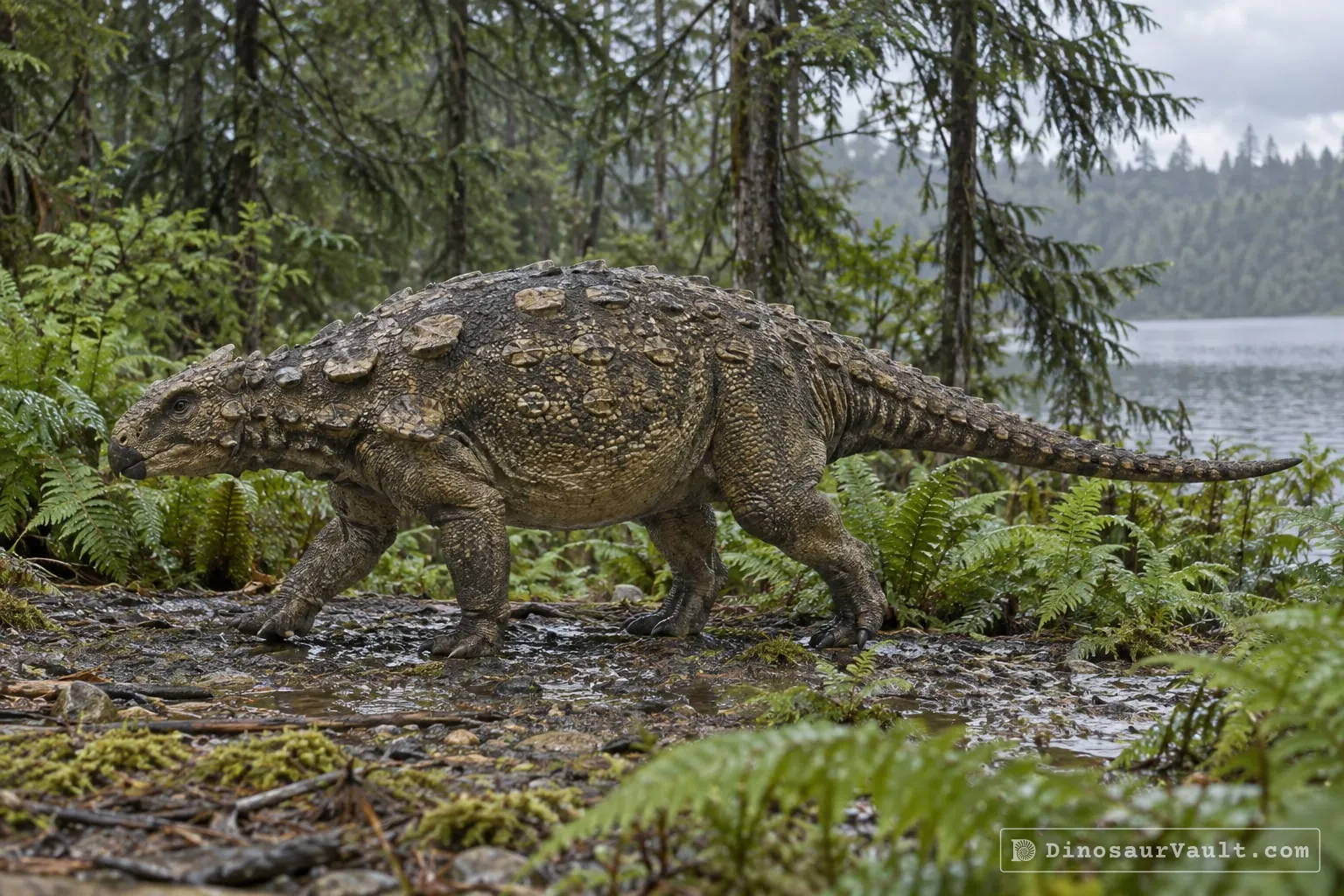
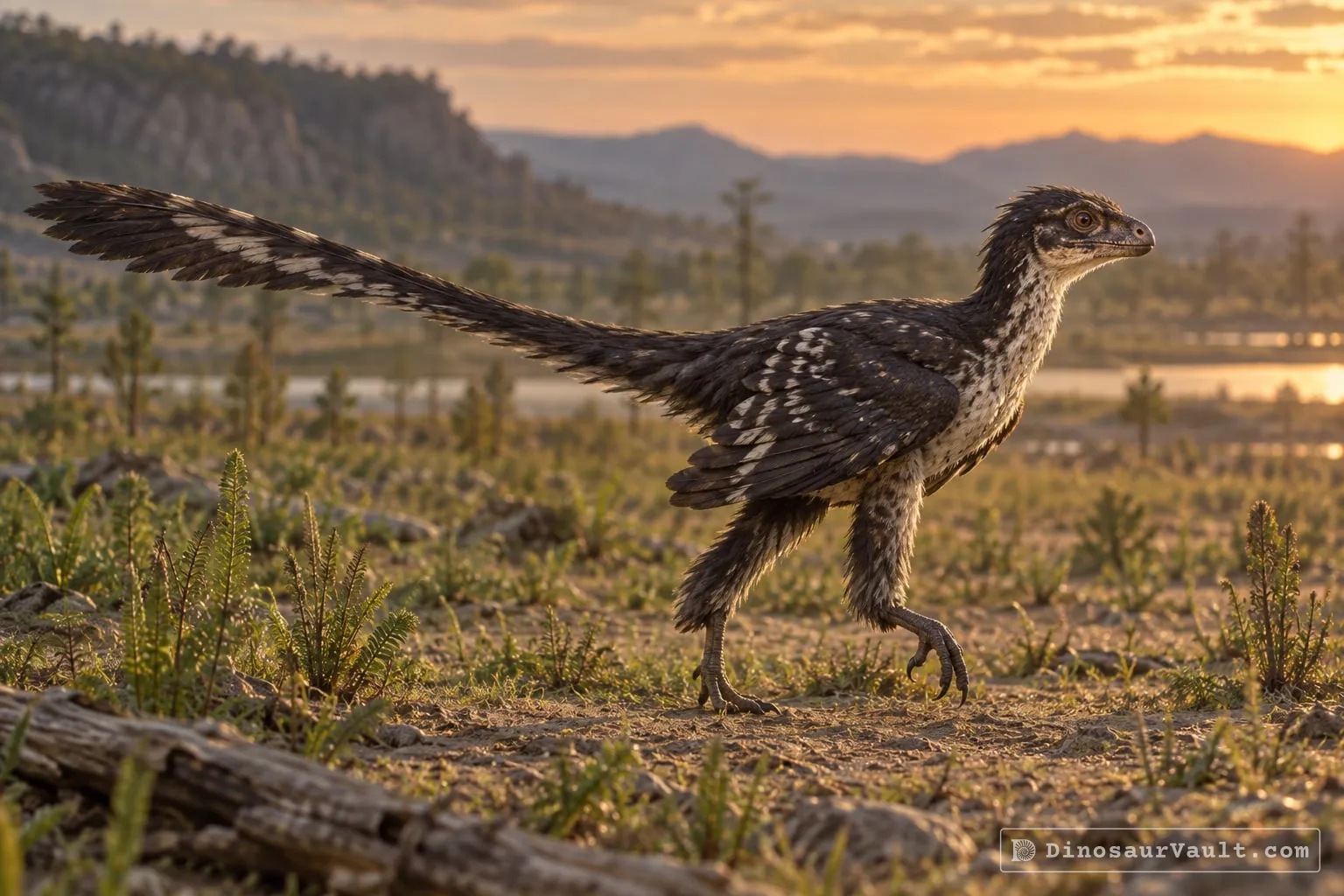
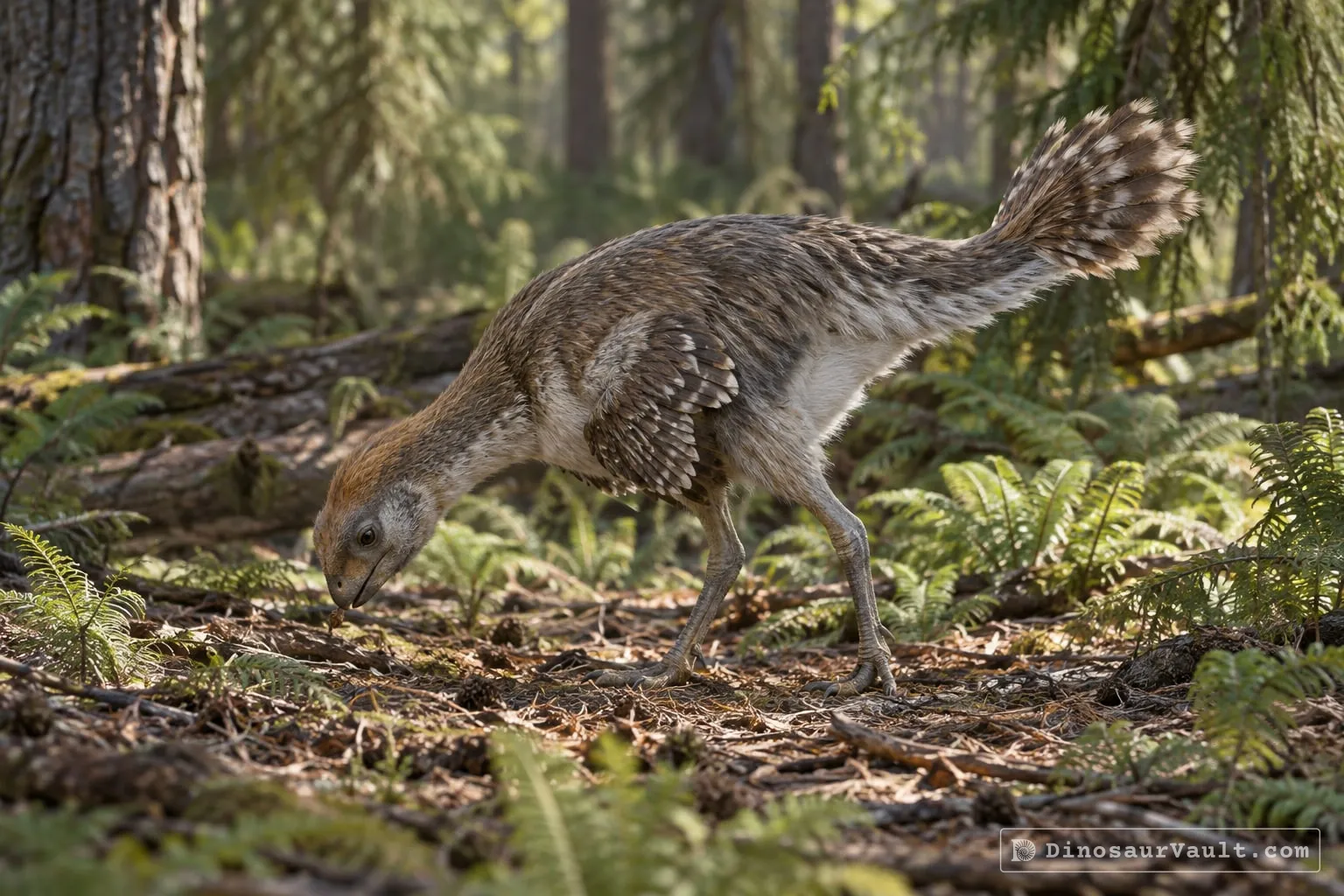
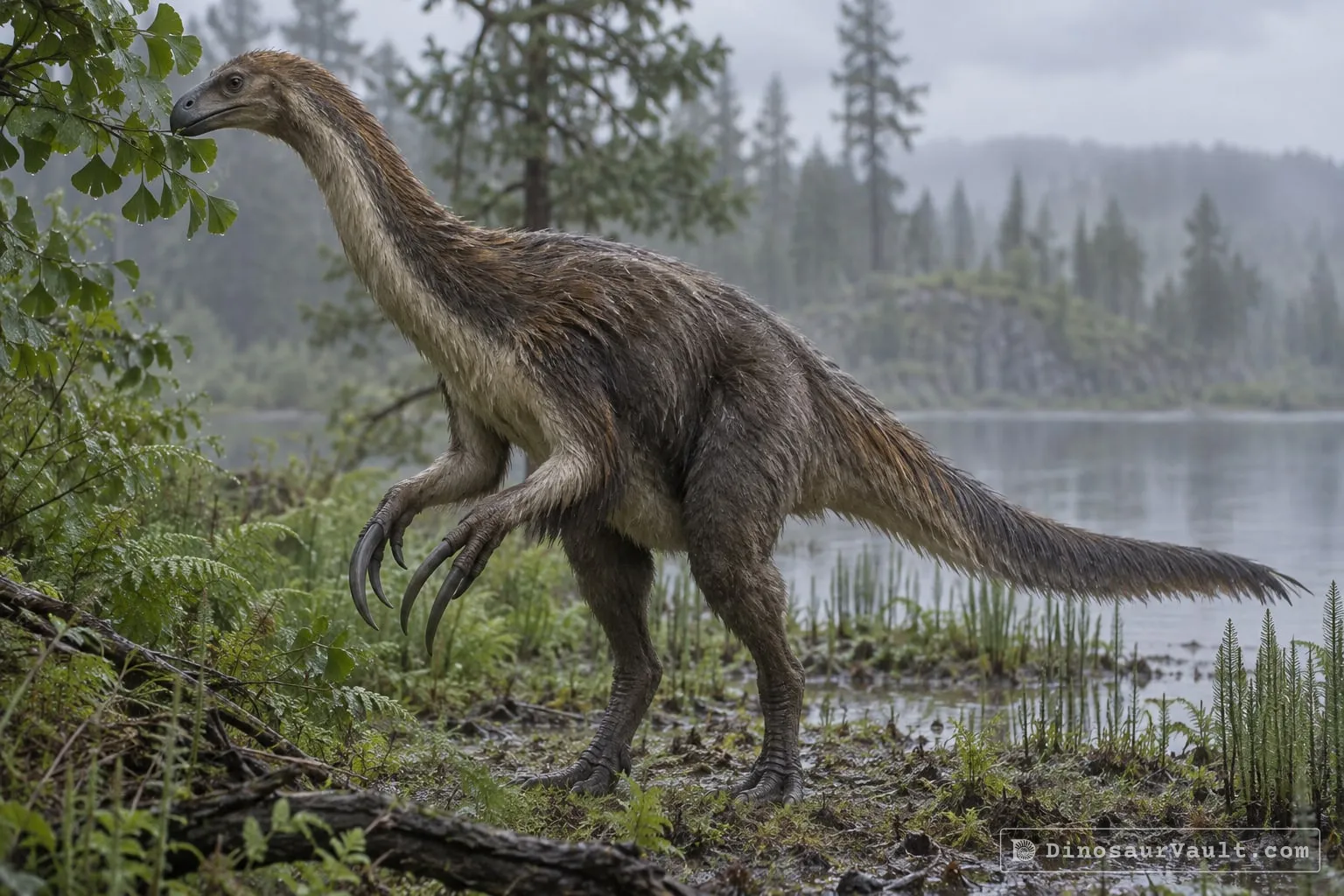


A rock formation can hold fossils laid down millions of years apart, so not every animal here met Changzhousaurus.
The evidence
The science behind Changzhousaurus
Which parts of the picture come from its own bones, and which come from its relatives.
From its own fossils
- A nearly complete skeleton preserves feathers across the body.
- Long feathers on the arms and feet formed wing-like surfaces.
- Many very long tail feathers extended beyond the bony tail.
Borrowed from relatives
- Most of its skeleton and feather layout come from its own fossil, rather than borrowed anatomy.
- Microraptor provides a comparison for how feathered arms and legs may have worked together in the air.
Still unknown
- Whether it mainly glided or also used powered flight.
- Its adult size and feather colors.
- Its exact place among the closest relatives of birds.
Discovery timeline
- 2003Close relativeXu et al.
- 2020Same rocksPoust et al.
- 2026Named itXu
Key papers
The research behind what we know of Changzhousaurus
Close relative
Described long feathers on the arms and legs of Microraptor, a comparison for the wing-like limbs of Changzhousaurus.
Four-winged dinosaurs from China. Nature 421: 335-340
Read the paper : Four-winged dinosaurs from China (opens in a new tab)Same rocks
Described Wulong from the same formation and showed that elaborate feathers developed before its skeleton reached maturity.
A new microraptorine theropod from the Jehol Biota and growth in early dromaeosaurids. The Anatomical Record 303: 963-987
Read the paper : A new microraptorine theropod from the Jehol Biota and growth in early dromaeosaurids (opens in a new tab)Named it
Described a small feathered dinosaur with large wing surfaces on its limbs and exceptionally long tail feathers.
A new feathered dinosaur from Early Cretaceous of northern China highlighting the complexity of early pennaraptoran evolution and comments on several relevant conceptual and methodological issues. Vertebrata Palasiatica.
No link available
Close relatives
Other members of Paraves


Sources: Wikidata