Aoniraptor
- Lived
- 110 to 106 million years ago, Early Cretaceous
- Diet
- Carnivore
- Group
- Theropods
- Found in
- Argentina
- Named by
- Motta et al. 2016
Where its fossils were found
The evidence
Today

110 million years ago
Habitat
Rivers crossed the floodplains of what is now Argentina. Argentinosaurus, Mapusaurus and Skorpiovenator are also known from the Huincul Formation.
Field notes
About Aoniraptor
What it was like
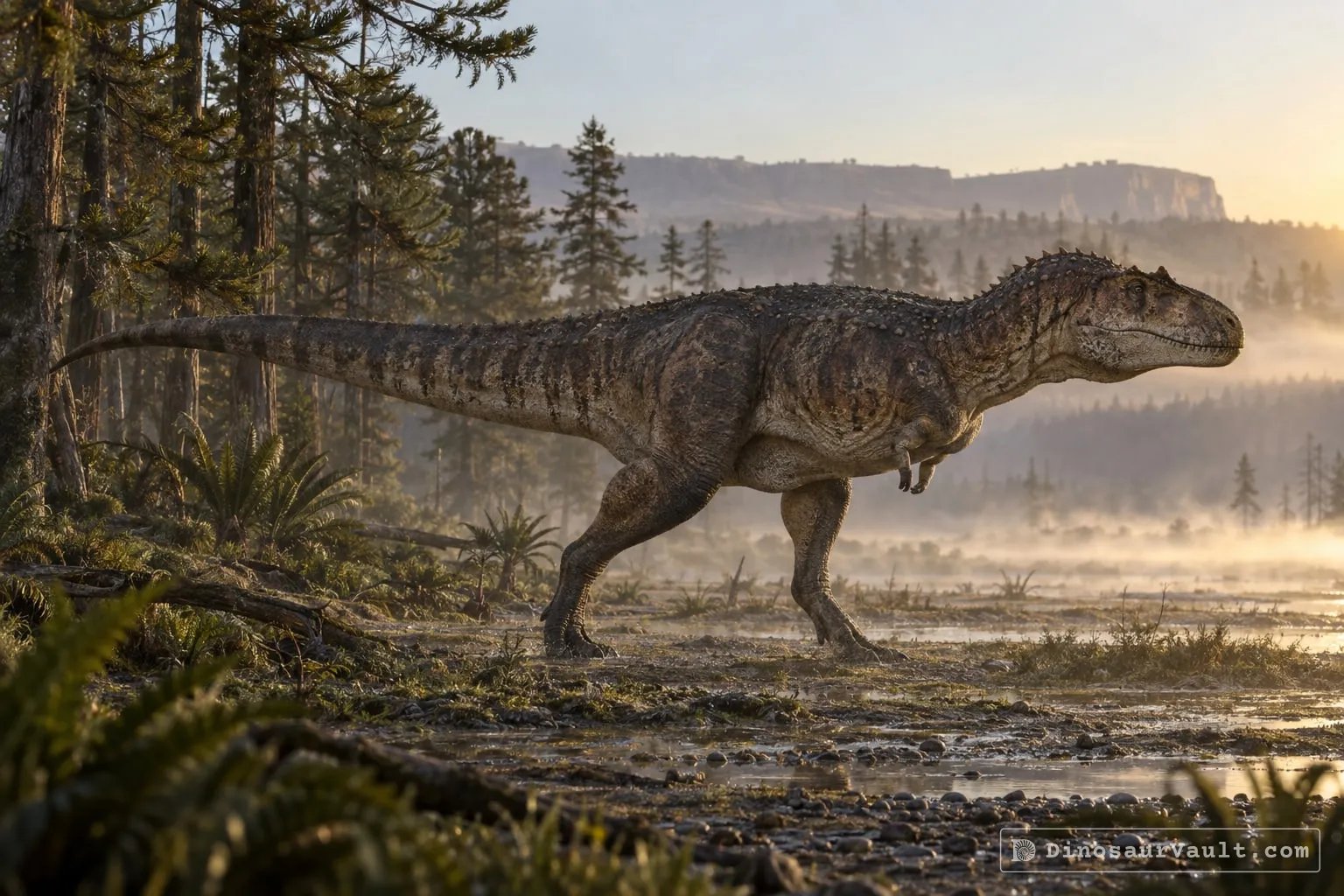
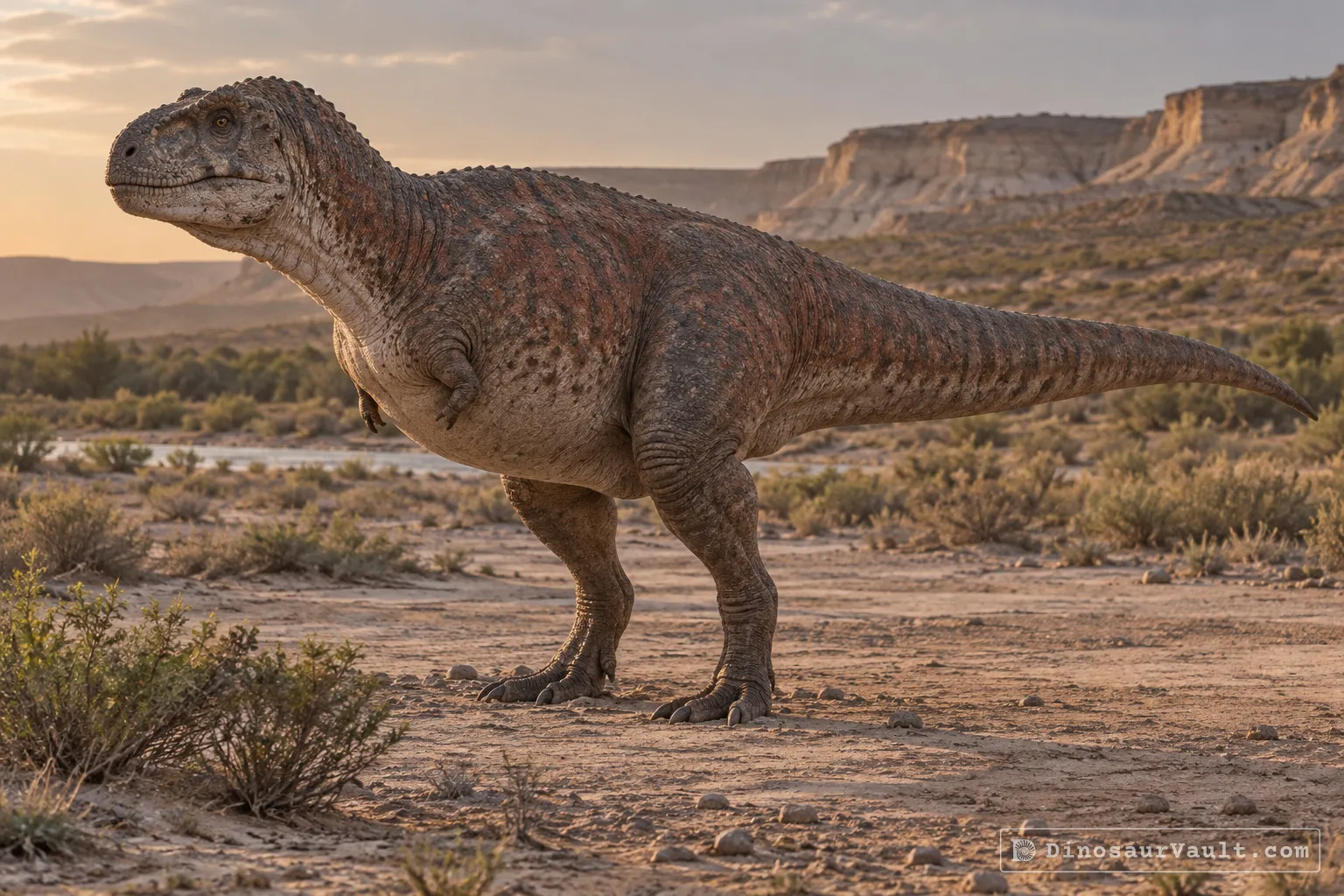
Aoniraptor was a megaraptor, a predator related to Megaraptor. It is known from part of the backbone and tail.
Its world
It lived in the Cretaceous, in what is now Argentina. It comes from the Huincul Formation, where it shared the land with the giant hunters Mapusaurus and Meraxes, the abelisaur Skorpiovenator and the huge sauropod Argentinosaurus.
How it was found
Motta and colleagues named Aoniraptor in 2016.
Field gallery
More views of Aoniraptor
Scenes reconstructed from the available fossil evidence.
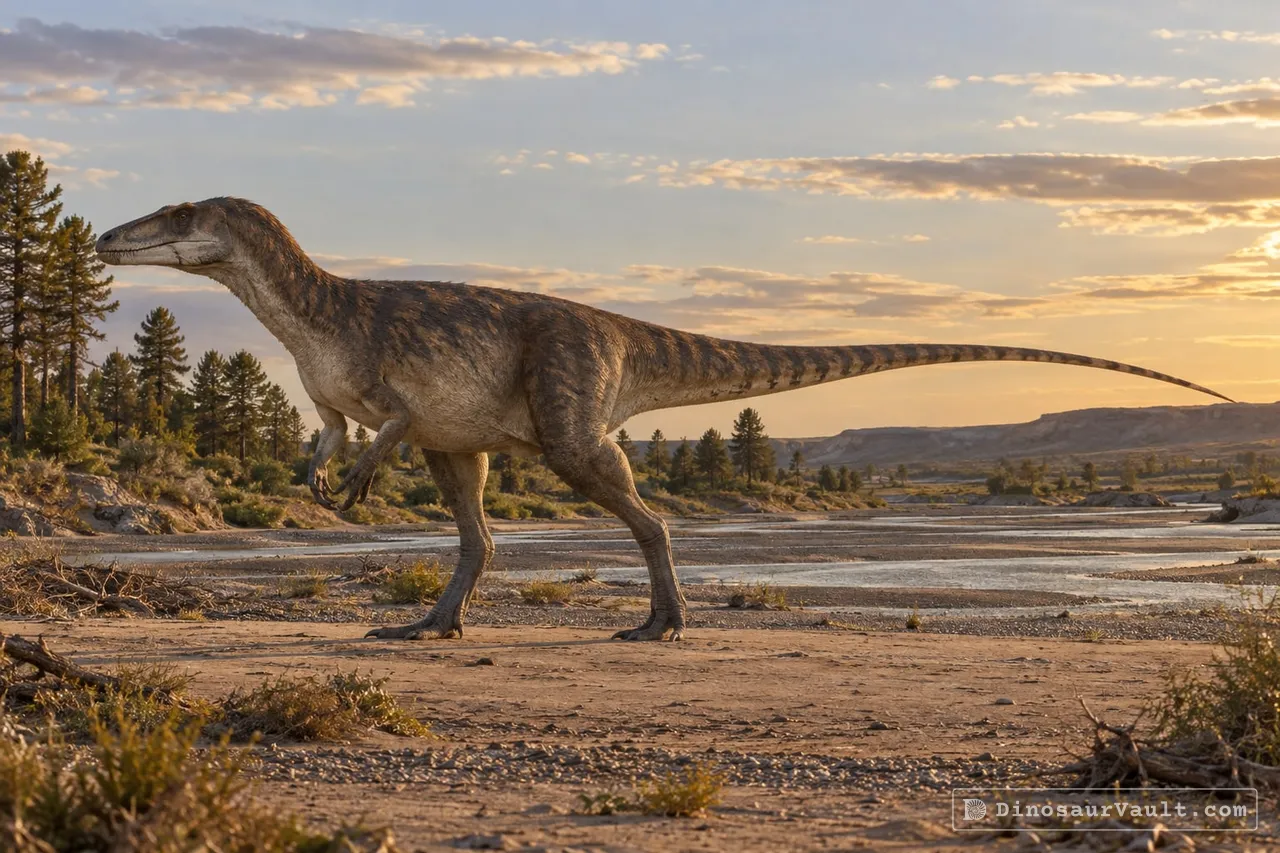
1 of 3
Lived alongside
Found in the same rock formations
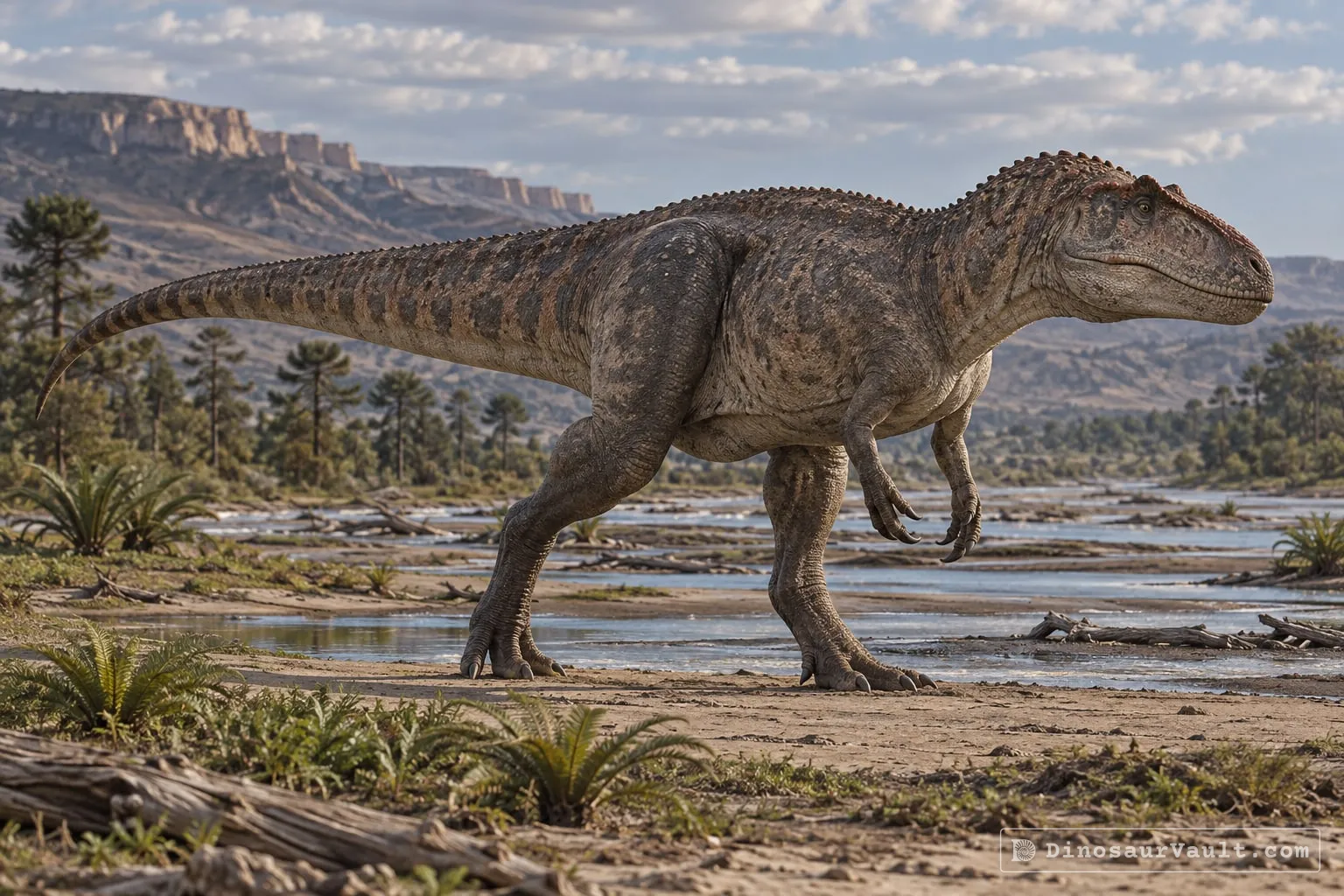
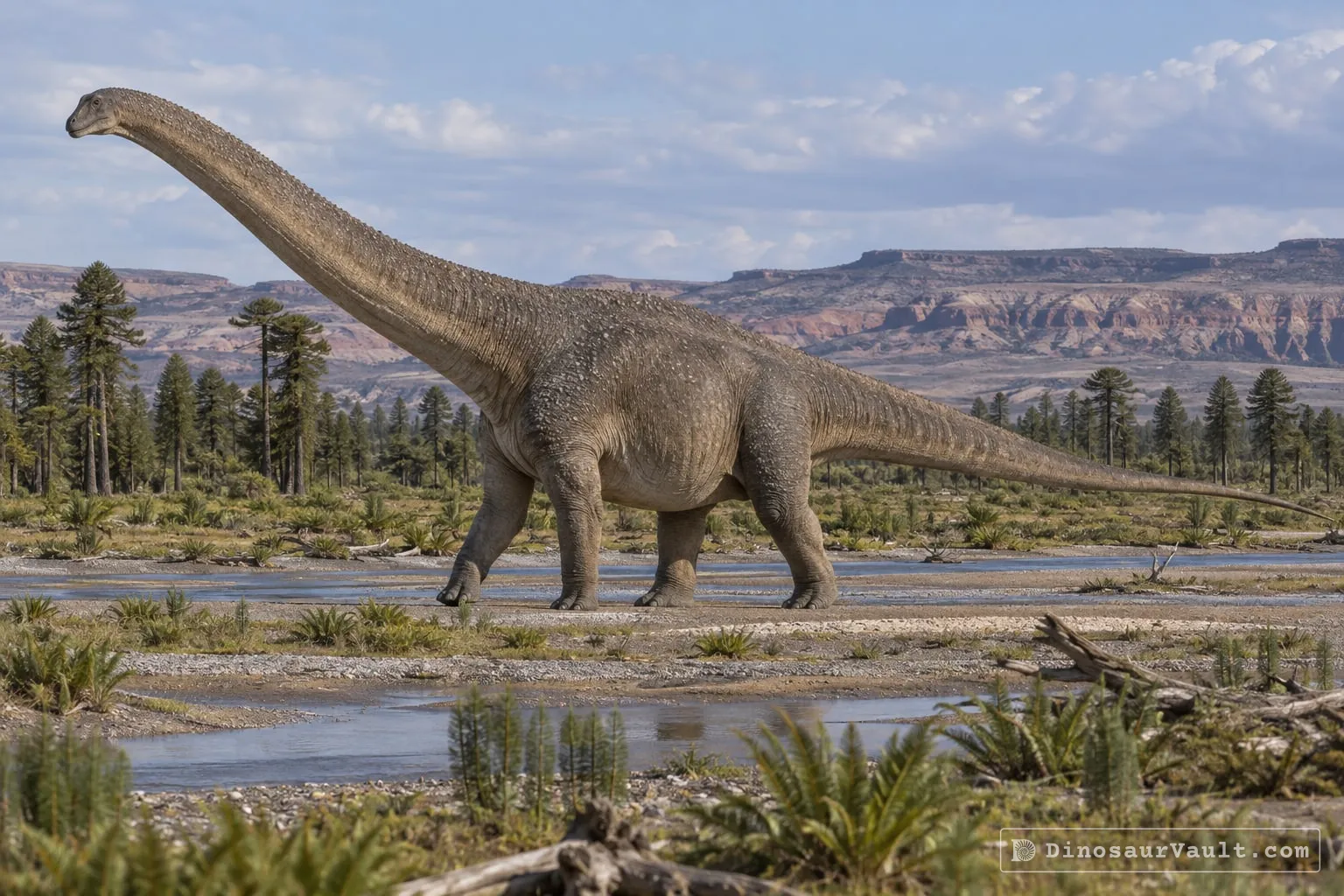
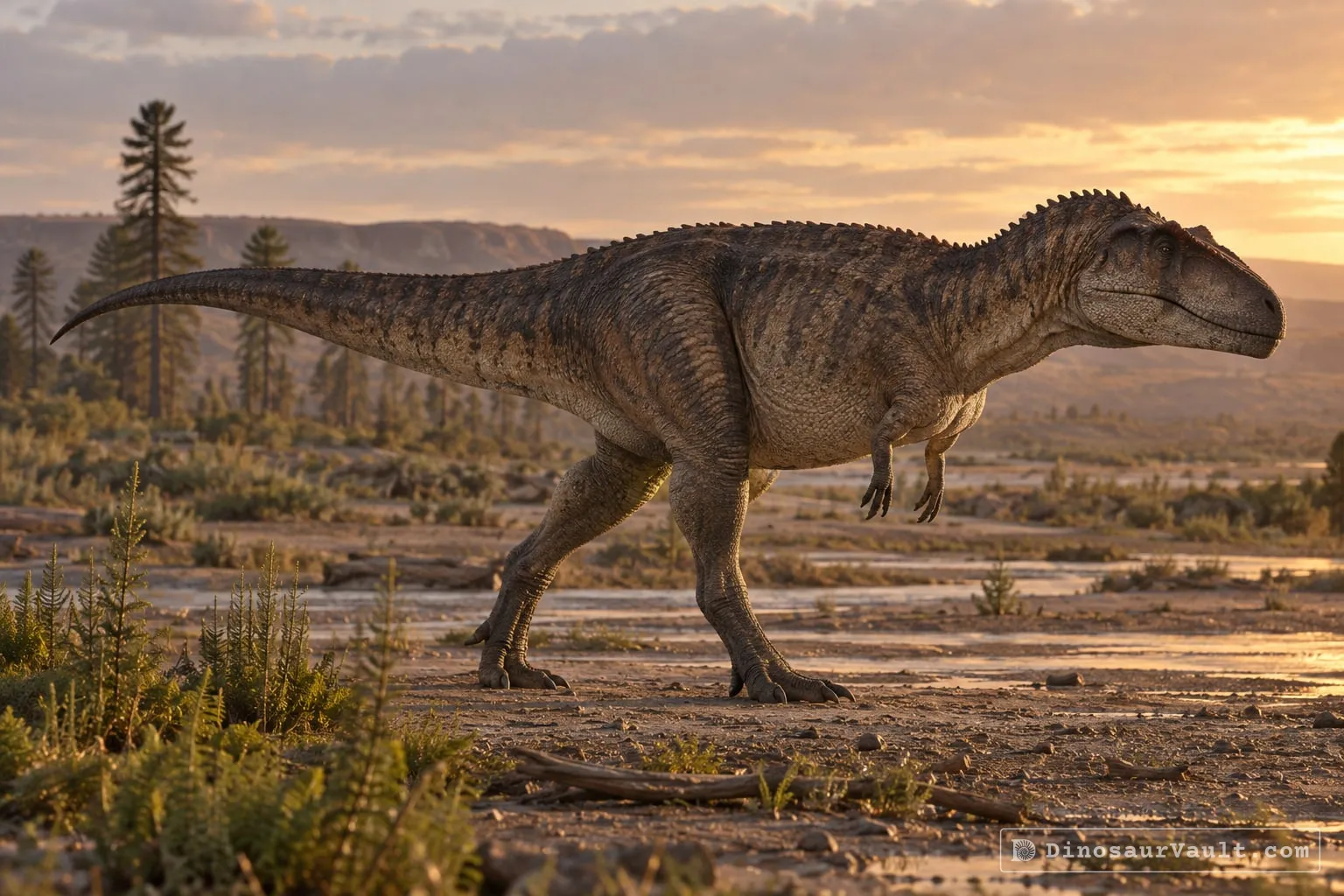
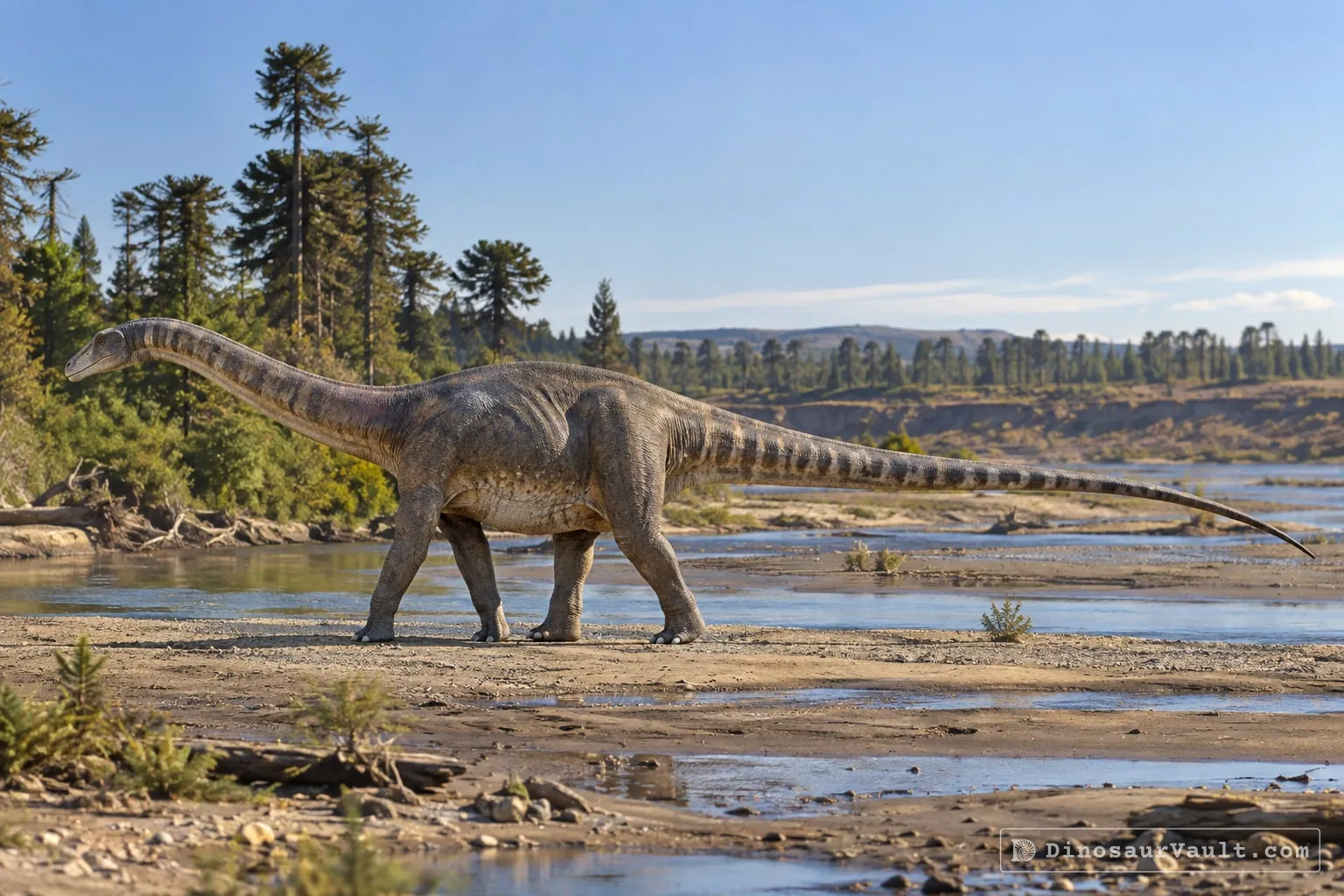
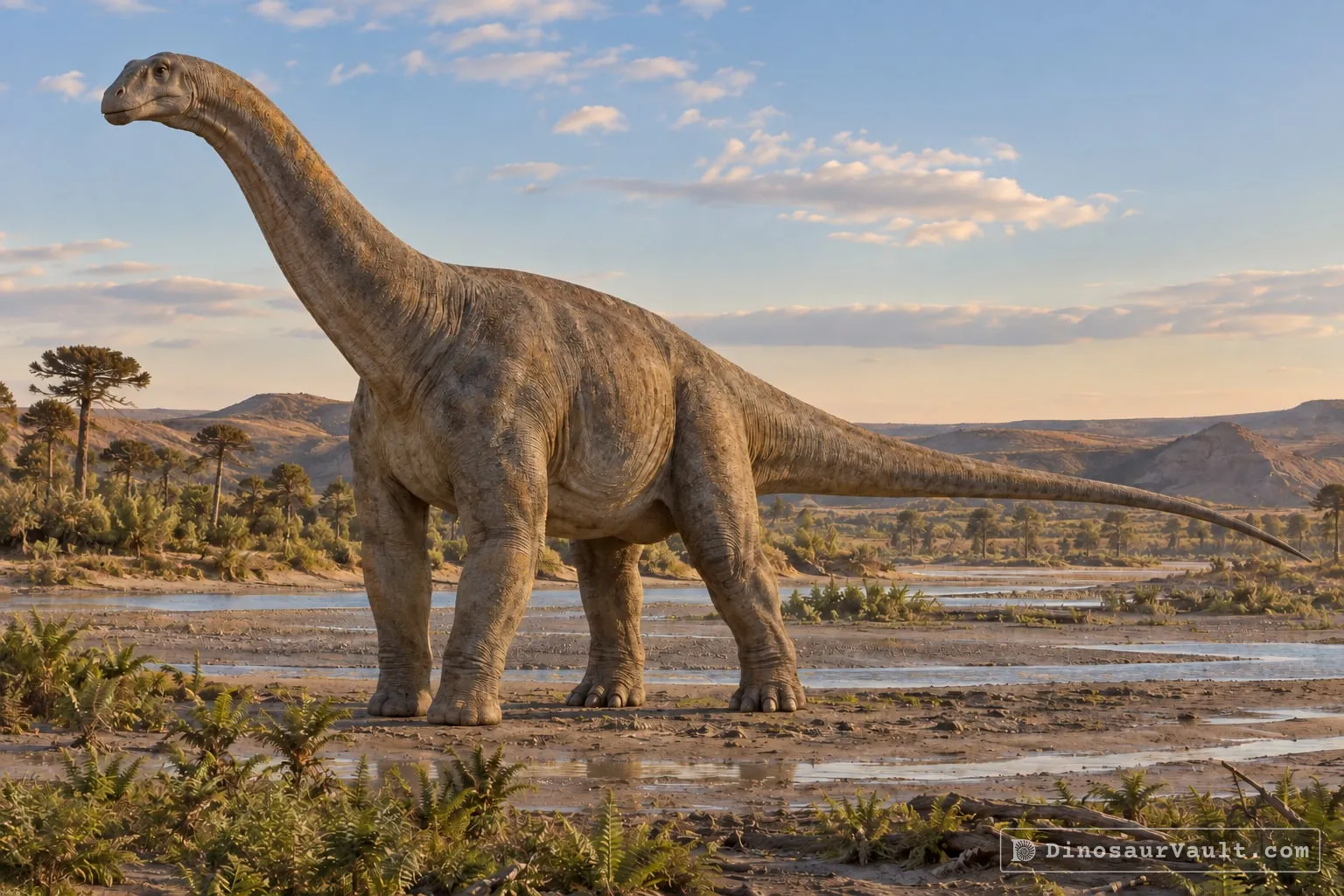
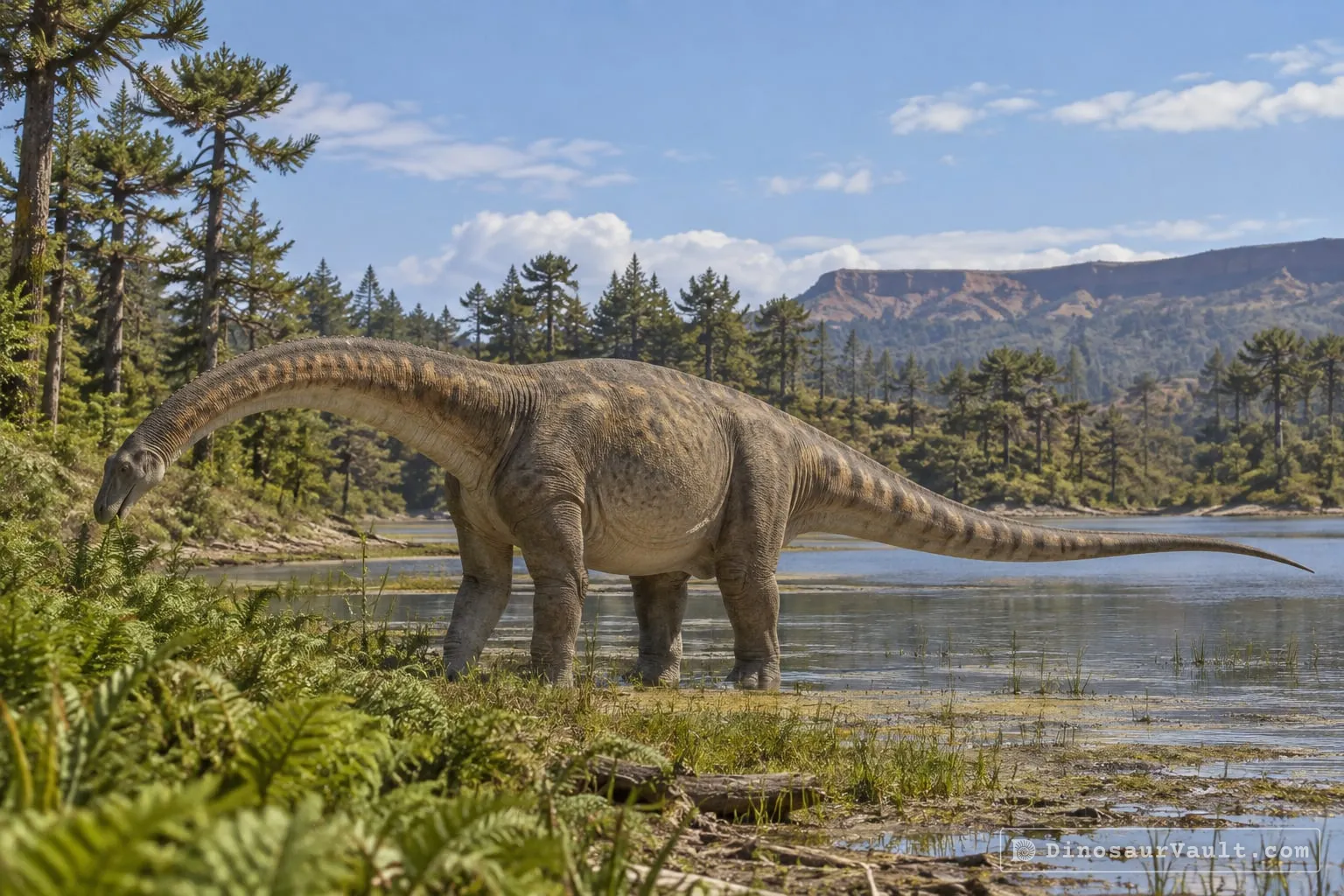


A rock formation can hold fossils laid down millions of years apart, so not every animal here met Aoniraptor.
The evidence
The science behind Aoniraptor
Which parts of the picture come from its own bones, and which come from its relatives.
From its own fossils
- Its known bones come from the rear of the backbone and the front and middle of the tail.
- Tail vertebrae have distinctive fan-shaped joint surfaces and blunt projections.
- Air spaces inside the vertebrae show that air sacs extended into parts of its backbone.
Borrowed from relatives
- Murusraptor guides a possible restoration of the missing head, with a long, low snout.
- Megaraptor guides the missing arms and large hand claws; Australovenator provides a comparison for the feet.
Still unknown
- The shape of its head and limbs, including the size of its hand claws.
- Its exact place within the megaraptor family tree.
- Its skin covering and color.
Discovery timeline
- 2016Named itMotta et al.
- 2016Close relativeCoria & Currie
- 2020Full descriptionAranciaga Rolando, Garcia Marsà & Novas
Key papers
The research behind what we know of Aoniraptor
Named it
Named Aoniraptor from distinctive backbone and tail bones found in the Huincul Formation.
New theropod fauna from the Upper Cretaceous (Huincul Formation) of northwestern Patagonia, Argentina. Cretaceous Period: Biotic Diversity and Biogeography. New Mexico Museum of Natural History and Science Bulletin 71: 231-253
No link available
Close relative
Described Murusraptor, whose skull bones provide a comparison for restoring the missing head of Aoniraptor.
A New Megaraptoran Dinosaur (Dinosauria, Theropoda, Megaraptoridae) from the Late Cretaceous of Patagonia. PLOS ONE 11: e0157973
Read the paper : A New Megaraptoran Dinosaur (Dinosauria, Theropoda, Megaraptoridae) from the Late Cretaceous of Patagonia (opens in a new tab)Full description
Examined the bone tissue and air spaces in its backbone, and identified tail features that distinguish Aoniraptor from Gualicho.
Histology and pneumaticity of Aoniraptor libertatem (Dinosauria, Theropoda), an enigmatic mid‐sized megaraptoran from Patagonia. Journal of Anatomy 237: 741-756
Read the paper : Histology and pneumaticity of Aoniraptor libertatem (Dinosauria, Theropoda), an enigmatic mid‐sized megaraptoran from Patagonia (opens in a new tab)
Close relatives
Other members of Megaraptora


Sources: Wikidata