Nopcsaspondylus
"Nopcsa's vertebra"
Type species Nopcsaspondylus alarconensis
- Lived
- 113 to 110 million years ago, Early Cretaceous
- Diet
- Herbivore
- Group
- Sauropods, Rebbachisauridae
- Found in
- Argentina
- Named by
- Apesteguía 2007
Where its fossils were found
The evidence
Today

110 million years ago
Habitat
The Candeleros Formation records rivers, floodplains and sand dunes in what is now Argentina. Limaysaurus, Giganotosaurus and Buitreraptor lived in this landscape.
Field notes
About Nopcsaspondylus
What it was like
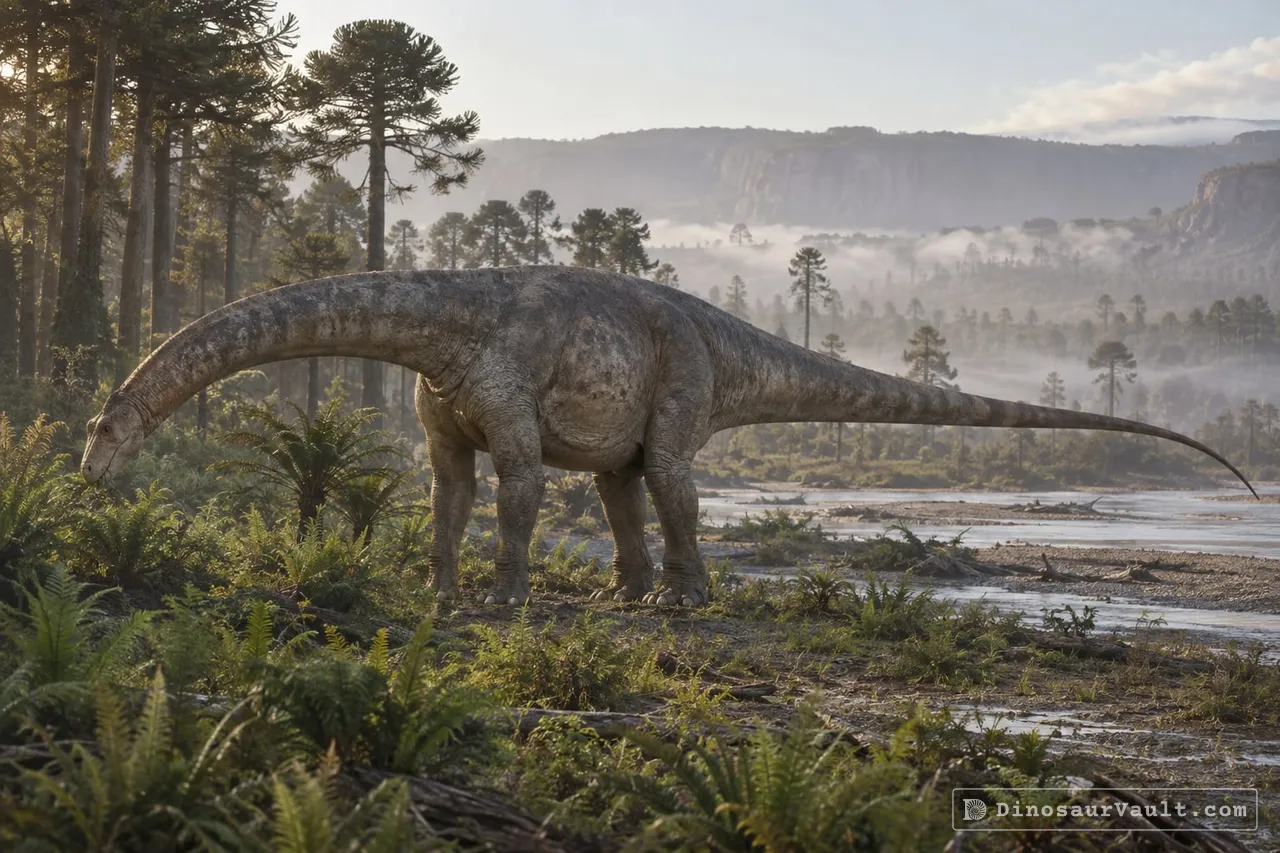
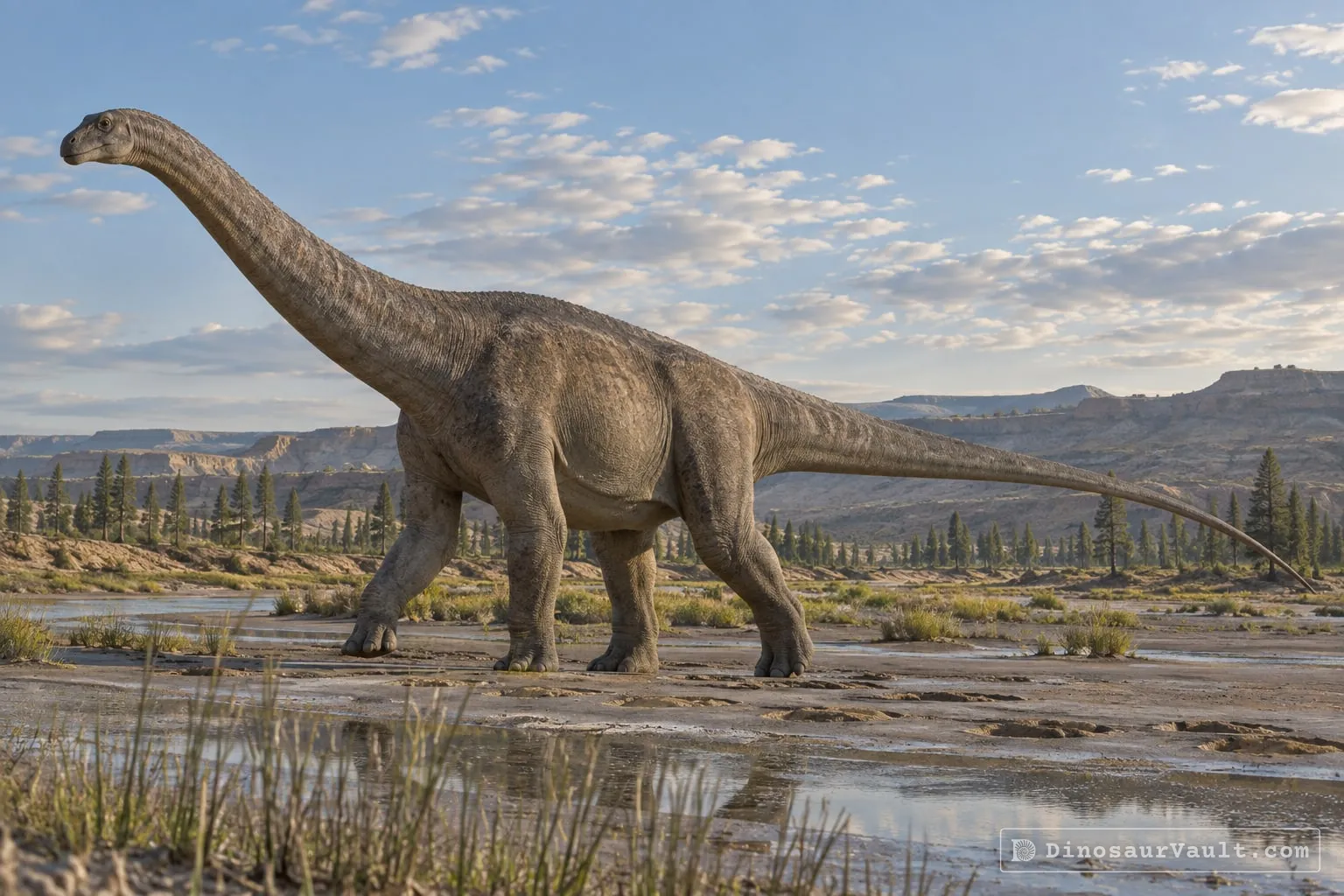
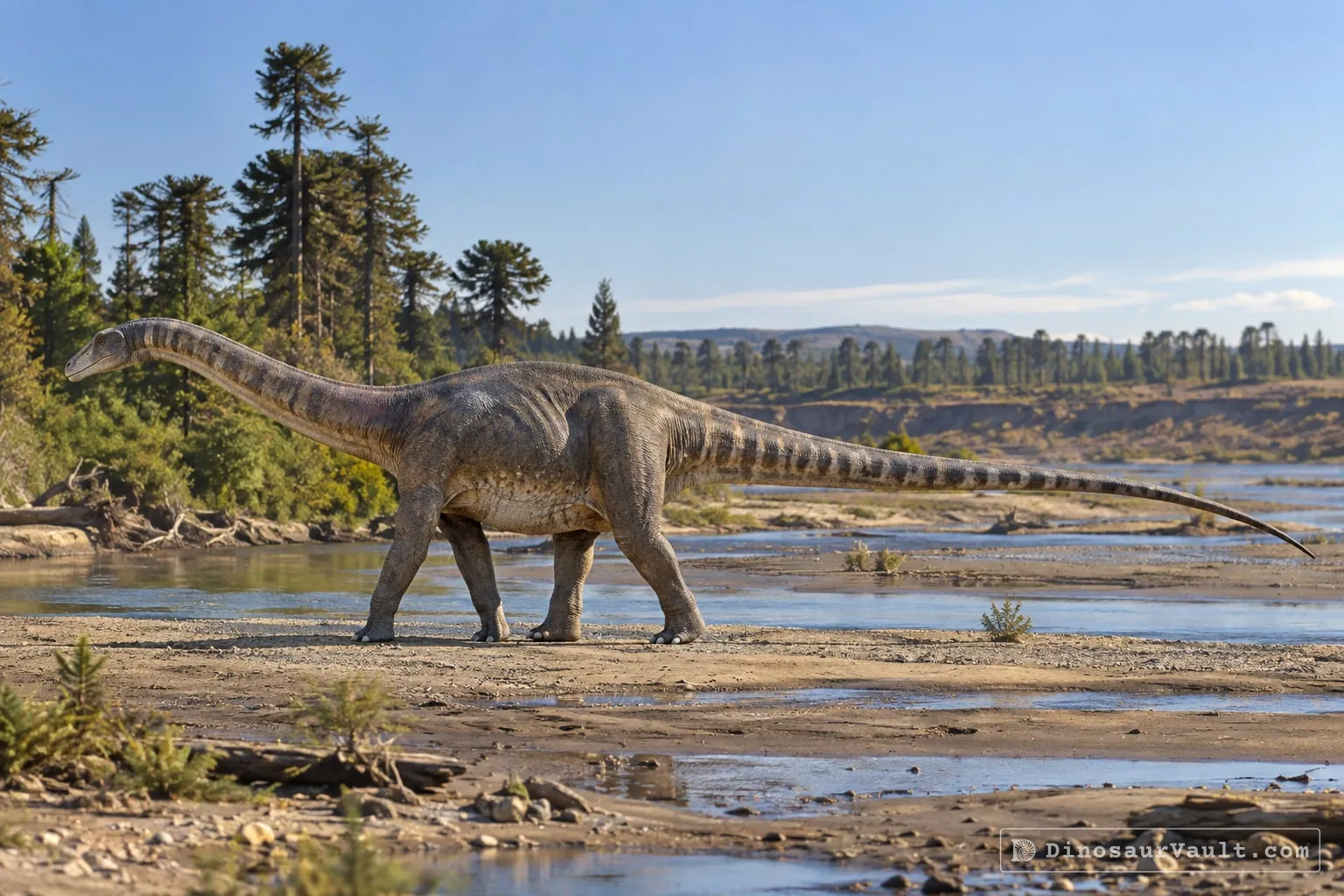
Nopcsaspondylus was a rebbachisaurid, a sauropod related to Limaysaurus. It is known only from a drawing of one back bone, since the bone itself is lost.
Its world
It lived in the Cretaceous, in what is now Argentina. It comes from the Candeleros Formation, where Limaysaurus and the giant predator Giganotosaurus also lived.
How it was found
Apesteguía named Nopcsaspondylus in 2007. The type species is Nopcsaspondylus alarconensis. It was based on a bone described and drawn decades before, and most scientists consider it doubtful.
Field gallery
More views of Nopcsaspondylus
Scenes reconstructed from the available fossil evidence.
Lived alongside
Found in the same rock formations
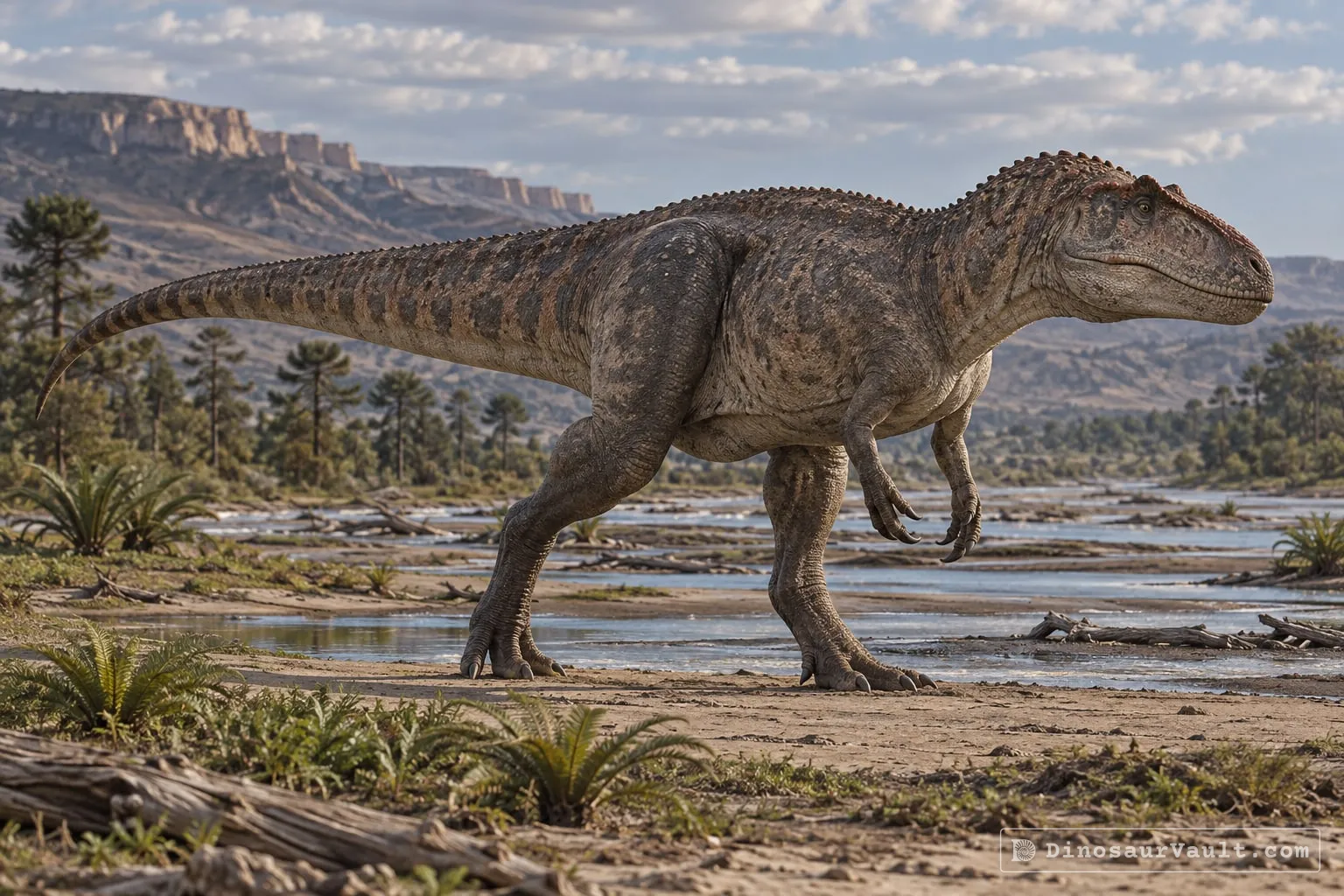
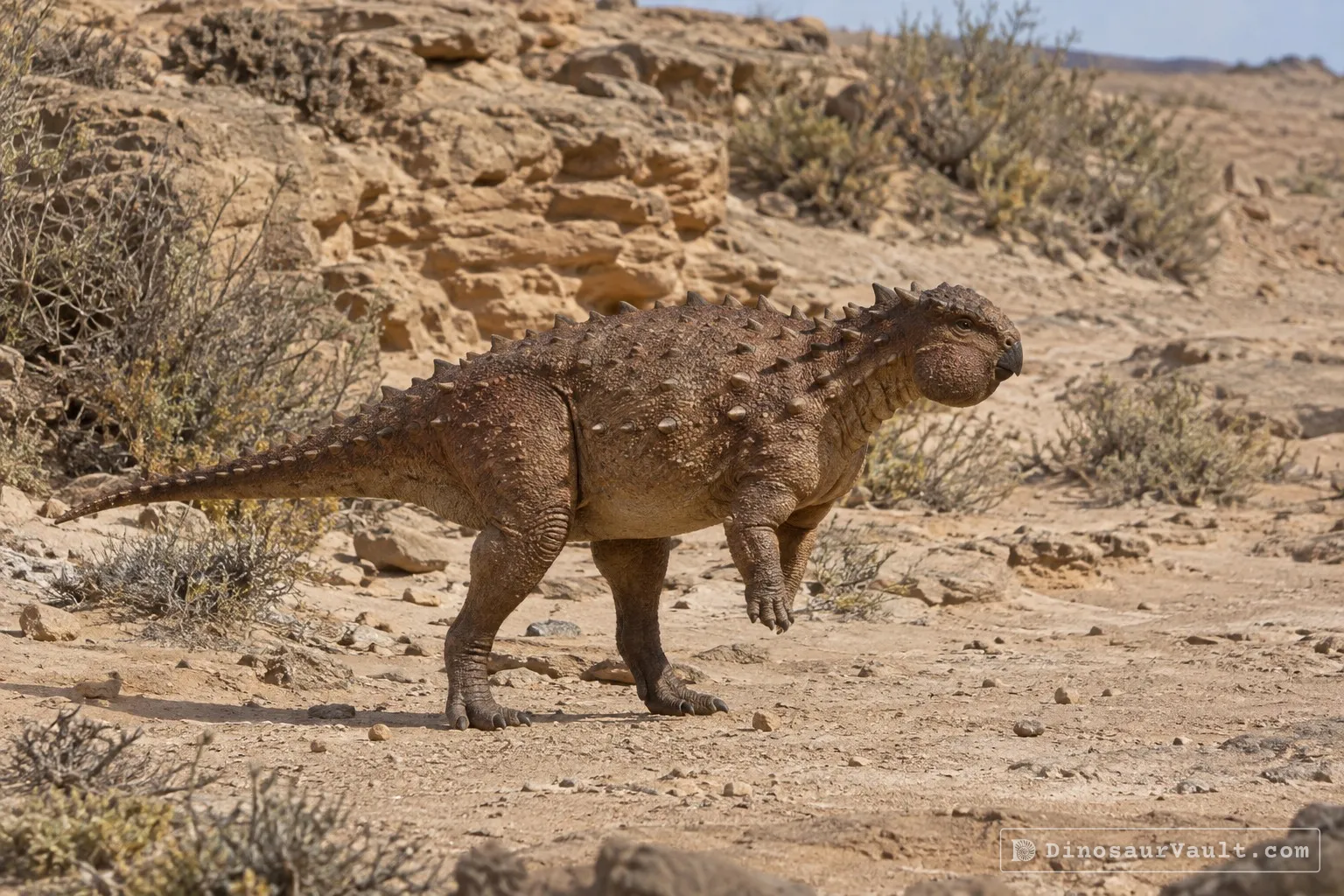
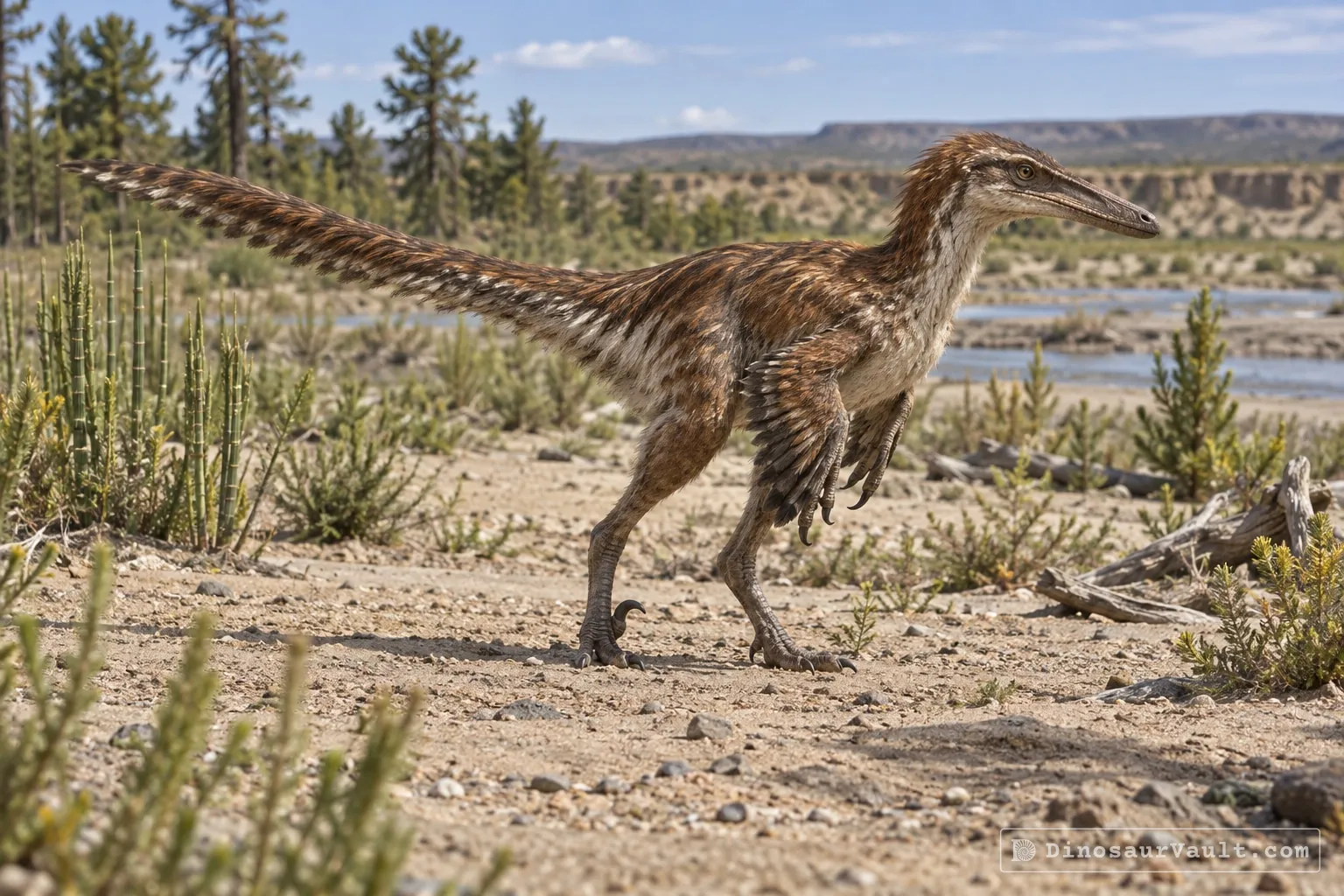
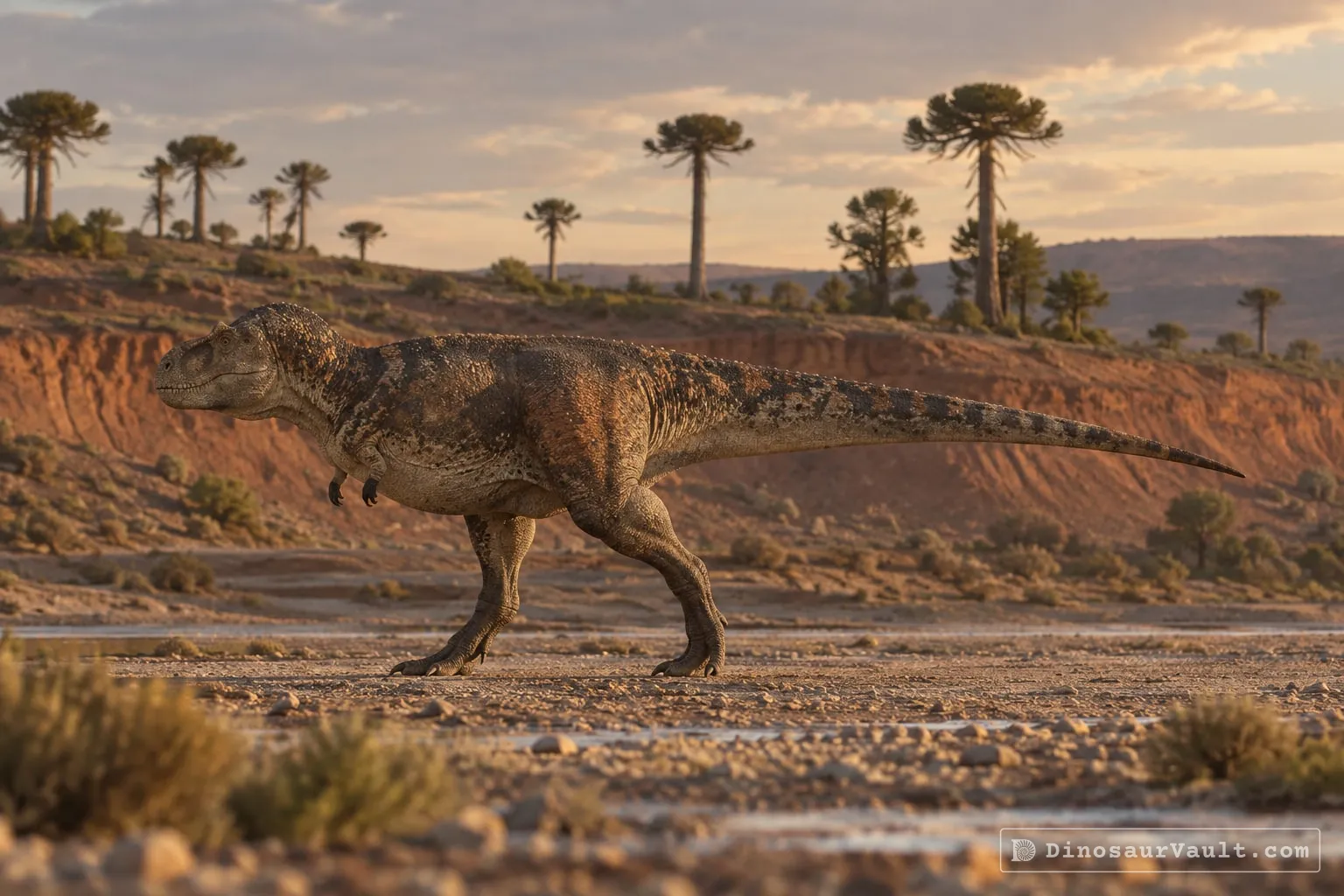
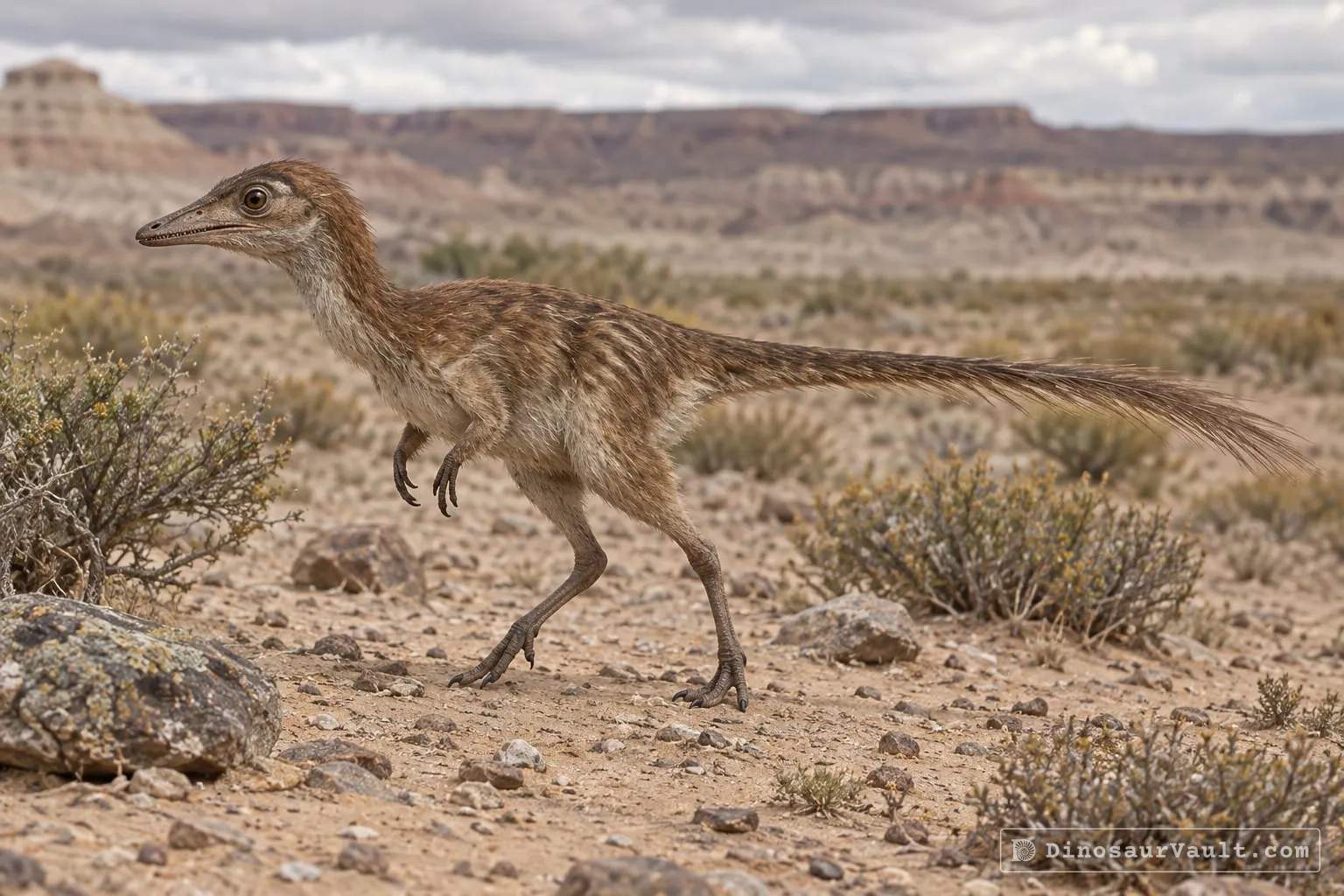
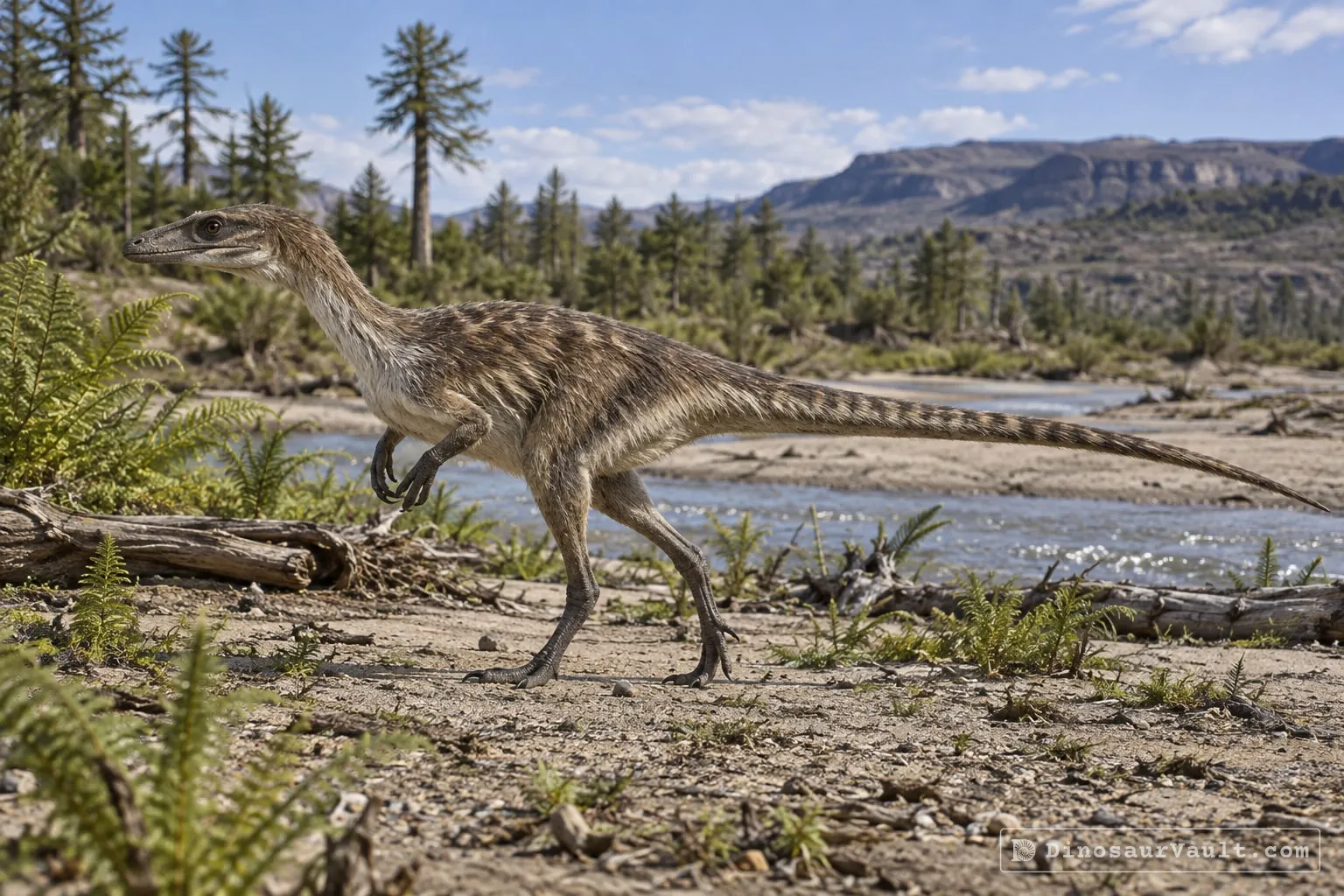


A rock formation can hold fossils laid down millions of years apart, so not every animal here met Nopcsaspondylus.
The evidence
The science behind Nopcsaspondylus
Which parts of the picture come from its own bones, and which come from its relatives.
From its own fossils
- Nopcsaspondylus was named from a back vertebra that is now lost and survives in an old description and drawing.
- The vertebra had a small central body and a large hollow in its side, features found in rebbachisaurid sauropods.
Borrowed from relatives
- Limaysaurus and other rebbachisaurids provide comparisons for the missing neck, limbs and tail.
Still unknown
- Whether it was a distinct species of rebbachisaurid.
- The shape and proportions of its skull and body.
- Its skin covering and color.
Discovery timeline
- 2007Named itApesteguía
- 2021Its worldLizzoli, Raigemborn & Varela
- 2026RedescriptionLerzo
Key papers
The research behind what we know of Nopcsaspondylus
Named it
Named Nopcsaspondylus from an earlier description of a lost back vertebra and compared it with rebbachisaurids.
The sauropod diversity of the La Amarga Formation (Barremian), Neuquén (Argentina). Gondwana Research 12: 533-546
Read the paper : The sauropod diversity of the La Amarga Formation (Barremian), Neuquén (Argentina) (opens in a new tab)Its world
Studied ancient soils and sediments that record rivers, floodplains and sand dunes in the Candeleros Formation.
Controls of pedogenesis in a fluvial-eolian succession of Cenomanian age in northern Patagonia. Palaeogeography, Palaeoclimatology, Palaeoecology 577: 110549
Read the paper : Controls of pedogenesis in a fluvial-eolian succession of Cenomanian age in northern Patagonia (opens in a new tab)Redescription
Reexamined the published vertebra and concluded that Nopcsaspondylus is a doubtful name because it lacks features distinguishing a separate species.
The lost fossil of the first discovered rebbachisaurid: reassessment of Nopcsaspondylus alarconensis (Diplodocoidea, Sauropoda). Historical Biology 38: 2748-2755
Read the paper : The lost fossil of the first discovered rebbachisaurid: reassessment of Nopcsaspondylus alarconensis (Diplodocoidea, Sauropoda) (opens in a new tab)
Close relatives
Other members of Rebbachisauridae


Sources: Wikidata