Nigersaurus
NYE-jer-SORE-us
"Niger lizard"
Type species Nigersaurus taqueti
- Lived
- 121 to 101 million years ago, Early Cretaceous
- Diet
- Herbivore
- Length
- about 9 m (30 ft)
- Group
- Sauropods, Rebbachisauridae
- Found in
- Niger
- Named by
- Sereno et al. 1999
Size comparison
To scale


Scale in metersOutline: typical sauropod shape
Where its fossils were found
The evidence
Today

110 million years ago
Habitat
Broad rivers crossed the land preserved in the Elrhaz Formation. Suchomimus, Ouranosaurus and Eocarcharia lived in the same region.
Field notes
About Nigersaurus
What it was like
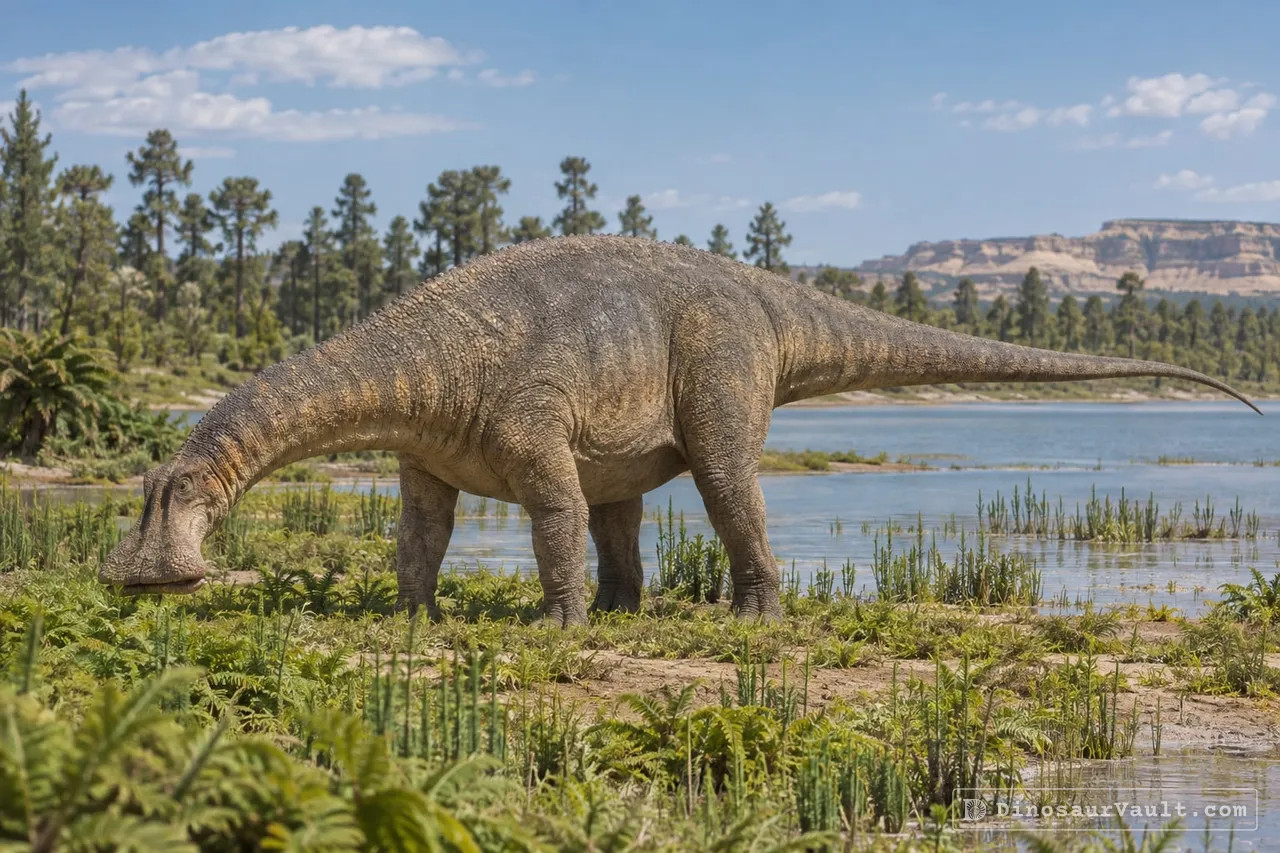
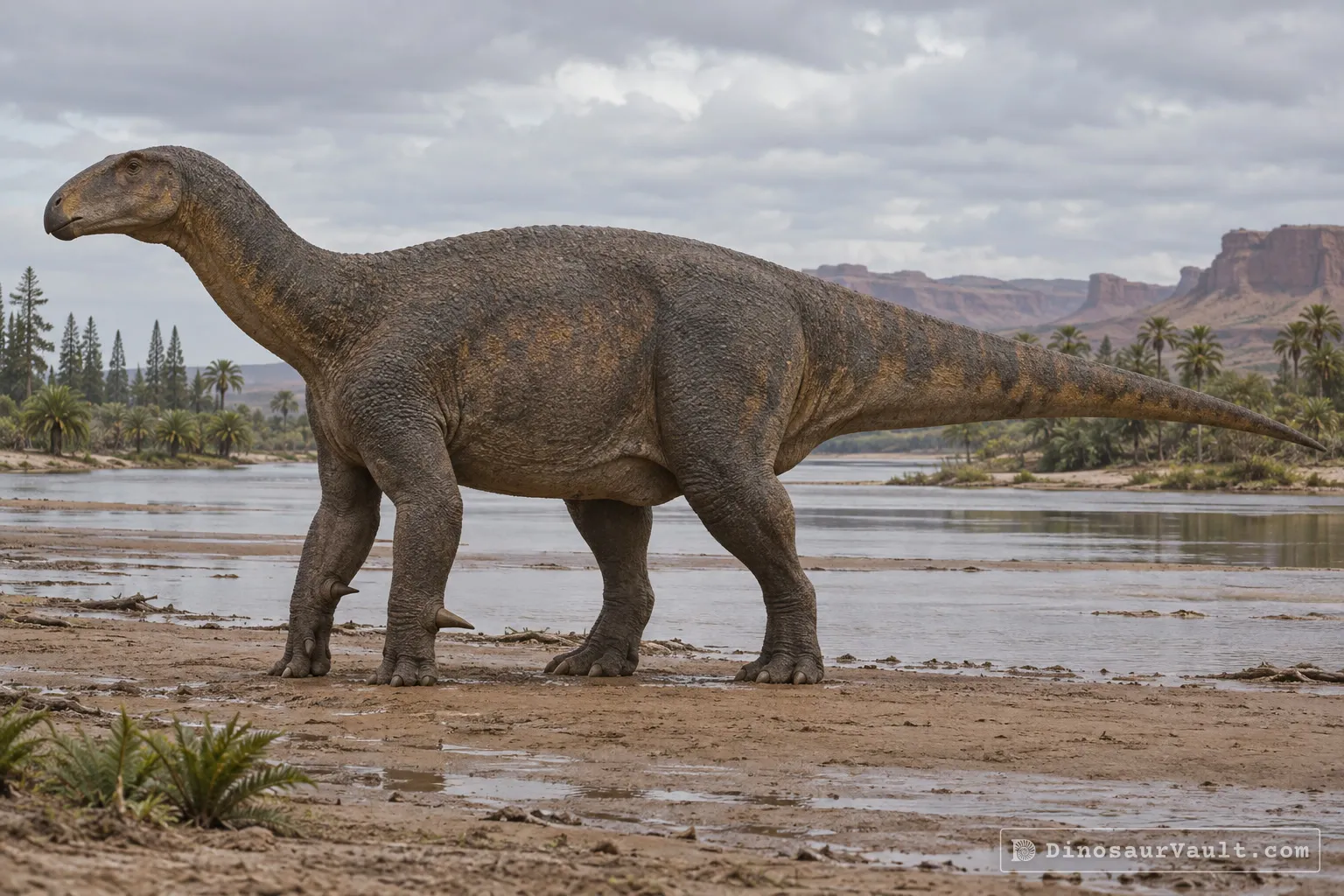
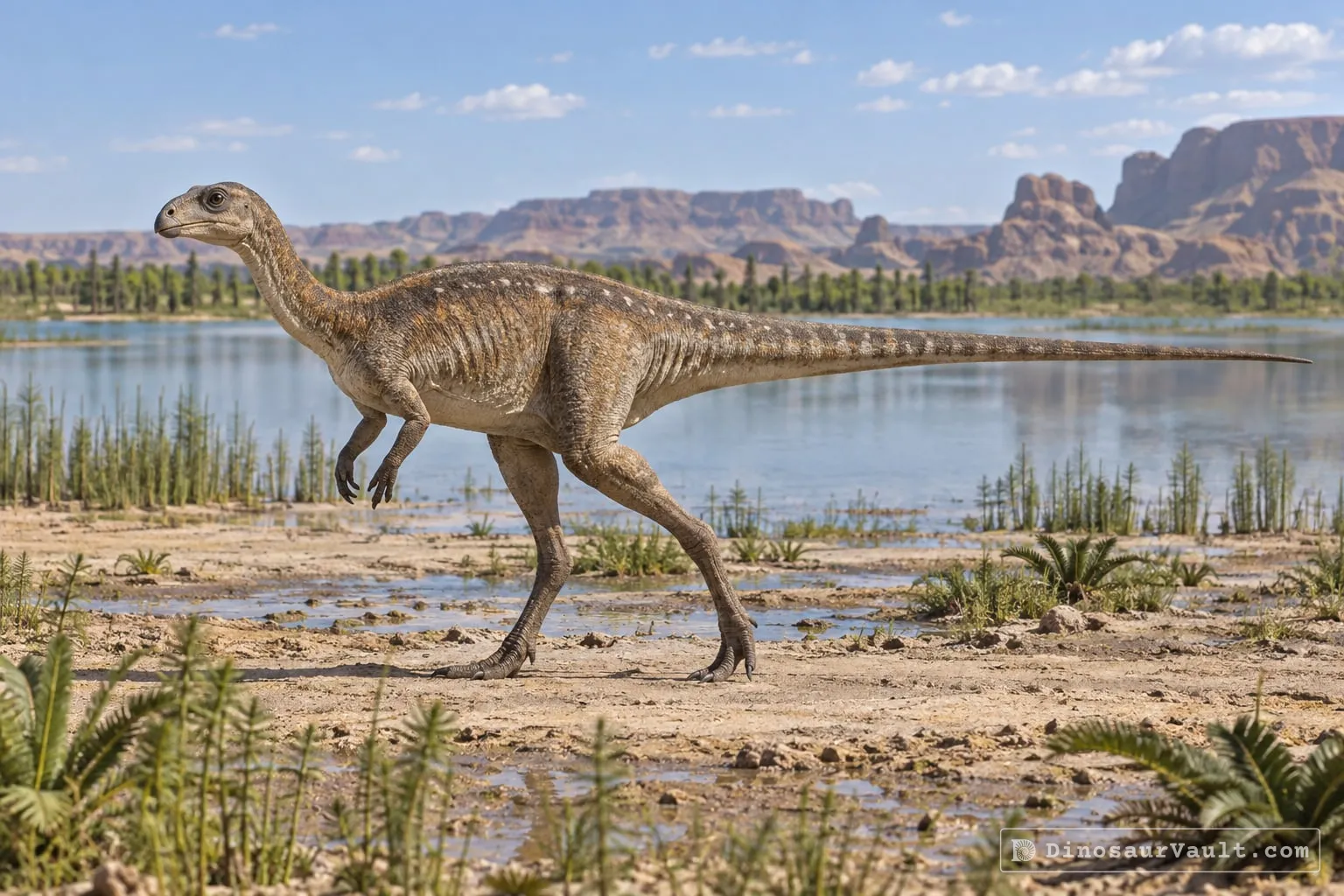
Nigersaurus was a sauropod with a short neck and a very strange head. Its mouth was wide and flat, like a vacuum cleaner, with hundreds of small teeth lined up across the front. Worn teeth were replaced very quickly.
It probably grazed low plants, holding its head close to the ground. Its skull bones were very thin, and many were full of air spaces.
Its world
It lived in the Early Cretaceous, in what is now Niger. It comes from the Elrhaz Formation, a land of rivers shared with the spinosaur Suchomimus, the sail-backed plant eater Ouranosaurus and the predator Eocarcharia.
How it was found
Sereno and colleagues named Nigersaurus in 1999. The type species is Nigersaurus taqueti.
Field gallery
More views of Nigersaurus
Scenes reconstructed from the available fossil evidence.
1 of 3
Lived alongside
Found in the same rock formations
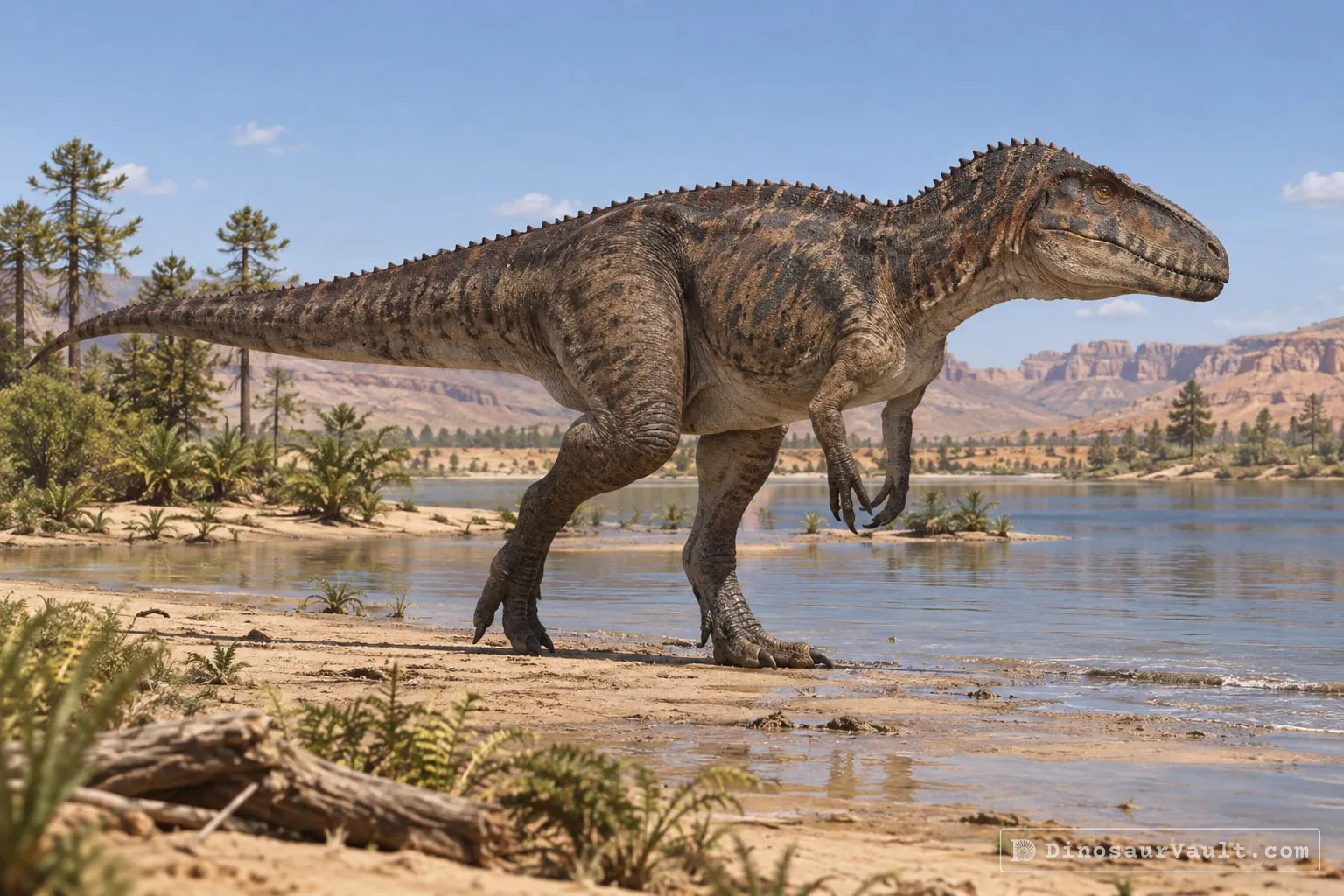
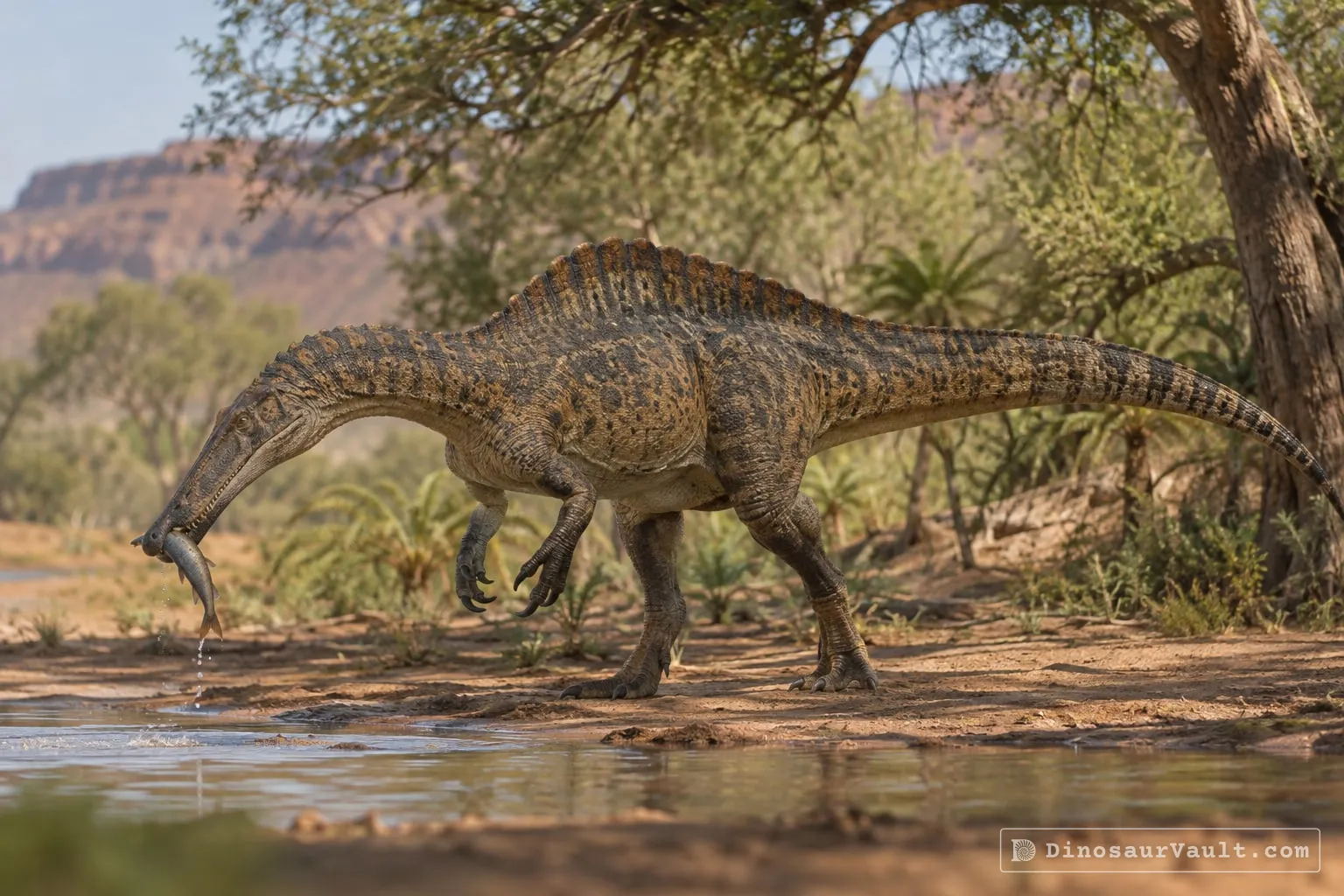
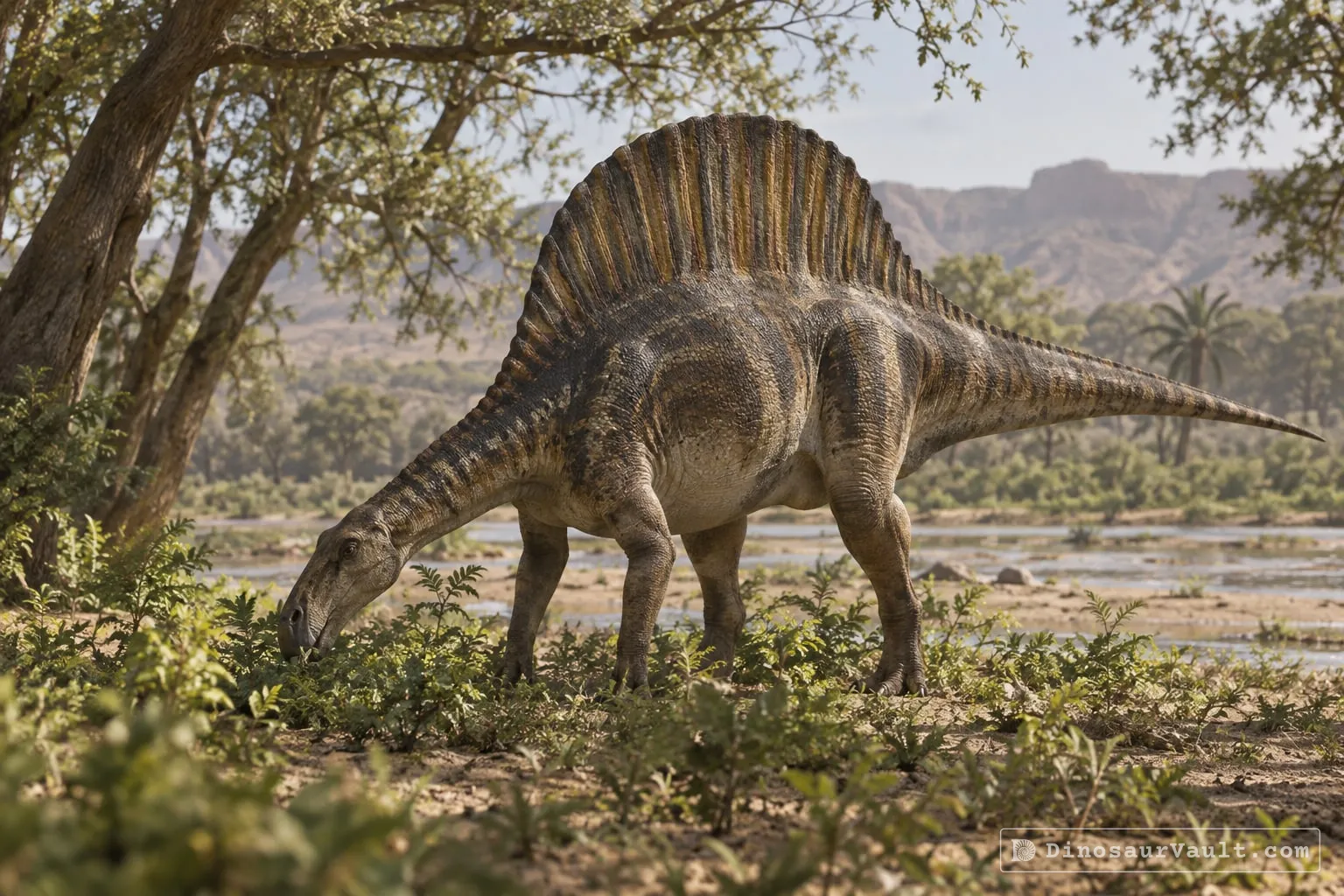
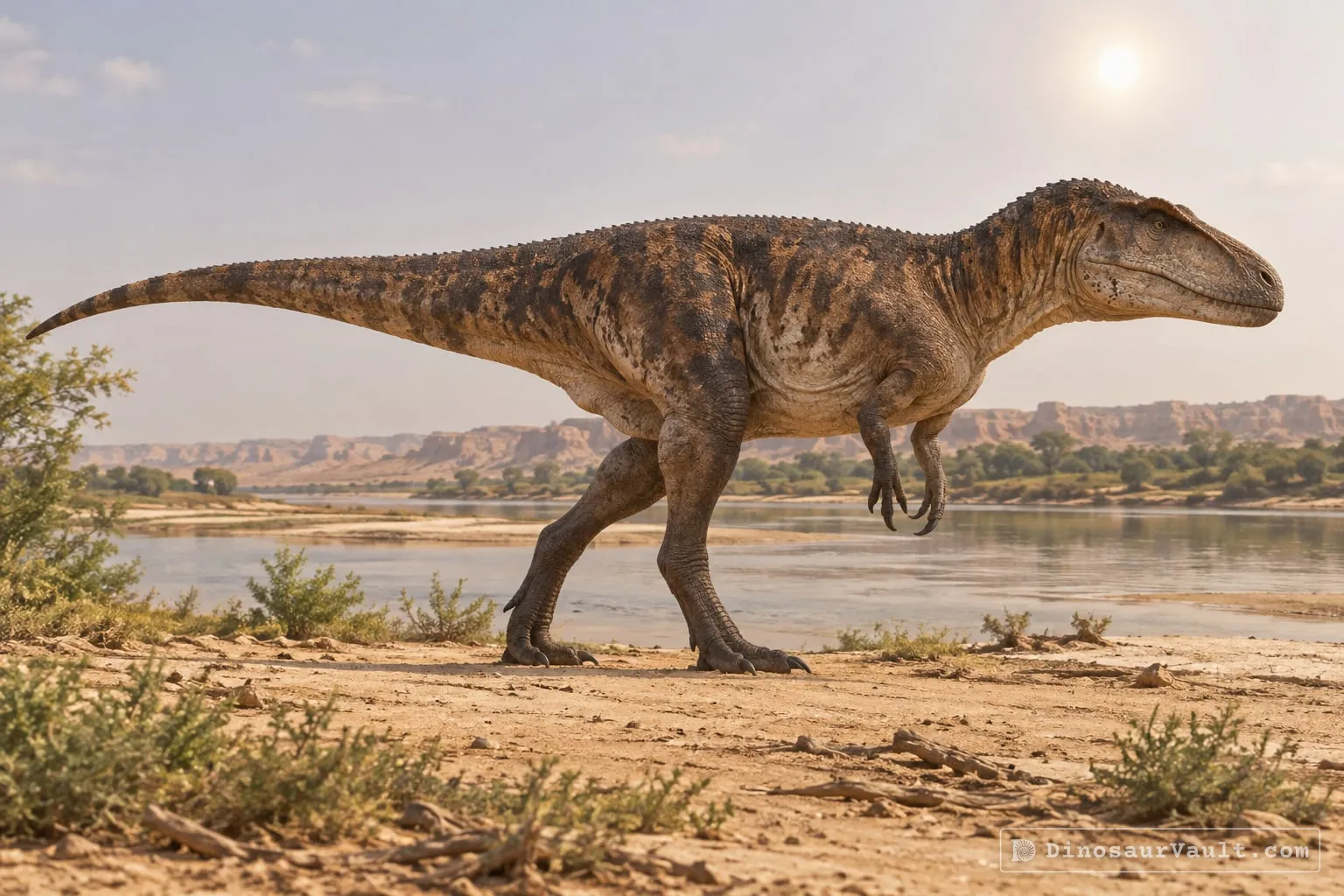
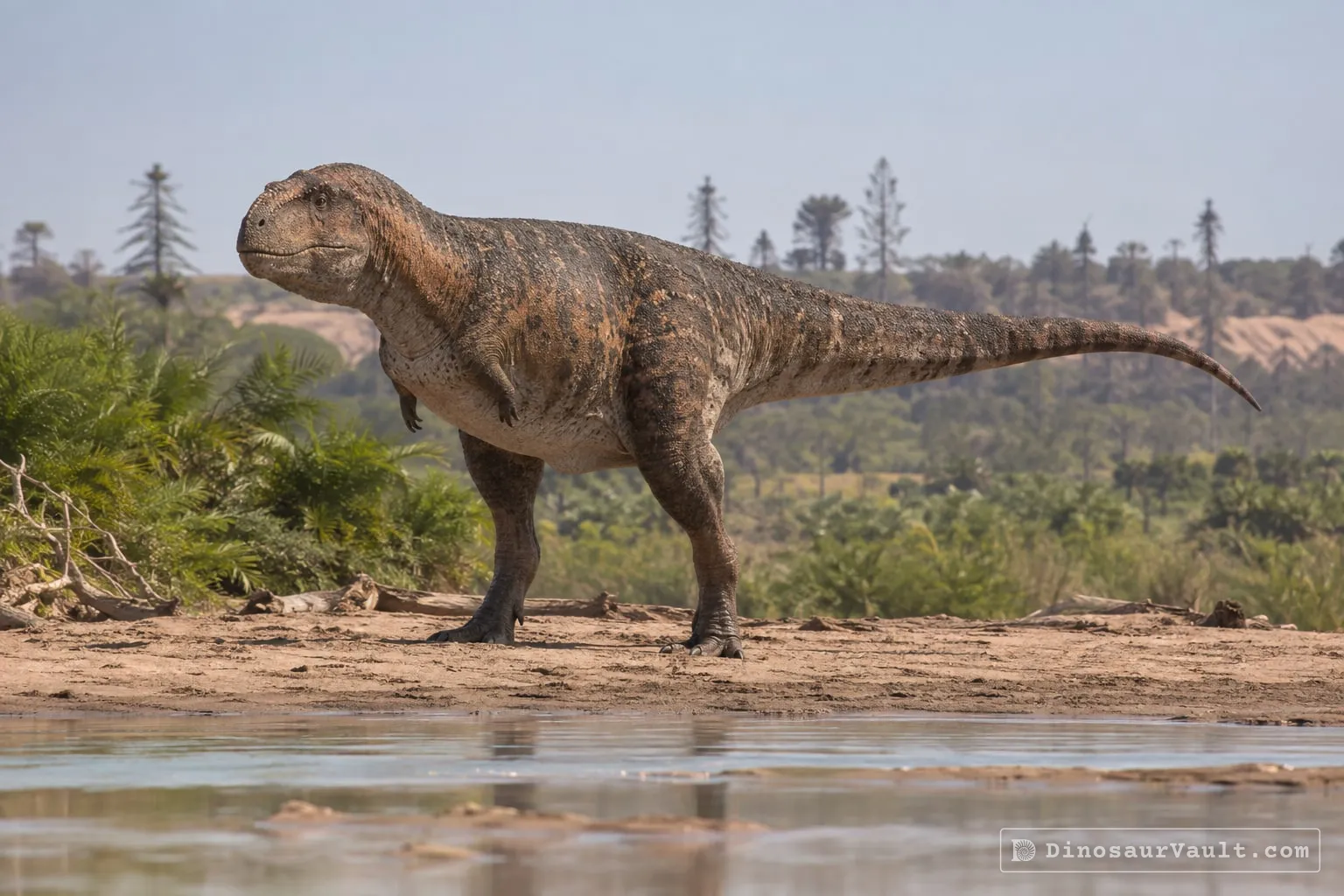
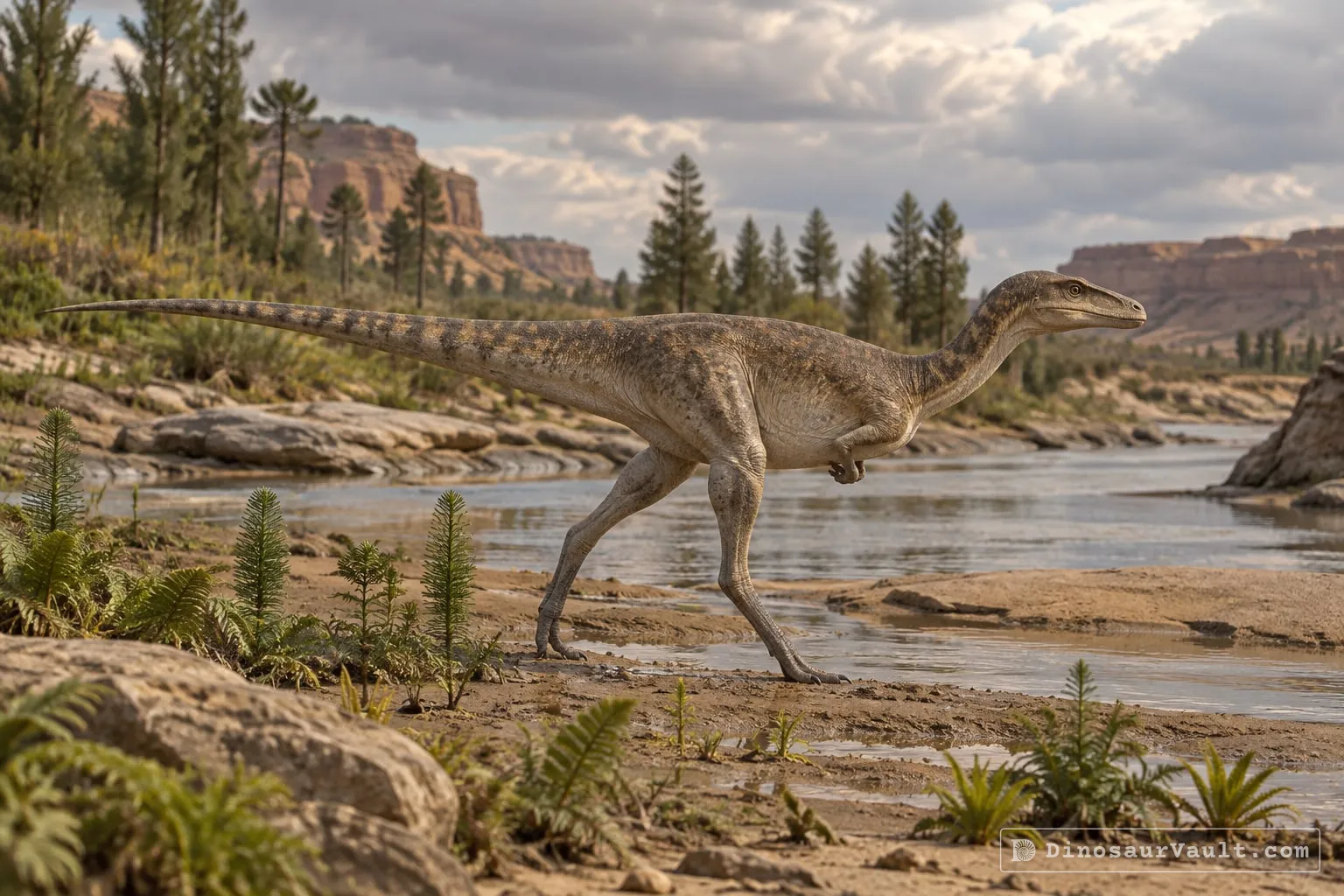


A rock formation can hold fossils laid down millions of years apart, so not every animal here met Nigersaurus.
The evidence
The science behind Nigersaurus
Which parts of the picture come from its own bones, and which come from its relatives.
From its own fossils
- Its broad jaws carried rows of slender teeth across the front of the mouth, with replacement teeth stacked behind them.
- The skull had paper-thin struts of bone, and the backbone contained large air spaces.
- Tooth wear and the broad muzzle suggest that it cropped soft plants close to the ground.
Borrowed from relatives
- Most of the skeleton is known from its own bones; missing parts are compared with other diplodocoids such as Diplodocus.
Still unknown
- Its skin color.
- Exactly which plants it ate.
- How its body proportions changed as it grew.
Discovery timeline
- 1999Named itSereno et al.
- 2005SkullSereno & Wilson
- 2007Full descriptionSereno et al.
- 2011How it fedWhitlock
- 2013How it fedD’Emic et al.
Key papers
The research behind what we know of Nigersaurus
Named it
Named Nigersaurus and revealed the unusual skull of a small-bodied rebbachisaurid sauropod.
Cretaceous Sauropods from the Sahara and the Uneven Rate of Skeletal Evolution Among Dinosaurs. Science 286: 1342-1347
Read the paper : Cretaceous Sauropods from the Sahara and the Uneven Rate of Skeletal Evolution Among Dinosaurs (opens in a new tab)Skull
Described the tooth-bearing bones and tightly packed replacement teeth, showing how the broad mouth was built for cropping plants.
Structure and Evolution of a Sauropod Tooth Battery. The SauropodsEvolution and Paleobiology: 157-177
Read the paper : Structure and Evolution of a Sauropod Tooth Battery (opens in a new tab)Full description
Reconstructed the fragile skull and skeleton and proposed that Nigersaurus gathered soft vegetation near the ground.
Structural Extremes in a Cretaceous Dinosaur. PLoS ONE 2: e1230
Read the paper : Structural Extremes in a Cretaceous Dinosaur (opens in a new tab)How it fed
Compared snout shapes and tooth scratches, supporting low browsing in broad-snouted diplodocoids such as Nigersaurus.
Inferences of Diplodocoid (Sauropoda: Dinosauria) Feeding Behavior from Snout Shape and Microwear Analyses. PLoS ONE 6: e18304
Read the paper : Inferences of Diplodocoid (Sauropoda: Dinosauria) Feeding Behavior from Snout Shape and Microwear Analyses (opens in a new tab)How it fed
Revised the estimated tooth replacement rate of Nigersaurus upward, making it exceptionally fast even among sauropods.
Evolution of High Tooth Replacement Rates in Sauropod Dinosaurs. PLoS ONE 8: e69235
Read the paper : Evolution of High Tooth Replacement Rates in Sauropod Dinosaurs (opens in a new tab)
Close relatives
Other members of Rebbachisauridae


Sources: Wikidata