Afromimus
"Africa mimic"
- Lived
- 113 to 101 million years ago, Early Cretaceous
- Diet
- Omnivore
- Group
- Theropods
- Found in
- Niger
- Named by
- Sereno 2017
Where its fossils were found
The evidence
Today

105 million years ago
Habitat
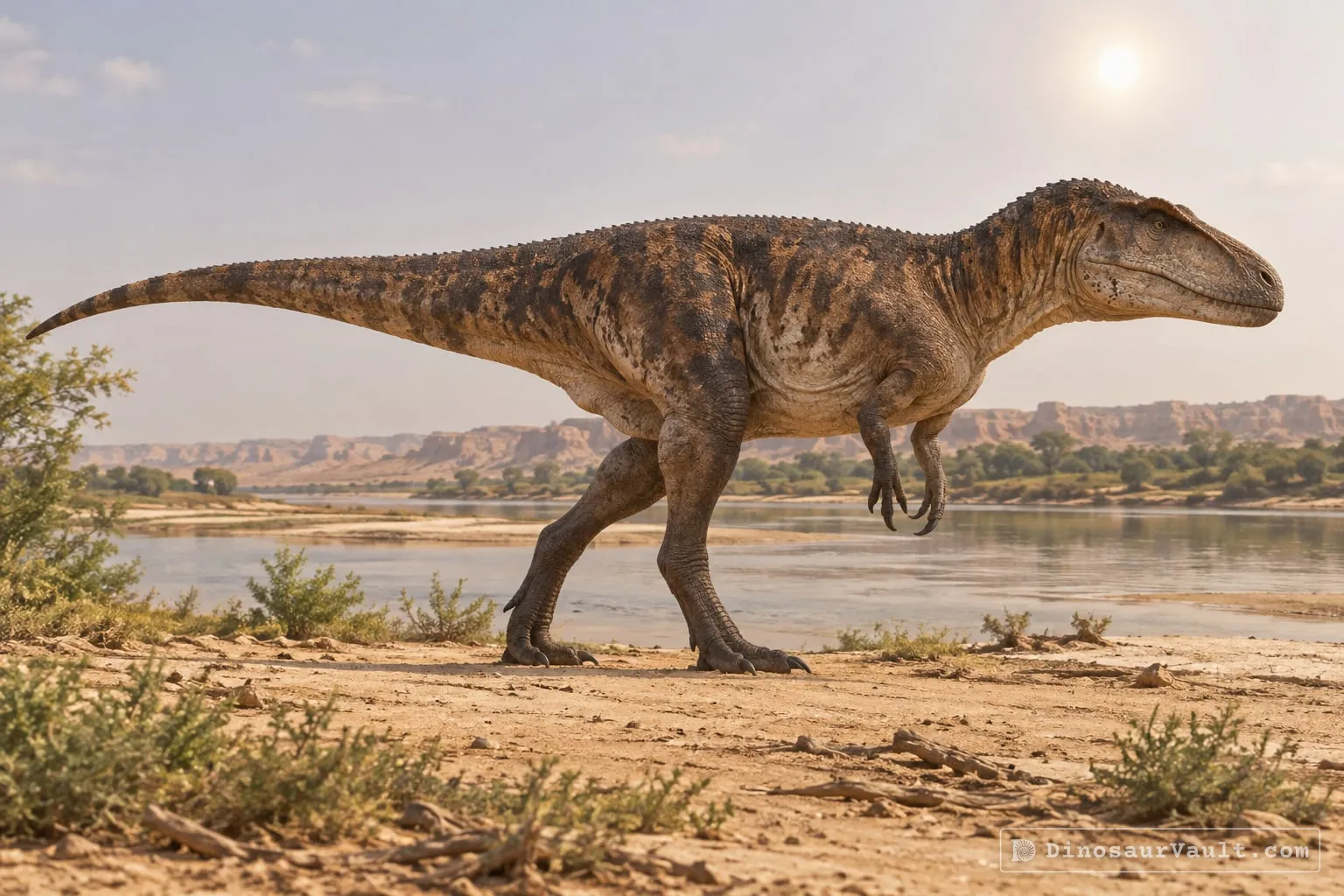
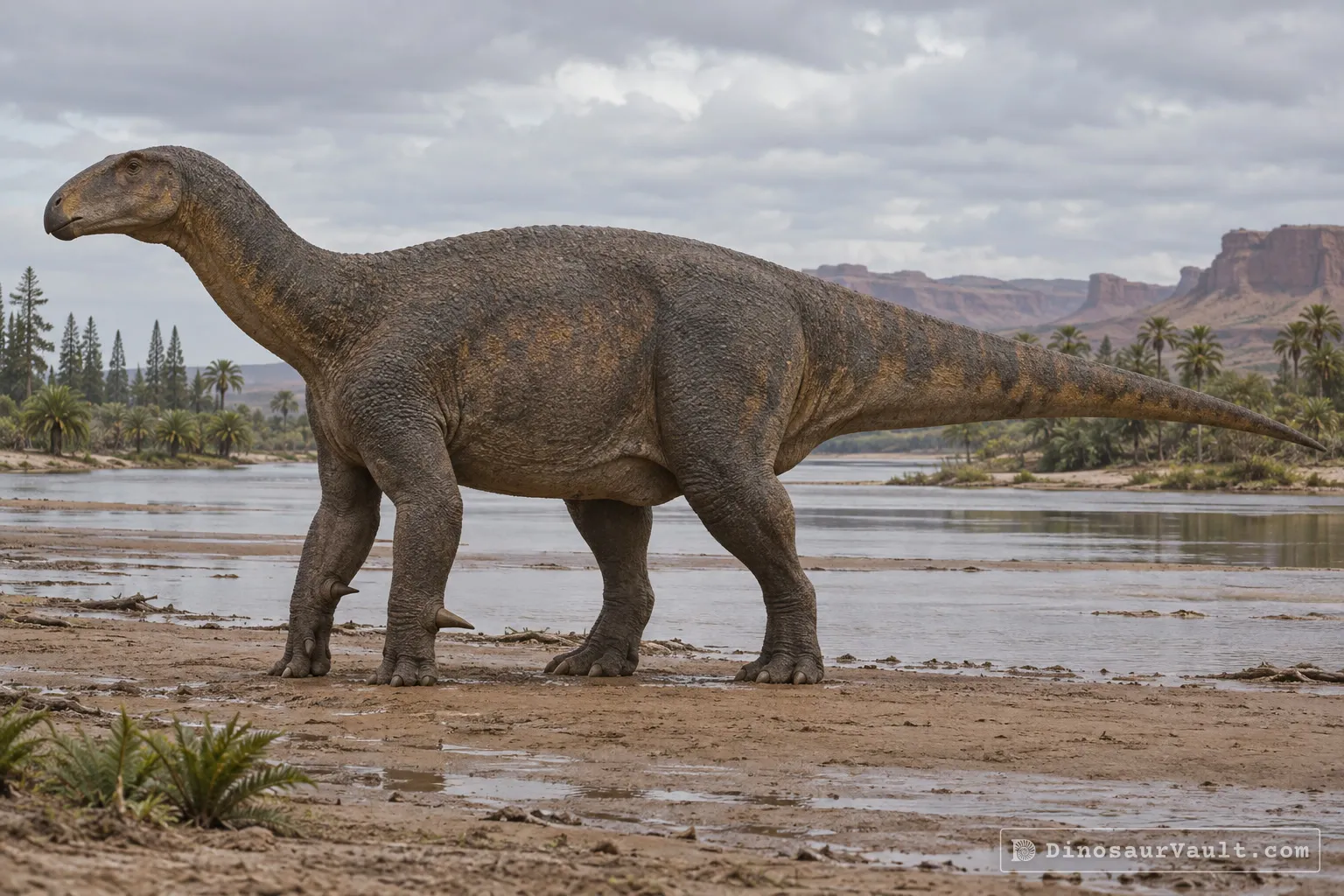
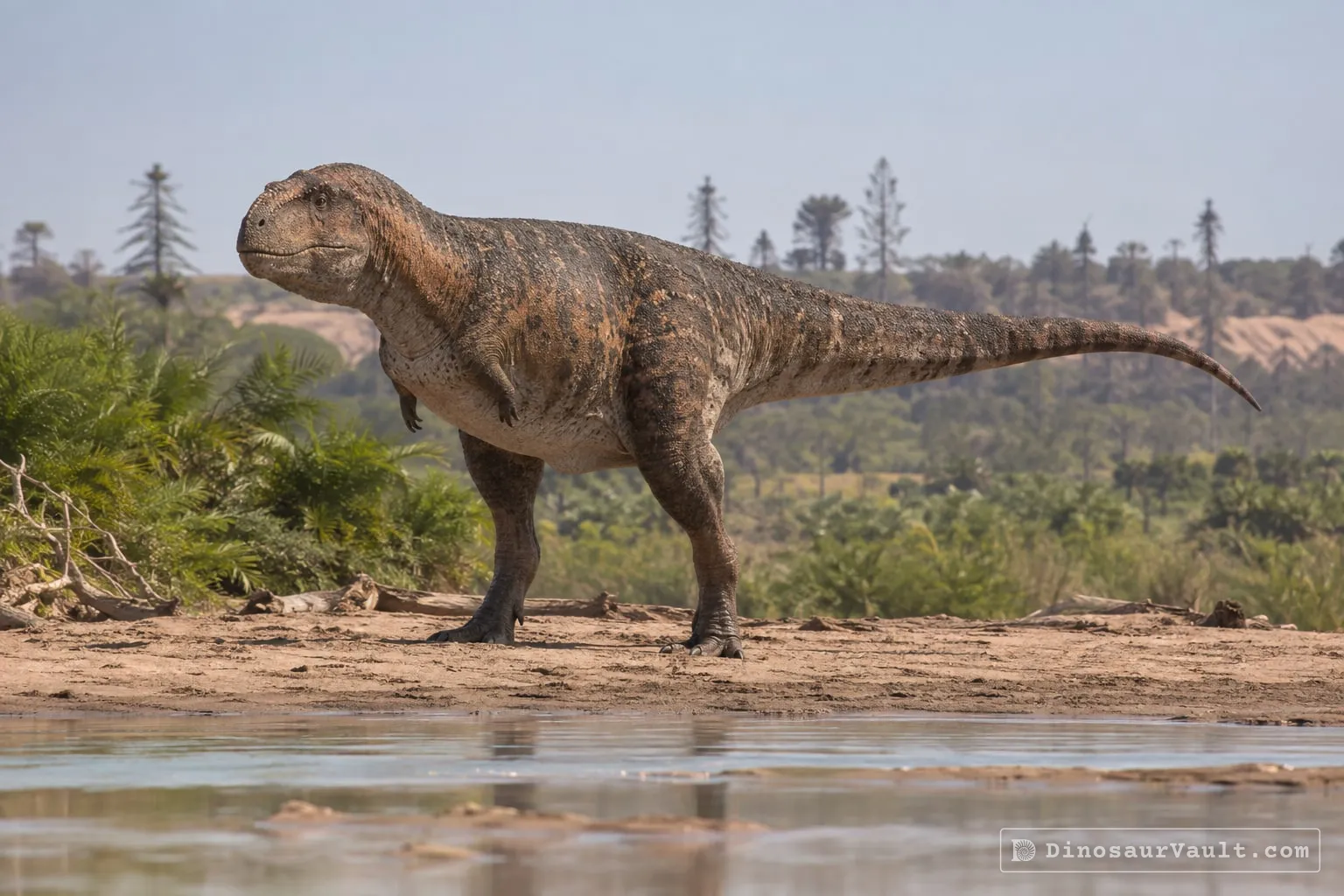
The Elrhaz Formation records a land of rivers in what is now Niger. Its dinosaur neighbors included Suchomimus, Ouranosaurus and Nigersaurus.
Field notes
About Afromimus
What it was like
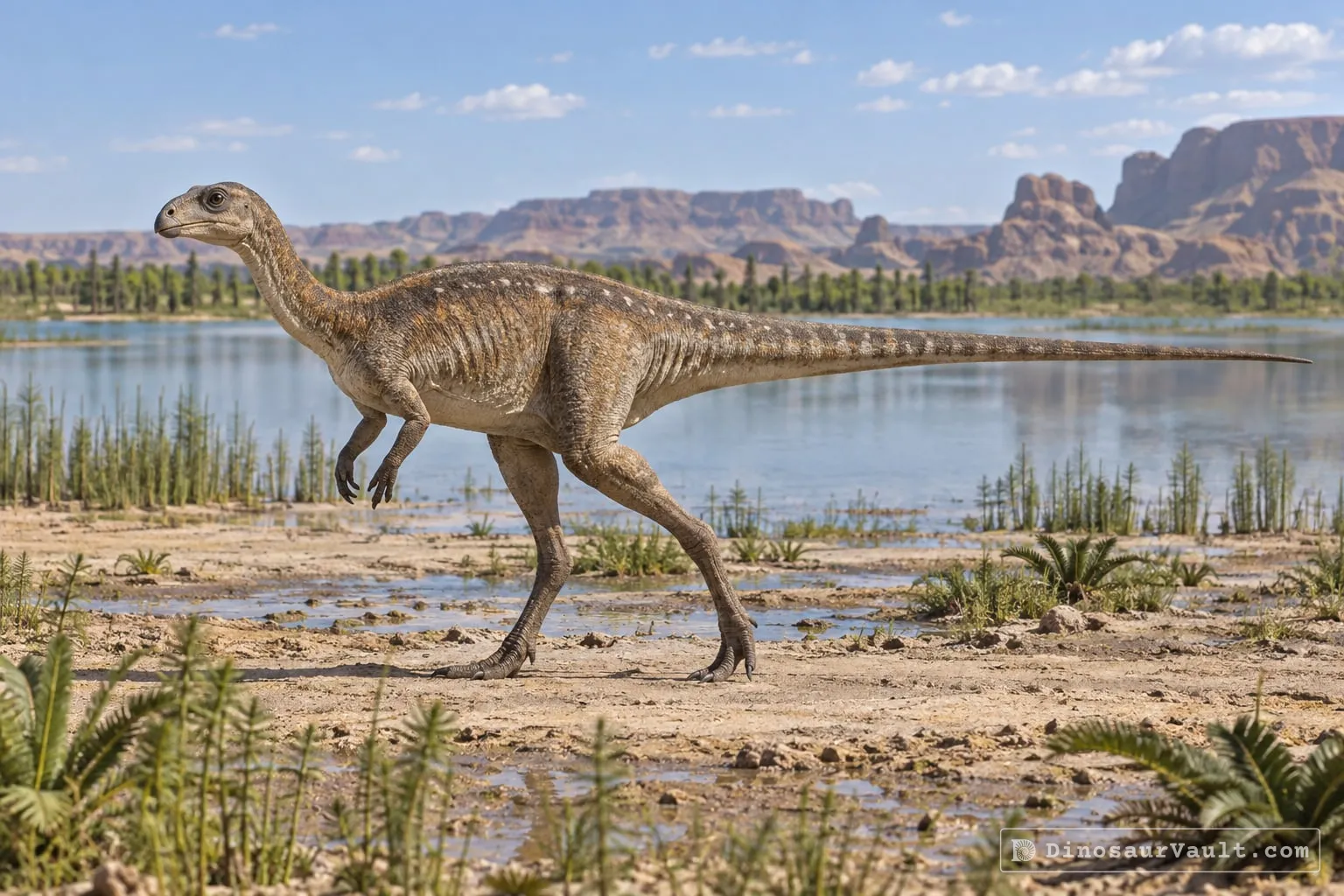
Afromimus was a small theropod known from parts of a leg, backbone and ribs. It was first described as an ostrich-like ornithomimosaur. Later studies argued that it was a small ceratosaur instead, and the question is still open.
Its world
It lived in the Early Cretaceous in what is now Niger. Its bones come from the Elrhaz Formation, a land of rivers shared with the fish-eating Suchomimus, the sail-backed Ouranosaurus and the long-necked Nigersaurus.
How it was found
Sereno named Afromimus in 2017 from one find.
Field gallery
More views of Afromimus
Scenes reconstructed from the available fossil evidence.
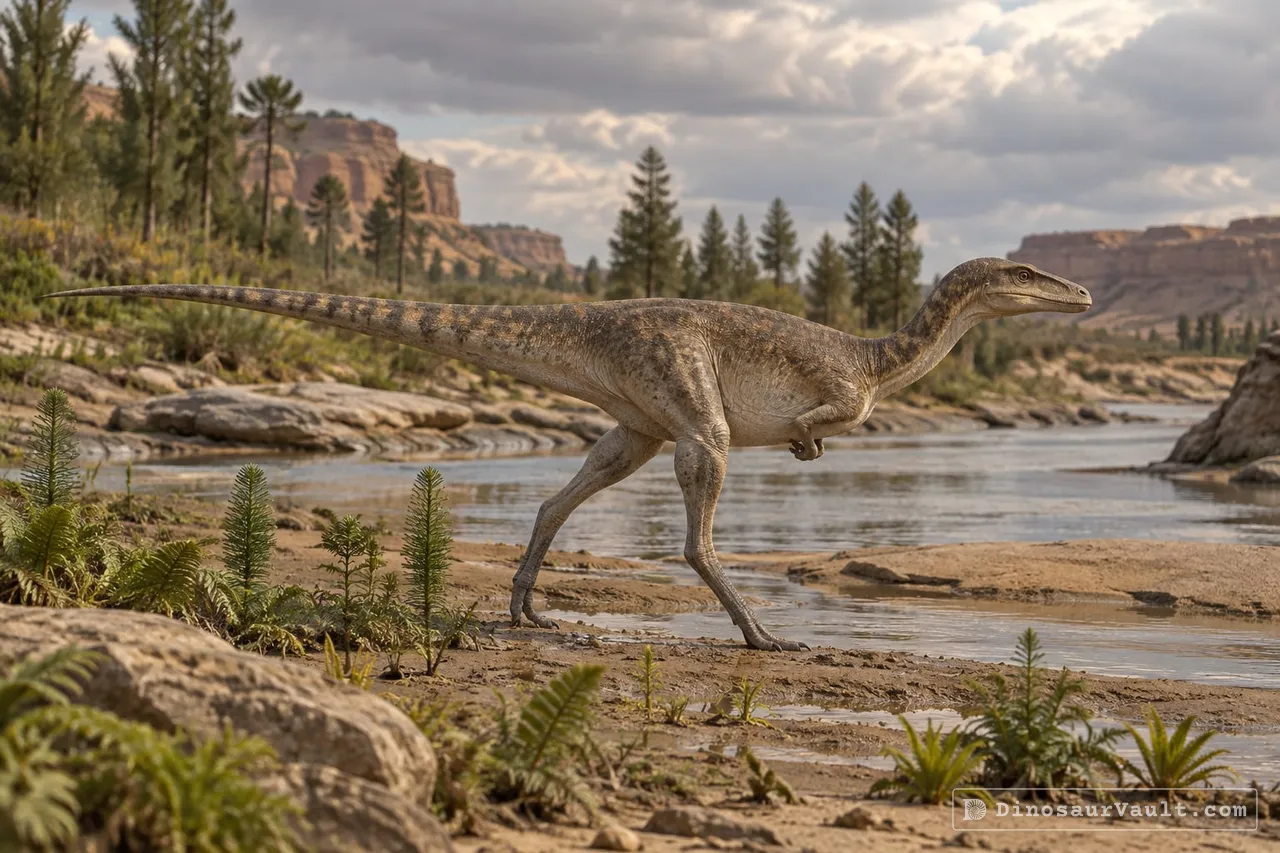
1 of 2
Lived alongside
Found in the same rock formations
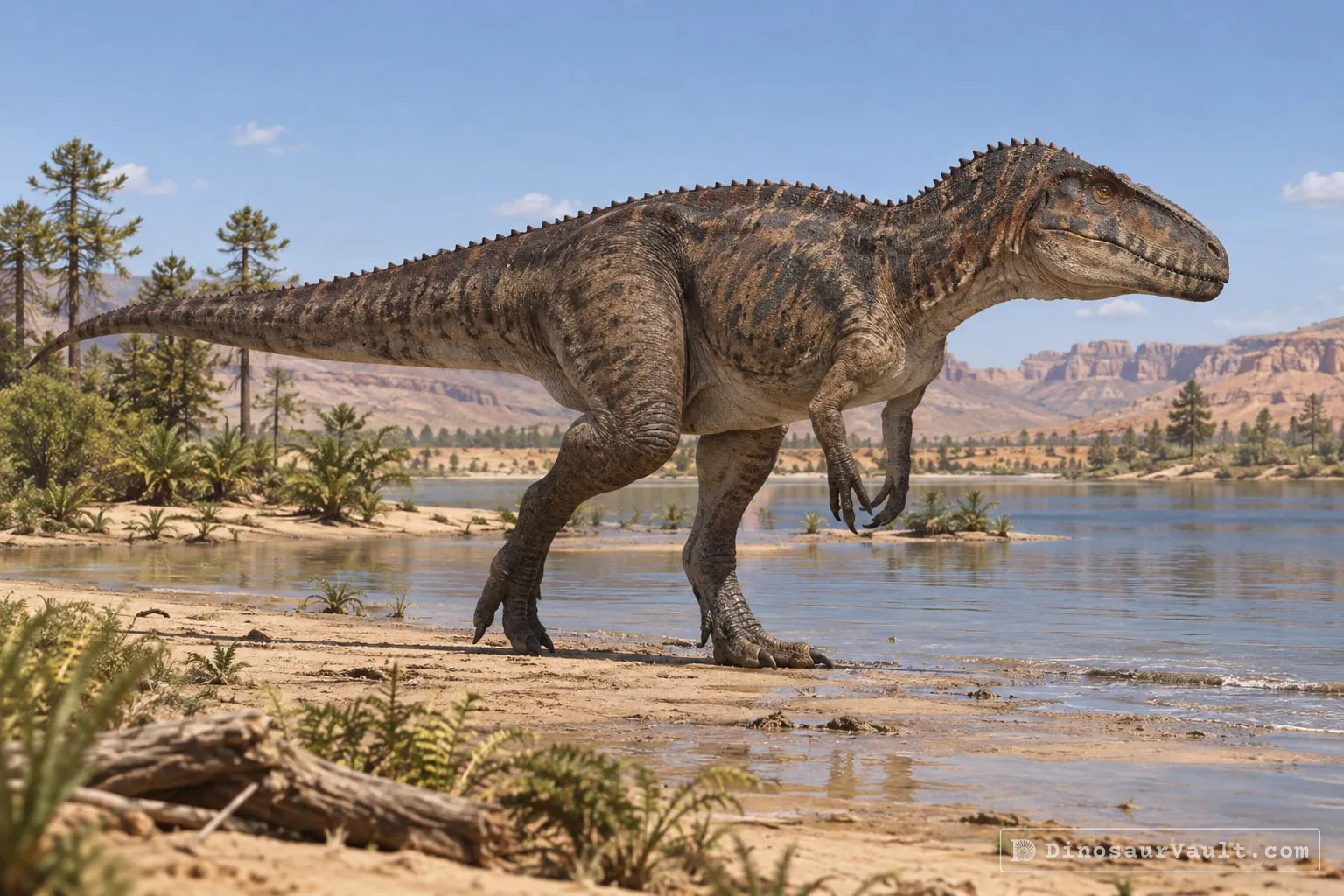
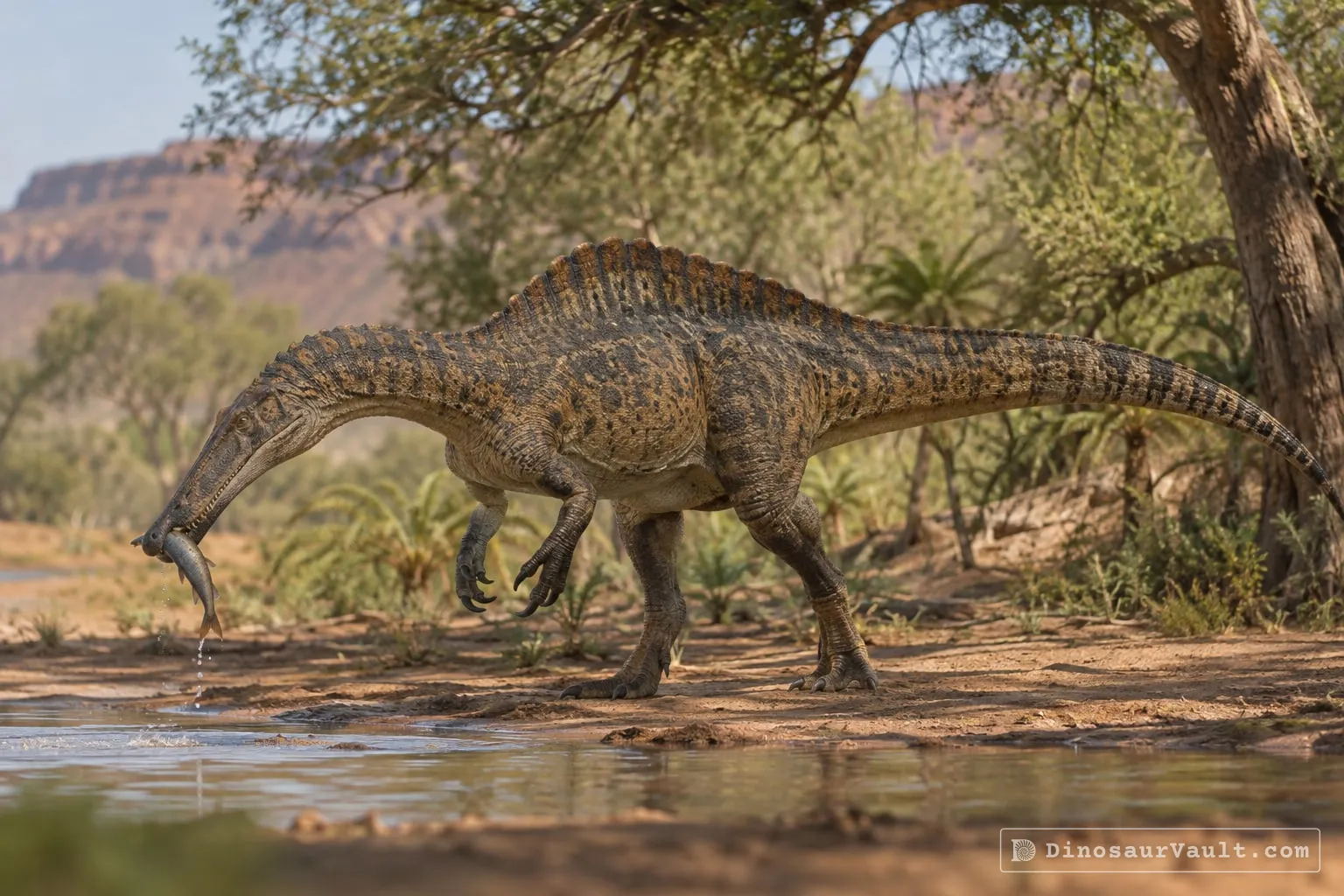
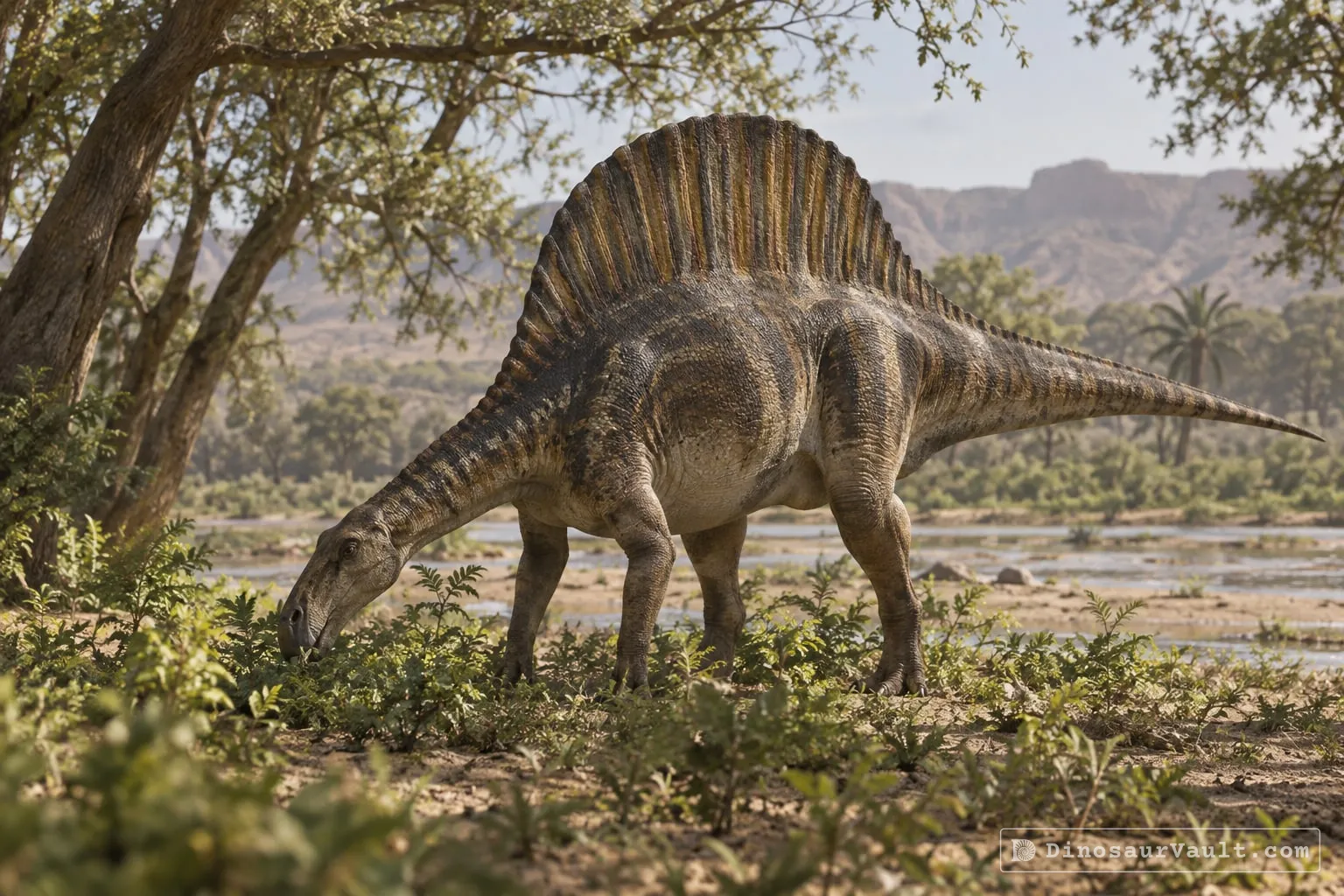
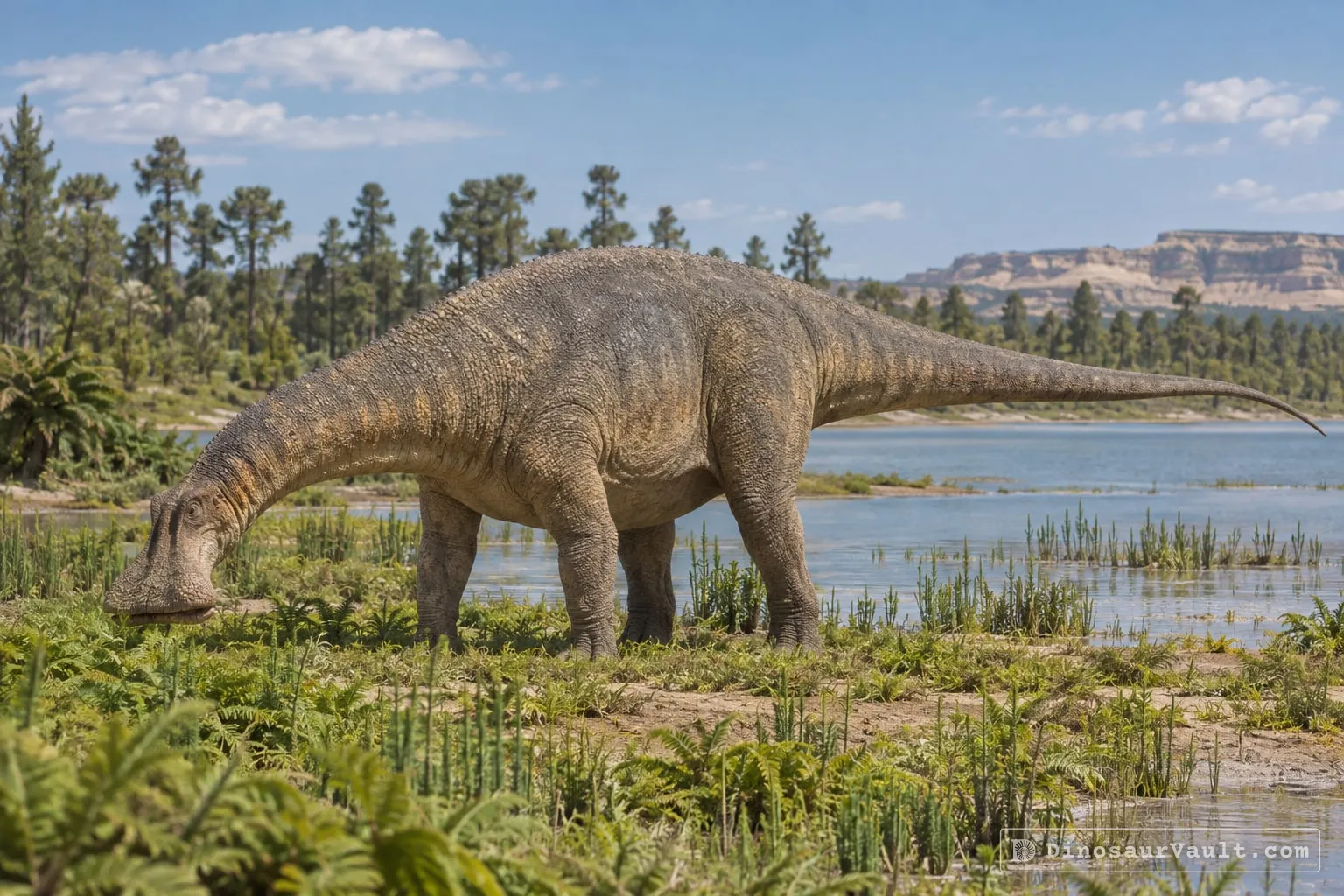


A rock formation can hold fossils laid down millions of years apart, so not every animal here met Afromimus.
The evidence
The science behind Afromimus
Which parts of the picture come from its own bones, and which come from its relatives.
From its own fossils
- A fragmentary skeleton preserves tail vertebrae, bones beneath the tail, part of a rib and much of the right lower leg.
- The ankle bones are fused to parts of the lower leg, and the foot includes a flattened claw.
Borrowed from relatives
- Small ceratosaurs such as Masiakasaurus provide comparisons for its ankle and toe bones.
- Any complete body restoration must borrow the head and forelimbs from other theropods.
Still unknown
- Its exact place in the theropod family tree.
- The shape of its head and arms, and what it ate.
- Its skin covering and color.
Discovery timeline
- 2007Same rocksSereno et al.
- 2017Named itSereno
- 2019Family treeCerroni et al.
Key papers
The research behind what we know of Afromimus
Same rocks
Described the light skull and broad tooth rows of Nigersaurus, a plant eater from the same formation.
Structural Extremes in a Cretaceous Dinosaur. PLoS ONE 2: e1230
Read the paper : Structural Extremes in a Cretaceous Dinosaur (opens in a new tab)Named it
Named Afromimus from tail and hindlimb bones and interpreted it as an ostrich-like dinosaur.
Early Cretaceous Ornithomimosaurs (Dinosauria: Coelurosauria) from Africa. Ameghiniana 54: 576-616
Read the paper : Early Cretaceous Ornithomimosaurs (Dinosauria: Coelurosauria) from Africa (opens in a new tab)Family tree
Compared the tail, ankle and toe bones with other theropods and placed Afromimus among small ceratosaurs instead of ostrich-like dinosaurs.
The phylogenetic position of Afromimus tenerensis Sereno, 2017 and its paleobiogeographical implications. Journal of African Earth Sciences 159: 103572
Read the paper : The phylogenetic position of Afromimus tenerensis Sereno, 2017 and its paleobiogeographical implications (opens in a new tab)
Close relatives
Other members of Ornithomimosauria


Sources: Wikidata