Outline: a typical ceratopsian
Anchiceratops
ANG-kee-SERR-a-tops
"near horned face"
Type species Anchiceratops ornatus
- Lived
- 84 to 66 million years ago, Late Cretaceous
- Diet
- Herbivore
- Length
- estimates range from 4.3 to 6 m (14 to 20 ft)
- Group
- Ceratopsians, Ceratopsidae
- Found in
- Canada
- Named by
- Brown 1914
Where its fossils were found
The evidence
Today
75 million years ago
Field notes
About Anchiceratops
What it was like
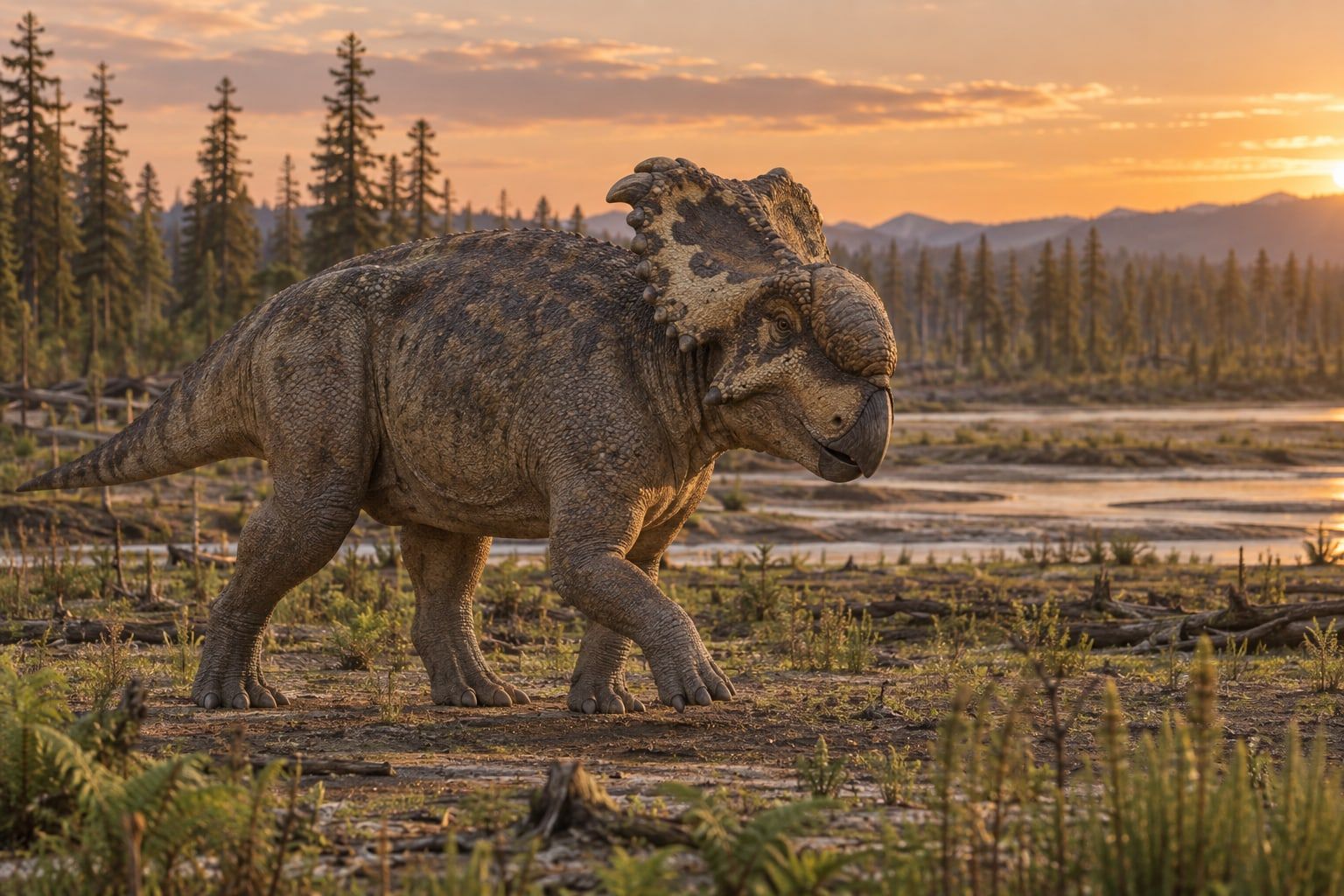
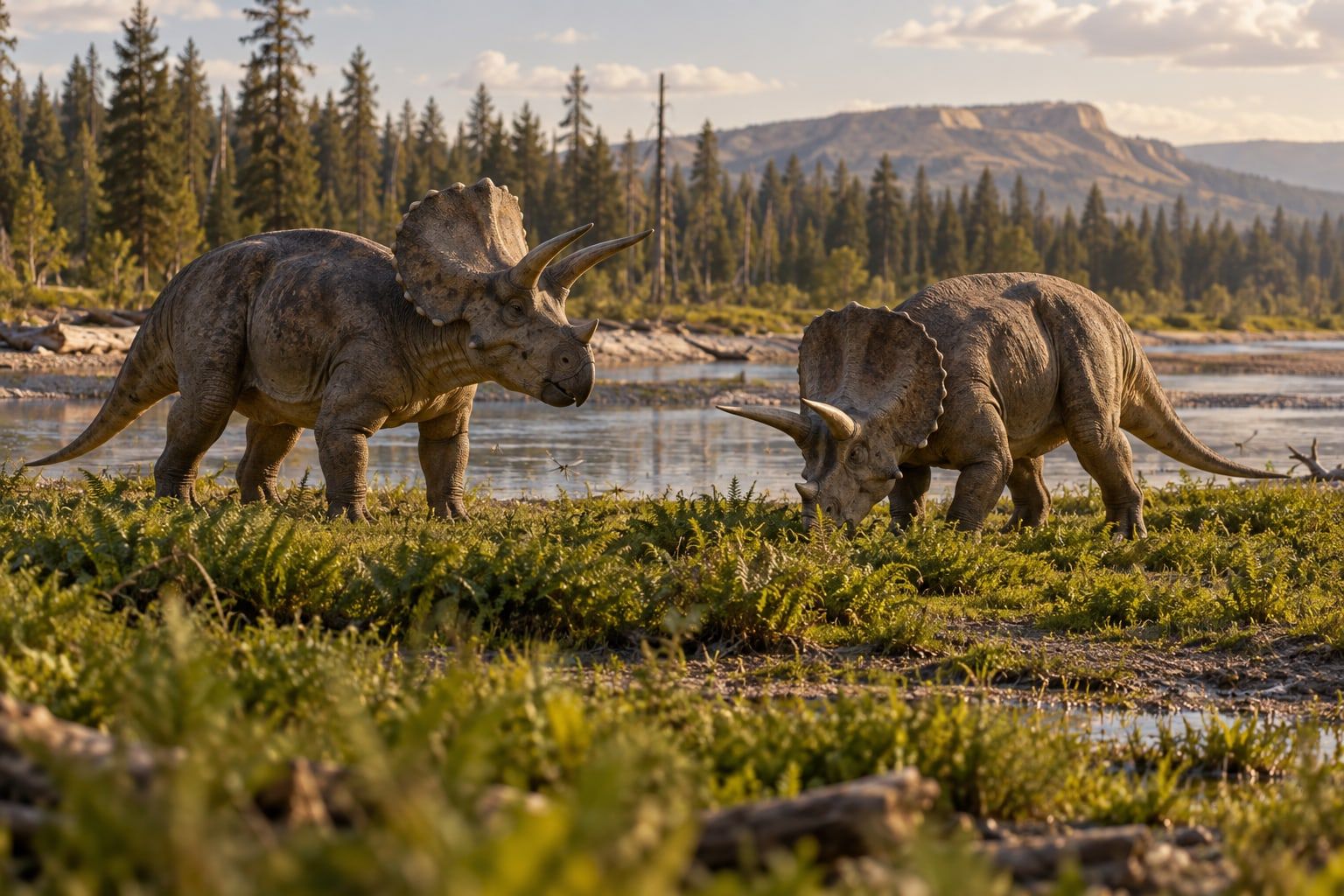
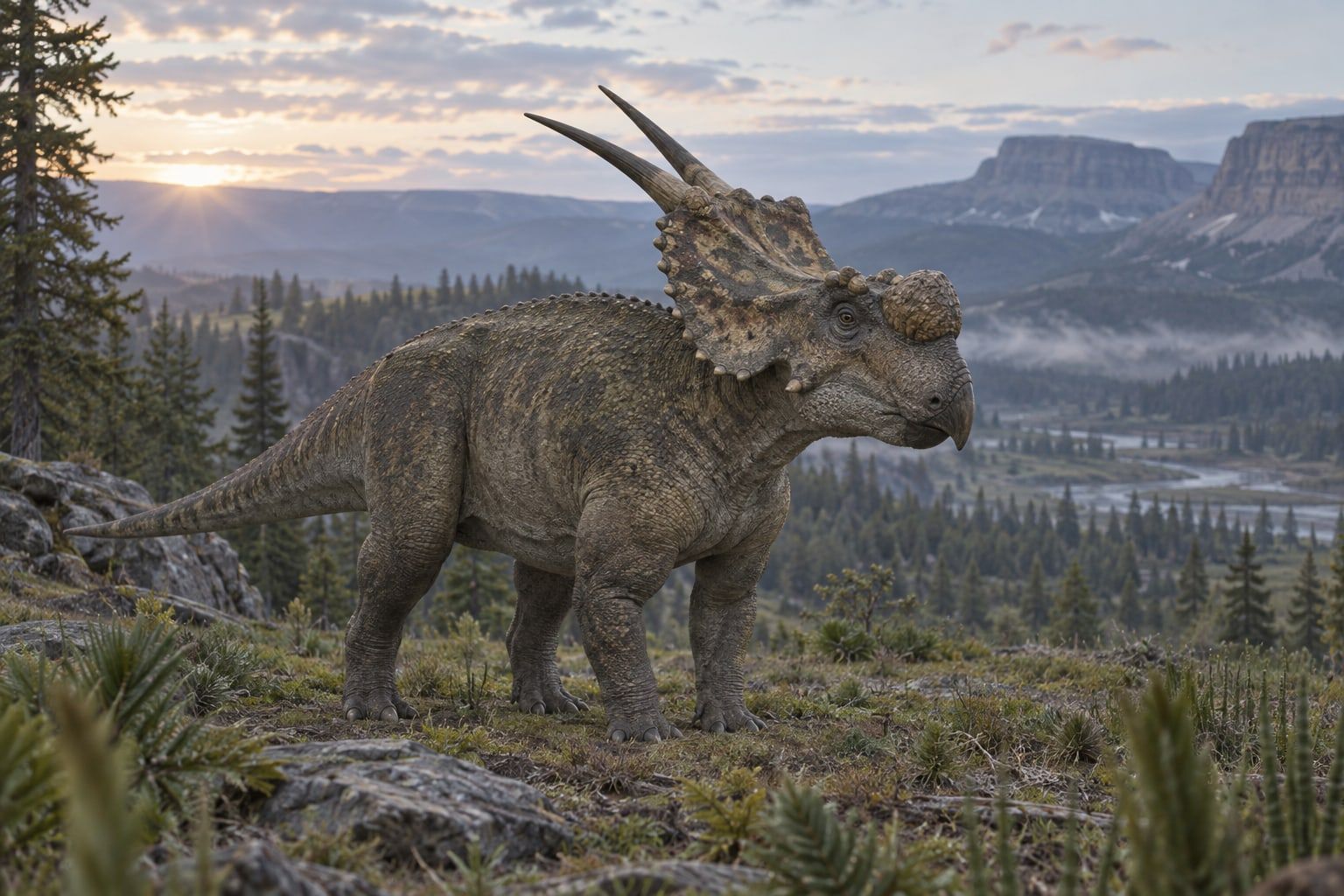
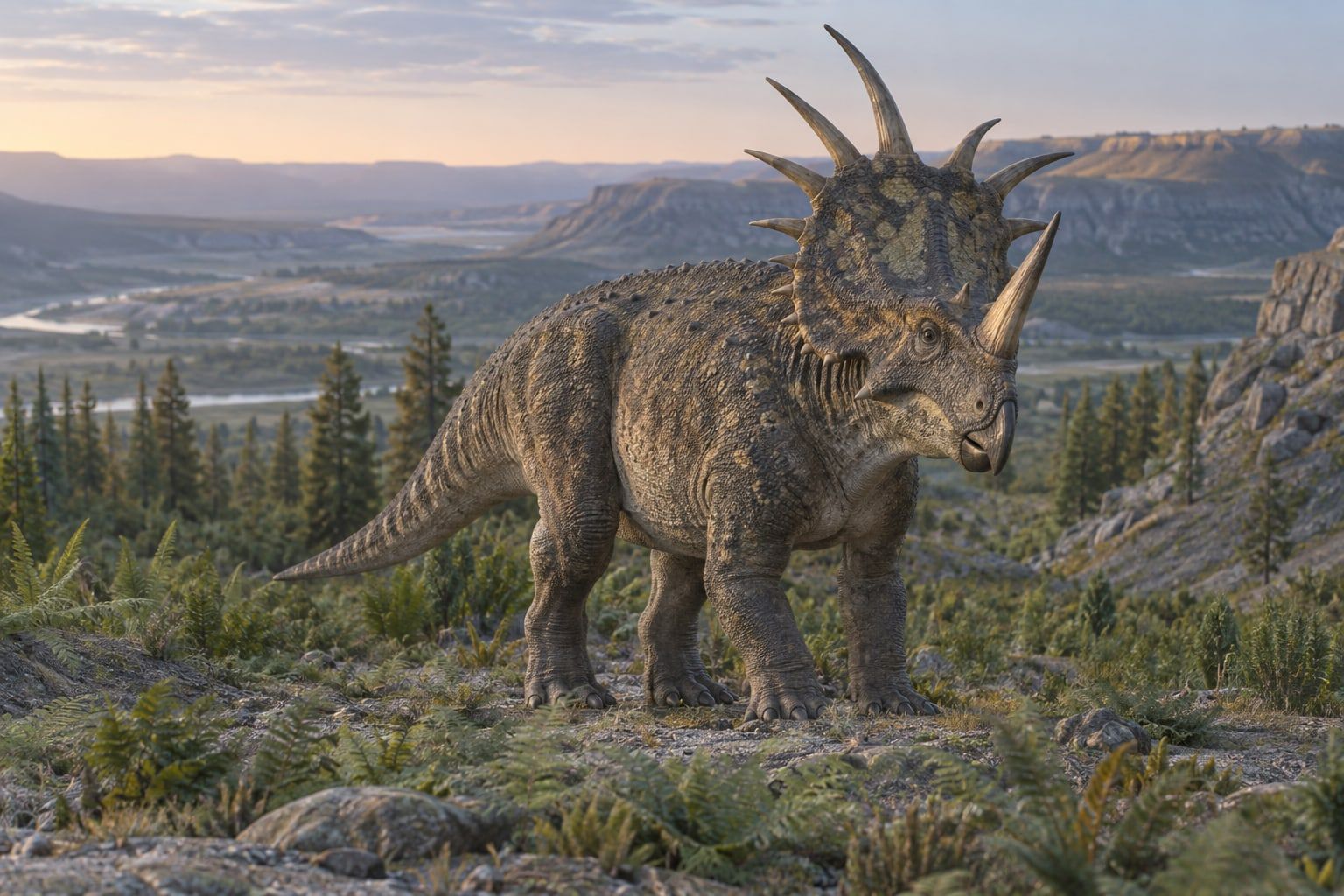
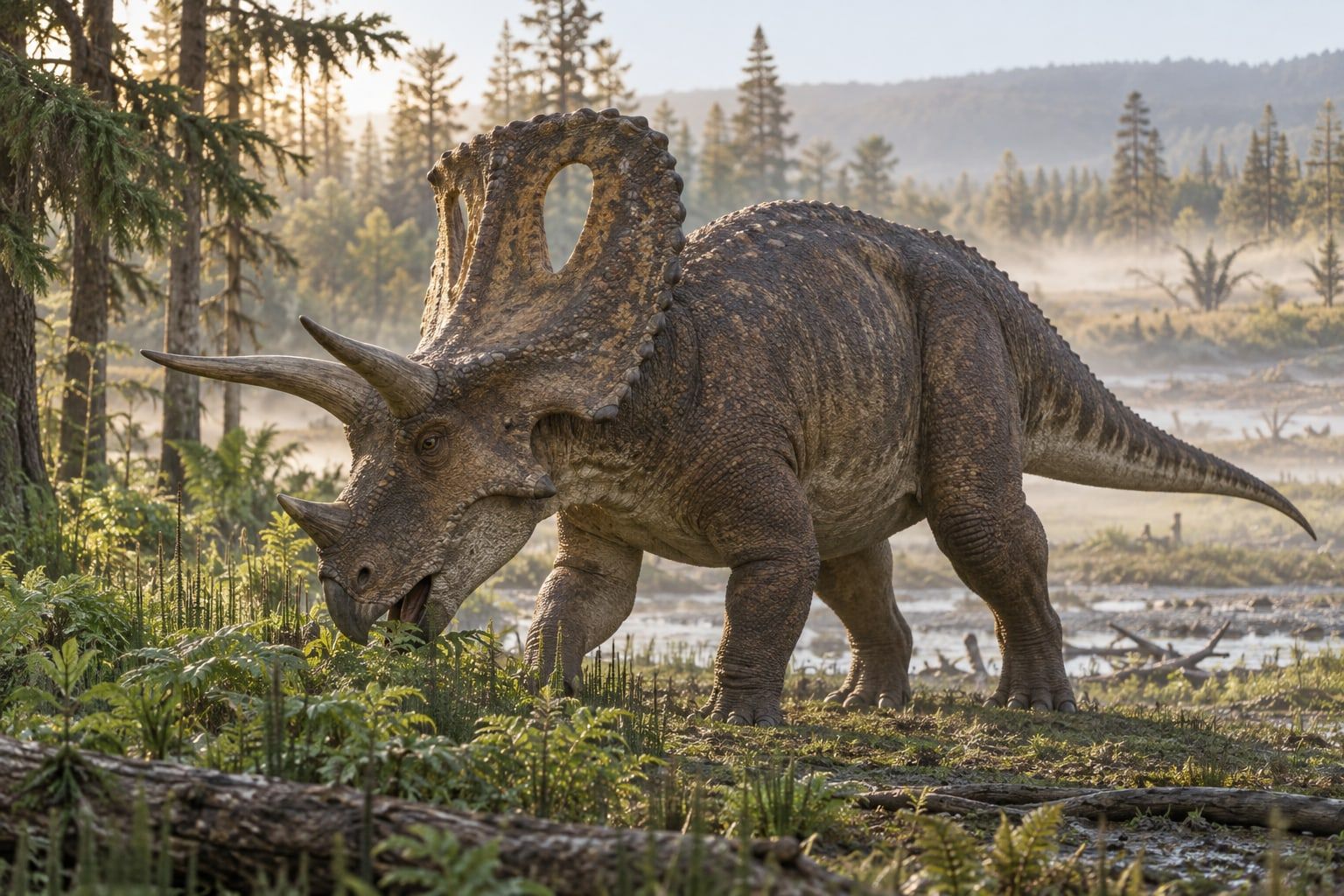
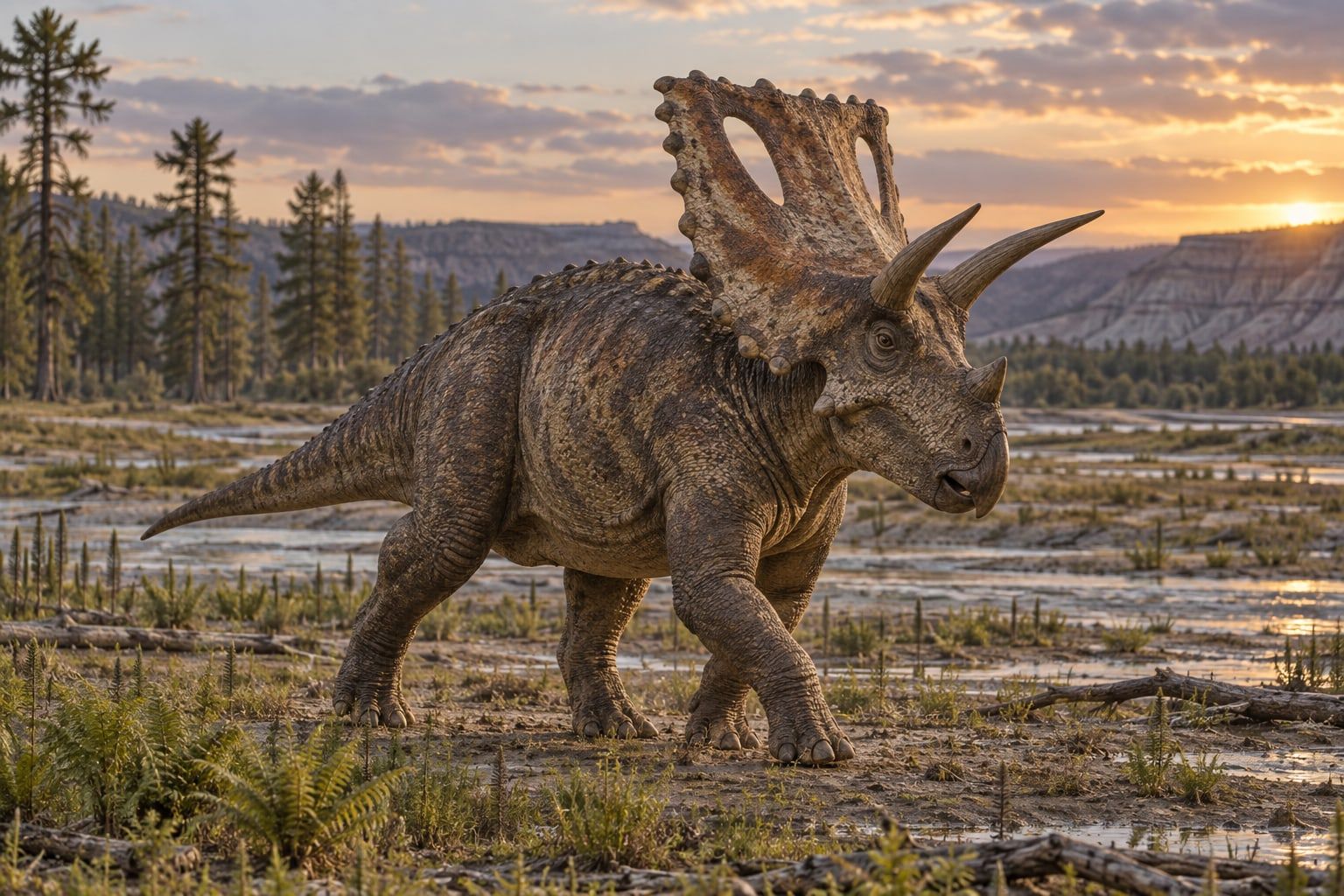
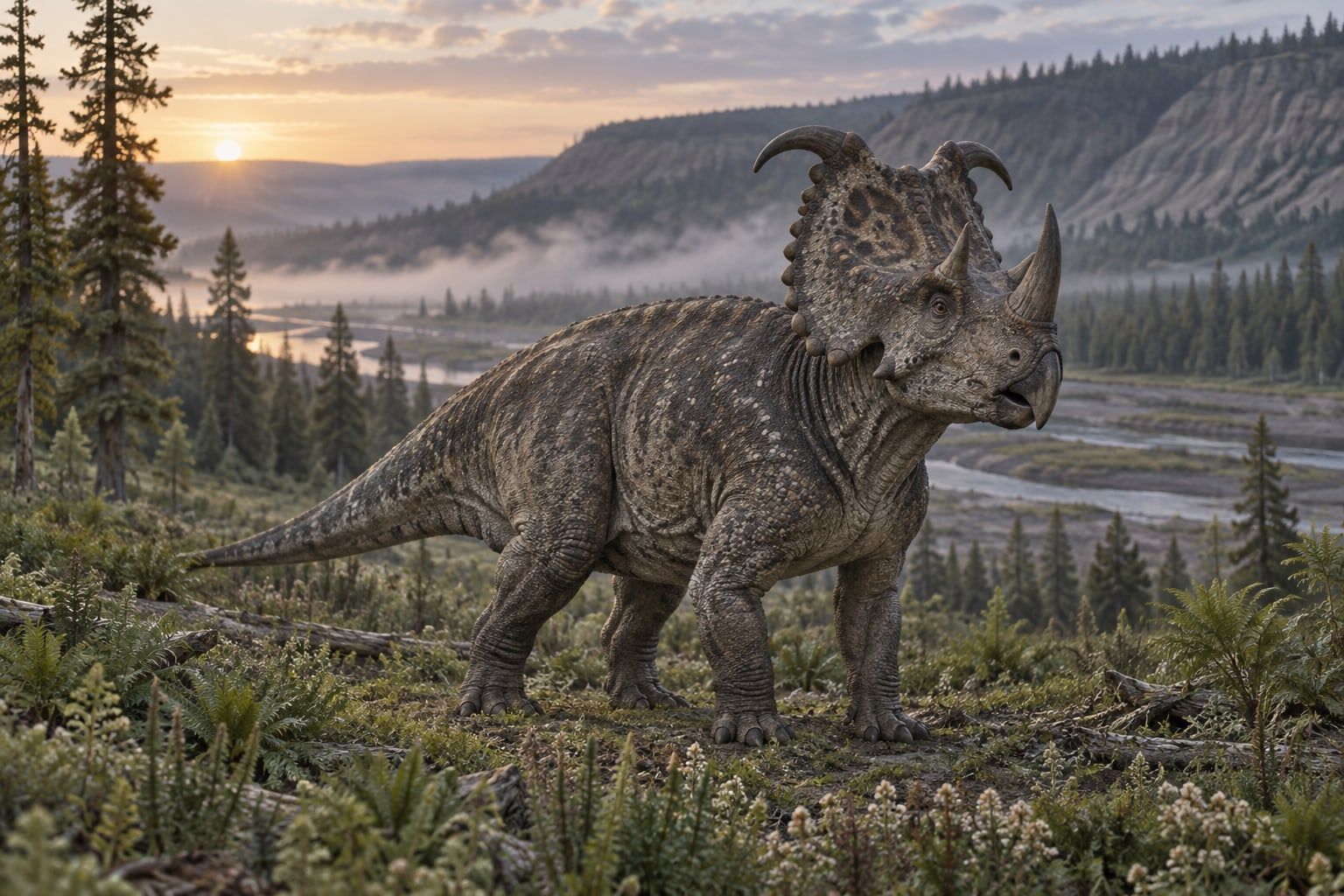
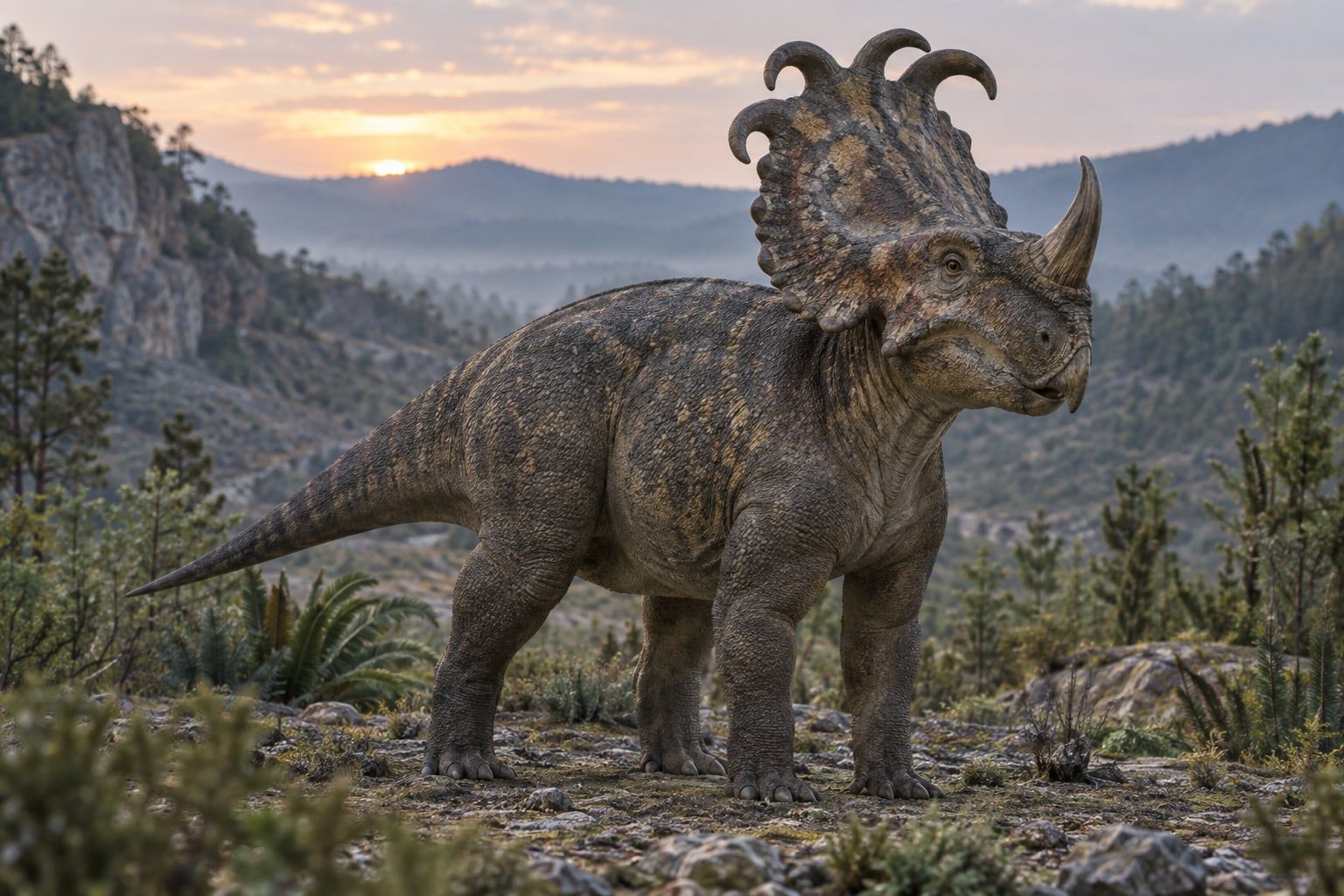
Anchiceratops was a horned plant eater about 4.3 to 6 meters (14 to 20 feet) long. It had two long horns over its eyes, a short horn on its nose and a long, rectangular frill edged with bony points. Like Triceratops, it cut plants with a sharp beak.
Its world
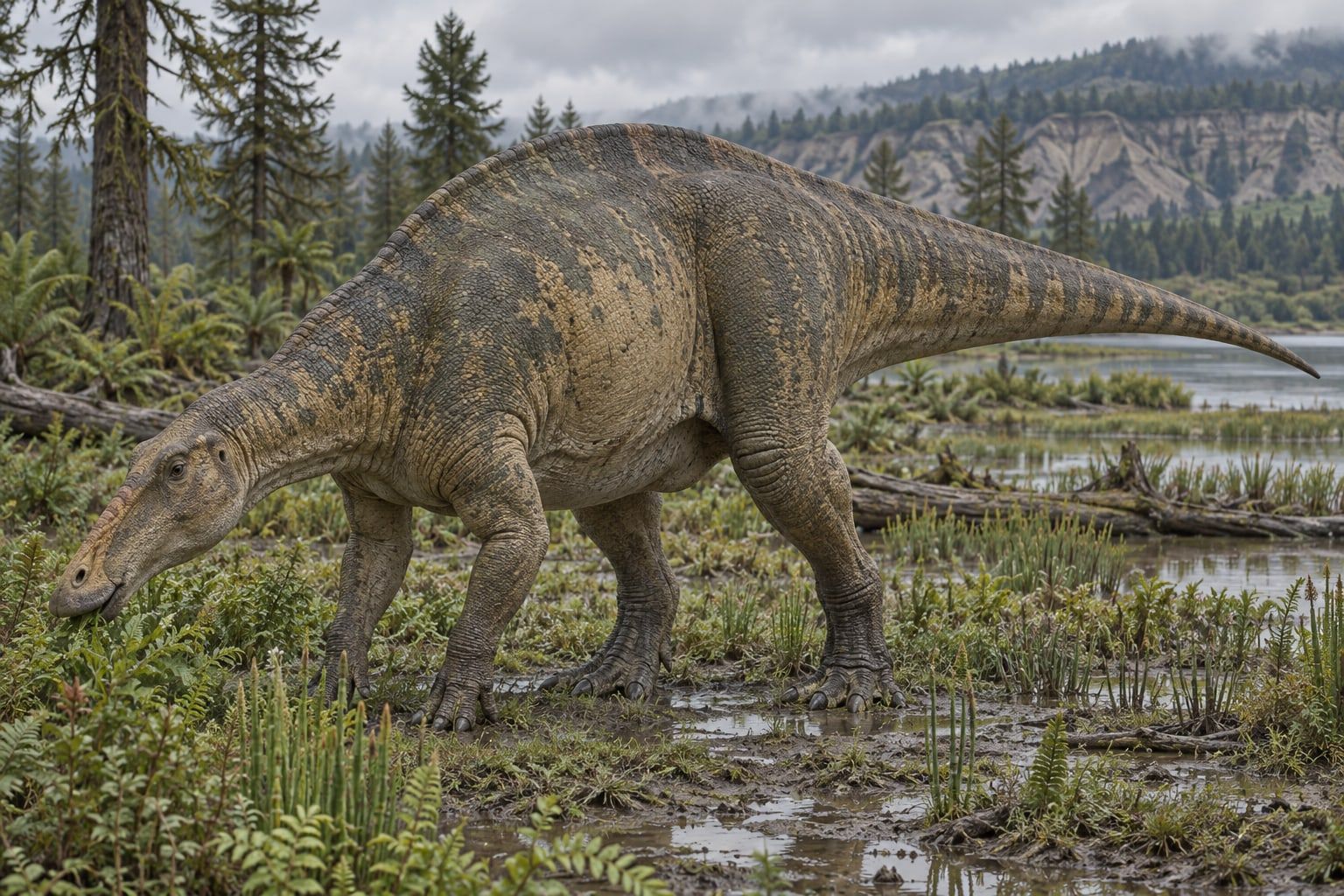
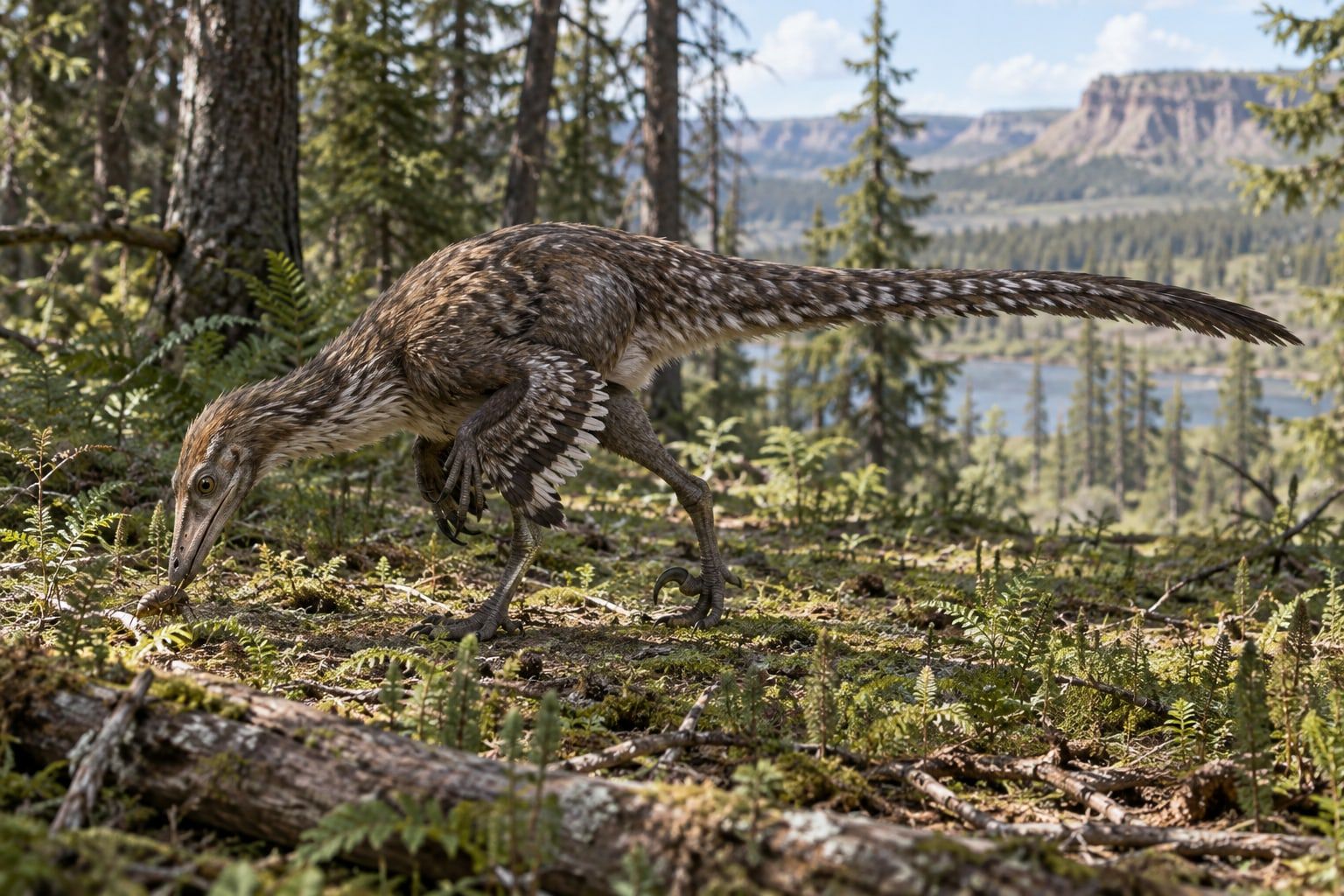
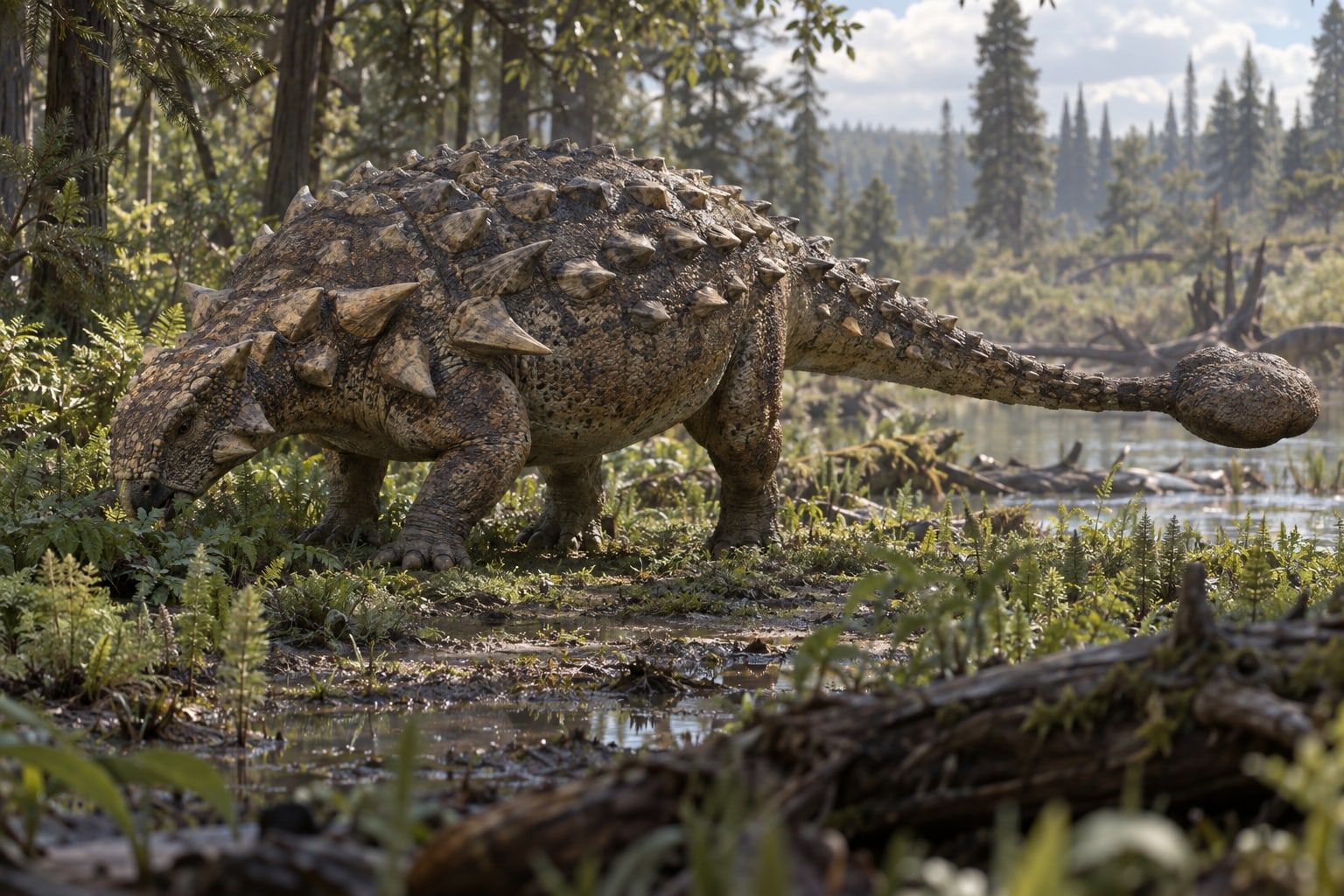
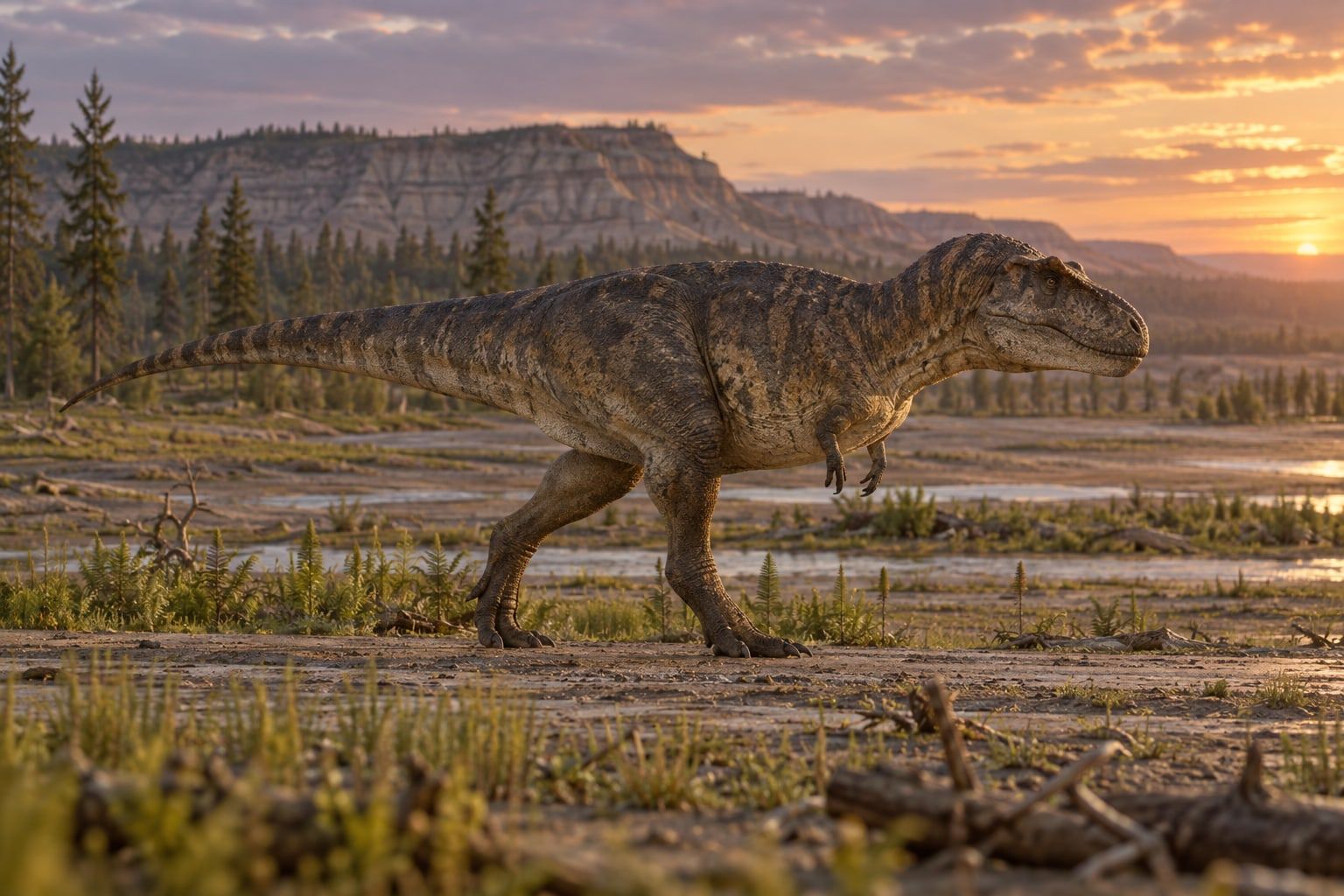
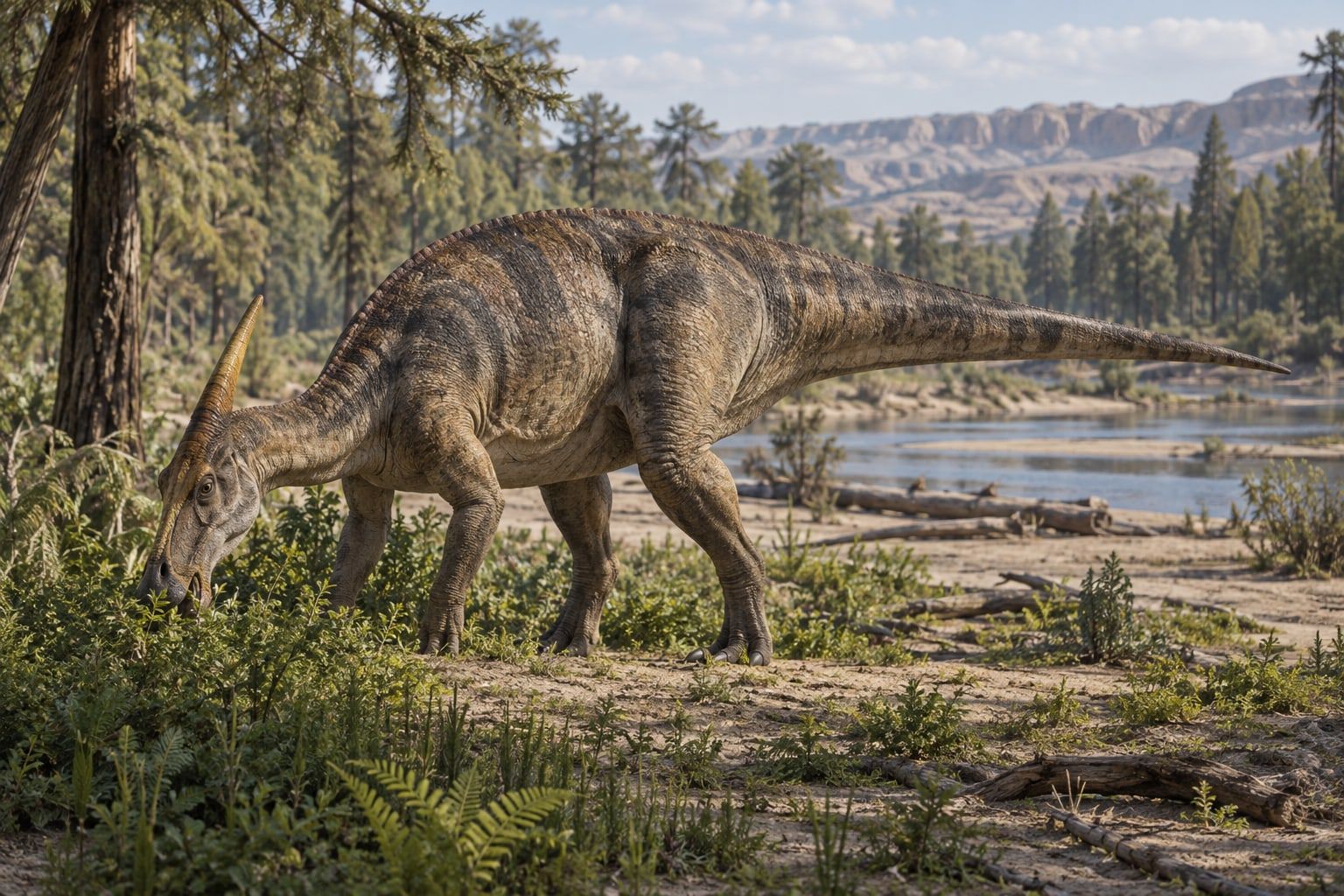
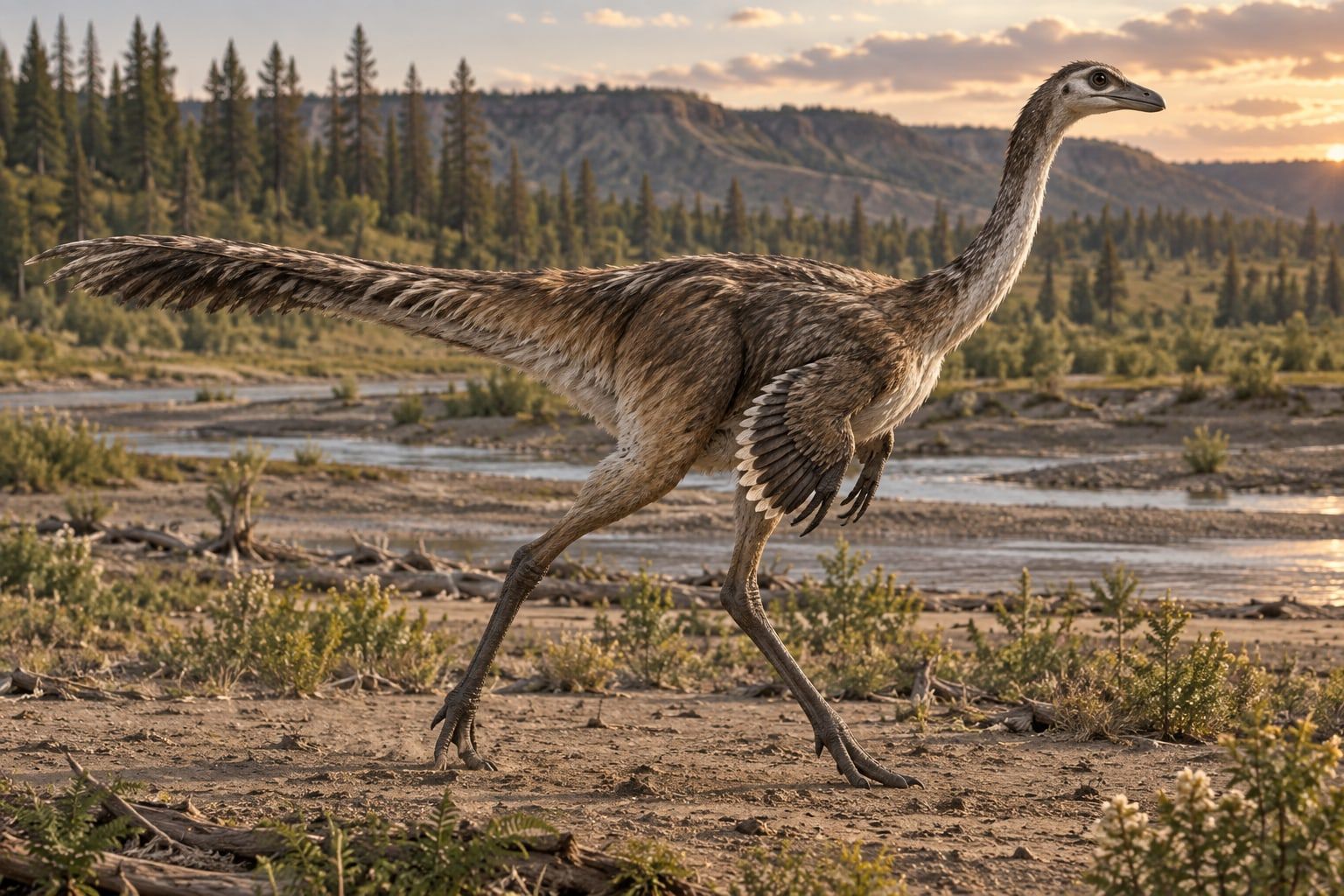
It lived in the Late Cretaceous in what is now Alberta. Its bones come from the Horseshoe Canyon Formation, where it shared the land with the duckbills Edmontosaurus and Saurolophus and the tyrannosaur Albertosaurus.
How it was found
Brown named Anchiceratops in 1914. The type species is Anchiceratops ornatus. Several skulls are known, which show how the frill varied between individuals.
Lived alongside
Found in the same rock formations
Close relatives
Other members of Ceratopsidae
Sources: WikidataNamed in: B. Brown. 1914. Anchiceratops, a new genus of horned dinosaurs from the Edmonton Cretaceous of Alberta. With discussion of the origin of the ceratopsian crest and the brain casts of Anchiceratops and Trachodon. Bulletin of the American Museum of Natural History 33(33):539-548