Zephyrosaurus
"west wind lizard"
- Lived
- 113 to 101 million years ago, Early Cretaceous
- Diet
- Herbivore
- Length
- about 1.8 m (6 ft)
- Group
- Early ornithischians, Thescelosauridae
- Found in
- United States
- Named by
- Sues 1980
Size comparison
To scale

Scale in metersOutline: typical early ornithischian shape
Where its fossils were found
The evidence
Today

105 million years ago
Habitat
Rivers and floodplains covered its part of Montana during the Early Cretaceous. Dinosaurs from the Cloverly Formation include Deinonychus, Tenontosaurus and Sauropelta.
Field notes
About Zephyrosaurus
What it was like
Zephyrosaurus was a small, two-legged plant eater about 1.8 meters (6 feet) long. It is known from part of a skull and a few other bones. It was a close relative of Orodromeus and Oryctodromeus, and like the latter it may have dug burrows.
Its world
It lived in the Early Cretaceous in what is now Montana. Its bones come from the Cloverly Formation, where it shared the land with the raptor Deinonychus, the plant eater Tenontosaurus and the armored Sauropelta.
How it was found
Sues named Zephyrosaurus in 1980 from one find.
Field gallery
More views of Zephyrosaurus
Scenes reconstructed from the available fossil evidence.
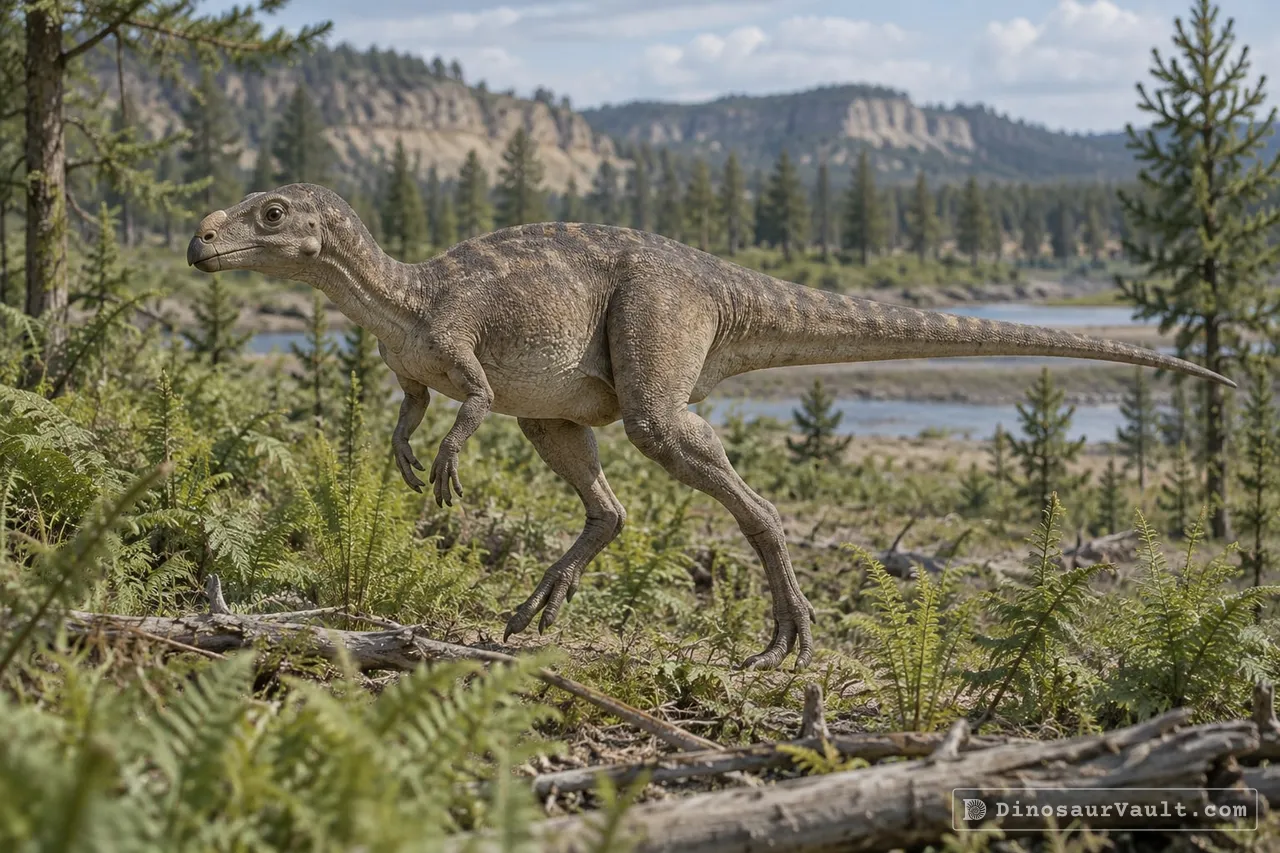
1 of 3
Lived alongside
Found in the same rock formations
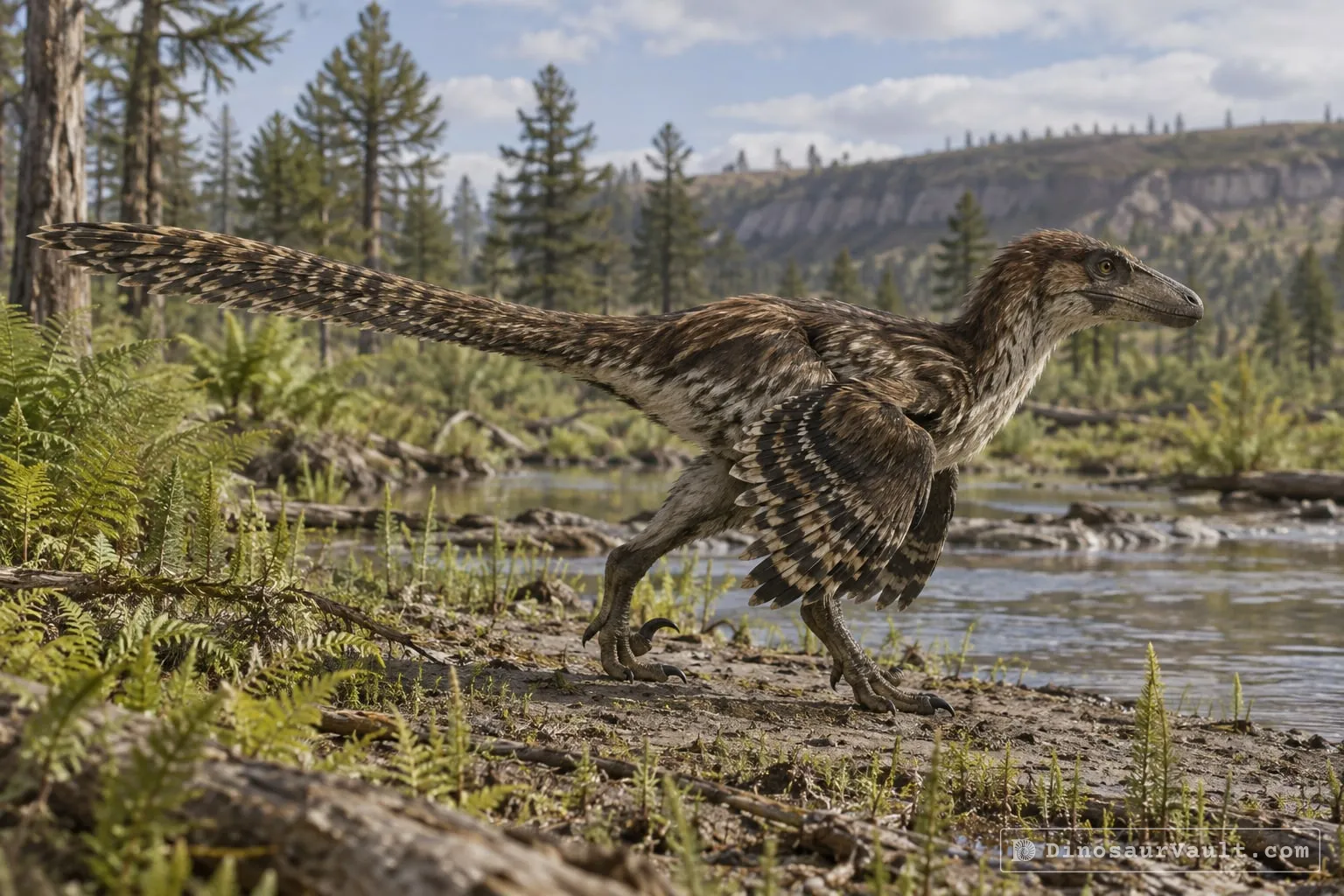
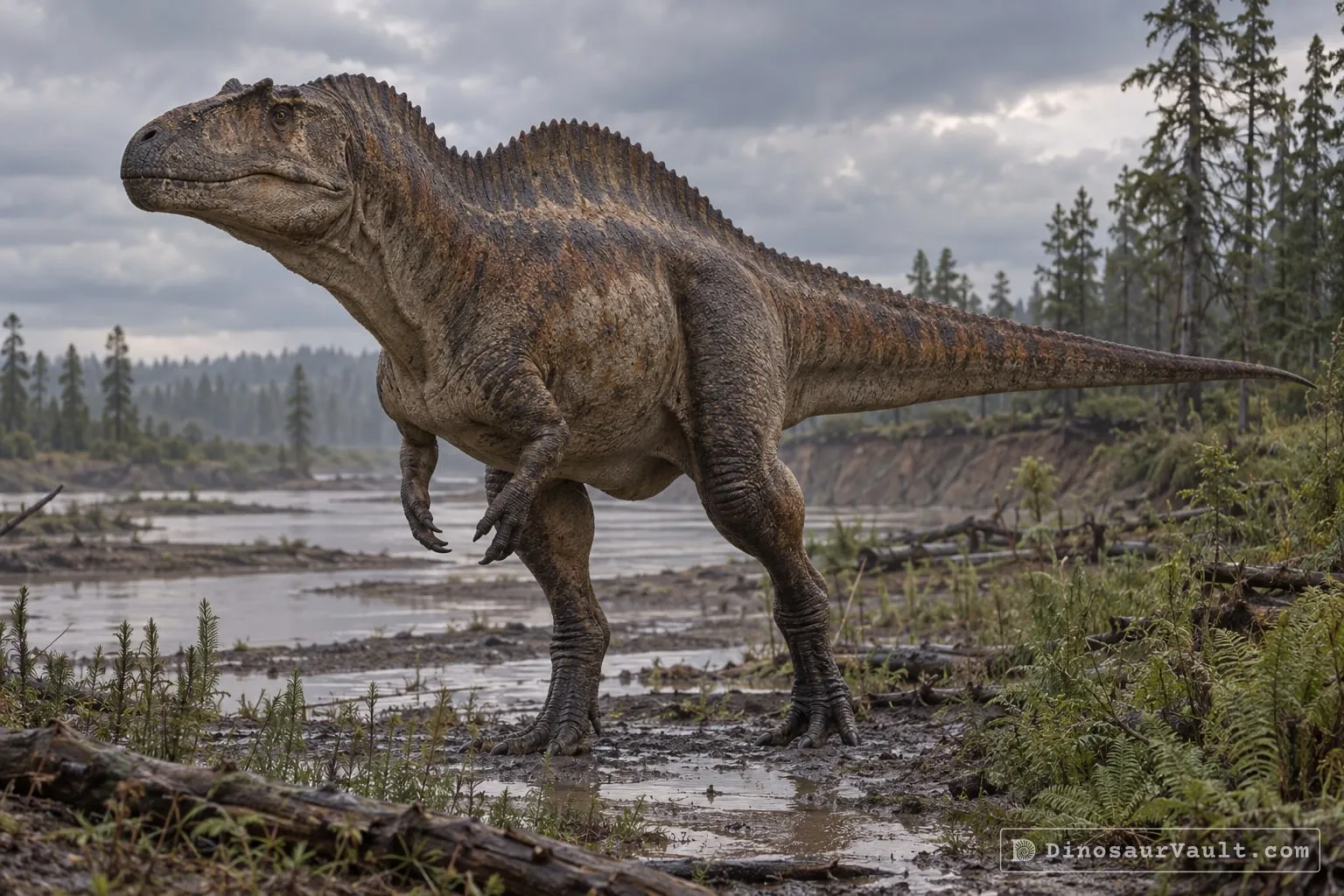
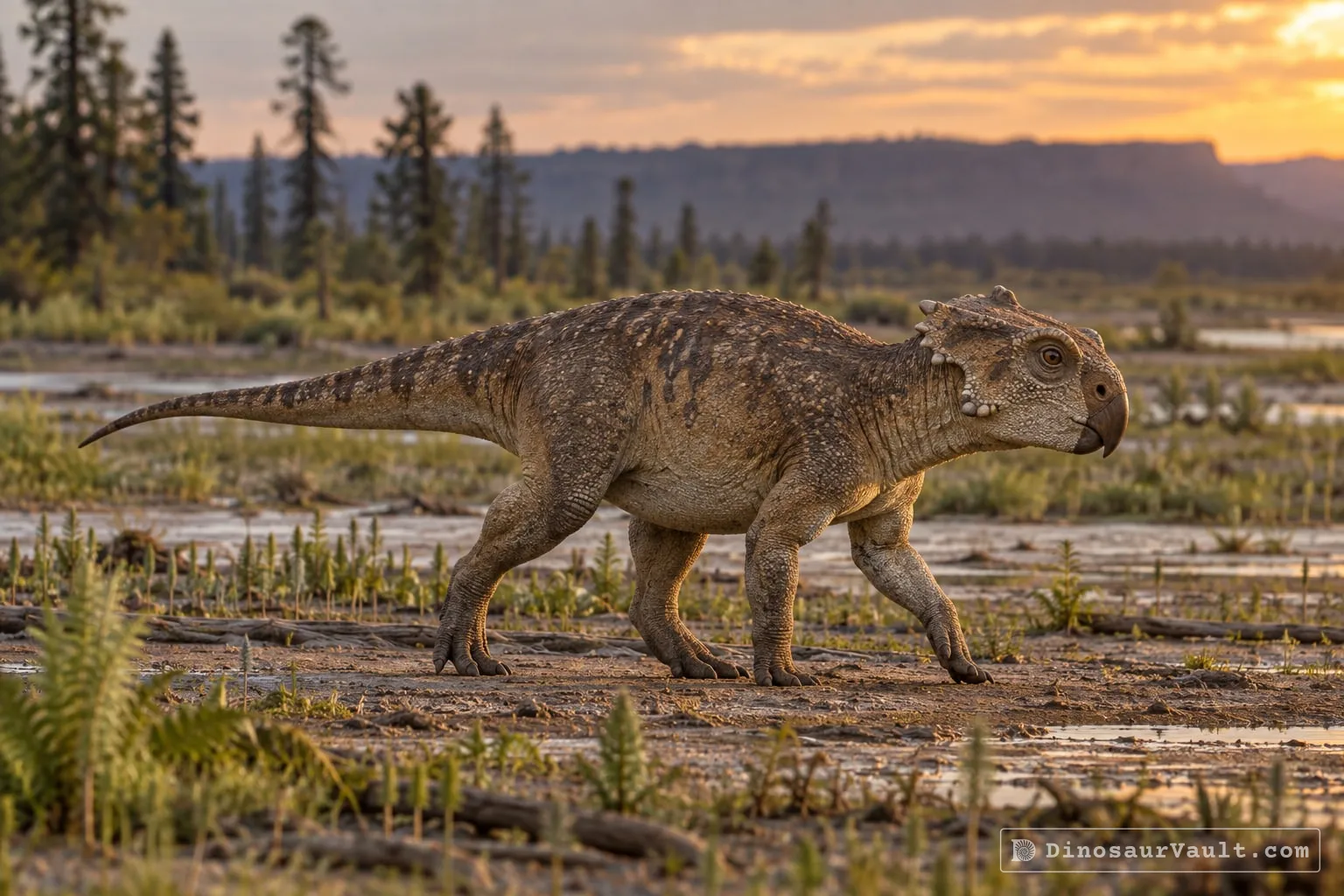
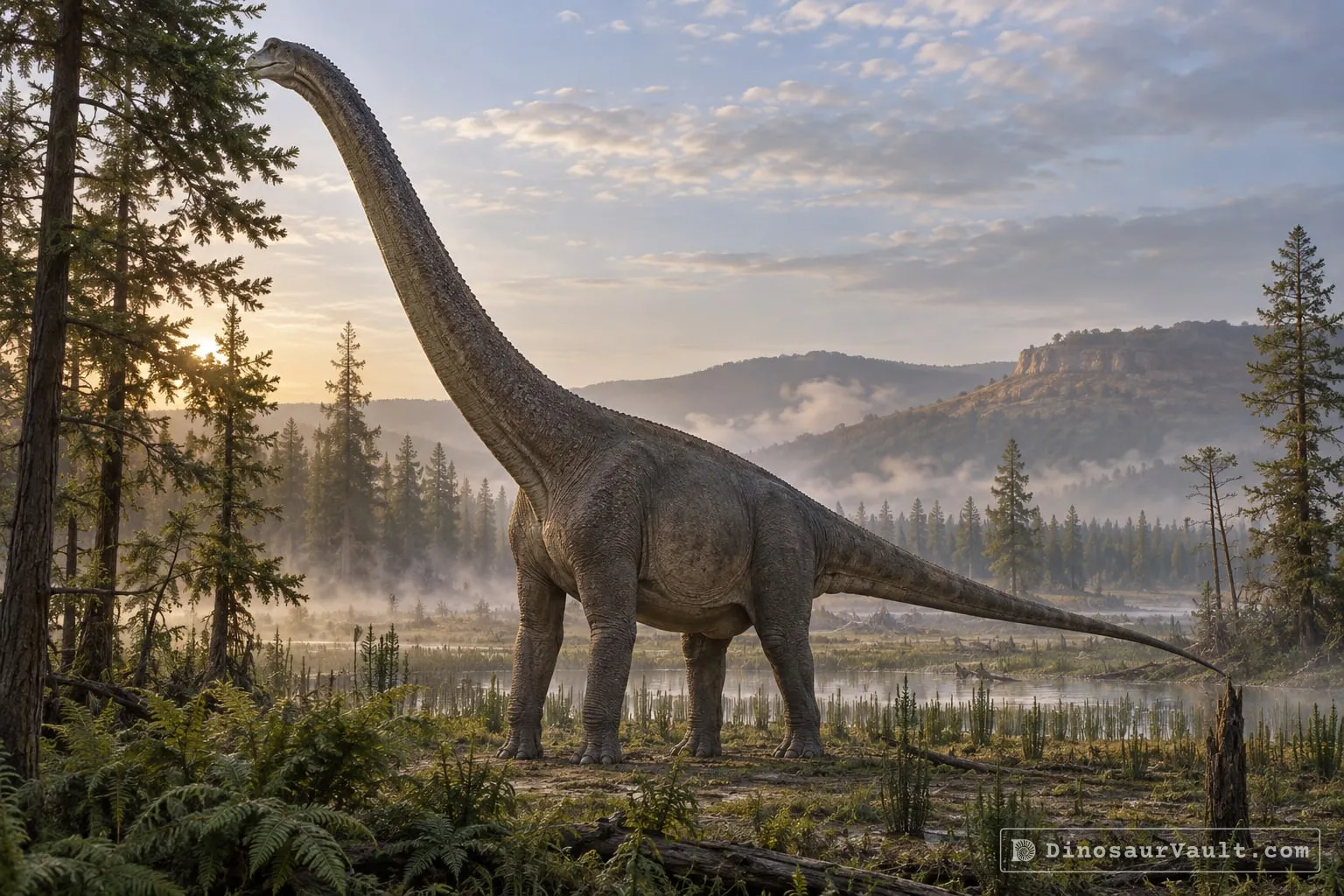
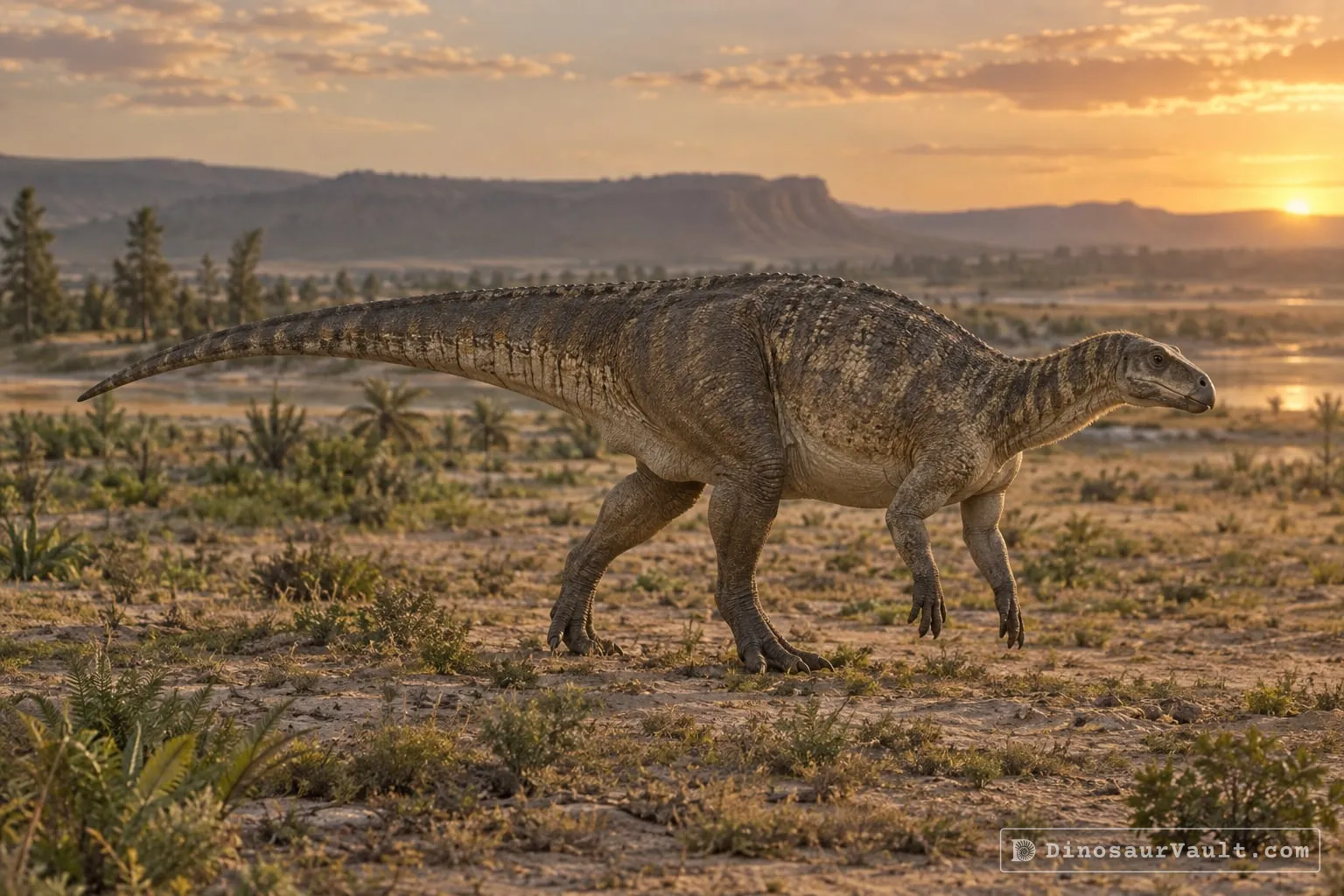
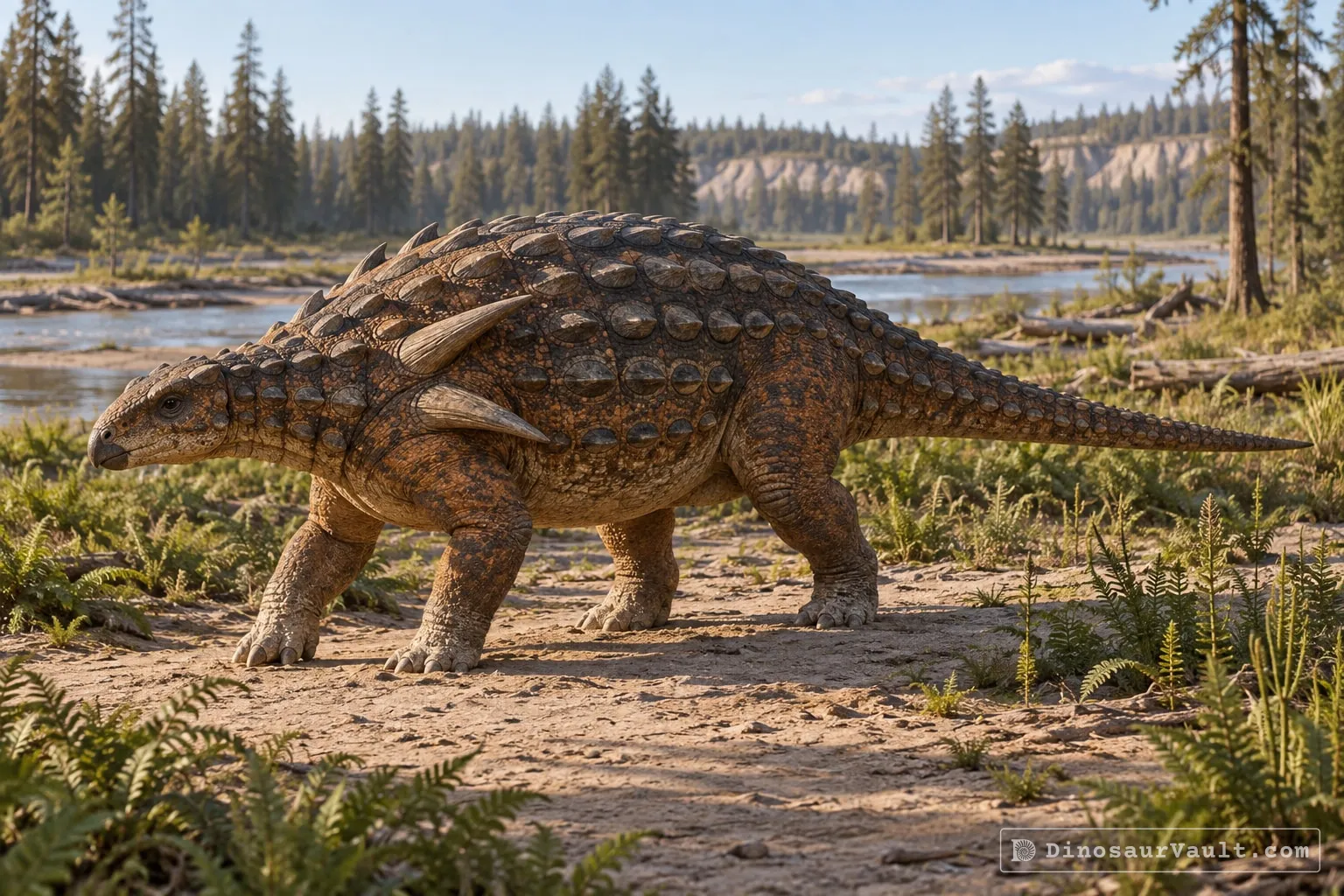
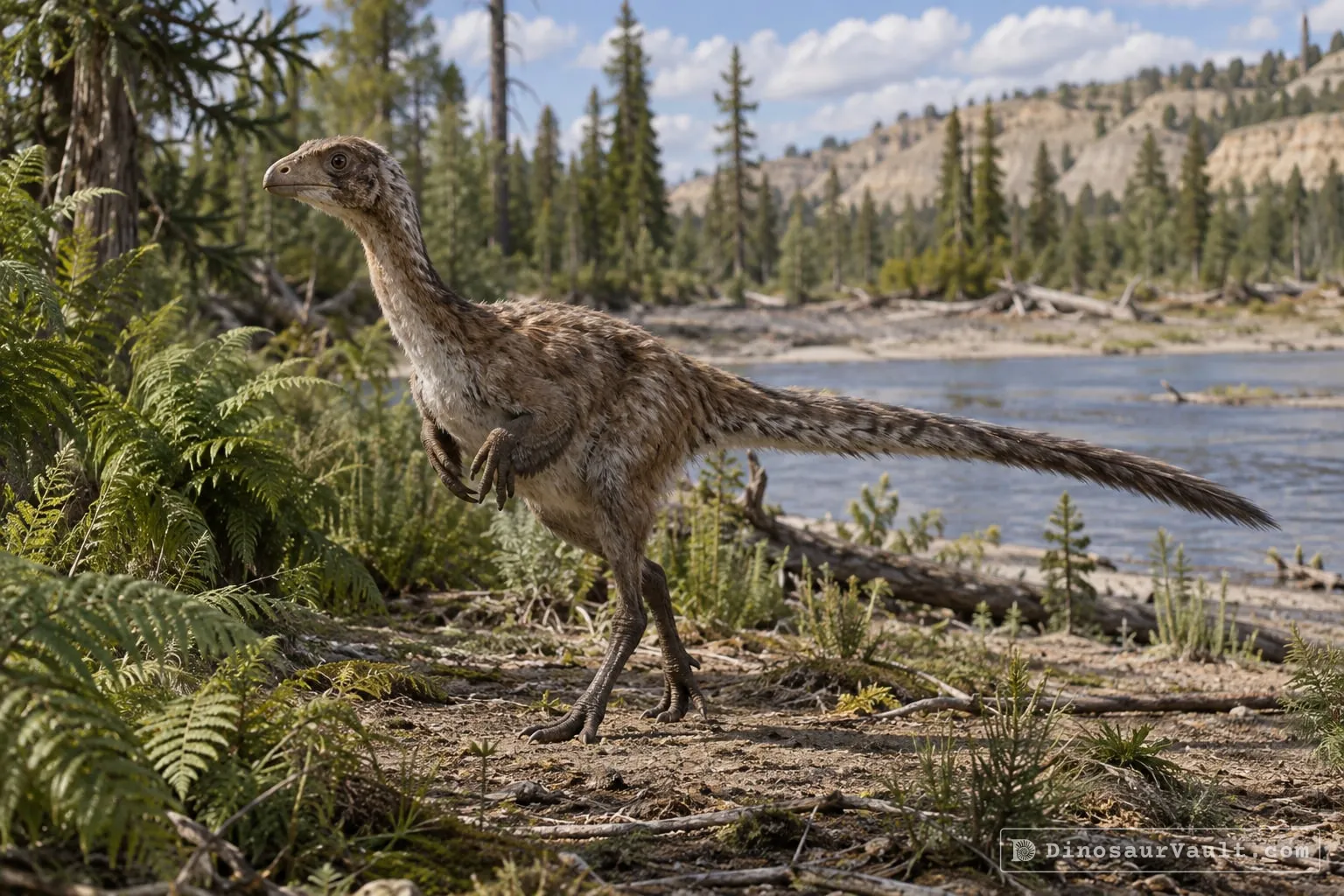
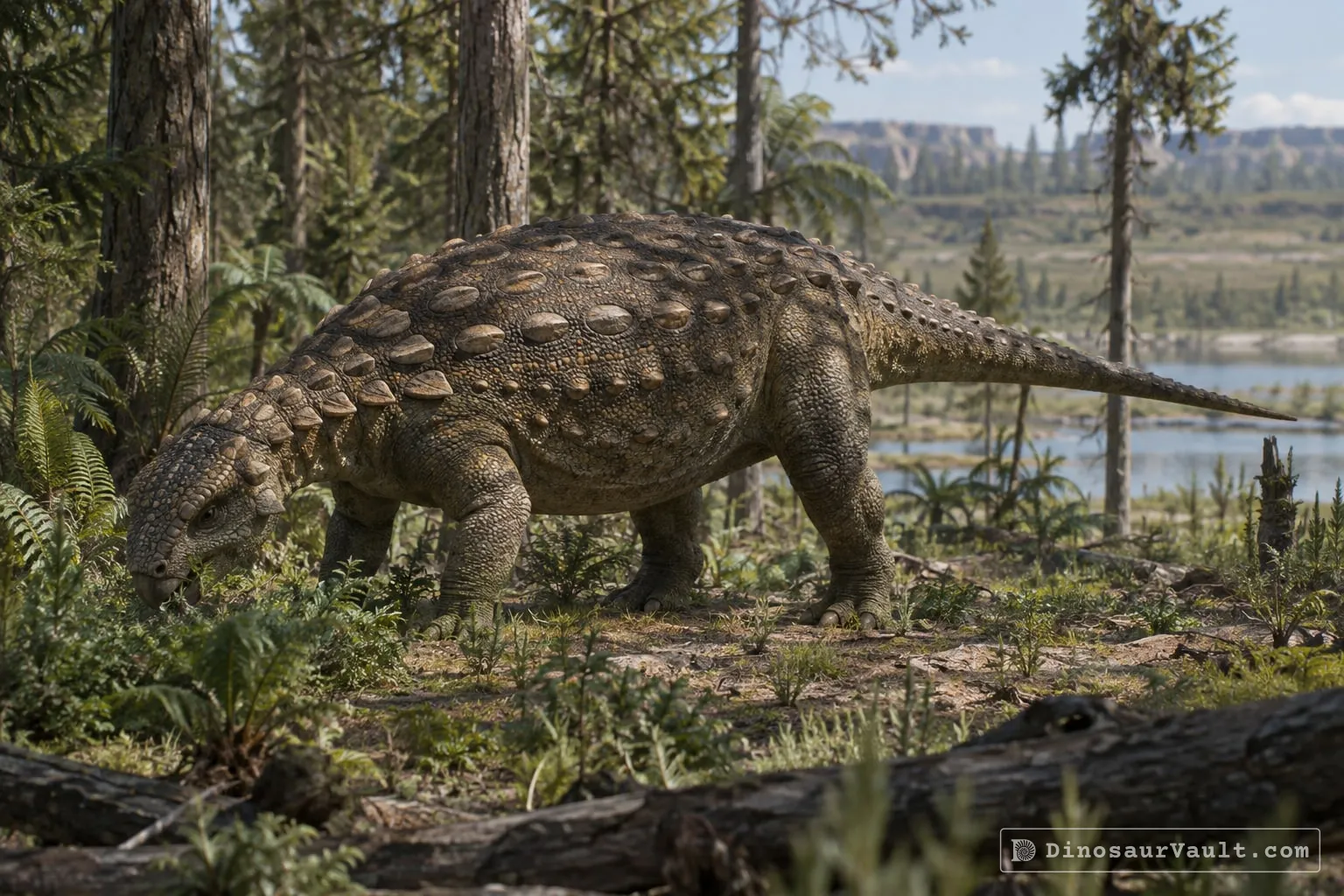


A rock formation can hold fossils laid down millions of years apart, so not every animal here met Zephyrosaurus.
The evidence
The science behind Zephyrosaurus
Which parts of the picture come from its own bones, and which come from its relatives.
From its own fossils
- The original find includes part of a skull and a few bones from the rest of the body.
- A bony bump projects from the cheek.
- Its shoulder and hip bones share features with those of the burrowing Oryctodromeus.
Borrowed from relatives
- Missing parts of its body follow comparisons with Orodromeus and Oryctodromeus, small plant eaters on nearby branches of the family tree.
Still unknown
- Whether it dug and lived in burrows.
- Its skin covering and color.
- How its body changed as it grew.
Discovery timeline
- 1980Named itSues
- 2007Close relativeVarricchio, Martin & Katsura
- 2013Same rocksOreska, Carrano & Dzikiewicz
Key papers
The research behind what we know of Zephyrosaurus
Named it
Named Zephyrosaurus from an incomplete skull and associated bones in the Cloverly Formation.
Anatomy and relationships of a new hypsilophodontid dinosaur from the Lower Cretaceous of North America. Palaeontographica Abteilung A 169: 51-72
No link available
Close relative
Found Oryctodromeus in a burrow and linked it with Zephyrosaurus through shared skull, shoulder and hip features.
First trace and body fossil evidence of a burrowing, denning dinosaur. Proceedings of the Royal Society B: Biological Sciences 274: 1361-1368
Read the paper : First trace and body fossil evidence of a burrowing, denning dinosaur (opens in a new tab)Same rocks
Reviewed the vertebrate fauna of the Cloverly Formation and its relationships with other Early Cretaceous faunas.
Vertebrate paleontology of the Cloverly Formation (Lower Cretaceous), I: faunal composition, biogeographic relationships, and sampling. Journal of Vertebrate Paleontology 33: 264-292
Read the paper : Vertebrate paleontology of the Cloverly Formation (Lower Cretaceous), I: faunal composition, biogeographic relationships, and sampling (opens in a new tab)
Close relatives
Other members of Thescelosauridae


Sources: Wikidata