Tenontosaurus
teh-NON-toe-SORE-us
"sinew lizard"
Type species Tenontosaurus tilletti
- Lived
- 121 to 94 million years ago, Early Cretaceous to Late Cretaceous
- Diet
- Herbivore
- Length
- about 7 m (23 ft)
- Group
- Ornithopods, Tenontosauridae
- Found in
- United States
- Named by
- Ostrom 1970
Size comparison
To scale


Scale in meters
Where its fossils were found
The evidence
Today

110 million years ago
Habitat
It lived along rivers and on floodplains in the western United States. Deinonychus, Aquilops and Sauropelta were among its neighbors.
Field notes
About Tenontosaurus
What it was like
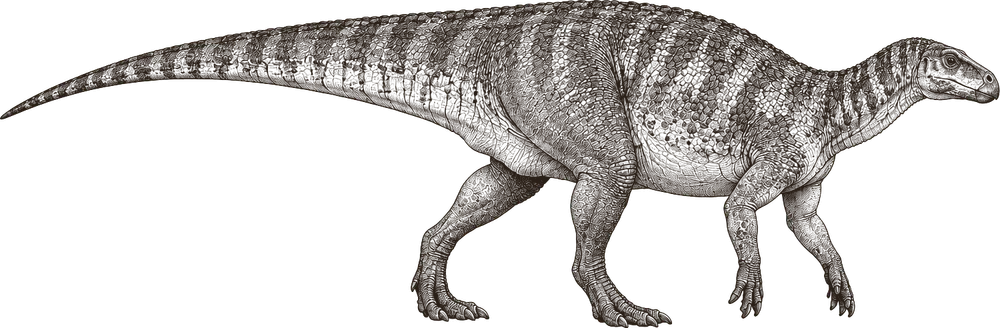
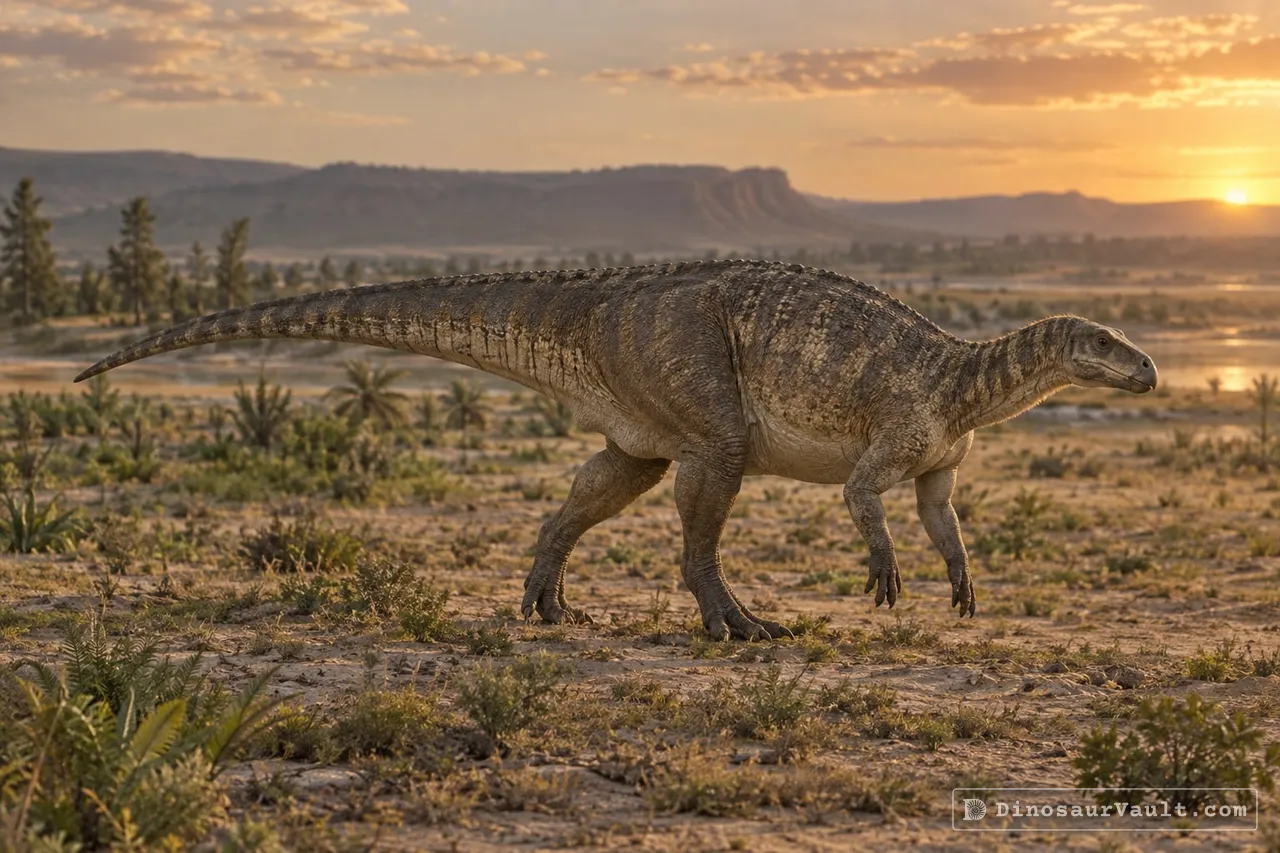
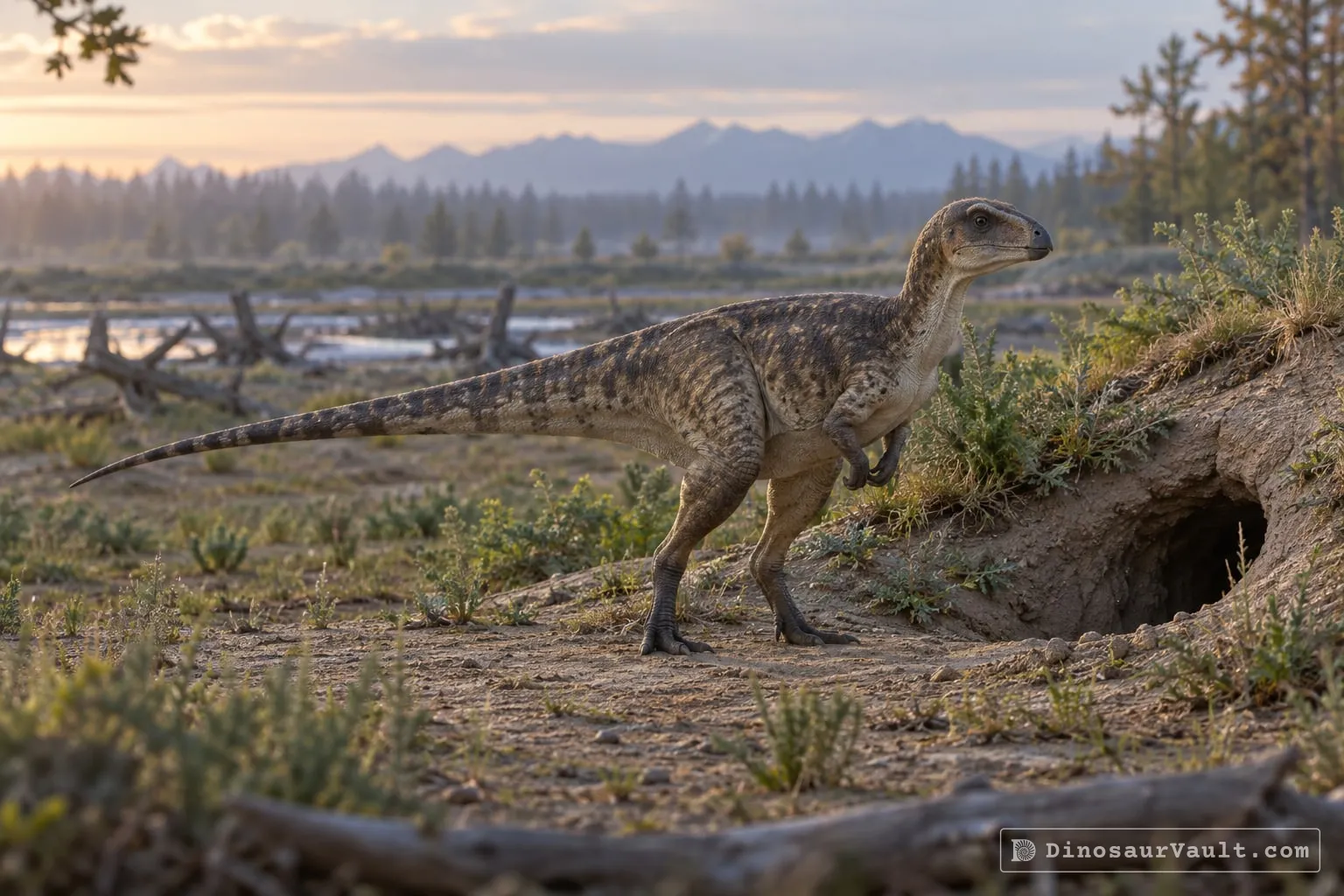
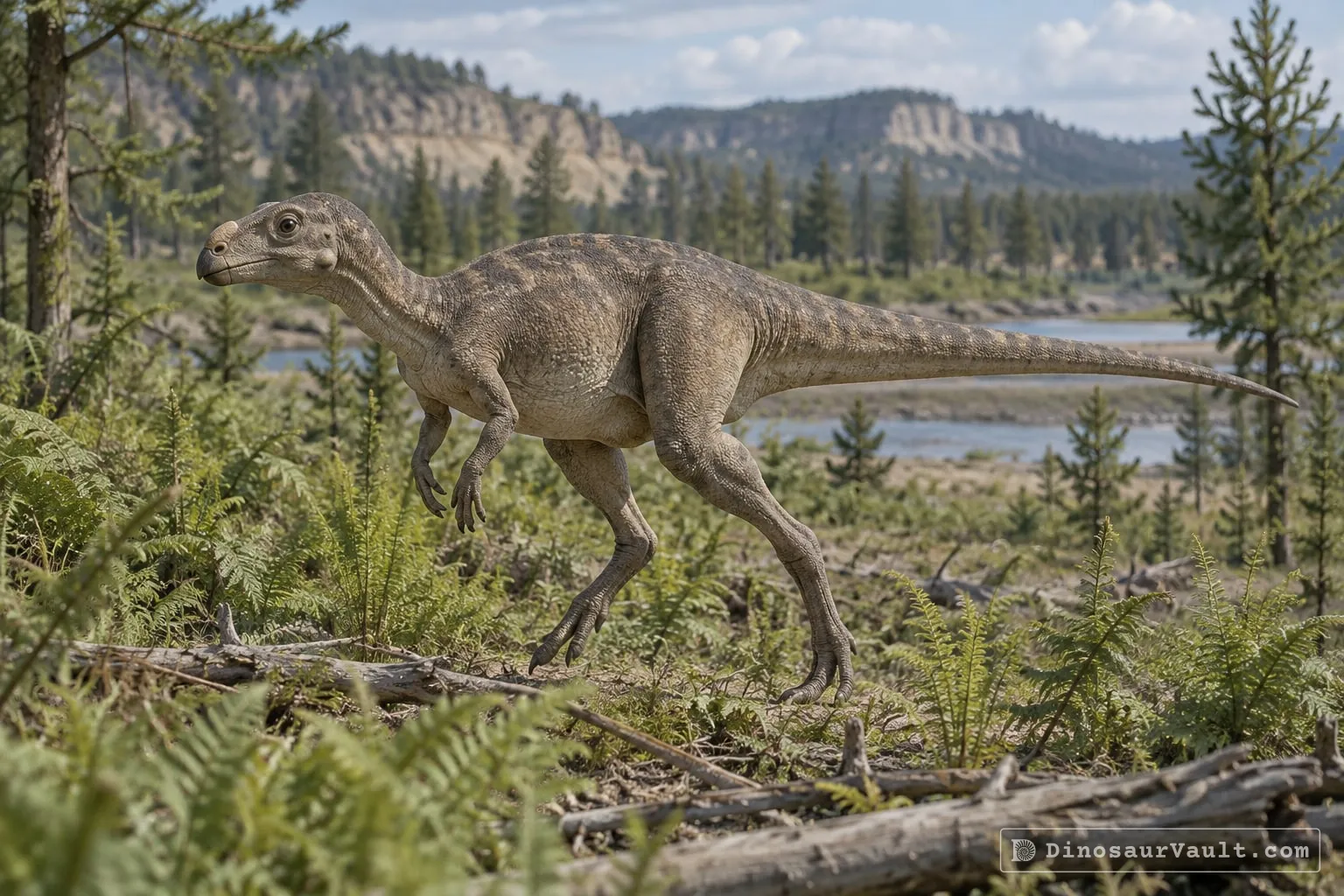
Tenontosaurus was a plant-eating ornithopod that grew to about 7 meters (23 feet) long, with a long, heavy tail that made up much of its body length. Bundles of bony tendons ran along its back and tail, stiffening them and giving the genus its name. It walked mainly on four legs but could likely rear up on two to reach food or watch for danger. Its skull was long and narrow, ending in a horny beak.
Its world
Tenontosaurus lived across the western United States, in places now called Montana, Oklahoma, Wyoming, Texas, Arizona, and Idaho, from about 121 to 94 million years ago. It shared its world with the huge predator Acrocanthosaurus and with Deinonychus, a much smaller but sharp-clawed hunter. Fossils of Tenontosaurus are often found alongside Deinonychus teeth, suggesting the smaller predator regularly fed on it, possibly hunting in groups. Other neighbors included the armored Sauropelta and the small, burrowing Oryctodromeus.
How it was found
Ostrom named Tenontosaurus in 1970, and it has since become one of the most common Early Cretaceous dinosaurs known, with about 70 separate fossil finds recorded. Most come from the Cloverly Formation, though bones have also turned up in the Antlers, Paluxy, and other formations across its range.
Field gallery
More views of Tenontosaurus
Scenes reconstructed from the available fossil evidence.
1 of 7
Lived alongside
Found in the same rock formations
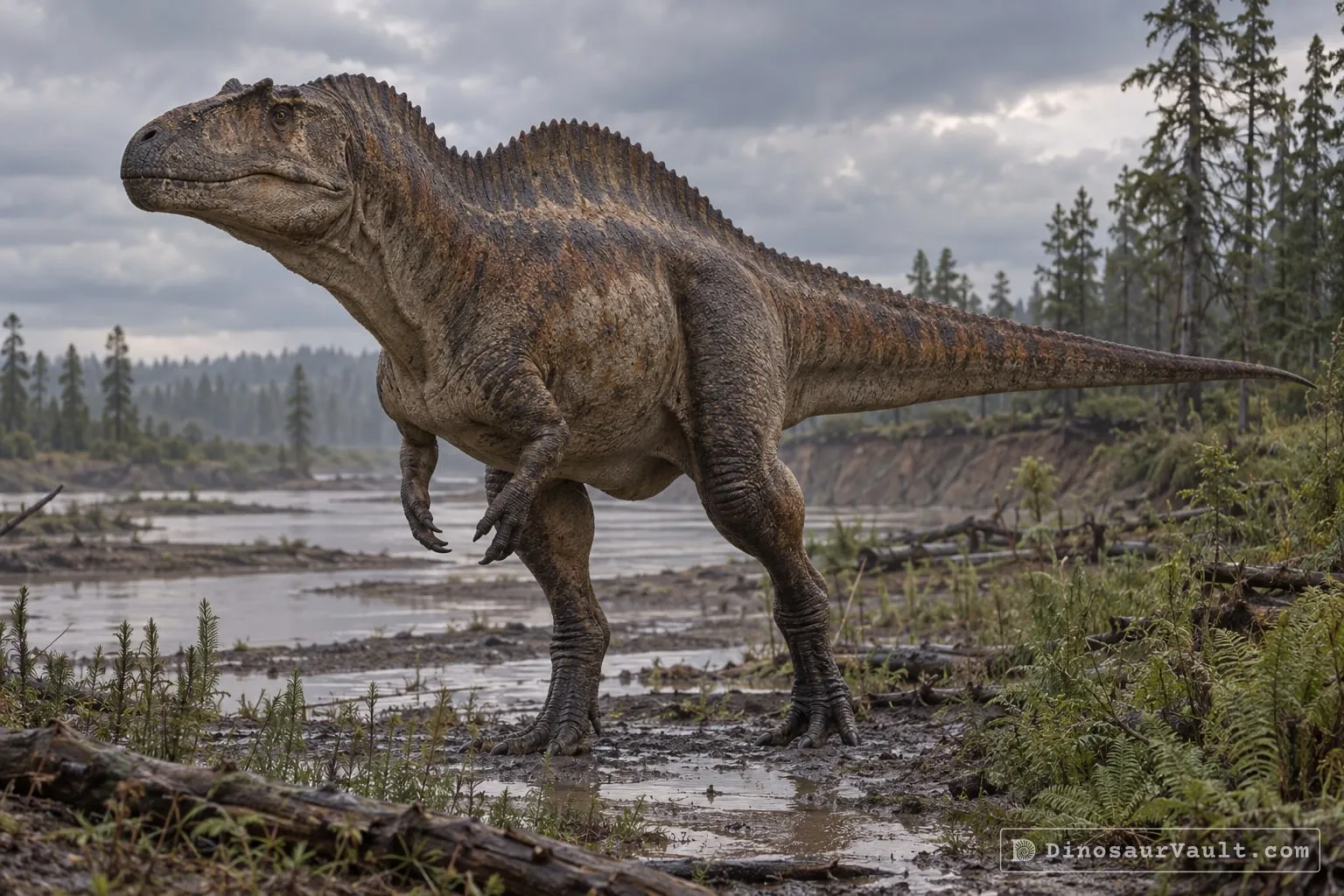
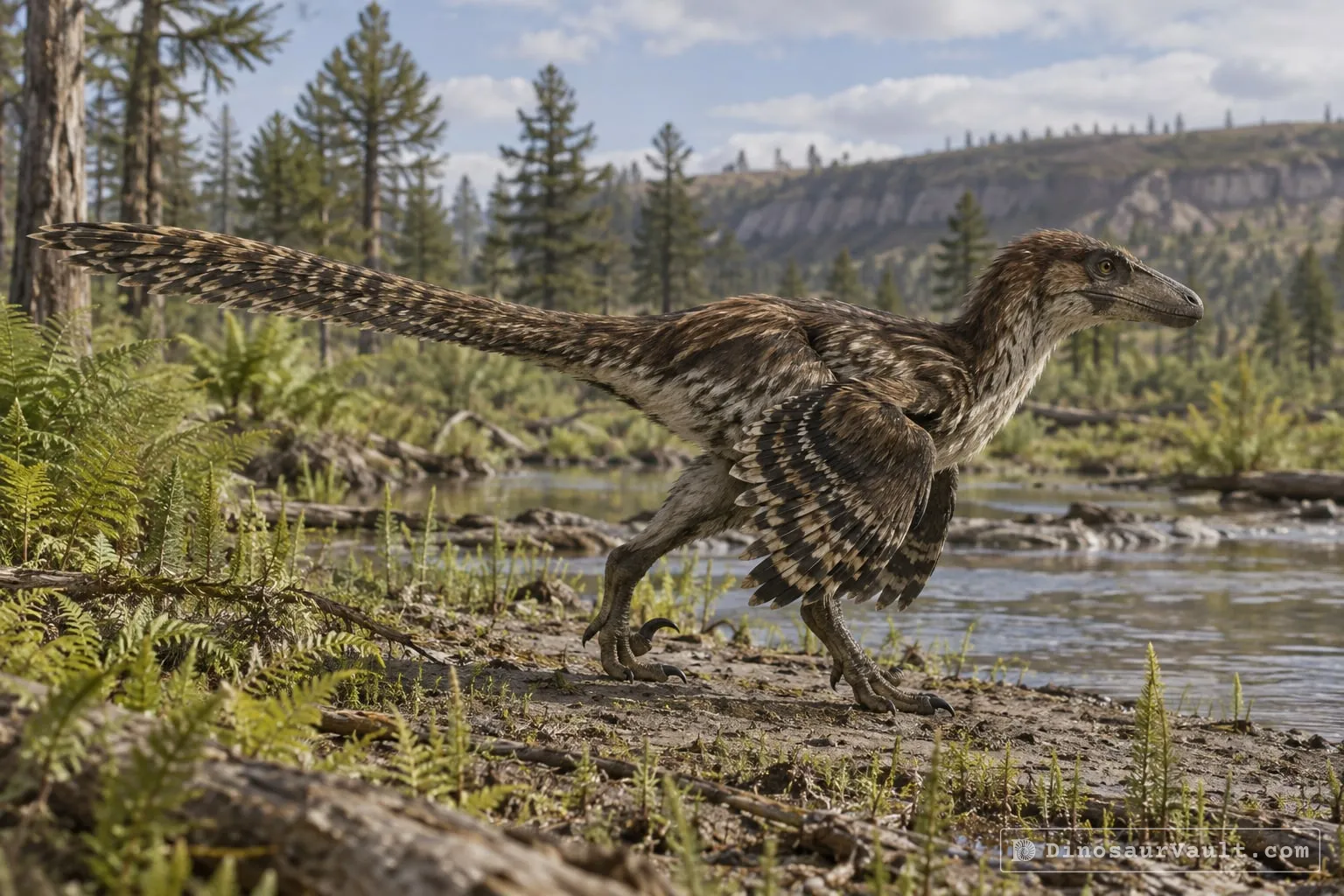
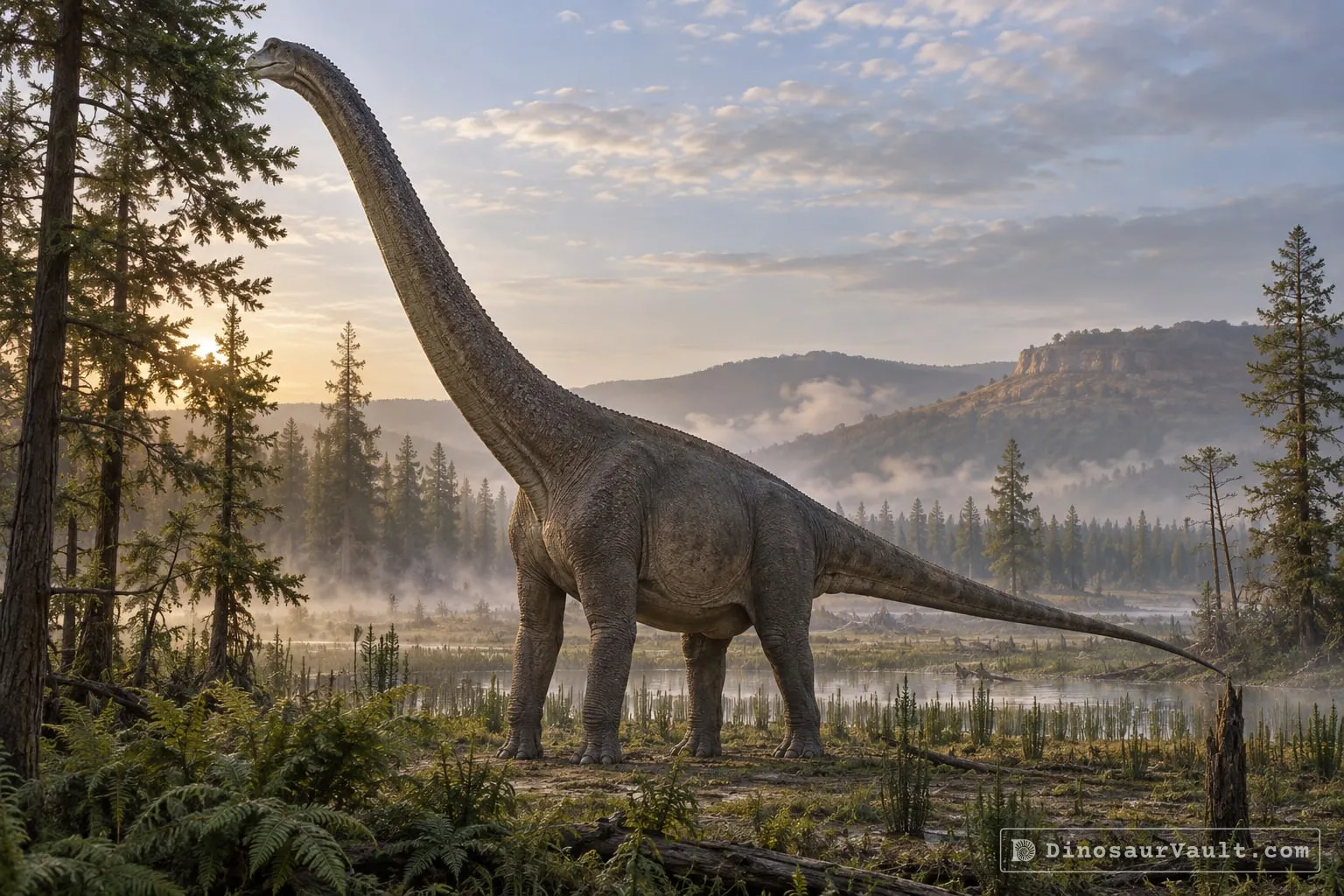
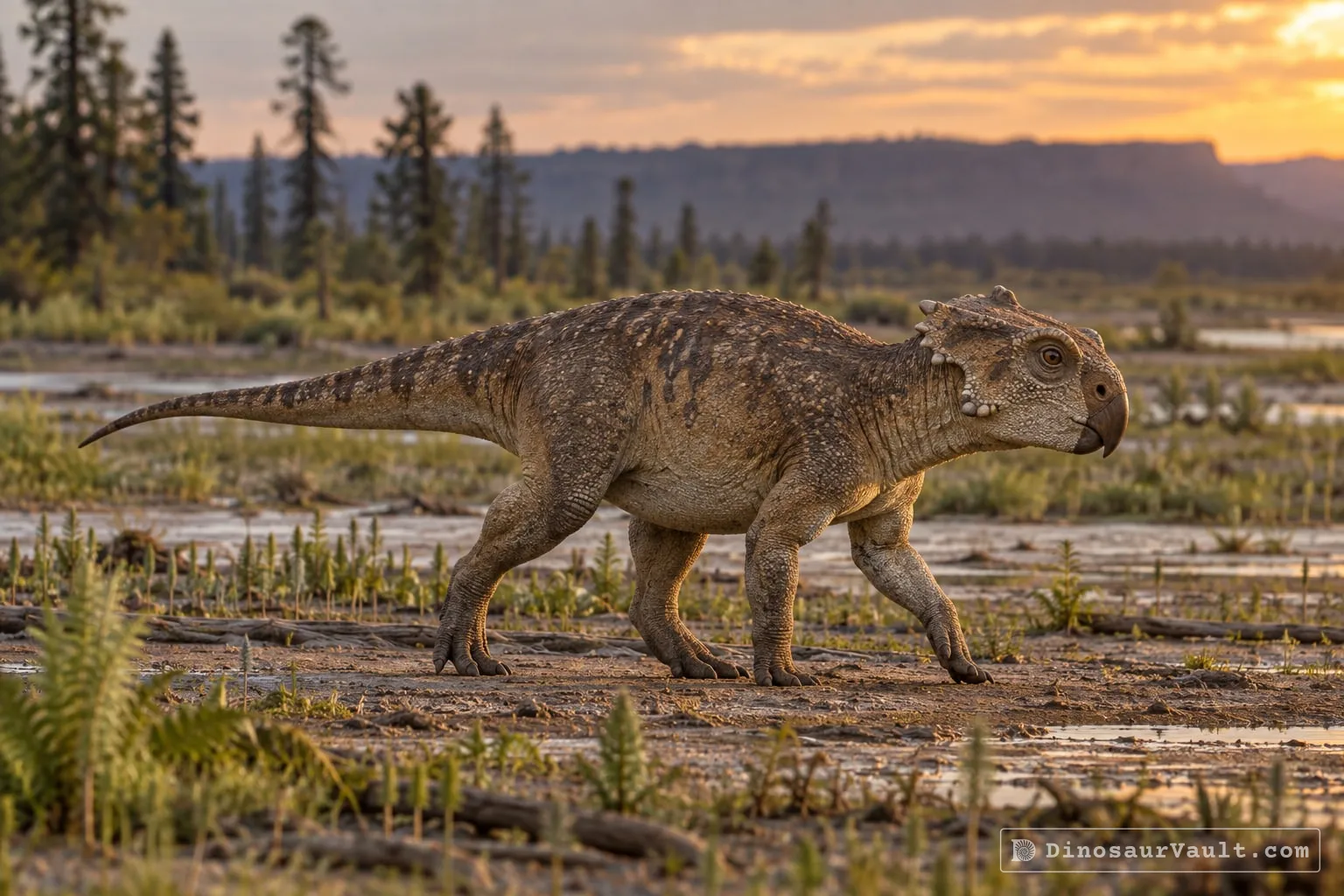
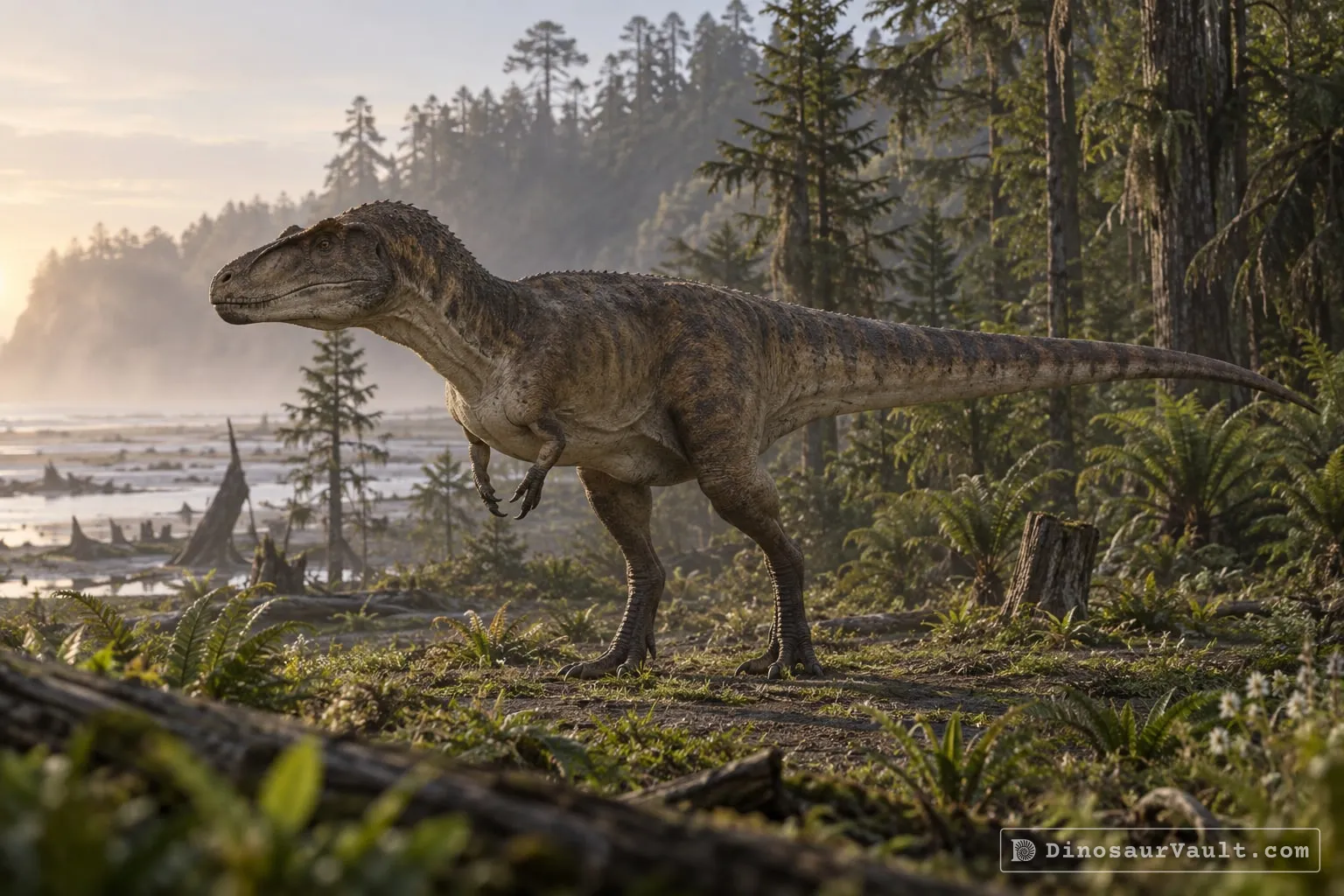
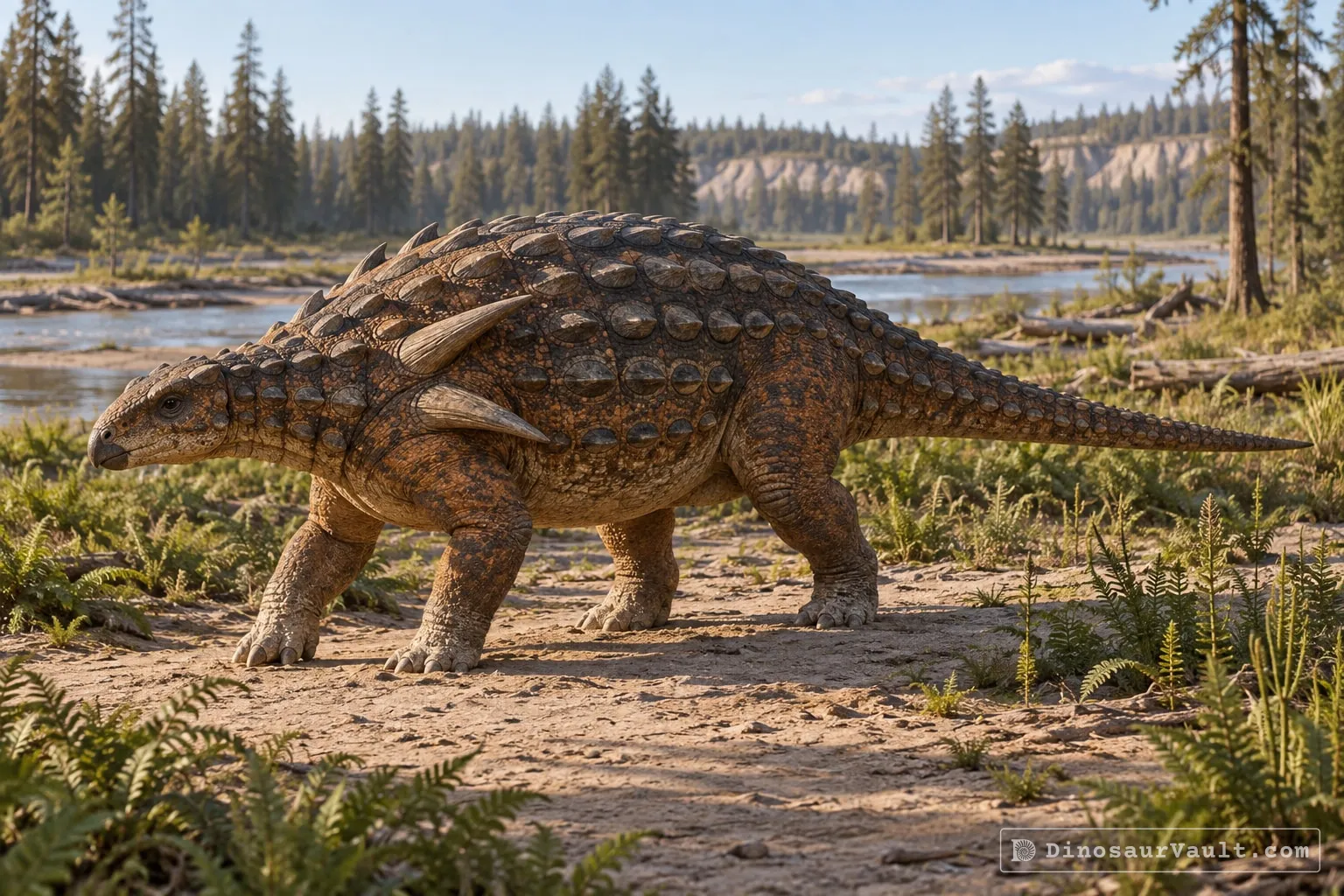


A rock formation can hold fossils laid down millions of years apart, so not every animal here met Tenontosaurus.
The evidence
The science behind Tenontosaurus
Which parts of the picture come from its own bones, and which come from its relatives.
From its own fossils
- Near-complete skeletons show a remarkably long, deep tail, strong hindlegs and shorter forelimbs that could support its weight.
- Bony tendons stiffened the back and tail.
- Deinonychus teeth and swallowed stones have been found beside a well-preserved skeleton.
Borrowed from relatives
- Most of the skeleton is known from its own bones.
Still unknown
- Its skin color.
- Exactly which plants it ate.
- Whether it cared for its young.
Often drawn wrong
- Its tail was deep and muscular, rather than a thin whip.
Discovery timeline
- 1970Named itOstrom
- 2012Growing upWerning
- 2022New findNudds, Lomax & Tennant
Key papers
The research behind what we know of Tenontosaurus
Named it
Described Tenontosaurus and the fossil-bearing rocks of the Cloverly Formation.
Stratigraphy and paleontology of the Cloverly Formation (Lower Cretaceous) of the Bighorn Basin area, Wyoming and Montana. Peabody Museum Bulletin 35: 1-234
No link available
Growing up
Examined bone growth from very young animals to adults and found rapid early growth that slowed later in life.
The Ontogenetic Osteohistology of Tenontosaurus tilletti. PLoS ONE 7: e33539
Read the paper : The Ontogenetic Osteohistology of Tenontosaurus tilletti (opens in a new tab)New find
Confirmed swallowed stones and Deinonychus teeth beside a skeleton, supporting the view that Deinonychus fed on Tenontosaurus.
Gastroliths and Deinonychus teeth associated with a skeleton of Tenontosaurus from the Cloverly Formation (Lower Cretaceous), Montana, USA. Cretaceous Research 140: 105327
Read the paper : Gastroliths and Deinonychus teeth associated with a skeleton of Tenontosaurus from the Cloverly Formation (Lower Cretaceous), Montana, USA (opens in a new tab)
Close relatives
Other members of Tenontosauridae


Sources: Wikidata