Sauroposeidon
SOR-oh-poh-SY-dun
"earthquake god lizard"
- Lived
- 121 to 94 million years ago, Early Cretaceous to Late Cretaceous
- Diet
- Herbivore
- Group
- Sauropods
- Found in
- United States
- Named by
- Wedel et al. 2000
Where its fossils were found
The evidence
Today

110 million years ago
Habitat
Rivers and coastal plains shaped its world in the Antlers Formation. Regional neighbors included Acrocanthosaurus, Tenontosaurus and Deinonychus.
Field notes
About Sauroposeidon
What it was like
Sauroposeidon was an enormous, long-necked plant eater, among the tallest dinosaurs known. Its neck was built from long, air-filled vertebrae that made it lighter than its size would suggest, while still able to reach high into the treetops.
It belonged to a group of sauropods called titanosauriforms, related to Brachiosaurus in early studies, though later research suggested closer ties to the titanosaurs instead. Exact size estimates remain uncertain because so little of the skeleton has been found.
Its world
Sauroposeidon lived in what is now Wyoming, Oklahoma, and Texas, from about 121 to 94 million years ago, spanning the Early to Late Cretaceous. Its fossils come from formations including Cloverly, Antlers, and Twin Mountains.
It shared its coastal habitat with the predator Acrocanthosaurus, the plant eater Tenontosaurus, the armored Sauropelta, and the small hunter Deinonychus.
How it was found
Wedel and colleagues named Sauroposeidon in 2000, after the huge vertebrae found were initially mistaken for petrified wood. Only 5 finds of the genus are known, making it one of the rarest large sauropods in the fossil record.
Field gallery
More views of Sauroposeidon
Scenes reconstructed from the available fossil evidence.
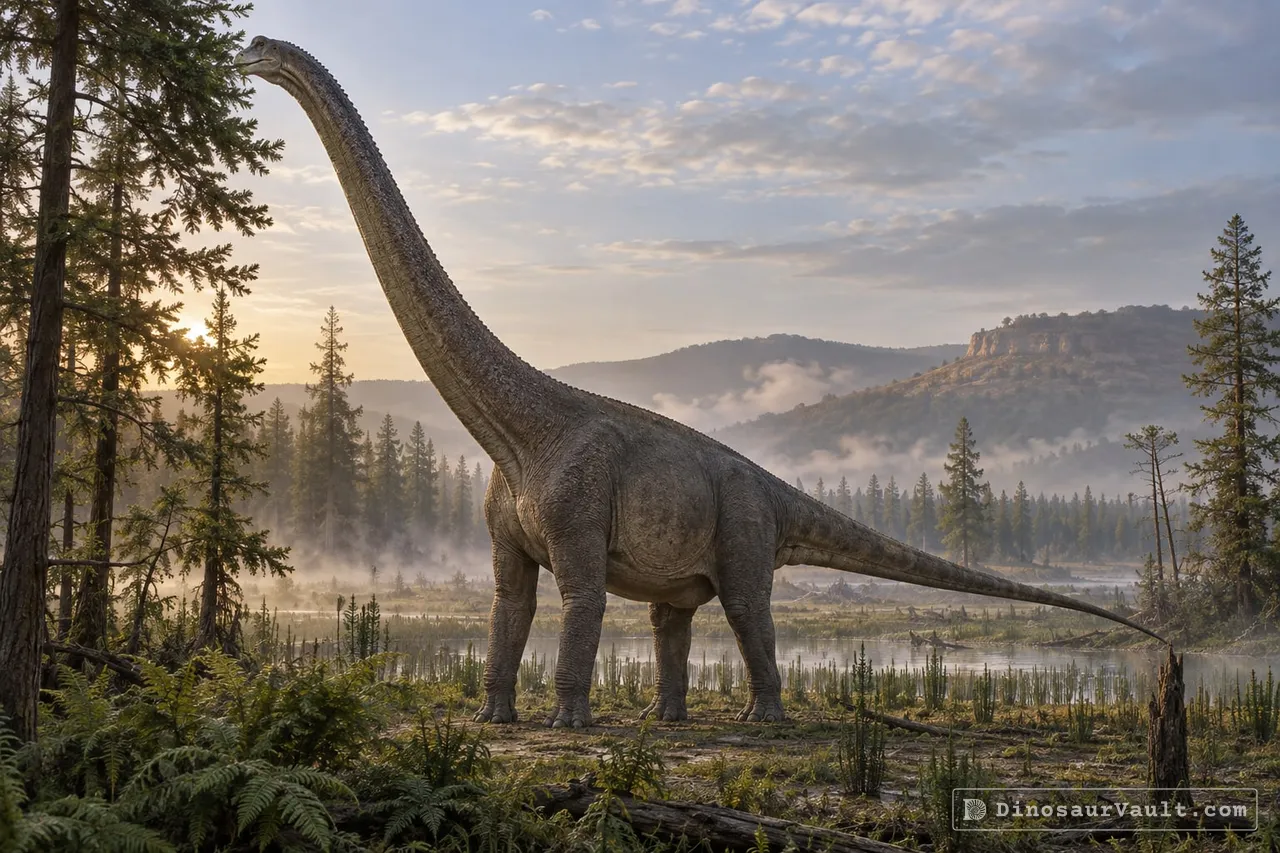
1 of 7
Lived alongside
Found in the same rock formations
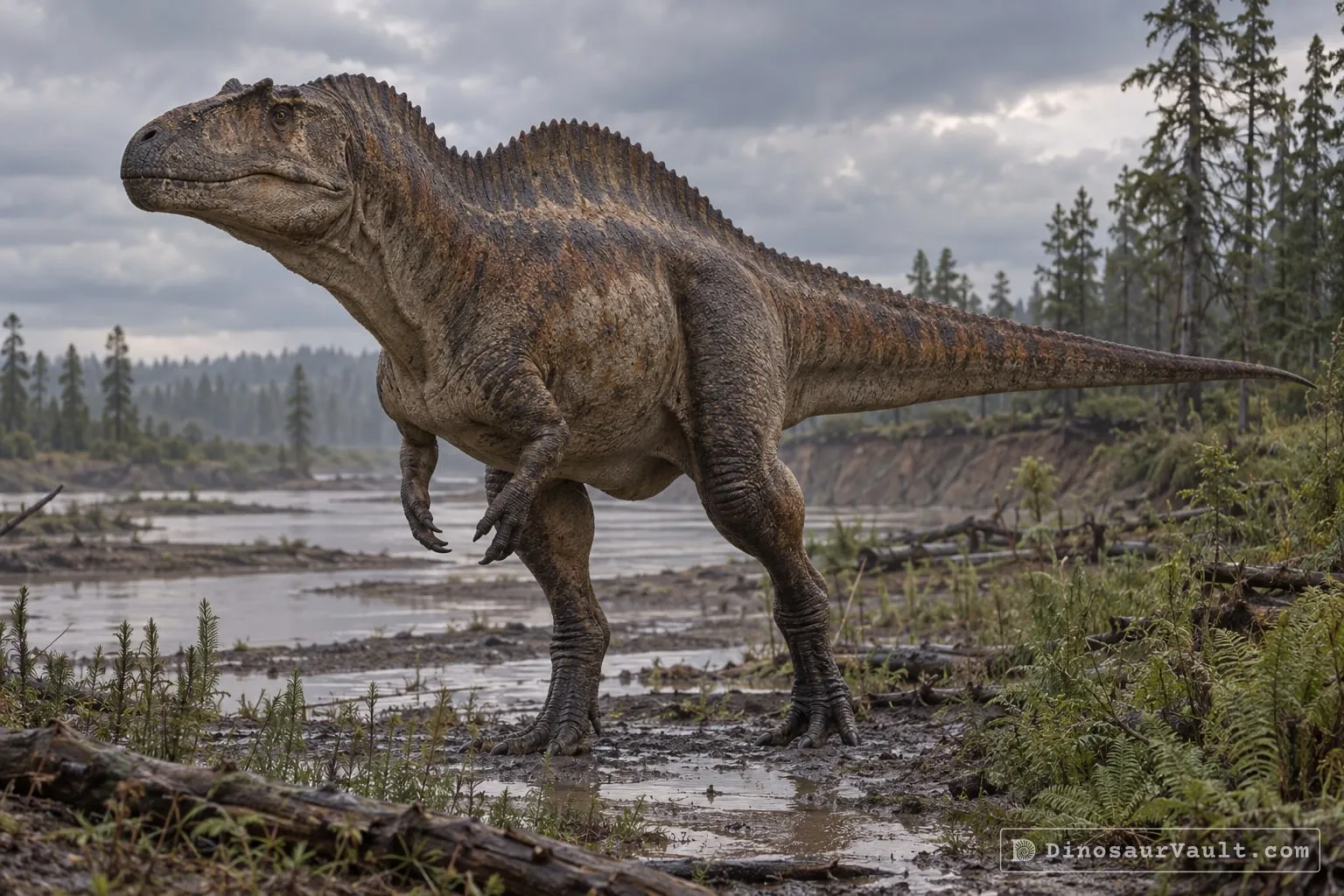
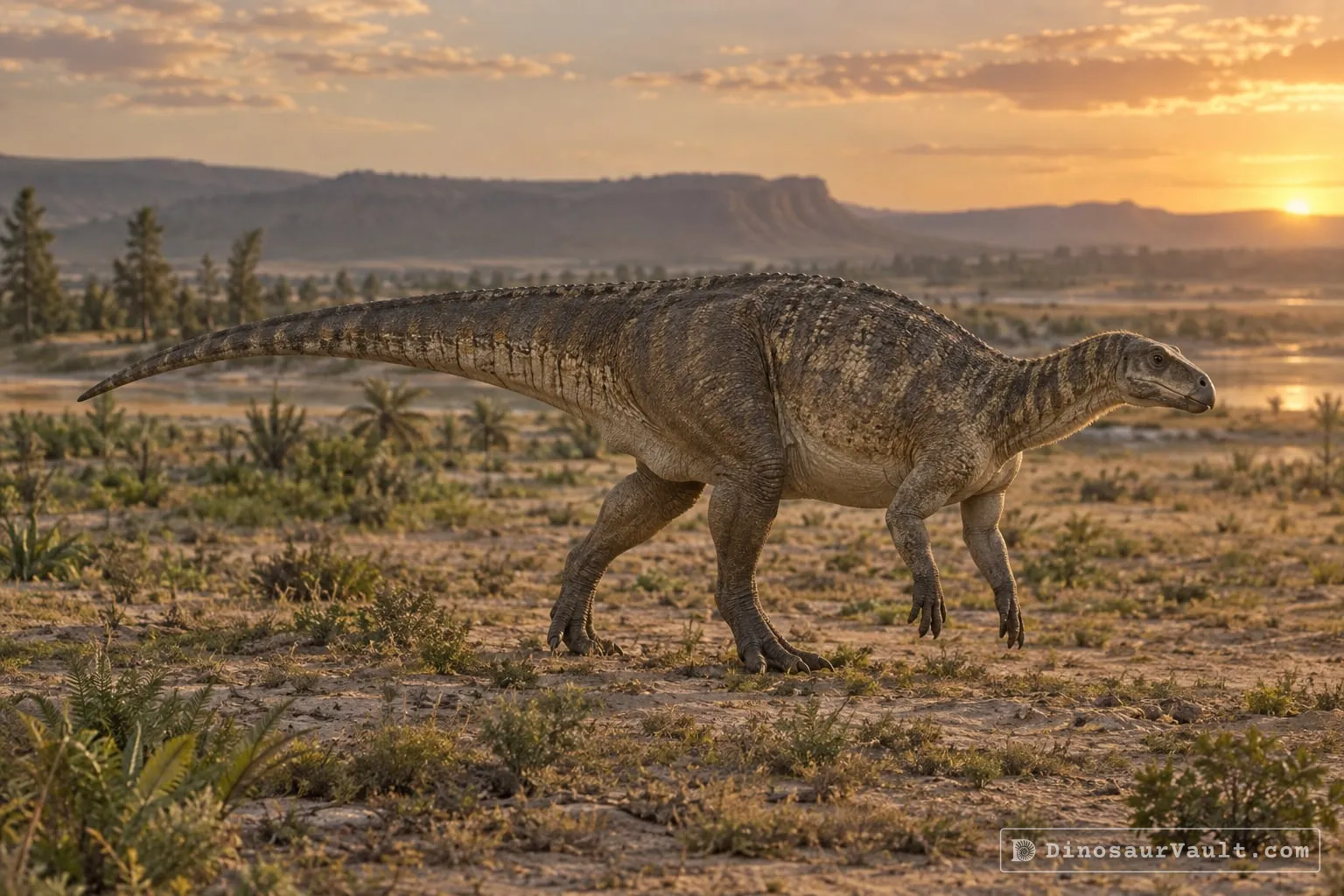
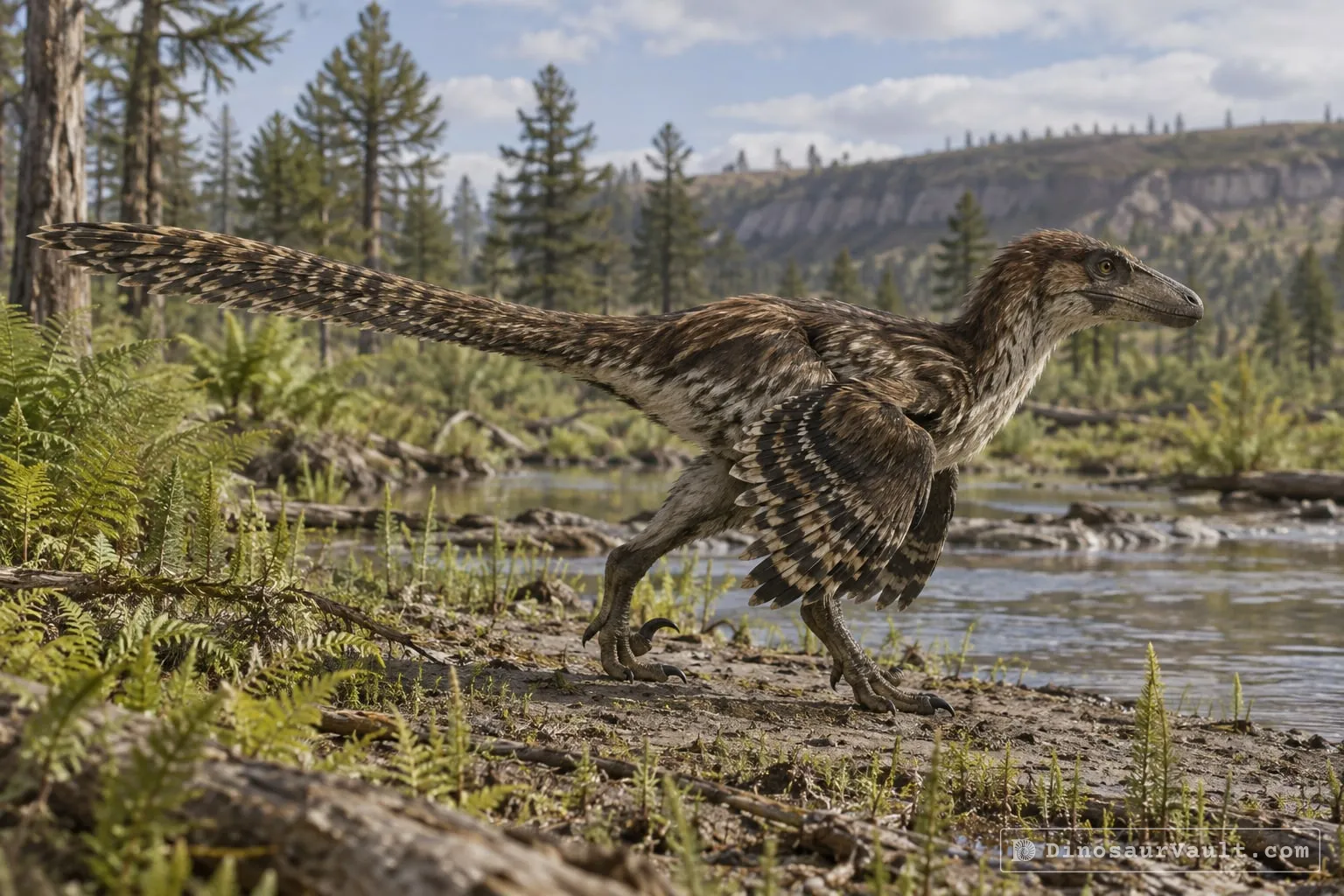
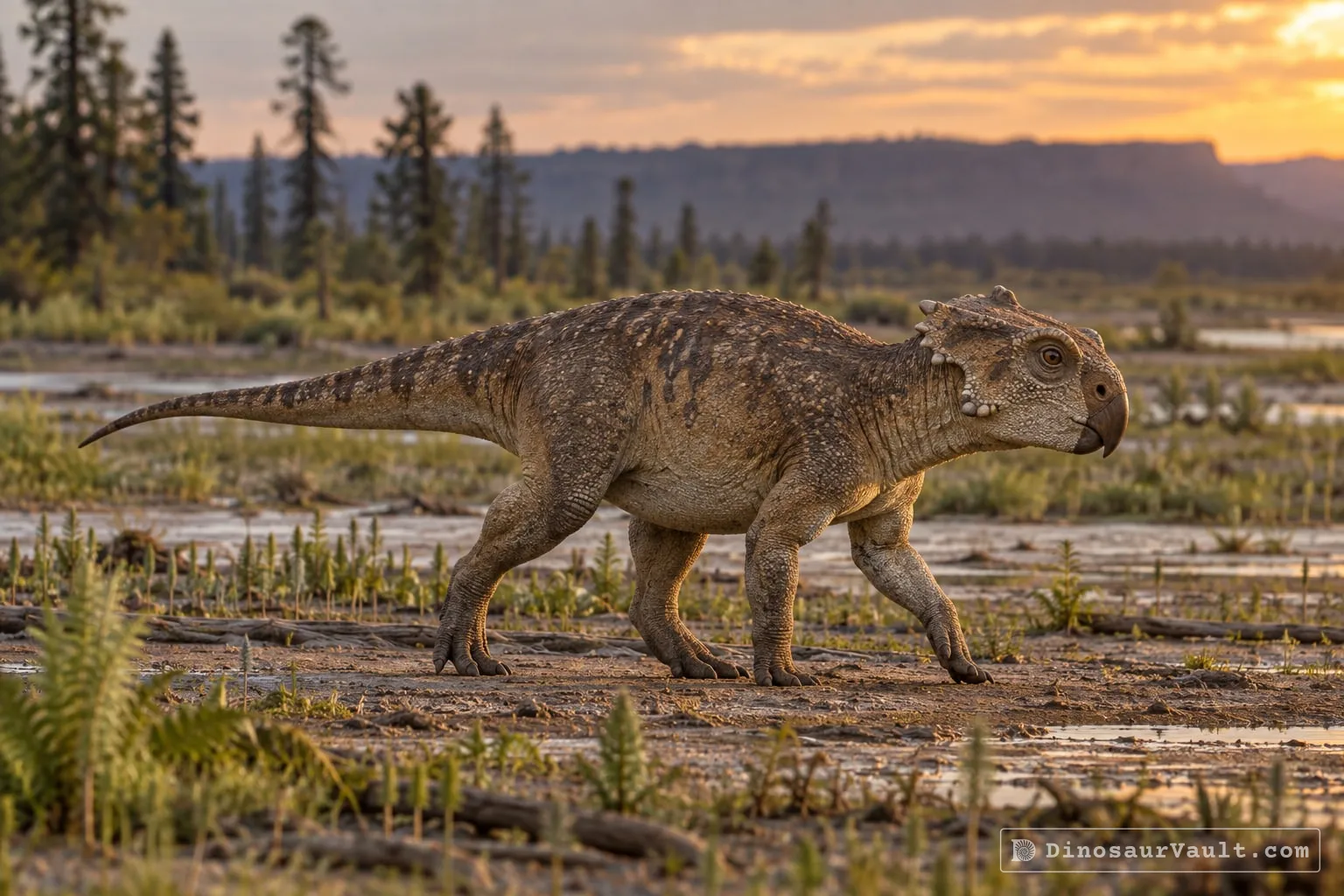
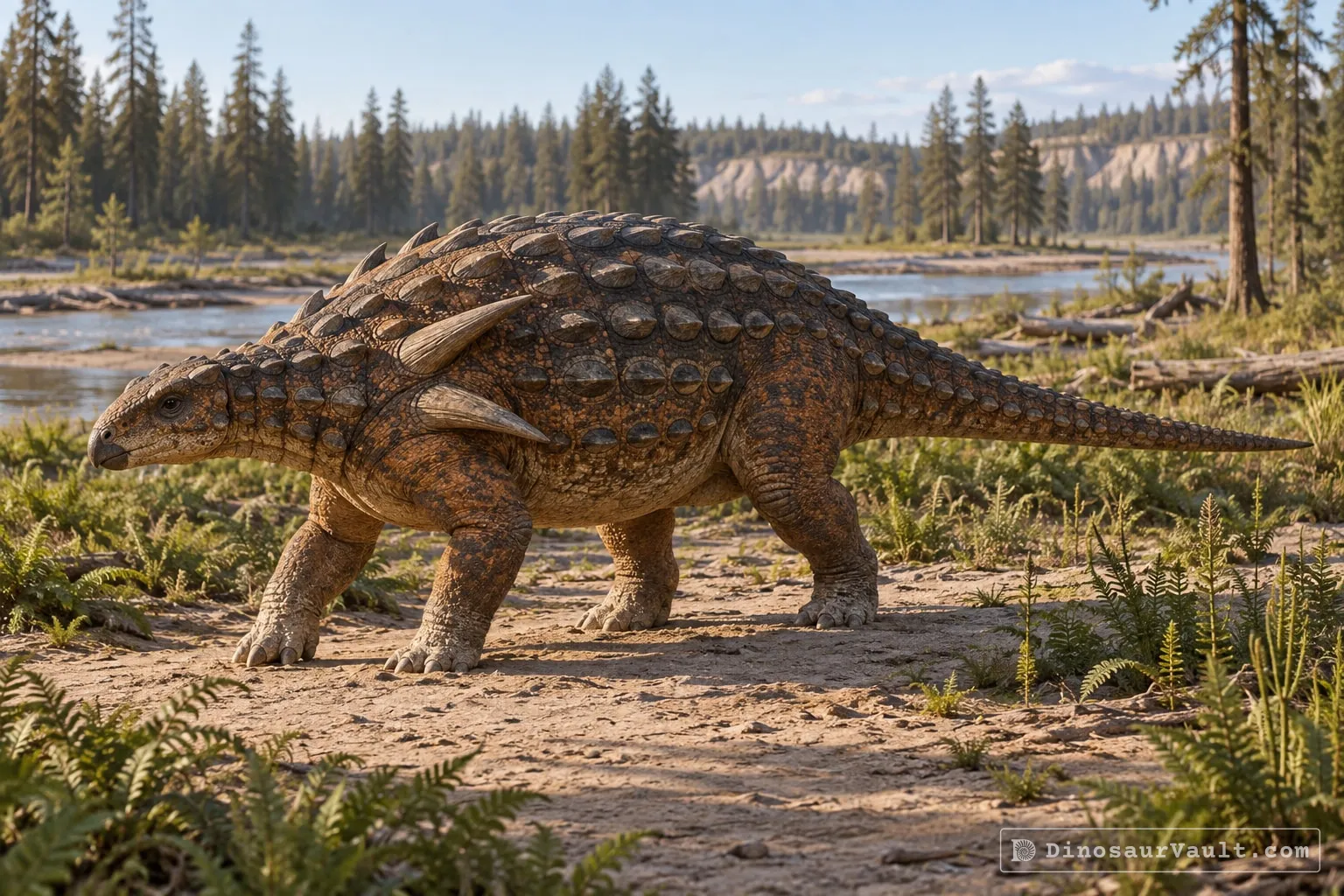
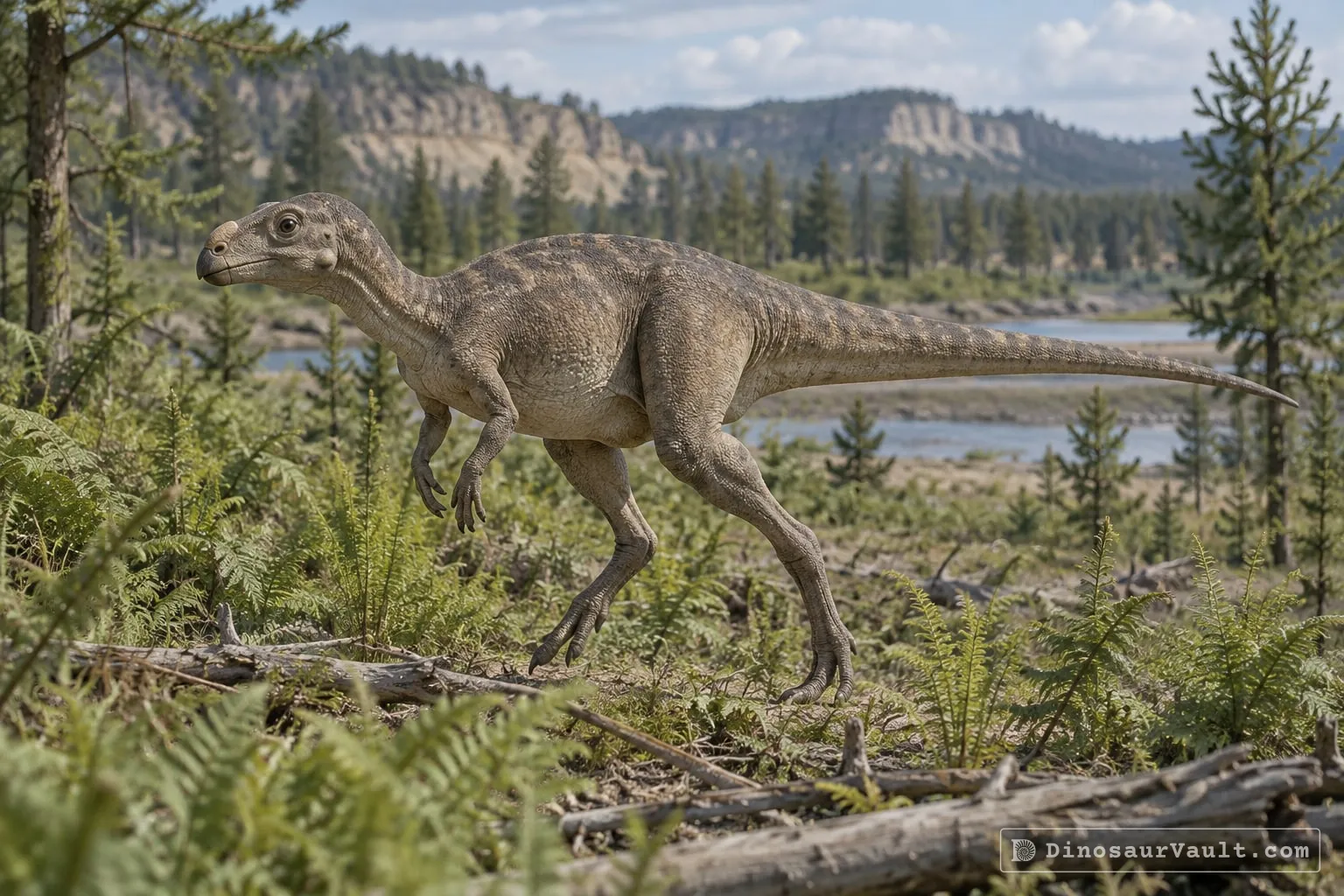
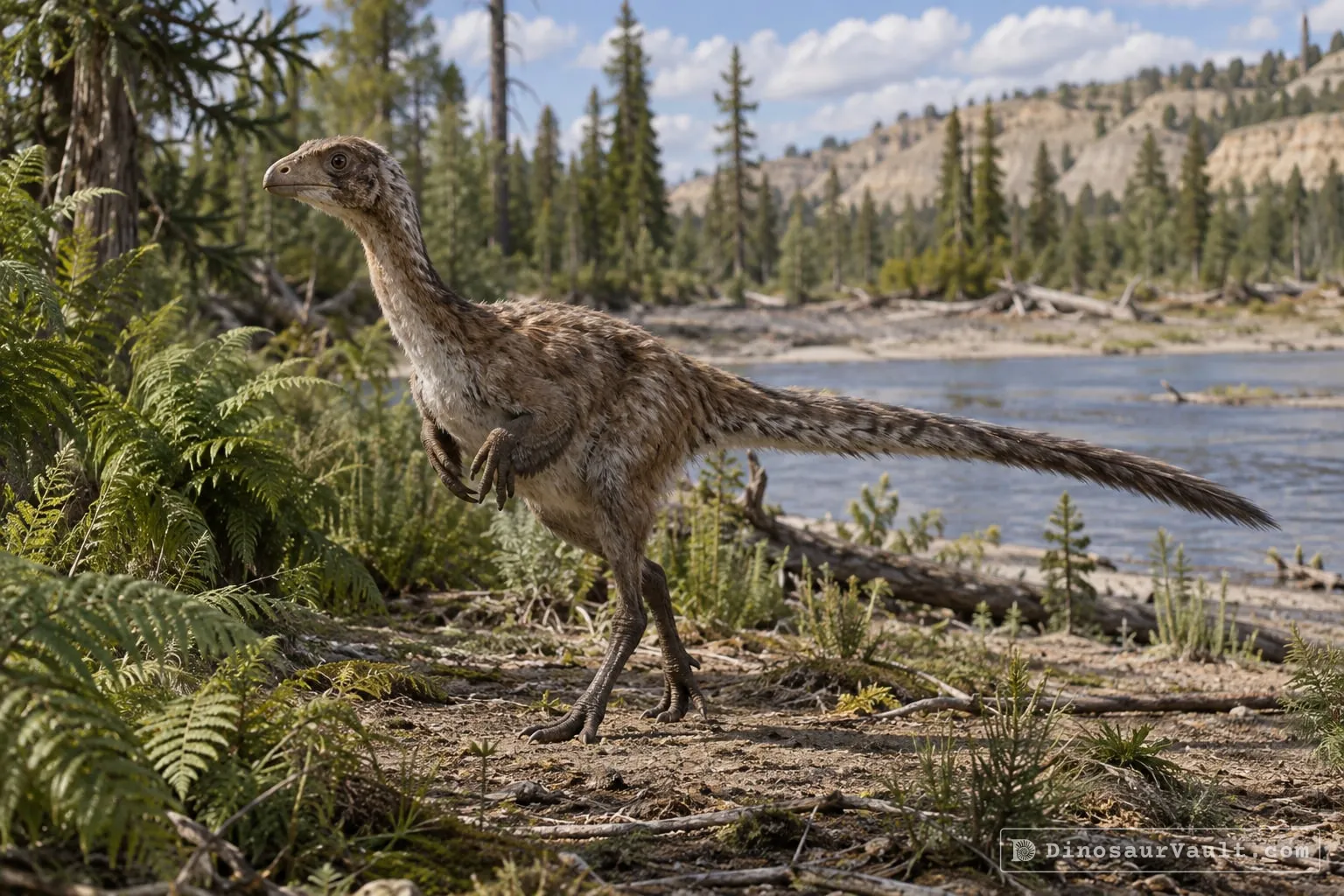
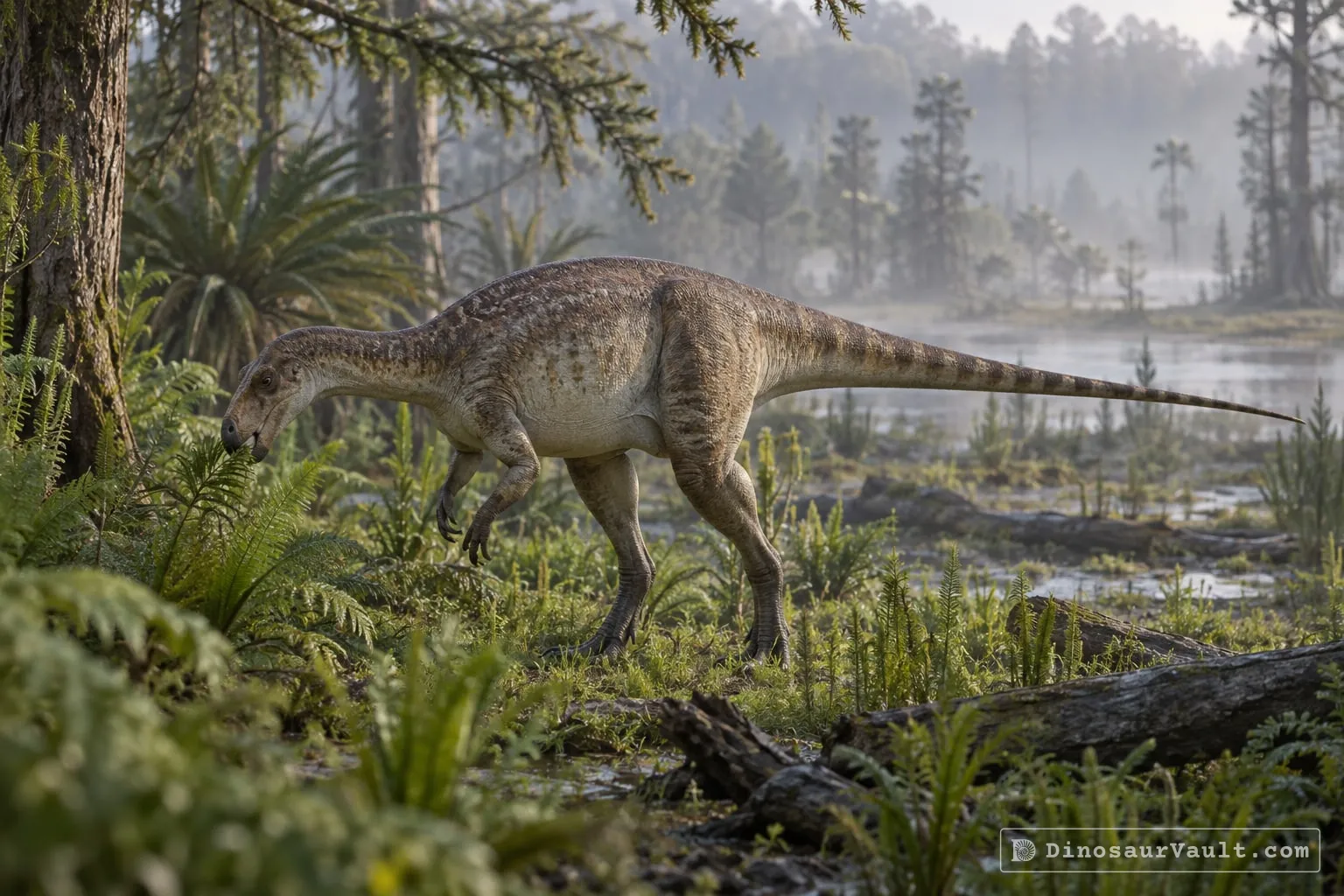


A rock formation can hold fossils laid down millions of years apart, so not every animal here met Sauroposeidon.
The evidence
The science behind Sauroposeidon
Which parts of the picture come from its own bones, and which come from its relatives.
From its own fossils
- The original find preserves a connected series of exceptionally elongated neck vertebrae.
- Thin walls and many internal air spaces made these enormous neck bones relatively light.
- Additional bones from the Cloverly Formation helped place it nearer titanosaurs than early comparisons with Brachiosaurus suggested.
Borrowed from relatives
- Its head and much of its body are restored by comparison with other titanosauriforms, including Brachiosaurus and more complete relatives of titanosaurs.
- A small head and an air-sac breathing system follow the anatomy shared by other long-necked sauropods.
Still unknown
- Its full adult length, weight and maximum head height.
- The complete shape of its skull and body.
- The proportions of its young and whether adults cared for them.
Often drawn wrong
- Its neck should follow a supported curve rather than sharp swan-like bends.
Discovery timeline
- 2000Named itWedel, Cifelli & Sanders
- 2003Full descriptionWedel
- 2013PostureTaylor & Wedel
Key papers
The research behind what we know of Sauroposeidon
Named it
Named Sauroposeidon from exceptionally elongated, air-filled neck bones found in Oklahoma.
Sauroposeidon proteles, a new sauropod from the early Cretaceous of Oklahoma. Journal of Vertebrate Paleontology 20: 109-114
Read the paper : Sauroposeidon proteles, a new sauropod from the early Cretaceous of Oklahoma (opens in a new tab)Full description
Linked hollow vertebrae in sauropods, including Sauroposeidon, to an air-sac system resembling that of birds.
Vertebral pneumaticity, air sacs, and the physiology of sauropod dinosaurs. Paleobiology 29: 243-255
Read the paper : Vertebral pneumaticity, air sacs, and the physiology of sauropod dinosaurs (opens in a new tab)Posture
Explained how lightweight heads, air spaces and specialized vertebrae made extreme neck elongation possible in sauropods such as Sauroposeidon.
Why sauropods had long necks; and why giraffes have short necks. PeerJ 1: e36
Read the paper : Why sauropods had long necks; and why giraffes have short necks (opens in a new tab)
Close relatives
Other members of Somphospondyli


Sources: Wikidata