Outline: a typical theropod
Labocania
Type species Labocania anomala
- Lived
- 86 to 72 million years ago, Late Cretaceous
- Diet
- Carnivore
- Group
- Theropods, Tyrannosauridae
- Found in
- Mexico
- Named by
- Molnar 1974
Where its fossils were found
The evidence
Today

80 million years ago
Field notes
About Labocania
What it was like
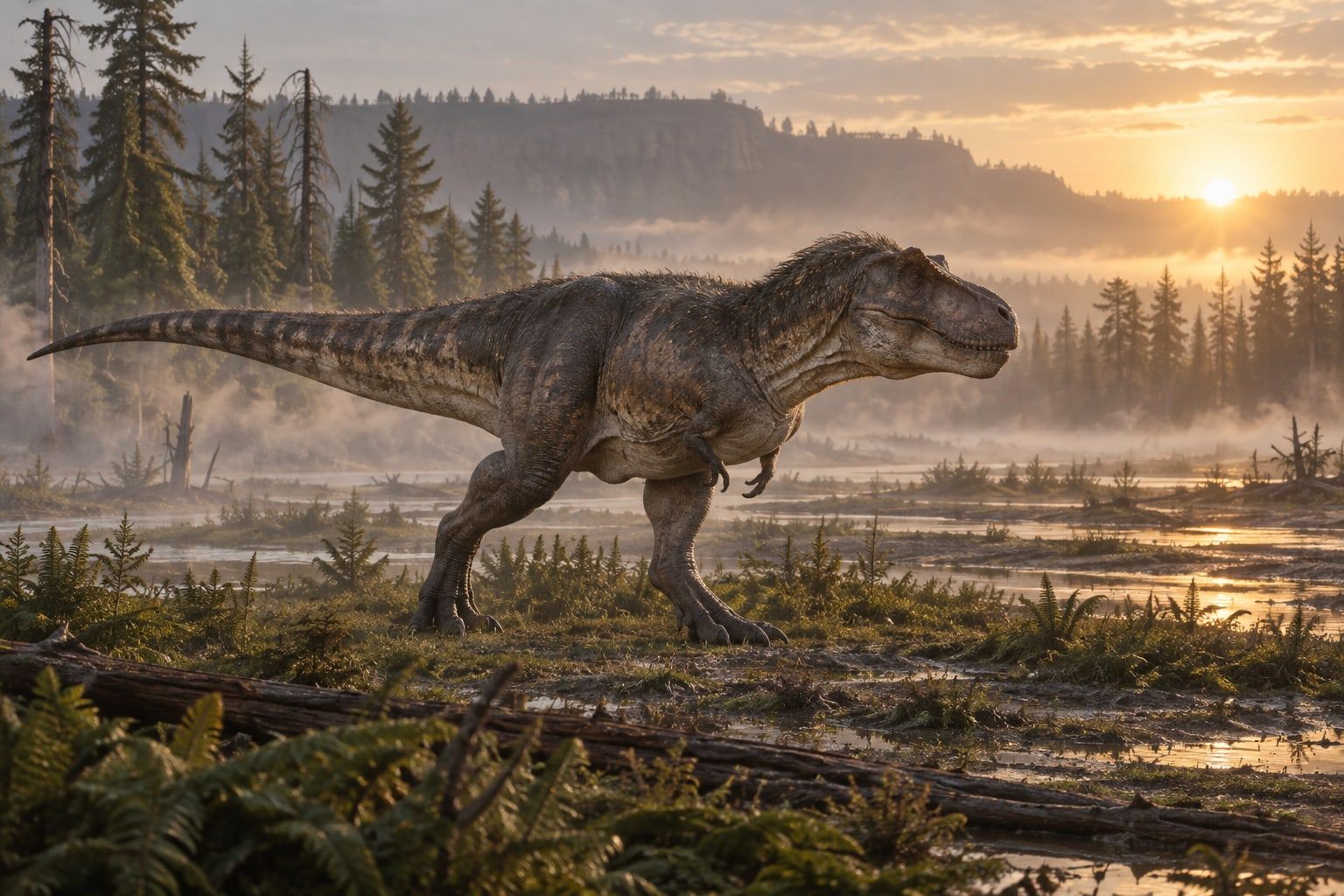
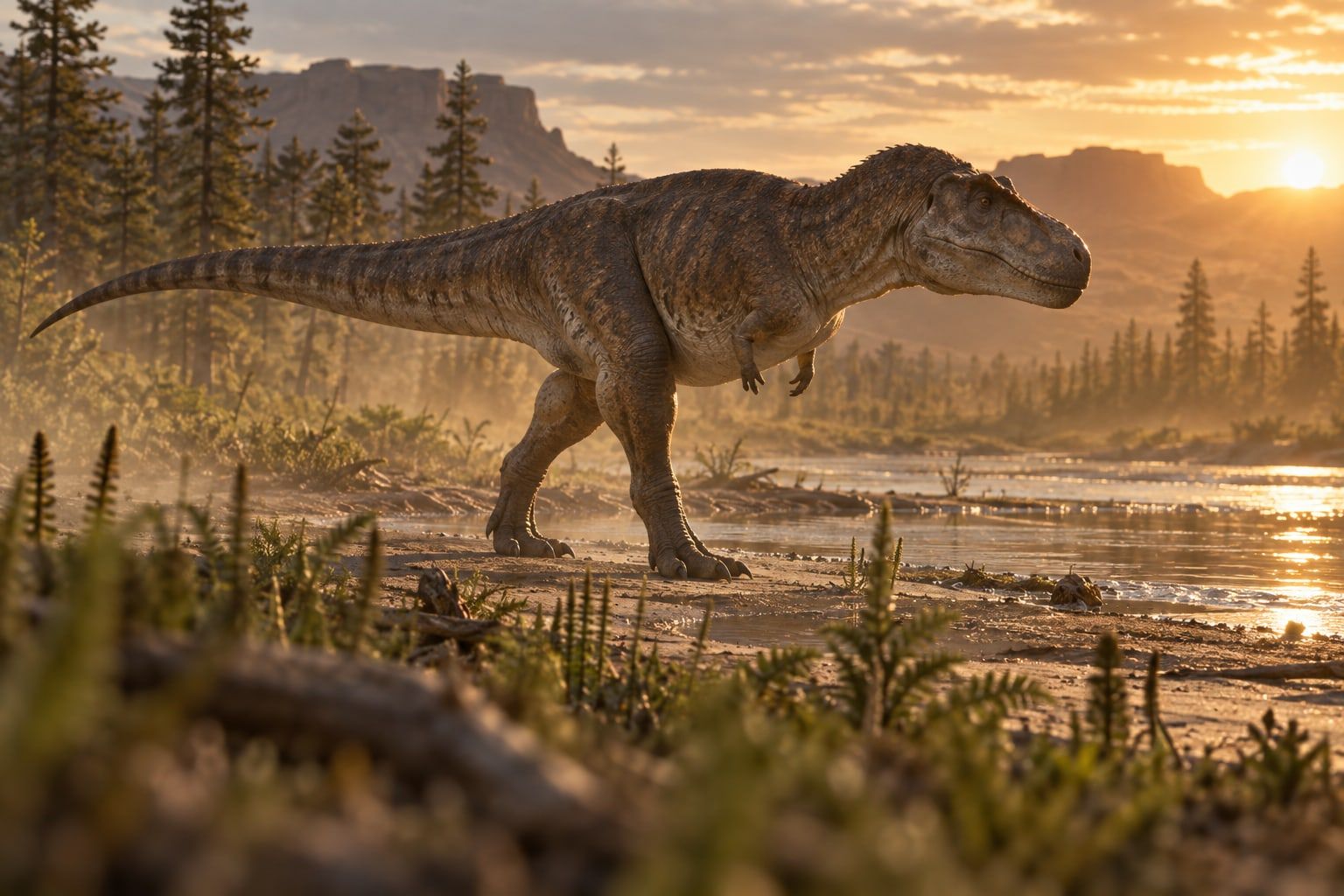
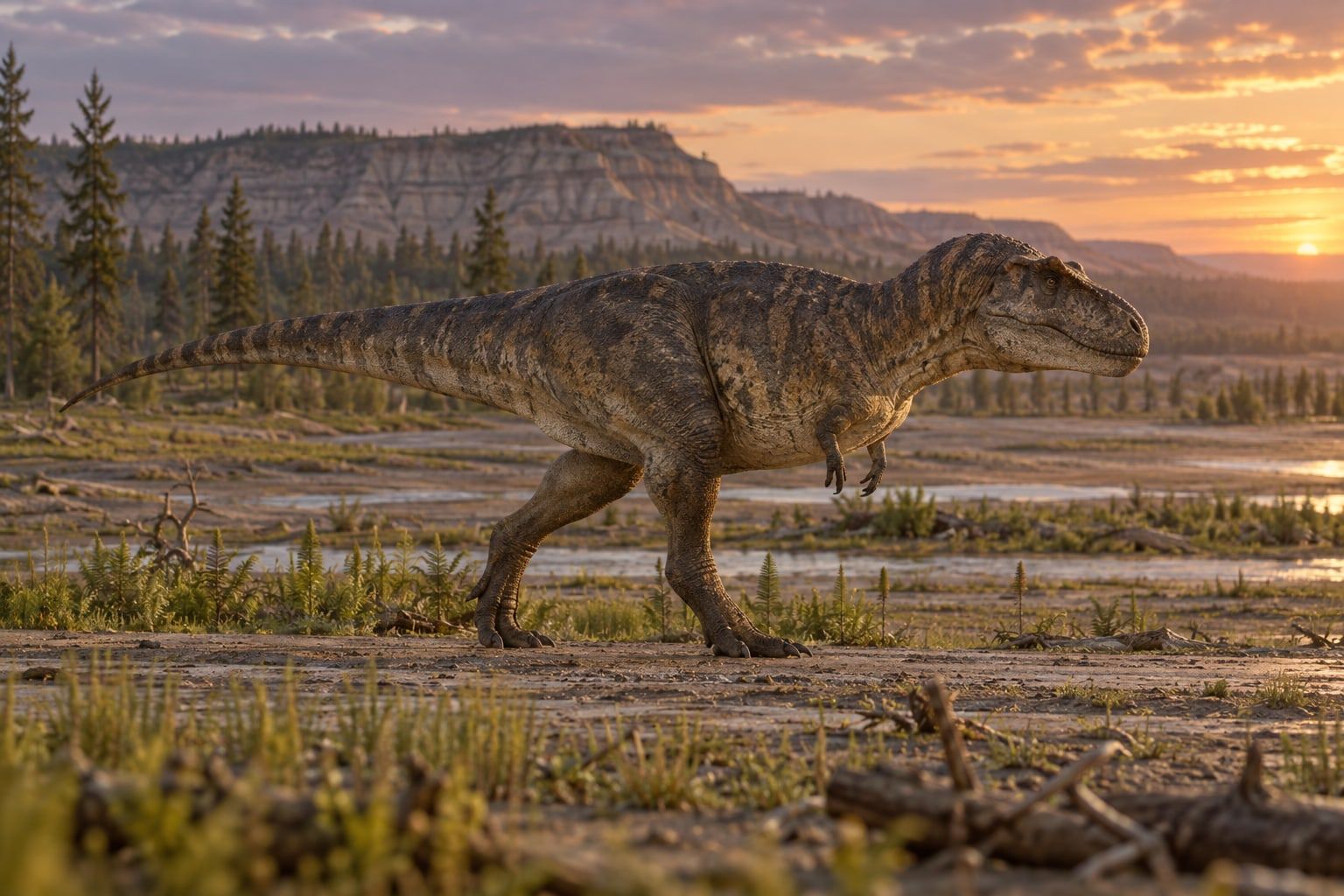
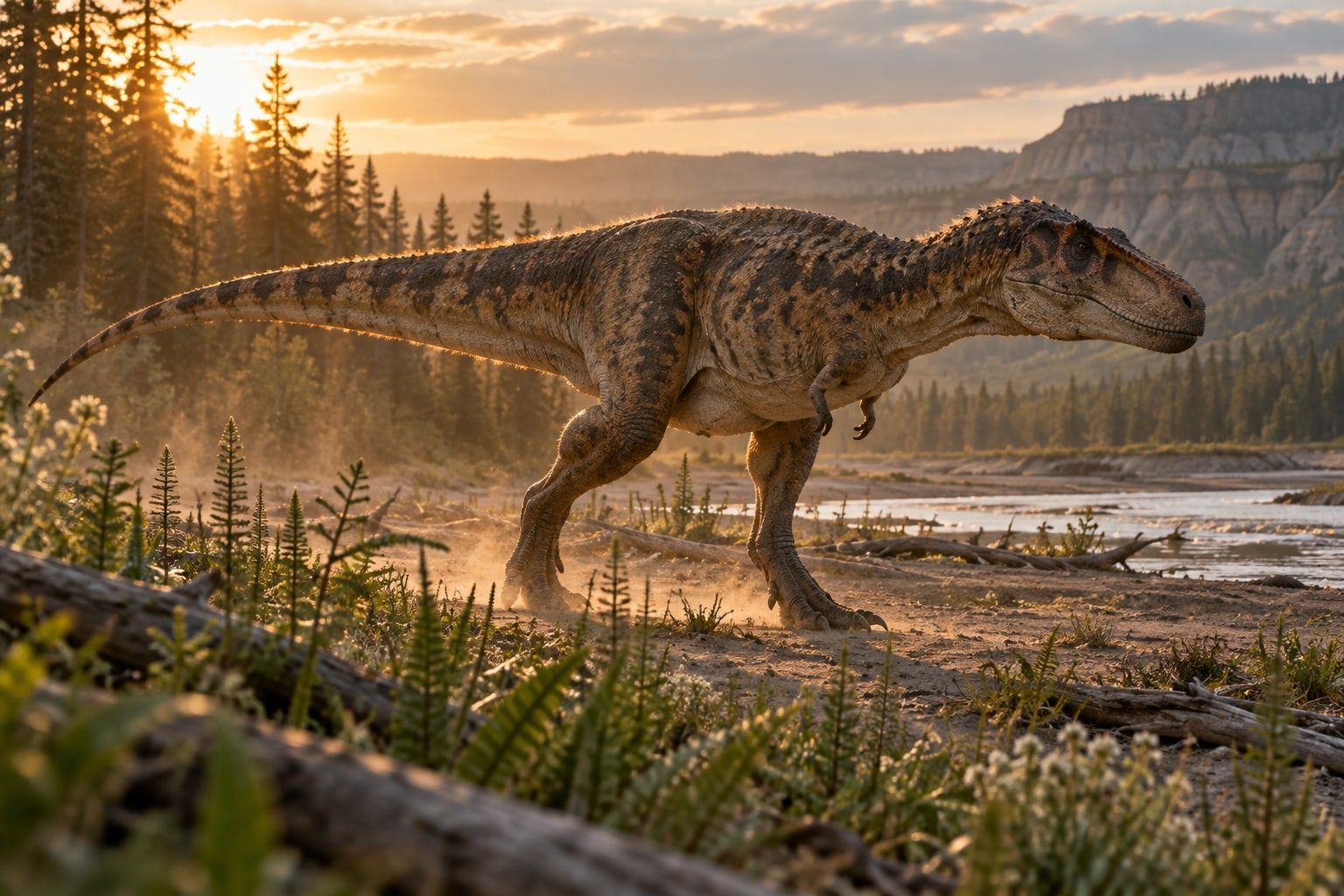
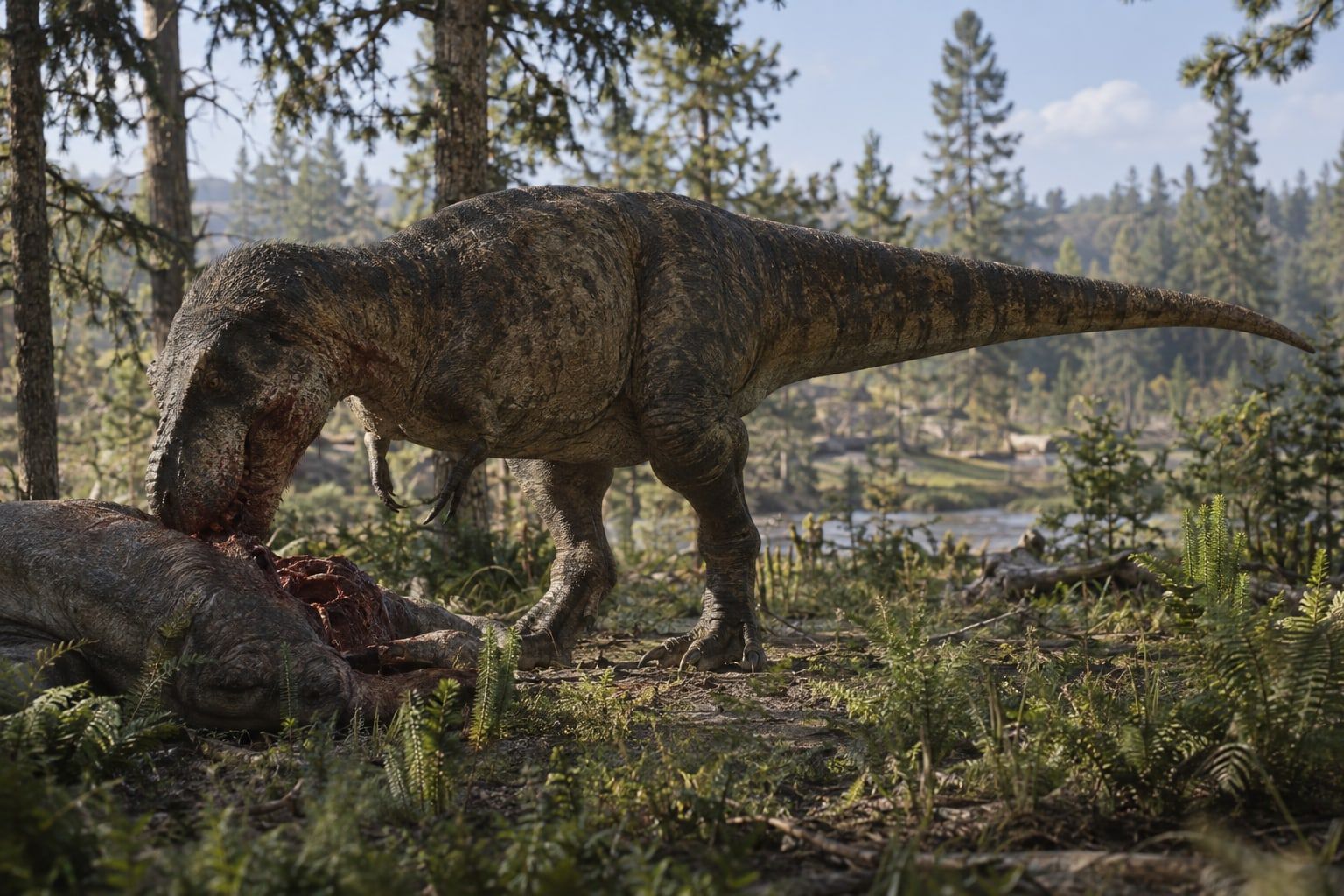
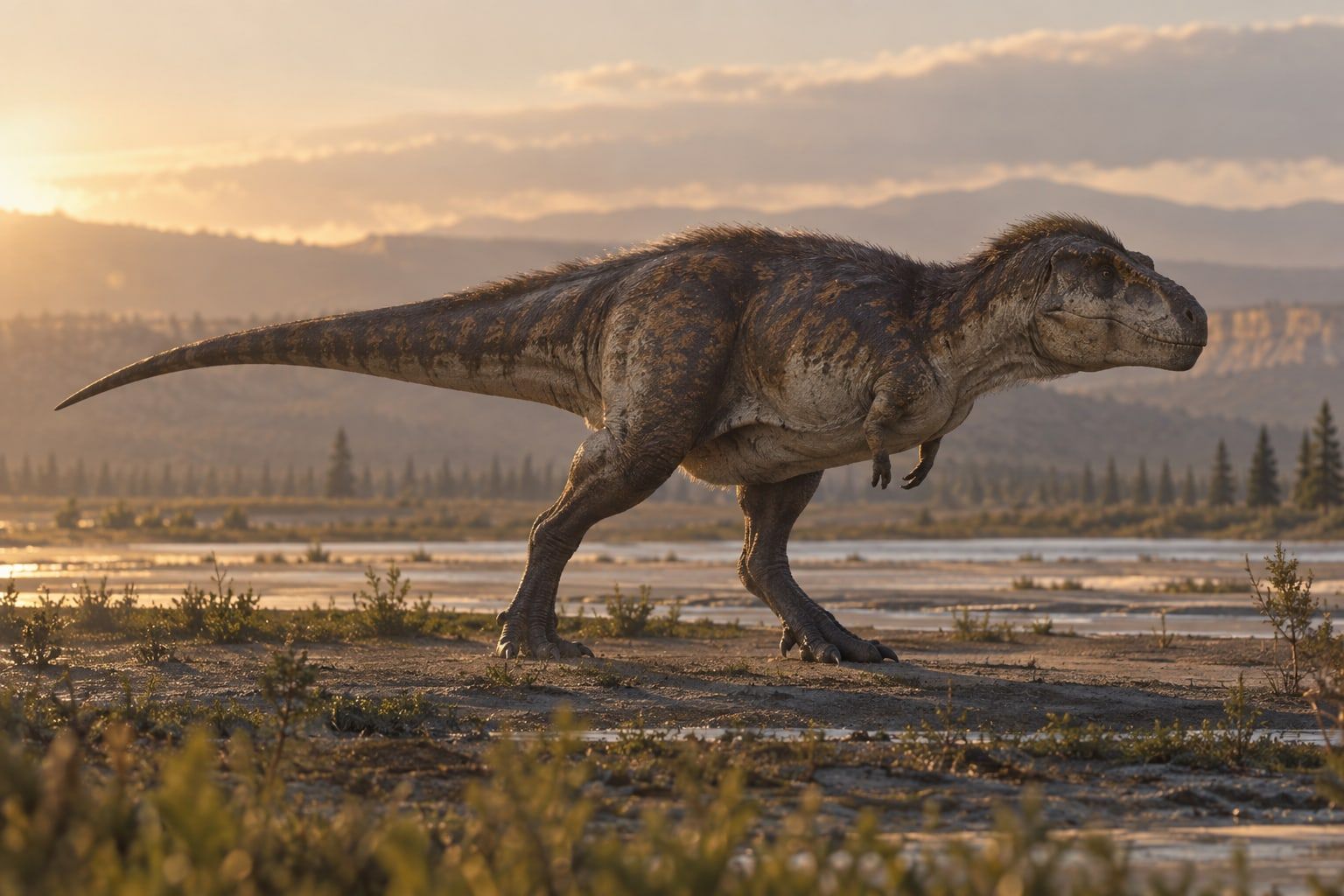
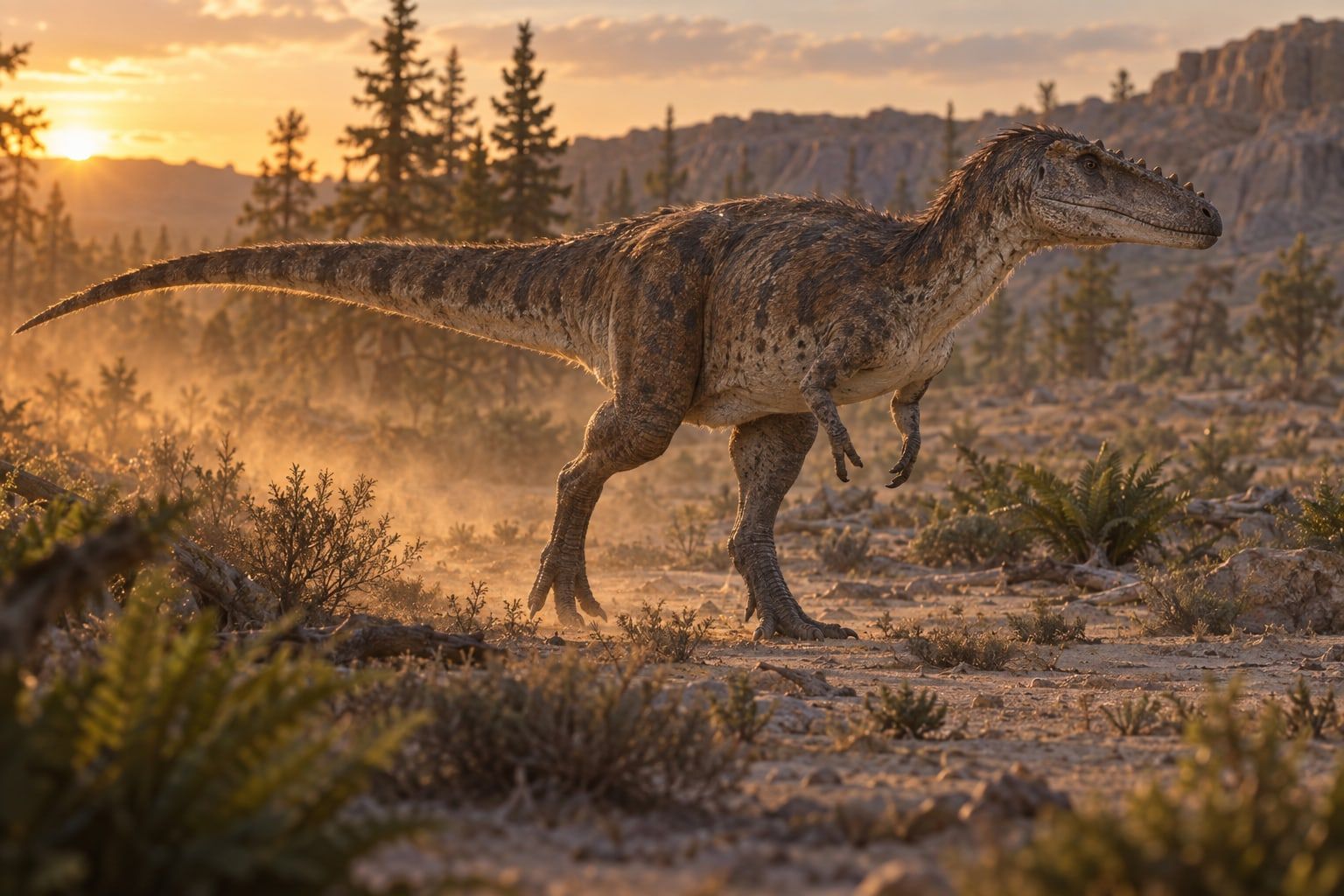
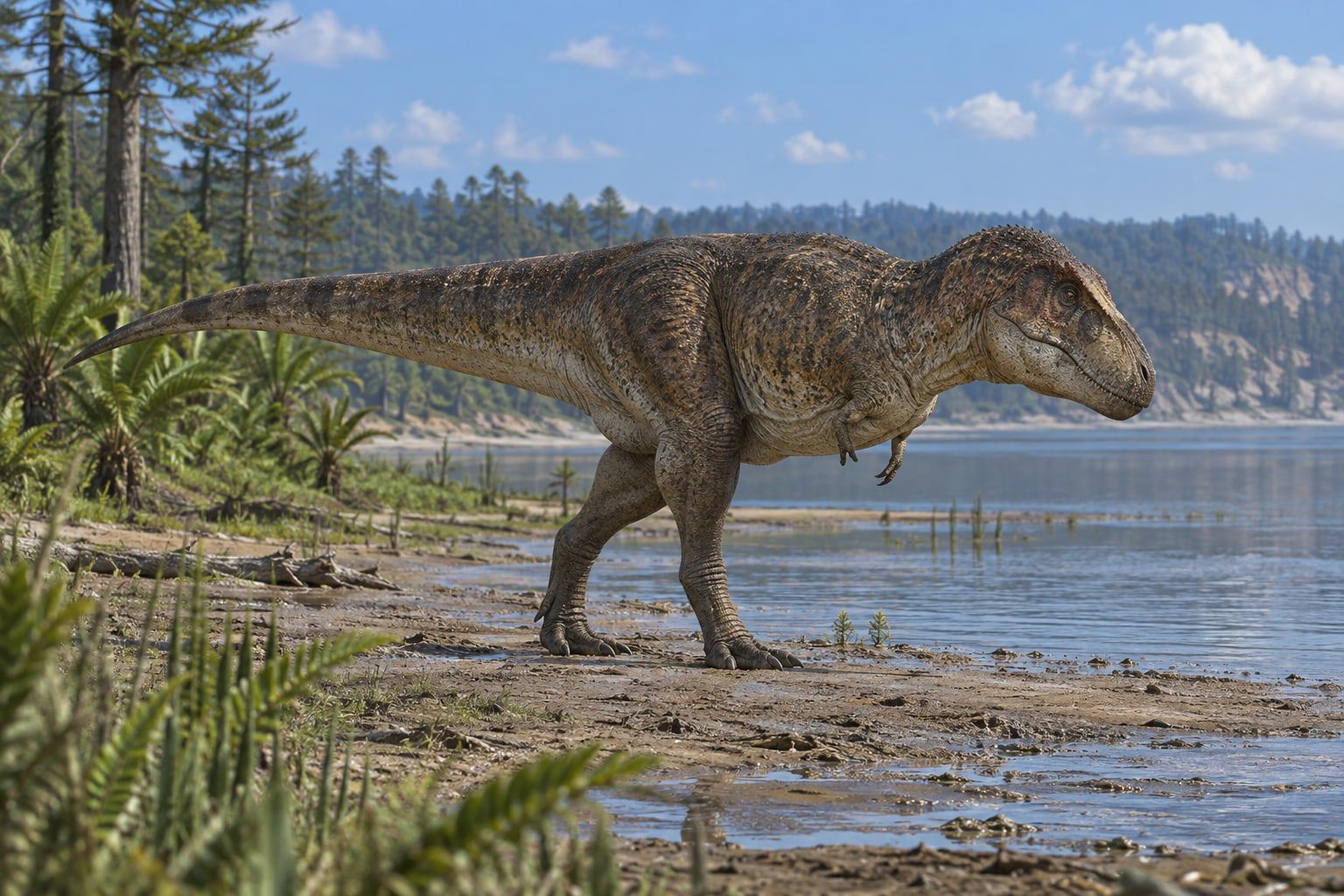
Labocania was a large two-legged meat eater known from partial remains. For decades scientists could not tell which family it belonged to. More recent finds suggest it was a tyrannosaur, a relative of Teratophoneus and Bistahieversor.
Its world
It lived in the Late Cretaceous, about 86 to 72 million years ago, in what is now Mexico. Its fossils come from the La Bocana Roja and Cerro del Pueblo formations. In the Cerro del Pueblo it shared the land with duck-bills such as Velafrons and Tlatolophus.
How it was found
Molnar named Labocania in 1974. The type species is Labocania anomala. Two finds are known.
Lived alongside
Found in the same rock formations
Close relatives
Other members of Tyrannosauridae
Sources: WikidataNamed in: R. E. Molnar. 1974. A distinctive theropod dinosaur from the Upper Cretaceous of Baja California (Mexico). Journal of Paleontology 48(5):1009-1017