Latirhinus
"broad nose"
Type species Latirhinus uitstlani
- Lived
- 84 to 72 million years ago, Late Cretaceous
- Diet
- Herbivore
- Group
- Ornithopods, Hadrosauridae
- Found in
- Mexico
- Named by
- Prieto-Márquez and Serrano Brañas 2012
Where its fossils were found
The evidence
Today

80 million years ago
Habitat
The Cerro del Pueblo Formation records coastal lowlands in what is now Mexico. Other dinosaurs included Velafrons, Coahuilasaurus and Tlatolophus.
Field notes
About Latirhinus
What it was like
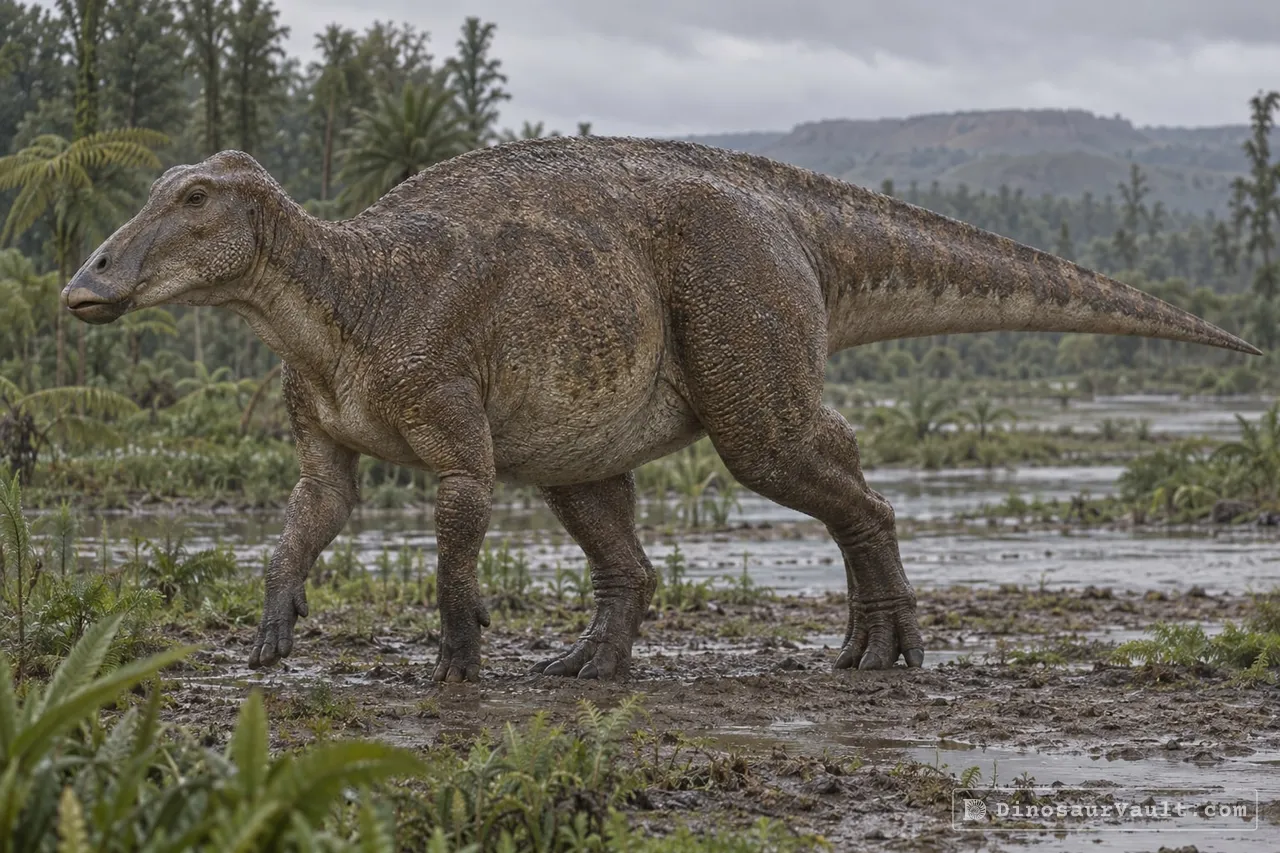
Latirhinus was a duck-billed plant eater known from a partial skeleton. A bone first described as part of a broad nose was later identified as a cheek bone and excluded from the revised type. Its complete skull and crest shape remain unknown.
Its world
It lived in the Late Cretaceous in what is now Mexico. Its bones come from the Cerro del Pueblo Formation, a coastal land shared with the duckbills Velafrons and Coahuilasaurus.
How it was found
Prieto-Márquez and Serrano Brañas named it in 2012. The type species is Latirhinus uitstlani.
Field gallery
More views of Latirhinus
Scenes reconstructed from the available fossil evidence.
1 of 3
Lived alongside
Found in the same rock formations
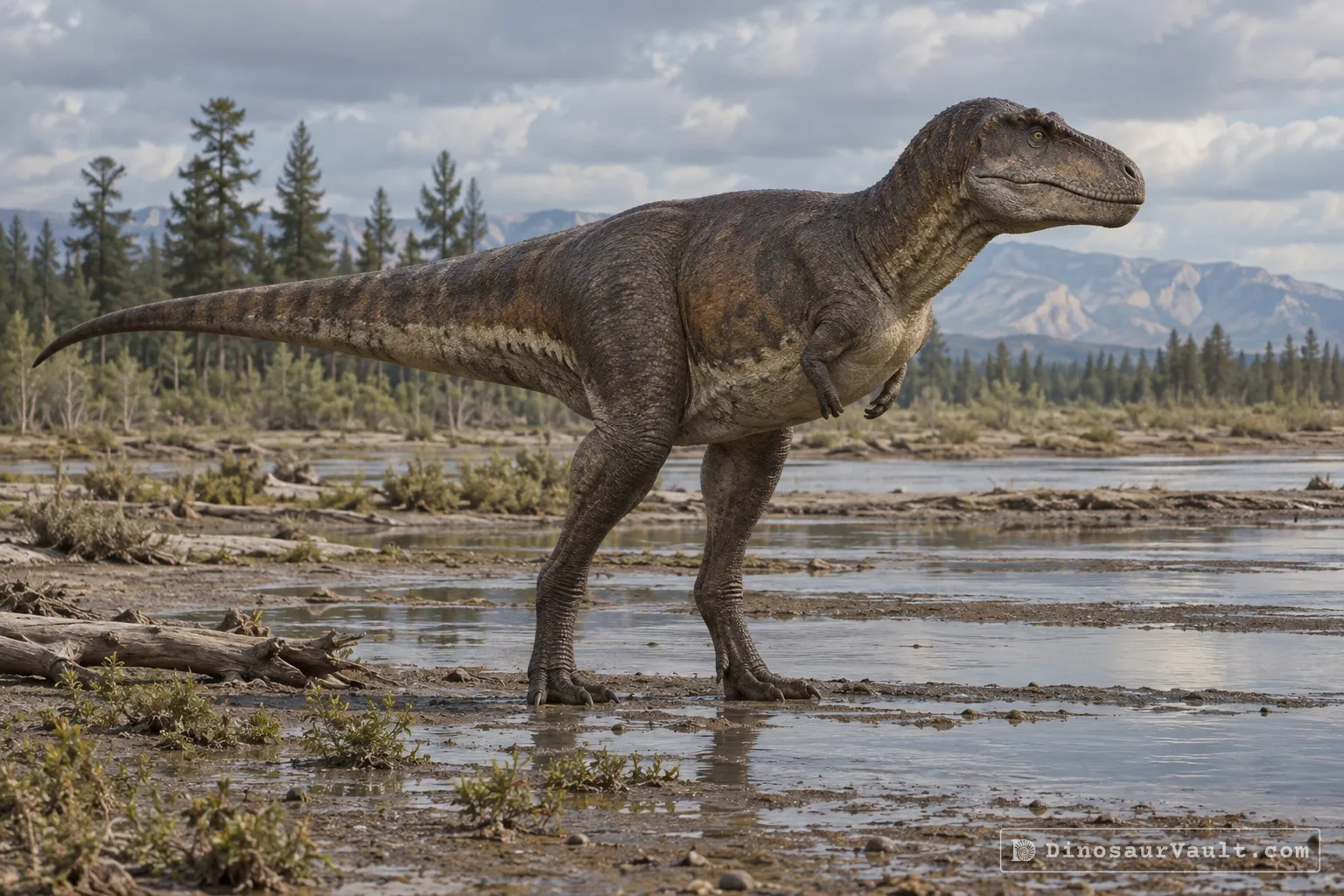
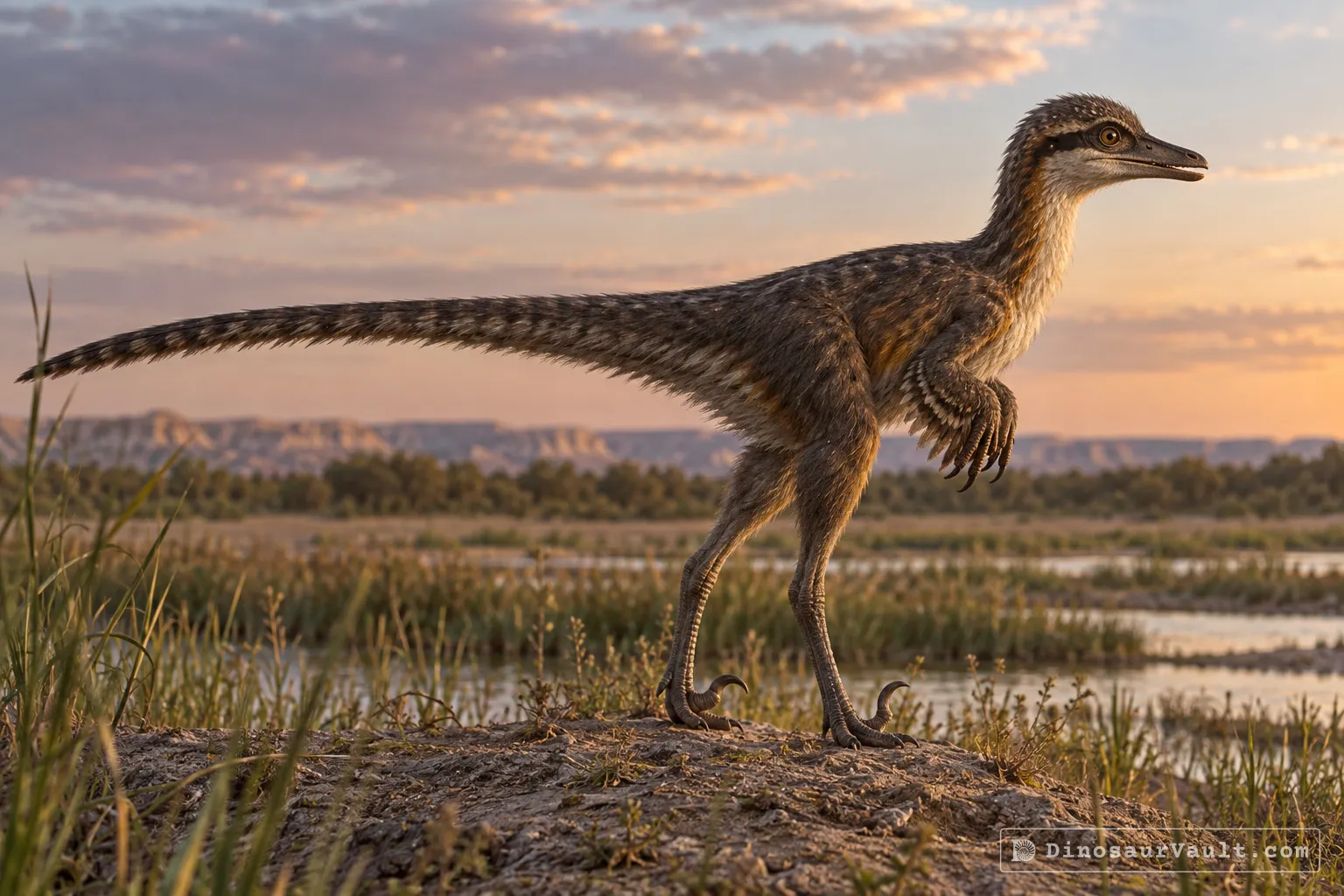
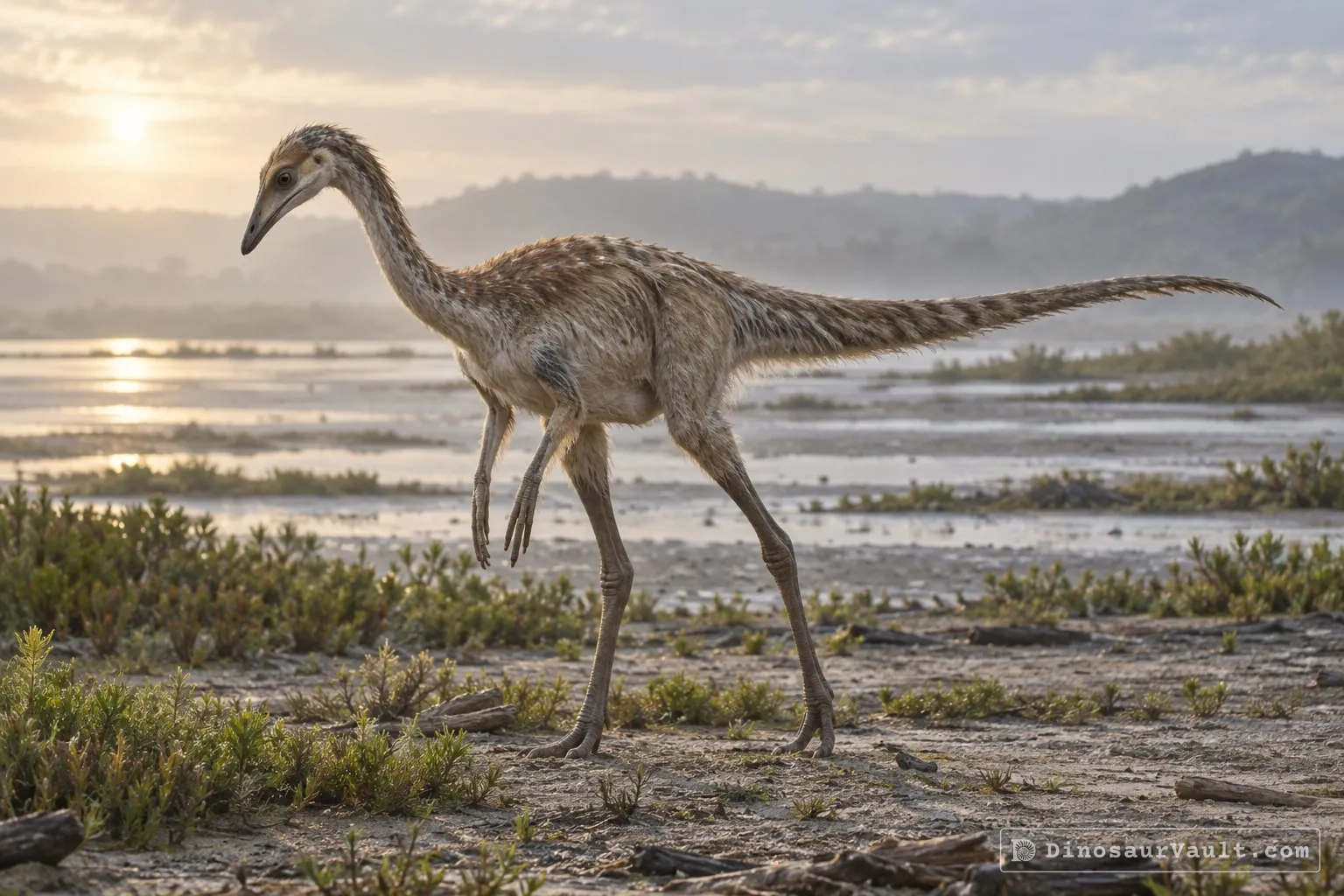
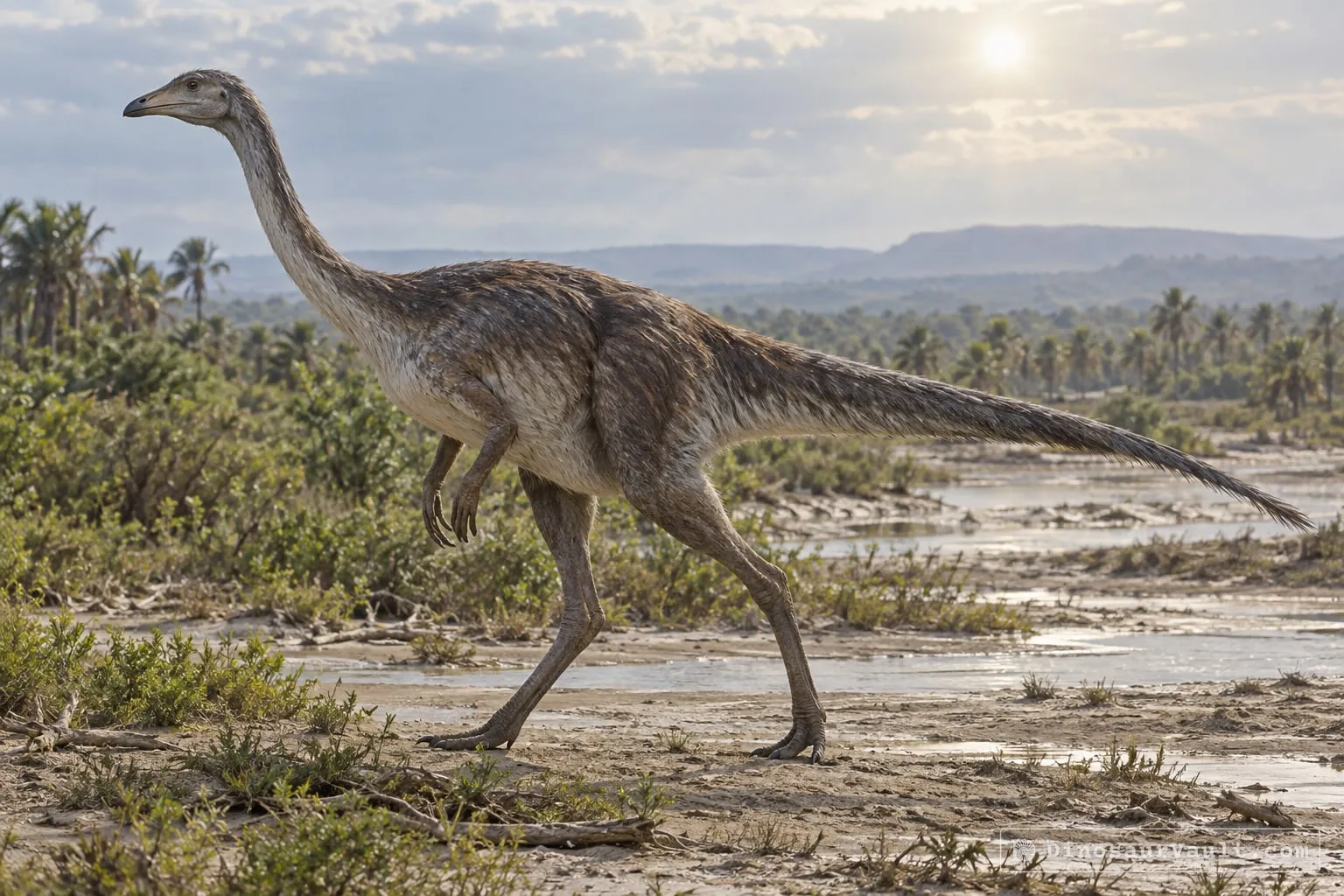
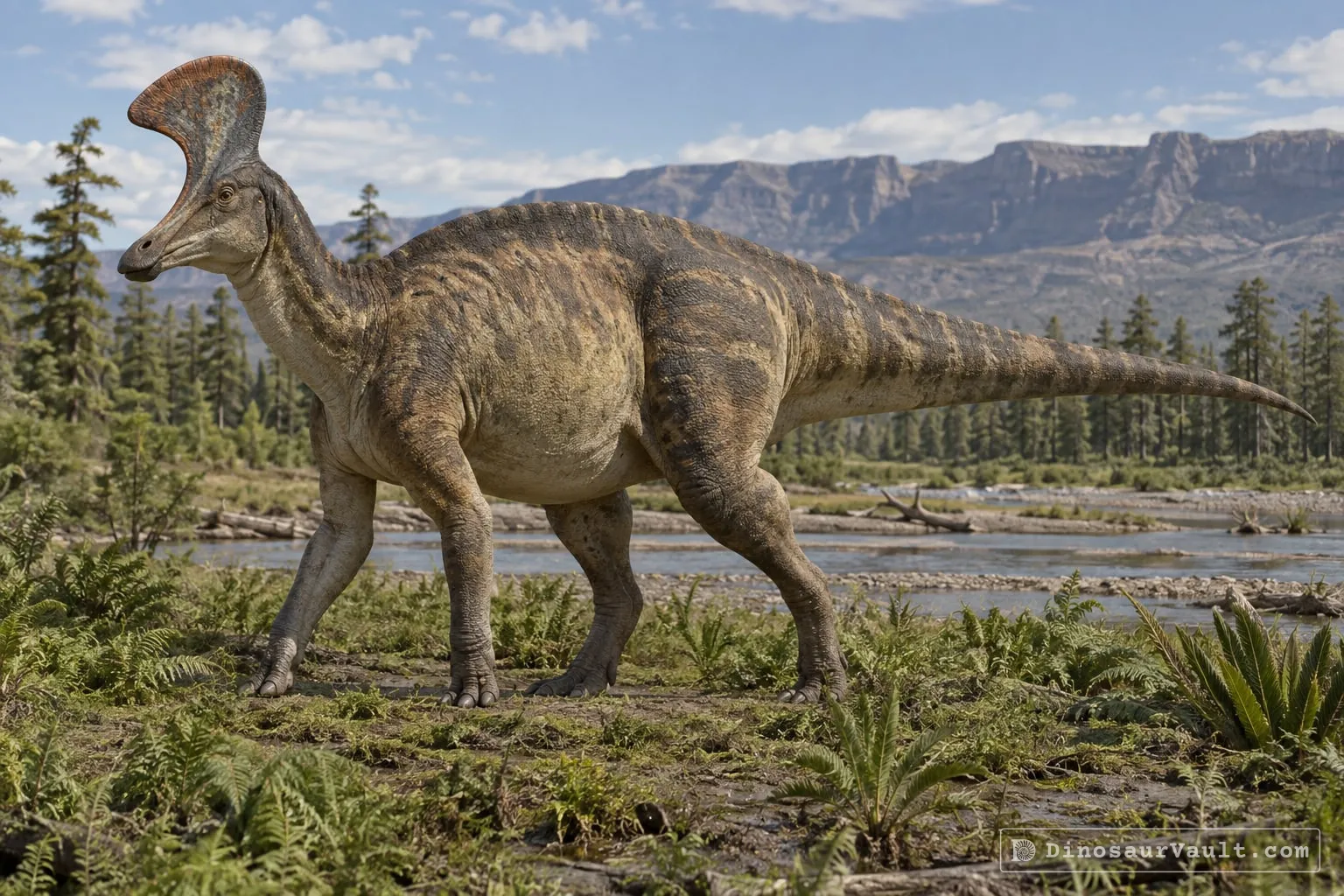
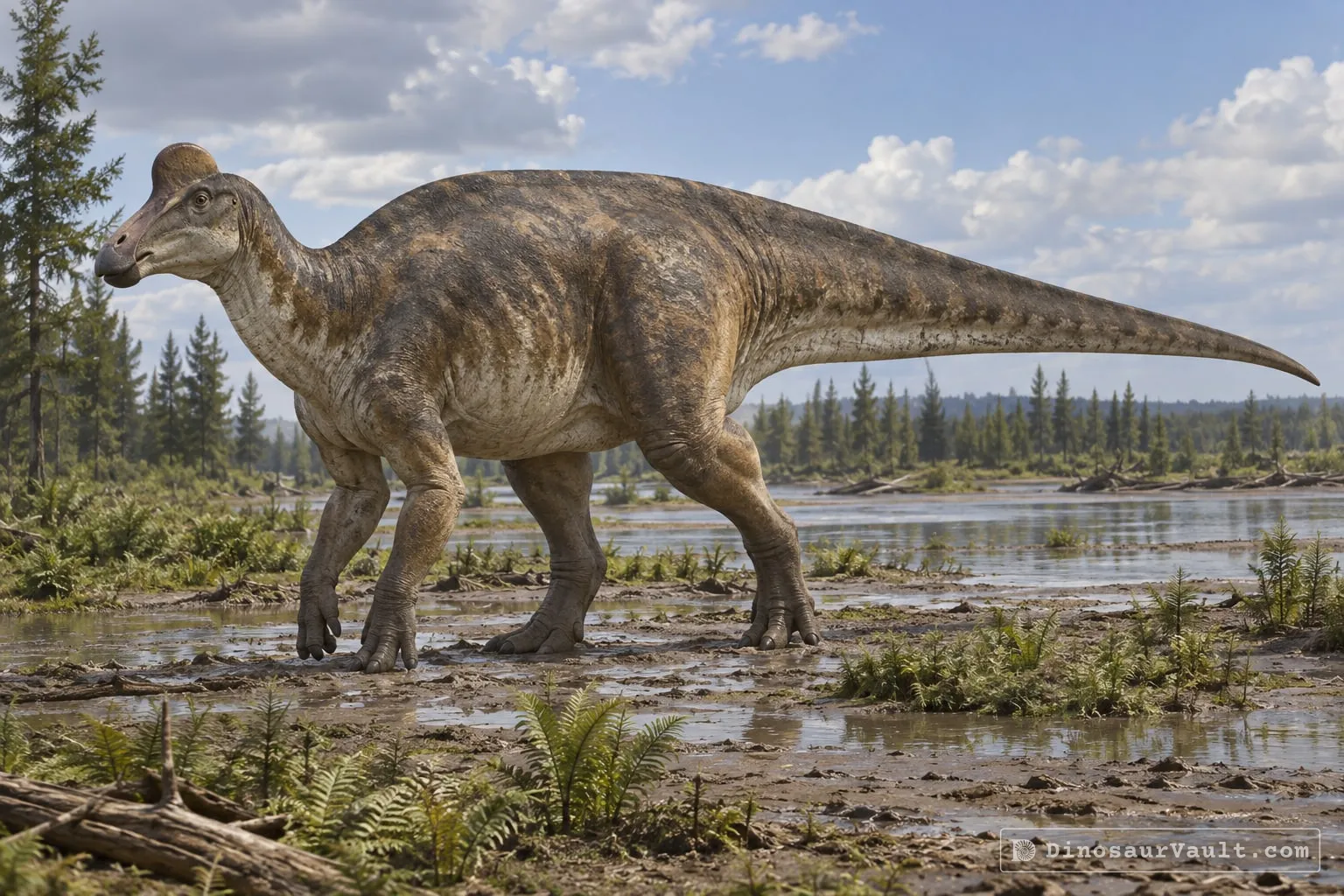
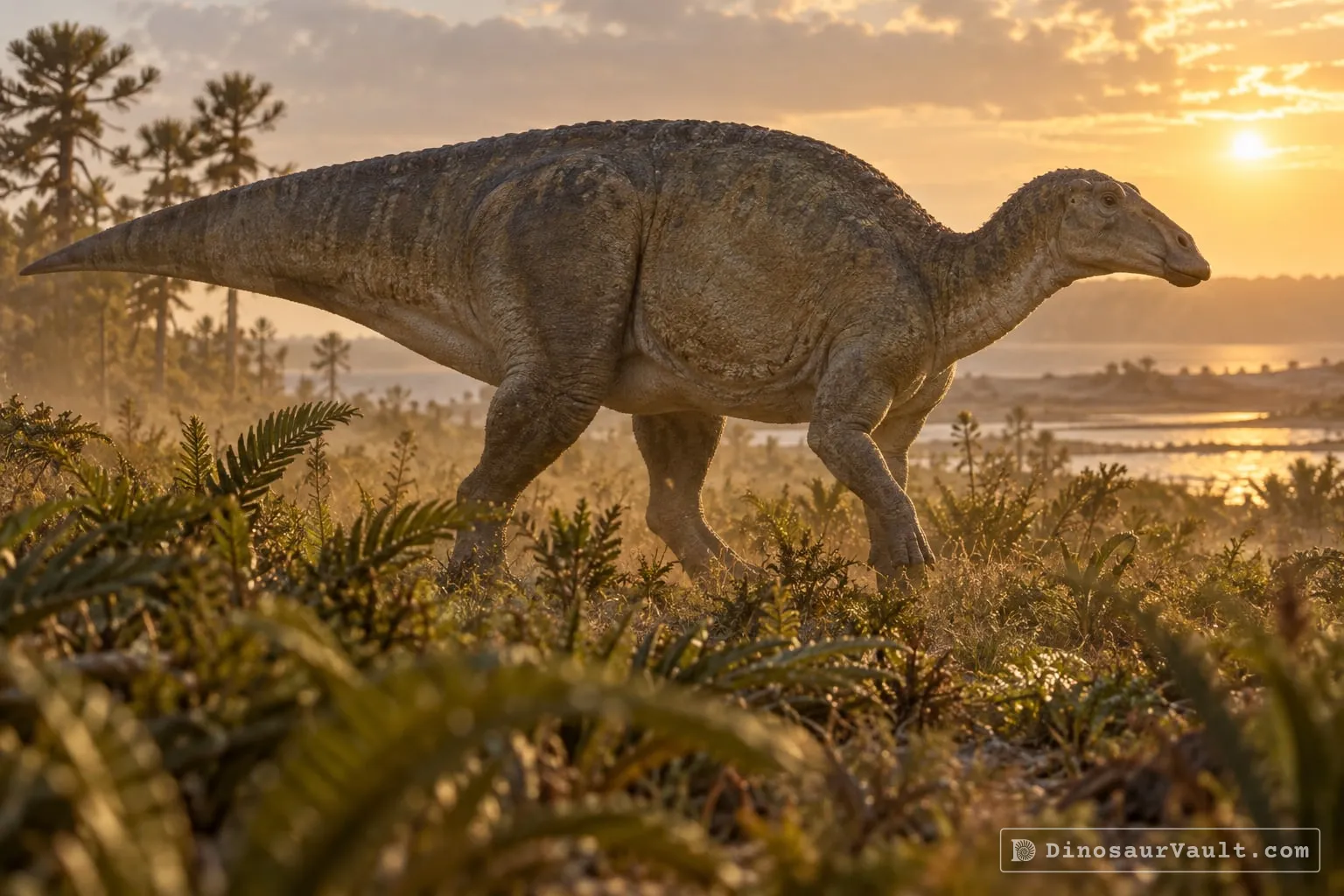


A rock formation can hold fossils laid down millions of years apart, so not every animal here met Latirhinus.
The evidence
The science behind Latirhinus
Which parts of the picture come from its own bones, and which come from its relatives.
From its own fossils
- The revised type includes tail vertebrae, arm and leg bones, and parts of the shoulder and hip regions.
- Later studies placed it among the crest-bearing duckbills, rather than the group proposed when it was named.
Borrowed from relatives
- The missing jaws and skull are compared with Corythosaurus and Edmontosaurus.
Still unknown
- The shape of its complete skull and any crest.
- Its skin pattern and color.
- Experts disagree about which disputed bones belong to the original individual.
Discovery timeline
- 2012Named itPrieto-Márquez & Serrano Brañas
- 2021Family treeRamírez-Velasco, Espinosa-Arrubarrena & Alvarado-Ortega
- 2022RedescriptionSerrano-Brañas & Prieto-Márquez
Key papers
The research behind what we know of Latirhinus
Named it
Named Latirhinus from a partial skeleton in Mexico, initially placing it among duckbills without hollow crests.
Latirhinus uitstlani, a ‘broad-nosed’ saurolophine hadrosaurid (Dinosauria, Ornithopoda) from the late Campanian (Cretaceous) of northern Mexico. Historical Biology 24: 607-619
Read the paper : Latirhinus uitstlani, a ‘broad-nosed’ saurolophine hadrosaurid (Dinosauria, Ornithopoda) from the late Campanian (Cretaceous) of northern Mexico (opens in a new tab)Family tree
Treated the original skeleton as a mix of bones, kept a revised set of body bones and placed Latirhinus among crest-bearing duckbills.
Review of the taxonomic affinities of Latirhinus uitstlani, an emblematic Mexican hadrosaurid. Journal of South American Earth Sciences 110: 103391
Read the paper : Review of the taxonomic affinities of Latirhinus uitstlani, an emblematic Mexican hadrosaurid (opens in a new tab)Redescription
Excluded the supposed nasal and a shoulder blade, retained most original bones, and supported placement among crest-bearing duckbills.
Taphonomic attributes of the holotype of the lambeosaurine dinosaur Latirhinus uitstlani from the late Campanian of Mexico: Implications for its phylogenetic systematics. Journal of South American Earth Sciences 114: 103689
Read the paper : Taphonomic attributes of the holotype of the lambeosaurine dinosaur Latirhinus uitstlani from the late Campanian of Mexico: Implications for its phylogenetic systematics (opens in a new tab)
Close relatives
Other members of Hadrosauridae


Sources: Wikidata