Outline: a typical theropod
Xenovenator
"strange hunter"
Type species Xenovenator espinosai
- Lived
- 84 to 72 million years ago, Late Cretaceous
- Diet
- Omnivore
- Group
- Theropods, Troodontidae
- Found in
- United States and Mexico
- Named by
- Rivera-Sylva et al. 2026
Where its fossils were found
The evidence
Today

80 million years ago
Field notes
About Xenovenator
What it was like
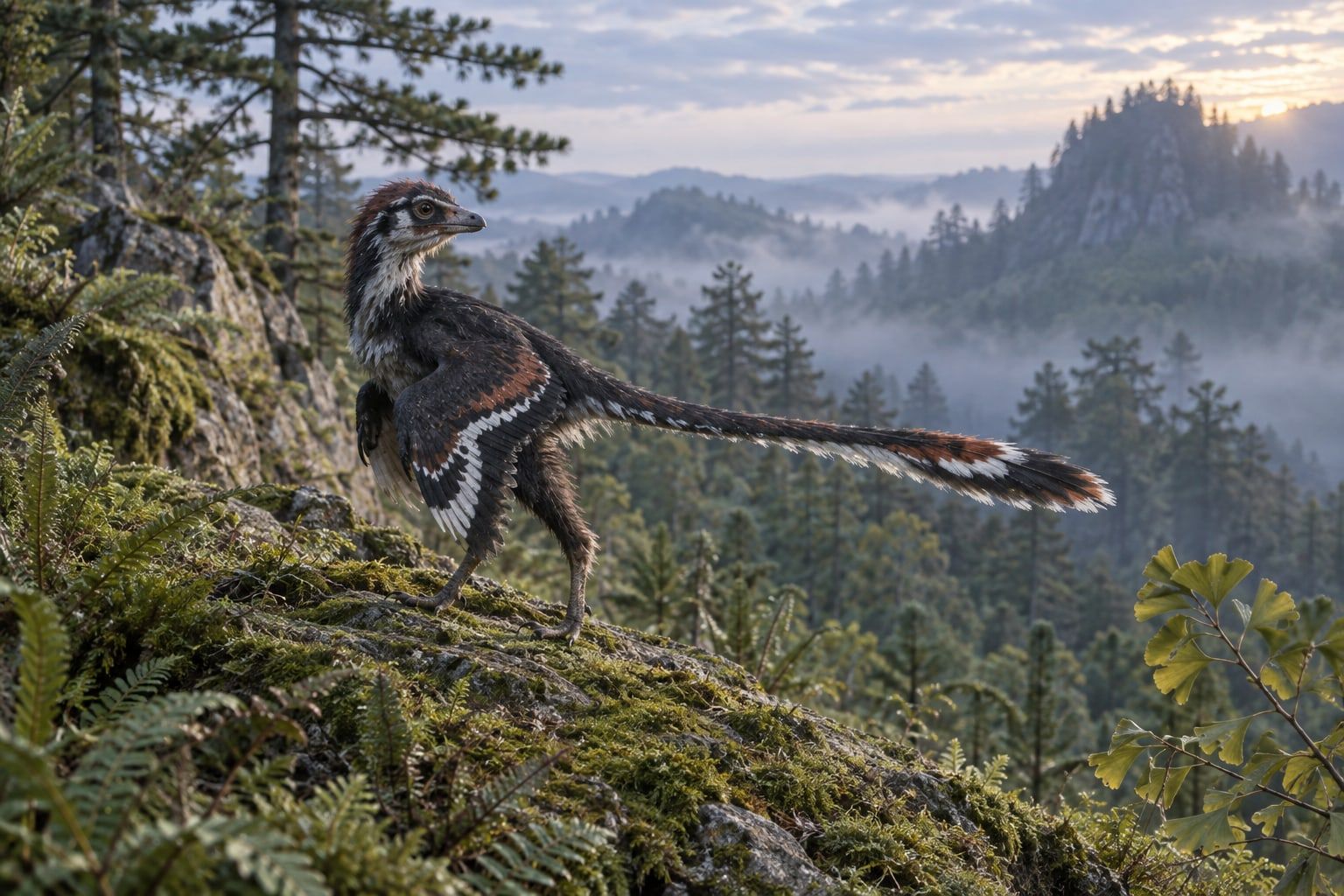
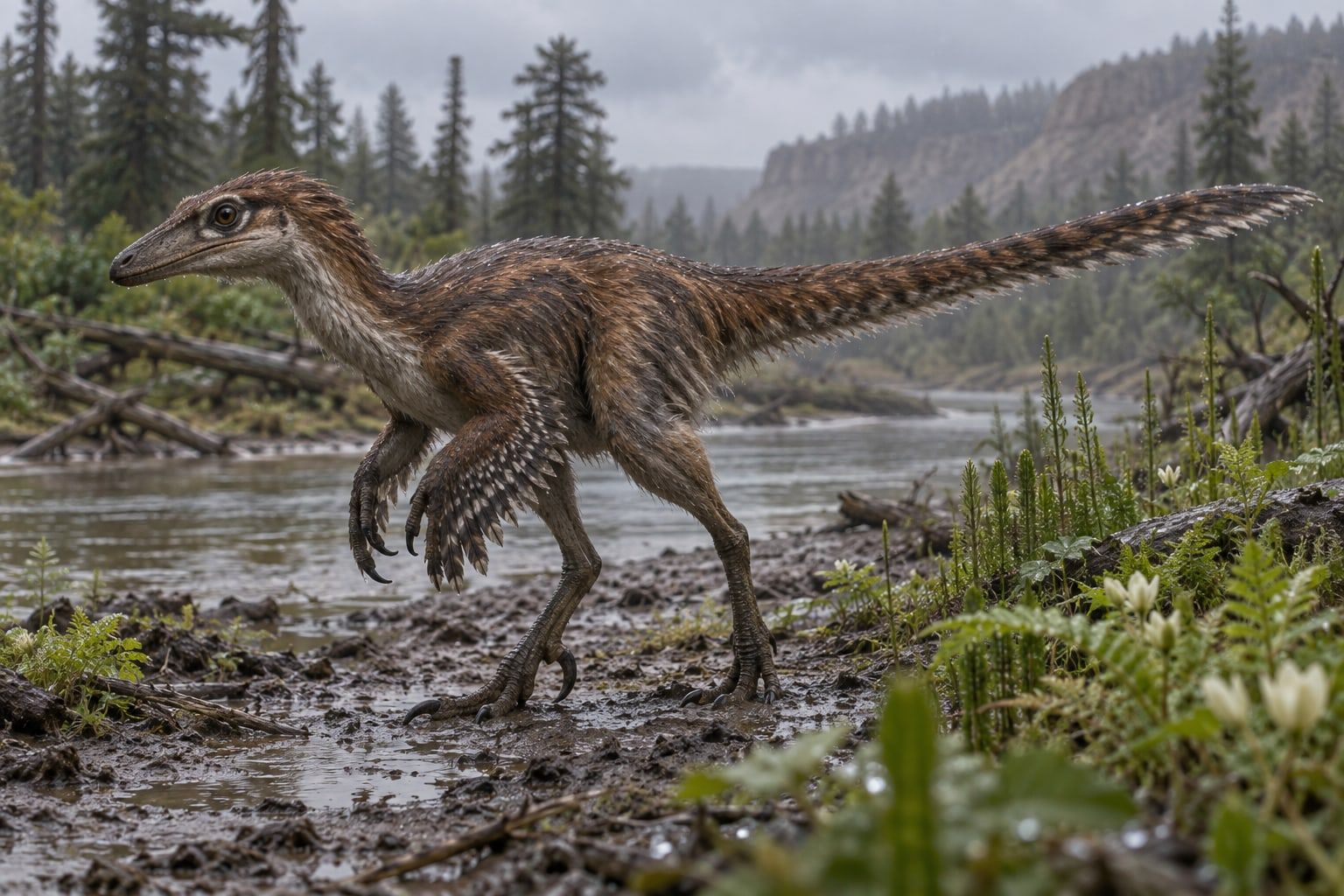
Xenovenator was a small, bird-like troodontid with a very odd head. The top of its skull was thick, swollen and rough, a little like the domes of pachycephalosaurs.
That thick skull roof may mean these animals pushed or butted each other, a kind of behavior never shown before in this group of feathered dinosaurs. For now that idea is a suggestion, not a certainty.
Its world
It lived about 84 to 72 million years ago, in the Late Cretaceous, in what is now Mexico and the United States. Its fossils come from the Cerro del Pueblo Formation in Mexico and the Kirtland Formation in New Mexico, where the horned Pentaceratops and the tyrannosaur Bistahieversor also lived.
How it was found
Rivera-Sylva and colleagues named Xenovenator in 2026 from pieces of the skull. Fossils from New Mexico that had been given another name were moved into the same genus.
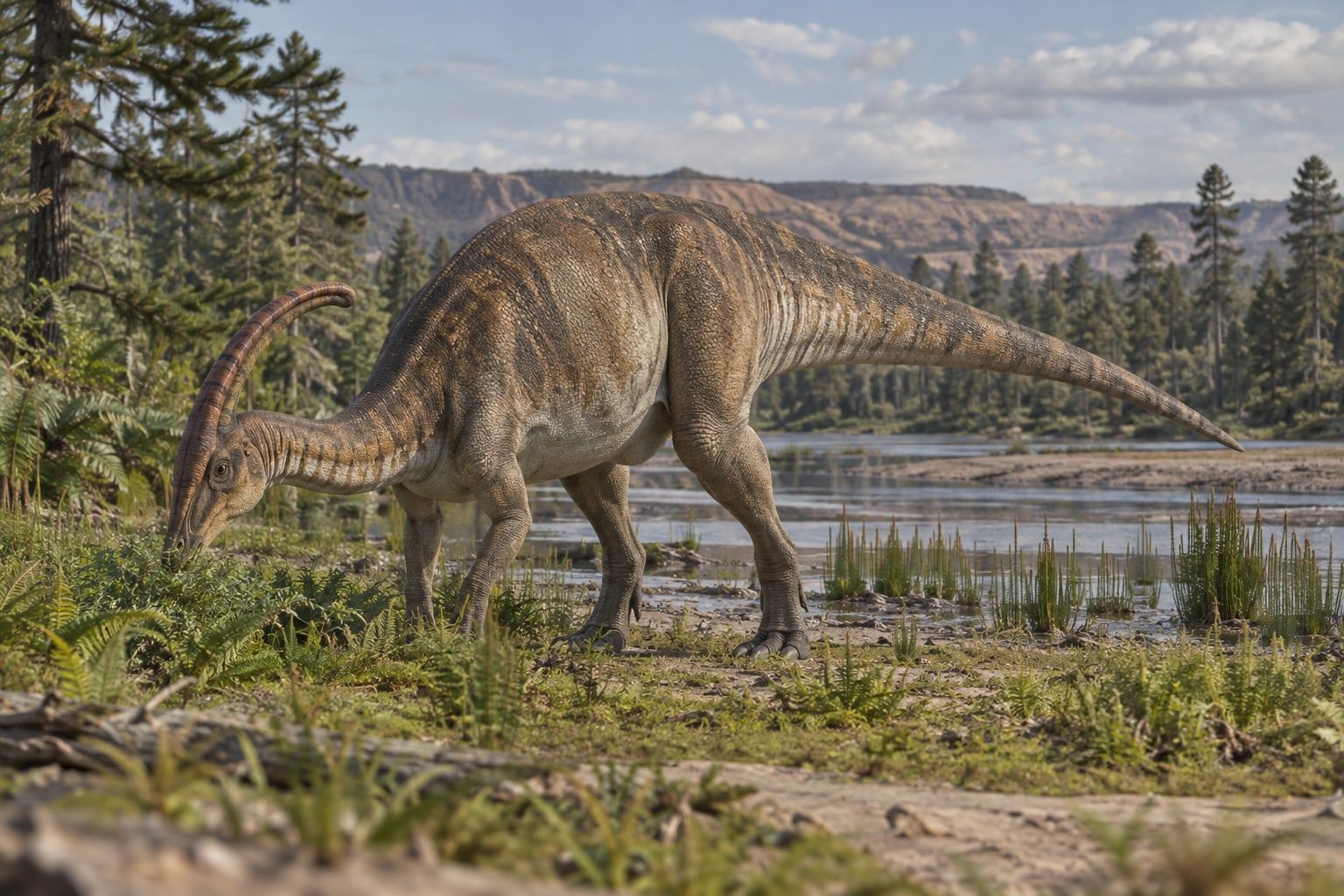
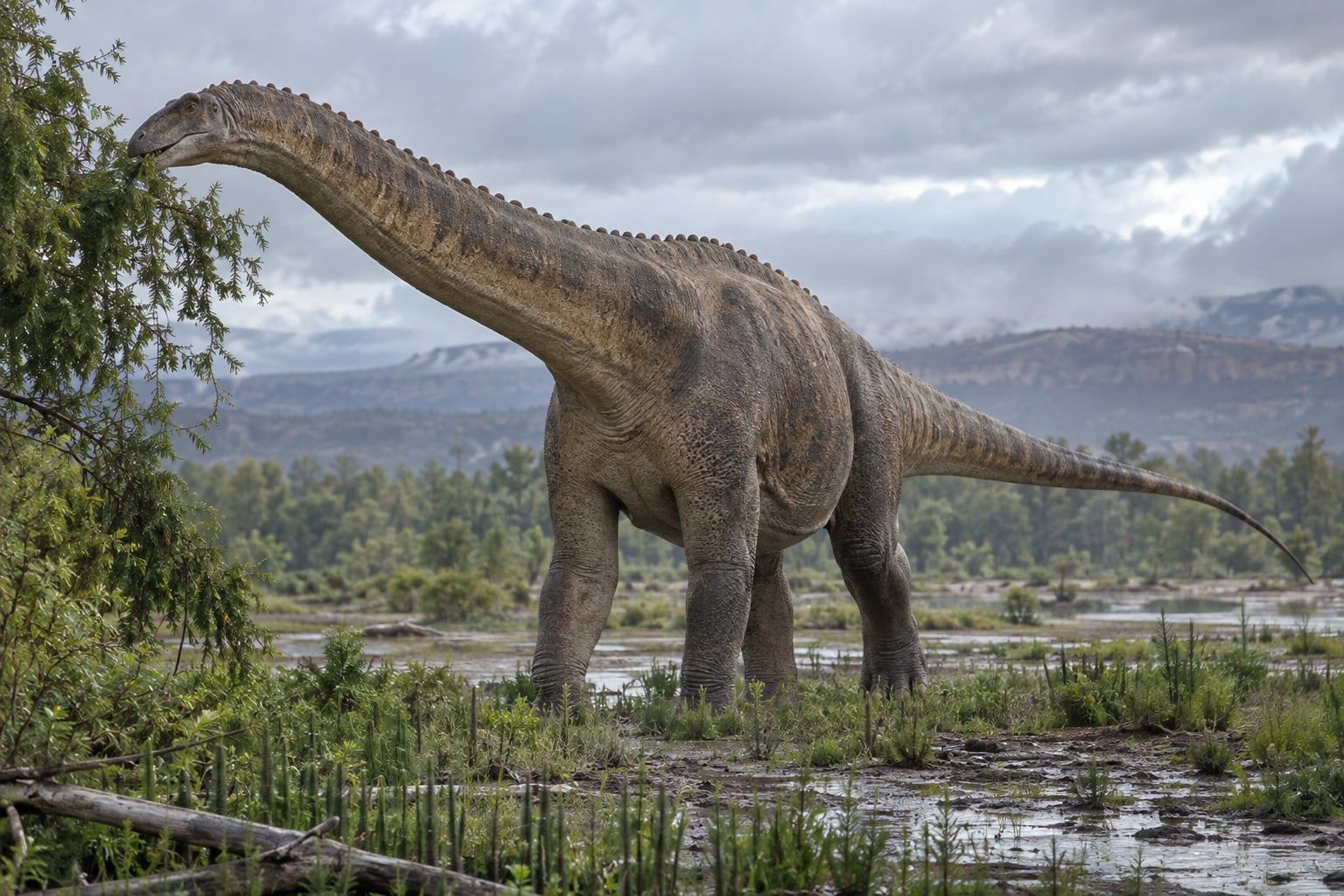
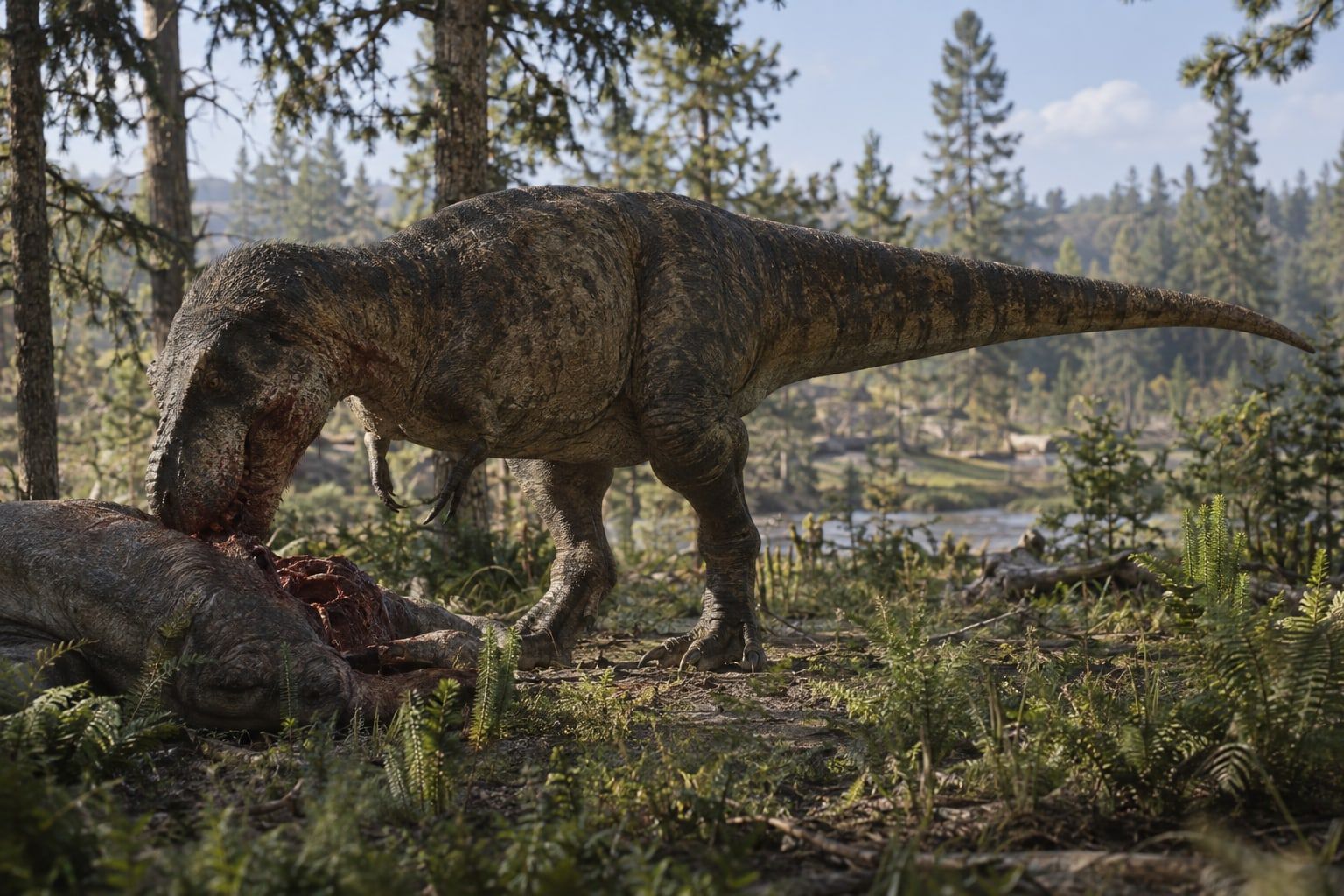
Lived alongside
Found in the same rock formations


Close relatives
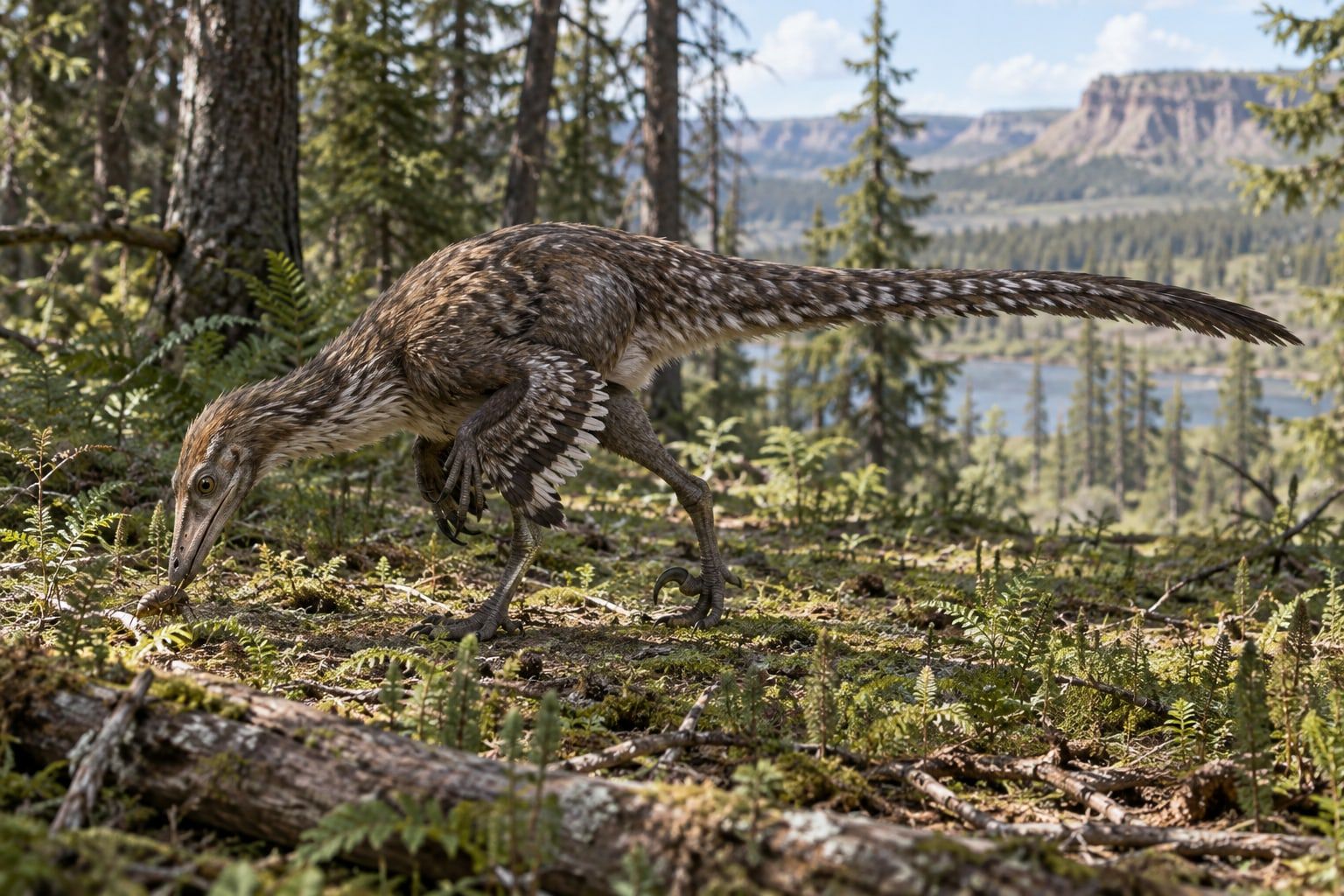
Other members of Troodontidae
Sources: WikidataNamed in: H. E. Rivera-Sylva, M. C. Aguillón-Martinez, and J. Flores-Ventura, I. E. Sánchez-Uribe, J. R. Guzman-Gutierrez, N. R. Longrich. 2026. A thick-skulled troodontid theropod from the Late Cretaceous of Mexico. Diversity 18(1):38:1-26