Velafrons
"sailed forehead"
- Lived
- 84 to 72 million years ago, Late Cretaceous
- Diet
- Herbivore
- Group
- Ornithopods, Hadrosauridae
- Found in
- Mexico
- Named by
- Gates et al. 2007
Where its fossils were found
The evidence
Today

80 million years ago
Habitat
A low coastal plain with marshes and lagoons supported palms and other flowering plants. Its neighbors included Tlatolophus, Mexidracon and Labocania.
Field notes
About Velafrons
What it was like
Velafrons was a lambeosaurine duckbill, a plant eater with a crest on its forehead. The known skull comes from a young animal, so its crest was still small. Adults probably had a bigger crest, like their relative Corythosaurus.
Its world
It lived in the Late Cretaceous, in what is now Mexico. It comes from the Cerro del Pueblo Formation, a coastal land shared with the crested duckbill Tlatolophus, the ornithomimid Mexidracon and the tyrannosaur Labocania.
How it was found
Gates and colleagues named Velafrons in 2007.
Field gallery
More views of Velafrons
Scenes reconstructed from the available fossil evidence.
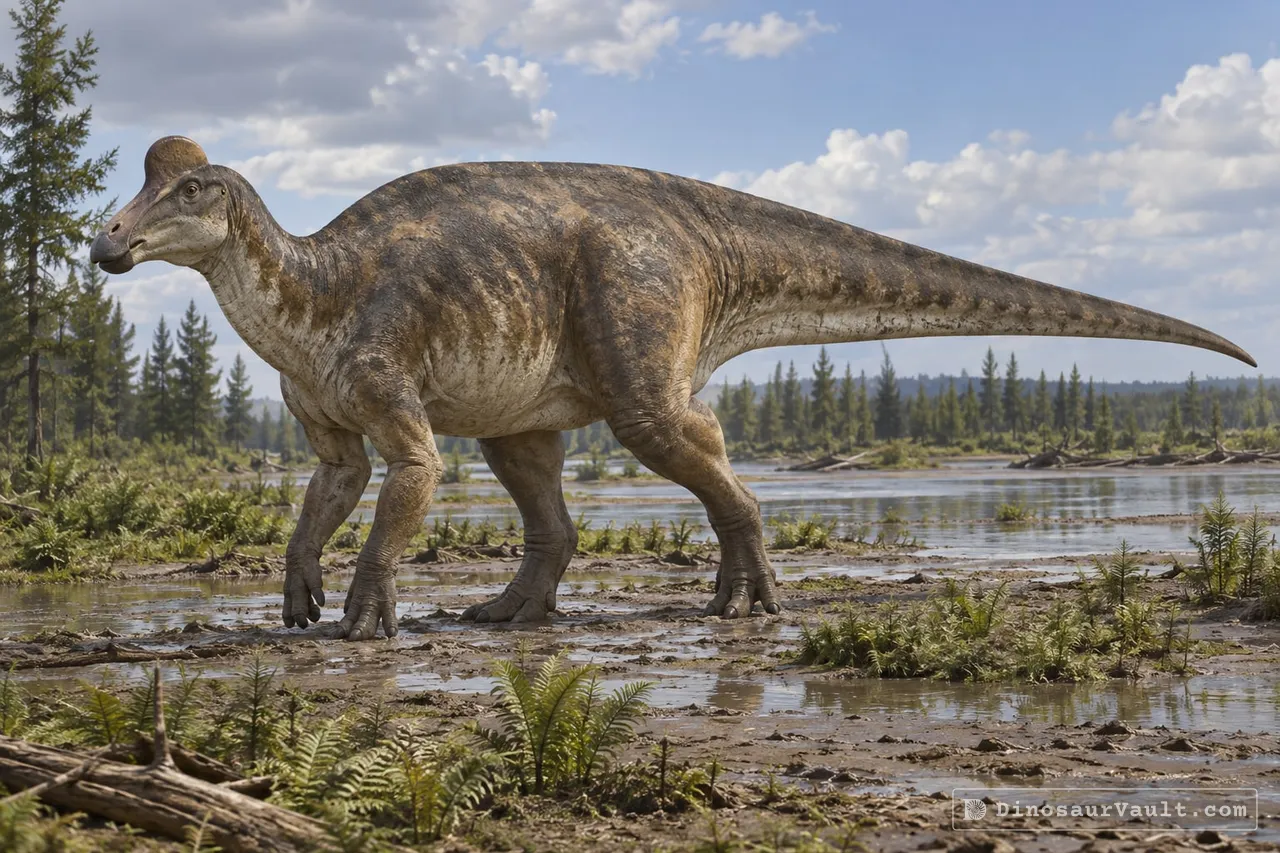
1 of 3
Lived alongside
Found in the same rock formations
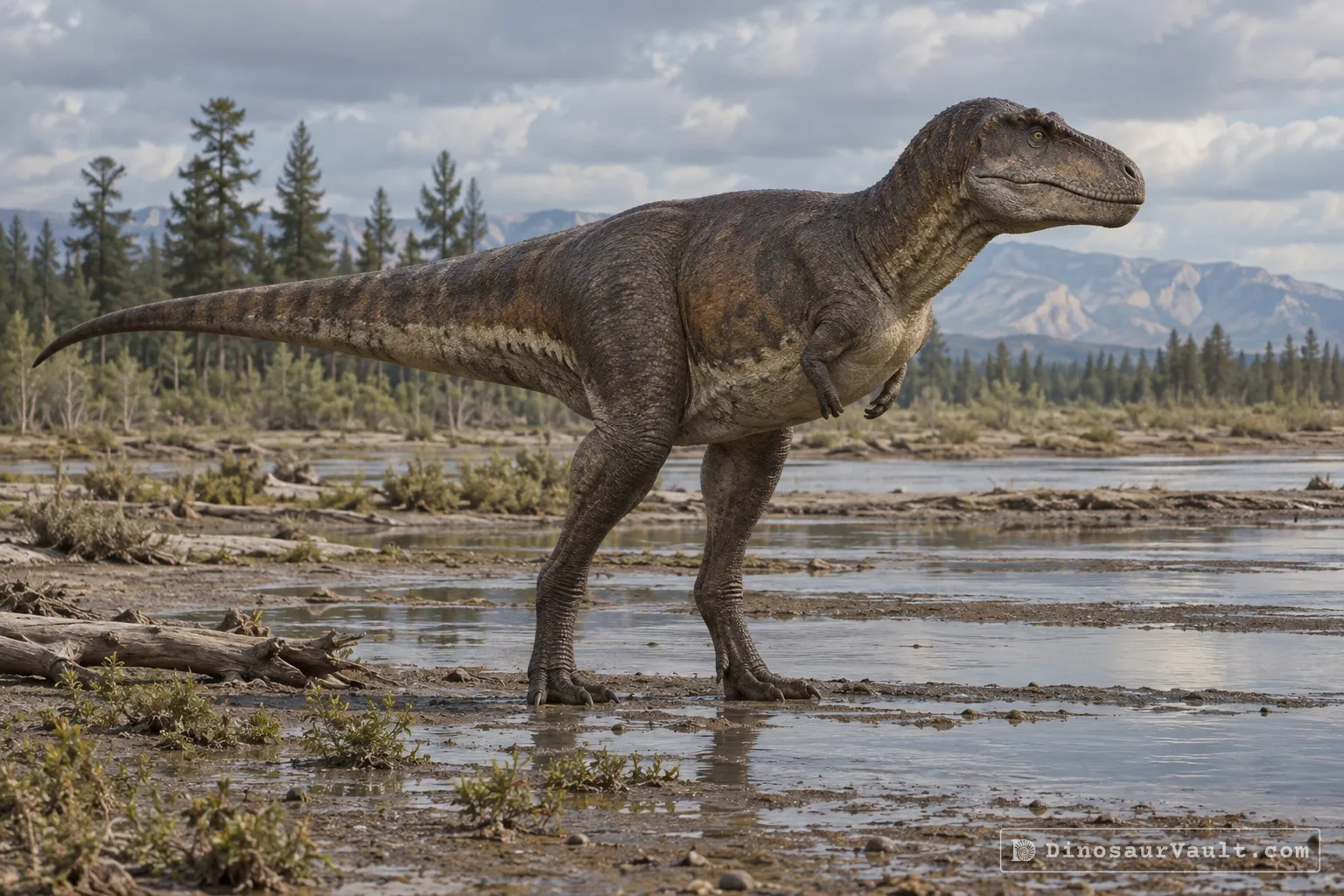
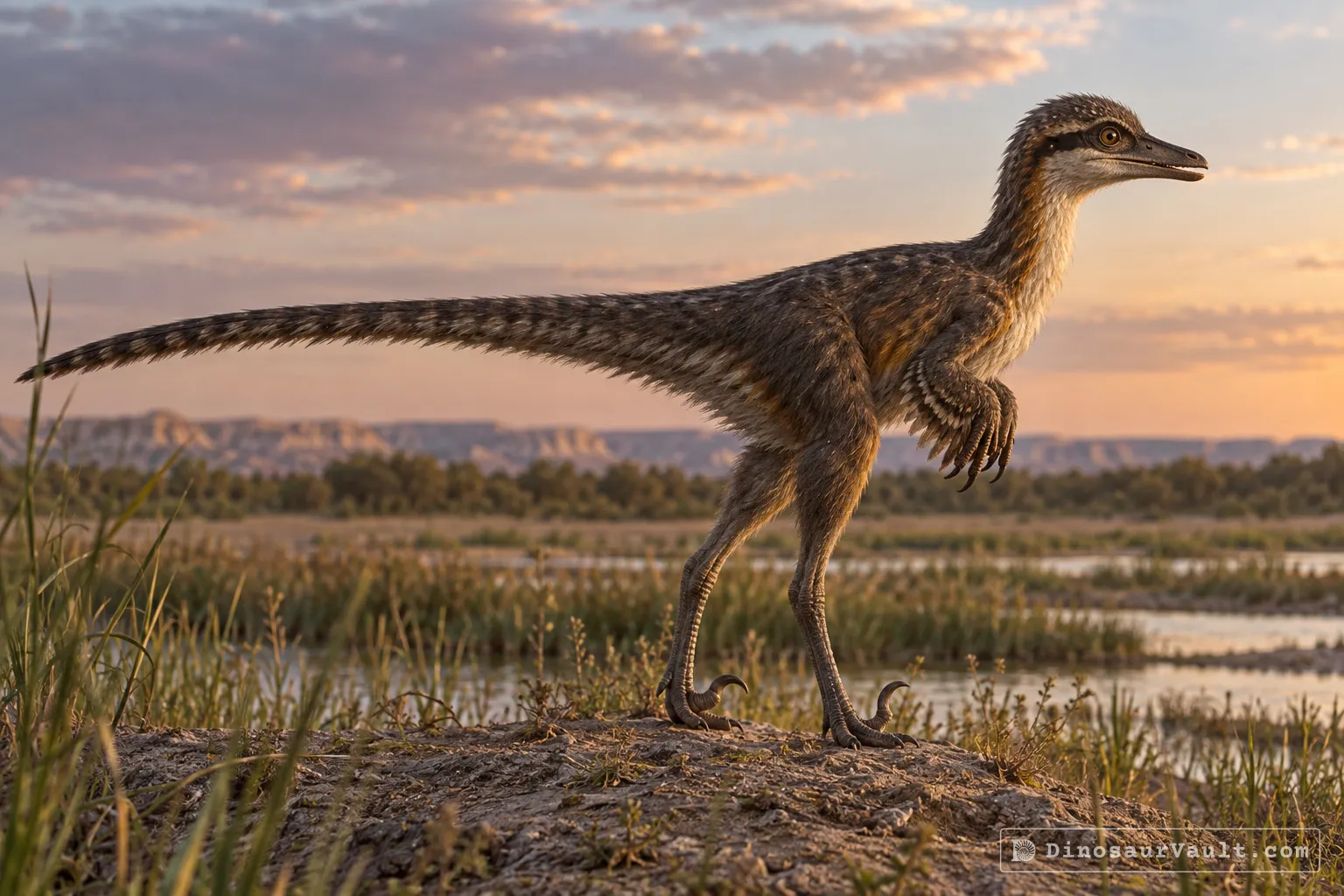
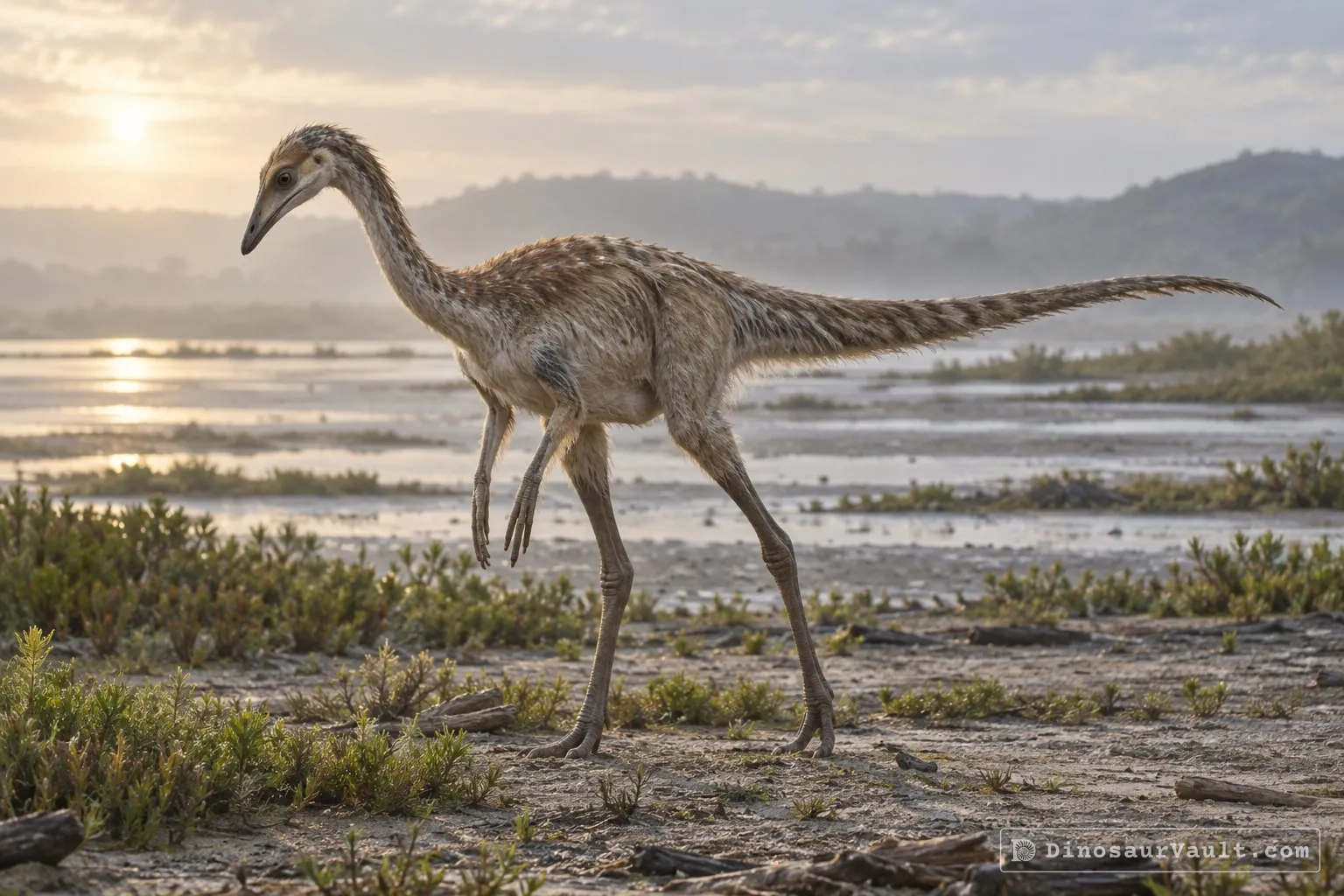
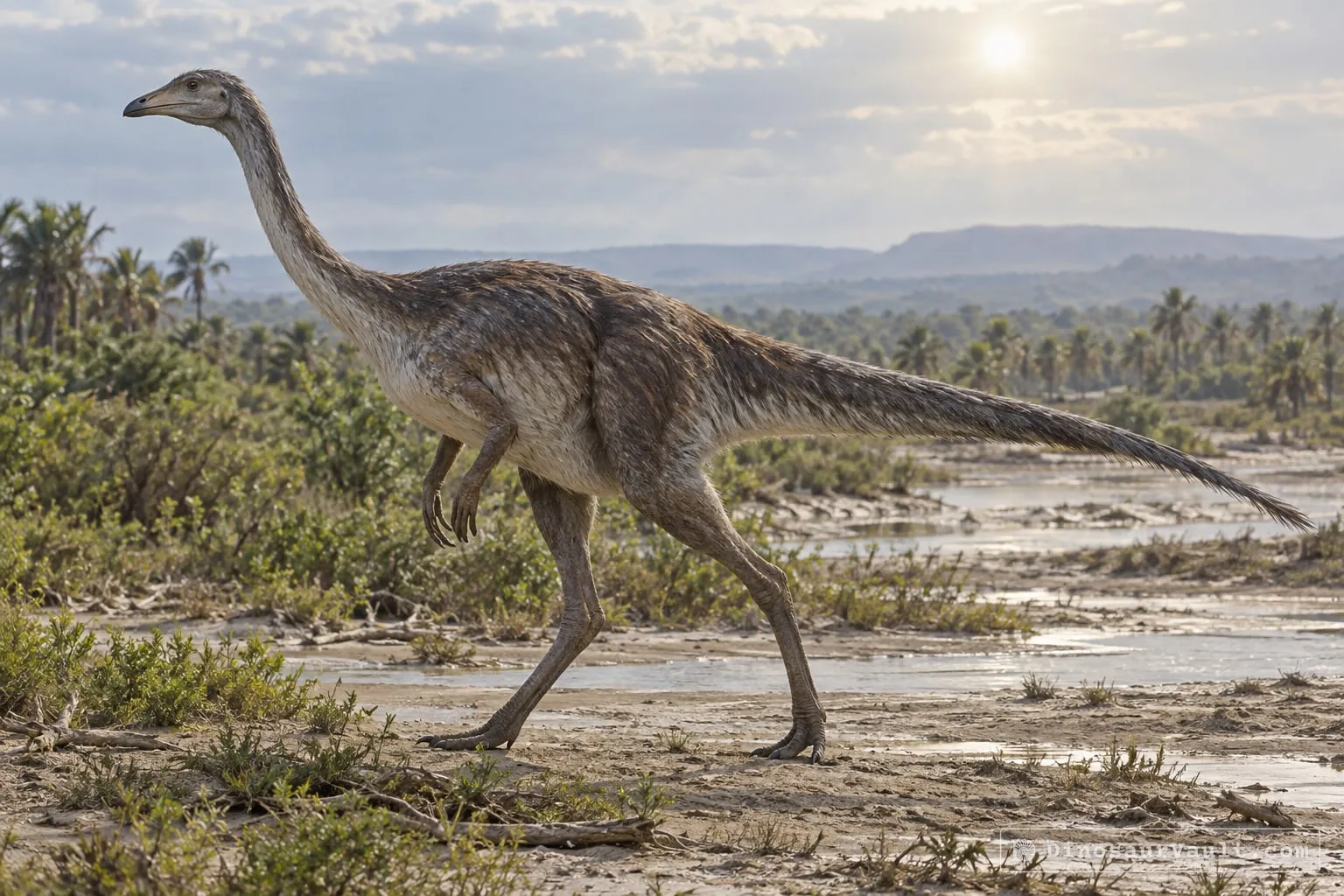
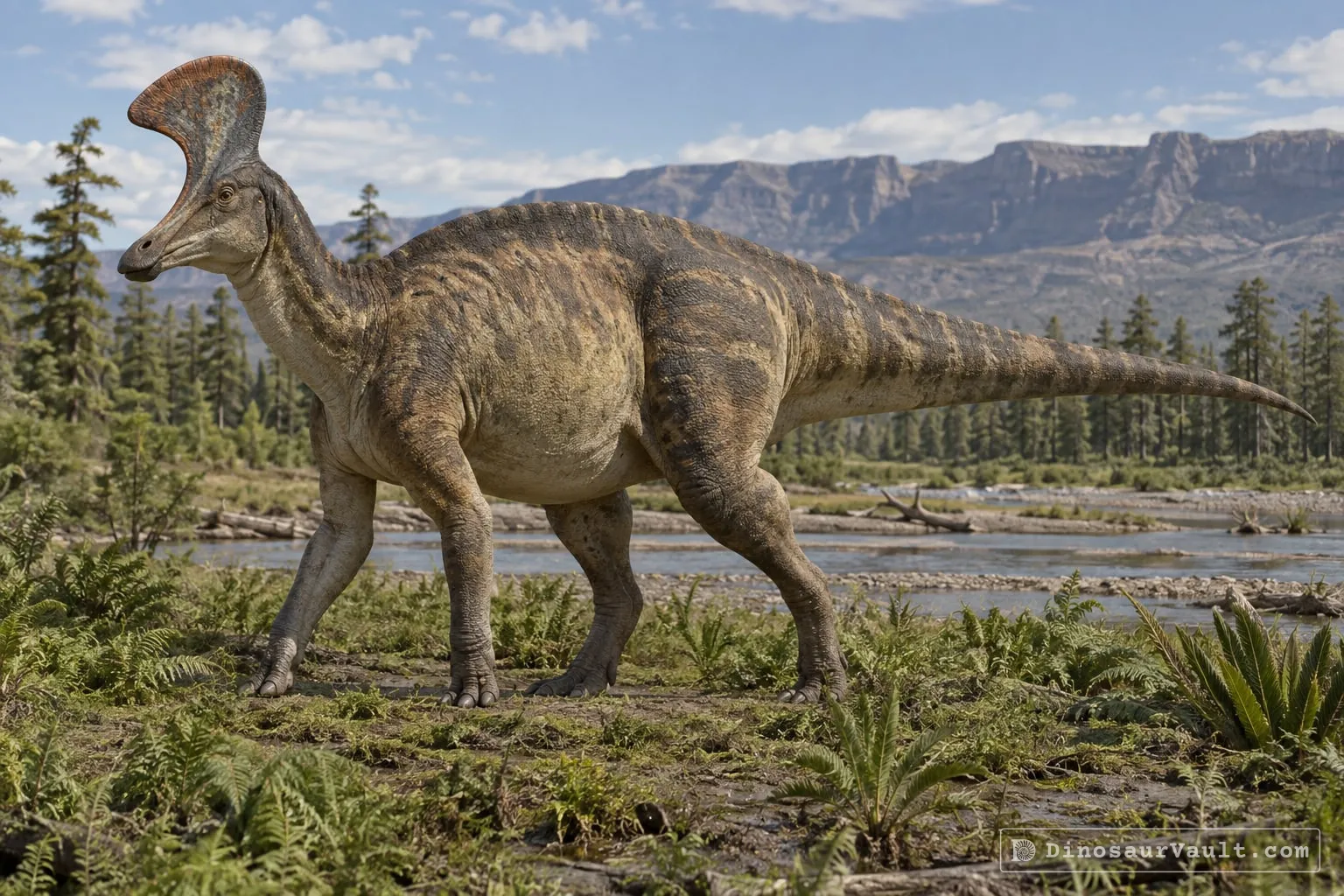
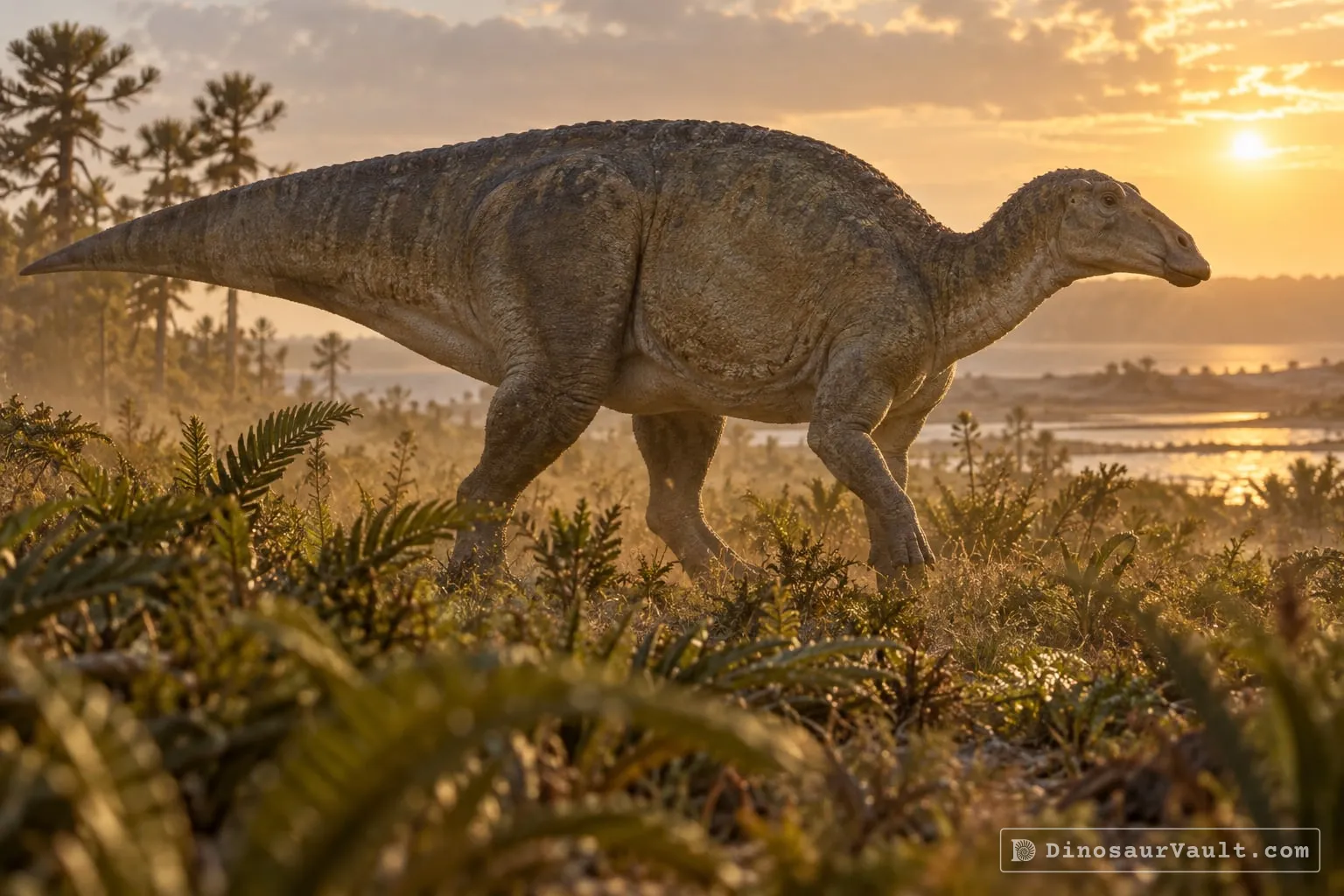
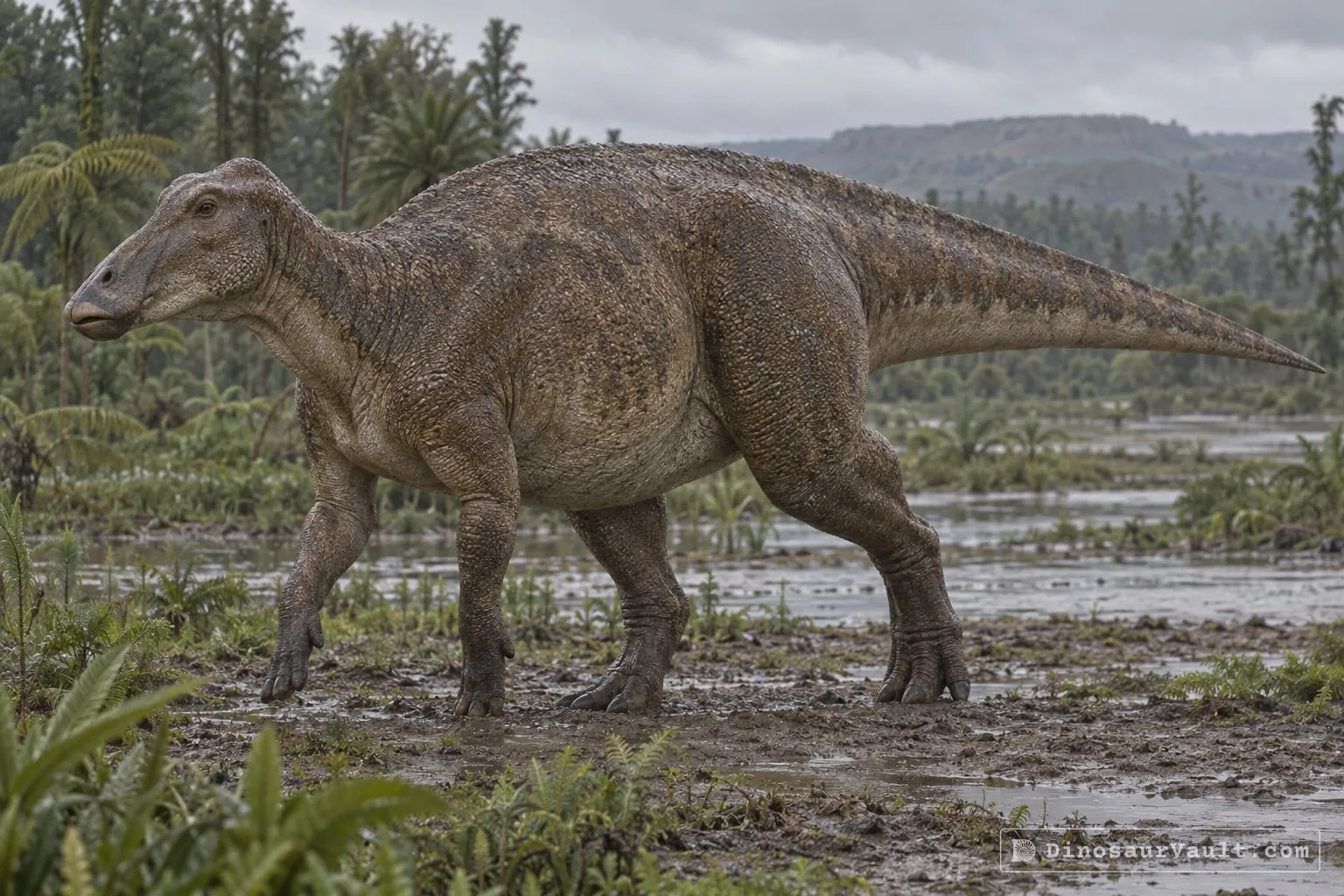


A rock formation can hold fossils laid down millions of years apart, so not every animal here met Velafrons.
The evidence
The science behind Velafrons
Which parts of the picture come from its own bones, and which come from its relatives.
From its own fossils
- A mostly complete skull and parts of the skeleton belong to a young animal.
- The skull has a developing crest above the forehead.
- The bones behind the eye and at the jaw joint have distinctive shapes that help identify it.
Borrowed from relatives
- An adult crest is usually restored by comparison with Corythosaurus and Hypacrosaurus, whose crest bones have a similar arrangement.
- Missing parts of its skeleton are filled in from other crested duckbills.
Still unknown
- The final shape and size of an adult's crest.
- Its color.
- Whether it nested in colonies.
Discovery timeline
- 2007Named itGates et al.
- 2012Family treePrieto-Márquez, Chiappe & Joshi
- 2021Same rocksRamírez Velasco et al.
Key papers
The research behind what we know of Velafrons
Named it
Described a juvenile crested duckbill with distinctive skull bones and a crest resembling those of Corythosaurus and Hypacrosaurus.
Velafrons coahuilensis, a new lambeosaurine hadrosaurid (Dinosauria: Ornithopoda) from the late Campanian Cerro del Pueblo Formation, Coahuila, Mexico. Journal of Vertebrate Paleontology 27: 917-930
Read the paper : Velafrons coahuilensis, a new lambeosaurine hadrosaurid (Dinosauria: Ornithopoda) from the late Campanian Cerro del Pueblo Formation, Coahuila, Mexico (opens in a new tab)Family tree
A comparison of crested duckbills recovered Magnapaulia and Velafrons as close relatives.
The Lambeosaurine Dinosaur Magnapaulia laticaudus from the Late Cretaceous of Baja California, Northwestern Mexico. PLoS ONE 7: e38207
Read the paper : The Lambeosaurine Dinosaur Magnapaulia laticaudus from the Late Cretaceous of Baja California, Northwestern Mexico (opens in a new tab)Same rocks
Described Tlatolophus, another crested duckbill from the Cerro del Pueblo Formation, with a tall crest shaped like an inverted comma.
Tlatolophus galorum, gen. et sp. nov., a parasaurolophini dinosaur from the upper Campanian of the Cerro del Pueblo Formation, Coahuila, northern Mexico. Cretaceous Research 126: 104884
Read the paper : Tlatolophus galorum, gen. et sp. nov., a parasaurolophini dinosaur from the upper Campanian of the Cerro del Pueblo Formation, Coahuila, northern Mexico (opens in a new tab)
Close relatives
Other members of Hadrosauridae


Sources: Wikidata