Coahuilasaurus
"Coahuila lizard"
Type species Coahuilasaurus lipani
- Lived
- 84 to 72 million years ago, Late Cretaceous
- Diet
- Herbivore
- Group
- Ornithopods, Hadrosauridae
- Found in
- Mexico
- Named by
- Longrich et al. 2024
Where its fossils were found
The evidence
Today

80 million years ago
Habitat
It lived on coastal land in Mexico, where the Cerro del Pueblo Formation also preserves Velafrons, Tlatolophus and Latirhinus.
Field notes
About Coahuilasaurus
What it was like
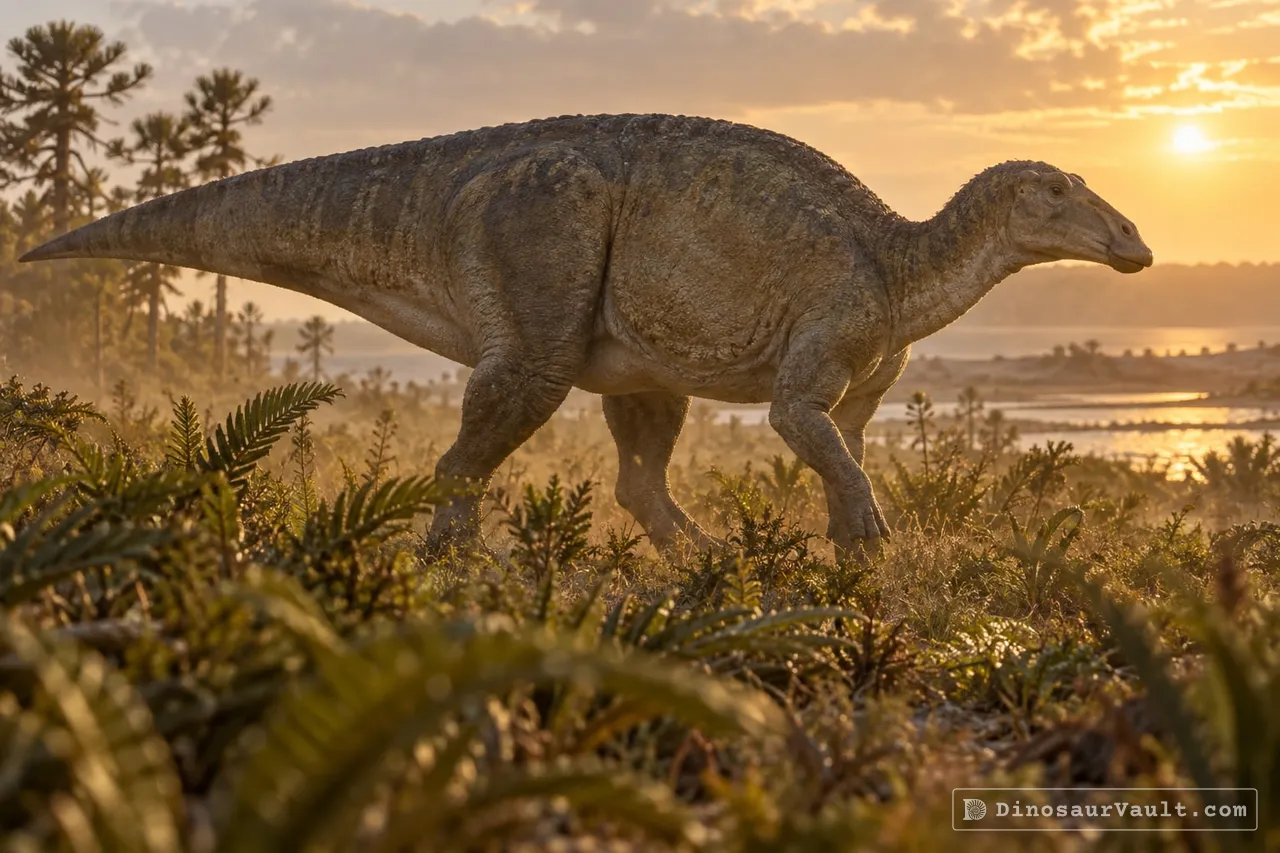
Coahuilasaurus was a large duck-billed plant eater, a relative of Kritosaurus. It is known from the tips of the upper and lower jaws and other pieces of the skull.
Its world
It lived in the Late Cretaceous in what is now Mexico. Its bones come from the Cerro del Pueblo Formation, a coastal land shared with the crested duckbills Velafrons, Tlatolophus and Latirhinus.
How it was found
Longrich and colleagues named it in 2024. The type species is Coahuilasaurus lipani.
Field gallery
More views of Coahuilasaurus
Scenes reconstructed from the available fossil evidence.
1 of 2
Lived alongside
Found in the same rock formations
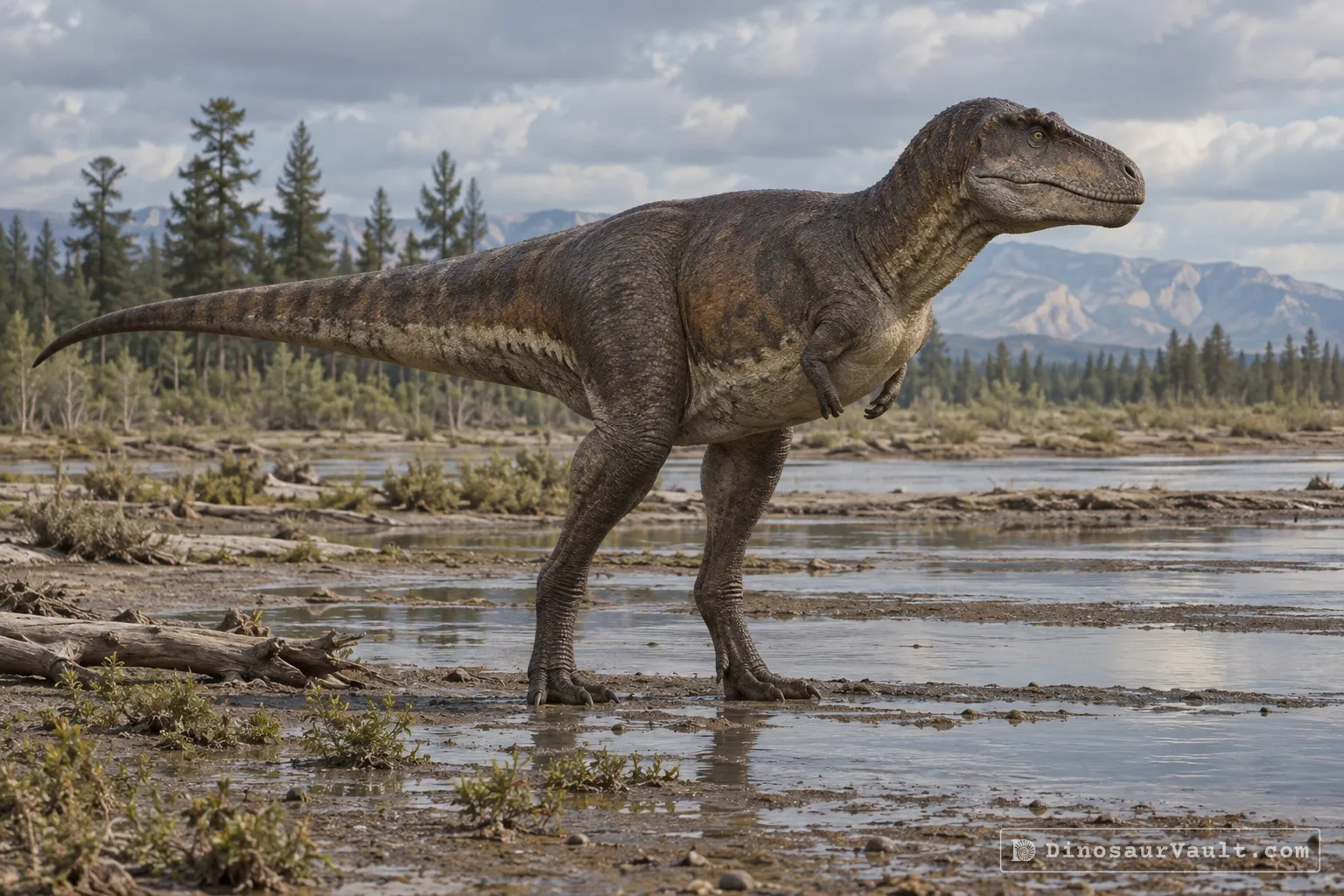
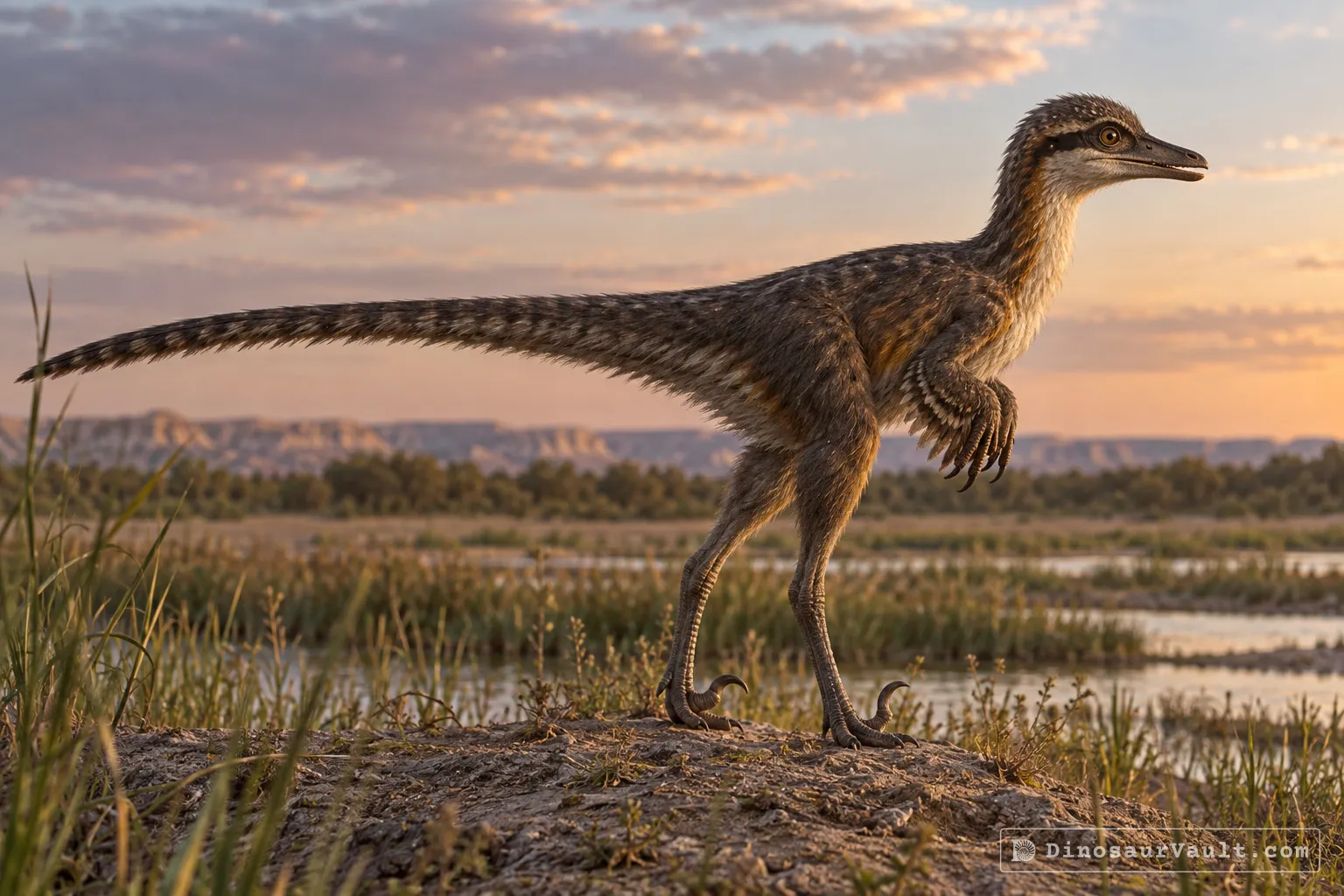
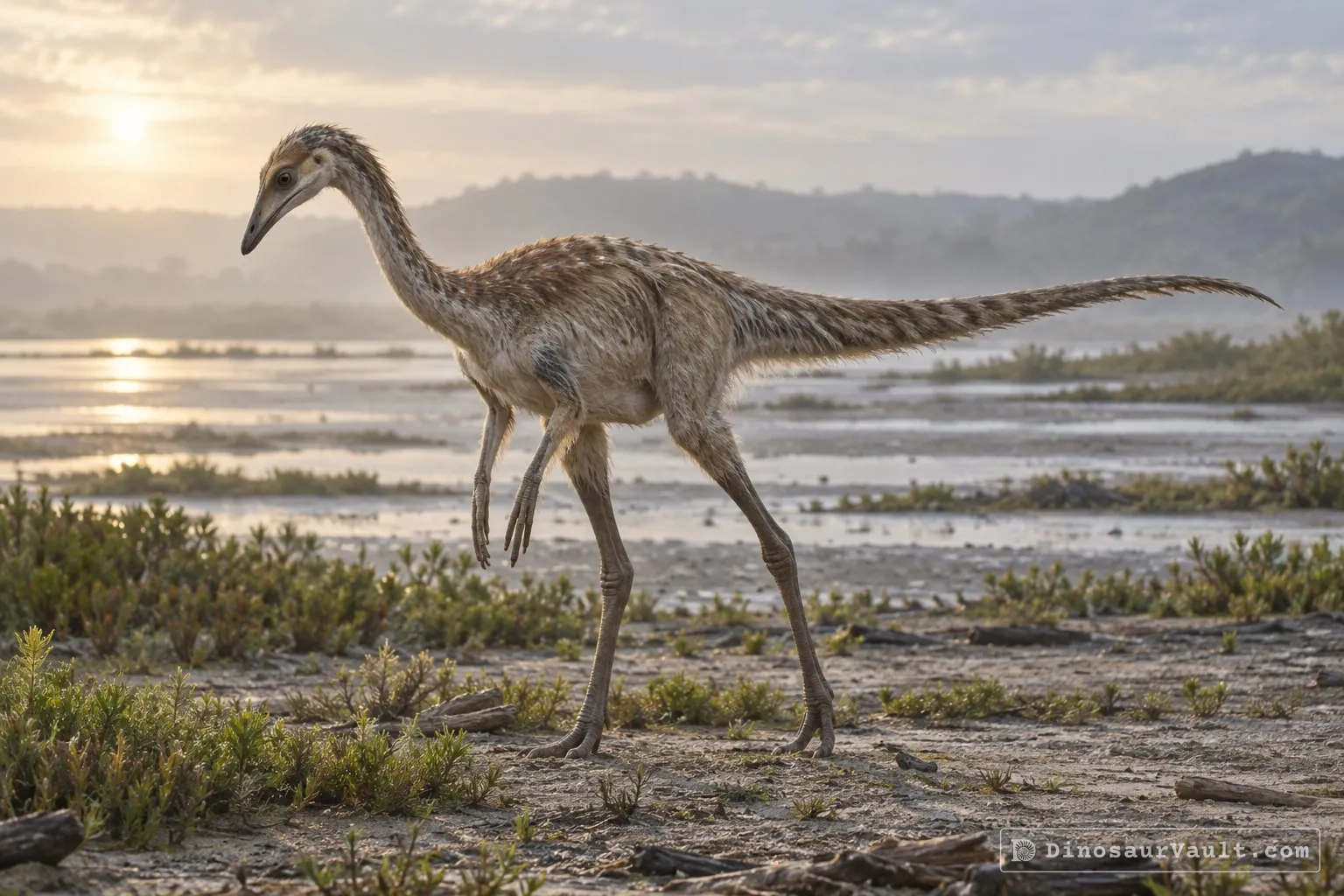
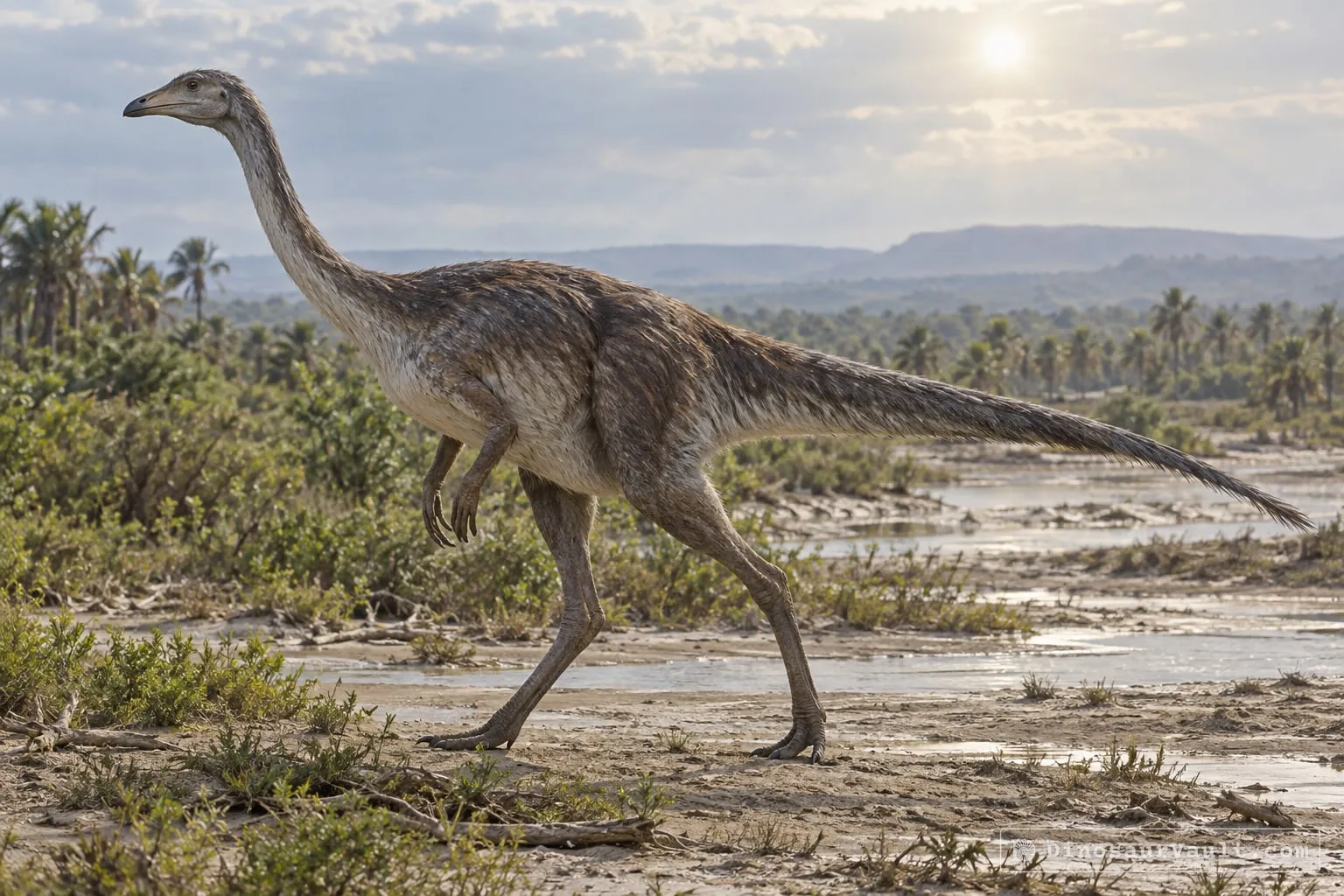
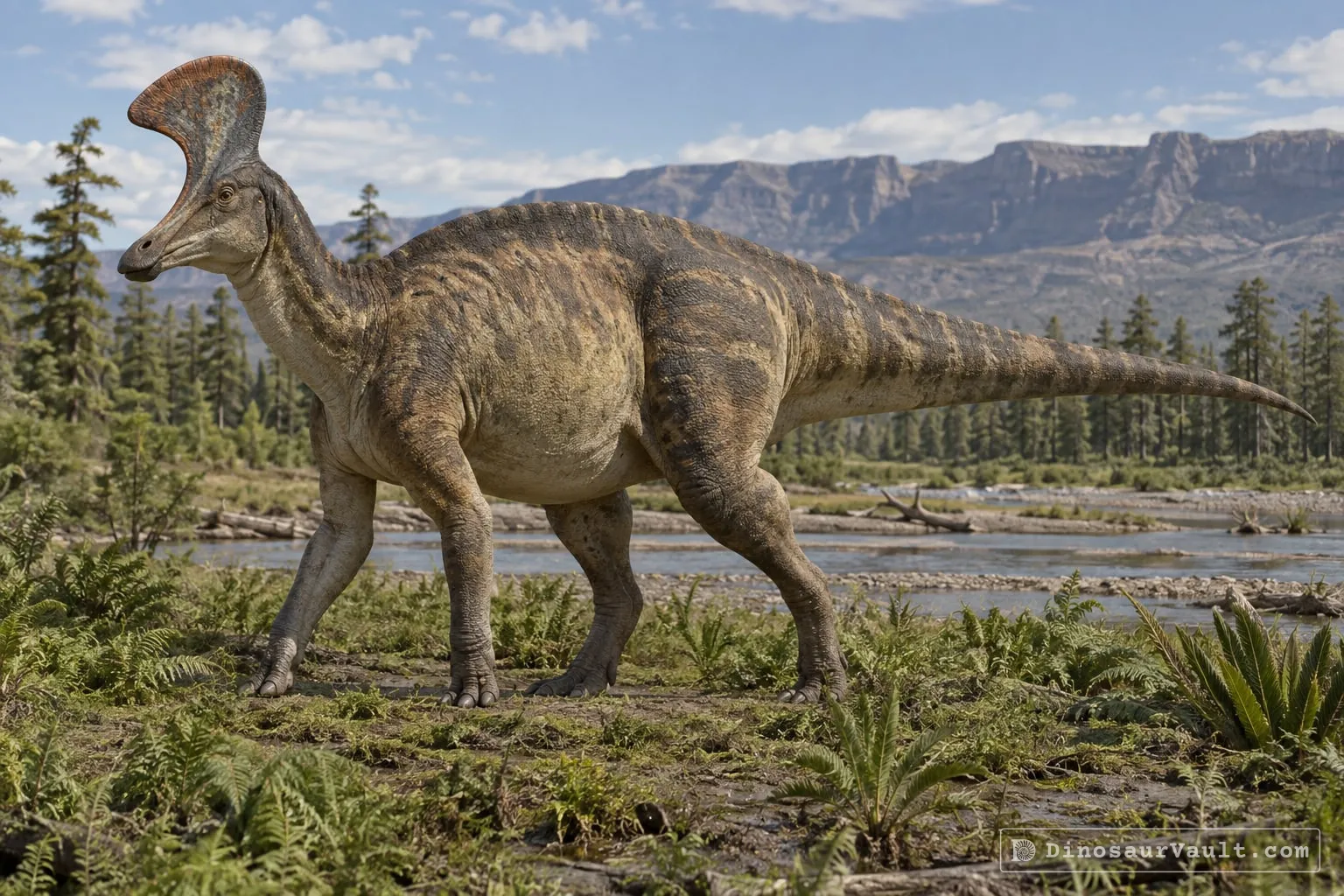
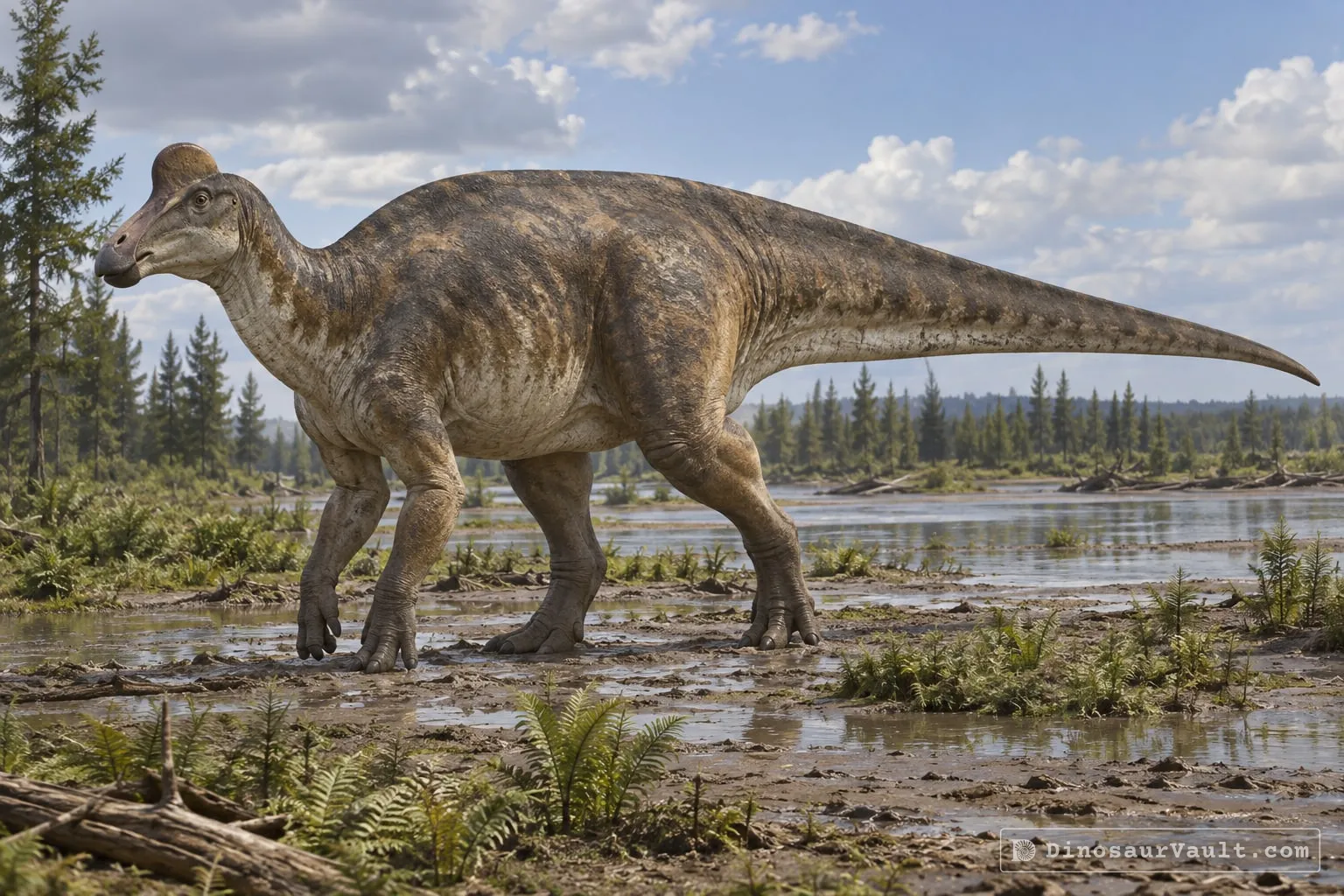
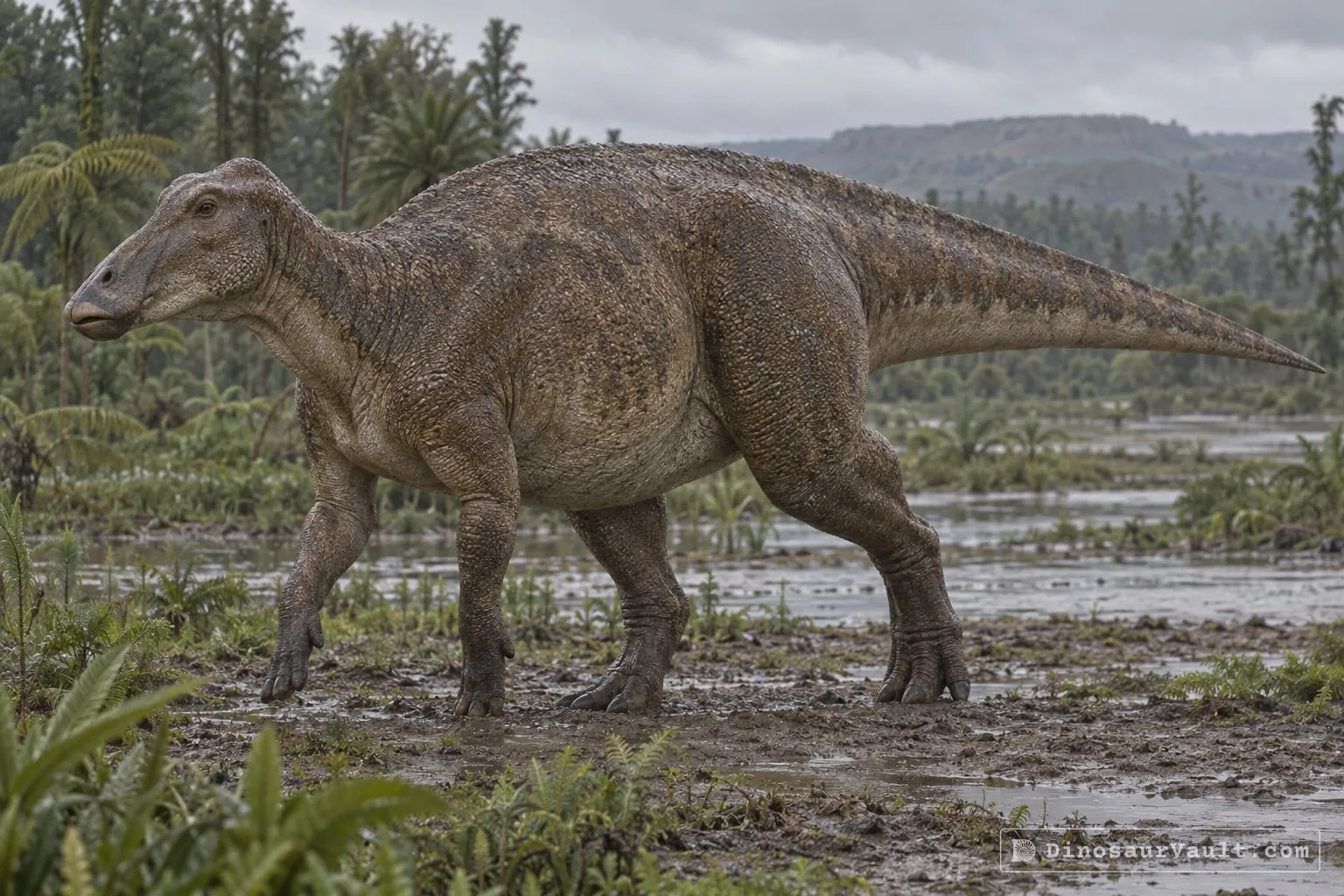


A rock formation can hold fossils laid down millions of years apart, so not every animal here met Coahuilasaurus.
The evidence
The science behind Coahuilasaurus
Which parts of the picture come from its own bones, and which come from its relatives.
From its own fossils
- The front of the skull preserves a short, broad beak and deep lower jaws.
- Large, toothlike bony projections hang down from the roof of the mouth behind the beak's edge.
- Upper and lower jaw fragments preserve tightly packed chewing teeth.
Borrowed from relatives
- The limbs, trunk and tail are restored from duckbills such as Kritosaurus and Gryposaurus.
Still unknown
- The shape of the back of its skull.
- Which tough plants its unusual jaws cut.
- Its skin color and pattern.
Discovery timeline
- 2013Family treePrieto-Márquez
- 2021Same rocksRamírez Velasco et al.
- 2024Named itLongrich et al.
Key papers
The research behind what we know of Coahuilasaurus
Family tree
Restudied Kritosaurus and its relatives, assigning the skull later named Coahuilasaurus to Kritosaurus.
Skeletal morphology ofKritosaurus navajovius(Dinosauria: Hadrosauridae) from the Late Cretaceous of the North American south-west, with an evaluation of the phylogenetic systematics and biogeography of Kritosaurini. Journal of Systematic Palaeontology 12: 133-175
Read the paper : Skeletal morphology ofKritosaurus navajovius(Dinosauria: Hadrosauridae) from the Late Cretaceous of the North American south-west, with an evaluation of the phylogenetic systematics and biogeography of Kritosaurini (opens in a new tab)Same rocks
Described Tlatolophus, a duckbill with a broad, paddle-shaped crest from the same formation as Coahuilasaurus.
Tlatolophus galorum, gen. et sp. nov., a parasaurolophini dinosaur from the upper Campanian of the Cerro del Pueblo Formation, Coahuila, northern Mexico. Cretaceous Research 126: 104884
Read the paper : Tlatolophus galorum, gen. et sp. nov., a parasaurolophini dinosaur from the upper Campanian of the Cerro del Pueblo Formation, Coahuila, northern Mexico (opens in a new tab)Named it
Named a duckbill with deep jaws and large bony projections inside its beak, suggesting a special way of cutting tough plants.
Coahuilasaurus lipani, a New Kritosaurin Hadrosaurid from the Upper Campanian Cerro Del Pueblo Formation, Northern Mexico. Diversity 16: 531
Read the paper : Coahuilasaurus lipani, a New Kritosaurin Hadrosaurid from the Upper Campanian Cerro Del Pueblo Formation, Northern Mexico (opens in a new tab)
Close relatives
Other members of Hadrosauridae


Sources: Wikidata