Elemgasem
Type species Elemgasem nubilus
- Lived
- 94 to 86 million years ago, Late Cretaceous
- Diet
- Carnivore
- Group
- Theropods, Abelisauridae
- Found in
- Argentina
- Named by
- Baiano et al. 2022
Where its fossils were found
The evidence
Today

90 million years ago
Habitat
Rivers crossed the land where the Portezuelo Formation accumulated. Its dinosaur neighbors included Megaraptor, Futalognkosaurus and Patagonykus.
Field notes
About Elemgasem
What it was like
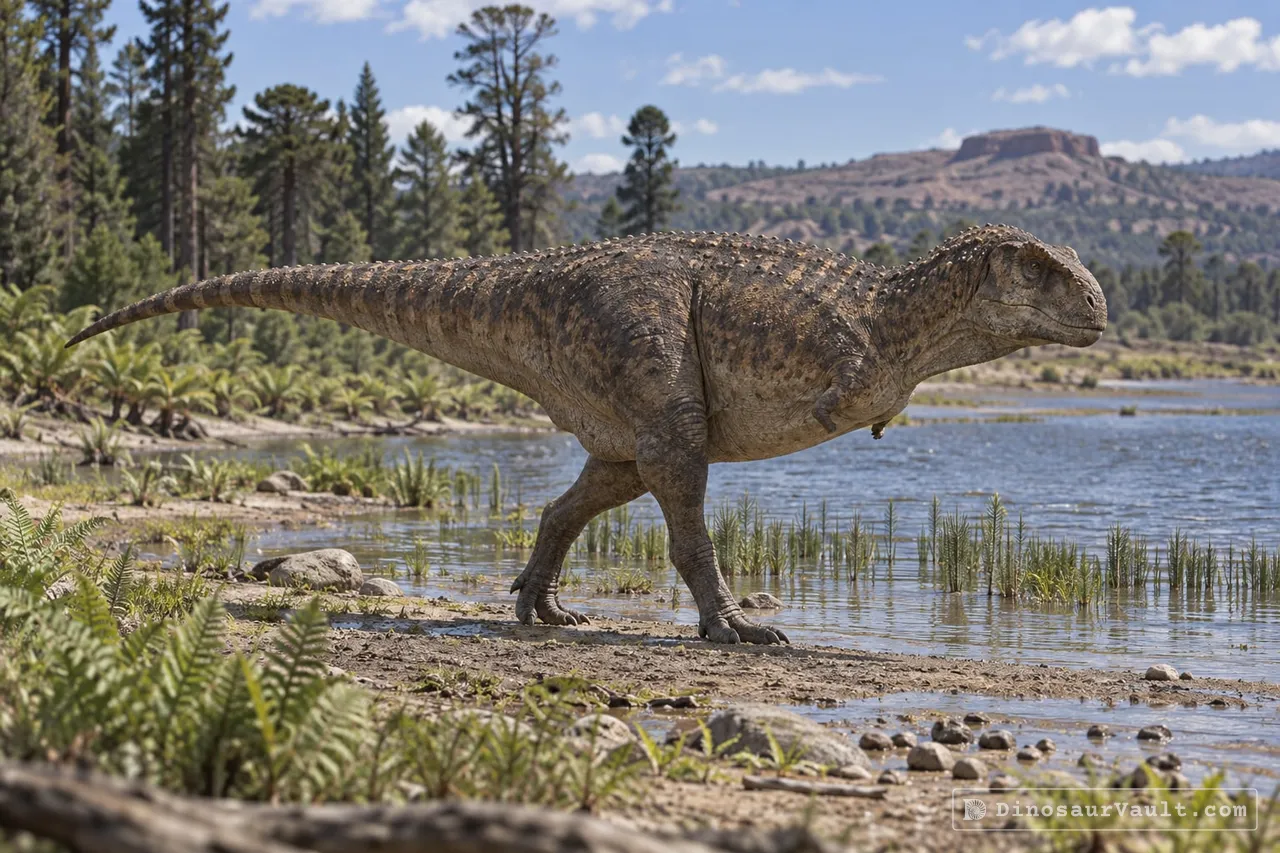
Elemgasem was an abelisaur, a predator with tiny arms. It is known from part of the backbone, legs and tail.
Its world
It lived about 94 to 86 million years ago, in the Late Cretaceous, in what is now Argentina. It comes from the Portezuelo Formation, where it shared the land with Megaraptor, the giant titanosaur Futalognkosaurus and the alvarezsaur Patagonykus.
How it was found
Baiano and colleagues named Elemgasem in 2022. The type species is Elemgasem nubilus. The name comes from a god of the local native people.
Field gallery
More views of Elemgasem
Scenes reconstructed from the available fossil evidence.
1 of 3
Lived alongside
Found in the same rock formations
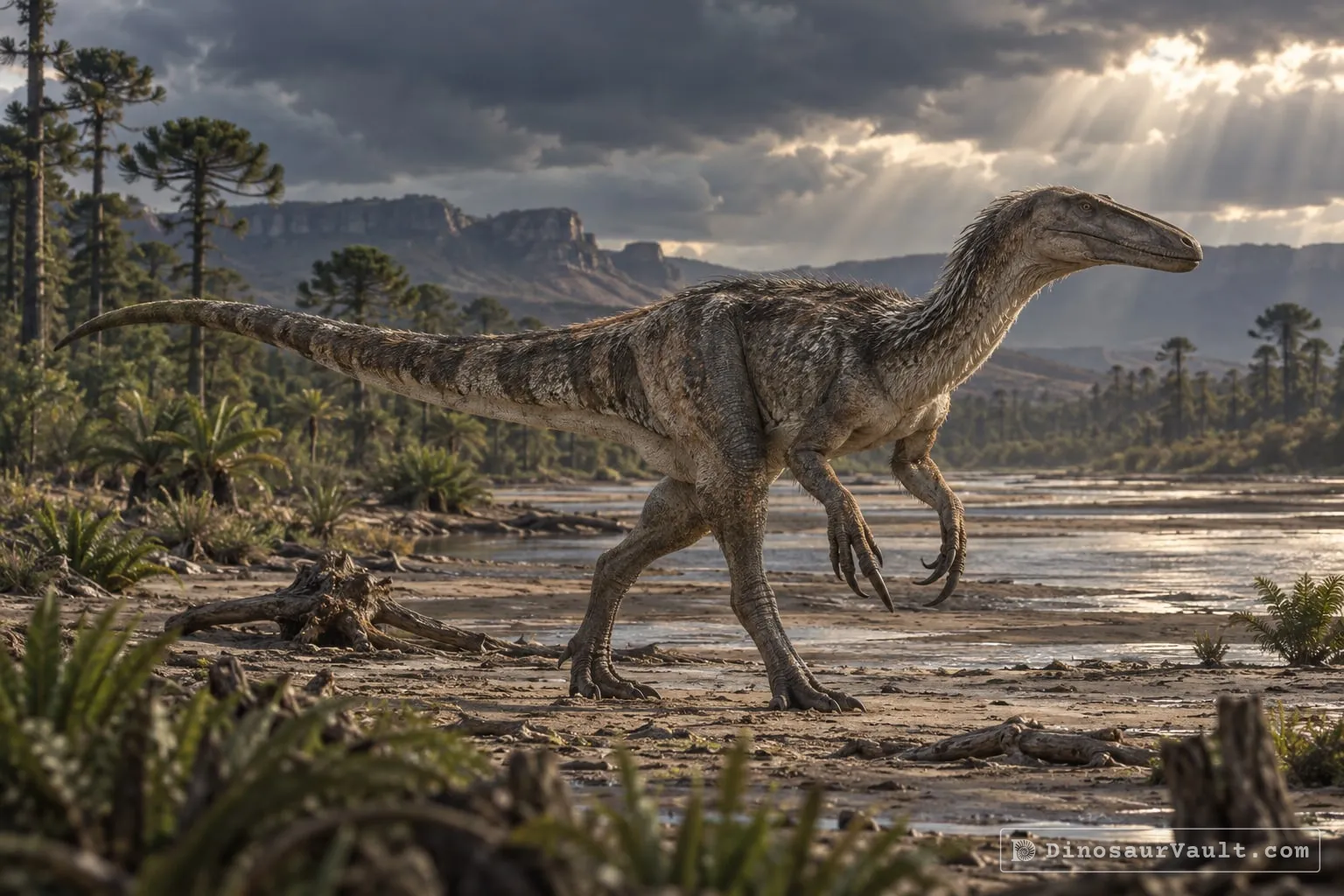
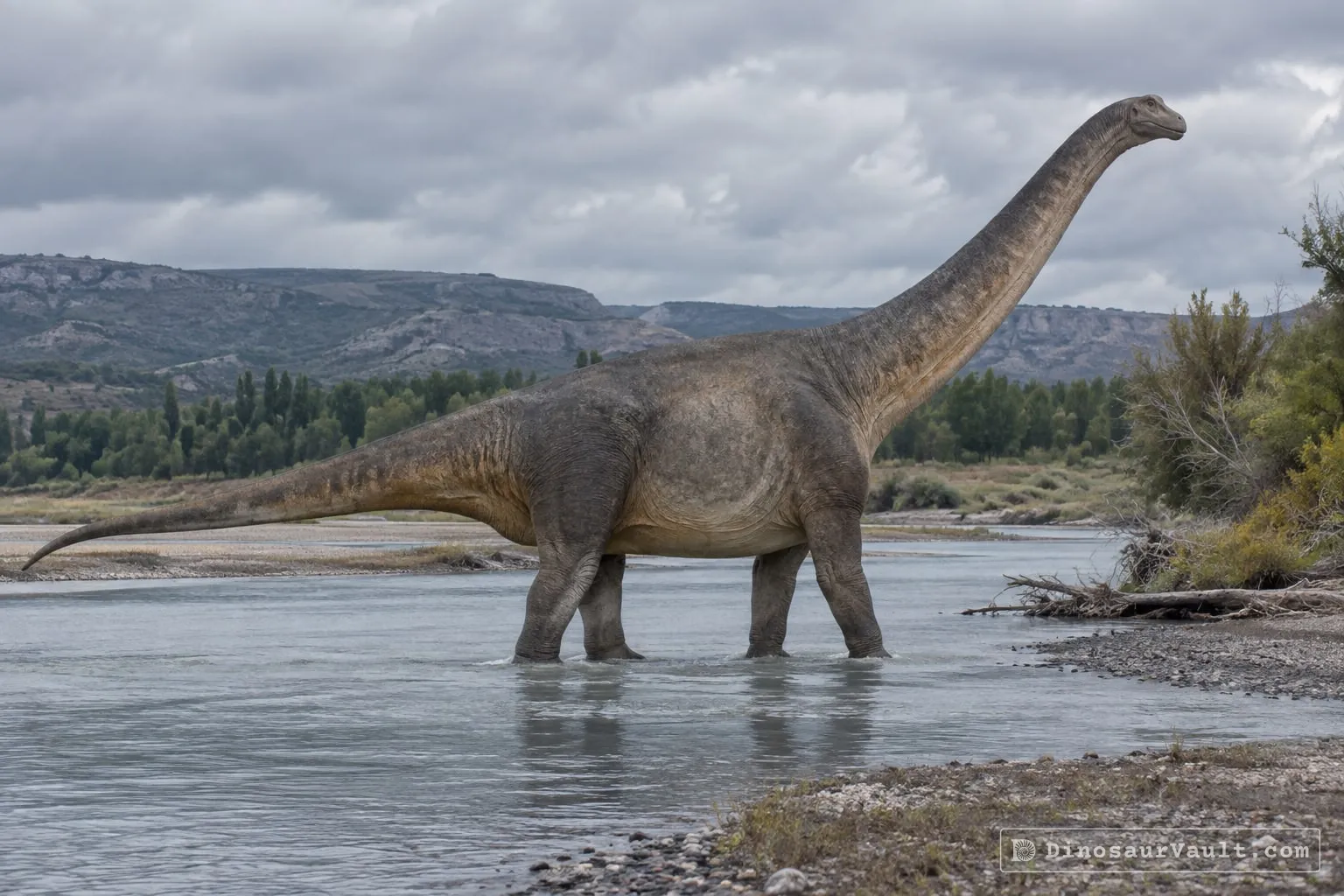
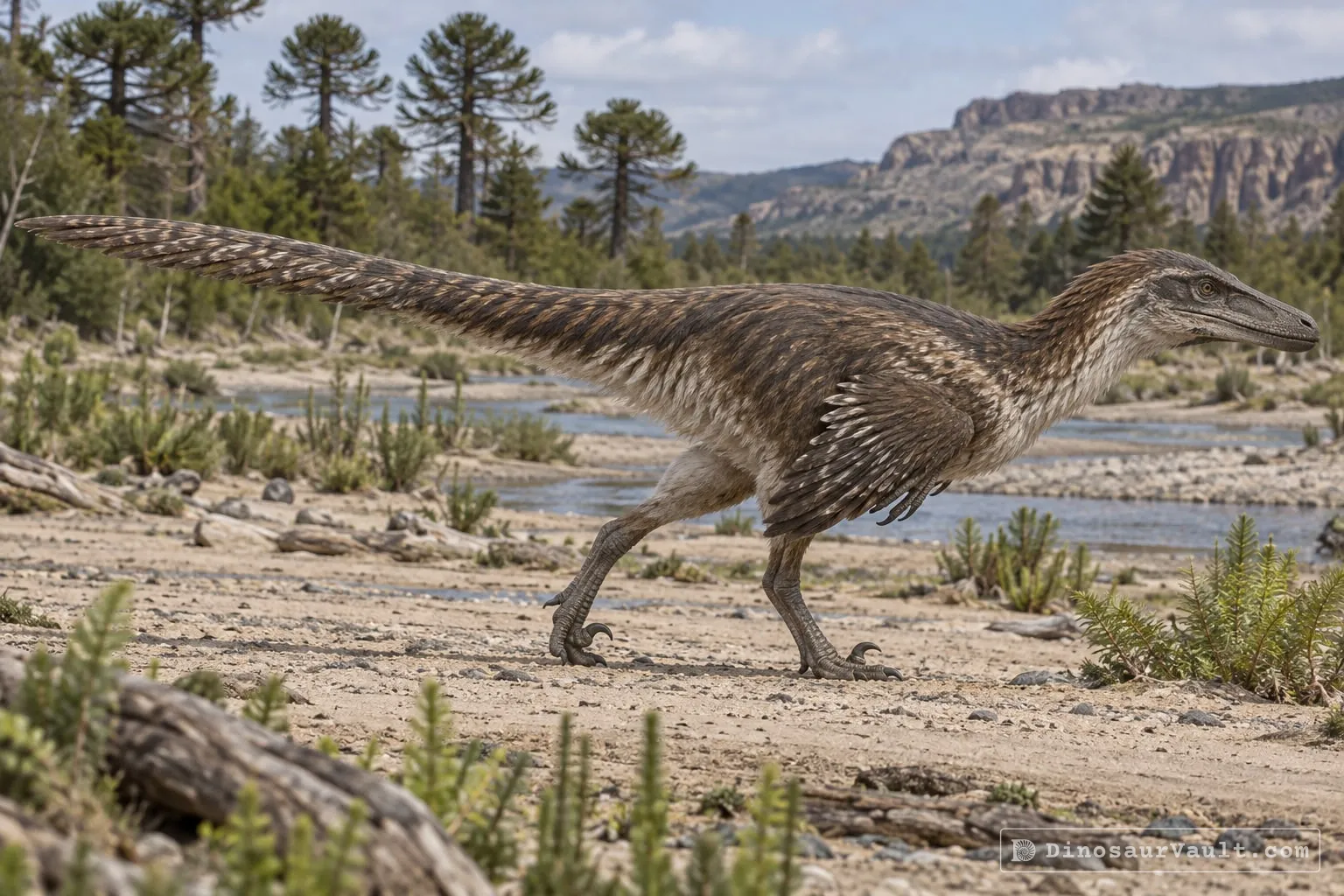
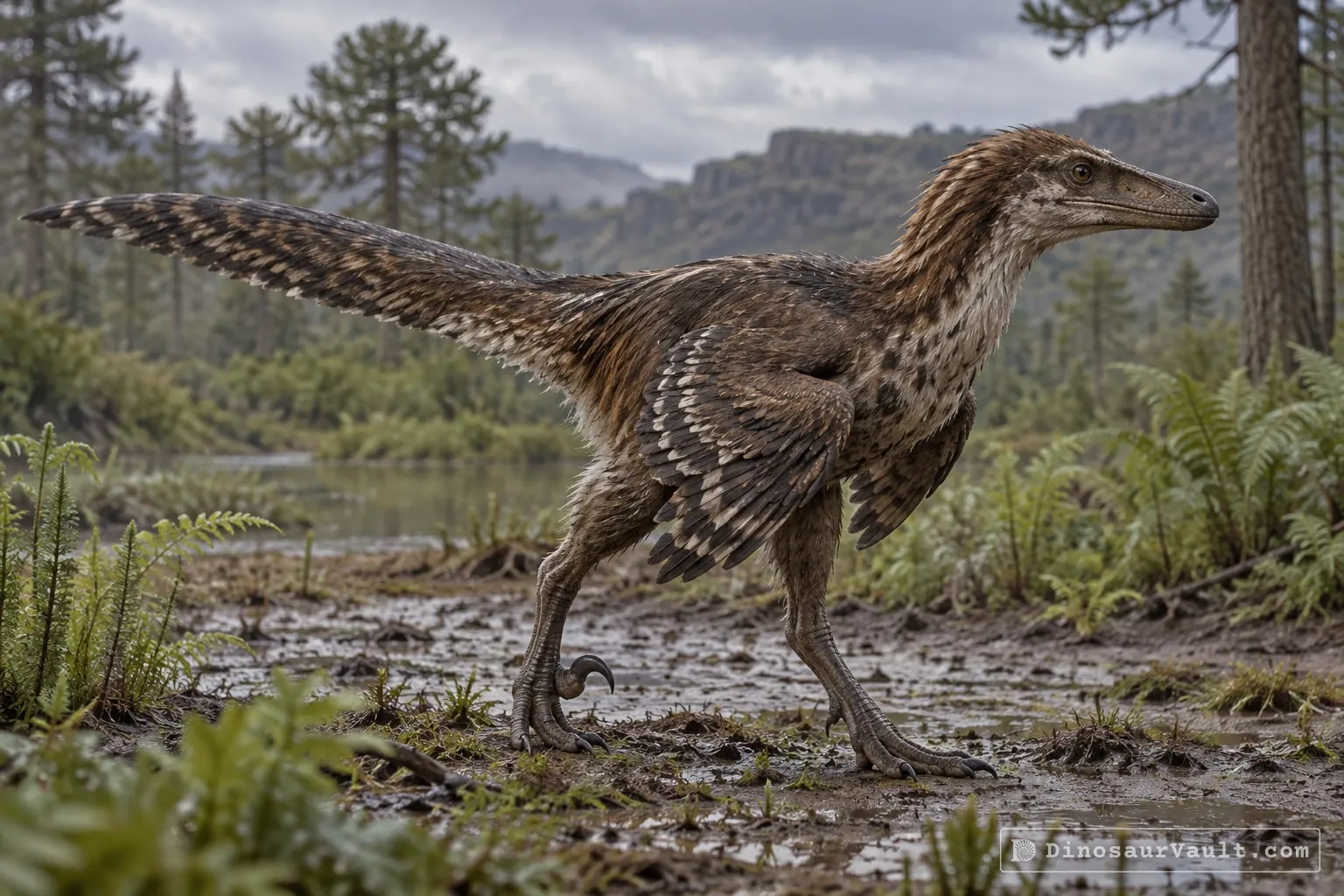
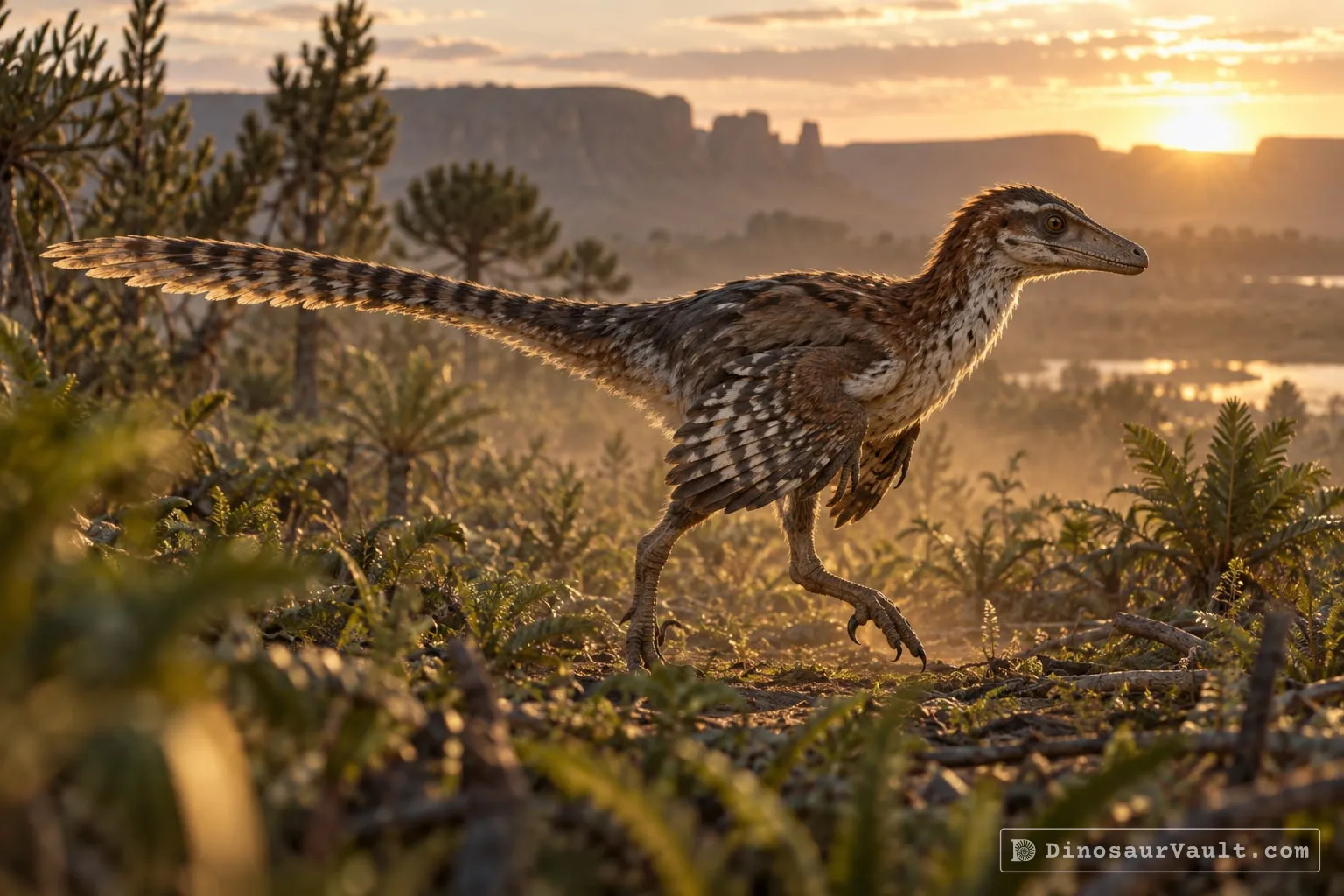
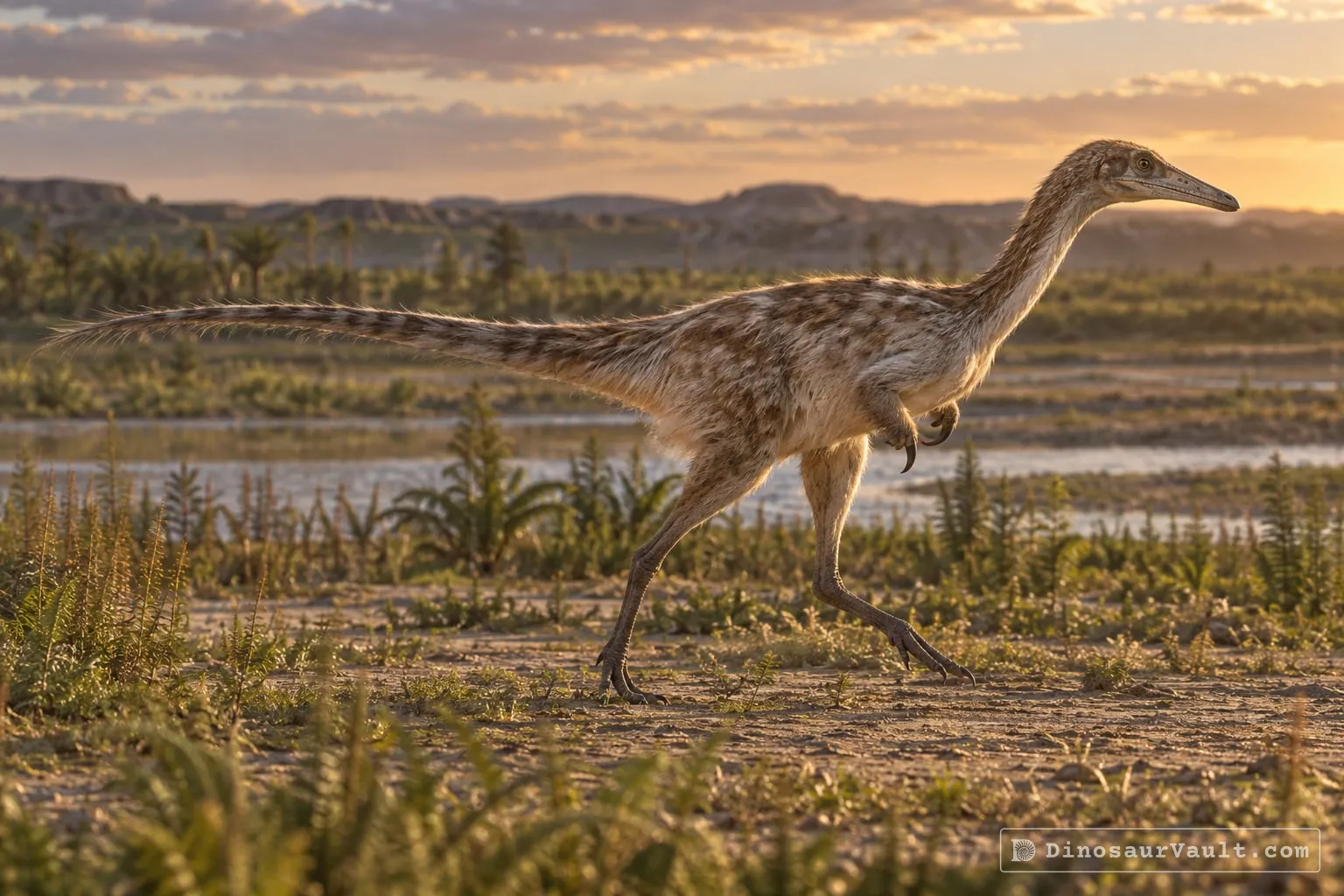
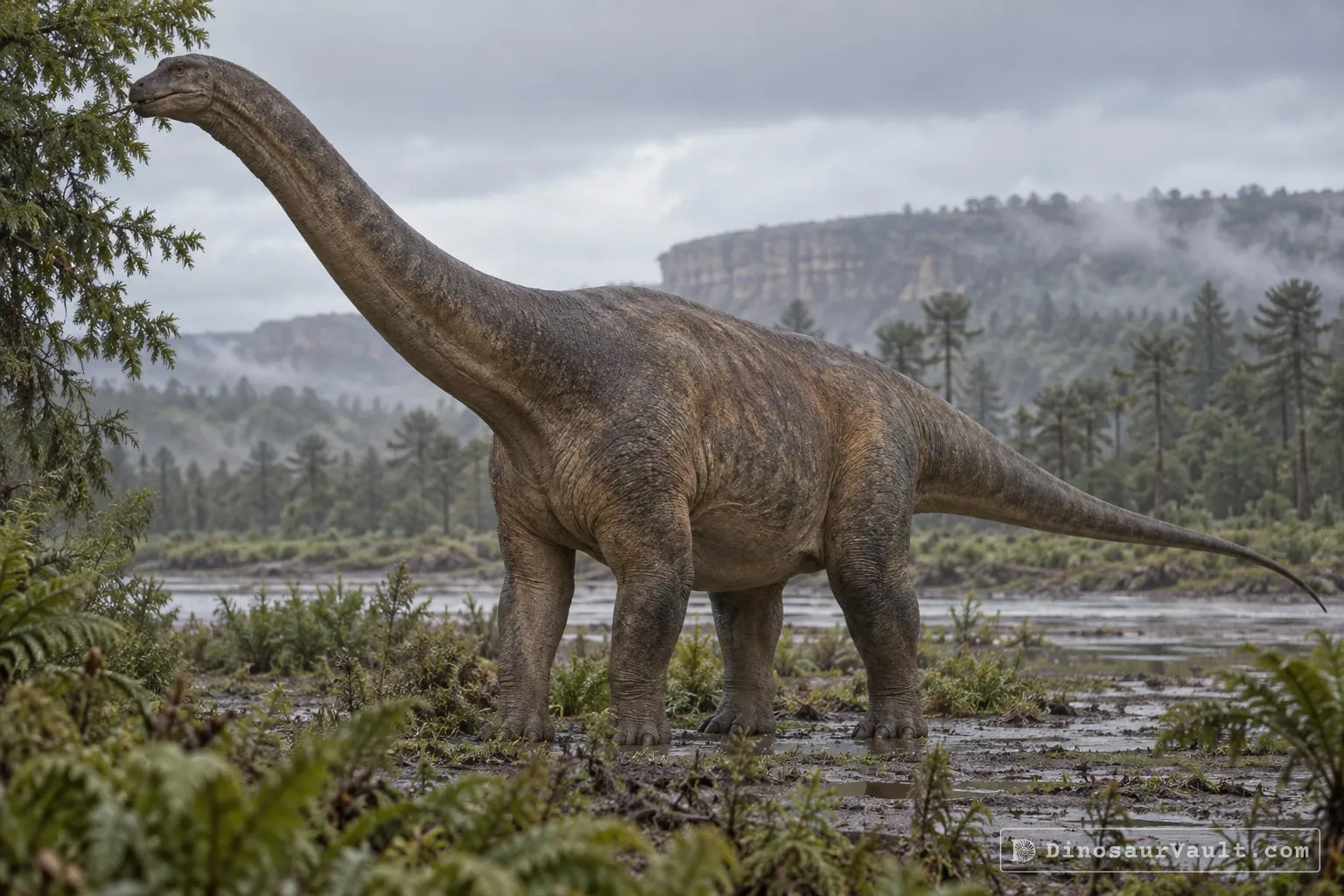


A rock formation can hold fossils laid down millions of years apart, so not every animal here met Elemgasem.
The evidence
The science behind Elemgasem
Which parts of the picture come from its own bones, and which come from its relatives.
From its own fossils
- The type skeleton includes tail, leg and foot bones, and a possible neck fragment. It preserves only the bases of some foot claws.
- The upper outer surface of its lower-leg bone has rough ridges and bumps.
- Some tail joints had grown together through a disease affecting the spine.
Borrowed from relatives
- The missing skull and tiny arms are reconstructed by comparison with Majungasaurus.
Still unknown
- The shape of its skull and any display structures on its head.
- Its exact position among the short-snouted abelisaurids.
- Its skin and color.
Discovery timeline
- 2010Its worldGarrido
- 2022Named itBaiano et al.
- 2024RedescriptionBaiano et al.
- 2024Family treePol et al.
Key papers
The research behind what we know of Elemgasem
Its world
Reorganized the rock layers that include the Portezuelo Formation and described their river deposits.
Stratigraphy of the Neuquén Group, Upper Cretaceous of the Neuquén Basin (Argentina): new proposal for lithostratigraphic ordaining. Revista del Museo Argentino de Ciencias Naturales 12: 121-177
Read the paper : Stratigraphy of the Neuquén Group, Upper Cretaceous of the Neuquén Basin (Argentina): new proposal for lithostratigraphic ordaining (opens in a new tab)Named it
Described distinctive leg and tail bones and interpreted the still-growing animal as having reached breeding age.
Elemgasem nubilus: a new brachyrostran abelisaurid (Theropoda, Ceratosauria) from the Portezuelo Formation (Upper Cretaceous) of Patagonia, Argentina. Papers in Palaeontology 8
Read the paper : Elemgasem nubilus: a new brachyrostran abelisaurid (Theropoda, Ceratosauria) from the Portezuelo Formation (Upper Cretaceous) of Patagonia, Argentina (opens in a new tab)Redescription
Studied diseased tail joints in Elemgasem and identified a disorder that fused neighboring vertebrae around their edges.
New information on paleopathologies in non-avian theropod dinosaurs: a case study on South American abelisaurids. BMC Ecology and Evolution 24
Read the paper : New information on paleopathologies in non-avian theropod dinosaurs: a case study on South American abelisaurids (opens in a new tab)Family tree
One dated family-tree analysis placed Elemgasem among the short-snouted abelisaurids, as the oldest member of its group.
A new abelisaurid dinosaur from the end Cretaceous of Patagonia and evolutionary rates among the Ceratosauria. Cladistics 40: 307-356
Read the paper : A new abelisaurid dinosaur from the end Cretaceous of Patagonia and evolutionary rates among the Ceratosauria (opens in a new tab)
Close relatives
Other members of Abelisauridae


Sources: Wikidata