Futalognkosaurus
FOO-ta-LONG-ko-SORE-us
"giant chief lizard"
- Lived
- 94 to 86 million years ago, Late Cretaceous
- Diet
- Herbivore
- Group
- Sauropods
- Found in
- Argentina
- Named by
- Calvo et al. 2007
Where its fossils were found
The evidence
Today

90 million years ago
Habitat
Rivers crossed a warm floodplain with flowering plants and conifers. Megaraptor, Unenlagia and Patagonykus also lived in the Portezuelo Formation.
Field notes
About Futalognkosaurus
What it was like
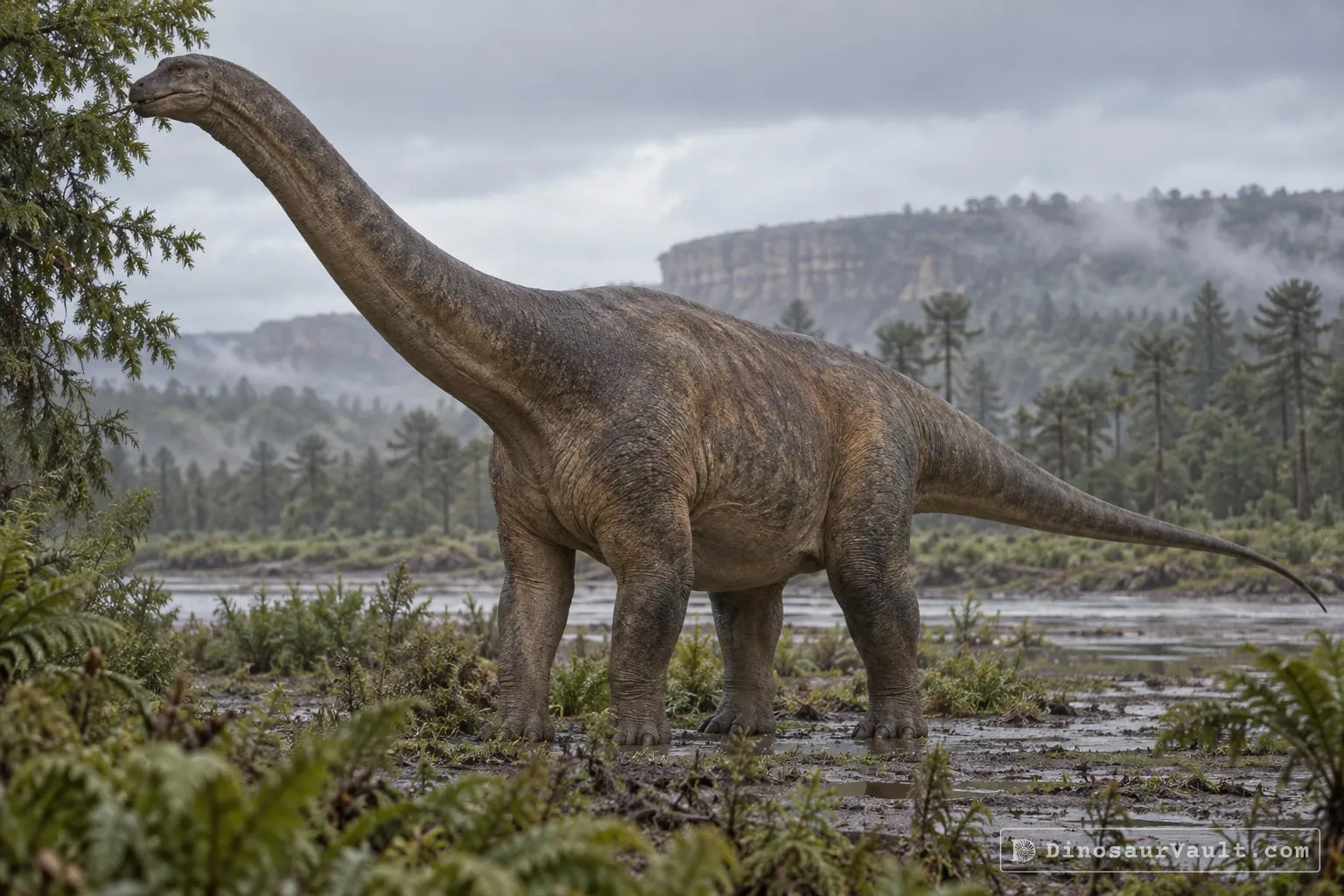
Futalognkosaurus was a titanosaur, one of the giant long-necked plant eaters of the Cretaceous. It belonged to a group called Lognkosauria, which includes some of the heaviest animals ever to walk on land. Its neck bones were deep and heavy, and its long neck and tail made up much of its length.
It probably spent most of its day feeding, sweeping its neck across a wide area of plants without moving its huge body.
Its world
It lived about 94 to 86 million years ago, in the Late Cretaceous, in what is now Argentina. Its bones come from the Portezuelo Formation, where it shared the land with the large hunter Megaraptor, the feathered predators Unenlagia and Neuquenraptor, and the small, stubby-armed Patagonykus.
How it was found
Calvo and colleagues named Futalognkosaurus in 2007. The name comes from a local native language. Only one find is known, but it includes a large part of the neck, back and hips, which makes it one of the more complete giant titanosaurs.
Field gallery
More views of Futalognkosaurus
Scenes reconstructed from the available fossil evidence.
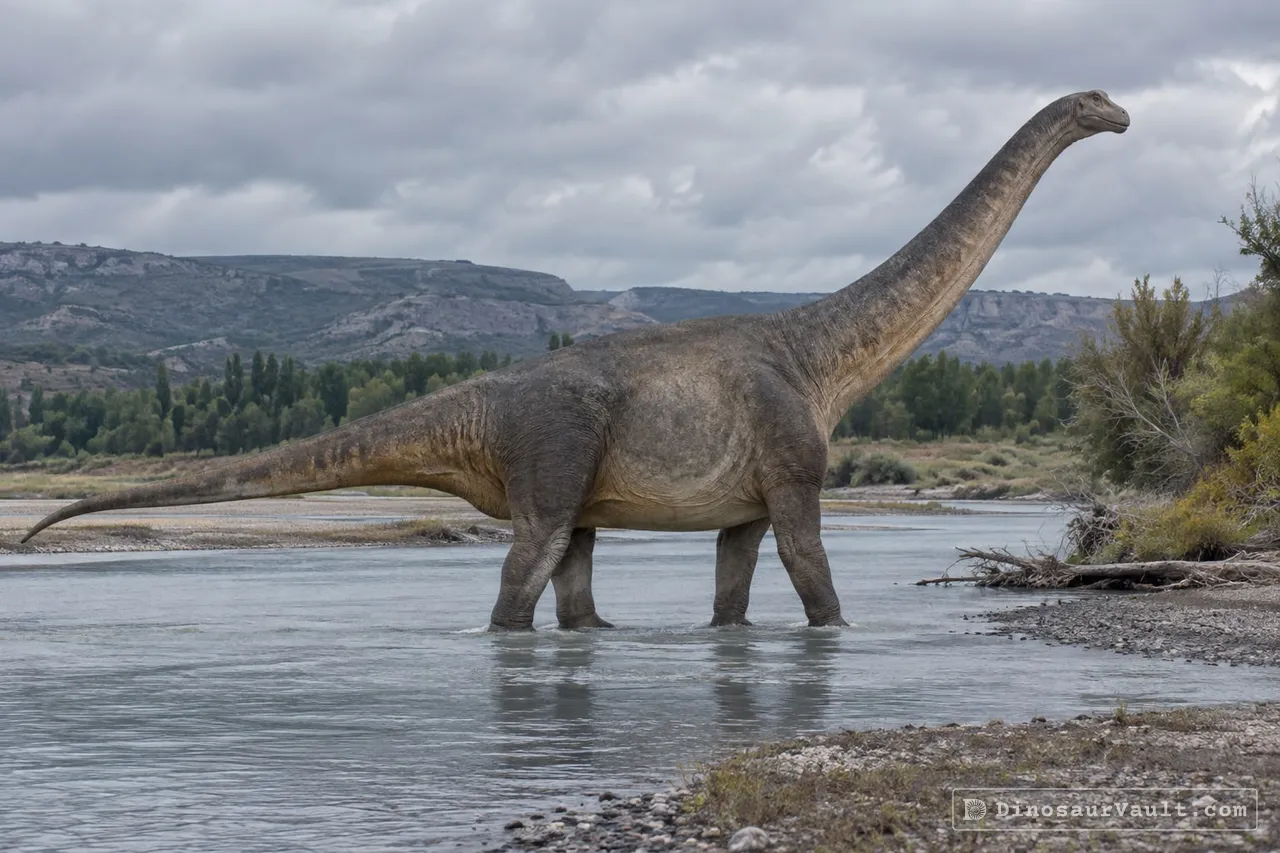
1 of 3
Lived alongside
Found in the same rock formations
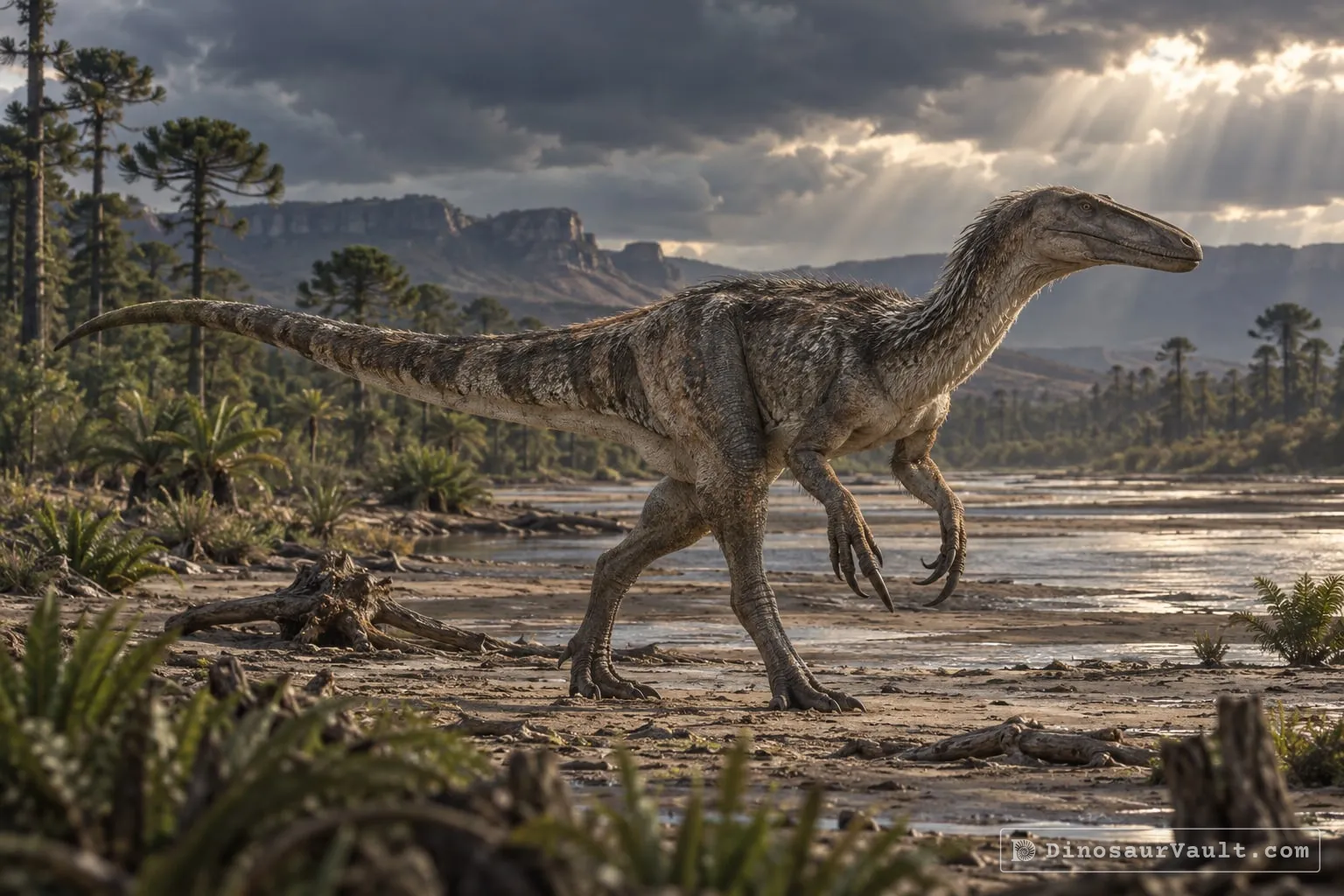
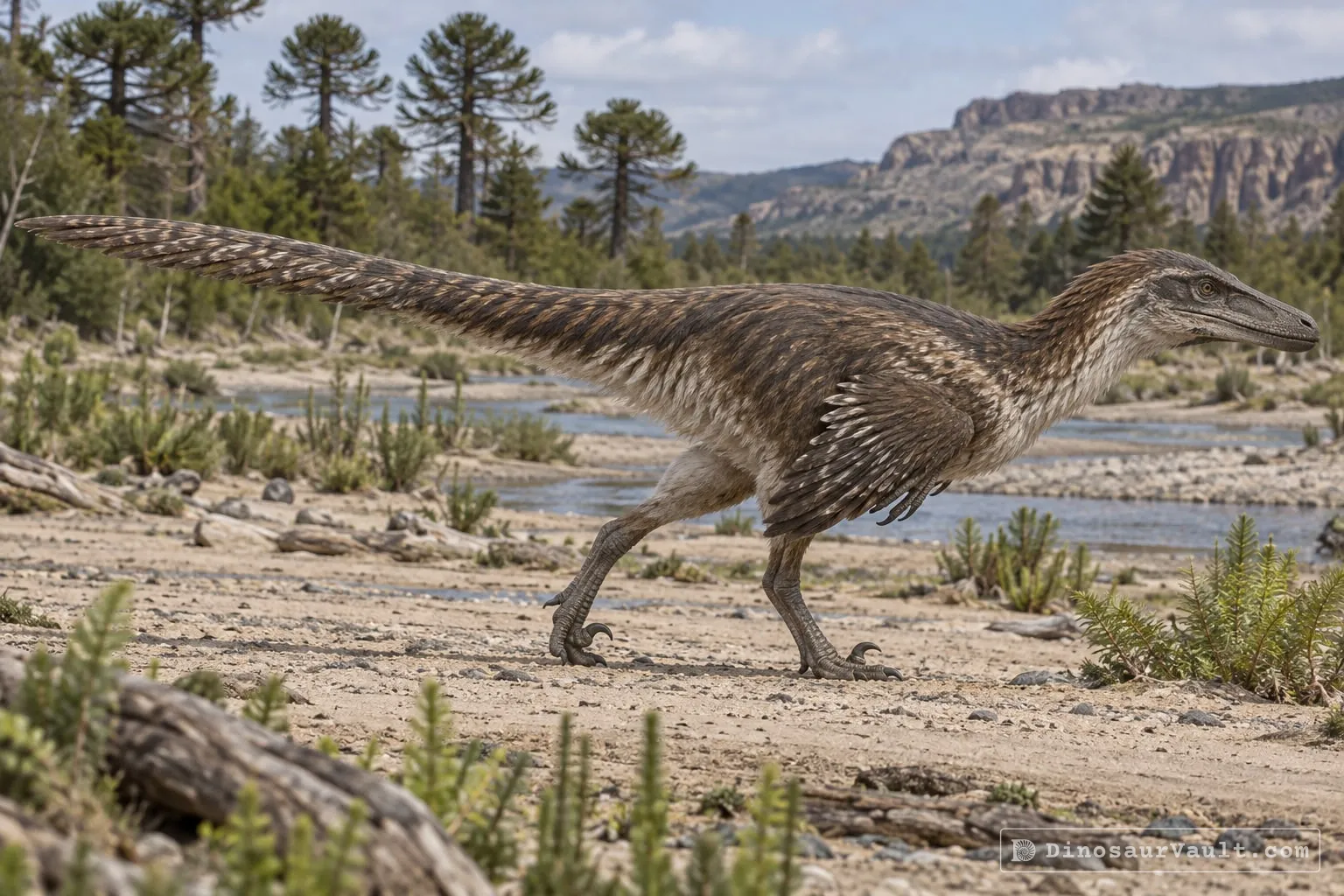
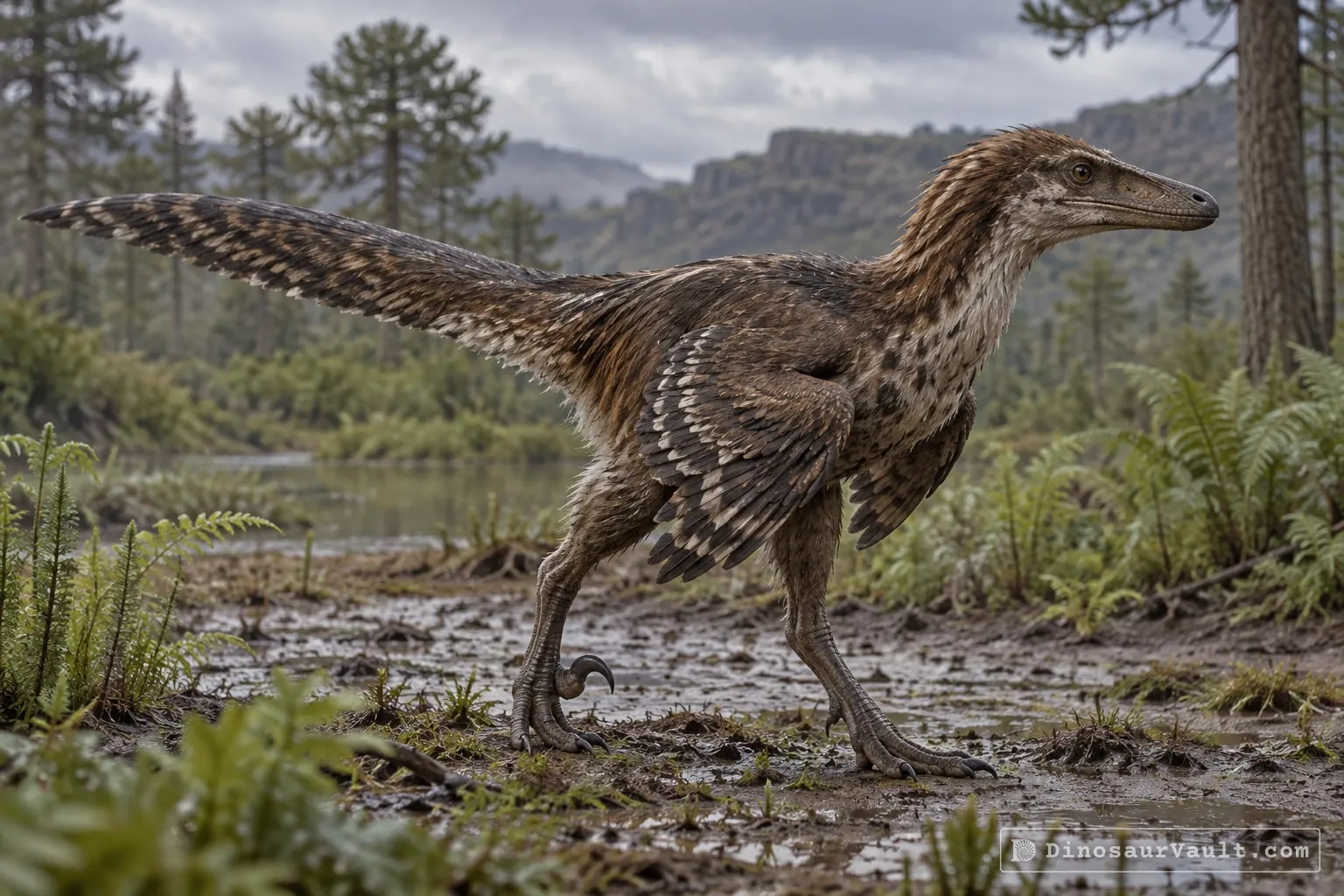
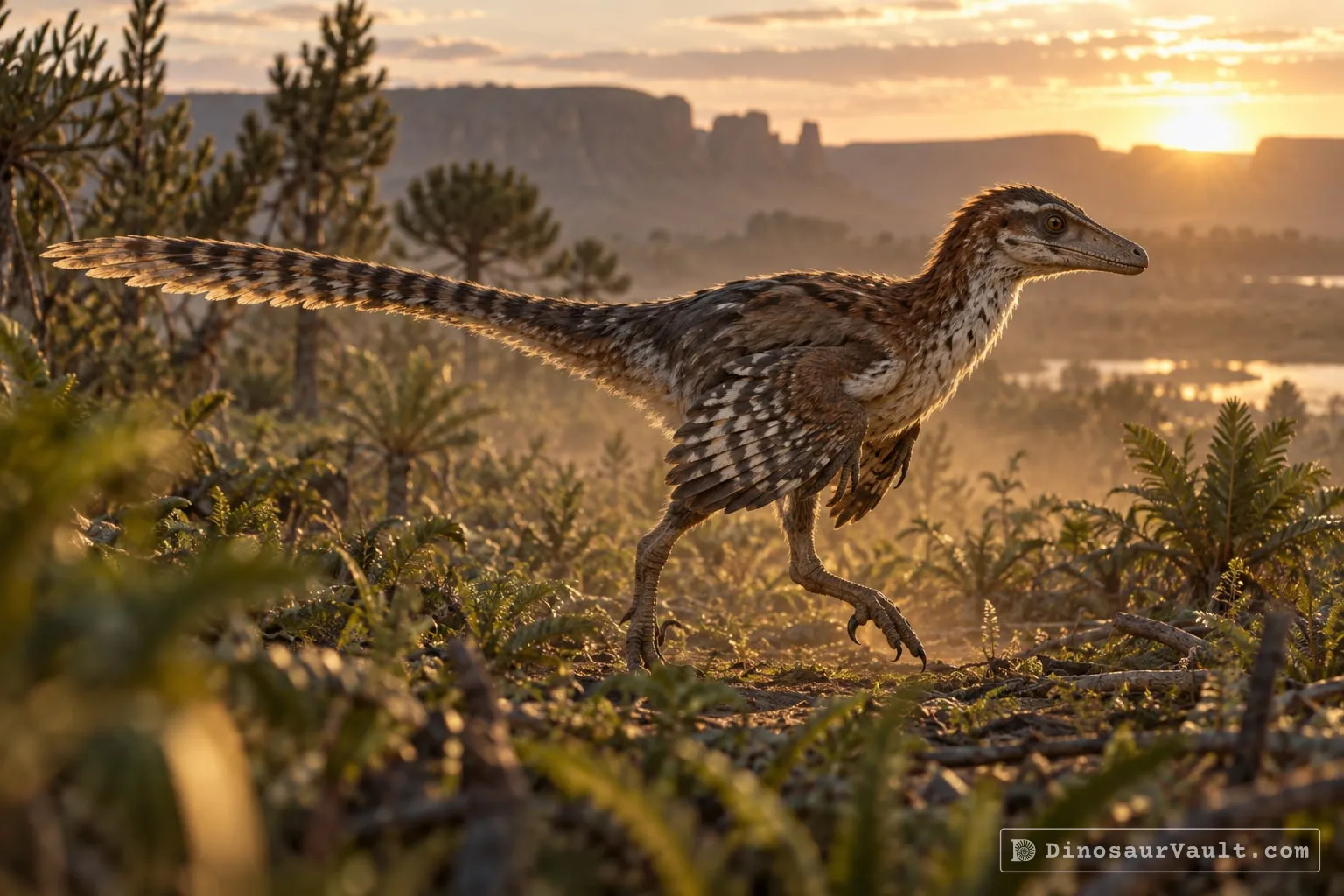
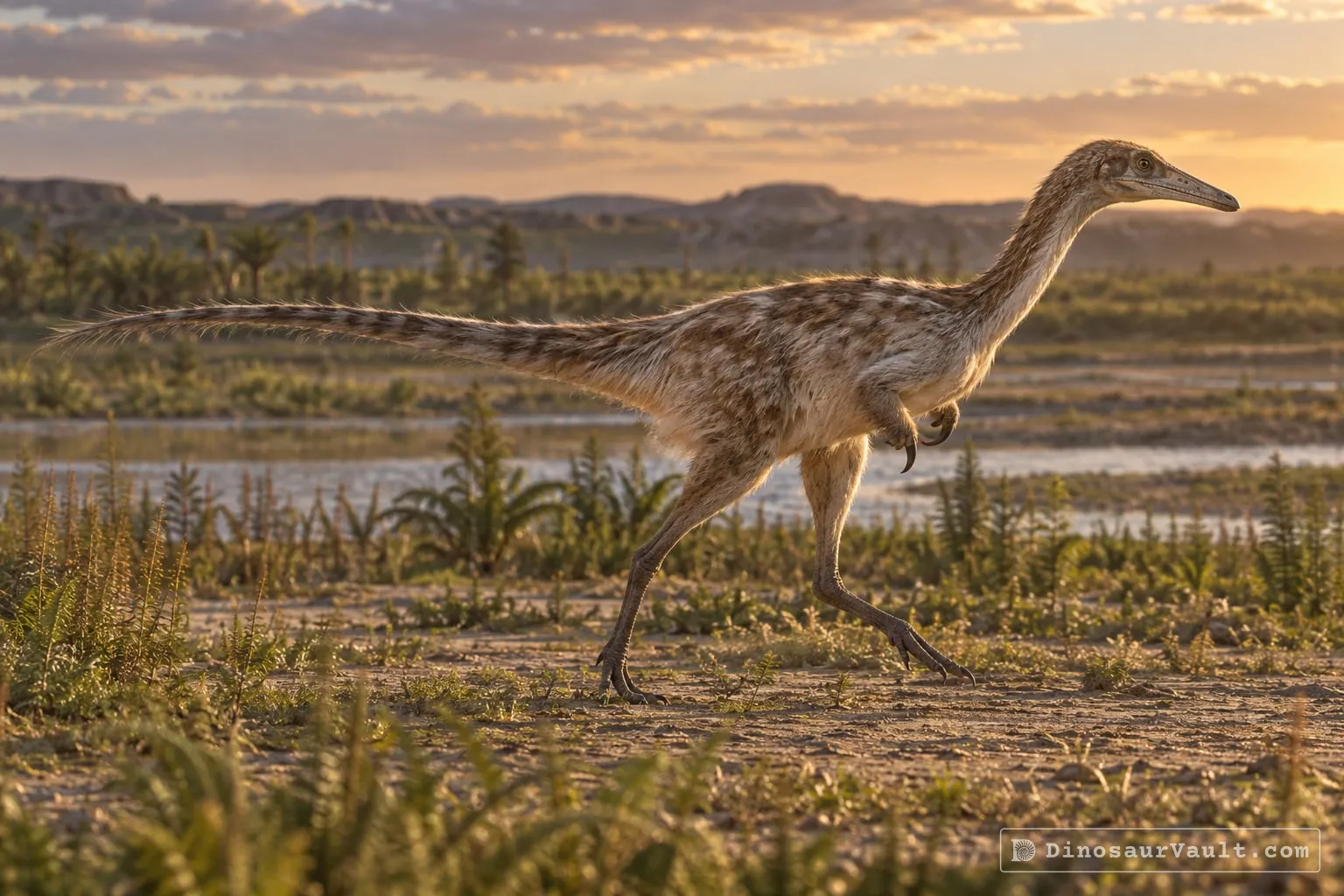
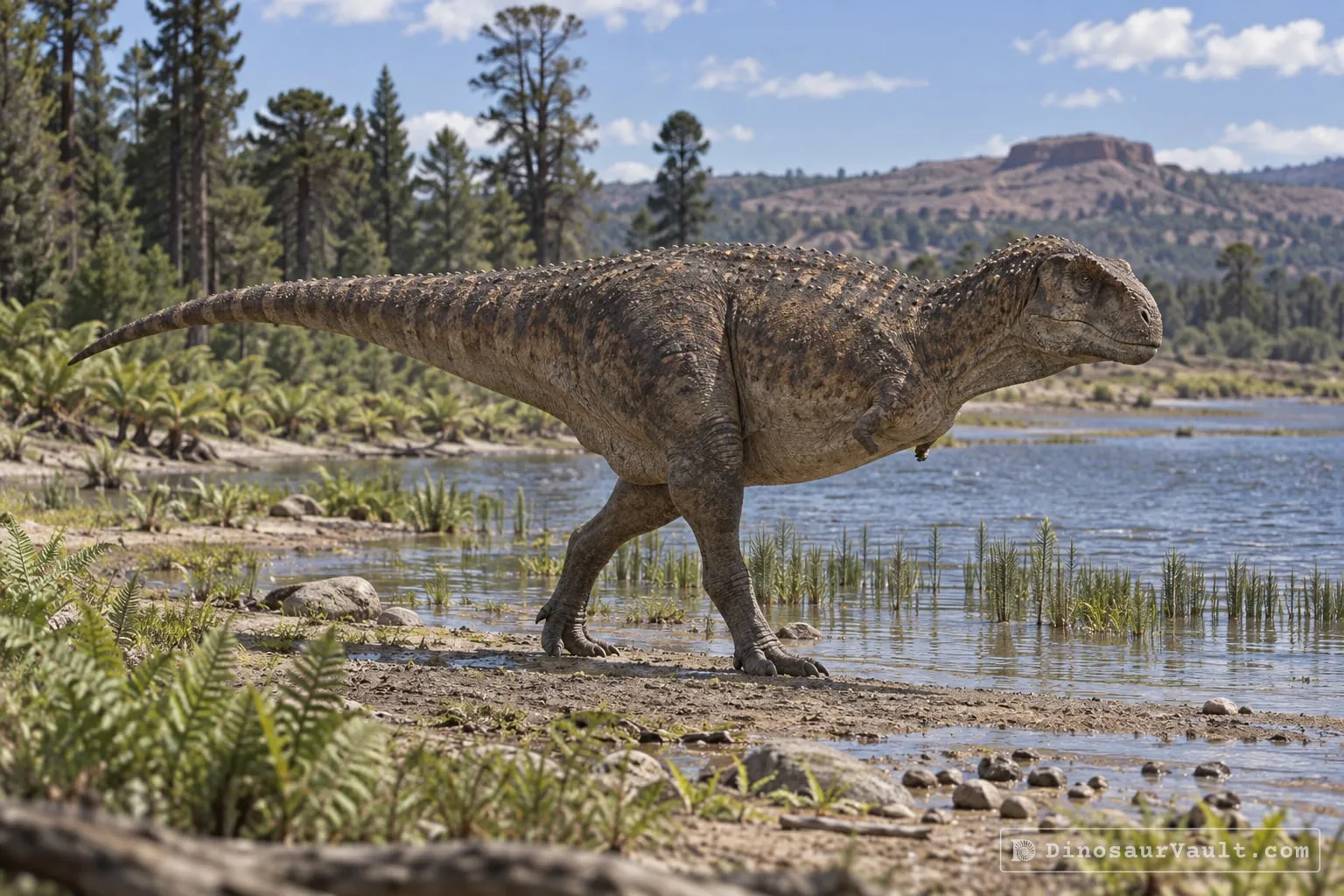


A rock formation can hold fossils laid down millions of years apart, so not every animal here met Futalognkosaurus.
The evidence
The science behind Futalognkosaurus
Which parts of the picture come from its own bones, and which come from its relatives.
From its own fossils
- The skeleton preserves a complete neck, back bones and ribs, the hips and a tail bone.
- The neck bones have tall arches and broad spines, supporting a deep, muscular neck.
Borrowed from relatives
- Mendozasaurus helps explain the shape of its deep neck bones.
- The missing head, limbs and most of the tail are restored using titanosaurs such as Rapetosaurus.
- Opisthocoelicaudia provides a comparison for its weight-bearing hands and clawed feet.
Still unknown
- The exact shape of its skull and the length of its tail.
- Its skin texture and color.
- Whether it lived in herds.
Often drawn wrong
- The tall spines of its neck bones belonged inside a muscular neck, rather than sticking out as bare spikes.
Discovery timeline
- 2001Close relativeCurry Rogers & Forster
- 2007Named itCalvo et al.
- 2011Close relativeZaher et al.
Key papers
The research behind what we know of Futalognkosaurus
Close relative
Described Rapetosaurus from head to tail, providing a comparison for the missing head and limbs of Futalognkosaurus.
The last of the dinosaur titans: a new sauropod from Madagascar. Nature 412: 530-534
Read the paper : The last of the dinosaur titans: a new sauropod from Madagascar (opens in a new tab)Named it
Named a giant titanosaur from its neck, back and hips, and described the river ecosystem preserved around it.
A new Cretaceous terrestrial ecosystem from Gondwana with the description of a new sauropod dinosaur. Anais da Academia Brasileira de Ciências 79: 529-541
Read the paper : A new Cretaceous terrestrial ecosystem from Gondwana with the description of a new sauropod dinosaur (opens in a new tab)Close relative
Described the long skull of Tapuiasaurus, adding another comparison for the missing head of Futalognkosaurus.
A Complete Skull of an Early Cretaceous Sauropod and the Evolution of Advanced Titanosaurians. PLoS ONE 6: e16663
Read the paper : A Complete Skull of an Early Cretaceous Sauropod and the Evolution of Advanced Titanosaurians (opens in a new tab)
Close relatives
Other members of Lognkosauria


Sources: Wikidata