Patagonykus
Type species Patagonykus puertai
- Lived
- 94 to 86 million years ago, Late Cretaceous
- Diet
- Carnivore
- Group
- Theropods
- Found in
- Argentina
- Named by
- Novas 1994
Where its fossils were found
The evidence
Today

90 million years ago
Habitat
Winding rivers crossed its home in Argentina, where the Portezuelo Formation preserves leaves of flowering plants and other seed plants. Megaraptor, Futalognkosaurus and Unenlagia also lived in this region.
Field notes
About Patagonykus
What it was like
Patagonykus was a large alvarezsaur, a theropod with short, stout arms and one big claw on each hand. It is known from part of a skeleton.
Its world
It lived about 94 to 86 million years ago, in the Late Cretaceous, in what is now Argentina. It comes from the Portezuelo Formation, where it shared the land with Megaraptor, the giant titanosaur Futalognkosaurus and the feathered hunters Unenlagia and Neuquenraptor.
How it was found
Novas named Patagonykus in 1994. The type species is Patagonykus puertai. It helped show that alvarezsaurs were theropods, not birds as some had thought.
Field gallery
More views of Patagonykus
Scenes reconstructed from the available fossil evidence.
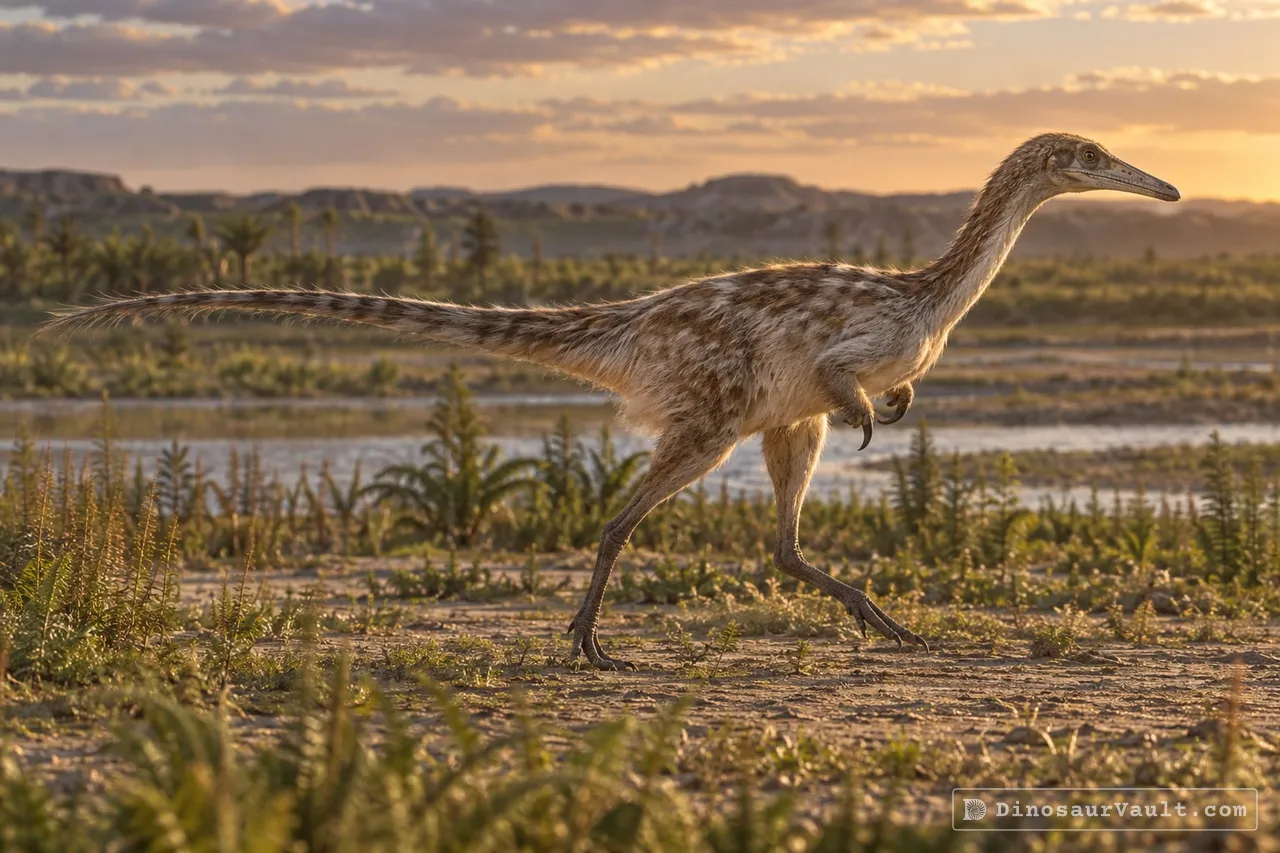
1 of 3
Lived alongside
Found in the same rock formations
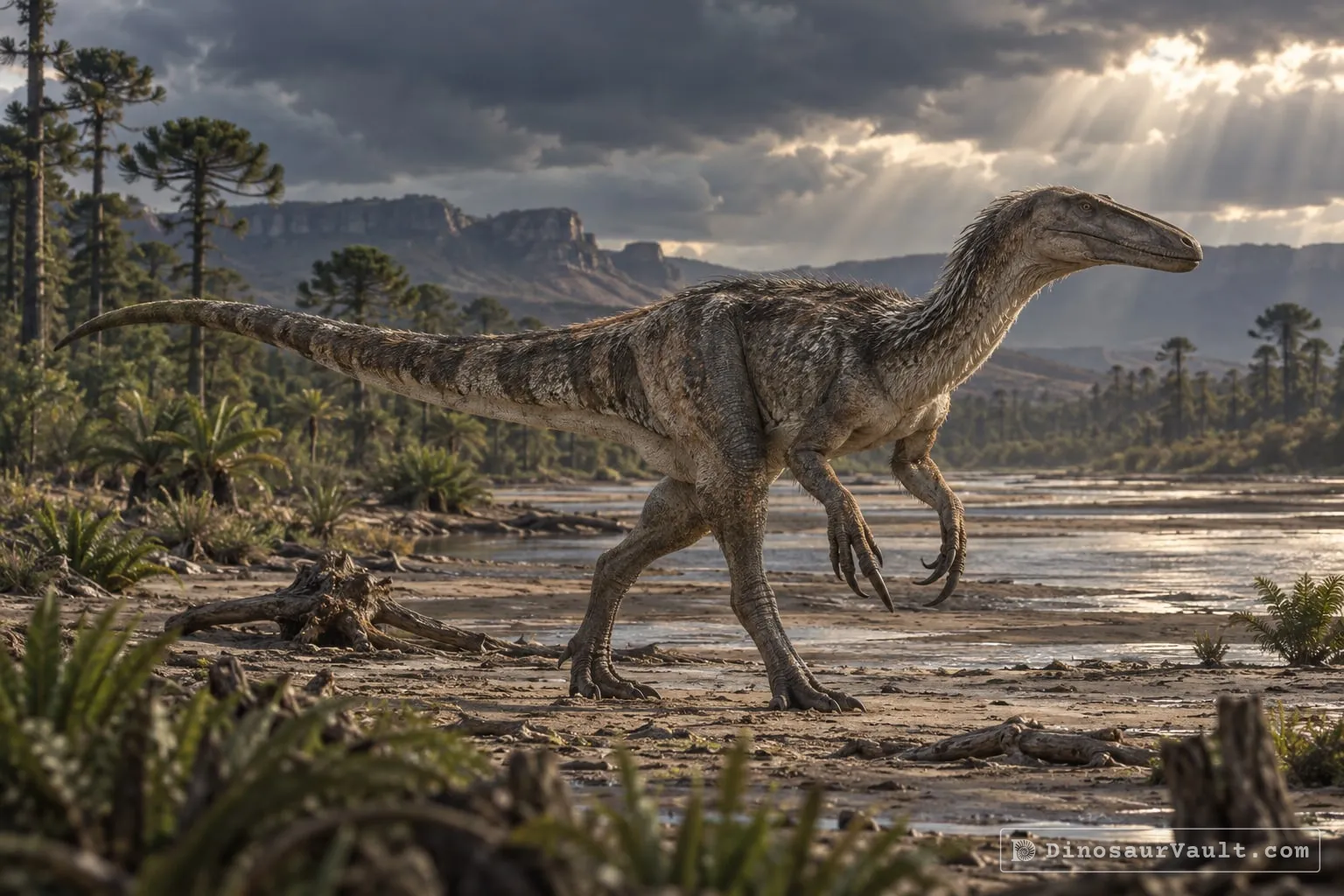
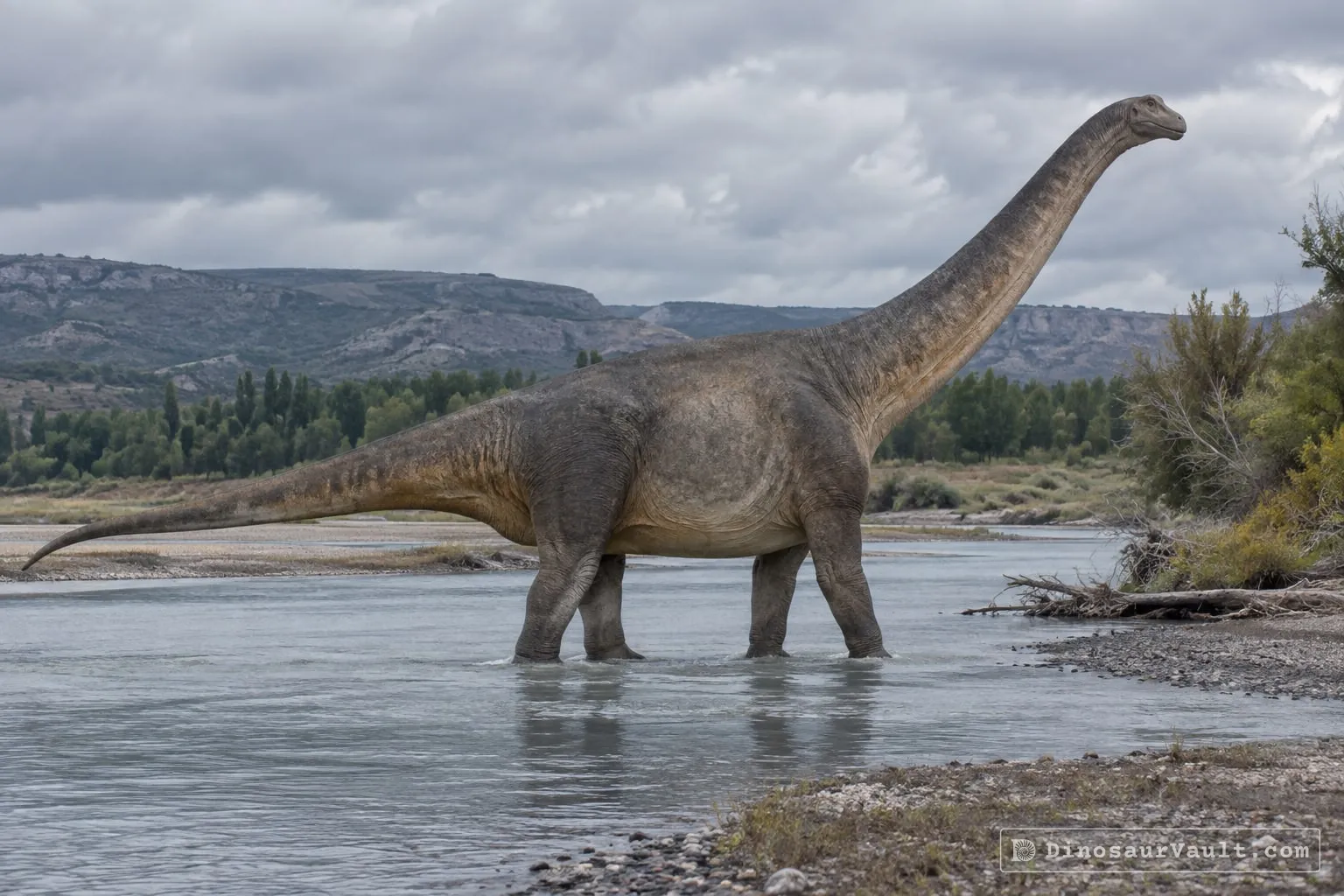
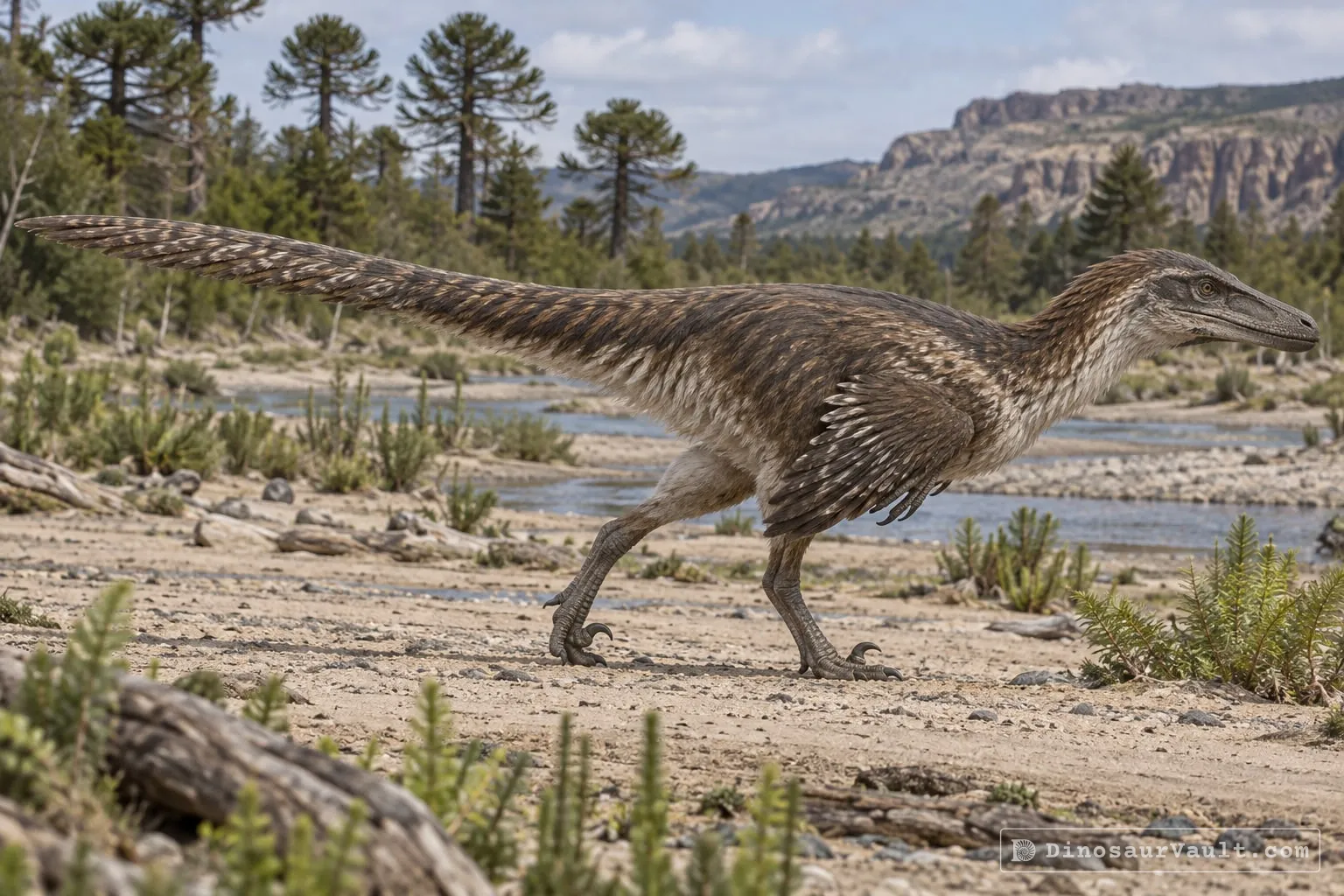
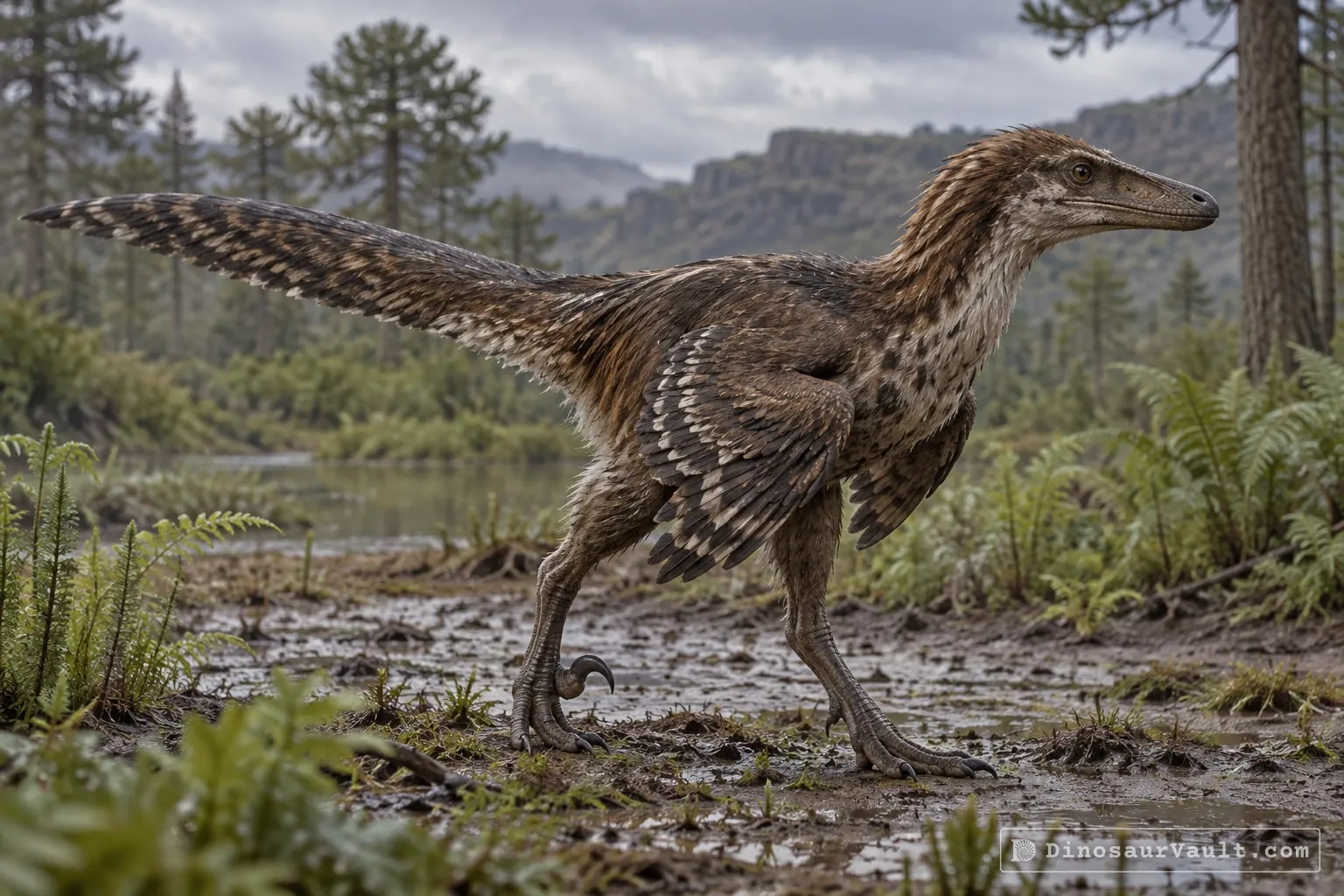
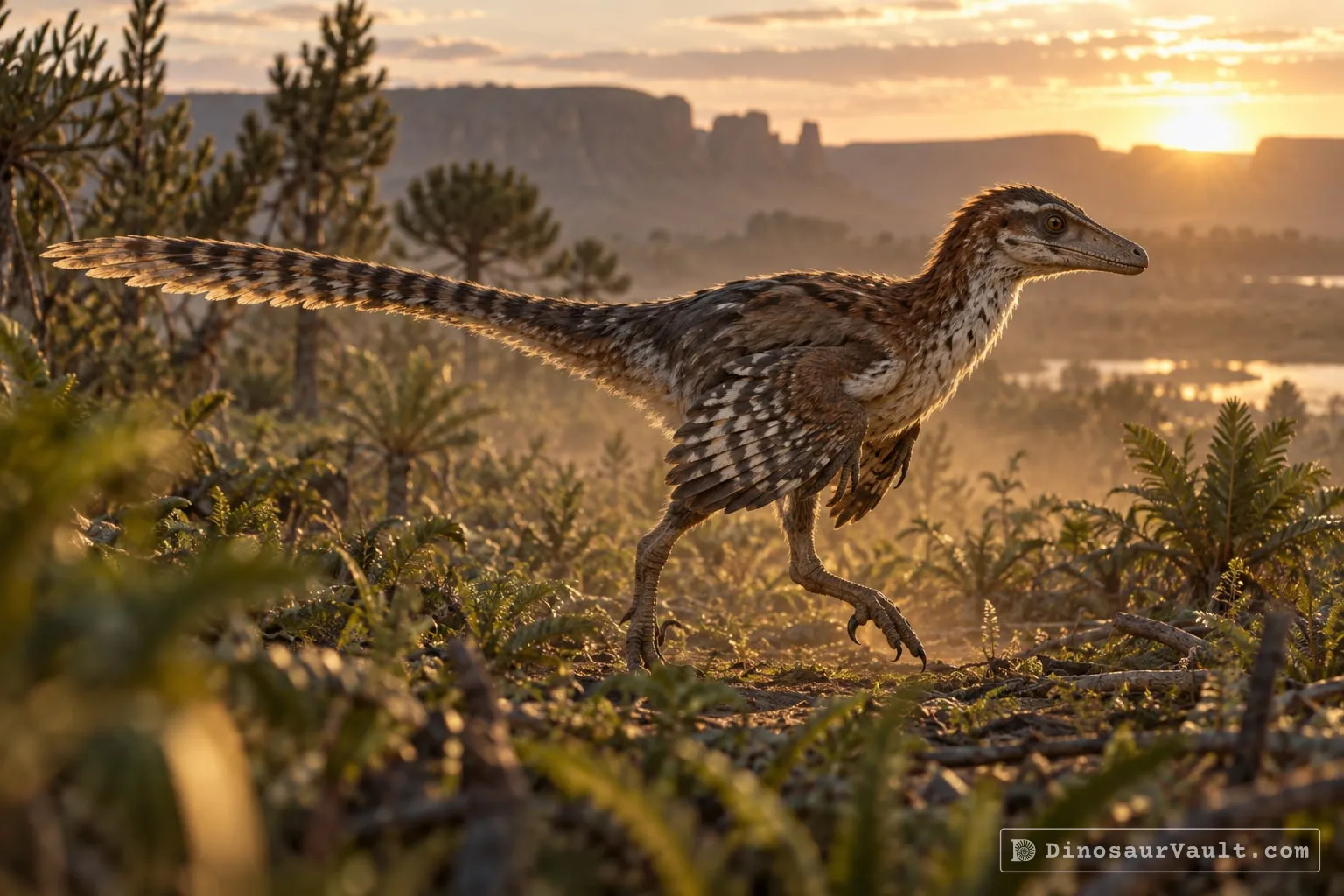
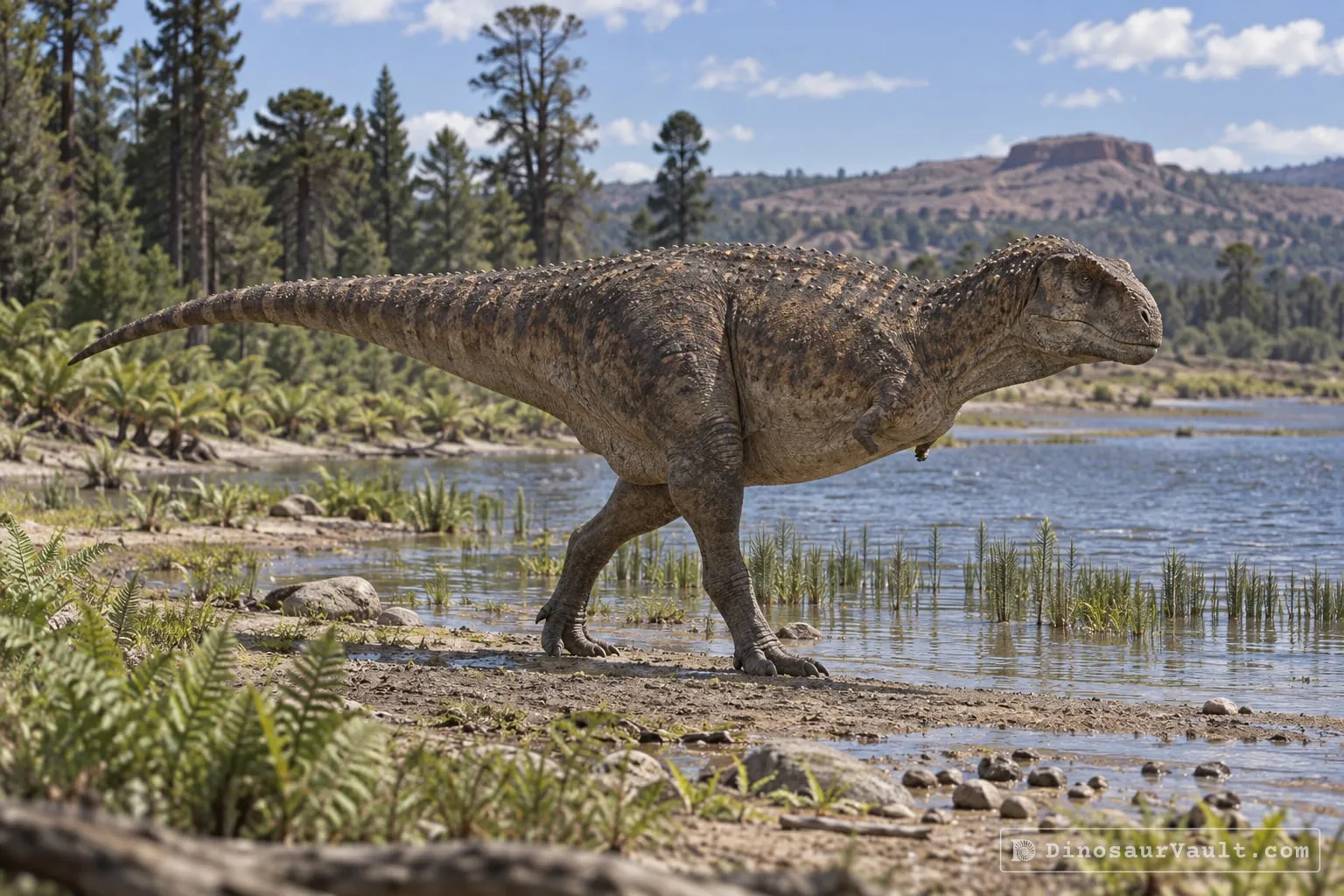
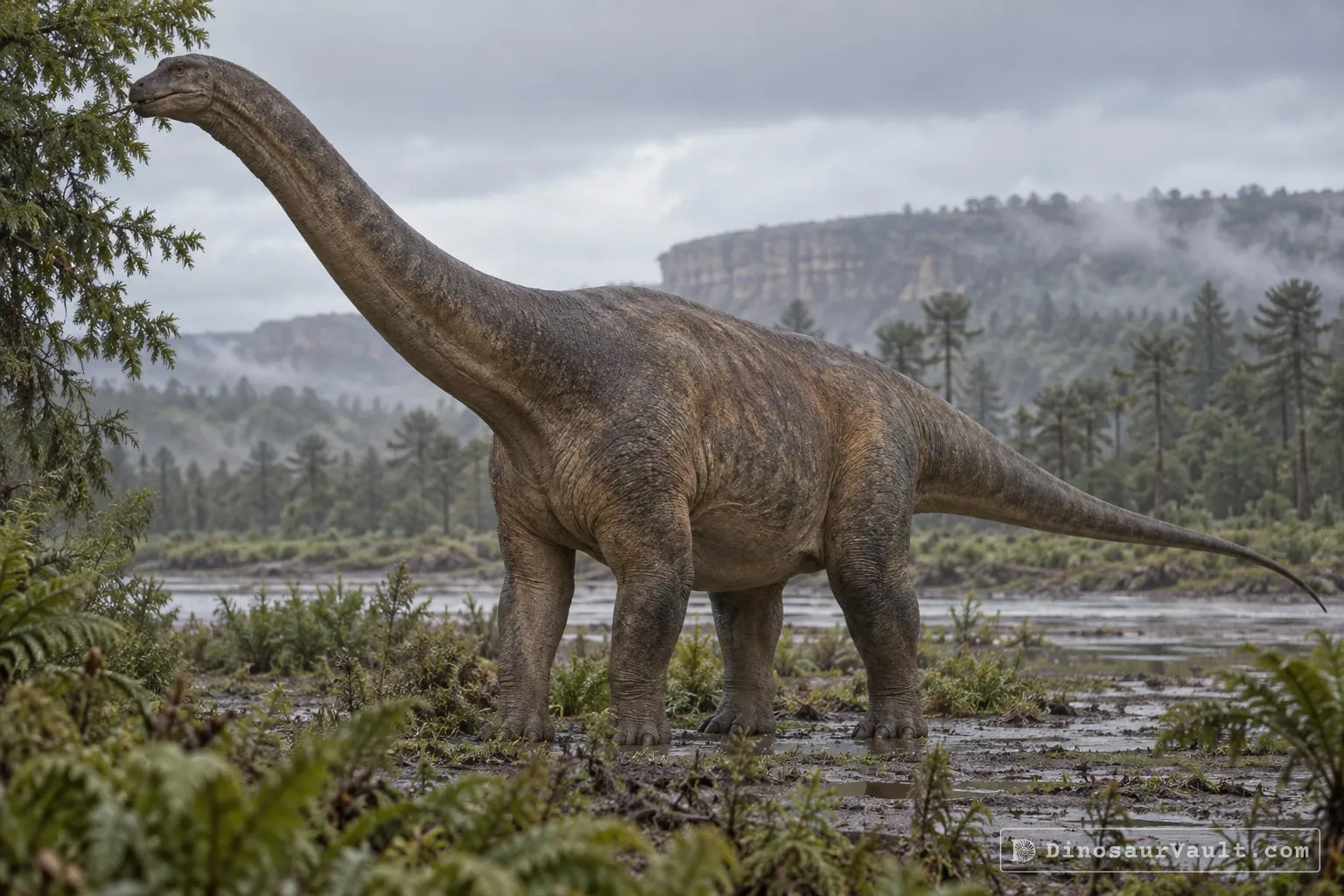


A rock formation can hold fossils laid down millions of years apart, so not every animal here met Patagonykus.
The evidence
The science behind Patagonykus
Which parts of the picture come from its own bones, and which come from its relatives.
From its own fossils
- Its partial skeleton preserves backbone, hip and limb bones.
- The arm bones are stout, with a large projection at the elbow for muscle attachment.
- The hand has a thick, enlarged claw on its main finger.
Borrowed from relatives
- The missing head is restored by comparison with other alvarezsaurs such as Mononykus.
- Bonapartenykus shares features of the backbone and hips that help restore missing parts of the body.
Still unknown
- The exact shape of its skull and teeth.
- Its body covering and color.
- What it ate and how it used its hand claw.
Discovery timeline
- 1994Named itNovas
- 1997Full descriptionNovas
- 2012Close relativeAgnolin et al.
Key papers
The research behind what we know of Patagonykus
Named it
Introduced Patagonykus and examined its relationship to other alvarezsaurs.
Patagonykus puertai n. gen. et sp., and the phylogenetic relationships of the Alvarezsauridae (Theropoda, Maniraptora). VI Congreso Argentino de Paleontología y Bioestratigrafía, R. Cúneo (ed), Museo Paleontológico Egidio Feruglio, Trelew Abstracts.
No link available
Full description
Detailed the fragmentary skeleton, including its powerful arm bones, enlarged hand claw and similarities to Alvarezsaurus and Mononykus.
Anatomy ofPatagonykus puertai(Theropoda, Avialae, Alvarezsauridae), from the Late Cretaceous of Patagonia. Journal of Vertebrate Paleontology 17: 137-166
Read the paper : Anatomy ofPatagonykus puertai(Theropoda, Avialae, Alvarezsauridae), from the Late Cretaceous of Patagonia (opens in a new tab)Close relative
Described Bonapartenykus with associated eggs and grouped it with Patagonykus in a distinct branch of alvarezsaurs.
New alvarezsaurid (Dinosauria, Theropoda) from uppermost Cretaceous of north-western Patagonia with associated eggs. Cretaceous Research 35: 33-56
Read the paper : New alvarezsaurid (Dinosauria, Theropoda) from uppermost Cretaceous of north-western Patagonia with associated eggs (opens in a new tab)
Close relatives
Other members of Alvarezsauroidea


Sources: Wikidata