Baalsaurus
"Baal lizard"
Type species Baalsaurus mansillai
- Lived
- 94 to 86 million years ago, Late Cretaceous
- Diet
- Herbivore
- Group
- Sauropods
- Found in
- Argentina
- Named by
- Calvo and Gonzalez Riga 2019
Where its fossils were found
The evidence
Today

90 million years ago
Habitat
The Portezuelo Formation records a river landscape in Argentina with flowering plants and conifers. Futalognkosaurus, Megaraptor and Unenlagia lived in the same region.
Field notes
About Baalsaurus
What it was like
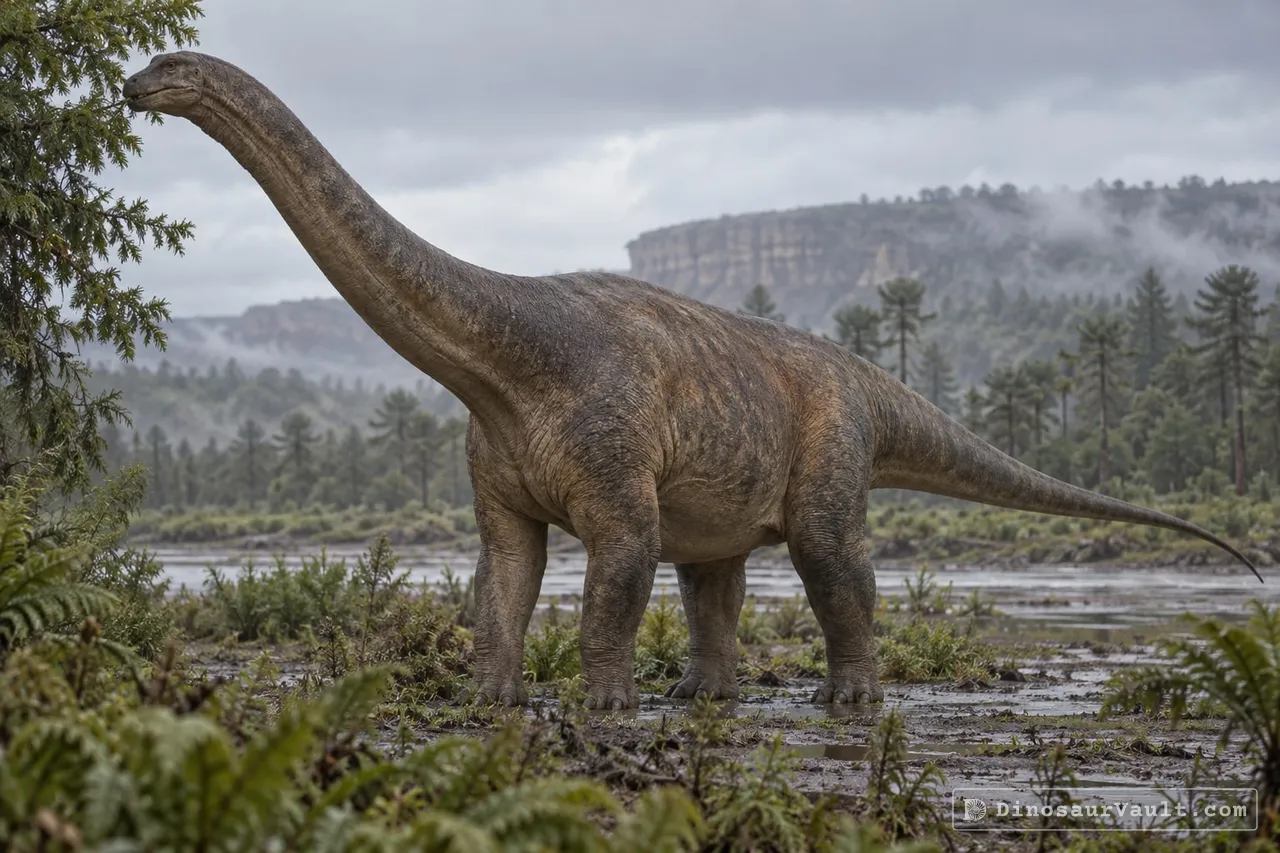
Baalsaurus was a titanosaur, a long-necked, four-legged plant eater, known from a nearly complete right lower jaw. Its jaw was squared off at the front, like those of some other titanosaurs.
Its world
It lived in the Late Cretaceous in what is now Argentina. Its bones come from the Portezuelo Formation, where it shared the land with the giant titanosaur Futalognkosaurus, the megaraptor Megaraptor and the feathered hunter Unenlagia.
How it was found
Calvo and Gonzalez Riga named Baalsaurus in 2019, from a single find.
Field gallery
More views of Baalsaurus
Scenes reconstructed from the available fossil evidence.
Lived alongside
Found in the same rock formations
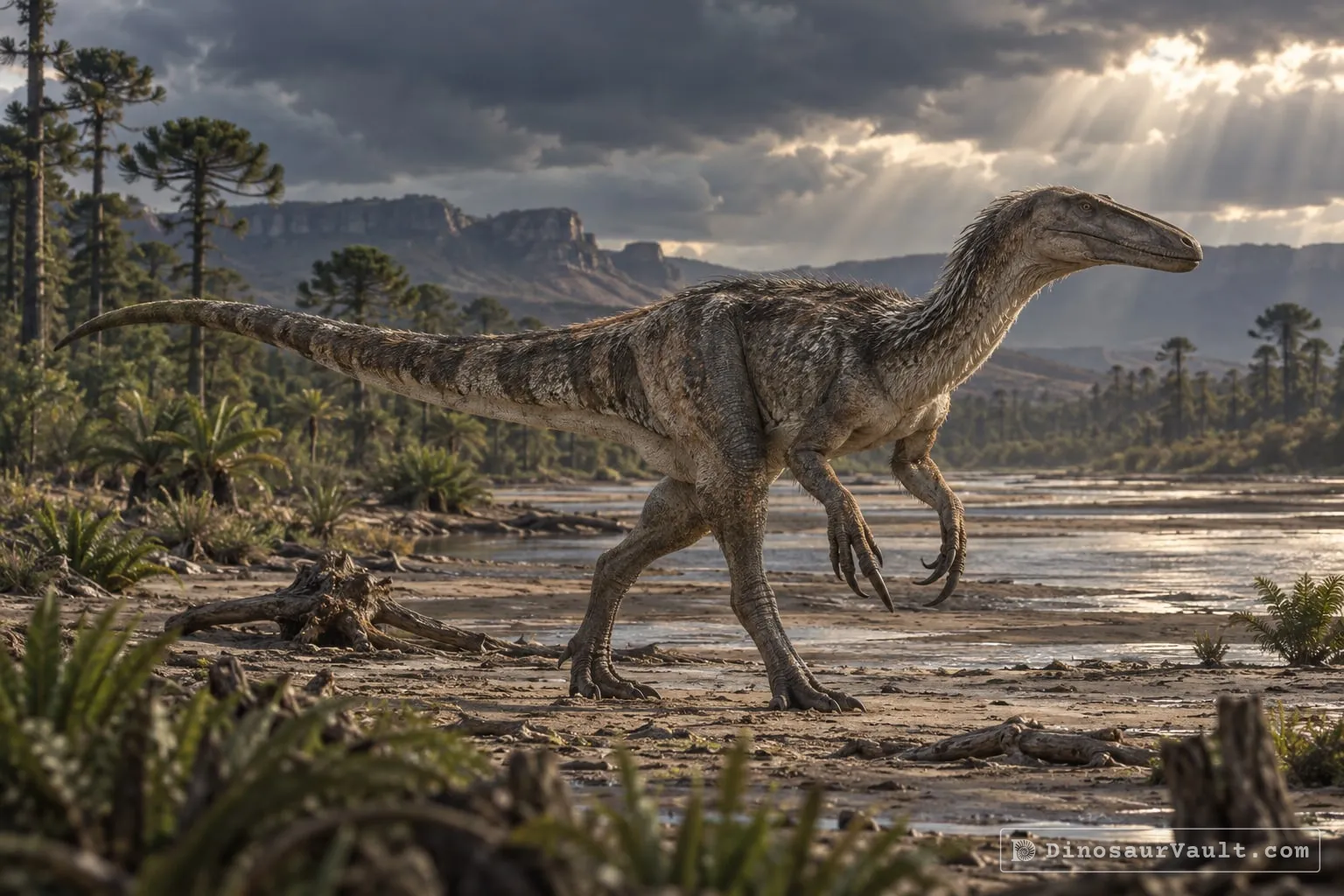
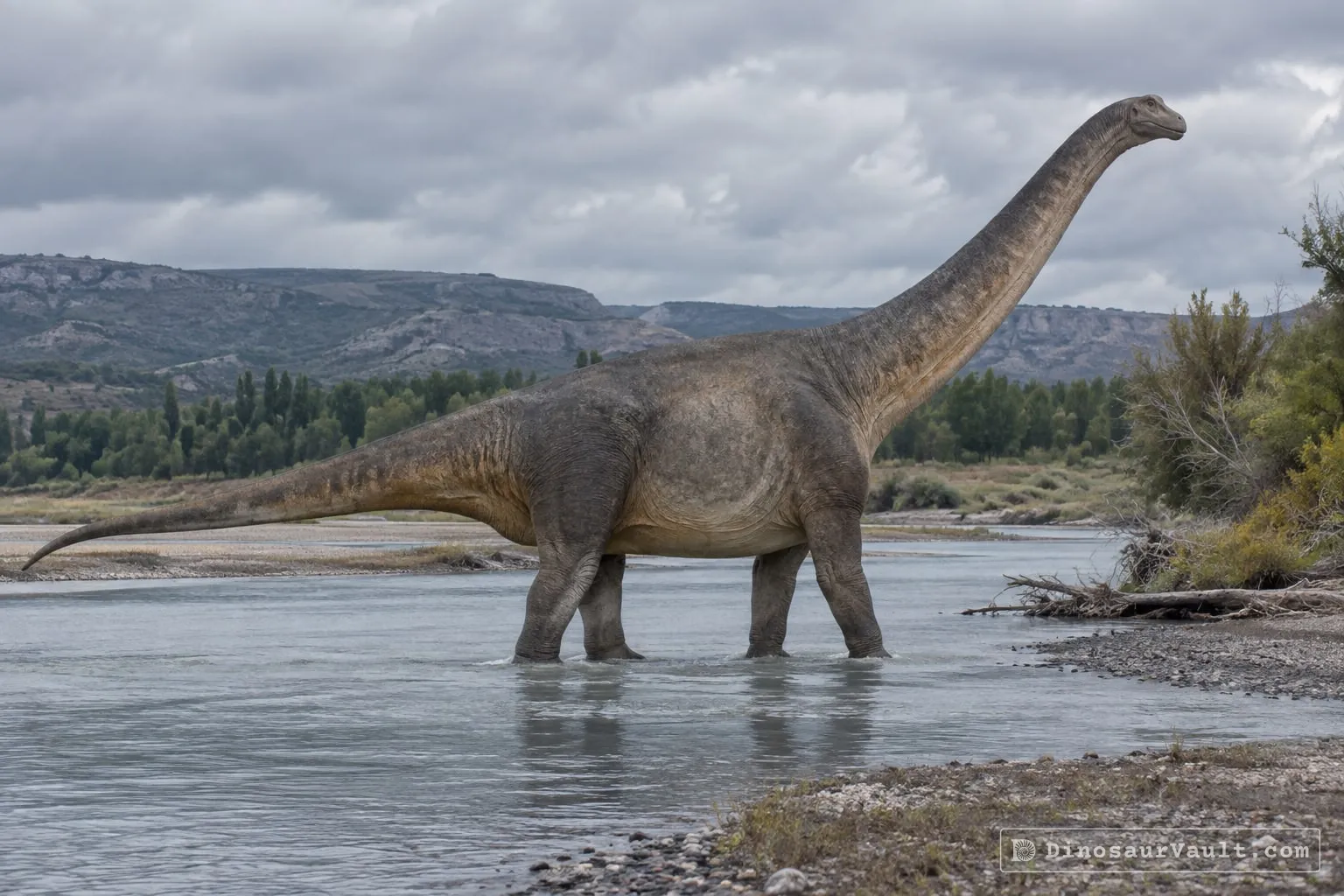
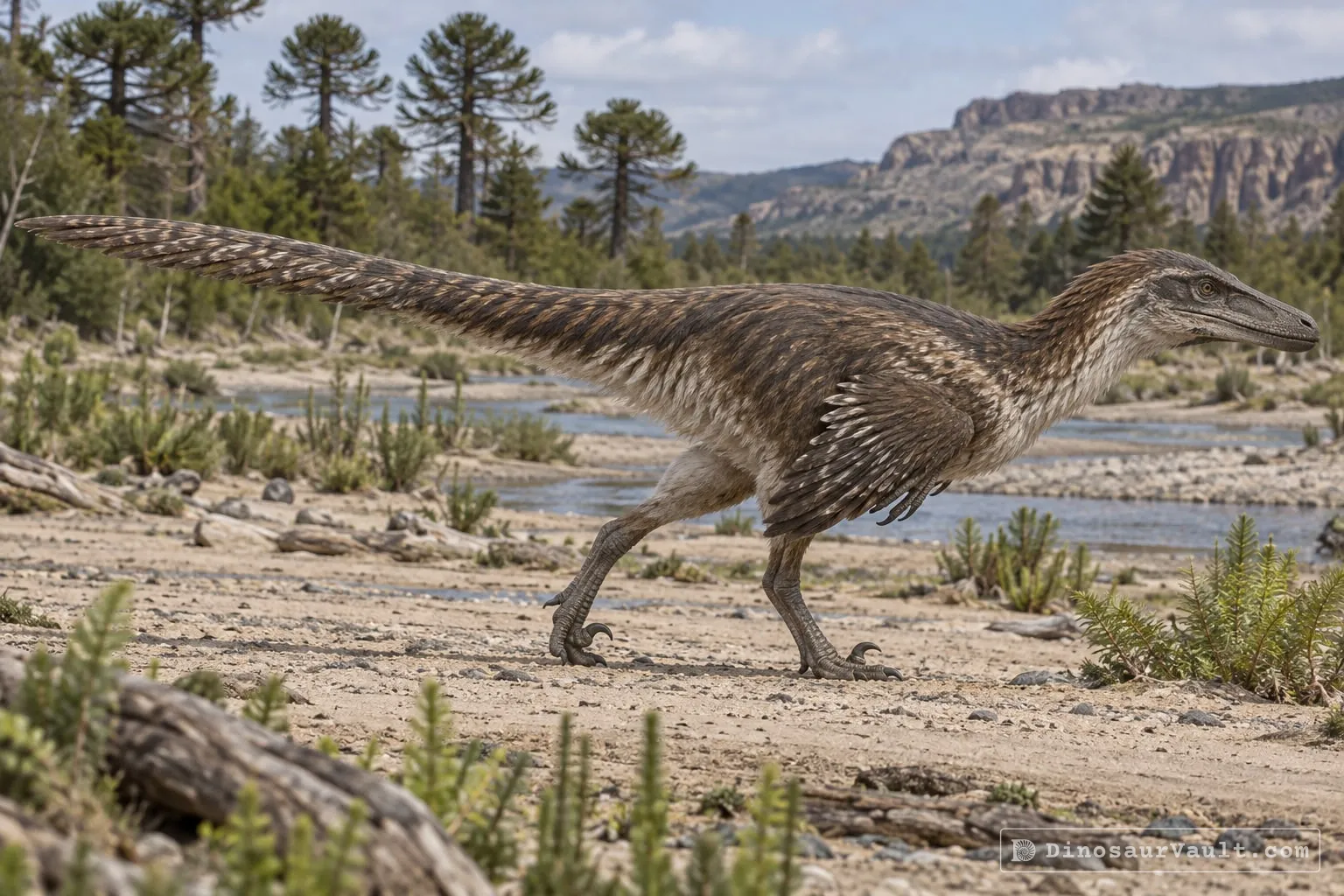
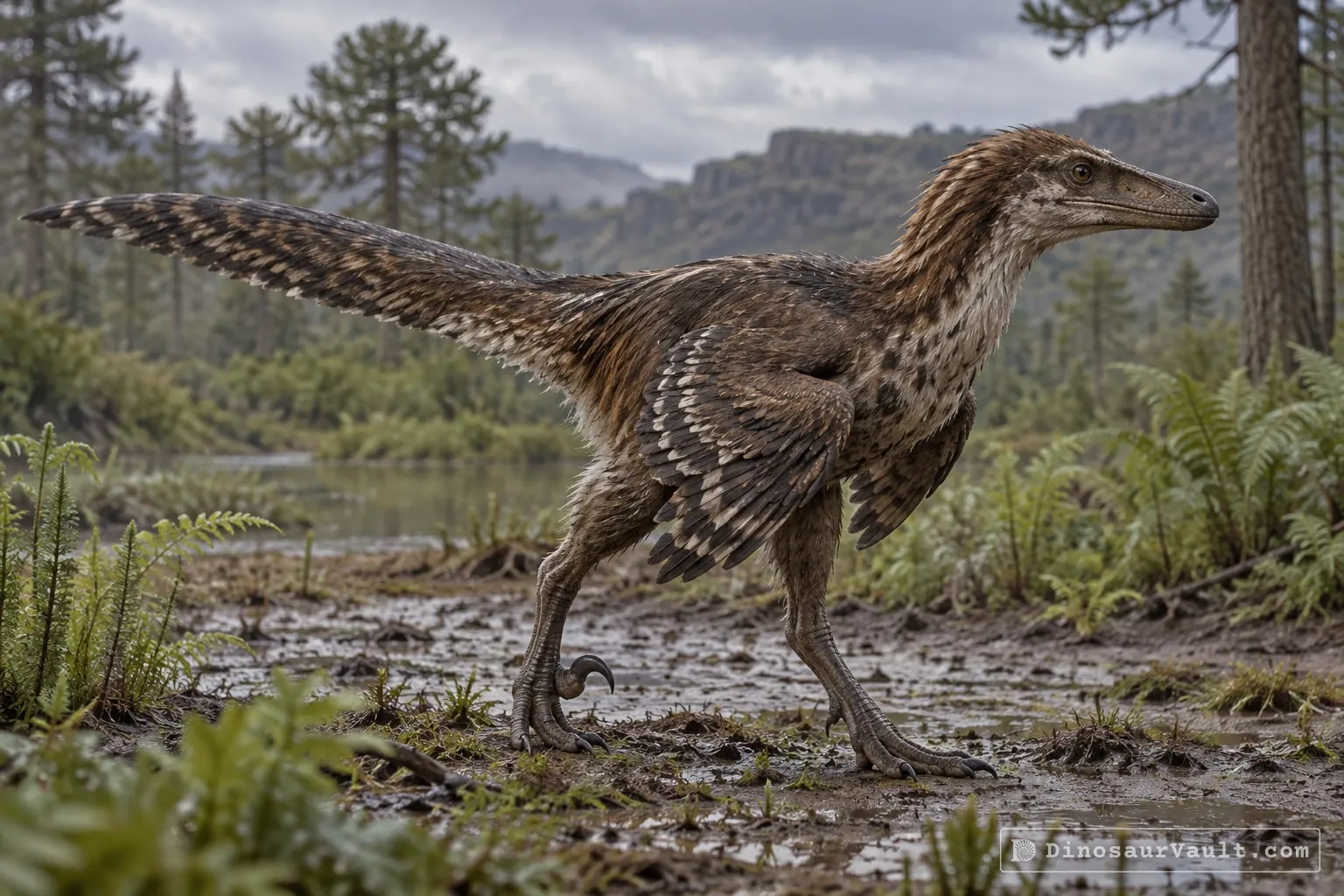
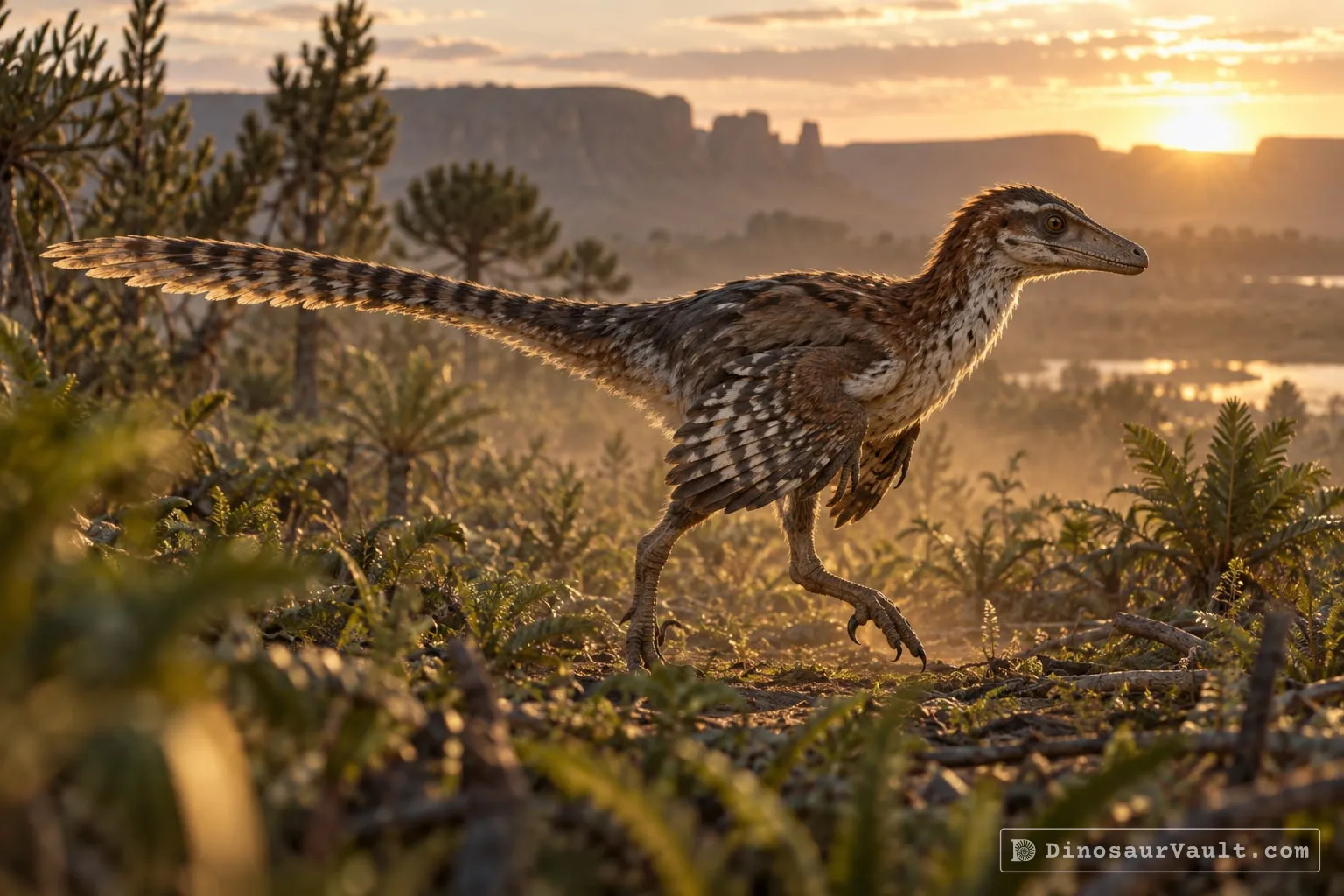
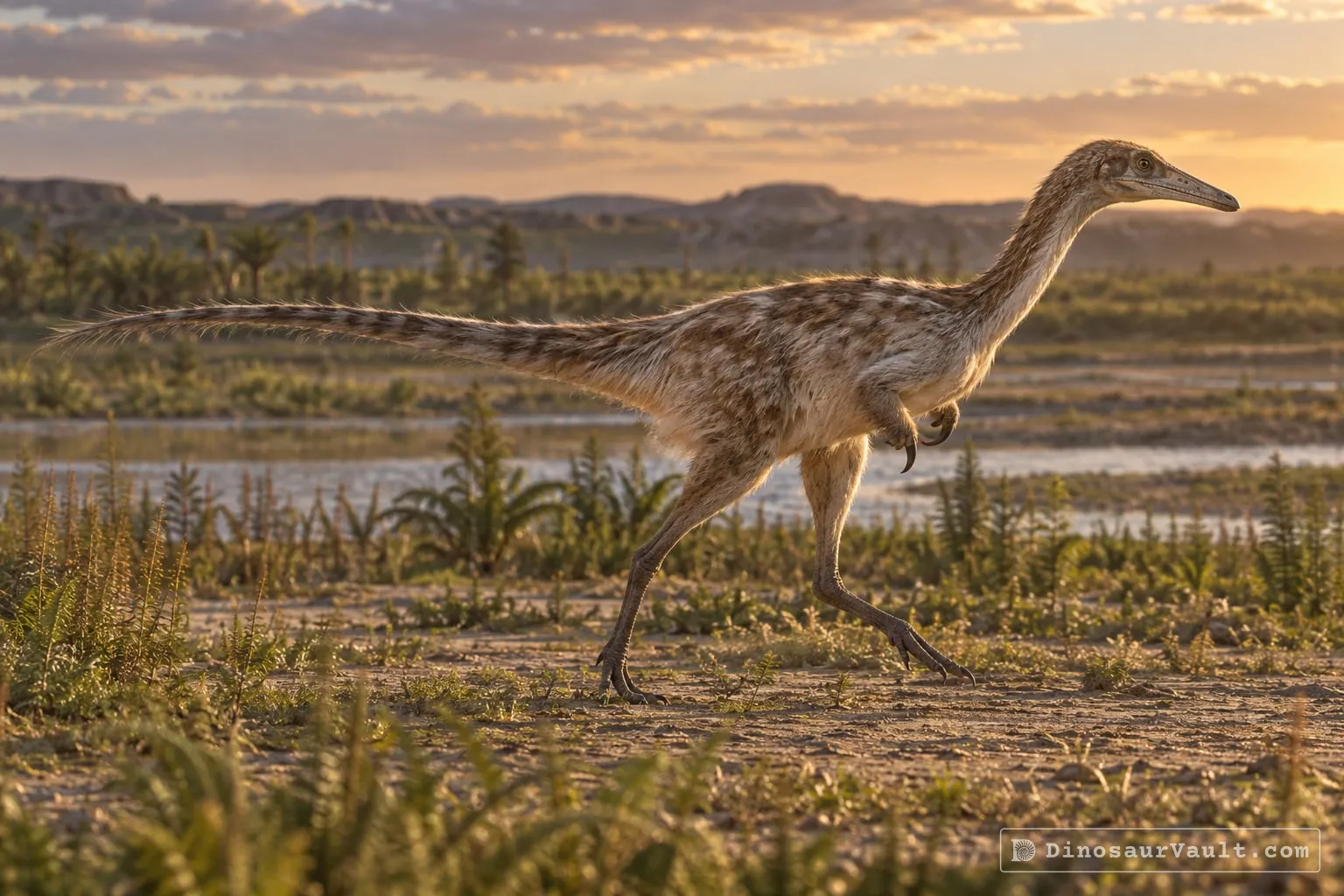
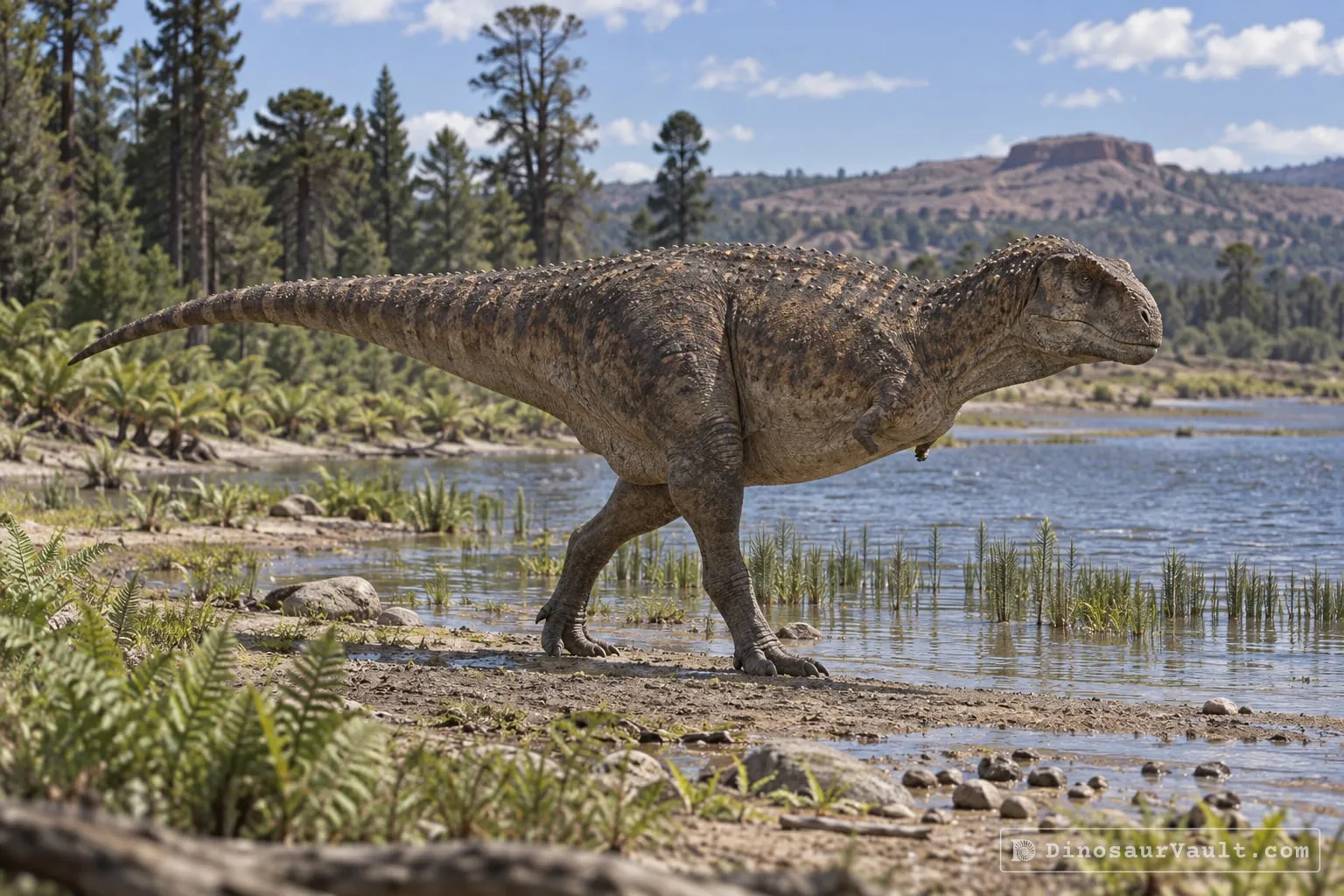


A rock formation can hold fossils laid down millions of years apart, so not every animal here met Baalsaurus.
The evidence
The science behind Baalsaurus
Which parts of the picture come from its own bones, and which come from its relatives.
From its own fossils
- The type specimen is a nearly complete right lower jaw that forms a sharp bend when seen from above.
- Most tooth sockets crowd into the front part of the jaw.
- The front where the jaw halves joined tilts forward and downward.
Borrowed from relatives
- Antarctosaurus, Brasilotitan and Bonitasaura provide comparisons for the squared jaw.
Still unknown
- The shape of the rest of its skull.
- Its full body size and proportions.
- Its color and skin pattern.
Discovery timeline
- 2007Same rocksCalvo et al.
- 2016SkullsFrança et al.
- 2019Named itCALVO & RIGA
Key papers
The research behind what we know of Baalsaurus
Same rocks
Described Futalognkosaurus and a fossil community of plants and animals from the Portezuelo Formation.
A new Cretaceous terrestrial ecosystem from Gondwana with the description of a new sauropod dinosaur. Anais da Academia Brasileira de Ciências 79: 529-541
Read the paper : A new Cretaceous terrestrial ecosystem from Gondwana with the description of a new sauropod dinosaur (opens in a new tab)Skulls
Compared titanosaur jaws and described a more gently curved jaw in Maxakalisaurus, a useful contrast to the squared jaw of Baalsaurus.
New lower jaw and teeth referred toMaxakalisaurus topai(Titanosauria: Aeolosaurini) and their implications for the phylogeny of titanosaurid sauropods. PeerJ 4: e2054
Read the paper : New lower jaw and teeth referred toMaxakalisaurus topai(Titanosauria: Aeolosaurini) and their implications for the phylogeny of titanosaurid sauropods (opens in a new tab)Named it
Named Baalsaurus from a distinctive lower jaw with a sharp bend, crowded front tooth sockets and a forward-tilting joint between the jaw halves.
Baalsaurus mansillai gen. et sp. nov. a new titanosaurian sauropod (Late Cretaceous) from Neuquén, Patagonia, Argentina. Anais da Academia Brasileira de Ciências 91
Read the paper : Baalsaurus mansillai gen. et sp. nov. a new titanosaurian sauropod (Late Cretaceous) from Neuquén, Patagonia, Argentina (opens in a new tab)
Close relatives
Other members of Titanosauria


Sources: Wikidata