Pamparaptor
"Pampas thief"
- Lived
- 94 to 86 million years ago, Late Cretaceous
- Diet
- Carnivore
- Group
- Theropods
- Found in
- Argentina
- Named by
- Porfiri et al. 2011
Where its fossils were found
The evidence
Today

90 million years ago
Habitat
The Portezuelo Formation records river landscapes in what is now Argentina. Other dinosaurs from these rocks include Unenlagia, Neuquenraptor and Megaraptor.
Field notes
About Pamparaptor
What it was like
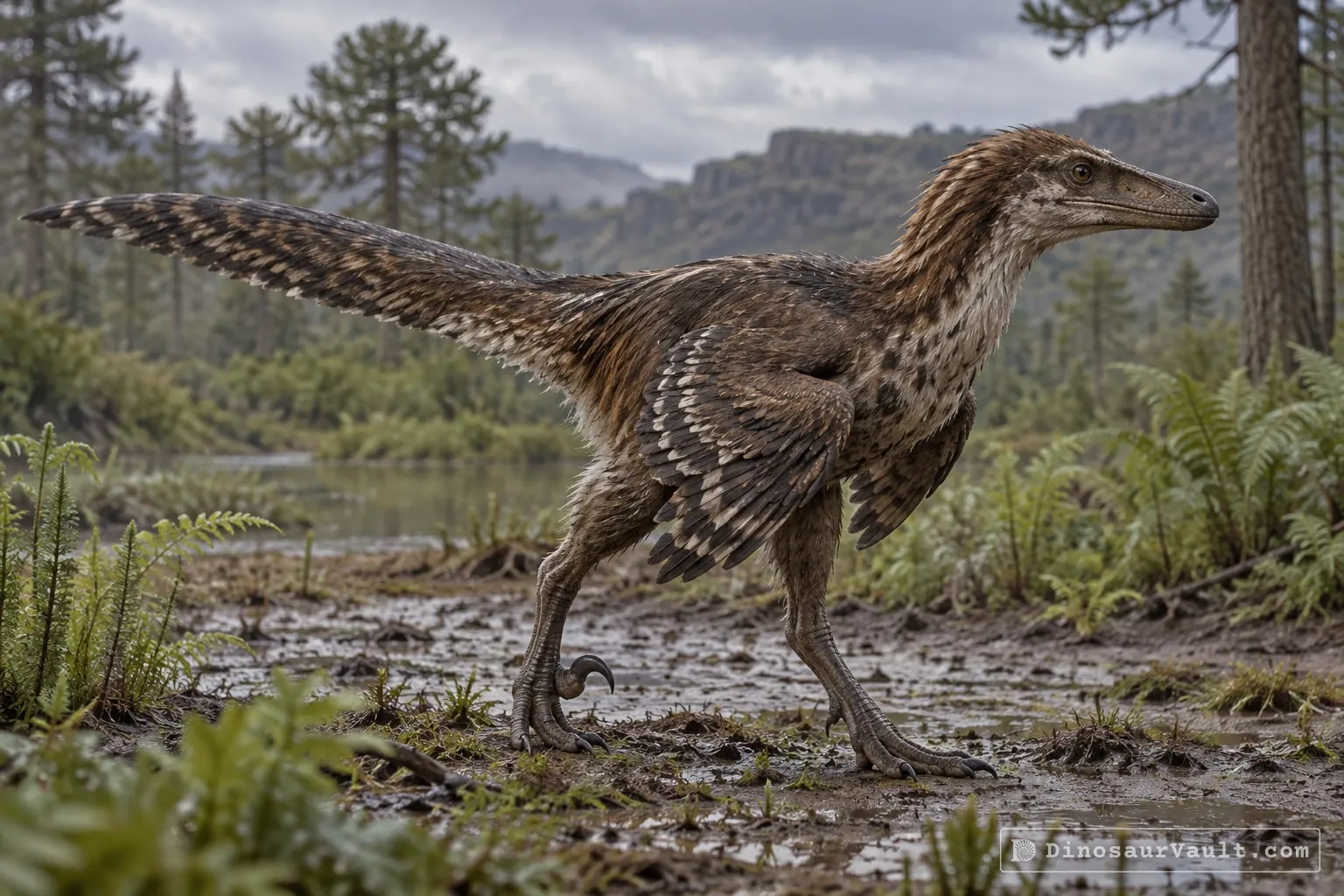
Pamparaptor was a small two-legged predator known from a foot. Its describers think it was related to the raptors, but its exact place is uncertain.
Its world
It lived about 94 to 86 million years ago, in the Late Cretaceous, in what is now Argentina. Its bones come from the Portezuelo Formation, where it shared the land with the raptor relatives Unenlagia and Neuquenraptor and the big predator Megaraptor.
How it was found
Porfiri and colleagues named it in 2011 from one find.
Field gallery
More views of Pamparaptor
Scenes reconstructed from the available fossil evidence.
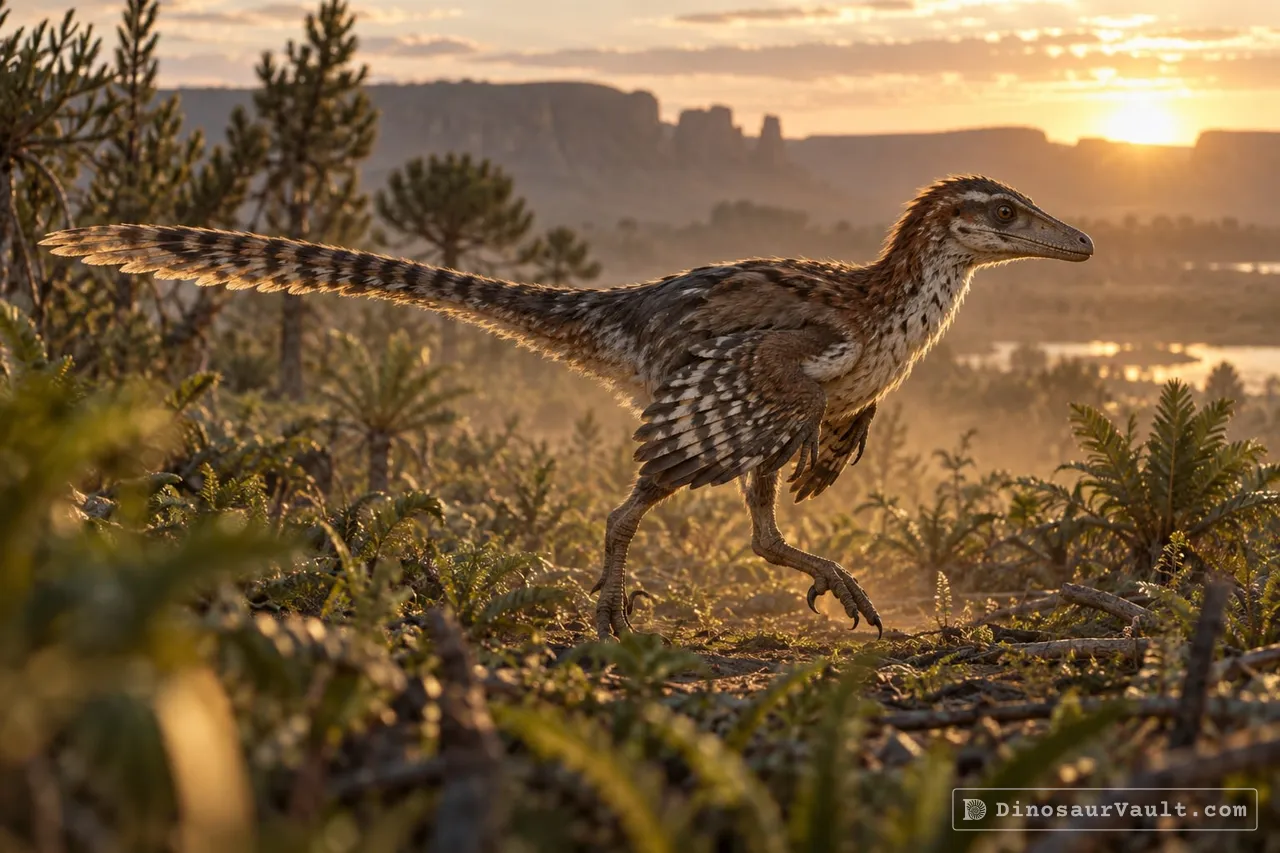
1 of 3
Lived alongside
Found in the same rock formations
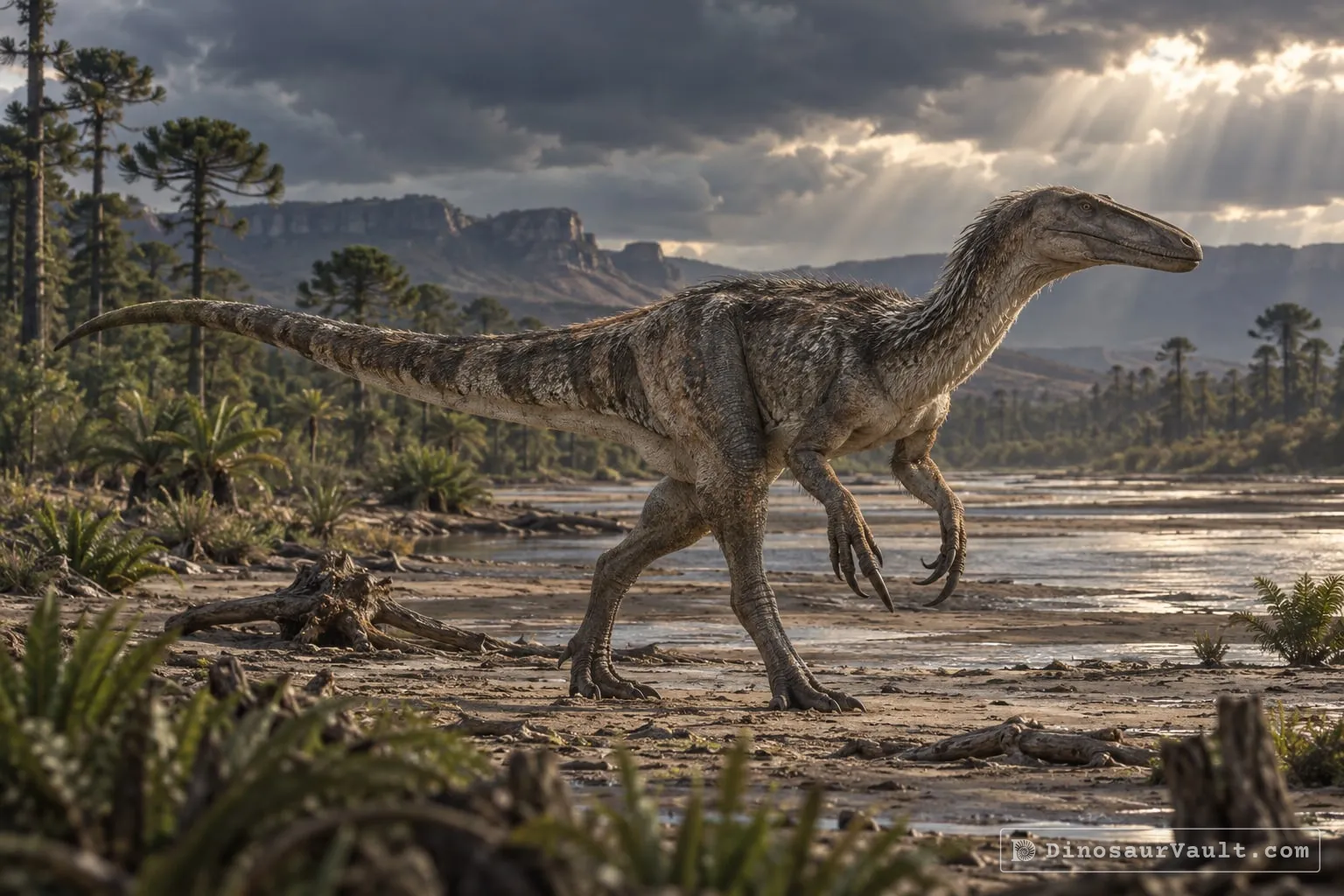
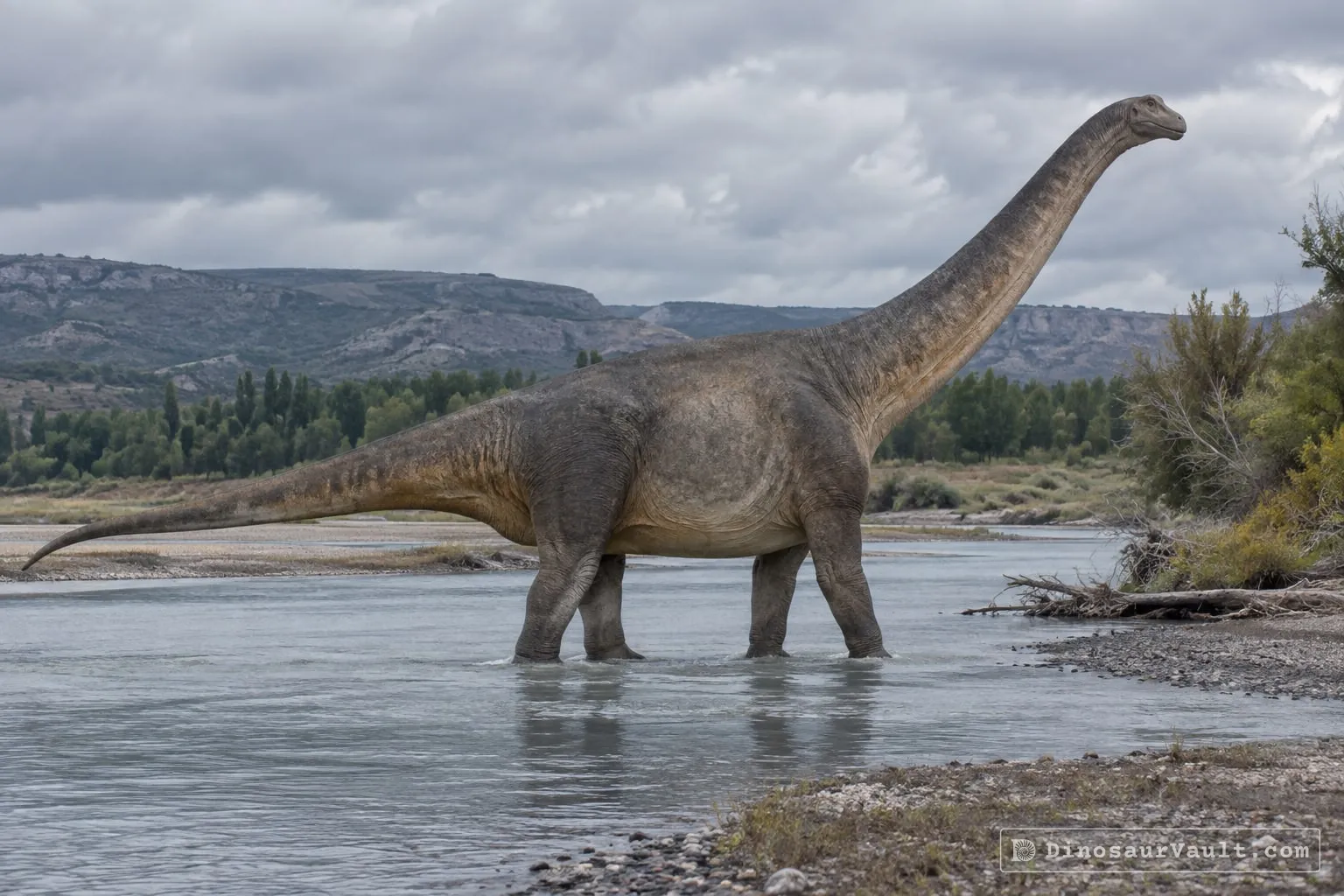
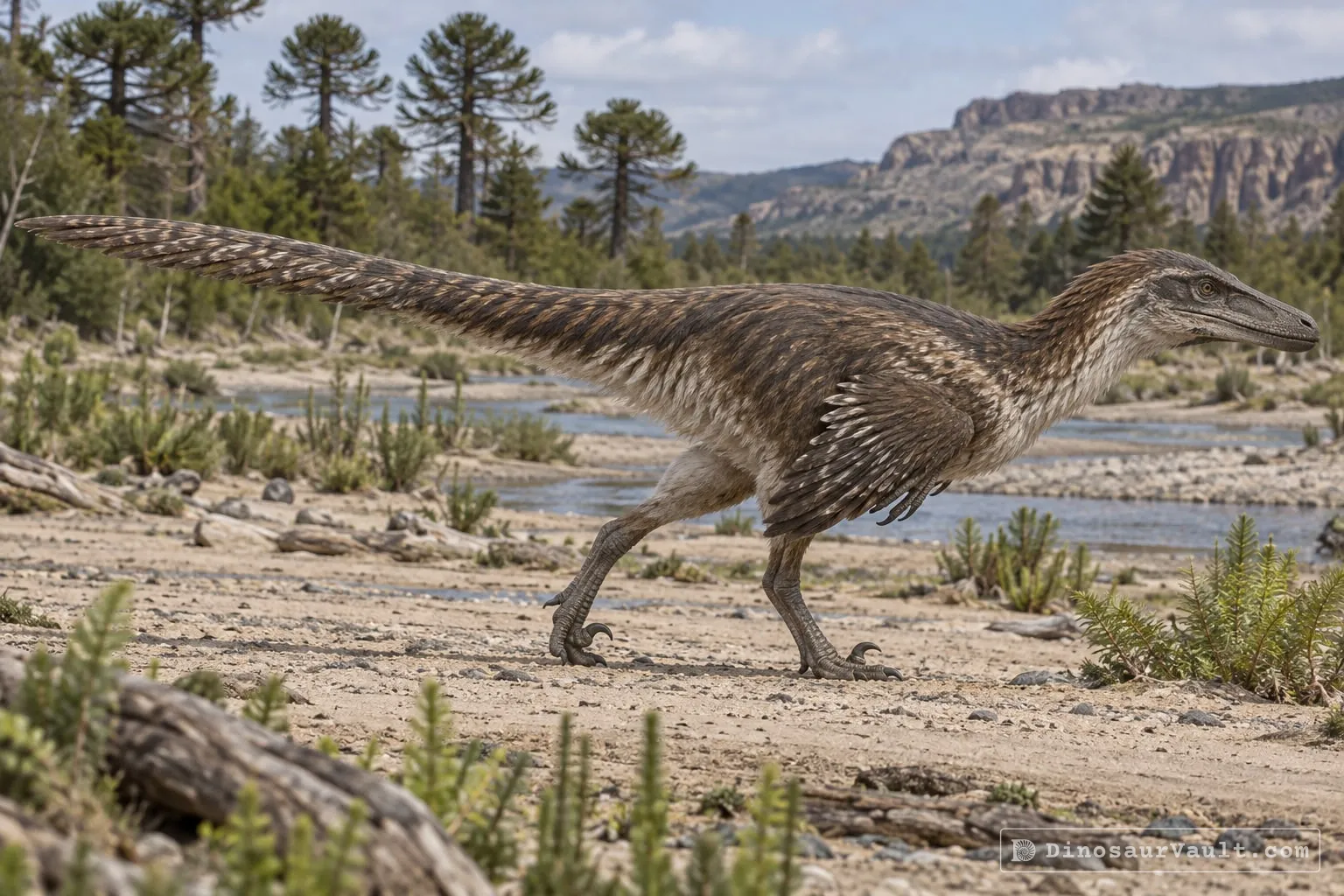
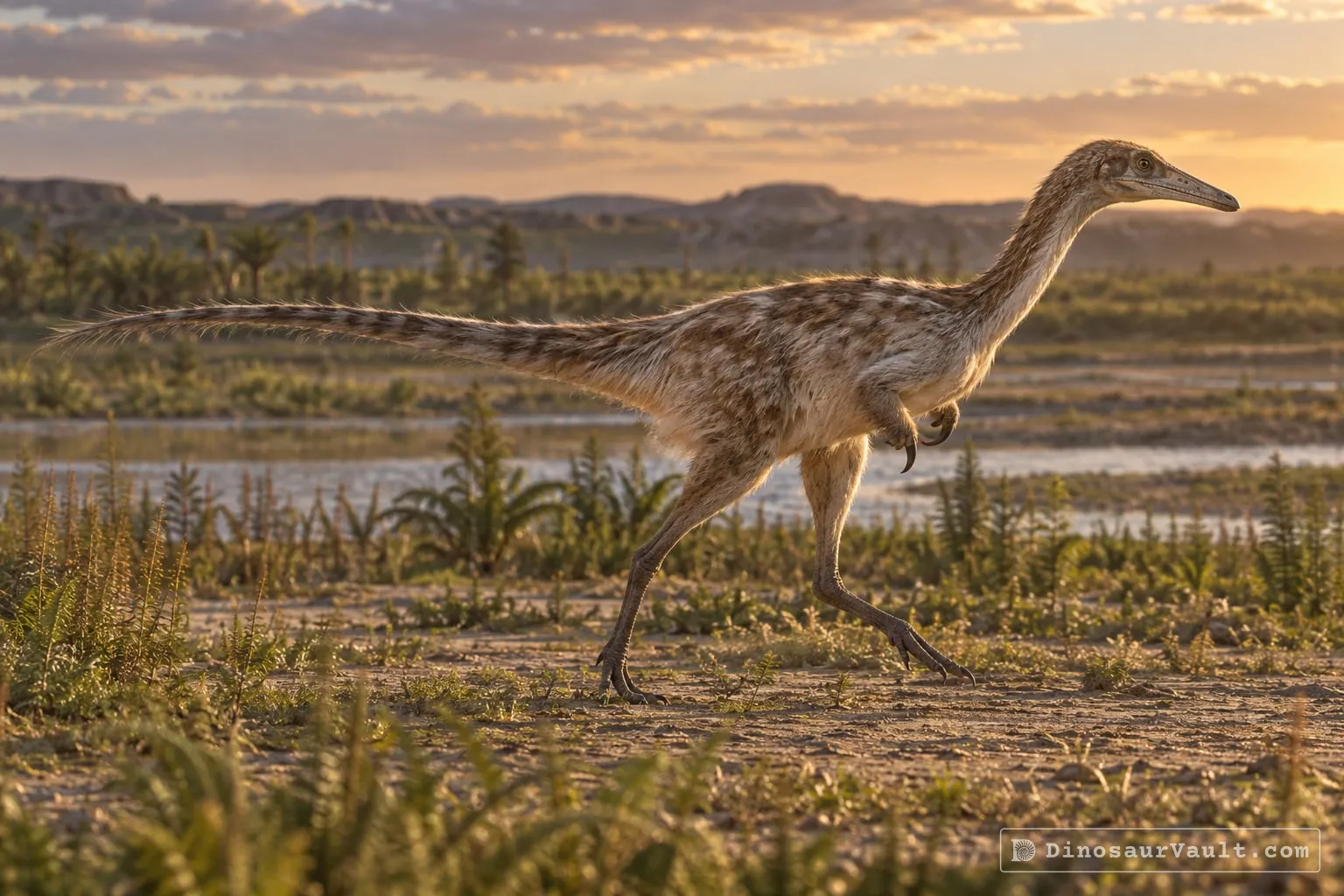
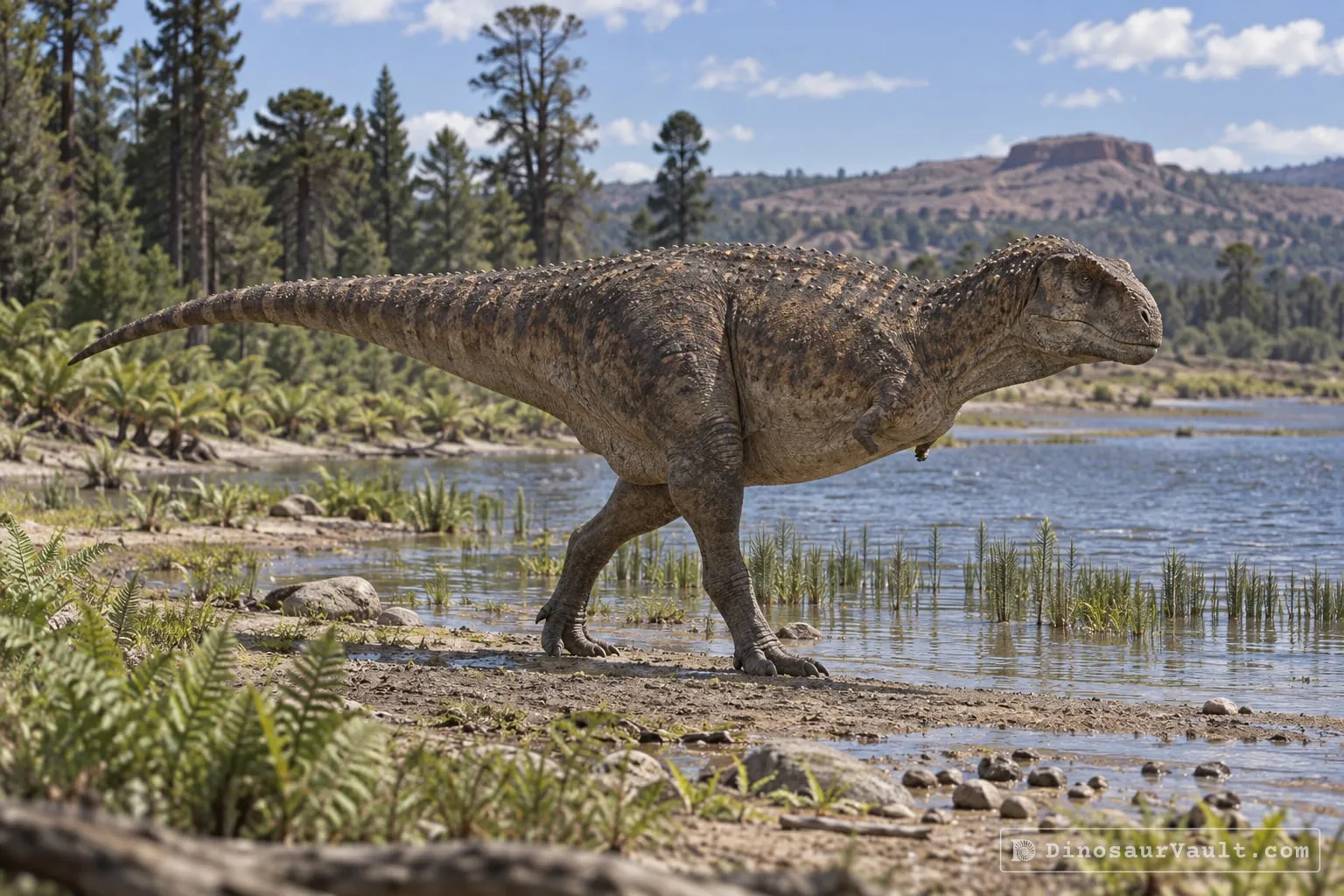
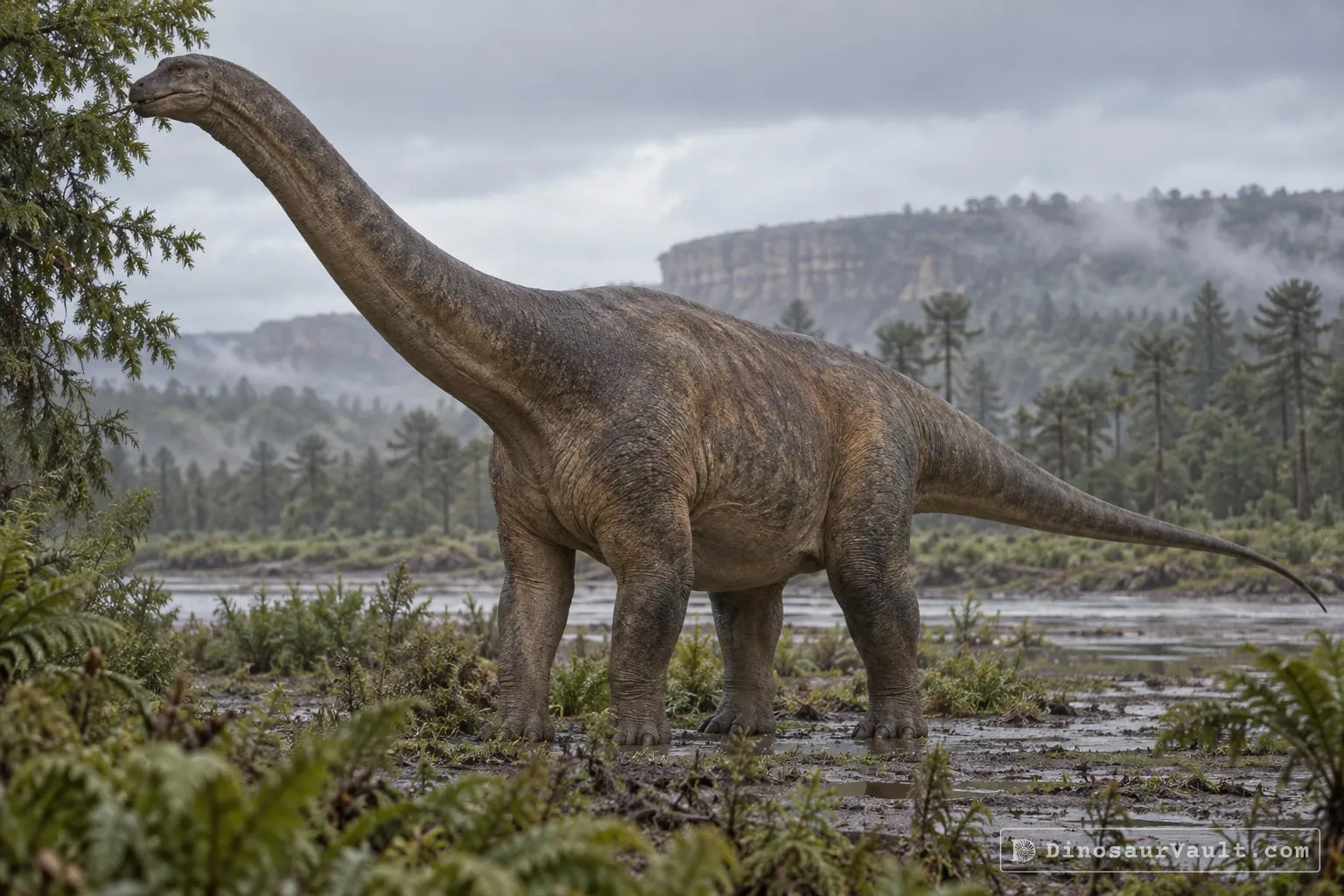


A rock formation can hold fossils laid down millions of years apart, so not every animal here met Pamparaptor.
The evidence
The science behind Pamparaptor
Which parts of the picture come from its own bones, and which come from its relatives.
From its own fossils
- The only known specimen is an articulated left foot with long foot bones and several toe bones.
- Its second toe carried a strongly curved claw.
Borrowed from relatives
- Almost the entire body must be restored from other small raptor relatives, such as Neuquenraptor and Unenlagia.
- A feathered covering is an inference from feathered relatives such as Microraptor.
Still unknown
- Its exact place in the family tree.
- The shape of its skull, arms and tail.
- Its feather arrangement and color.
Discovery timeline
- 2003Close relativeXu et al.
- 2004Its worldLeanza et al.
- 2011Named itPorfiri, Calvo & Santos
- 2017Close relativeBrissón Egli et al.
Key papers
The research behind what we know of Pamparaptor
Close relative
Described Microraptor with long feathers on its arms and legs, showing that small raptor relatives had feathered bodies.
Four-winged dinosaurs from China. Nature 421: 335-340
Read the paper : Four-winged dinosaurs from China (opens in a new tab)Its world
Compared the ages, landscapes and animal communities of fossil-bearing rocks in Argentina, including the Portezuelo Formation.
Cretaceous terrestrial beds from the Neuquén Basin (Argentina) and their tetrapod assemblages. Cretaceous Research 25: 61-87
Read the paper : Cretaceous terrestrial beds from the Neuquén Basin (Argentina) and their tetrapod assemblages (opens in a new tab)Named it
Described a tiny raptor relative from a foot with an unusual combination of features and a curved second-toe claw.
A new small deinonychosaur (Dinosauria: Theropoda) from the Late Cretaceous of Patagônia, Argentina. Anais da Academia Brasileira de Ciências 83: 109-116
Read the paper : A new small deinonychosaur (Dinosauria: Theropoda) from the Late Cretaceous of Patagônia, Argentina (opens in a new tab)Close relative
Described the foot and other bones of Neuquenraptor, providing detailed comparisons with Pamparaptor and other raptor relatives.
Osteology of the unenlagiid theropod Neuquenraptor argentinus from the Late Cretaceous of Patagonia. Acta Palaeontologica Polonica 62
Read the paper : Osteology of the unenlagiid theropod Neuquenraptor argentinus from the Late Cretaceous of Patagonia (opens in a new tab)
Sources: Wikidata