Lourinhanosaurus
"Lourinhã lizard"
- Lived
- 152 to 145 million years ago, Late Jurassic
- Diet
- Carnivore
- Group
- Theropods
- Found in
- Portugal
- Named by
- Mateus 1998
Where its fossils were found
The evidence
Today

150 million years ago
Habitat
Rivers crossed coastal floodplains in what is now Portugal, where conifers grew. Allosaurus, Torvosaurus and Dacentrurus lived in this region.
Field notes
About Lourinhanosaurus
What it was like
Lourinhanosaurus was a medium-sized two-legged predator known from a partial skeleton. Stones found inside its body may have been swallowed. A nest of eggs with embryos from the same region has been linked to it.
Its world
It lived in the Late Jurassic in what is now Portugal. Its bones come from the Lourinhã Formation, where it shared the land with the larger predators Allosaurus and Torvosaurus and the stegosaur Dacentrurus.
How it was found
Mateus named it in 1998. It is named after the town of Lourinhã.
Field gallery
More views of Lourinhanosaurus
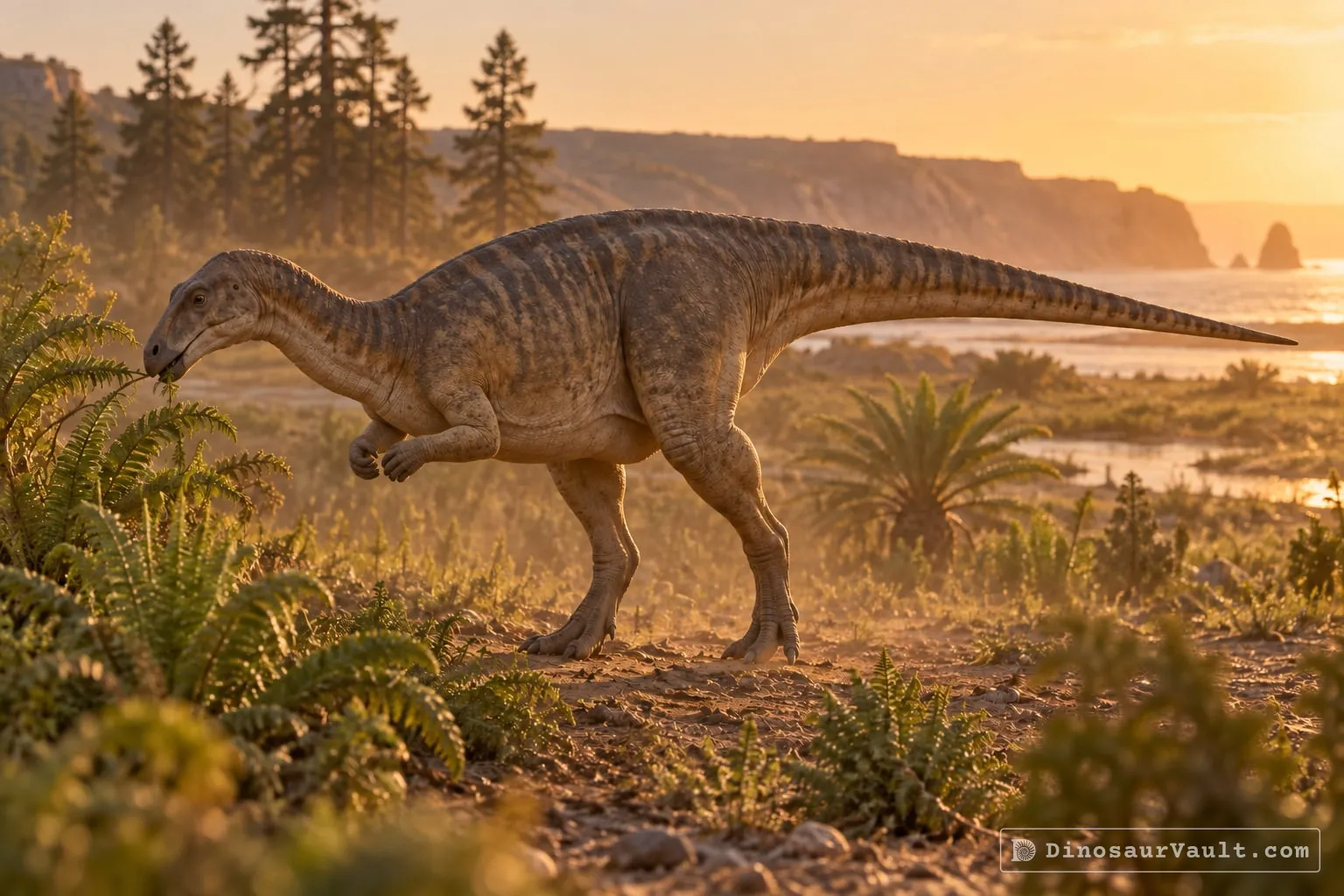
Scenes reconstructed from the available fossil evidence.
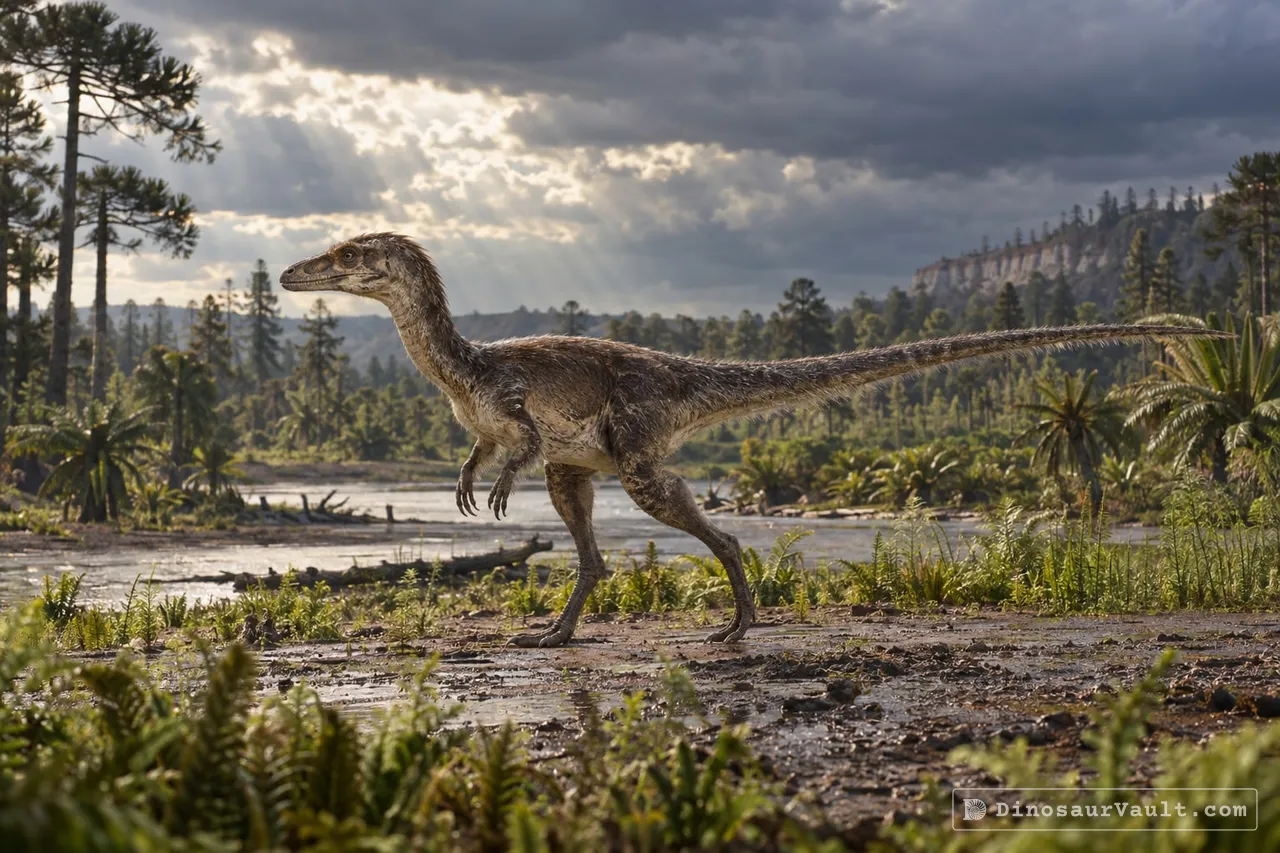
Lived alongside
Found in the same rock formations
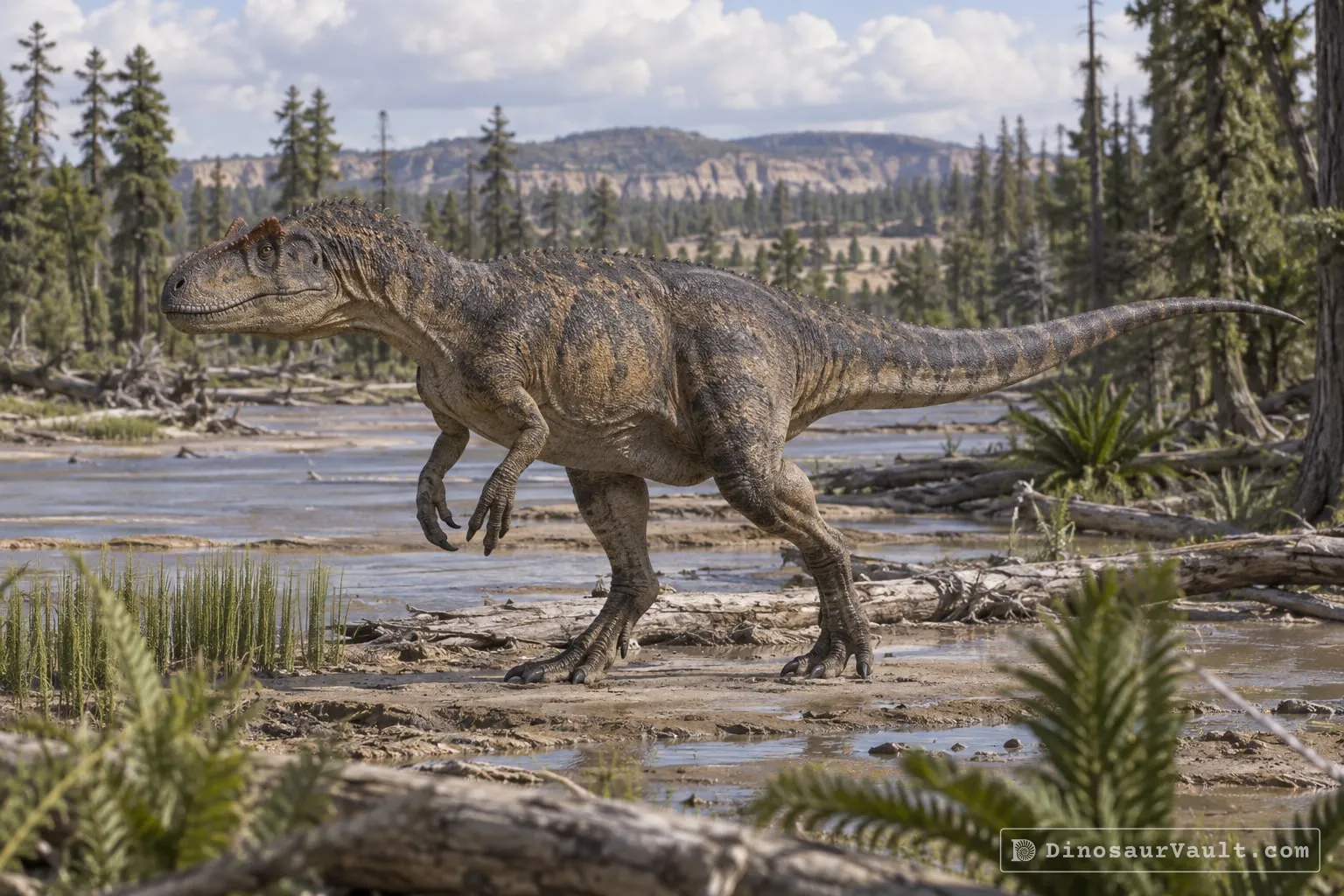
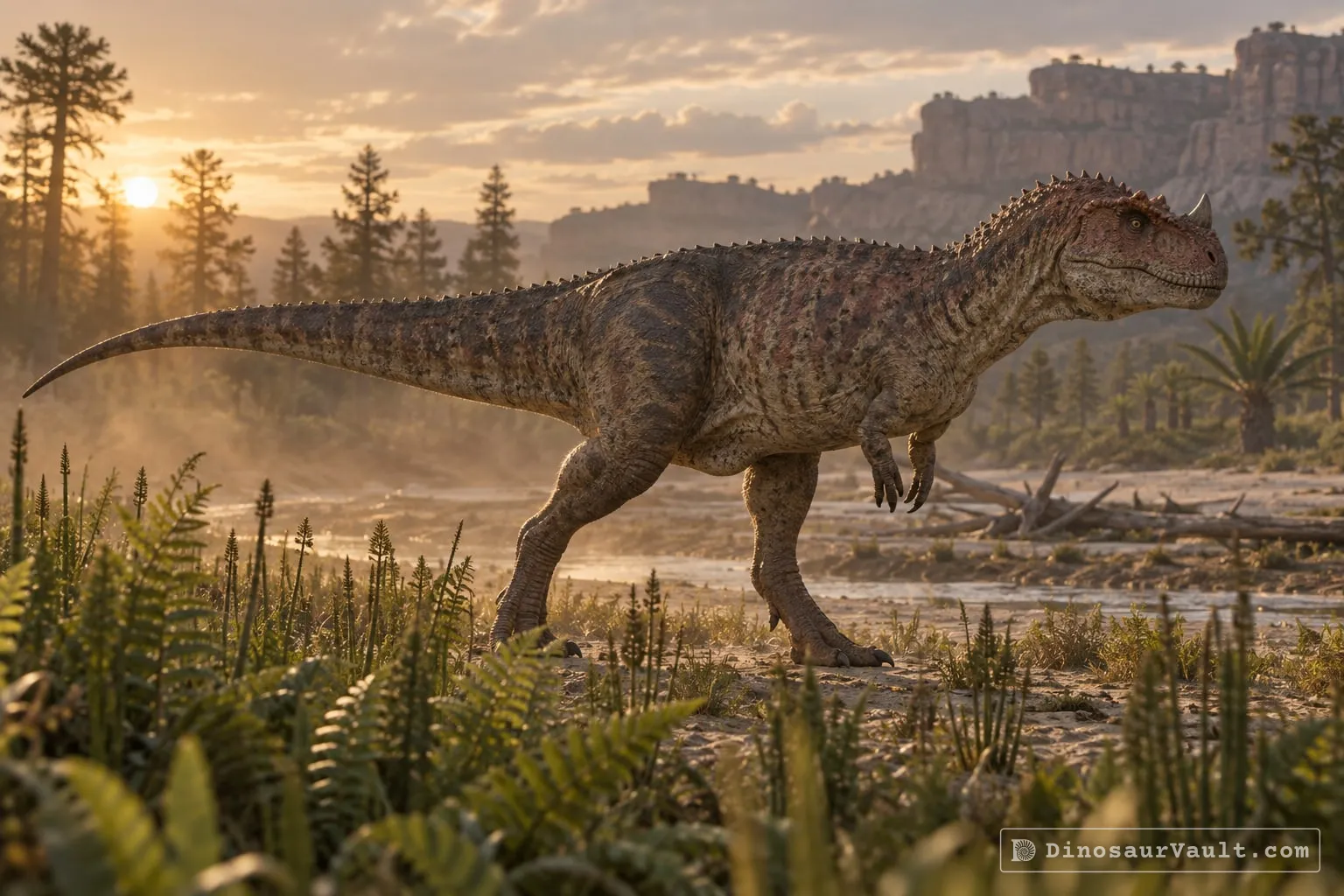
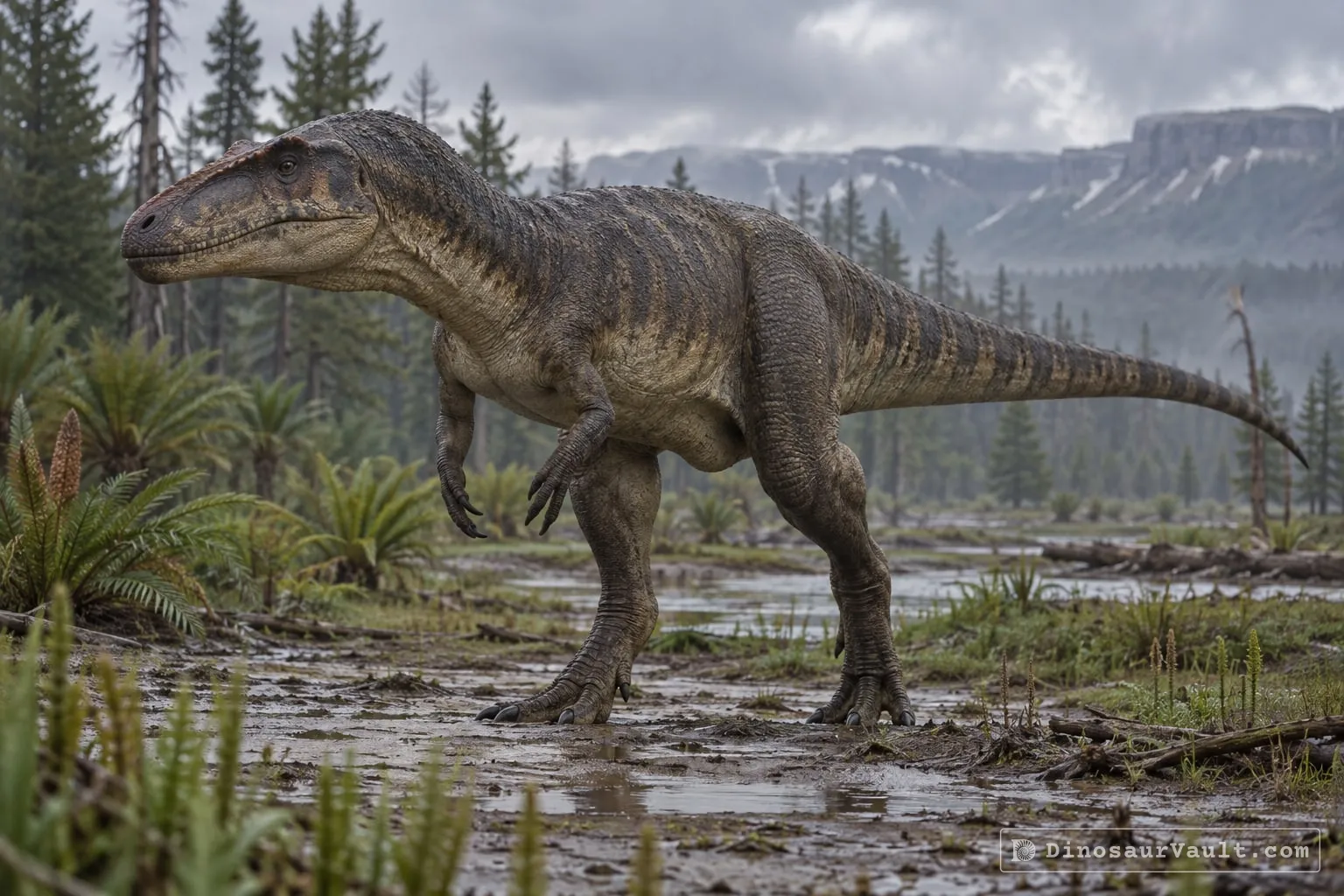
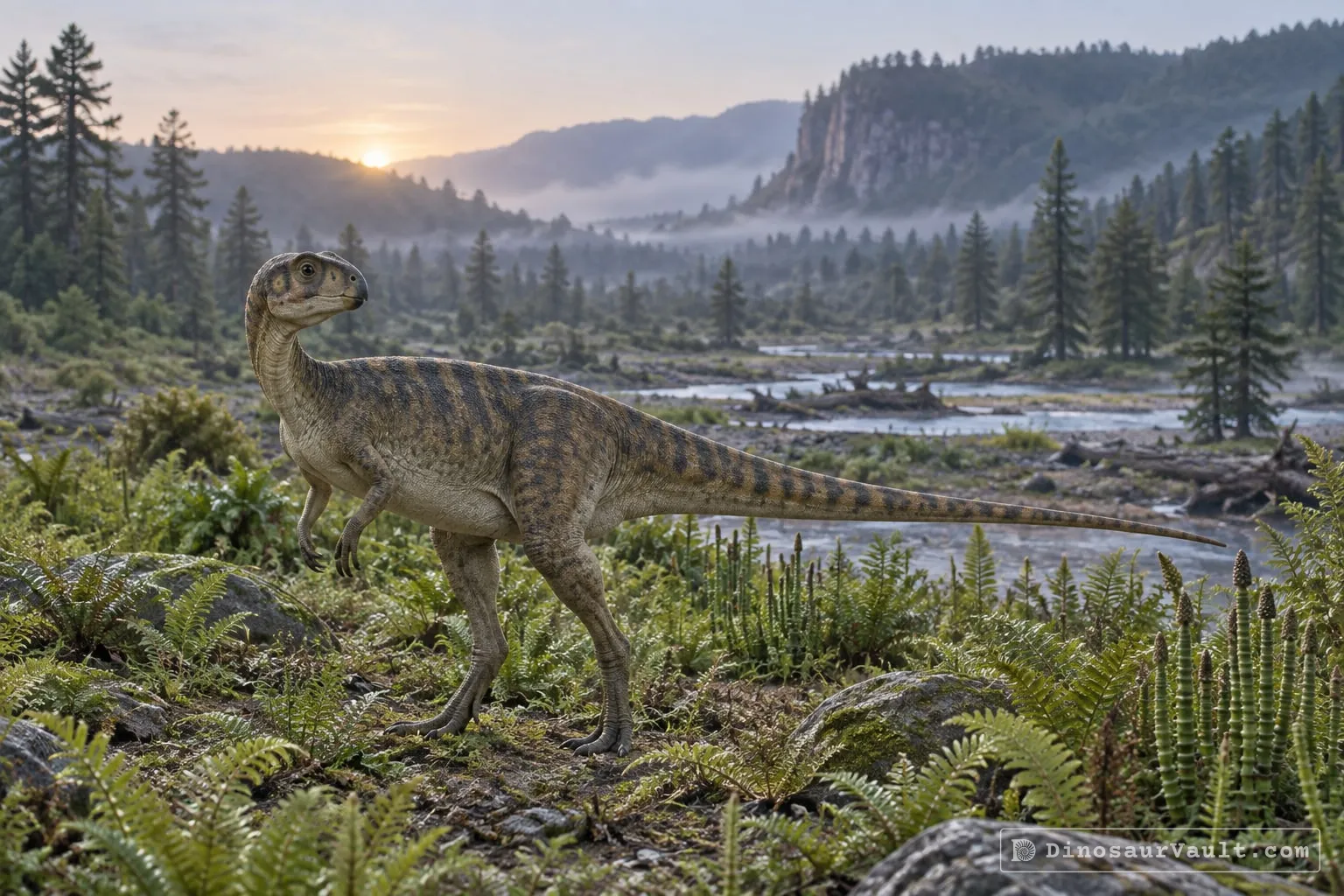
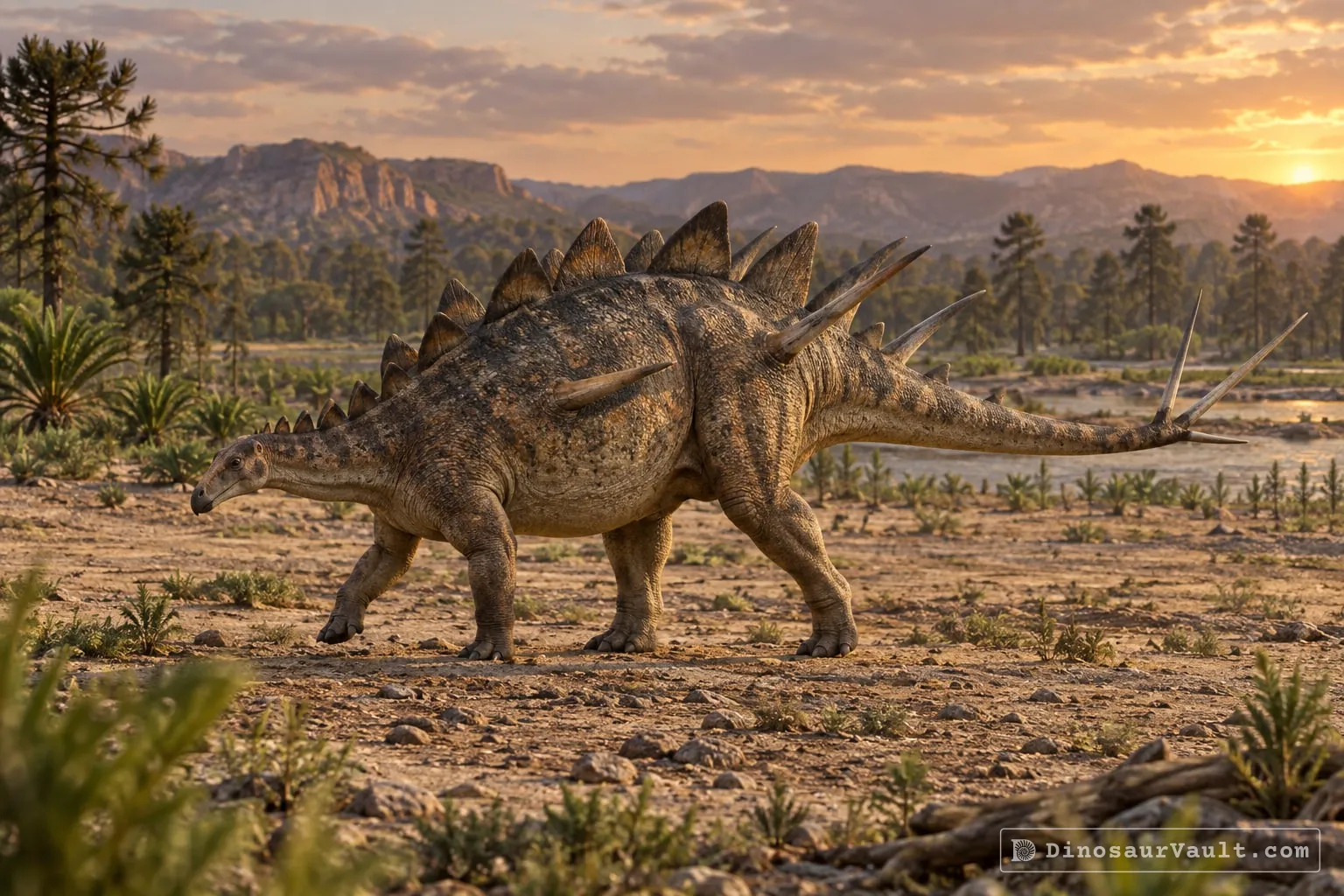
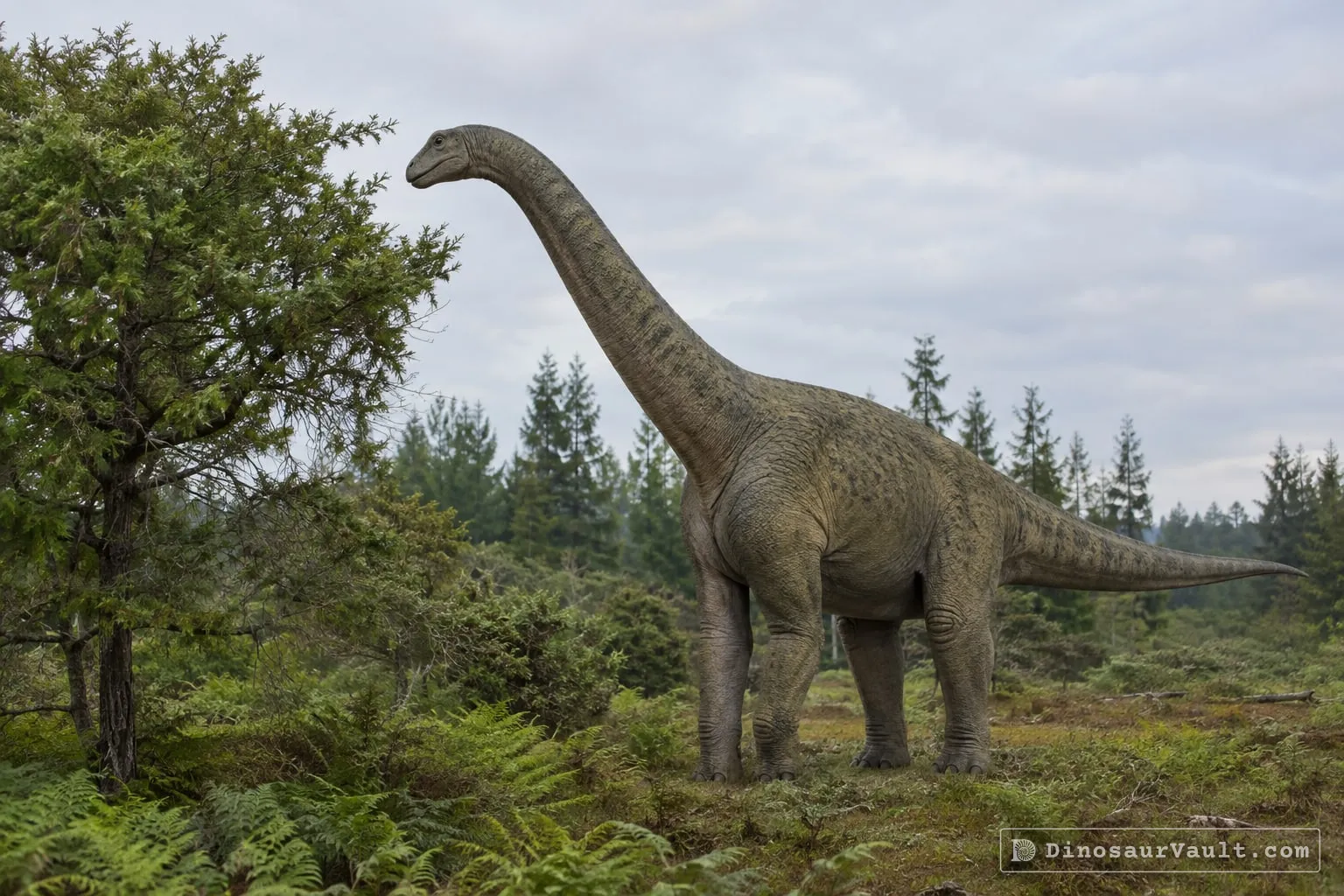
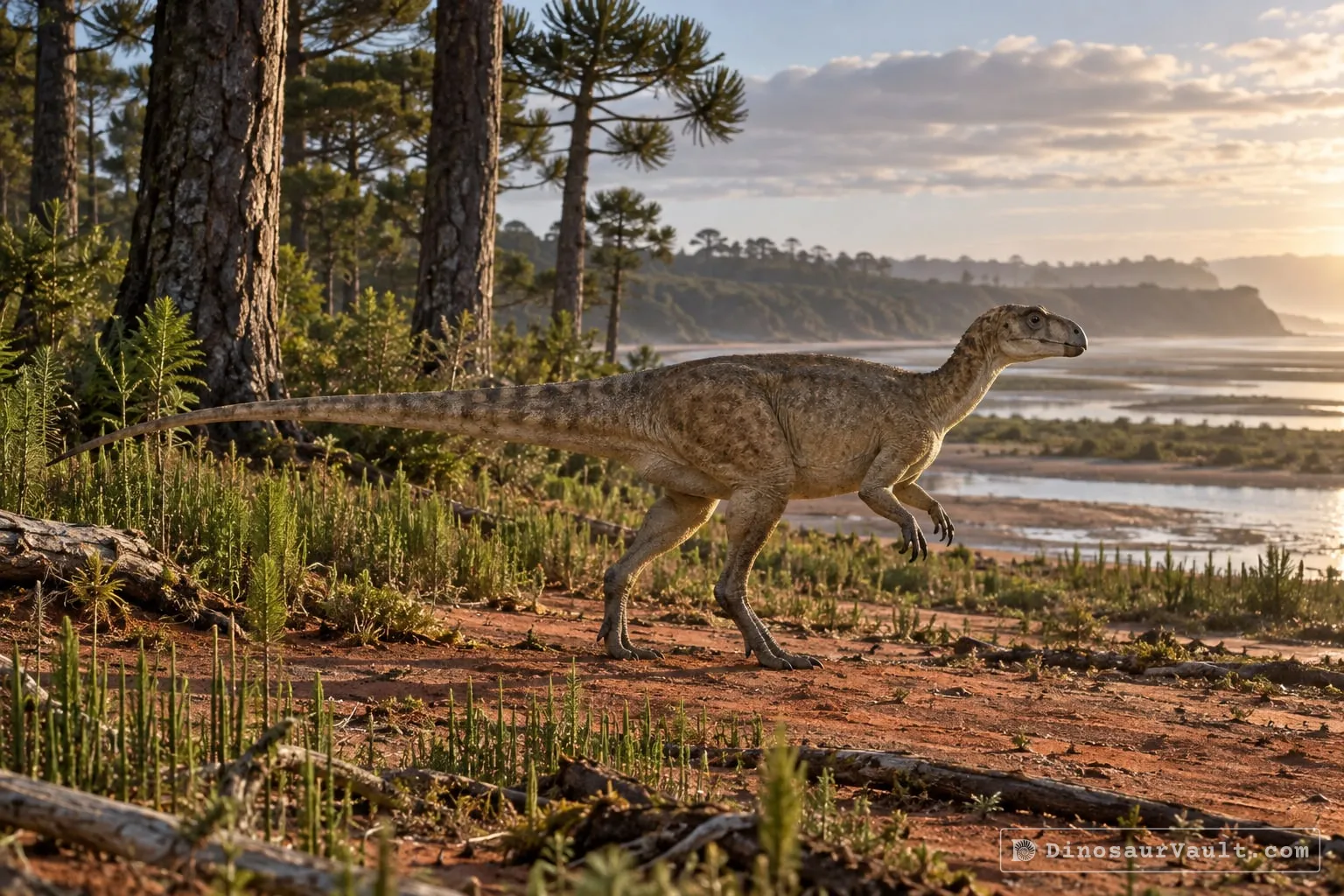


A rock formation can hold fossils laid down millions of years apart, so not every animal here met Lourinhanosaurus.
The evidence
The science behind Lourinhanosaurus
Which parts of the picture come from its own bones, and which come from its relatives.
From its own fossils
- A partial skeleton preserves vertebrae, ribs, much of the hips and parts of the hind legs.
- The early tail vertebrae have a spike-like projection on the front of each tall bony spine.
- Rounded stones found within the rib cage were described as swallowed stomach stones.
Borrowed from relatives
- The missing adult skull and arms are restored by comparison with other large theropods such as Allosaurus.
Still unknown
- The shape of its adult skull.
- Its skin covering and color.
- Whether the embryos linked to it really belong to this genus.
Discovery timeline
- 1997New findMateus et al.
- 1998Named itMateus
- 2001Growing upde Ricqlès et al.
- 2017Its worldMateus, Dinis & Cunha
Key papers
The research behind what we know of Lourinhanosaurus
New find
Reported clutches of fossil eggs from Portugal, including eggs that held bones of theropod embryos.
Couvée, œufs et embryons d'un Dinosaure Théropode du Jurassique supérieur de Lourinha (Portugal). Comptes Rendus de l'Académie des Sciences - Series IIA - Earth and Planetary Science 325: 71-78
Read the paper : Couvée, œufs et embryons d'un Dinosaure Théropode du Jurassique supérieur de Lourinha (Portugal) (opens in a new tab)Named it
Described a partial predator skeleton with distinctive vertebrae and hips, plus stones inside its rib cage.
Lourinhanosaurus antunesi, a new Upper Jurassic allosauroid (Dinosauria: Theropoda) from Lourinhã, Portugal. Memórias da Academia de Ciências de Lisboa 37: 111-124
No link available
Growing up
Examined embryo vertebrae and limb bones and found rapid bone growth before hatching.
Histomorphogenesis of embryos of Upper Jurassic Theropods from Lourinhã (Portugal). Comptes Rendus de l'Académie des Sciences - Series IIA - Earth and Planetary Science 332: 647-656
Read the paper : Histomorphogenesis of embryos of Upper Jurassic Theropods from Lourinhã (Portugal) (opens in a new tab)Its world
Described river channels, floodplains and coastal deposits, with dinosaur remains and fossil plants from Portugal.
The Lourinhã Formation: the Upper Jurassic to lower most Cretaceous of the Lusitanian Basin, Portugal – landscapes where dinosaurs walked. Ciências da Terra - Earth Sciences Journal 19: 75-97
Read the paper : The Lourinhã Formation: the Upper Jurassic to lower most Cretaceous of the Lusitanian Basin, Portugal – landscapes where dinosaurs walked (opens in a new tab)
Close relatives
Other members of Coelurosauria


Sources: Wikidata