Hesperonyx
"western claw"
Type species Hesperonyx martinhotomasorum
- Lived
- 152 to 149 million years ago, Late Jurassic
- Diet
- Herbivore
- Group
- Ornithopods
- Found in
- Portugal
- Named by
- Rotatori et al. 2024
Where its fossils were found
The evidence
Today

150 million years ago
Habitat
Rivers crossed low plains in what is now Portugal. The same formation contains Draconyx, Dacentrurus and Allosaurus.
Field notes
About Hesperonyx
What it was like
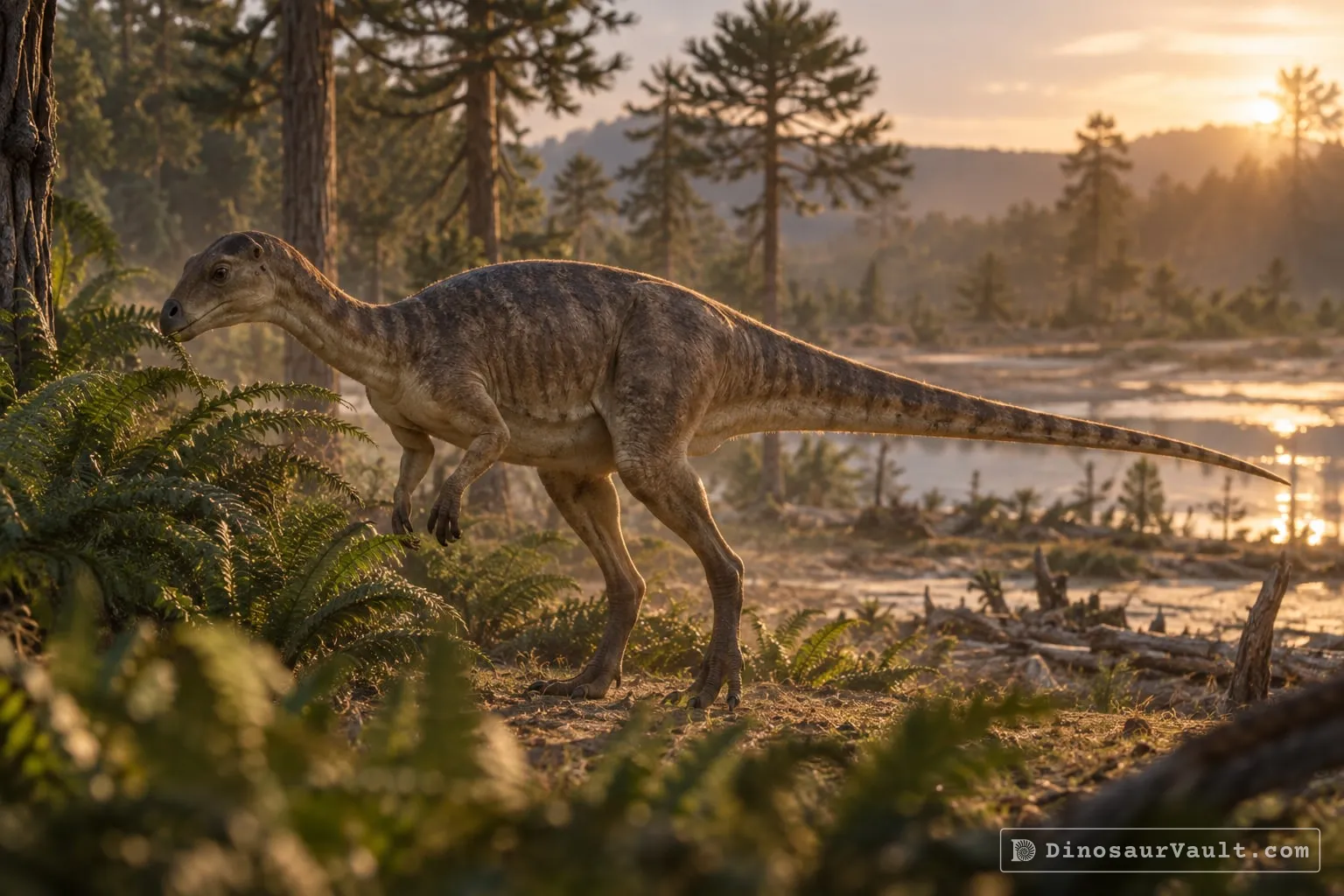
Hesperonyx was a plant eater, an early relative of the iguanodonts, known from bones of the arms and legs.
Its world
It lived in the Late Jurassic in what is now Portugal. Its bones come from the Lourinhã Formation, where it shared the land with the plant eater Draconyx, the stegosaur Dacentrurus and the hunters Allosaurus and Torvosaurus.
How it was found
Rotatori and colleagues named Hesperonyx in 2024, from a single find.
Field gallery
More views of Hesperonyx
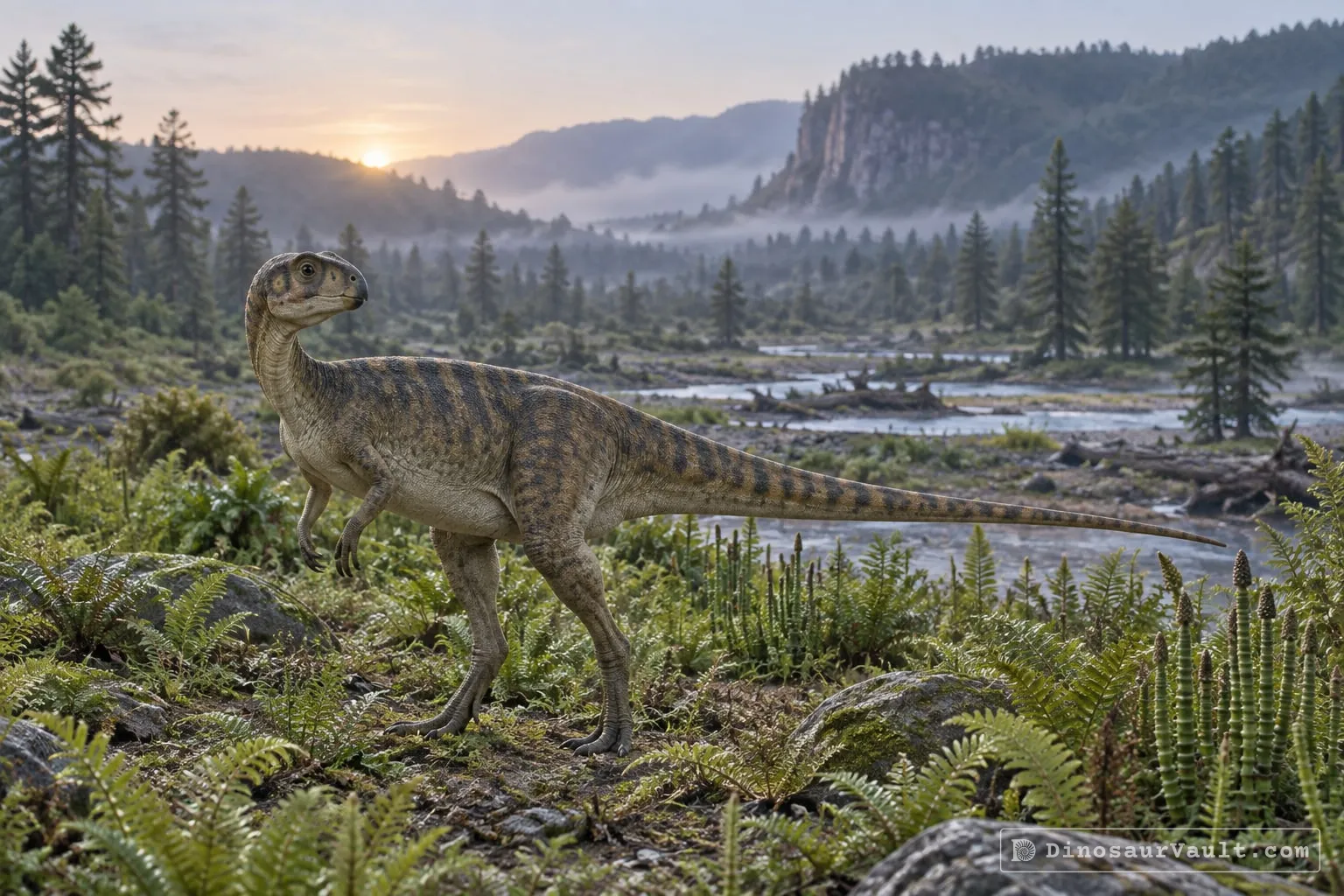
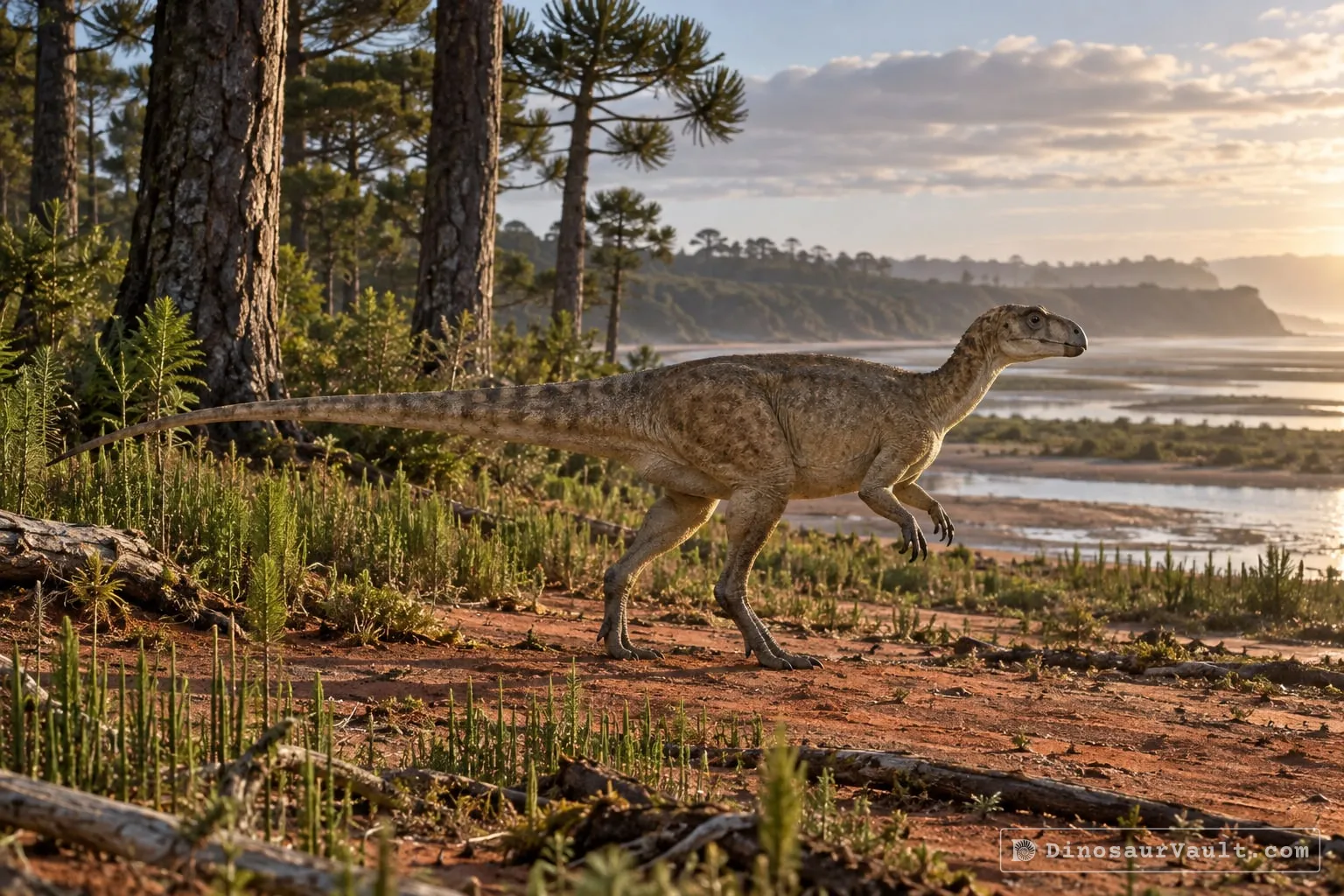
Scenes reconstructed from the available fossil evidence.
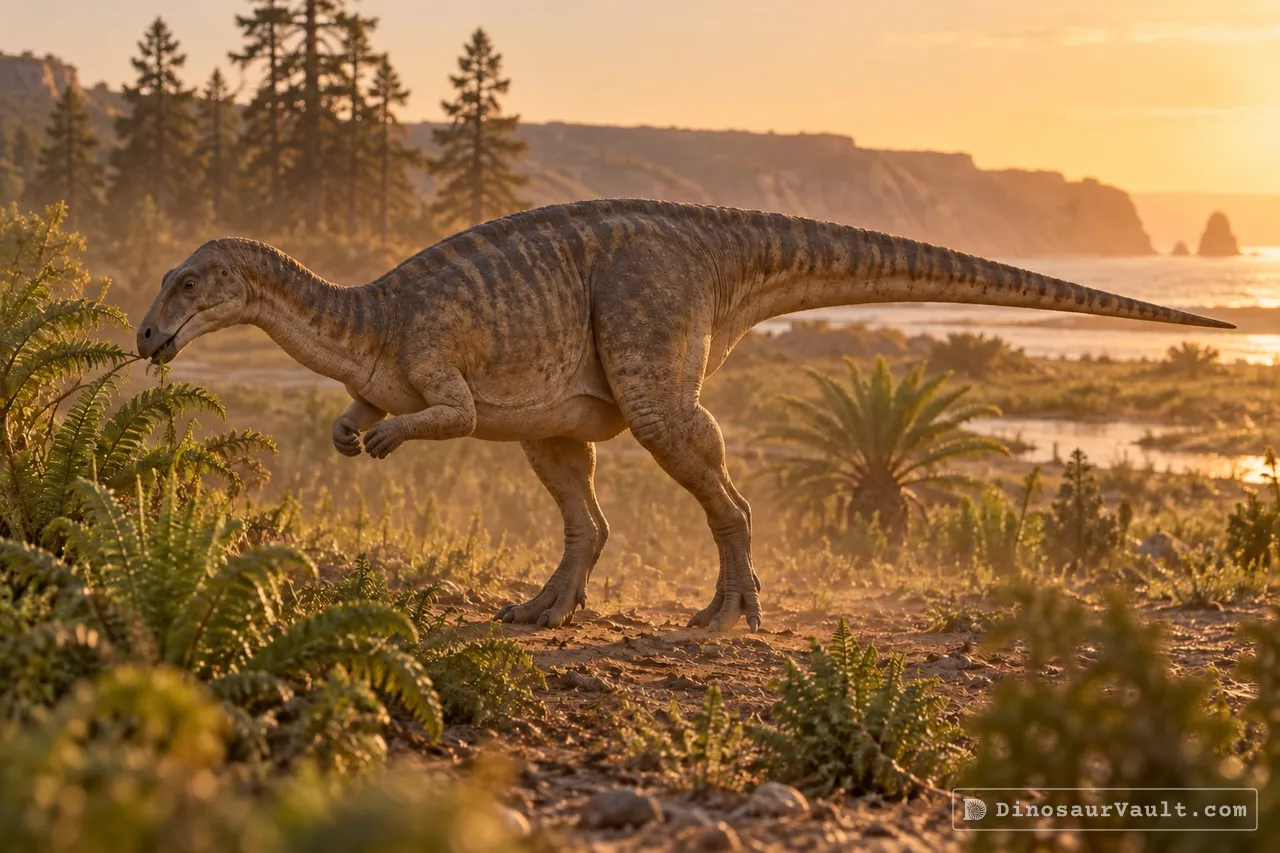
1 of 2
Lived alongside
Found in the same rock formations
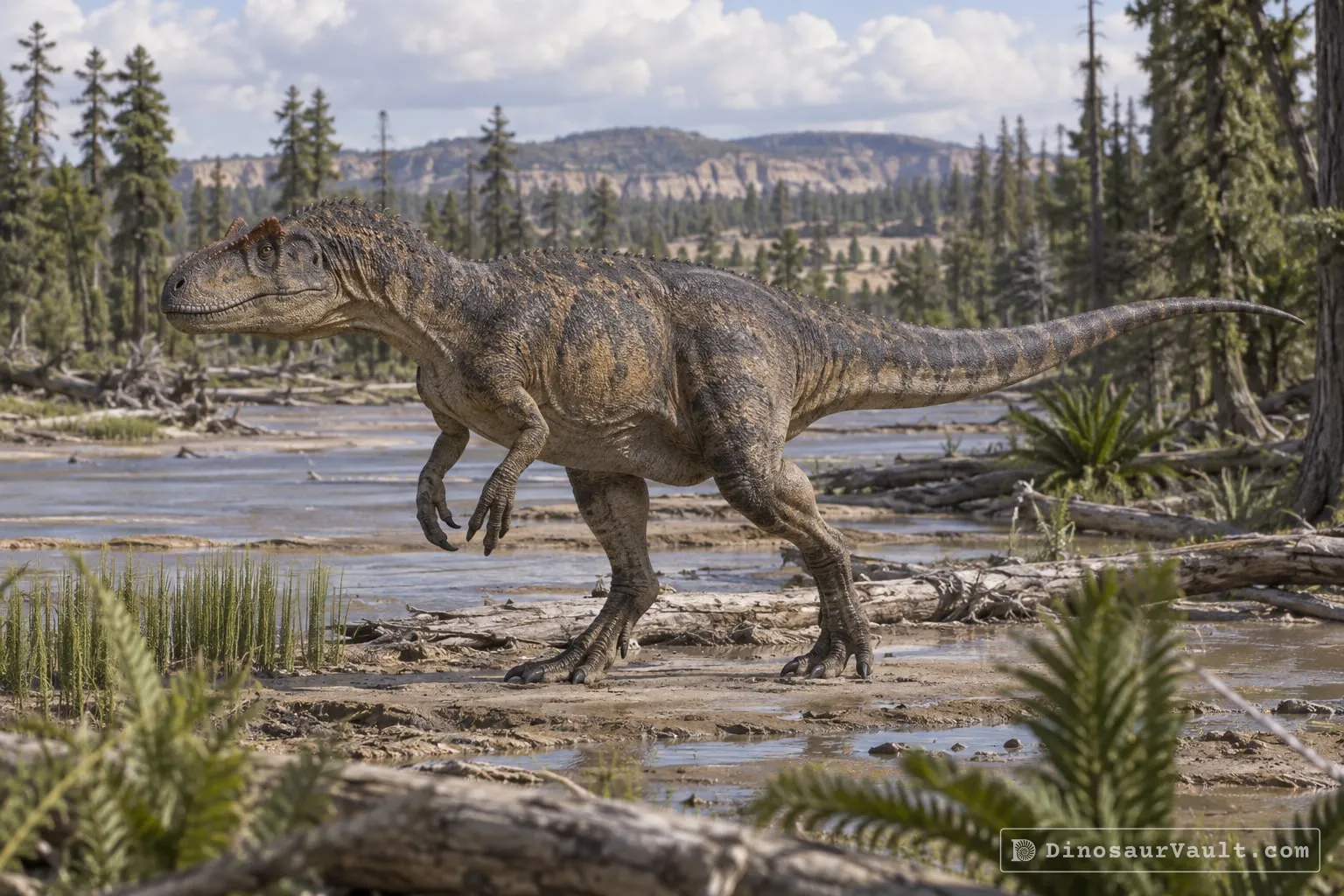
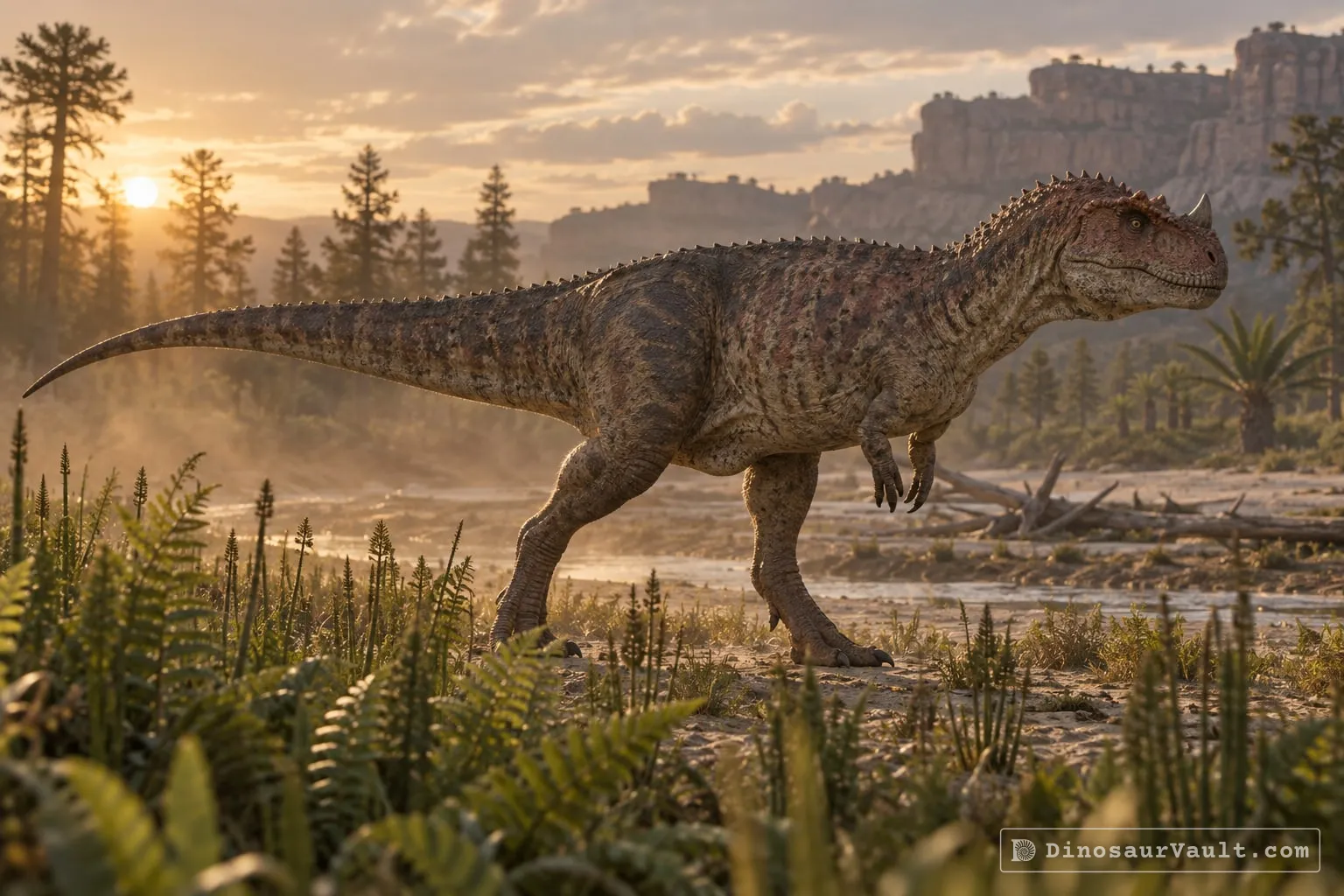
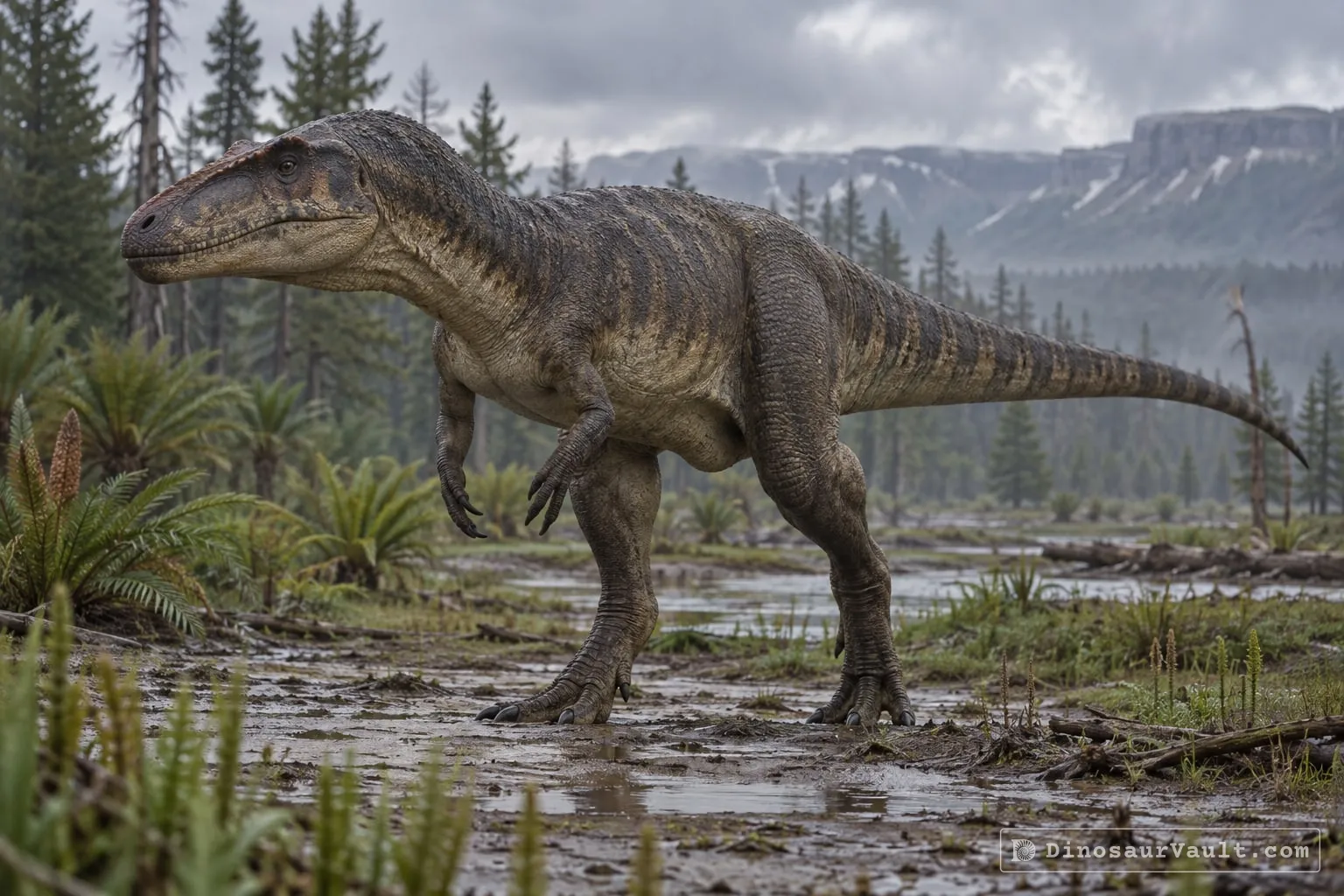
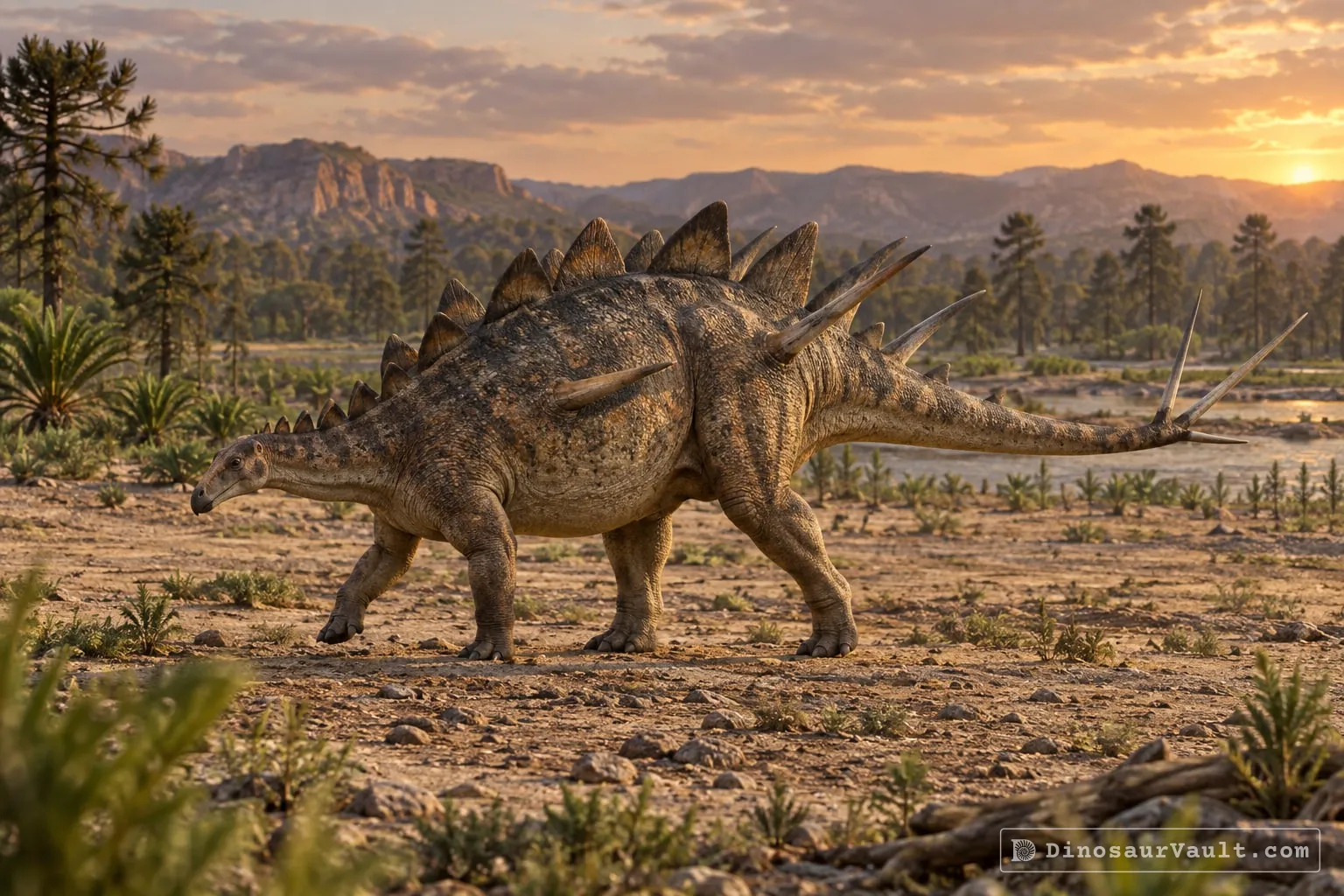
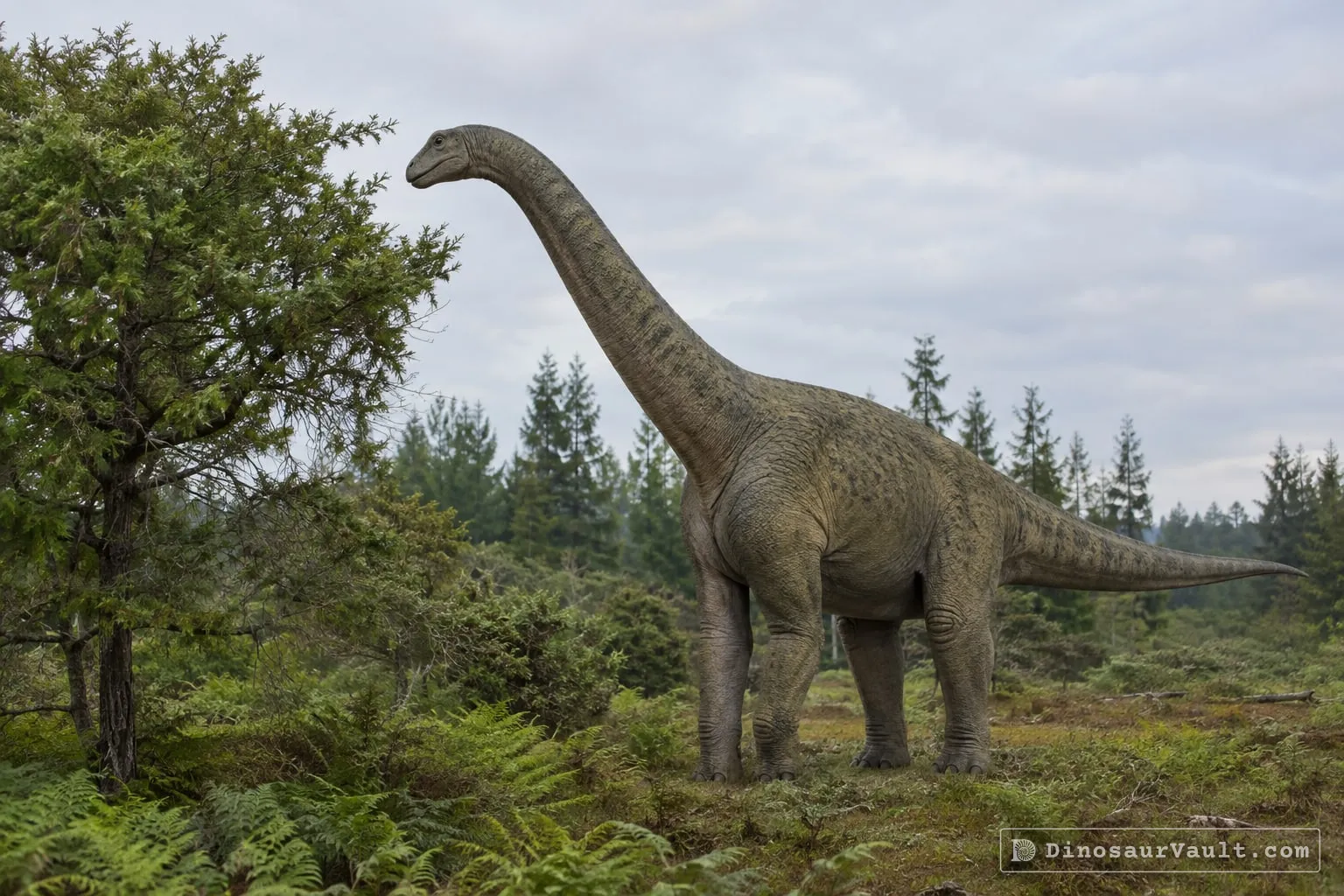


A rock formation can hold fossils laid down millions of years apart, so not every animal here met Hesperonyx.
The evidence
The science behind Hesperonyx
Which parts of the picture come from its own bones, and which come from its relatives.
From its own fossils
- A partial lower leg and foot preserve the shin bones, toe bones and pointed foot claws.
- The hand and wrist bones include a claw and an unfused wrist bone.
- The shin bones have an interlocking joint and a distinctive twist in the thinner bone.
Borrowed from relatives
- The missing head and trunk can be restored by comparison with early iguanodontians such as Dryosaurus and Camptosaurus.
Still unknown
- The shape of its skull and the proportions of its whole body.
- Its skin covering and color.
- Its closest relatives within the early iguanodontians.
Discovery timeline
- 2020Same rocksRotatori, Moreno-Azanza & Mateus
- 2022Same rocksRotatori, Moreno-Azanza & Mateus
- 2024Named itRotatori et al.
Key papers
The research behind what we know of Hesperonyx
Same rocks
Described other ornithopod bones from the same formation, revealing a wider range of plant eaters than the named species alone suggested.
New information on ornithopod dinosaurs from the Late Jurassic of Portugal. Acta Palaeontologica Polonica 65
Read the paper : New information on ornithopod dinosaurs from the Late Jurassic of Portugal (opens in a new tab)Same rocks
Redescribed Draconyx, another iguanodontian from the same formation, and found that it was a small biped without a conical thumb spike.
Reappraisal and new material of the holotype of Draconyx loureiroi (Ornithischia: Iguanodontia) provide insights on the tempo and modo of evolution of thumb-spiked dinosaurs. Zoological Journal of the Linnean Society 195: 125-156
Read the paper : Reappraisal and new material of the holotype of Draconyx loureiroi (Ornithischia: Iguanodontia) provide insights on the tempo and modo of evolution of thumb-spiked dinosaurs (opens in a new tab)Named it
Named a new early iguanodontian from hand and hindlimb bones with a distinctive combination of shin and foot features.
An unexpected early-diverging iguanodontian dinosaur (Ornithischia, Ornithopoda) from the Upper Jurassic of Portugal. Journal of Vertebrate Paleontology 43(4):e2310066:1-18.
No link available
Close relatives
Other members of Dryomorpha


Sources: Wikidata