Draconyx
"dragon claw"
- Lived
- 149 to 145 million years ago, Late Jurassic
- Diet
- Herbivore
- Group
- Ornithopods
- Found in
- Portugal
- Named by
- Mateus and Antunes 2001
Where its fossils were found
The evidence
Today

145 million years ago
Habitat
It lived on river floodplains in what is now Portugal. Allosaurus, Dacentrurus and Lusotitan are known from the same formation.
Field notes
About Draconyx
What it was like
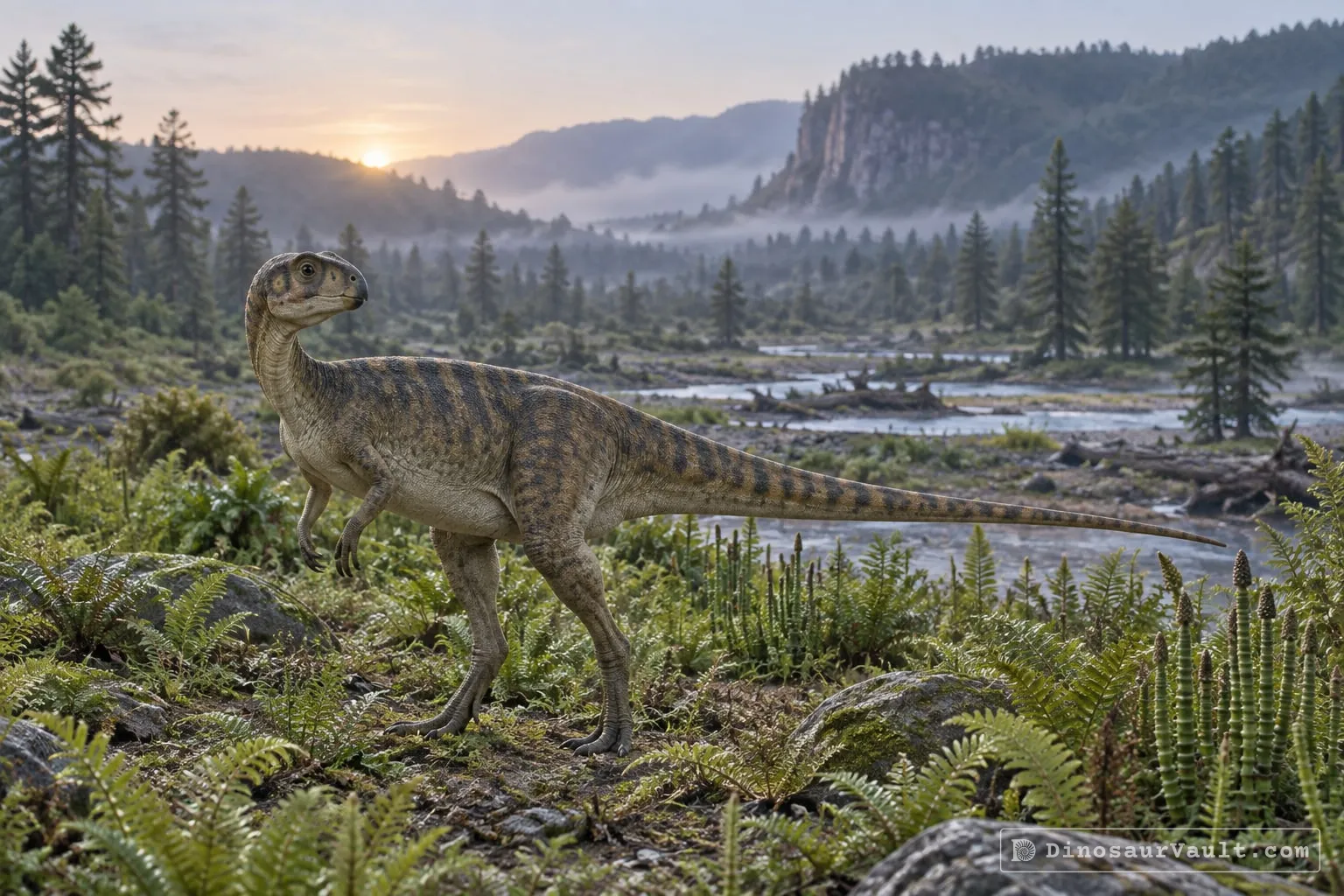
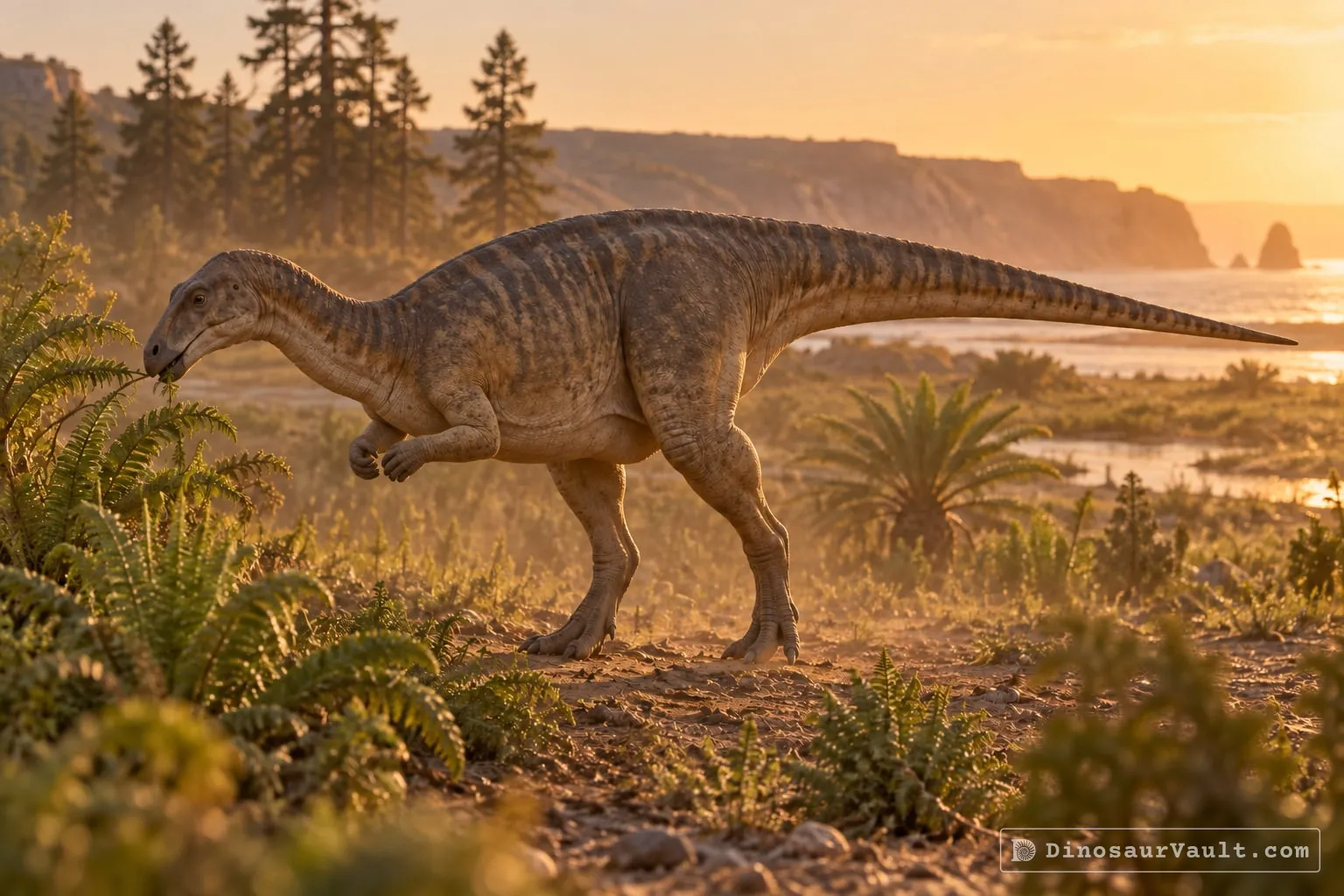
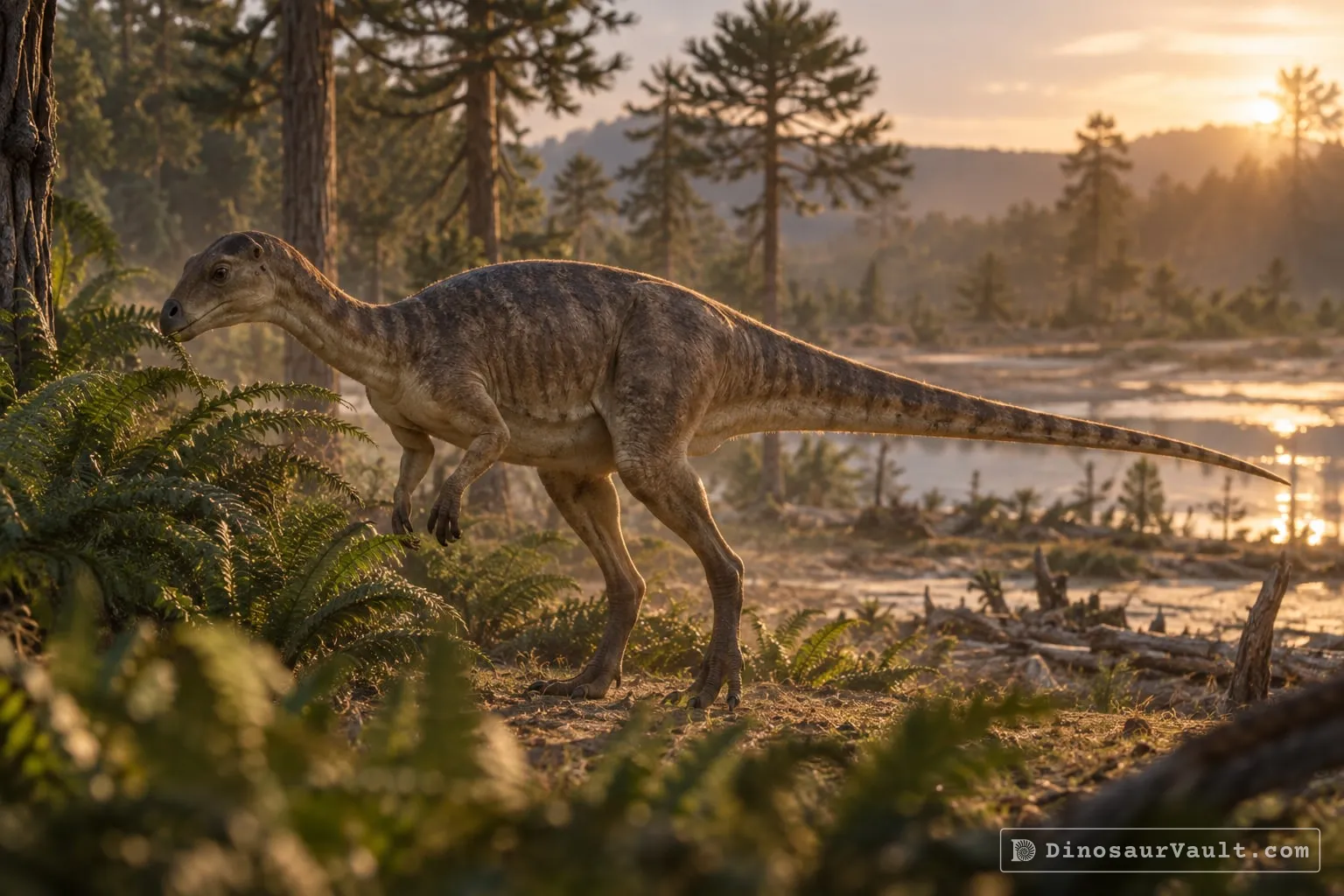
Draconyx was a medium-sized plant eater, an early relative of Iguanodon. It is known from parts of the legs, hands, feet and a few other bones and teeth.
Its hands and feet show a stage between smaller, lighter plant eaters and the bulkier iguanodonts that came later.
Its world
It lived about 149 to 145 million years ago, at the end of the Late Jurassic, in what is now Portugal. Its bones come from the Lourinhã Formation, where it shared the land with the hunters Allosaurus, Ceratosaurus and Torvosaurus, the stegosaur Dacentrurus and the long-necked Lusotitan.
How it was found
Mateus and Antunes named Draconyx in 2001, from a single find.
Field gallery
More views of Draconyx
Scenes reconstructed from the available fossil evidence.
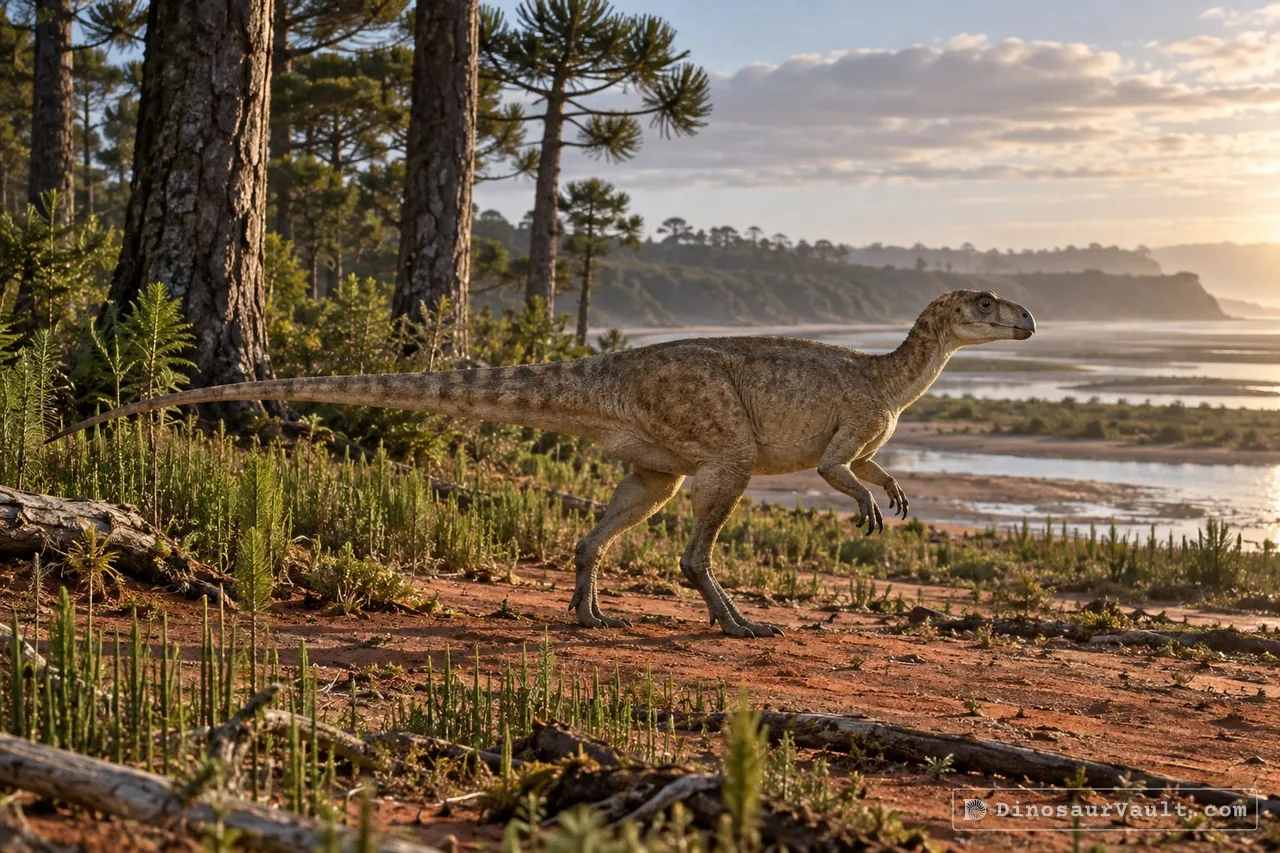
1 of 3
Lived alongside
Found in the same rock formations
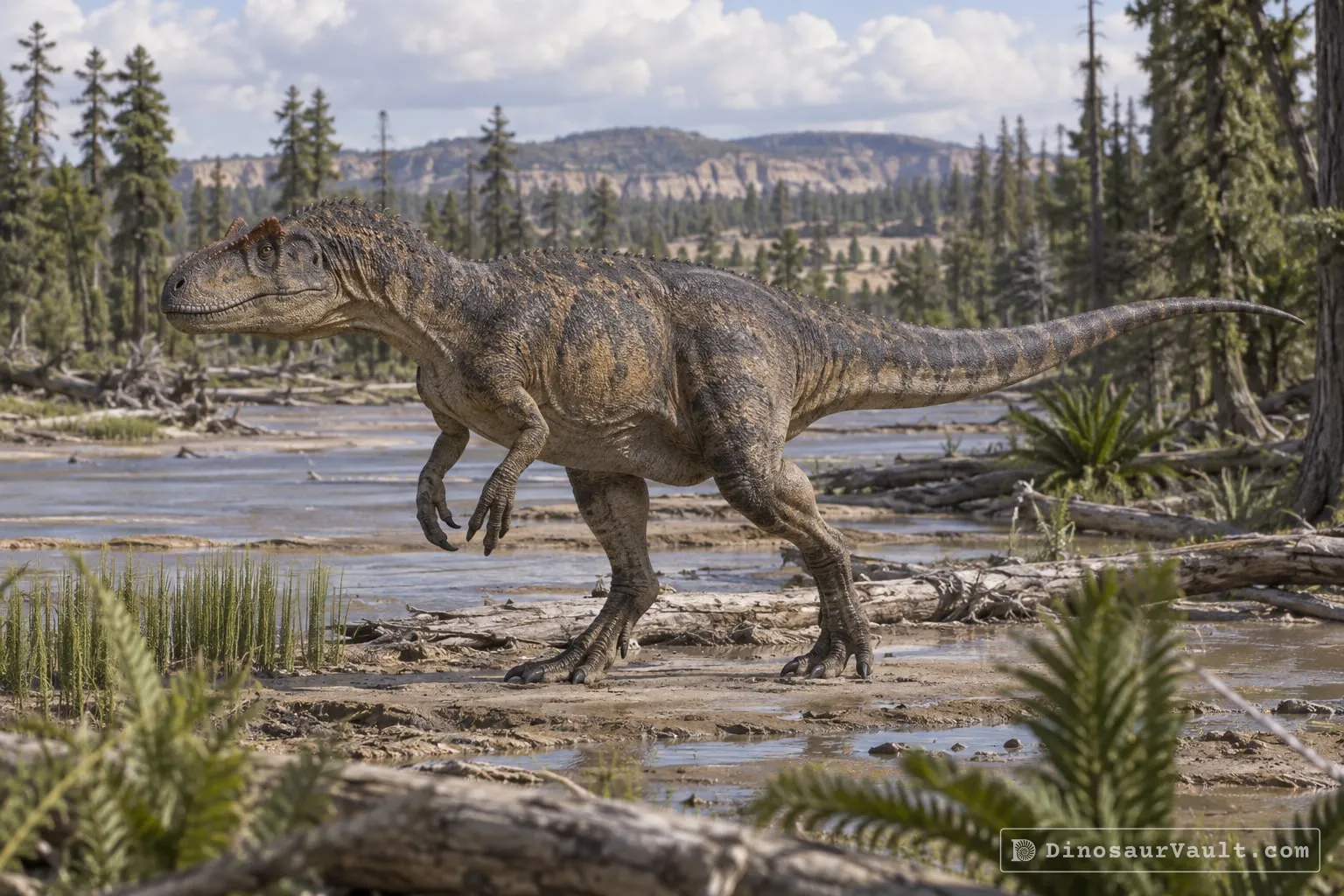
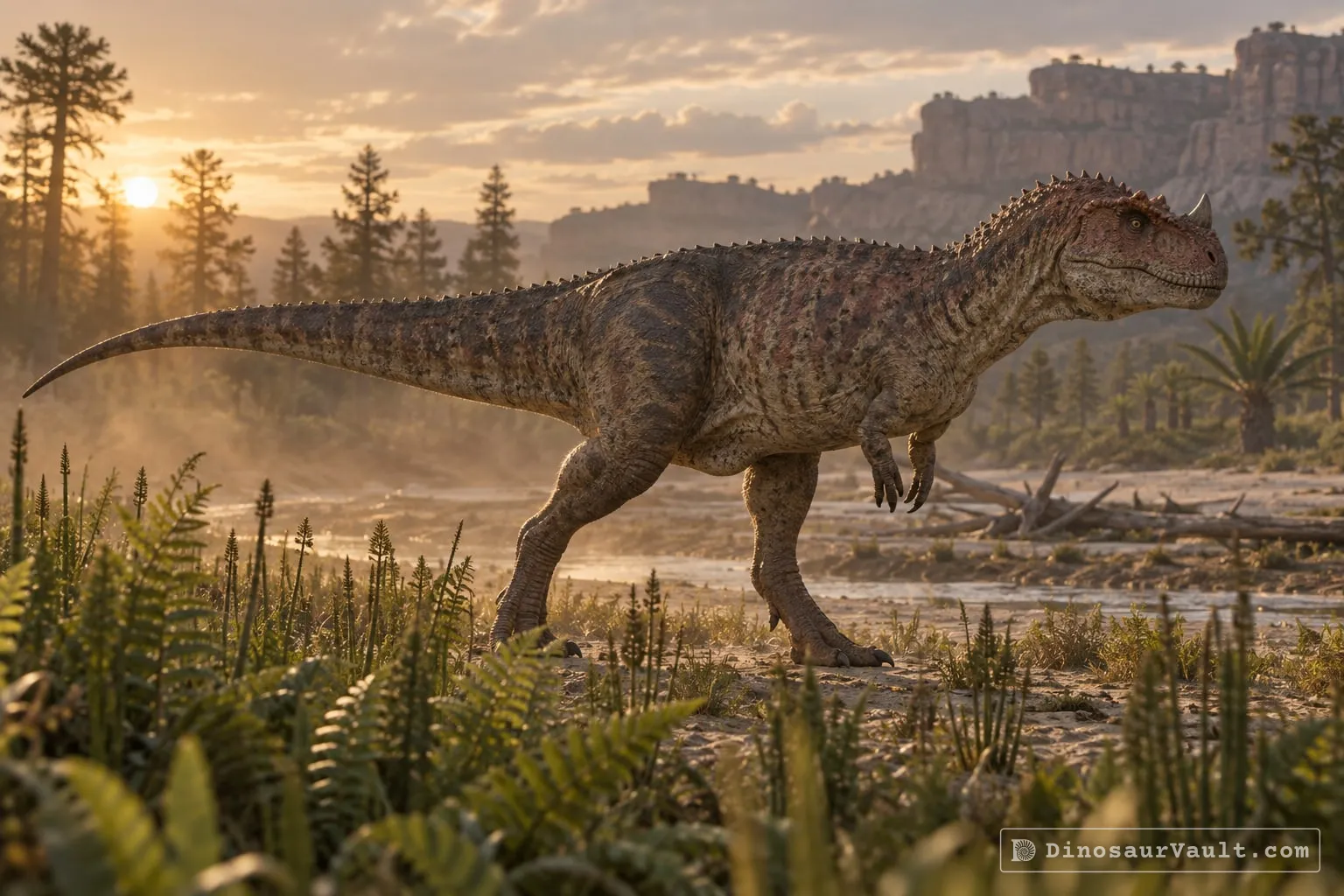
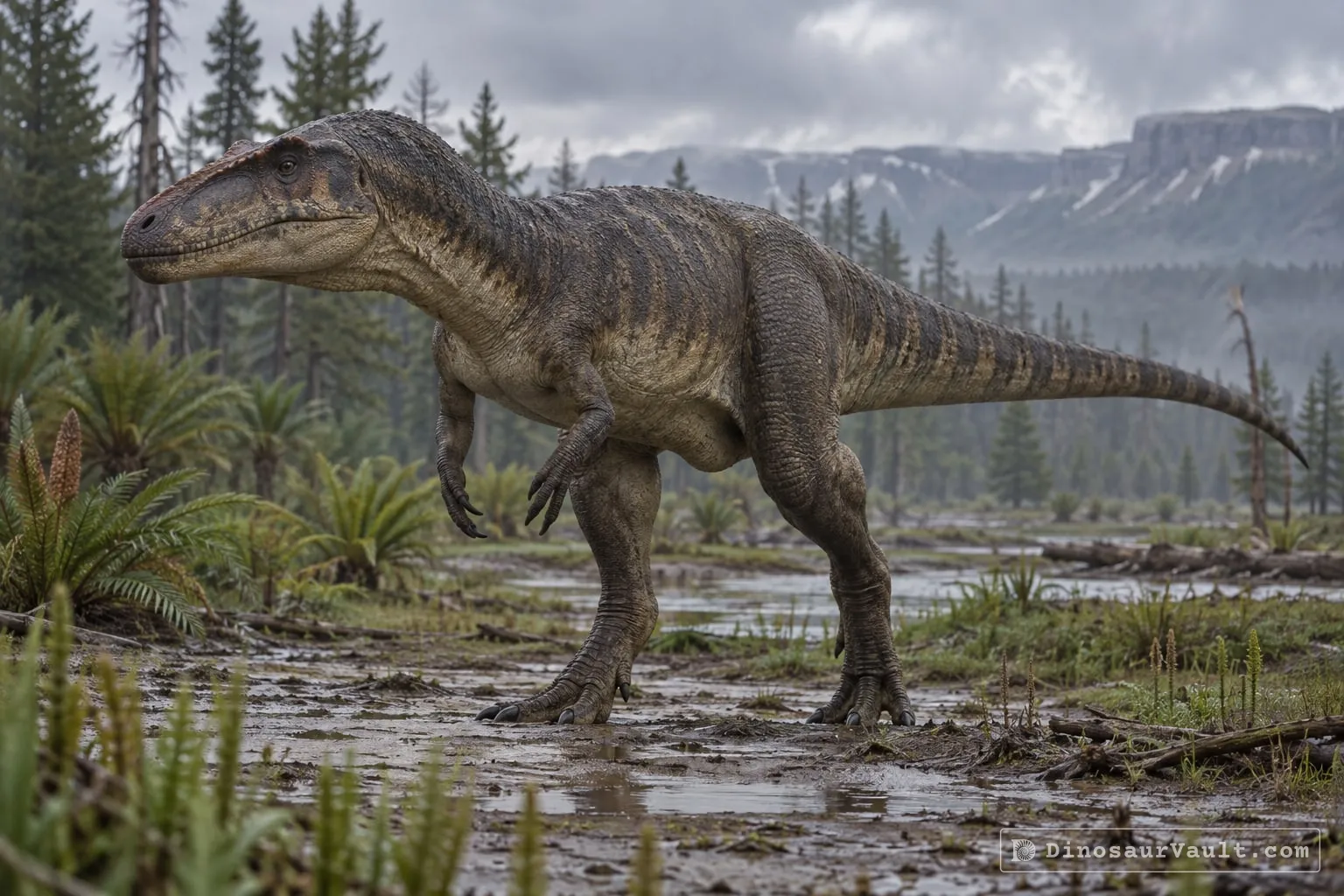
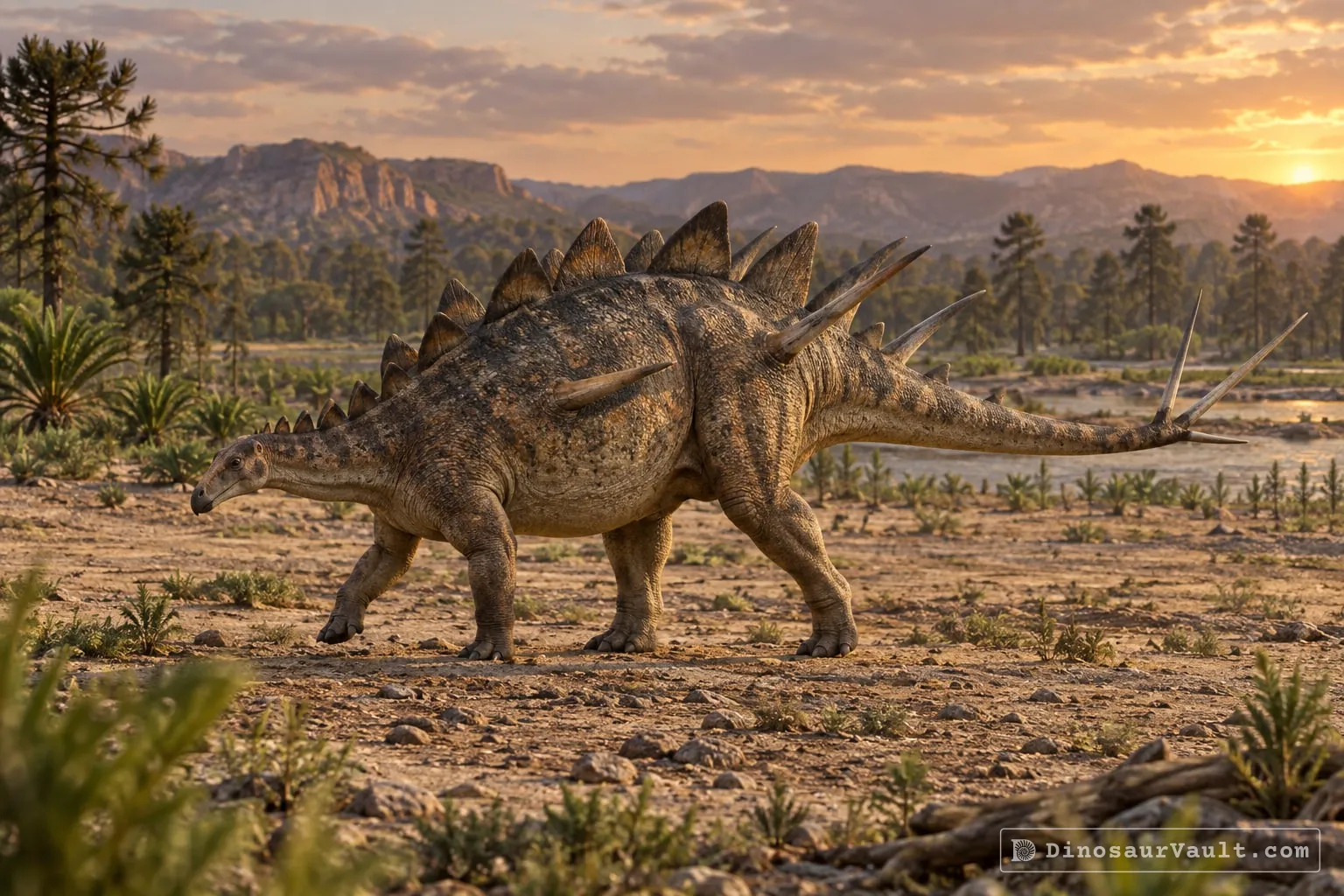
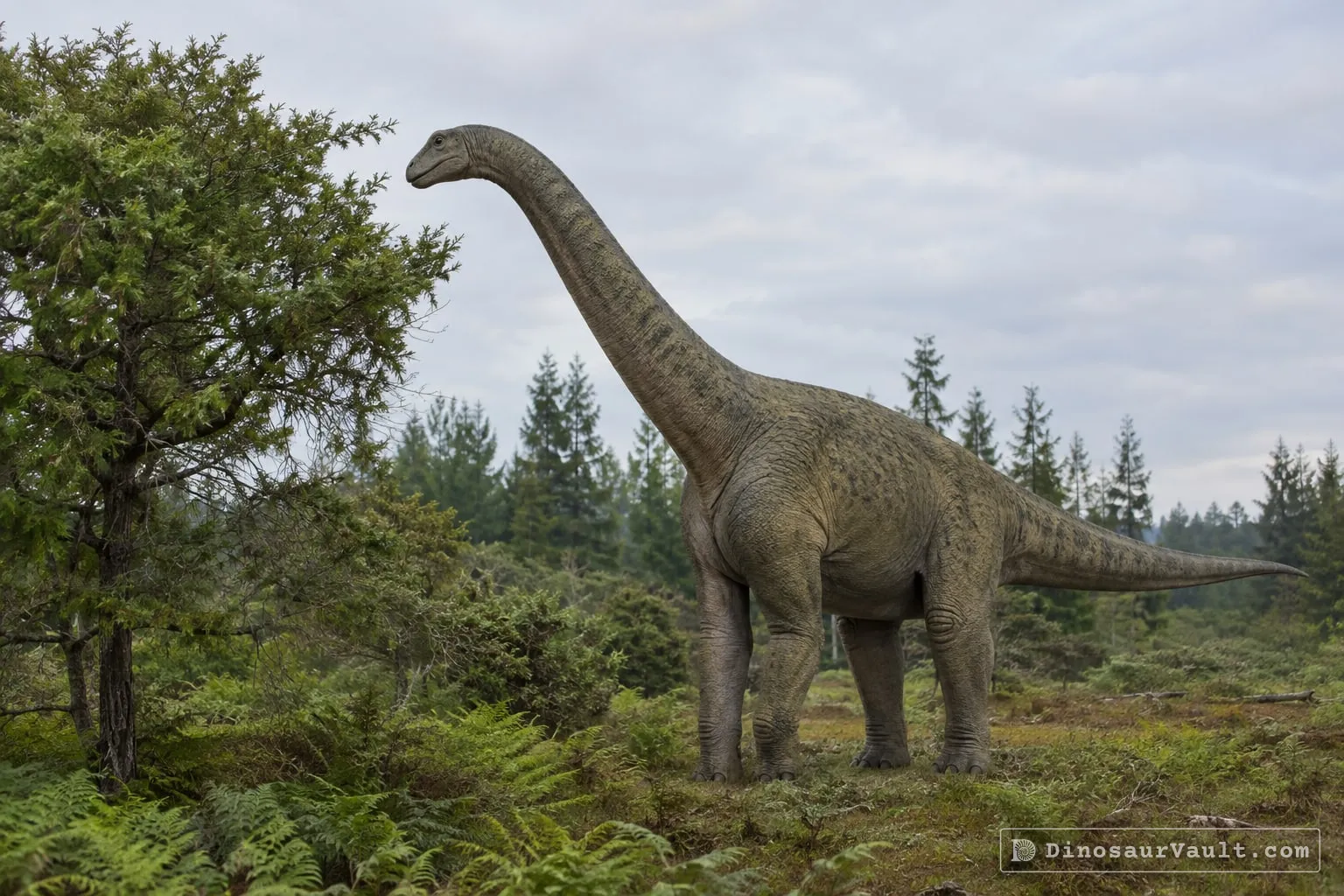


A rock formation can hold fossils laid down millions of years apart, so not every animal here met Draconyx.
The evidence
The science behind Draconyx
Which parts of the picture come from its own bones, and which come from its relatives.
From its own fossils
- The partial skeleton includes teeth and bones from the hands, legs and feet.
- Separate wrist bones and curved hand claws suggest that its hands could grasp.
- The preserved foot claws differ in shape: one is slender and curved, another broader and flatter.
Borrowed from relatives
- Camptosaurus provides a guide to the missing front of the face and the general body shape.
Still unknown
- Its complete skull shape and body proportions.
- The exact arrangement of its fingers and the shape of every toe tip.
- Its skin covering and color.
Often drawn wrong
- A rigid hand with a huge thumb spike copies Iguanodon; Draconyx had a more mobile wrist and curved hand claws.
Discovery timeline
- 2001Named itMateus & Telles Antunes
- 2022Full descriptionRotatori, Moreno-Azanza & Mateus
- 2026Family treeRotatori et al.
Key papers
The research behind what we know of Draconyx
Named it
Named Draconyx from a partial plant-eating dinosaur skeleton found in Portugal.
Draconyx loureiroi, a new camptosauridae (Dinosauria, Ornithopoda) from the Late Jurassic of Lourinhã, Portugal. Annales de Paléontologie 87: 61-73
Read the paper : Draconyx loureiroi, a new camptosauridae (Dinosauria, Ornithopoda) from the Late Jurassic of Lourinhã, Portugal (opens in a new tab)Full description
Restudied the original skeleton, added newly recognized bones and removed a separately found thigh bone from Draconyx.
Reappraisal and new material of the holotype of Draconyx loureiroi (Ornithischia: Iguanodontia) provide insights on the tempo and modo of evolution of thumb-spiked dinosaurs. Zoological Journal of the Linnean Society 195: 125-156
Read the paper : Reappraisal and new material of the holotype of Draconyx loureiroi (Ornithischia: Iguanodontia) provide insights on the tempo and modo of evolution of thumb-spiked dinosaurs (opens in a new tab)Family tree
Compared early iguanodonts and interpreted the mobile wrist of Draconyx as suited to grasping.
The early origin of Iguanodontia: new insights into the macroevolution, diversity and biogeography of the clade. Palaeontology 69
Read the paper : The early origin of Iguanodontia: new insights into the macroevolution, diversity and biogeography of the clade (opens in a new tab)
Close relatives
Other members of Dryomorpha


Sources: Wikidata