Llukalkan
"one who causes fear"
- Lived
- 86 to 84 million years ago, Late Cretaceous
- Diet
- Carnivore
- Group
- Theropods, Abelisauridae
- Found in
- Argentina
- Named by
- Gianechini et al. 2020
Where its fossils were found
The evidence
Today

80 million years ago
Habitat
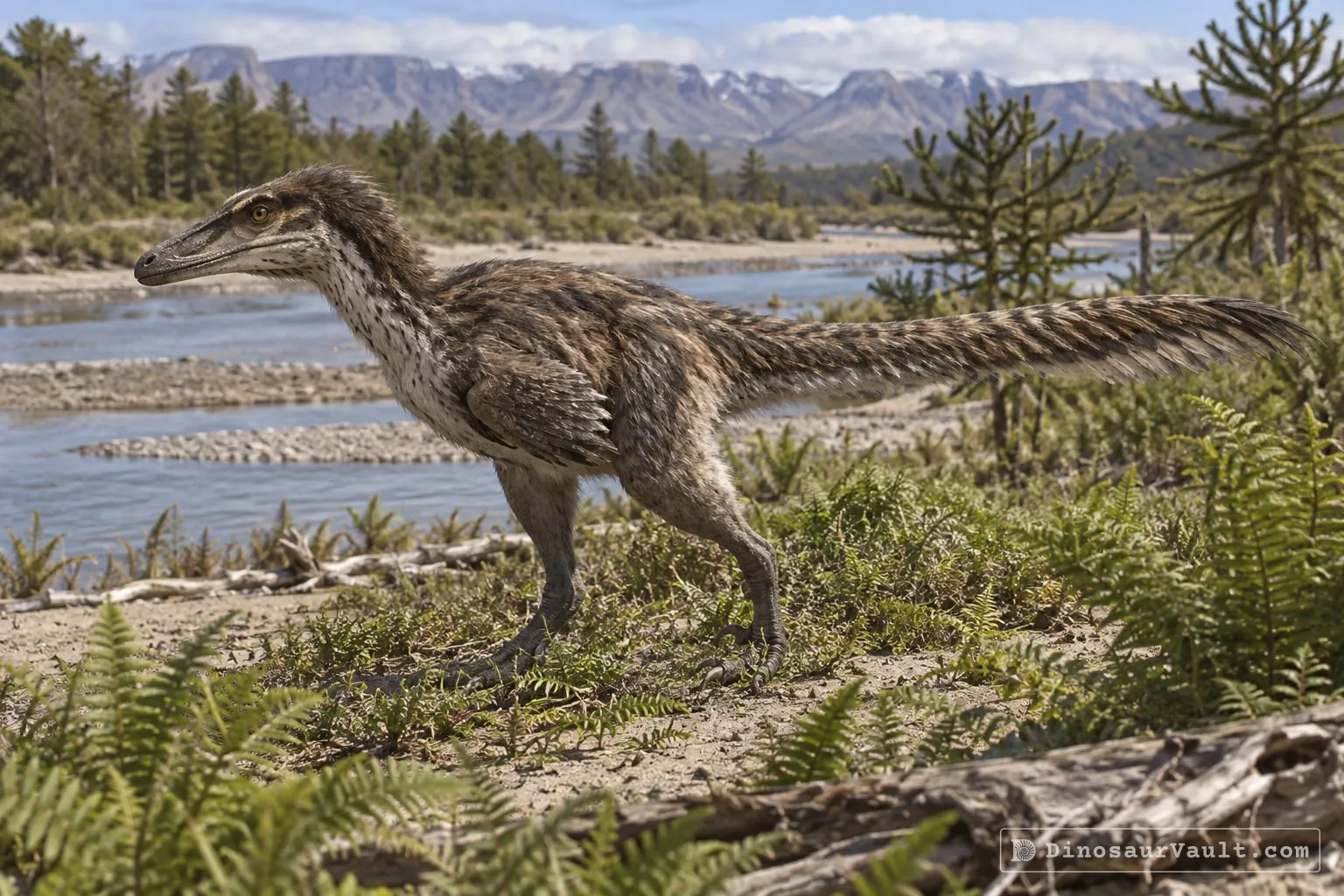
It lived in a river landscape in what is now Argentina. Other dinosaurs from the Bajo de la Carpa Formation include Viavenator, Velocisaurus and Bonitasaura.
Field notes
About Llukalkan
What it was like
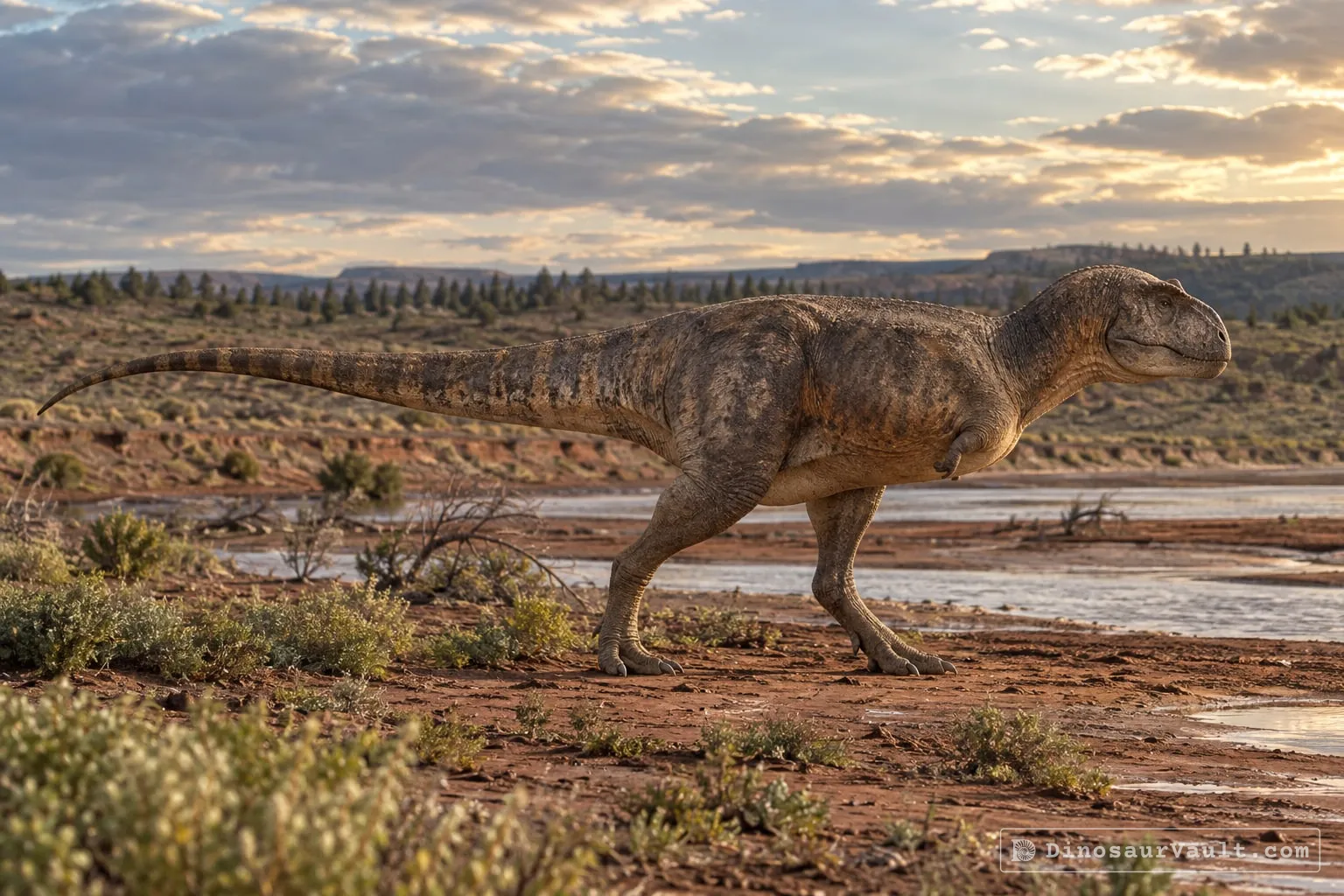
Llukalkan was an abelisaurid, a two-legged predator with a short, deep skull, rough bumps on its face and tiny arms. It is known from a well-preserved skull. An air-filled space near its ear may have given it keen hearing.
Its world
It lived about 86 to 84 million years ago, in the Late Cretaceous, in what is now Argentina. Its bones come from the Bajo de la Carpa Formation, where it lived alongside the small predator Velocisaurus, the abelisaurid Viavenator and the titanosaur Neuquensaurus.
How it was found
Gianechini and colleagues named it in 2020. Its name comes from a local language.
Field gallery
More views of Llukalkan
Scenes reconstructed from the available fossil evidence.
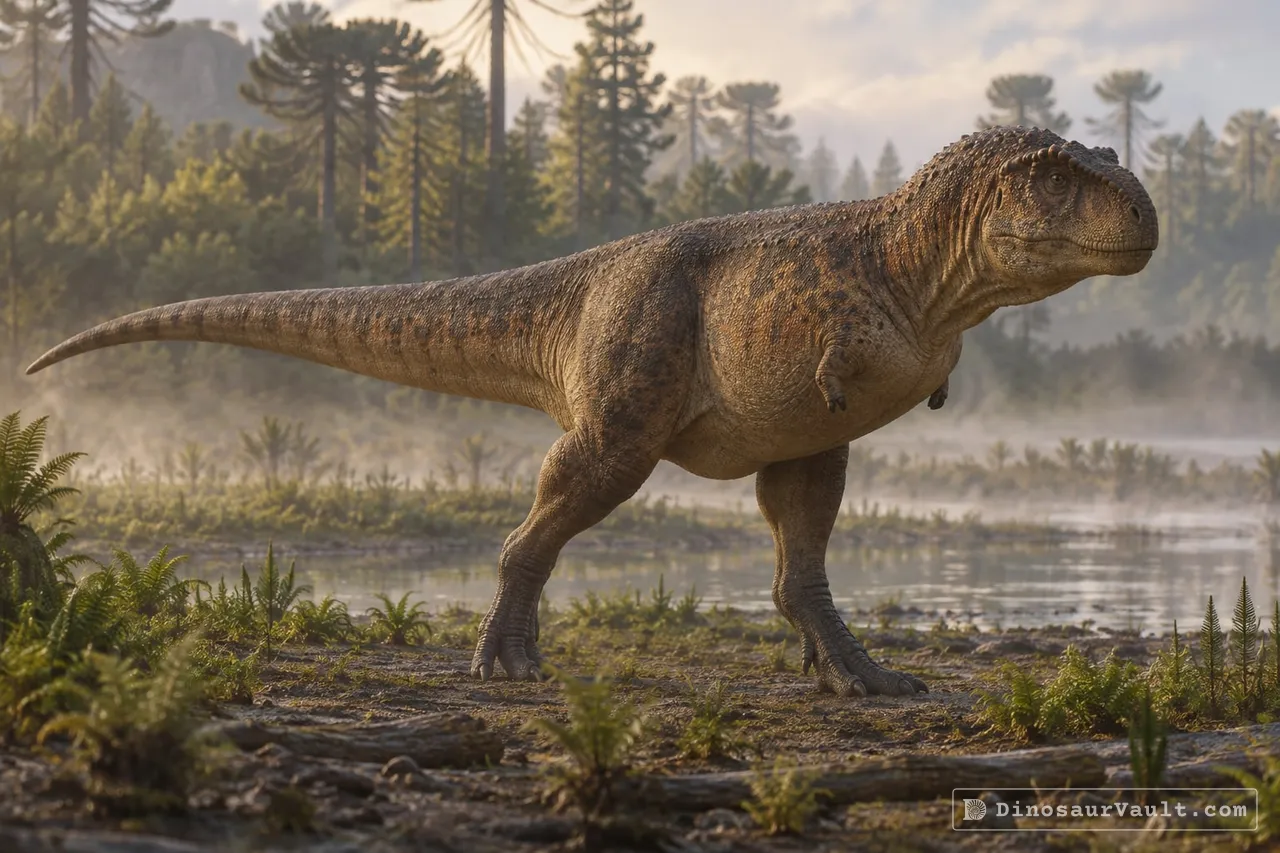
1 of 3
Lived alongside
Found in the same rock formations
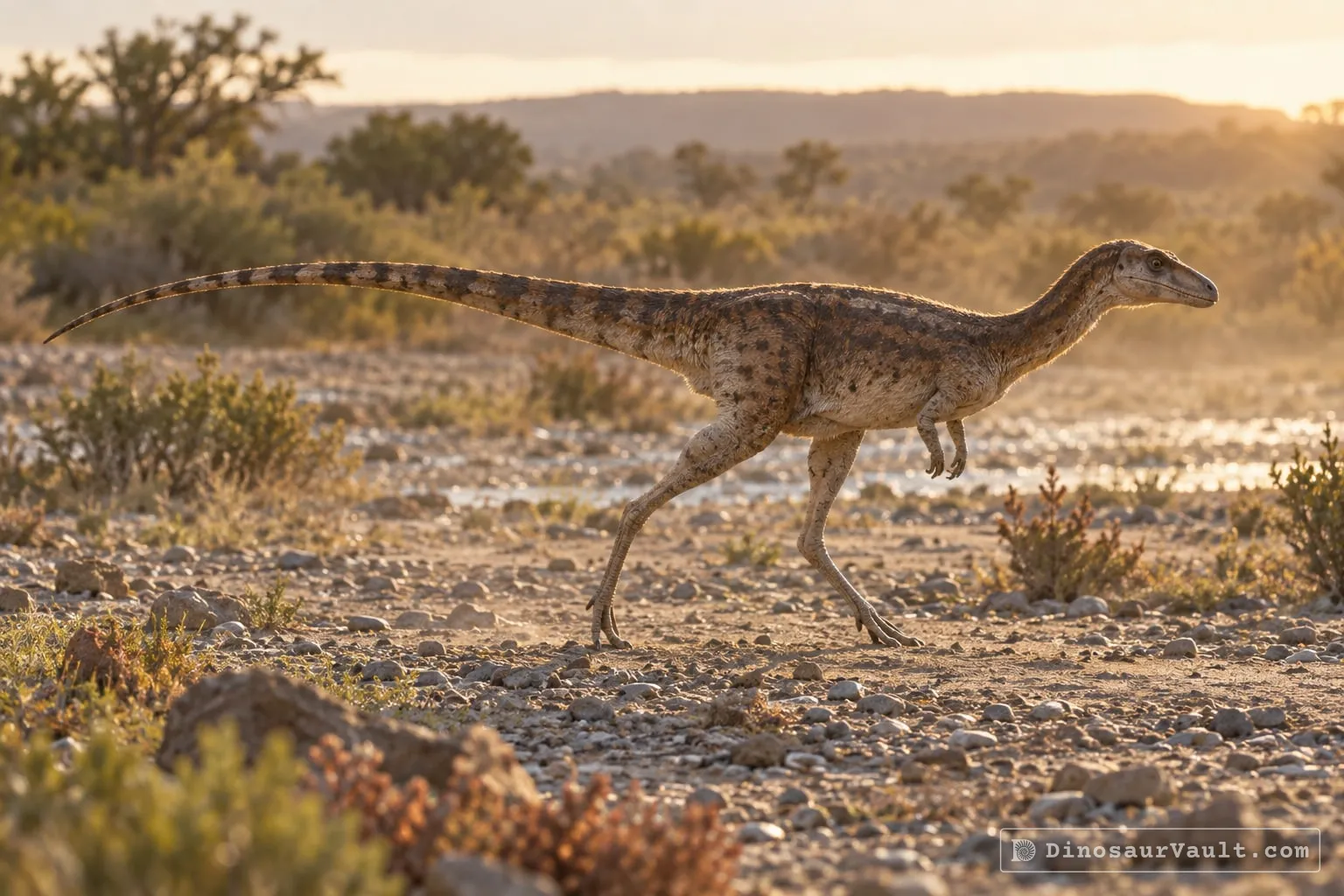
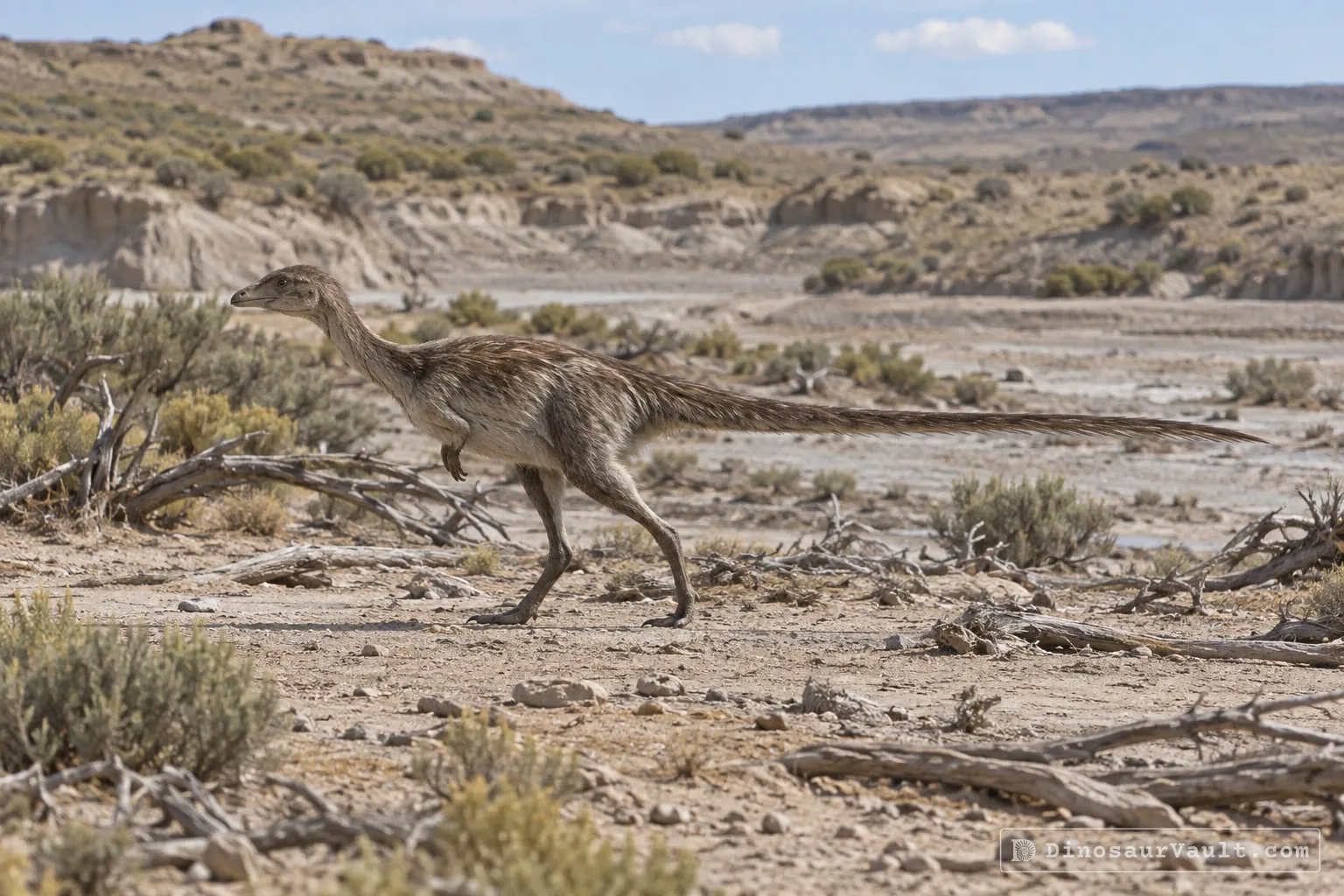
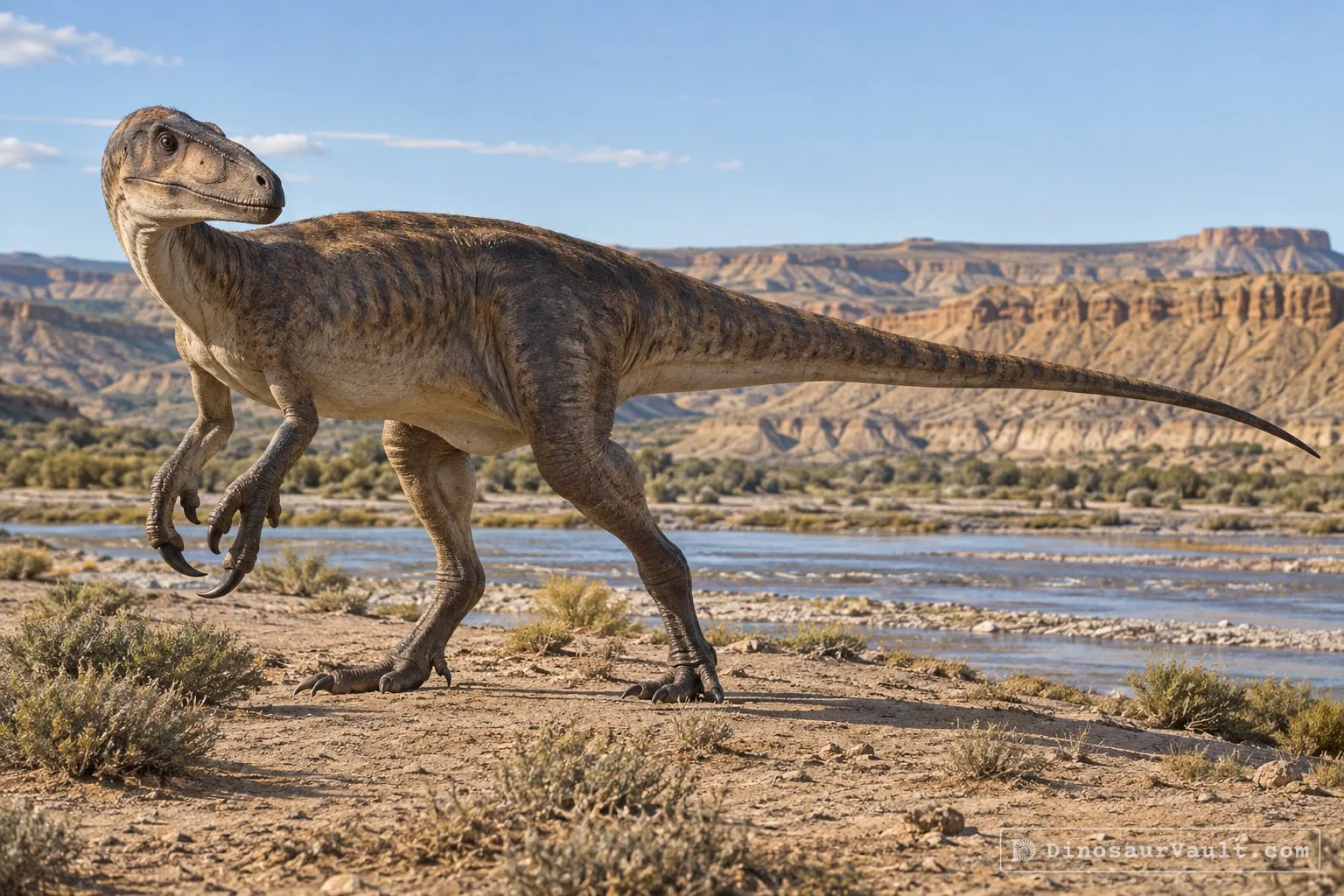
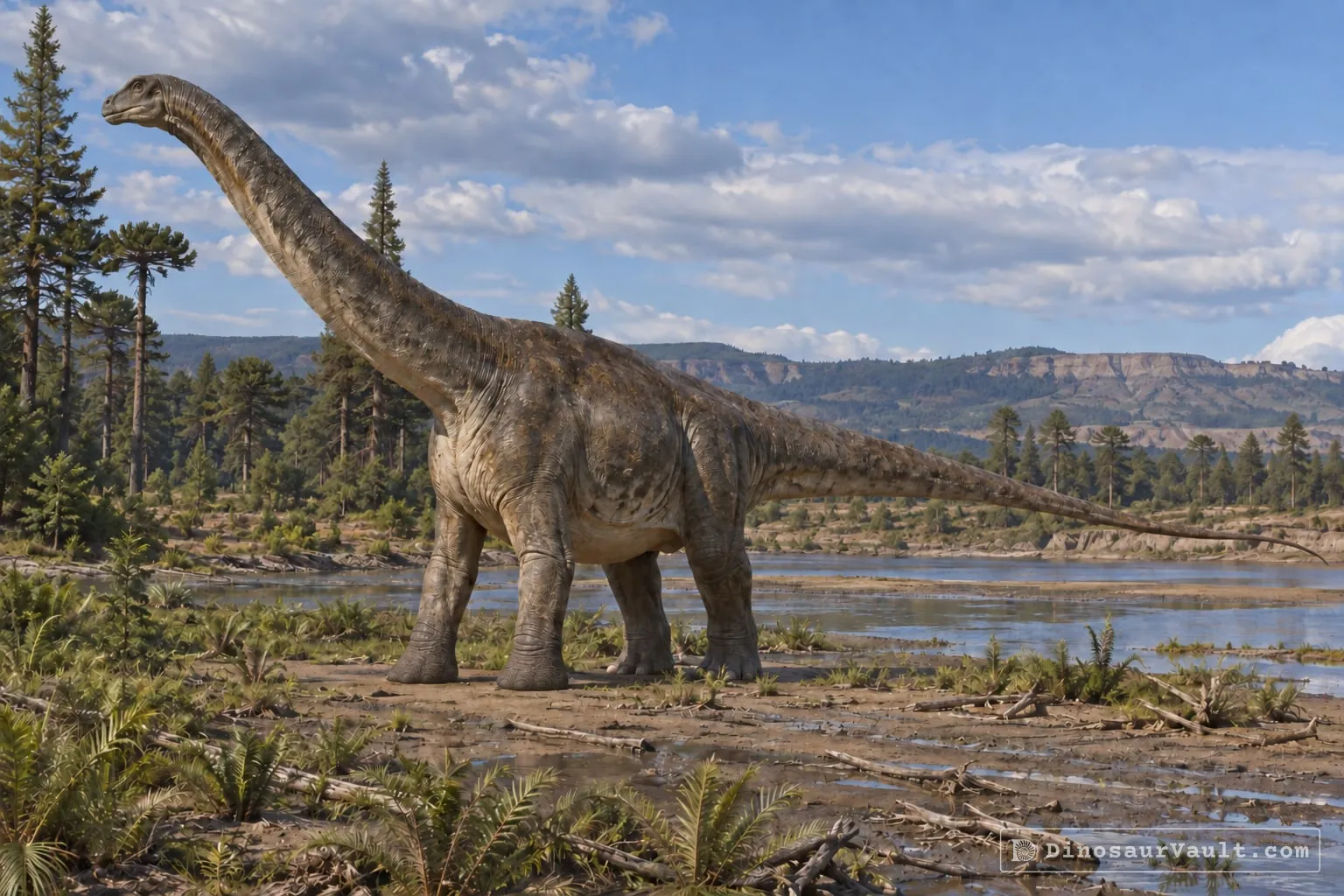
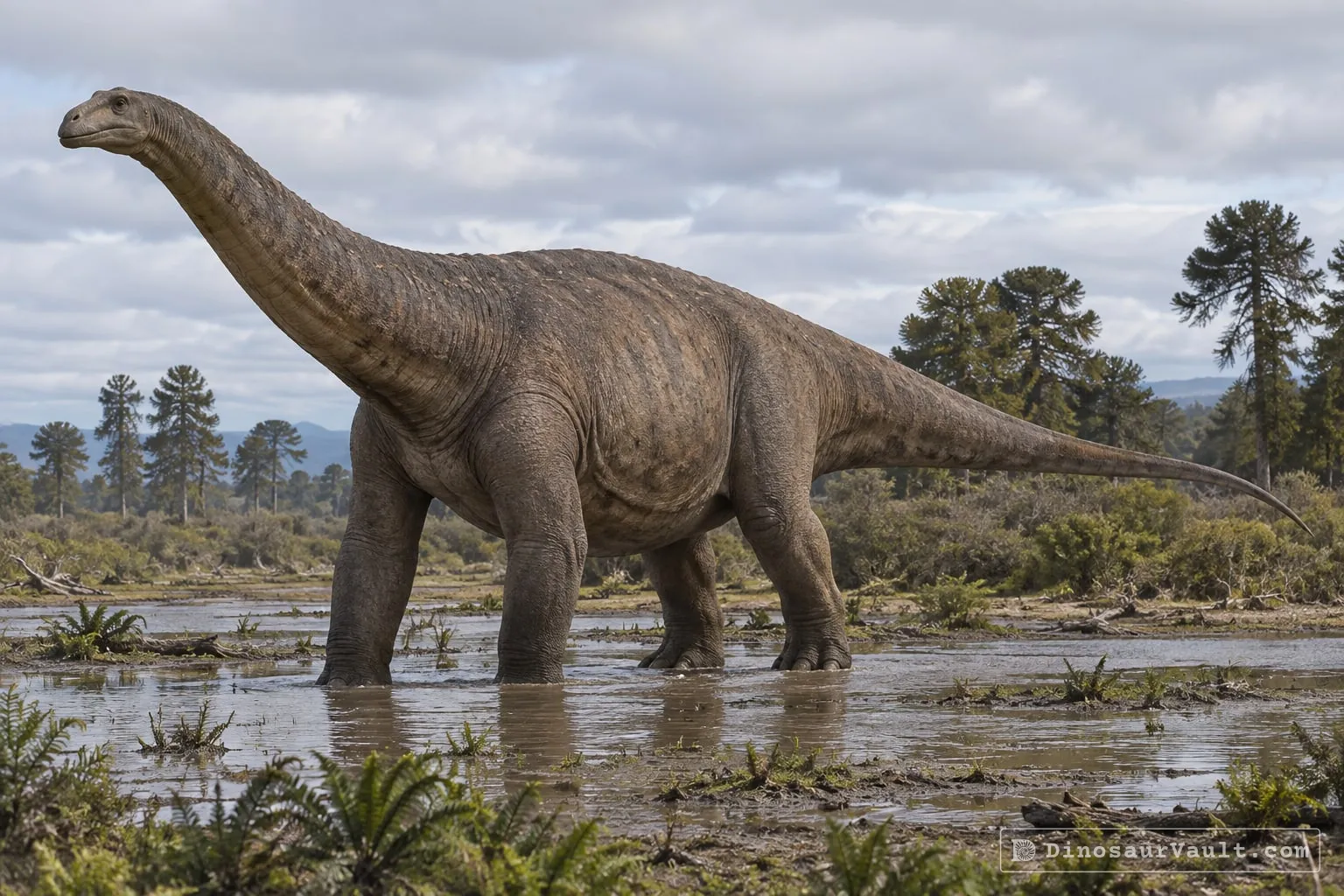
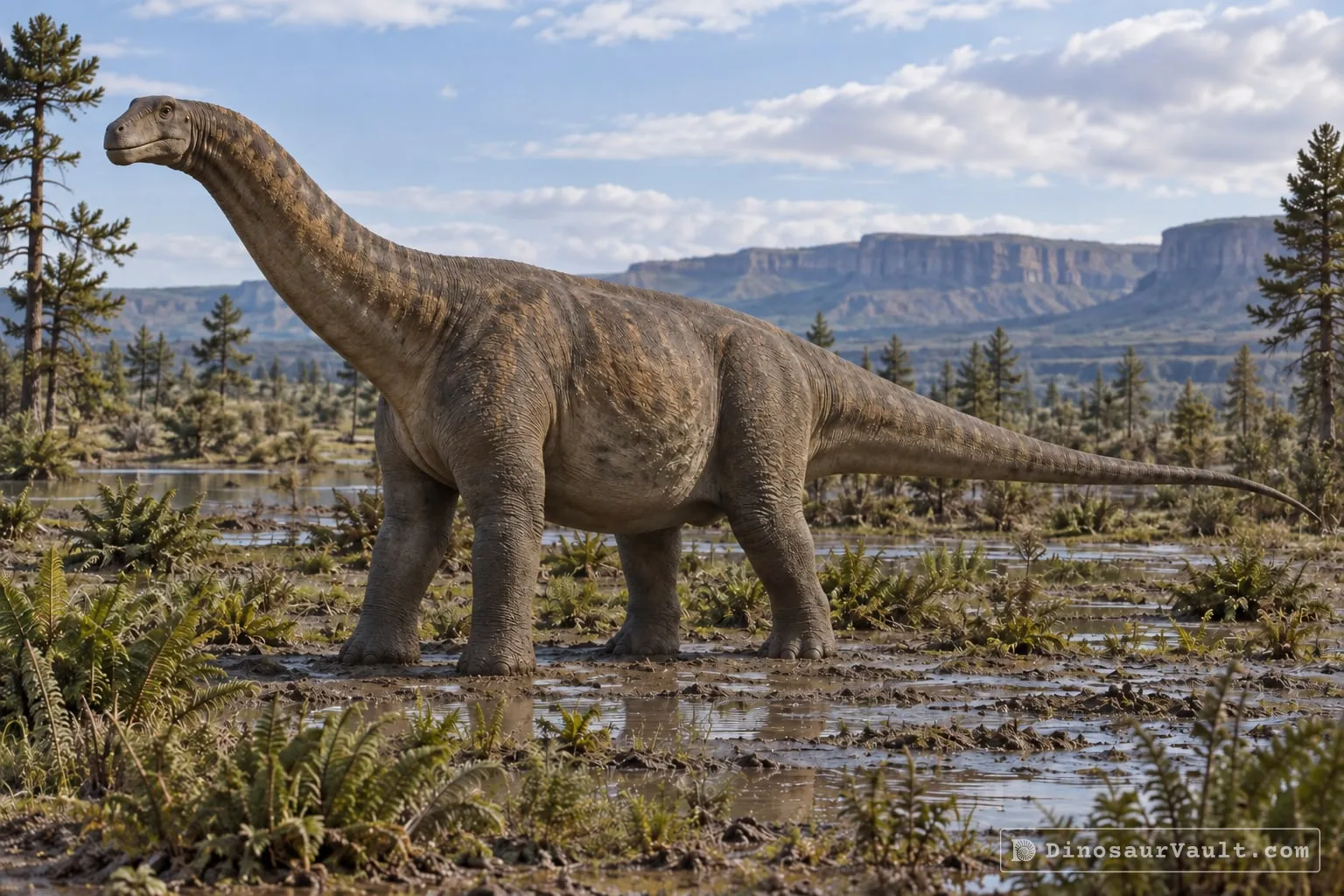


A rock formation can hold fossils laid down millions of years apart, so not every animal here met Llukalkan.
The evidence
The science behind Llukalkan
Which parts of the picture come from its own bones, and which come from its relatives.
From its own fossils
- Skull bones include a well-preserved braincase and a bone in front of the eye with a crossbar across its top.
- The braincase has a recess that may be part of the middle-ear system.
- The braincase differs from that of Viavenator in a combination of features.
Borrowed from relatives
- Majungasaurus supplies comparisons for the missing face, neck and trunk, arms, hands and feet.
Still unknown
- Whether the extra air space formed part of the middle-ear system and improved its hearing.
- Its full body proportions.
- Its skin color.
Discovery timeline
- 2017PostureBurch
- 2018SkullPaulina-Carabajal & Filippi
- 2018Same rocksFilippi et al.
- 2020Named itGianechini et al.
Key papers
The research behind what we know of Llukalkan
Posture
Described the very short forearm and reduced fingers of Majungasaurus, the comparison for Llukalkan's missing arms and hands.
Myology of the forelimb of Majungasaurus crenatissimus (Theropoda, Abelisauridae) and the morphological consequences of extreme limb reduction. Journal of Anatomy 231: 515-531
Read the paper : Myology of the forelimb of Majungasaurus crenatissimus (Theropoda, Abelisauridae) and the morphological consequences of extreme limb reduction (opens in a new tab)Skull
Reconstructed the brain cavity and inner ear of Viavenator, providing a comparison for Llukalkan's braincase.
Neuroanatomy of the abelisaurid theropod Viavenator : The most complete reconstruction of a cranial endocast and inner ear for a South American representative of the clade. Cretaceous Research 83: 84-94
Read the paper : Neuroanatomy of the abelisaurid theropod Viavenator : The most complete reconstruction of a cranial endocast and inner ear for a South American representative of the clade (opens in a new tab)Same rocks
Described the skull and body bones of Viavenator, a related predator from the same rocks.
Osteology of Viavenator exxoni (Abelisauridae; Furileusauria) from the Bajo de la Carpa Formation, NW Patagonia, Argentina. Cretaceous Research 83: 95-119
Read the paper : Osteology of Viavenator exxoni (Abelisauridae; Furileusauria) from the Bajo de la Carpa Formation, NW Patagonia, Argentina (opens in a new tab)Named it
Named Llukalkan from skull bones with a distinctive braincase and a possible air-filled recess near the ear.
A new furileusaurian abelisaurid from La Invernada (Upper Cretaceous, Santonian, Bajo de la Carpa Formation), northern Patagonia, Argentina. Journal of Vertebrate Paleontology 40: e1877151
Read the paper : A new furileusaurian abelisaurid from La Invernada (Upper Cretaceous, Santonian, Bajo de la Carpa Formation), northern Patagonia, Argentina (opens in a new tab)
Close relatives
Other members of Abelisauridae


Sources: Wikidata