Outline: a typical theropod
Leptorhynchos
"slender beak"
Type species Citipes elegans
- Lived
- 84 to 66 million years ago, Late Cretaceous
- Diet
- Omnivore
- Group
- Theropods, Caenagnathidae
- Found in
- Canada and United States
- Named by
- Longrich et al. 2013
Where its fossils were found
The evidence
Today
75 million years ago
Field notes
About Leptorhynchos
What it was like
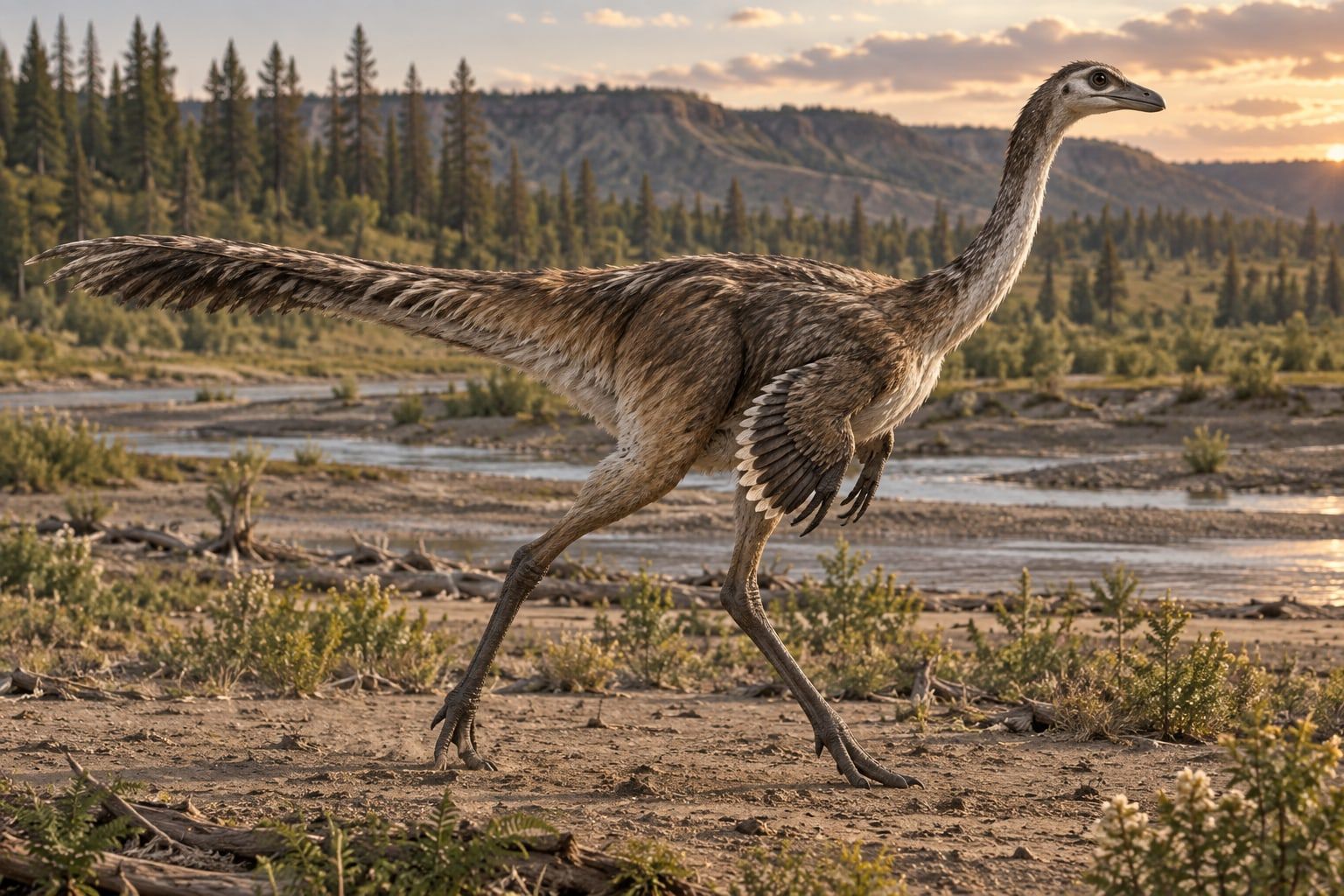
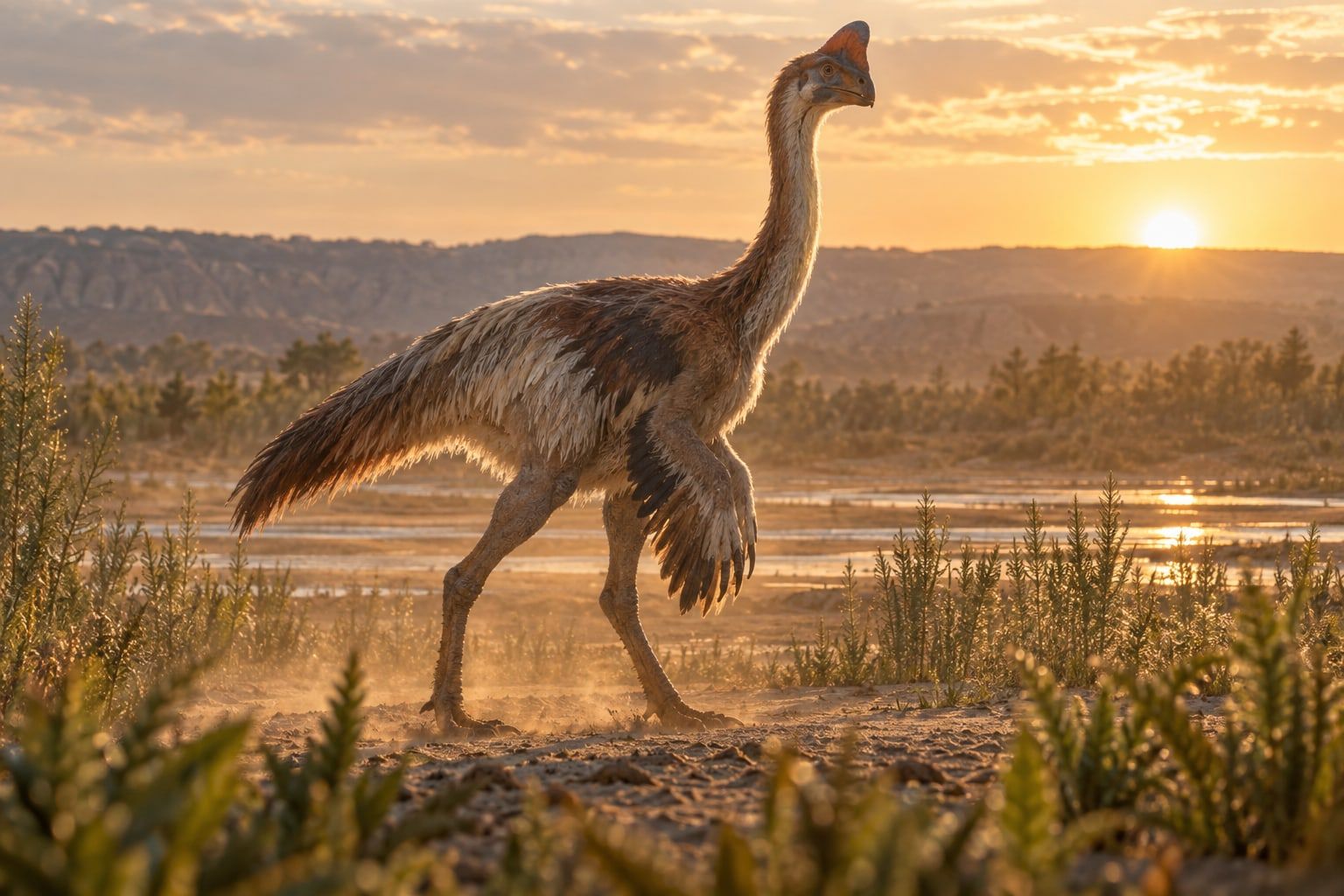
Leptorhynchos was a small feathered dinosaur from the caenagnathids, toothless relatives of Oviraptor. It is known from lower jaws that end in an upturned beak.
Its world
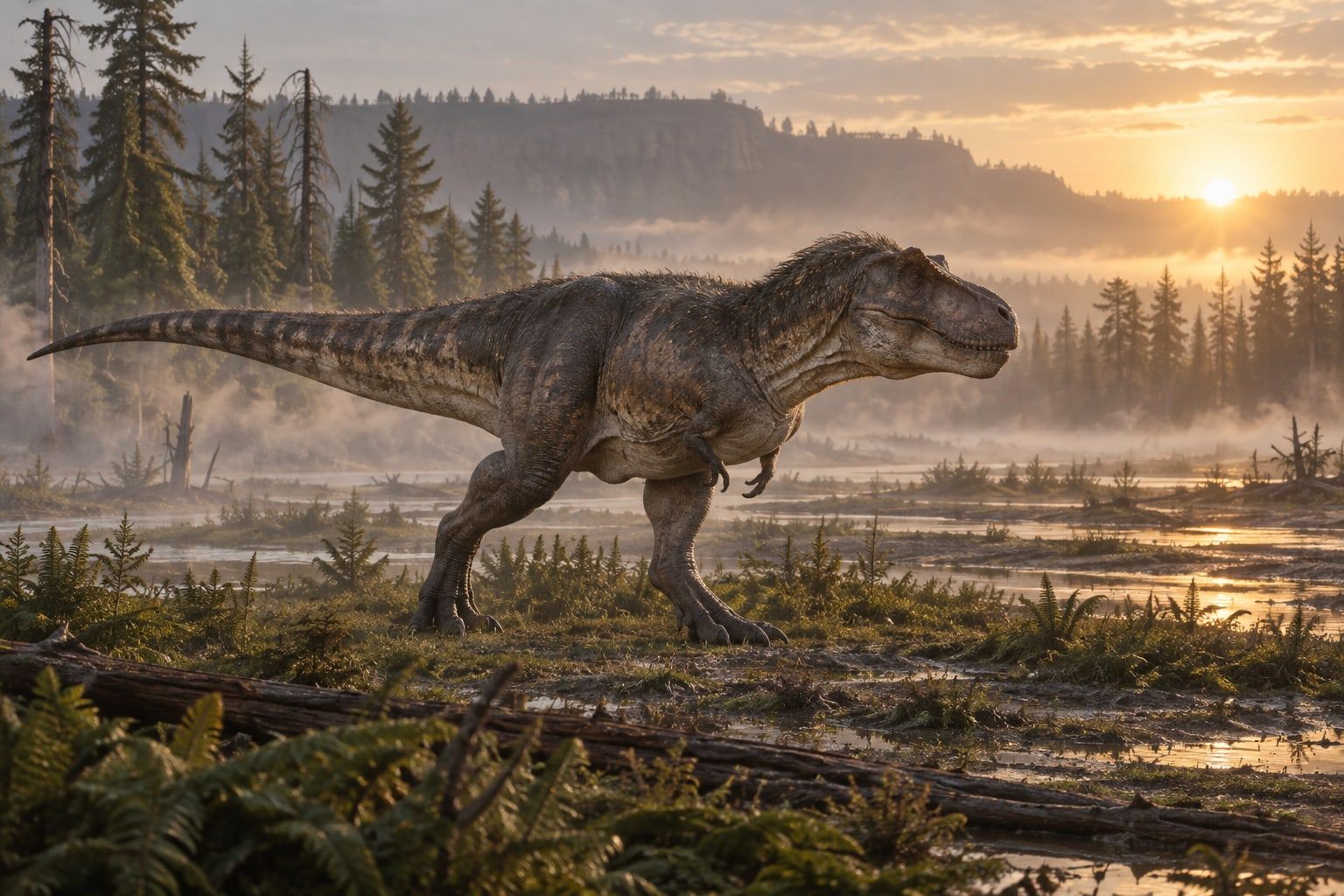
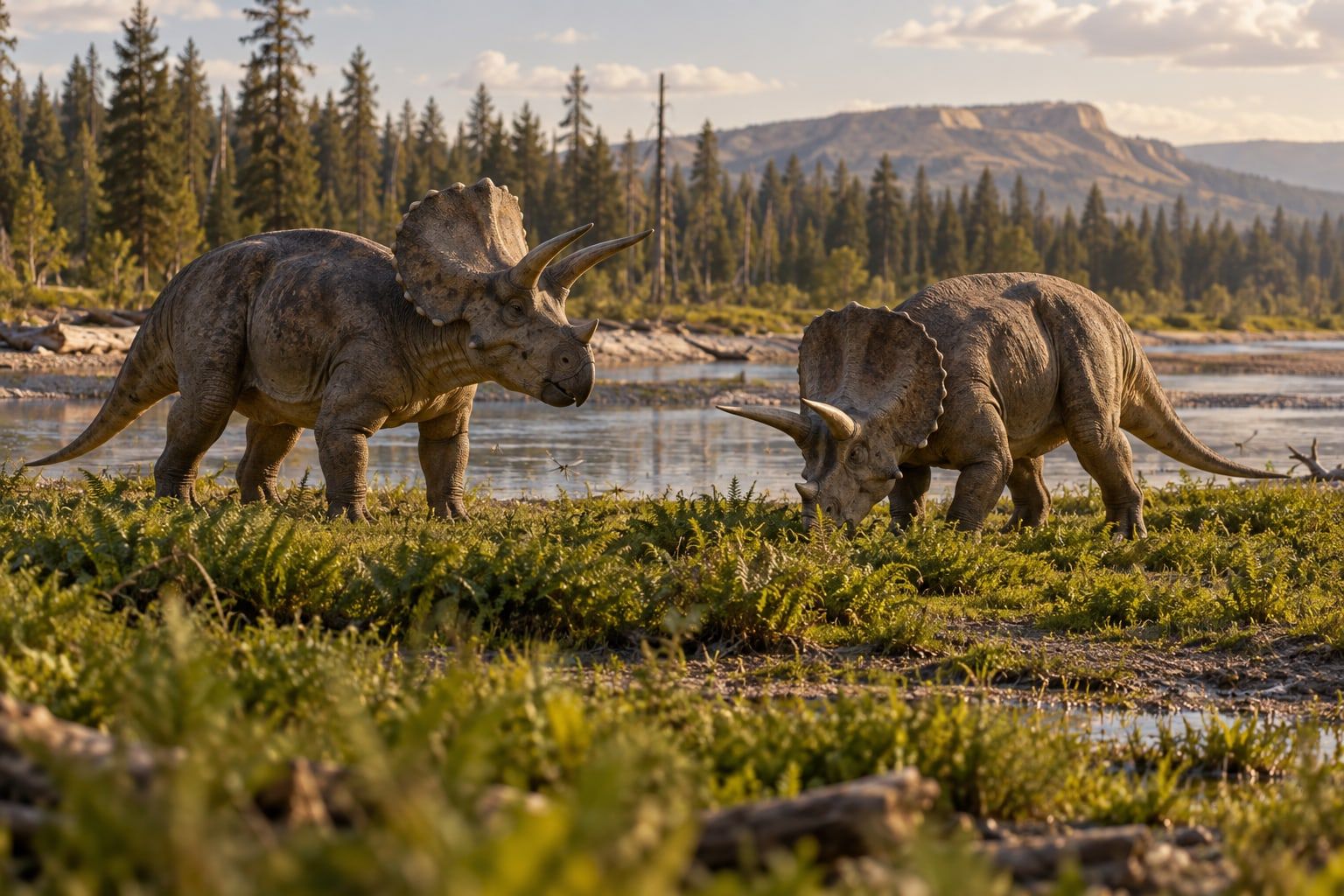
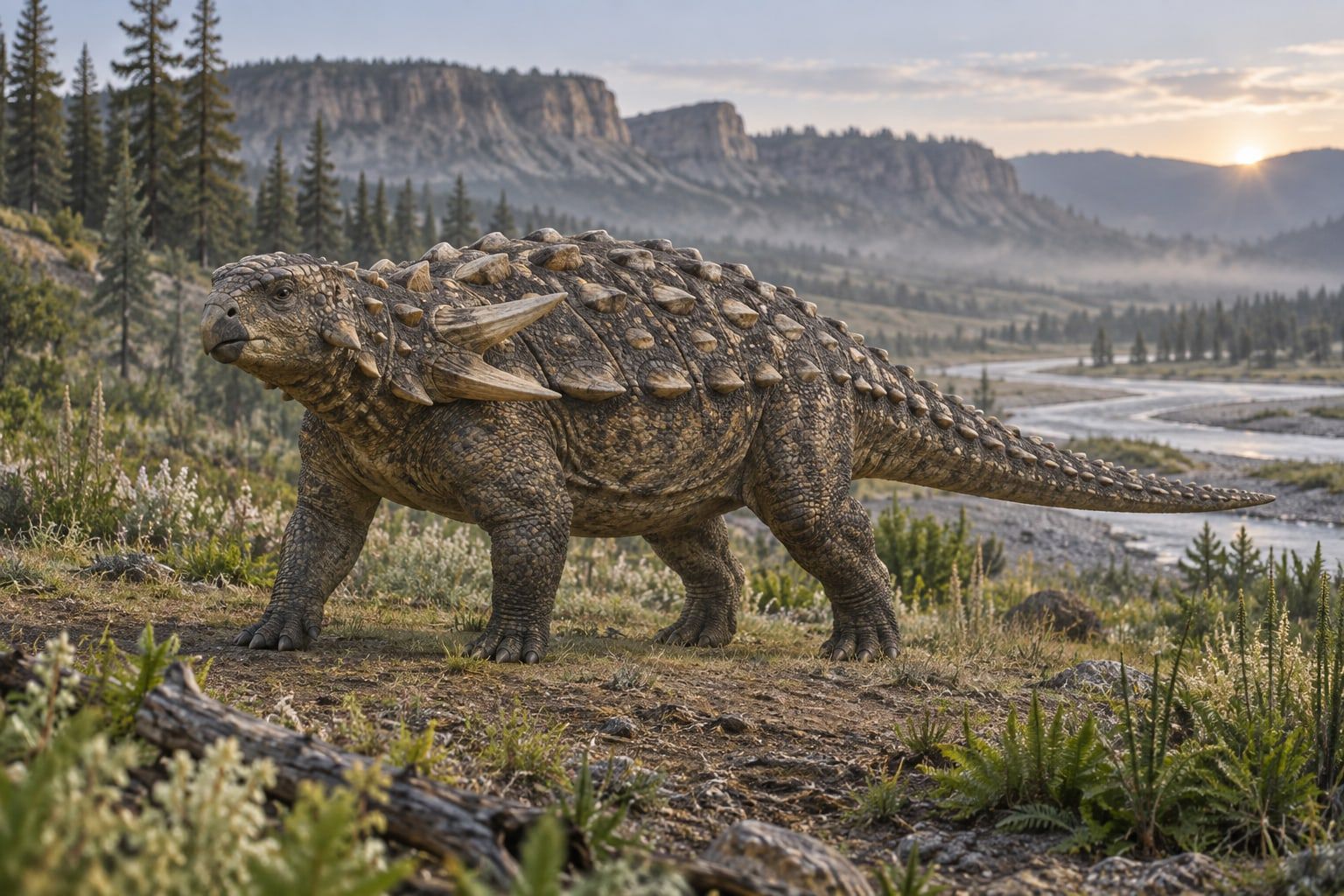
It lived in the Late Cretaceous in what is now Texas, in the United States. Its jaws come from the Aguja Formation, where it shared the land with the dome-headed Stegoceras and the armored Edmontonia.
How it was found
Longrich and colleagues named Leptorhynchos in 2013. A second species from Alberta was first placed in it, but has since been moved to a genus of its own, Citipes.
Lived alongside
Found in the same rock formations
Close relatives
Other members of Caenagnathidae
Sources: WikidataNamed in: N. R. Longrich, K. Barnes, and S. Clark, L. Millar. 2013. Caenagnathidae from the upper Campanian Aguja Formation of west Texas, and a revision of the Caenagnathinae. Bulletin of the Peabody Museum of Natural History 54(1):23-49