Outline: a typical ceratopsian
Agujaceratops
"Aguja horned face"
Type species Agujaceratops mariscalensis
- Lived
- 84 to 72 million years ago, Late Cretaceous
- Diet
- Herbivore
- Group
- Ceratopsians, Ceratopsidae
- Found in
- United States
- Named by
- Lucas et al. 2006
Where its fossils were found
The evidence
Today
80 million years ago
Also reported from Mexico.
Field notes
About Agujaceratops
What it was like
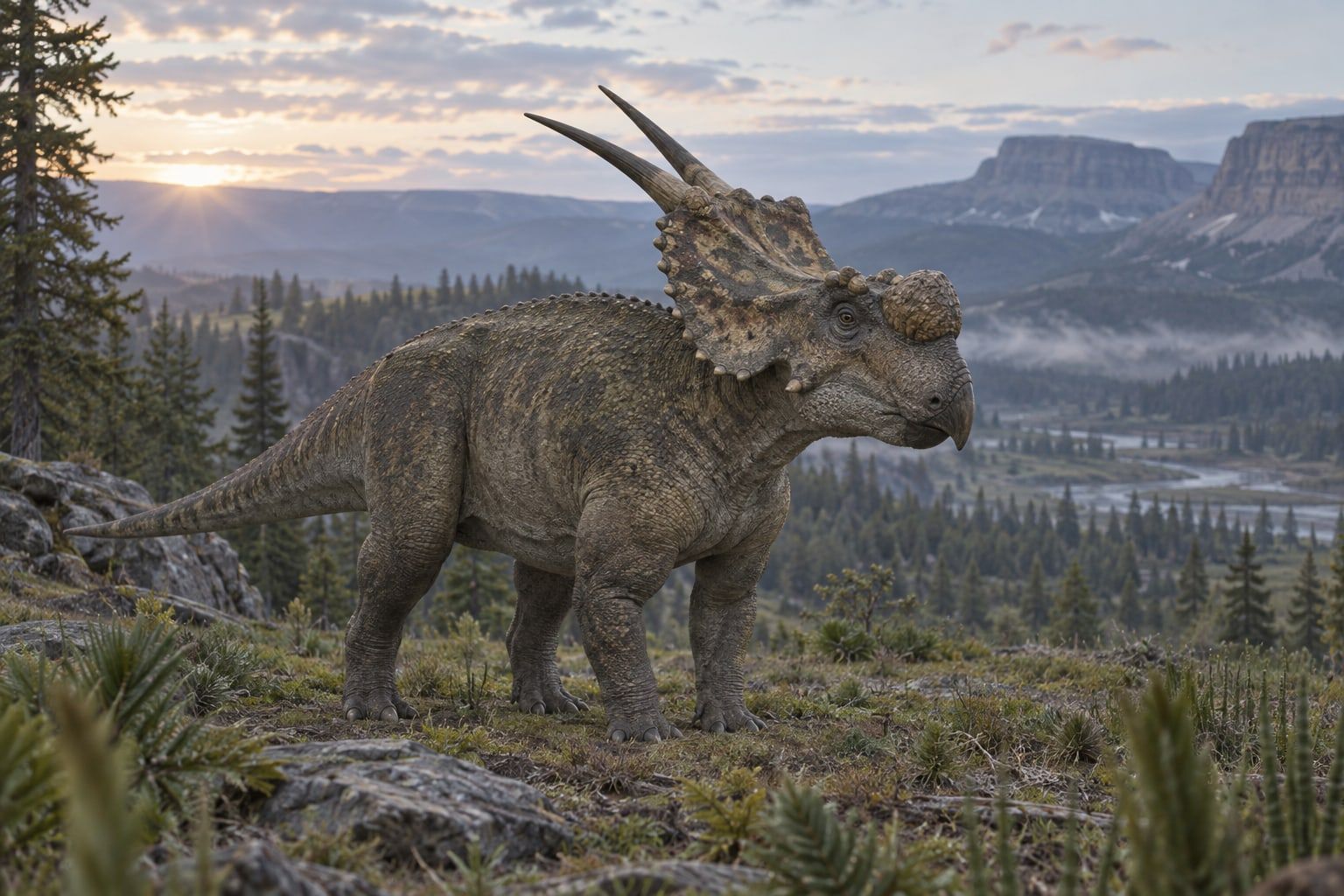
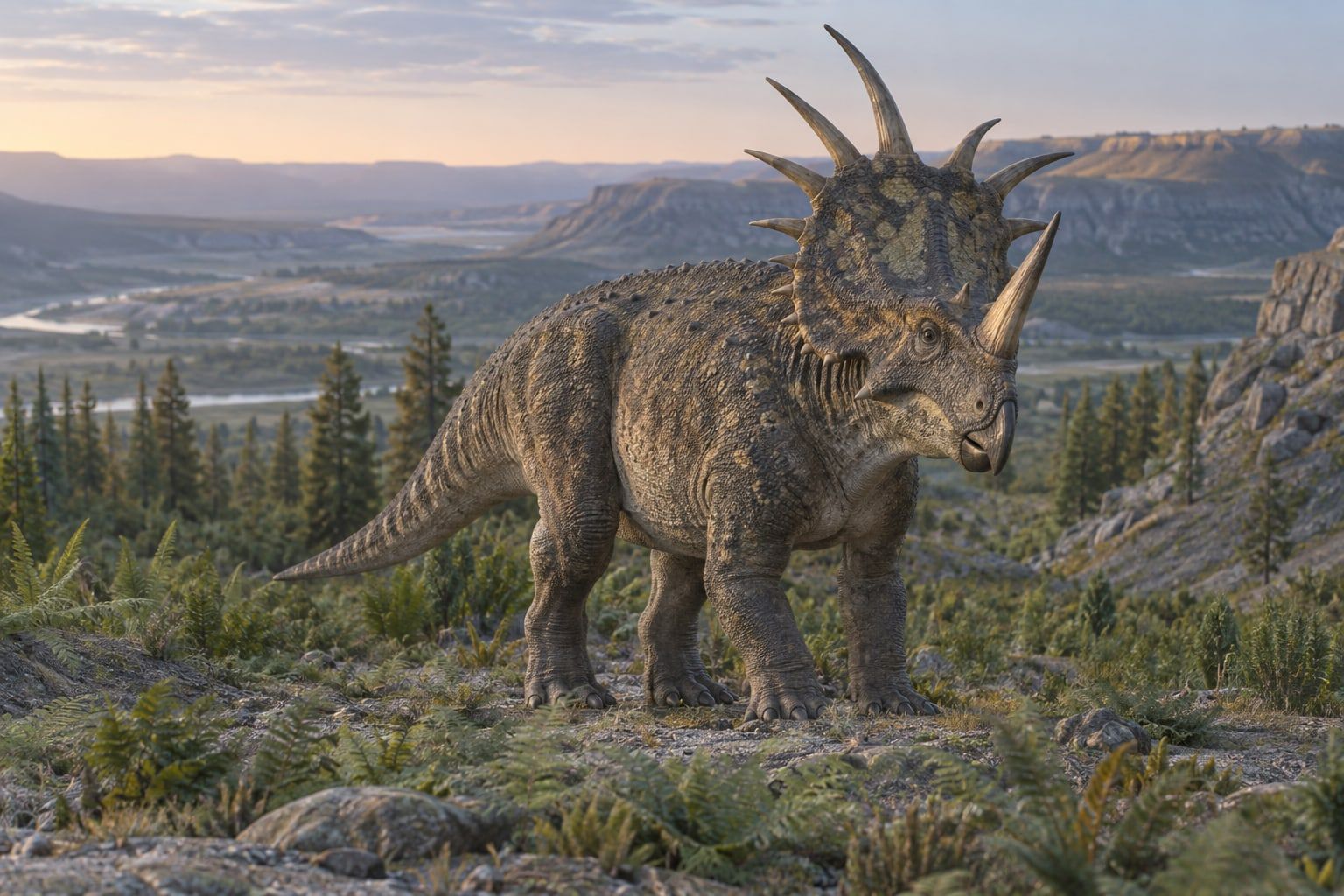
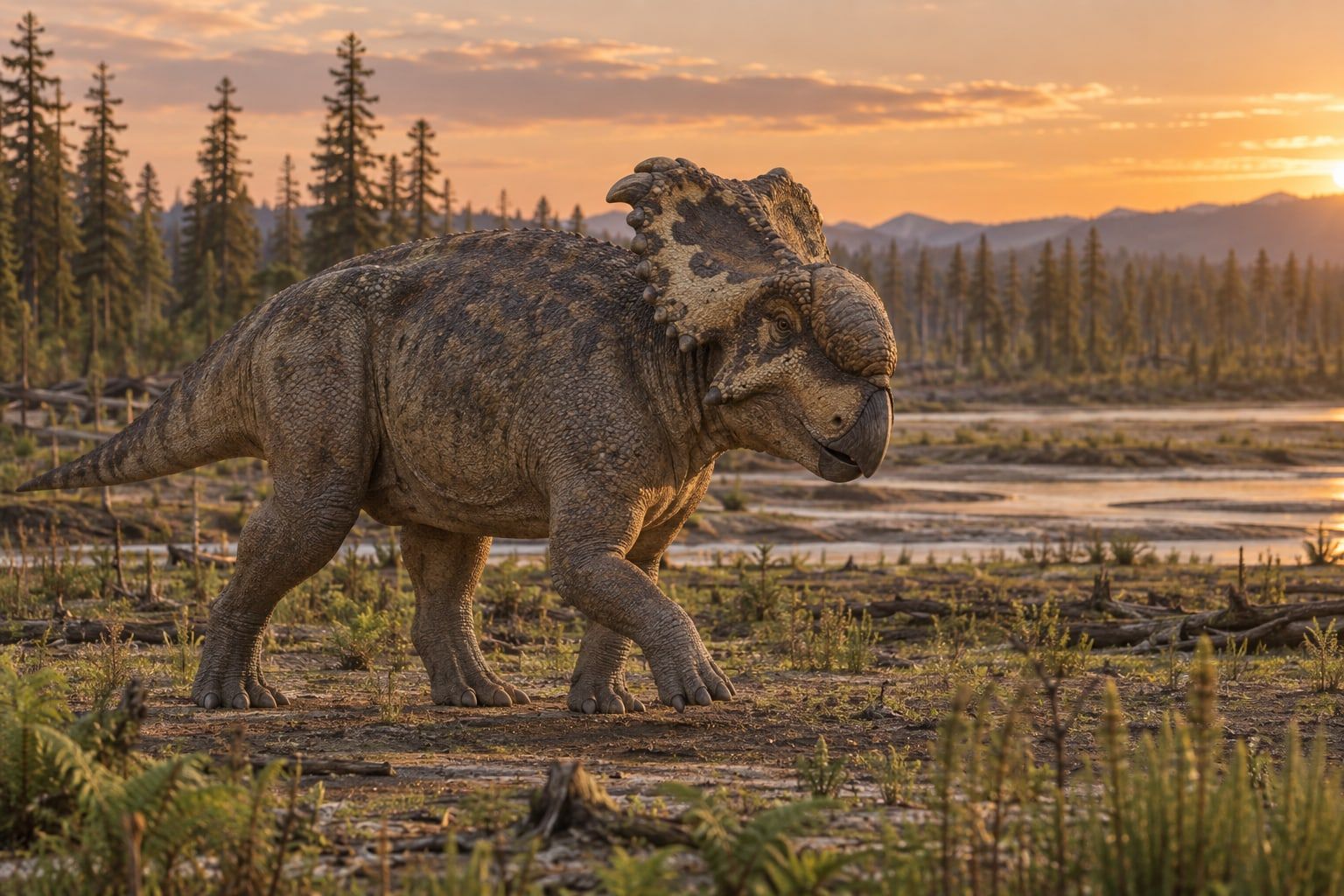
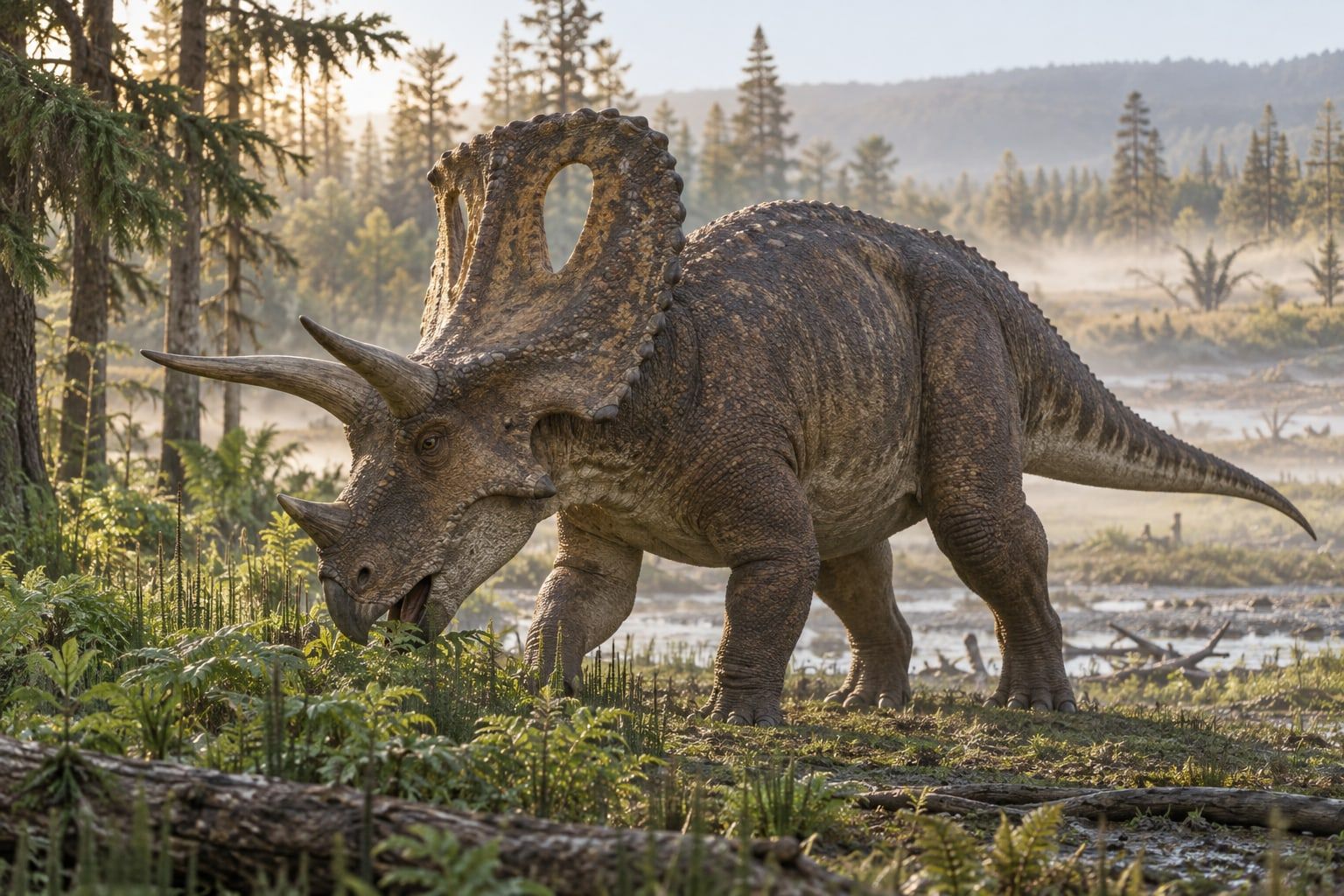
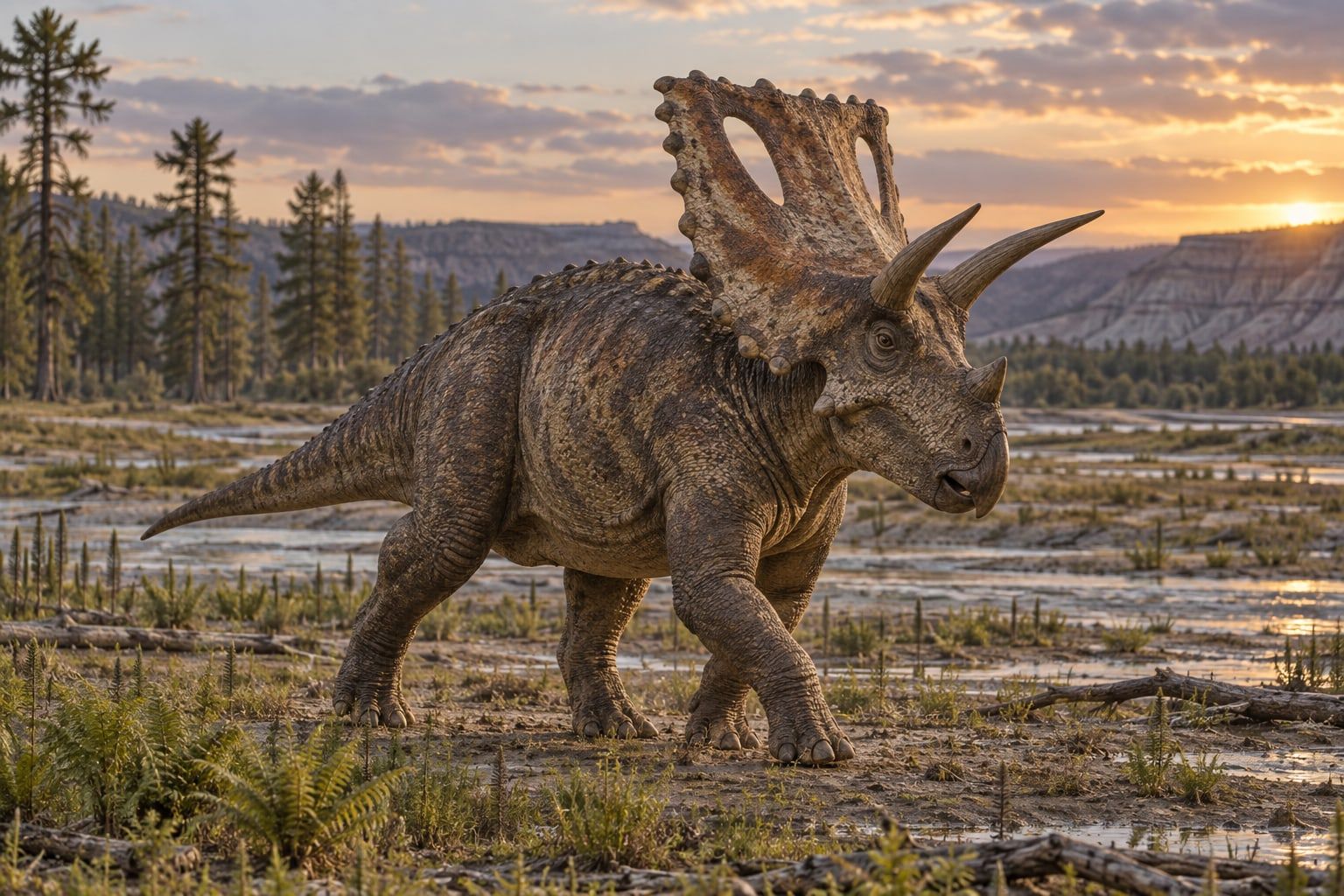
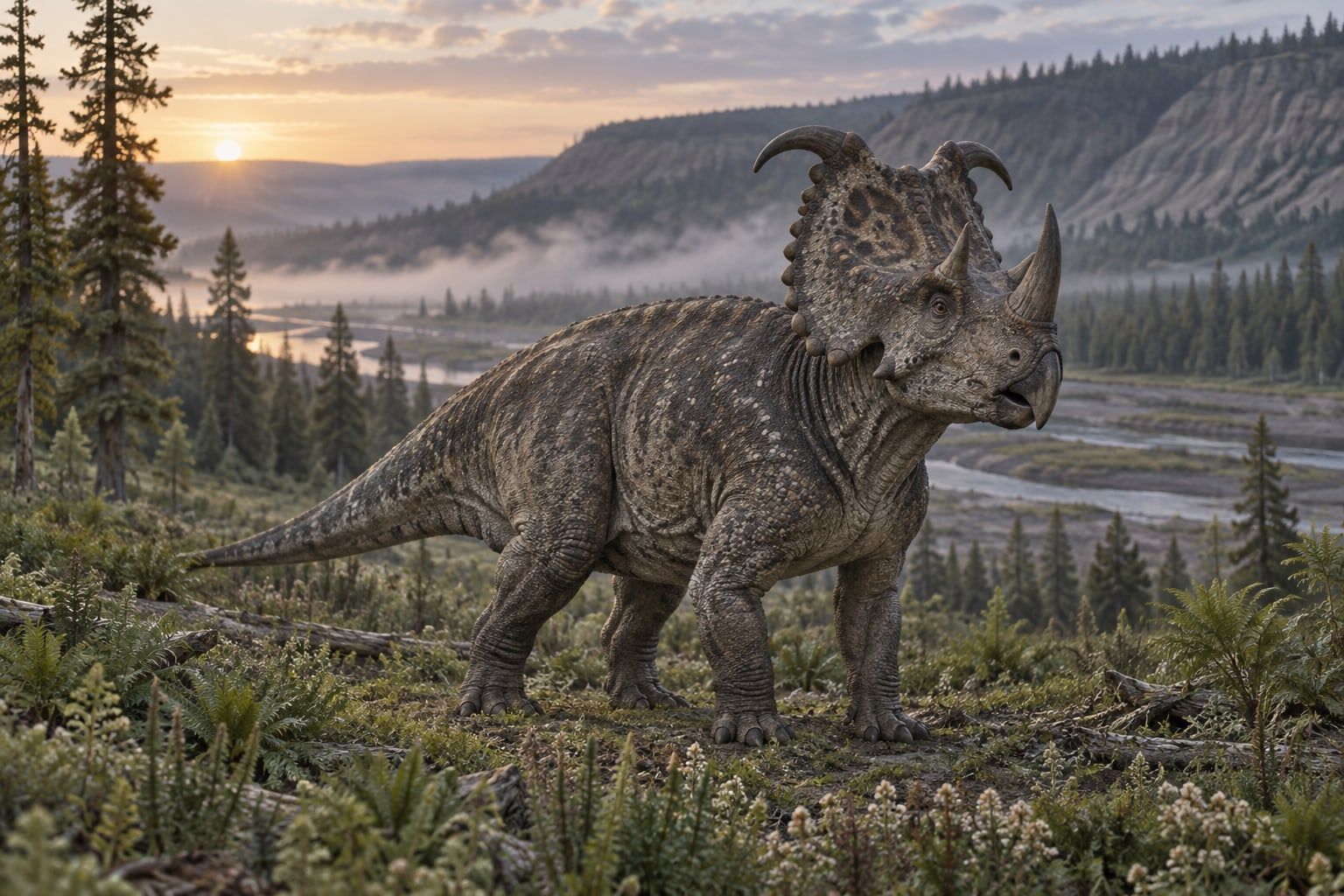
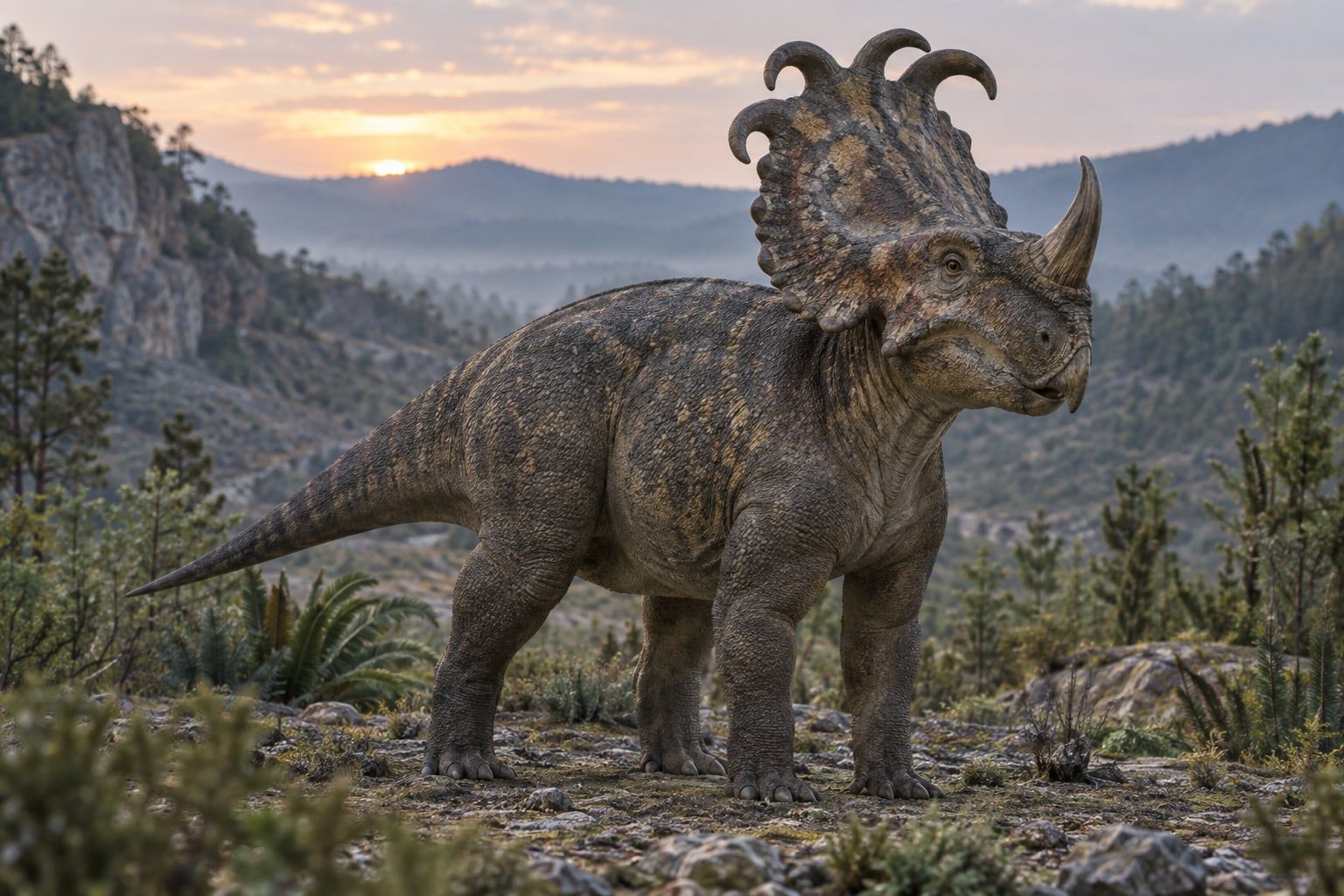
Agujaceratops was a horned dinosaur related to Chasmosaurus, with a long, broad frill and horns over its eyes. Its brow horns were fairly short.
Its world
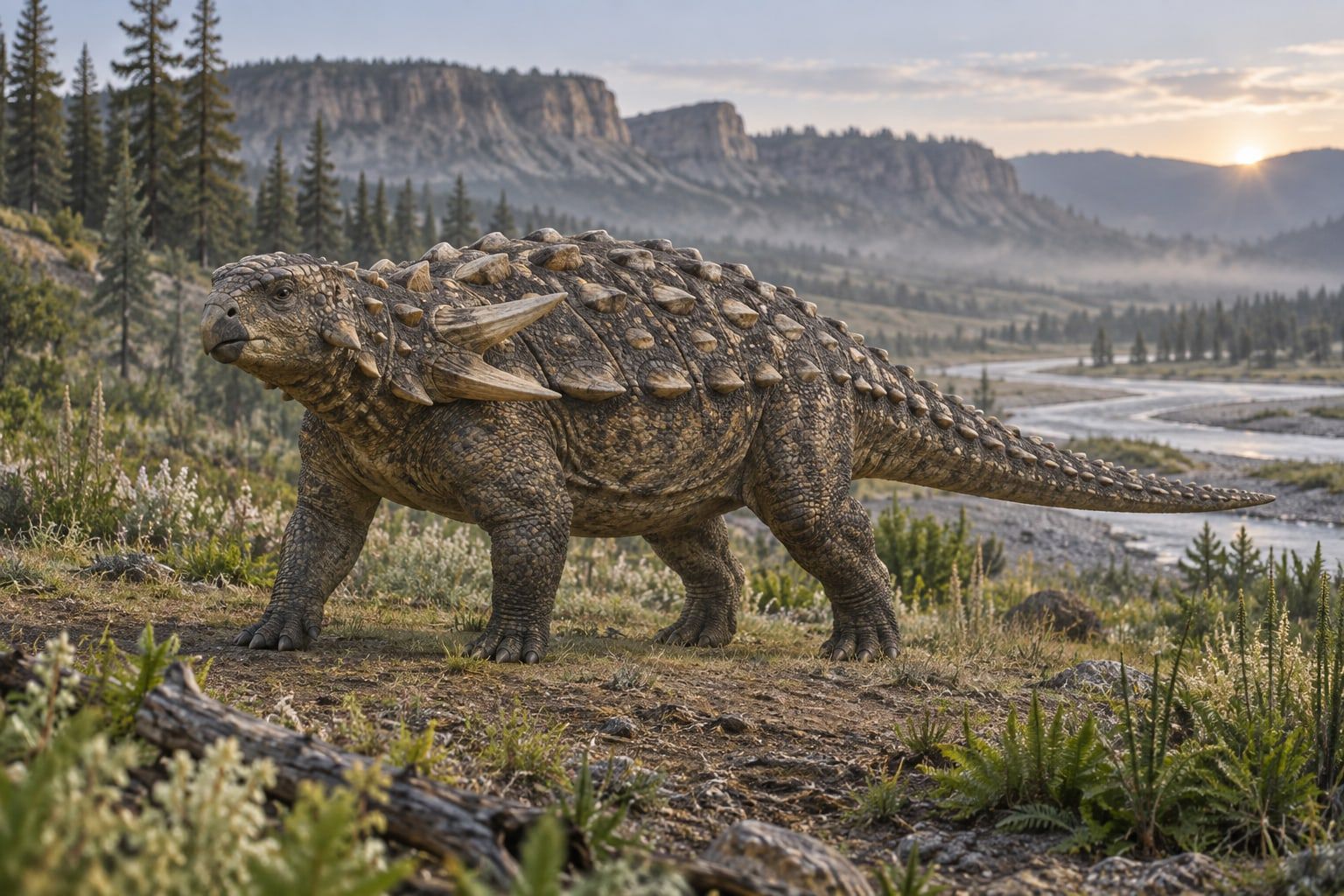
It lived in the Late Cretaceous, in what is now Texas. It comes from the Aguja Formation, a coastal land of swamps shared with the duckbill Kritosaurus and the armored Panoplosaurus. Fossils that may belong to it are also reported from Mexico.
How it was found
Lucas and colleagues named Agujaceratops in 2006, from fossils first placed in Chasmosaurus. The type species is Agujaceratops mariscalensis. A bone bed holds the remains of several animals.
Lived alongside
Found in the same rock formations
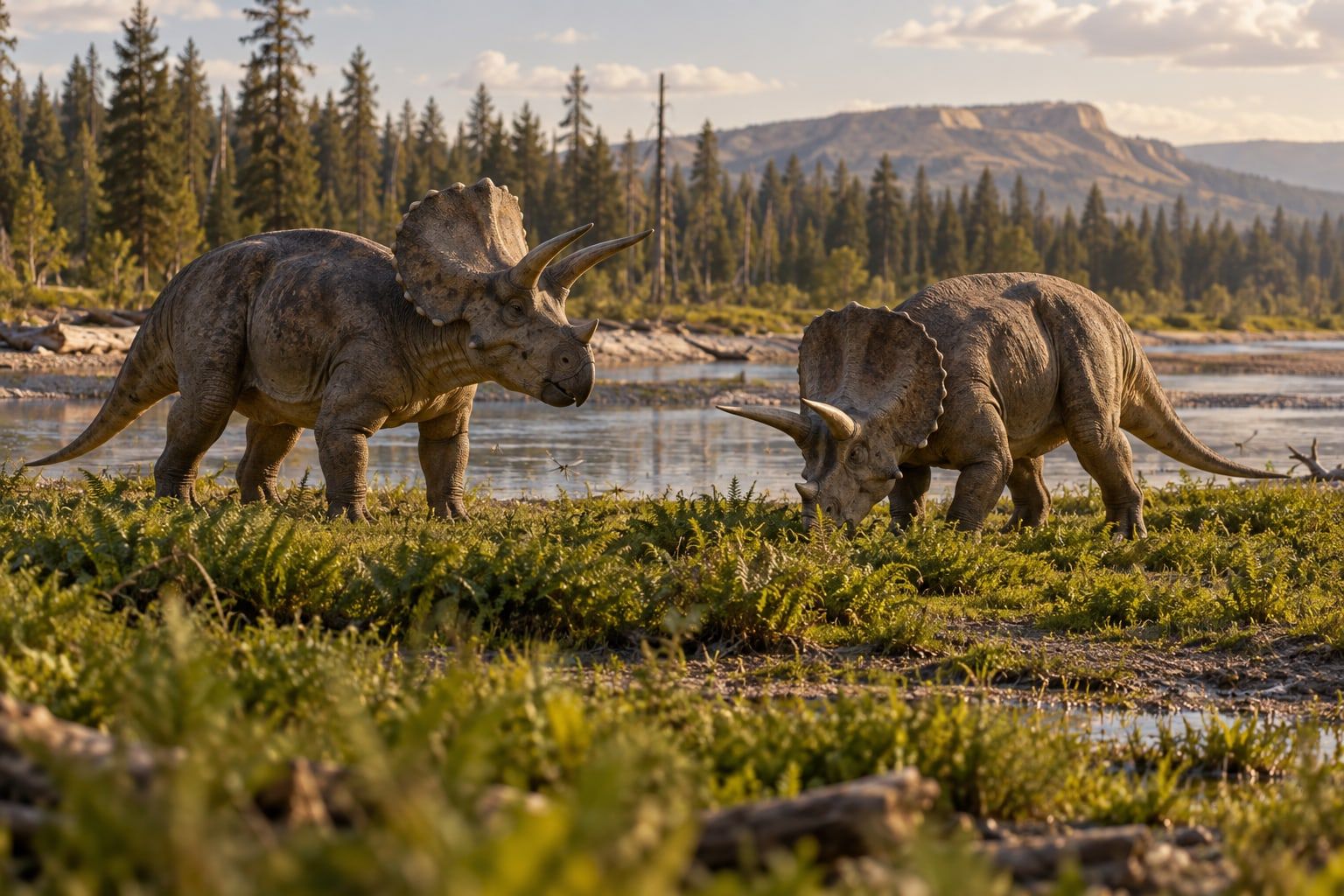
Close relatives
Other members of Ceratopsidae
Sources: WikidataNamed in: S. G. Lucas, R. M. Sullivan, and A. P. Hunt. 2006. Re-evaluation of Pentaceratops and Chasmosaurus (Ornithischia: Ceratopsidae) in the Upper Cretaceous of the Western Interior. Late Cretaceous Vertebrates from the Western Interior. New Mexico Museum of Natural History and Science Bulletin 35:367-370