Outline: a typical ornithopod
Kritosaurus
KRIT-oh-SORE-us
"separated lizard"
- Lived
- 84 to 66 million years ago, Late Cretaceous
- Diet
- Herbivore
- Length
- about 8 m (26 ft)
- Group
- Ornithopods, Hadrosauridae
- Found in
- United States
- Named by
- Brown 1910
Size comparison
To scale

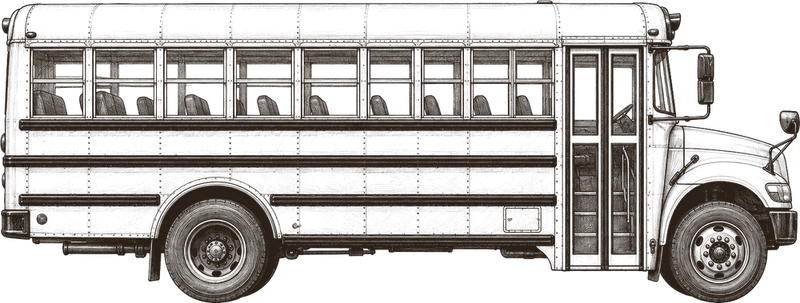
Scale in metersOutline: typical ornithopod shape
Where its fossils were found
The evidence
Today

75 million years ago
Field notes
About Kritosaurus
What it was like
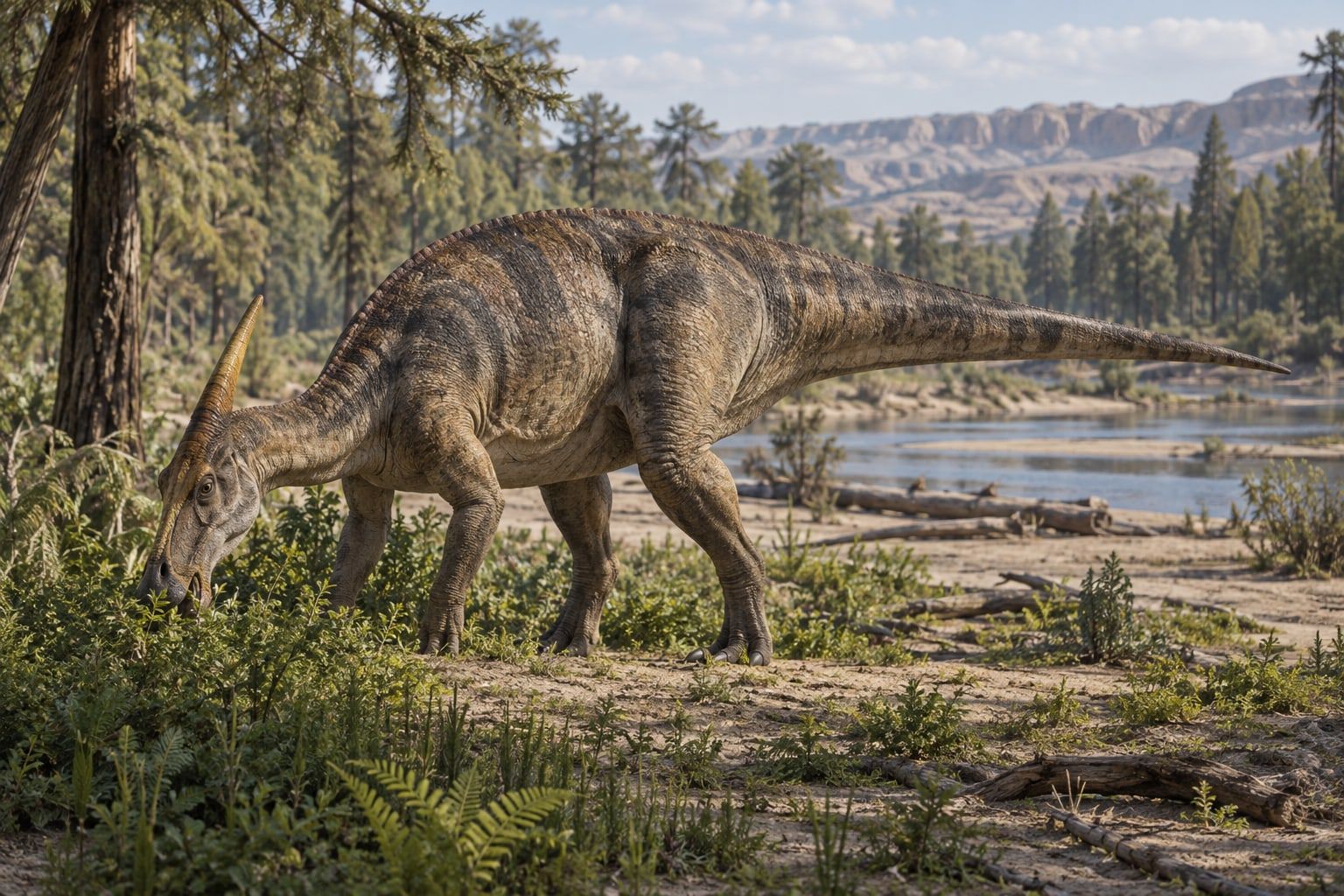
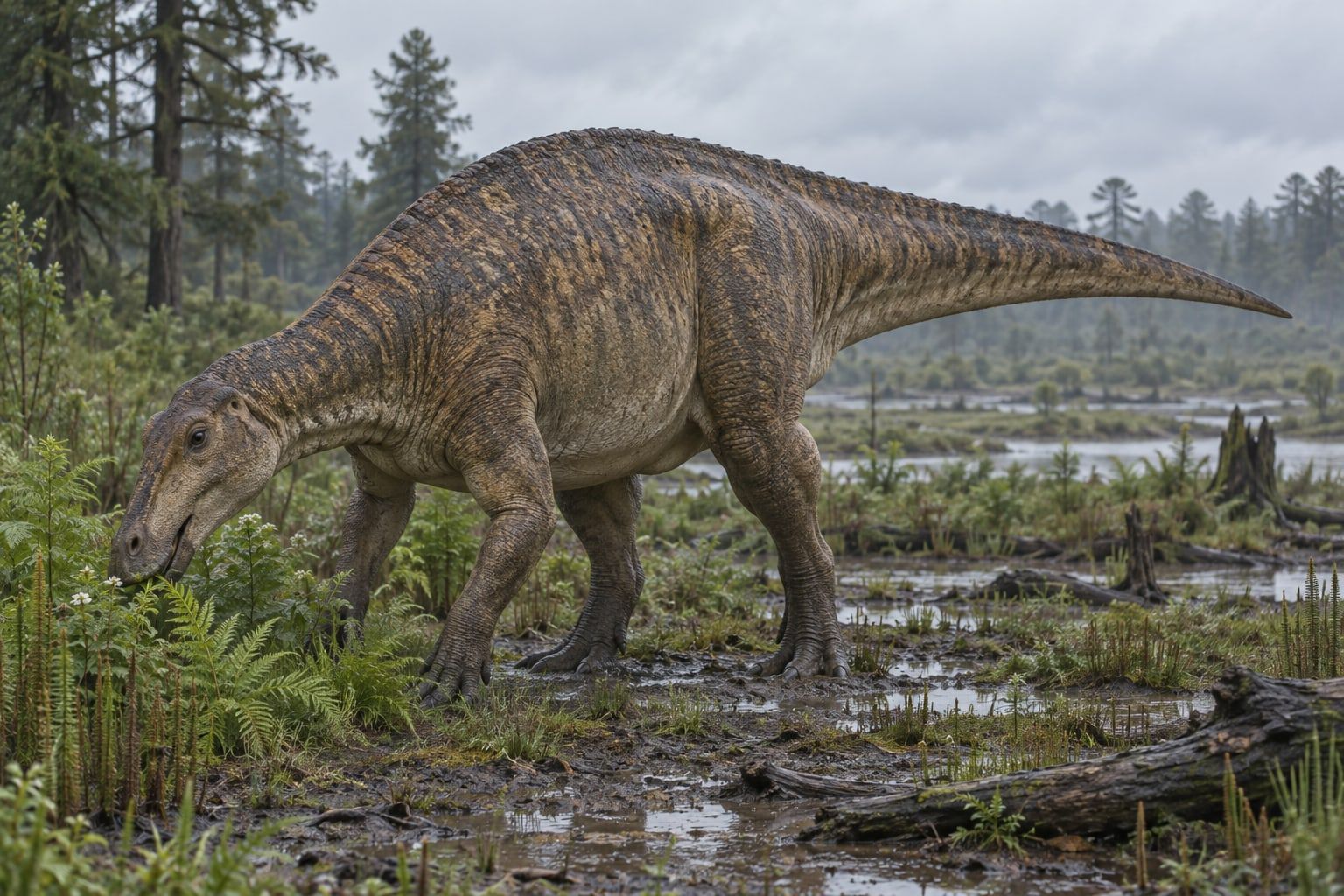
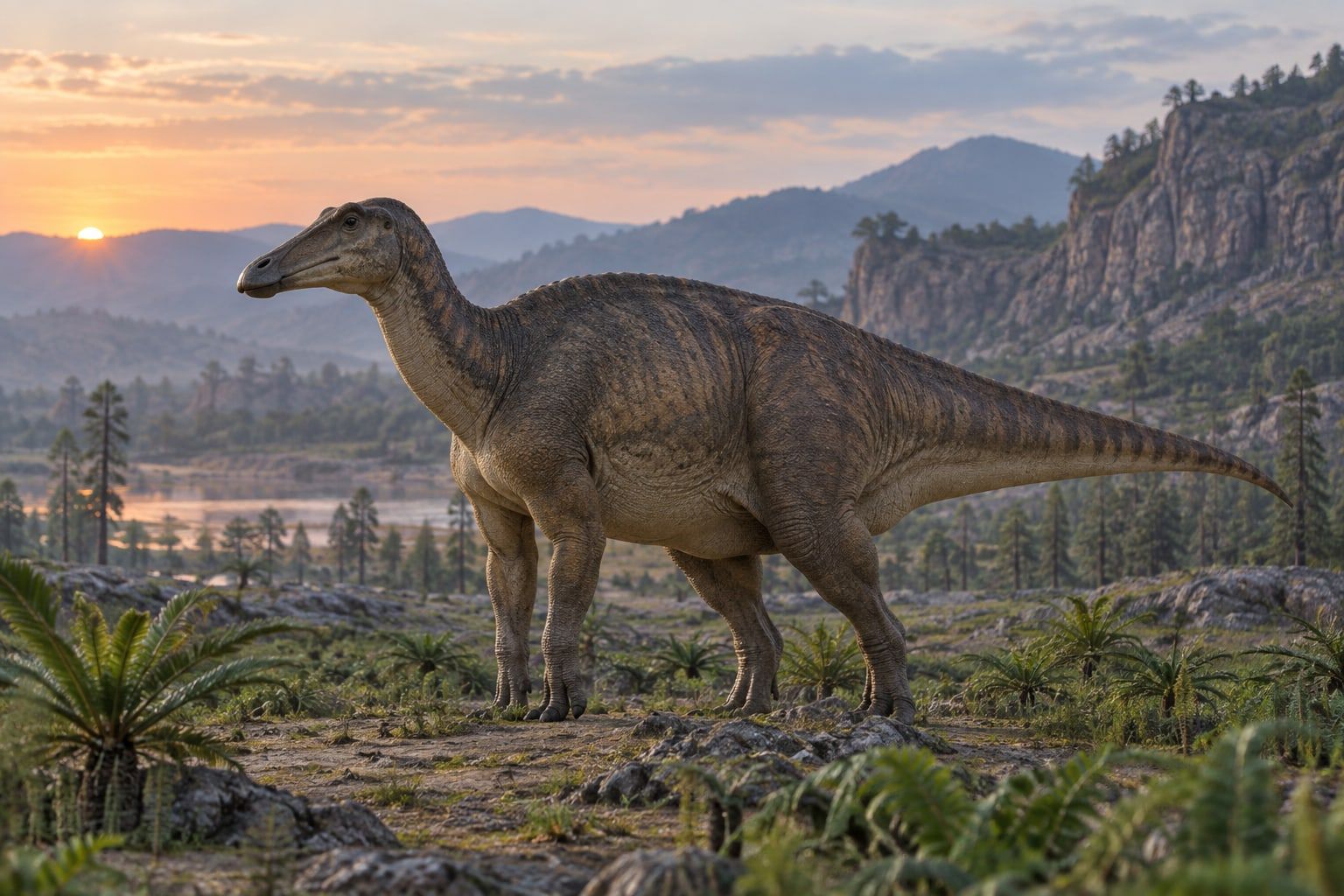
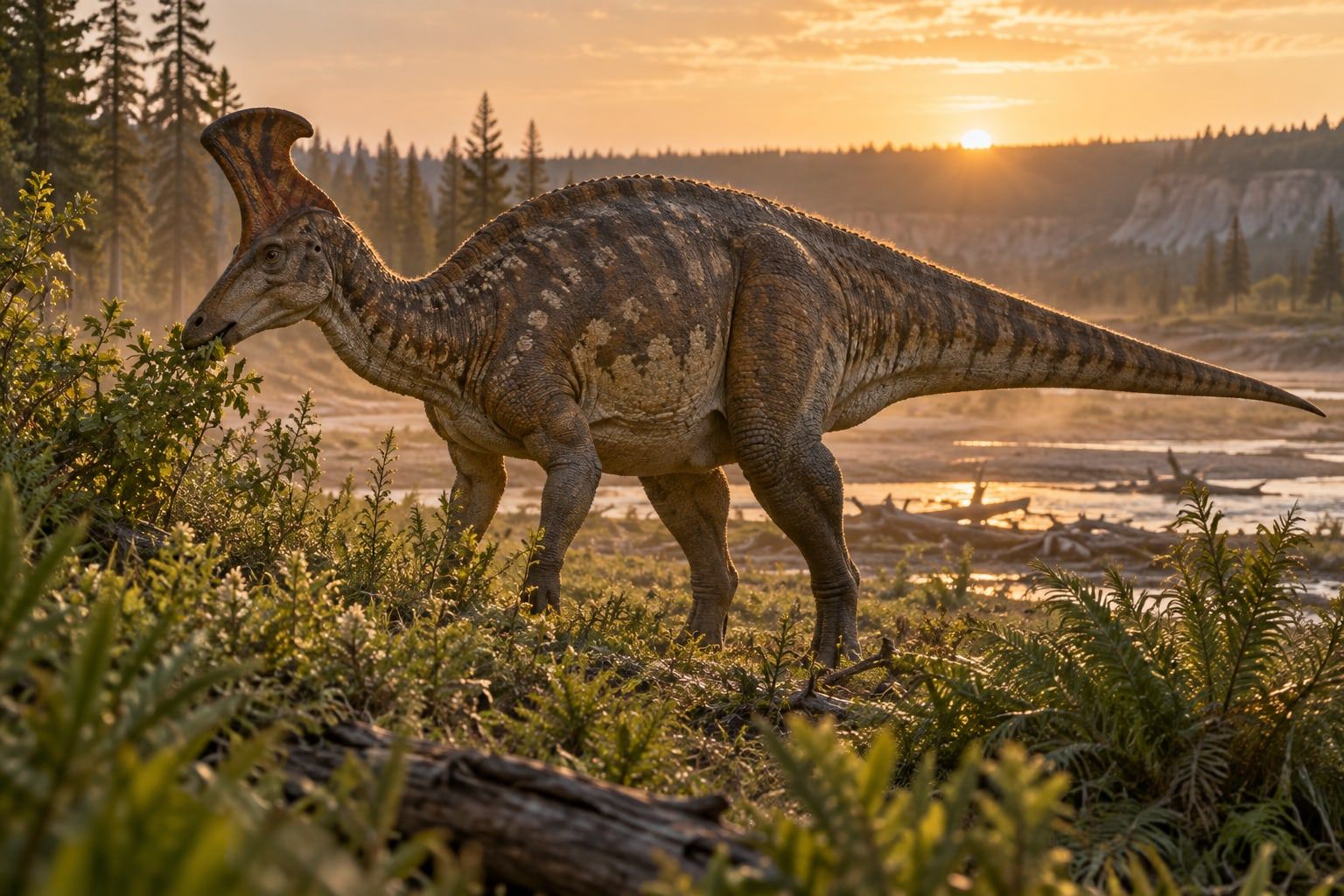
Kritosaurus was a duck-billed plant eater about 8 meters (26 feet) long. It had a broad beak and rows of grinding teeth. The first skull was broken at the snout, and early drawings restored it with a flat face; later finds suggest it had a raised, arched nose, like a hooked nose.
Its world
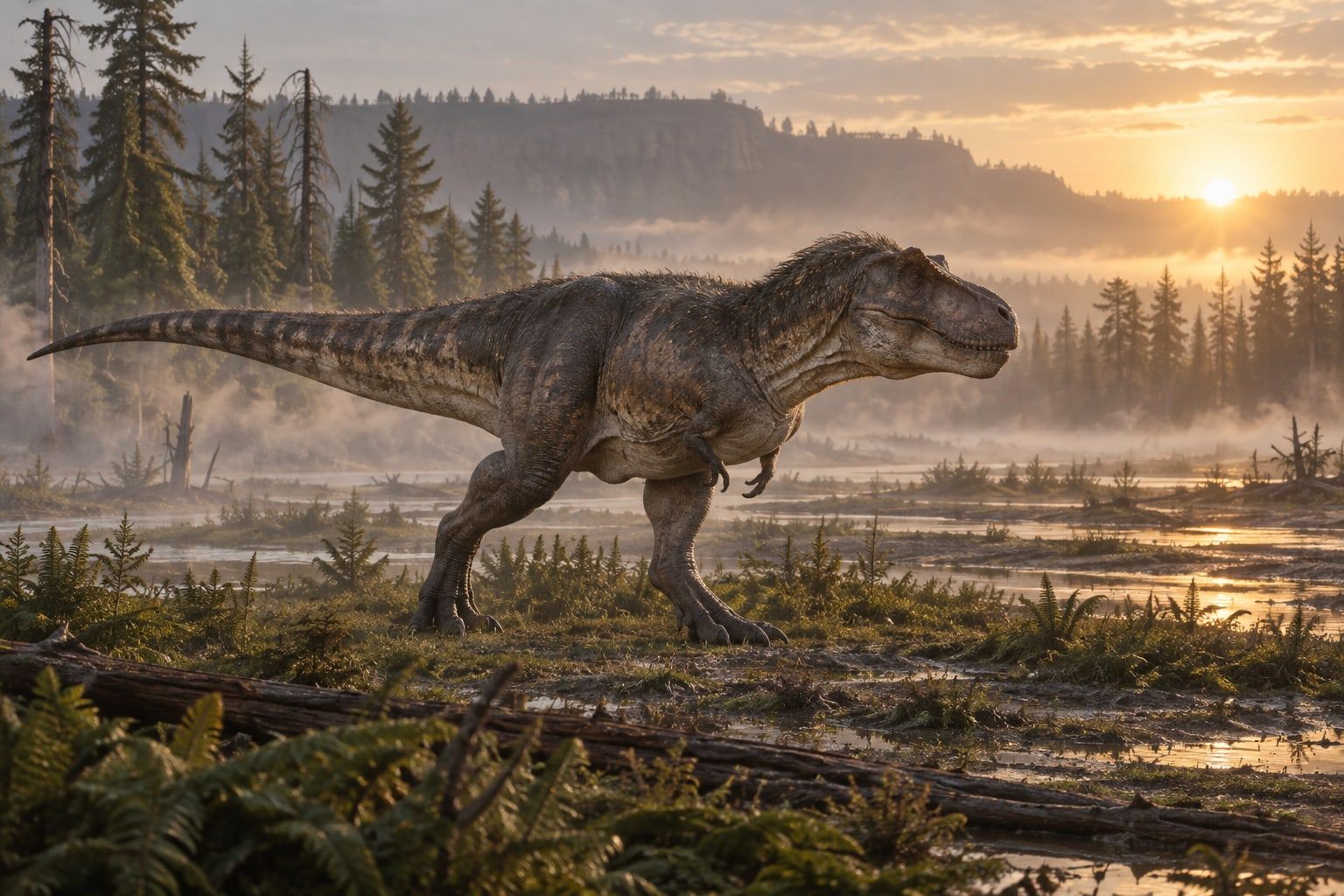
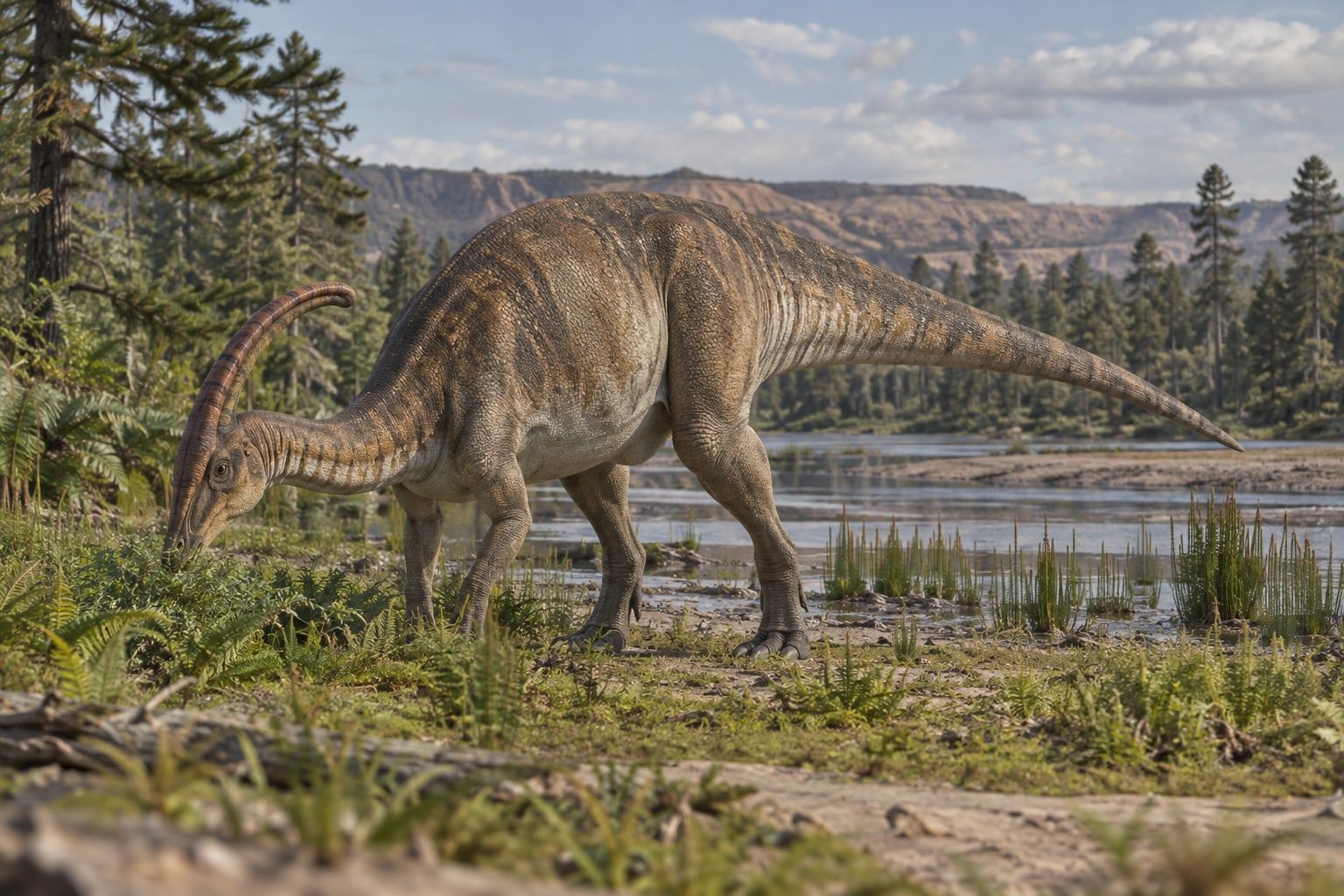
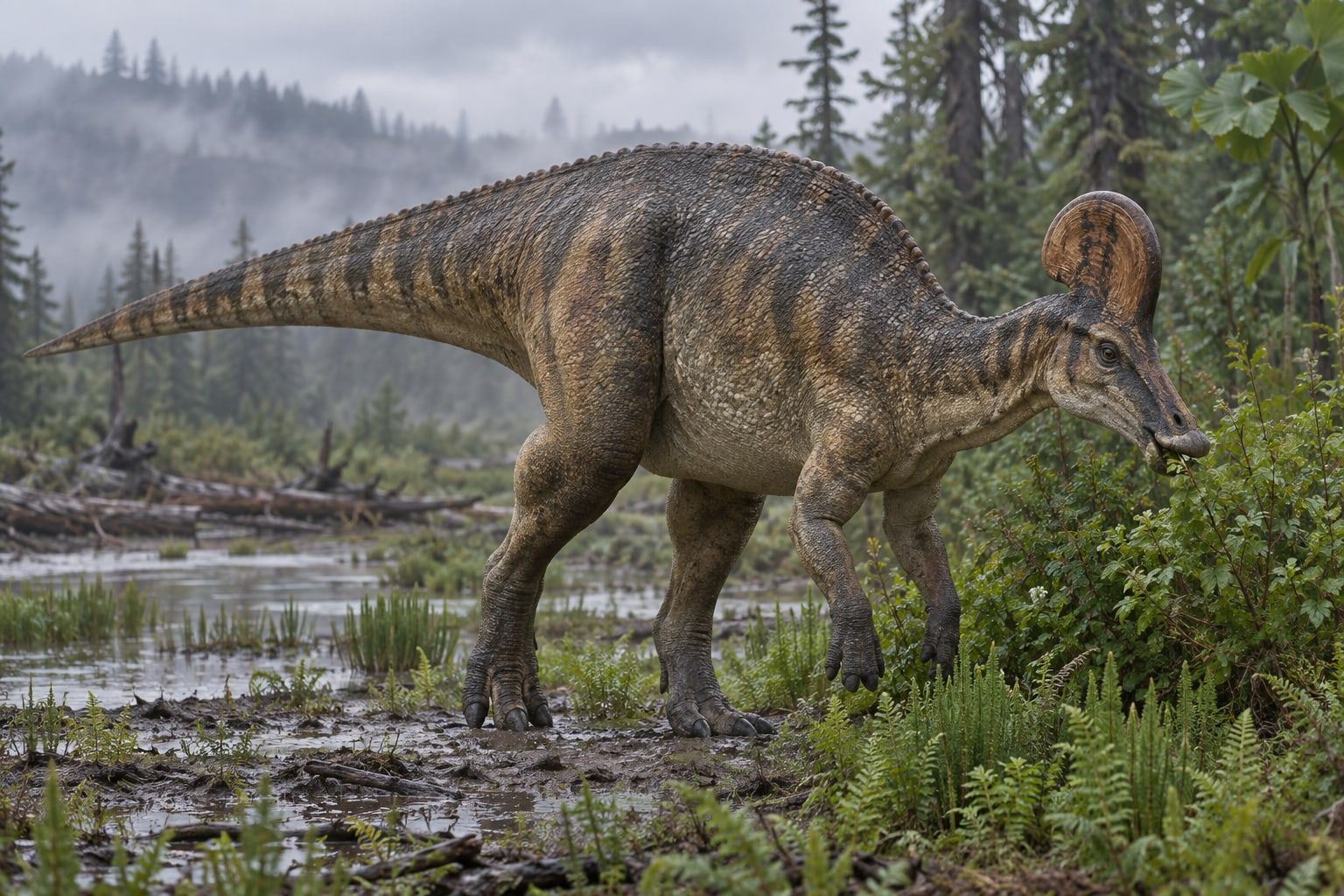
It lived in the Late Cretaceous in what is now the southwestern United States, with finds from New Mexico and Texas. Its bones come from the Kirtland Formation and others nearby, where it shared the land with the crested Parasaurolophus and the tyrannosaur Daspletosaurus.
How it was found
Brown named Kritosaurus in 1910. Because the first skull was so incomplete, scientists have long argued over which later fossils belong to it, and some once placed Gryposaurus in the same genus.
Lived alongside
Found in the same rock formations
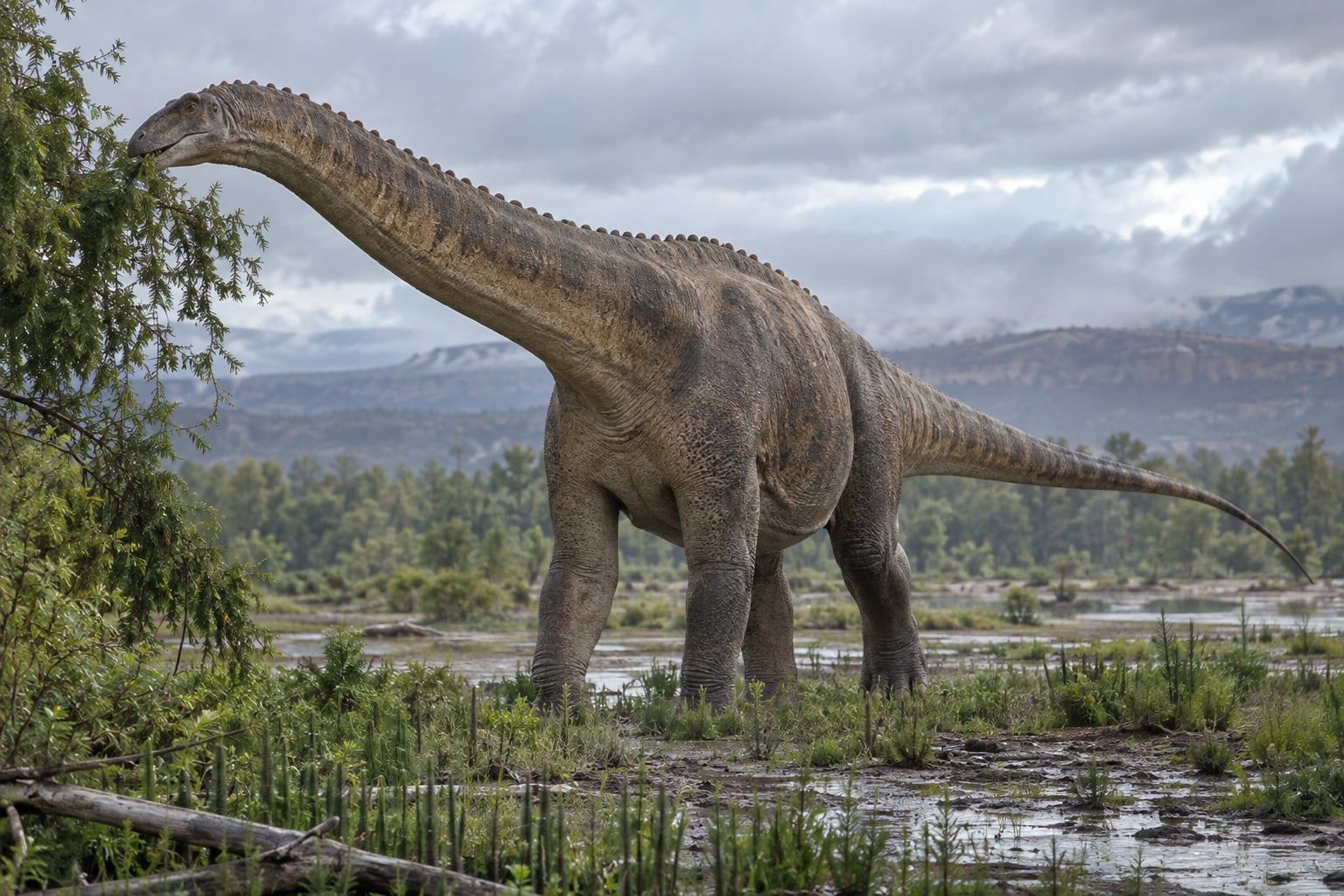
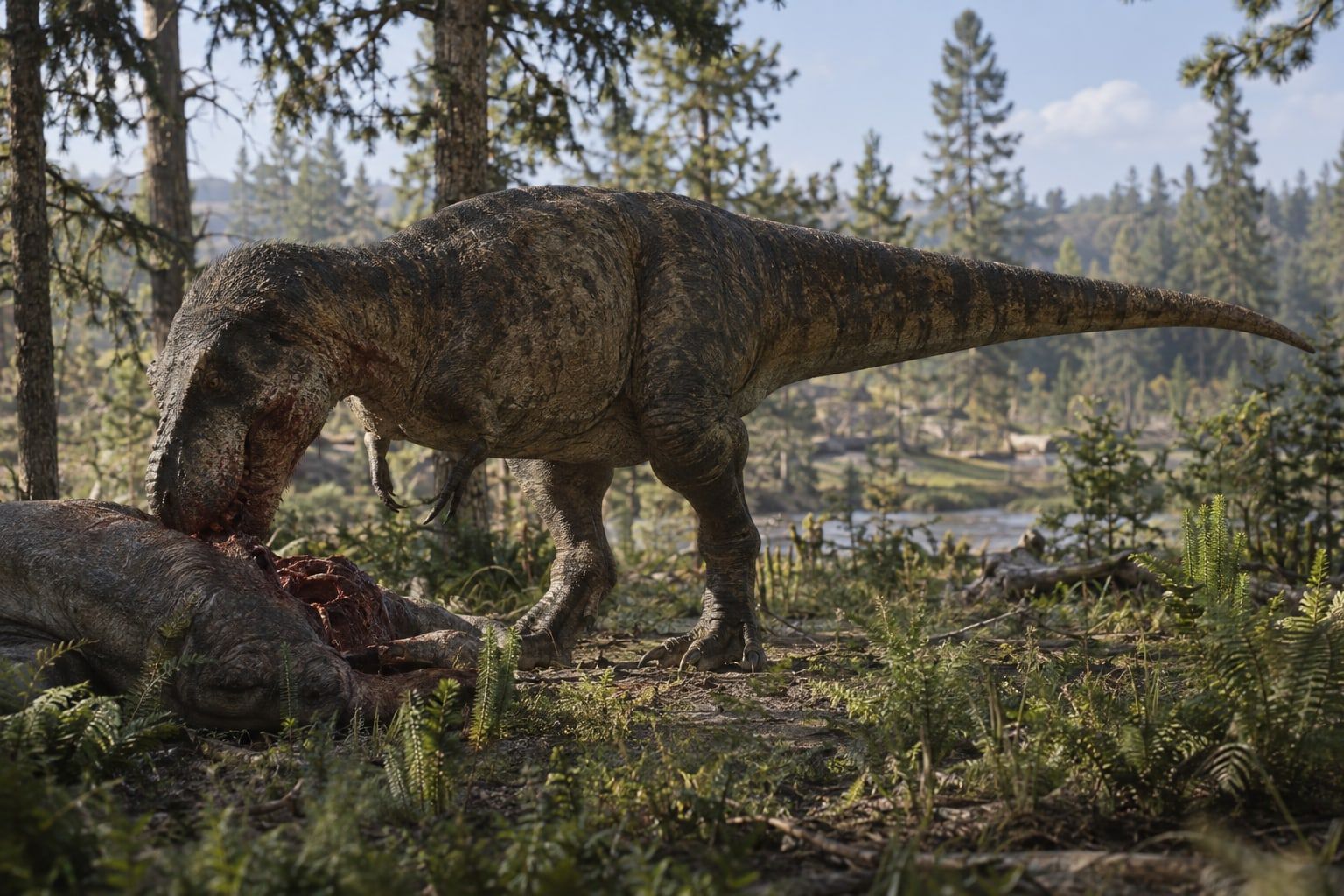
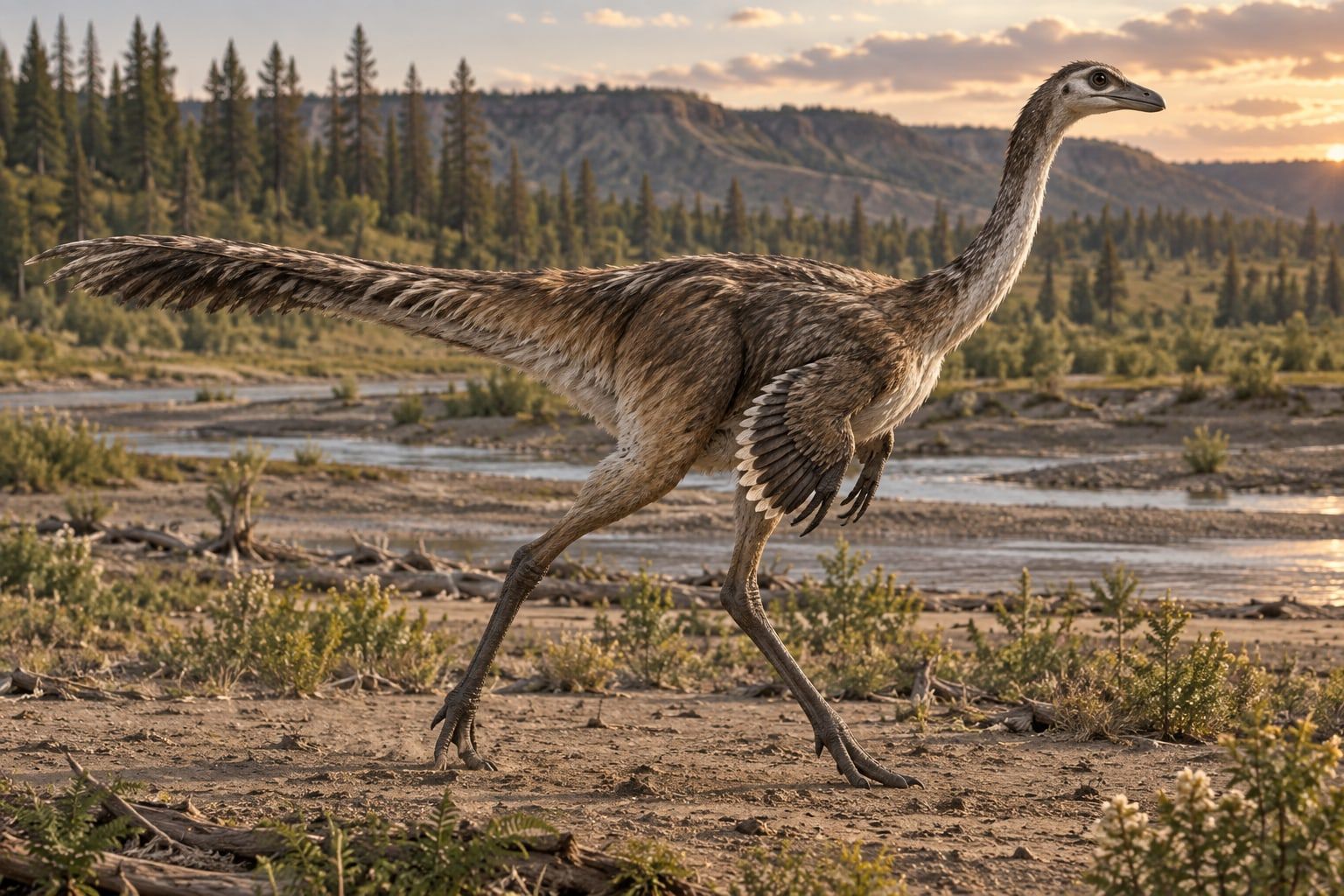
Close relatives
Other members of Hadrosauridae
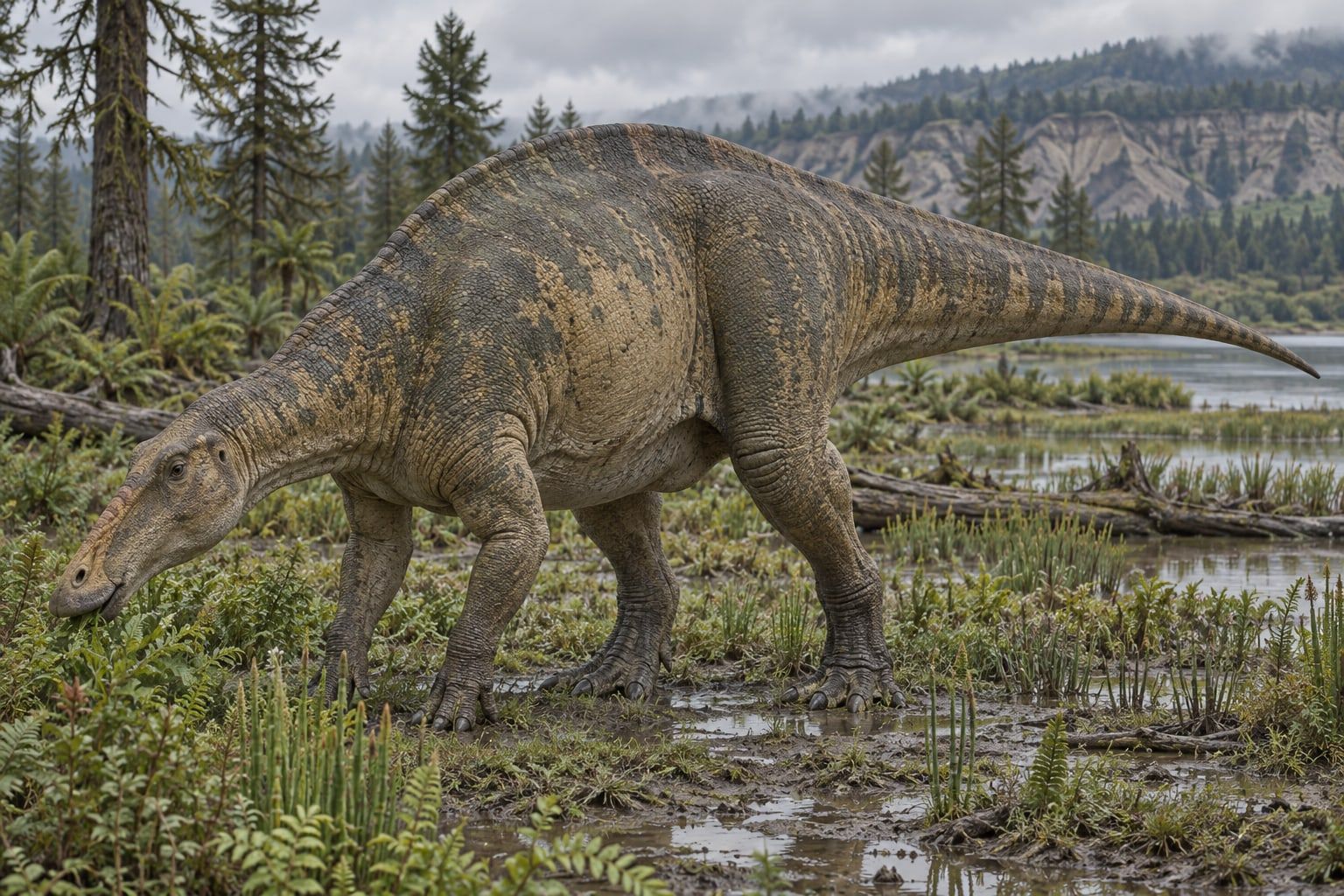
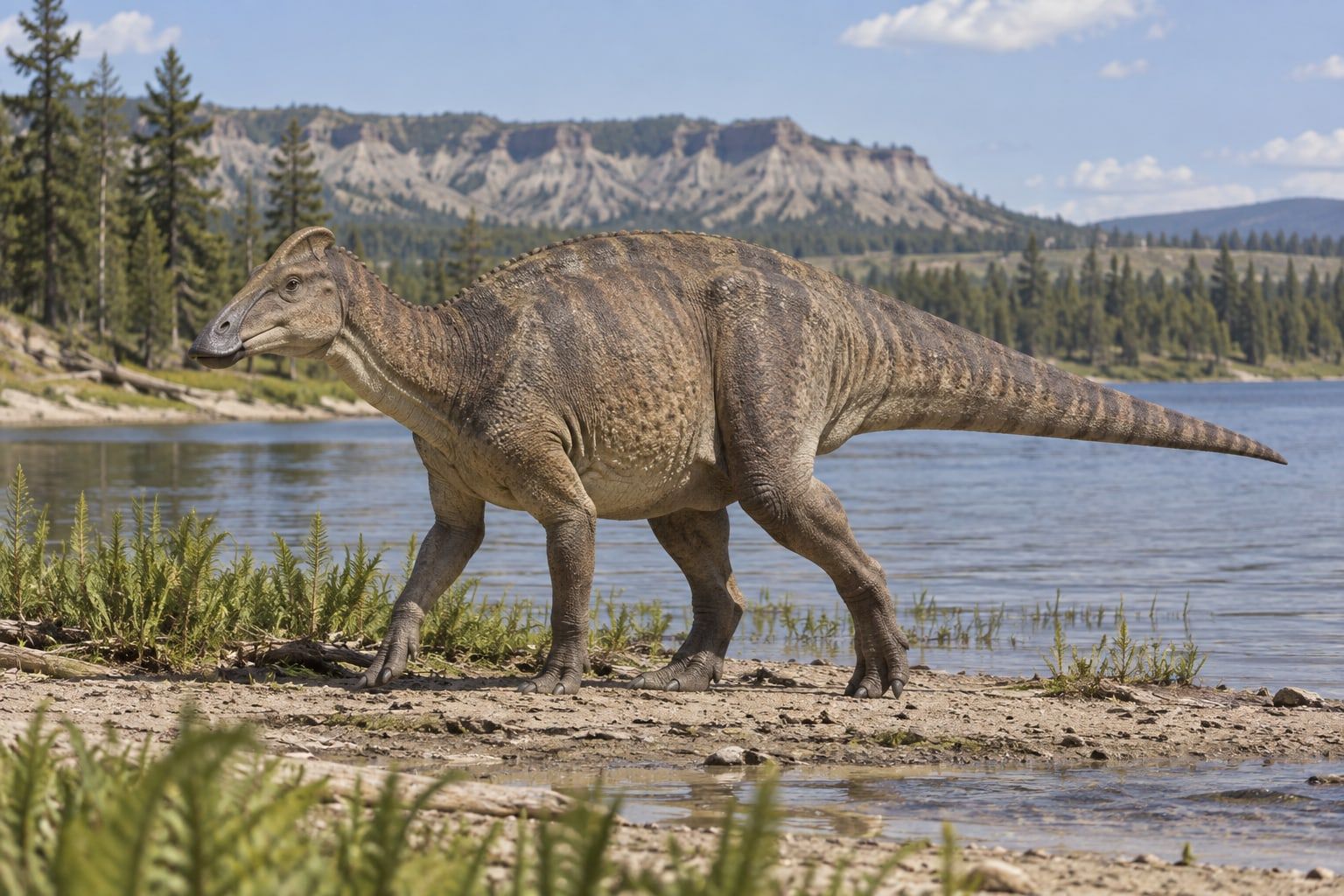
Sources: WikidataNamed in: B. Brown. 1910. The Cretaceous Ojo Alamo beds of New Mexico with description of the new dinosaur genus <i>Kritosaurus</i>. Bulletin of the American Museum of Natural History 28(24):267-274