Outline: a typical ankylosaur
Panoplosaurus
"fully armored lizard"
Type species Panoplosaurus mirus
- Lived
- 84 to 72 million years ago, Late Cretaceous
- Diet
- Herbivore
- Length
- about 7 m (23 ft)
- Group
- Ankylosaurs, Nodosauridae
- Found in
- Canada and United States
- Named by
- Lambe 1919
Size comparison
To scale


Scale in metersOutline: typical ankylosaur shape
Where its fossils were found
The evidence
Today

80 million years ago
Field notes
About Panoplosaurus
What it was like
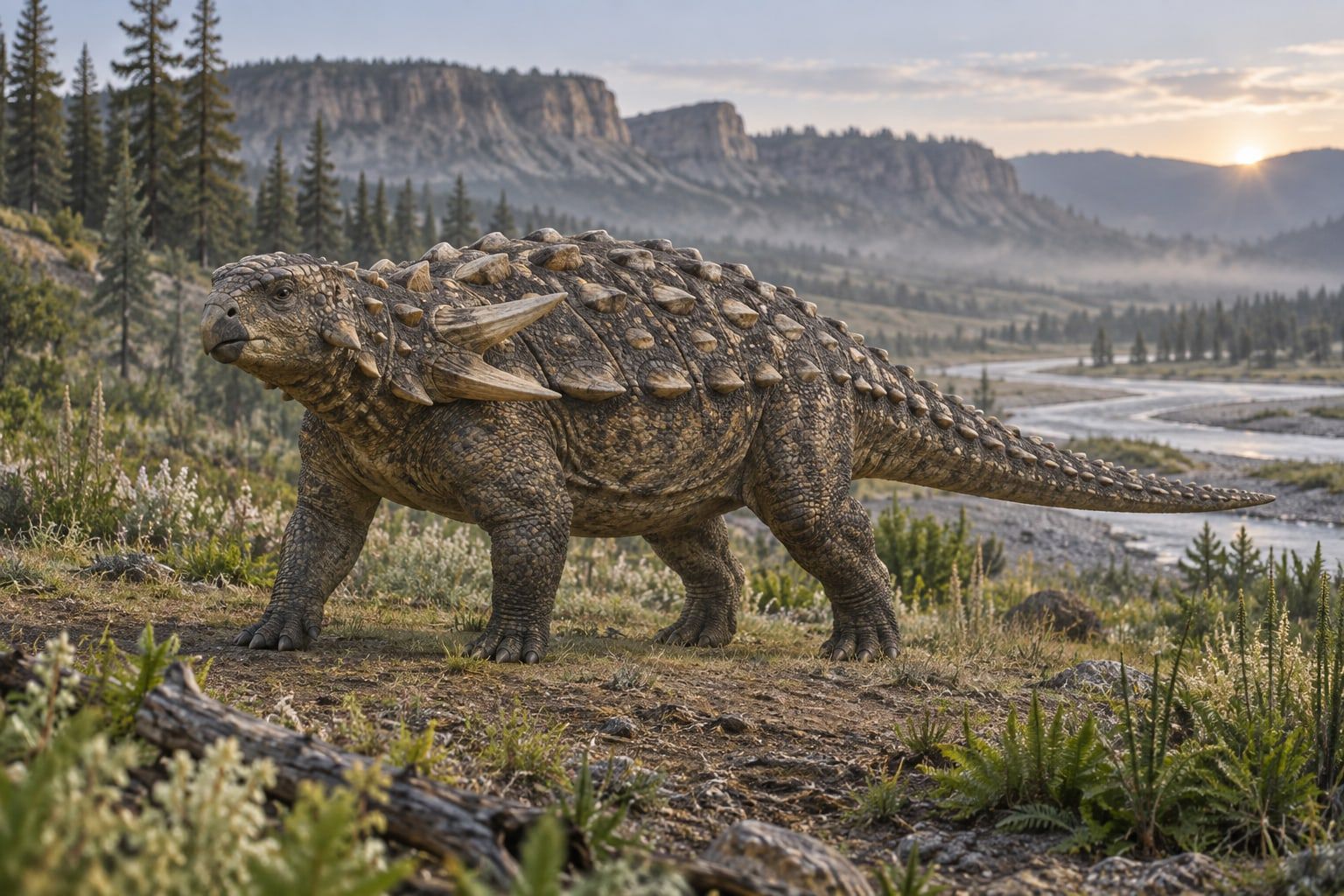
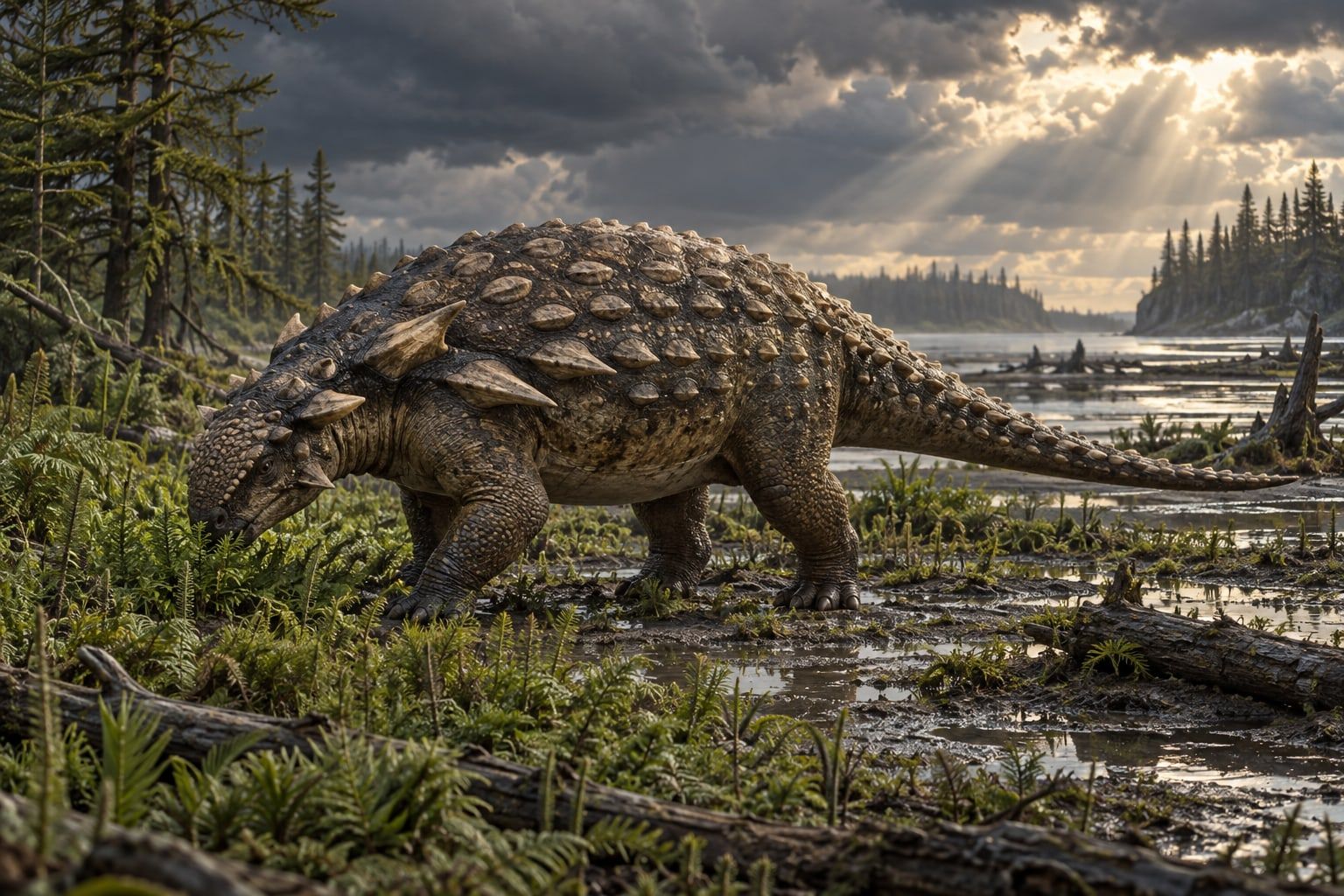
Panoplosaurus was a nodosaur, a heavy armored plant eater without a tail club. It was about 7 meters (23 feet) long. Bony plates covered its skull, neck and back, and it had broad plates over its shoulders instead of long spikes.
Its world
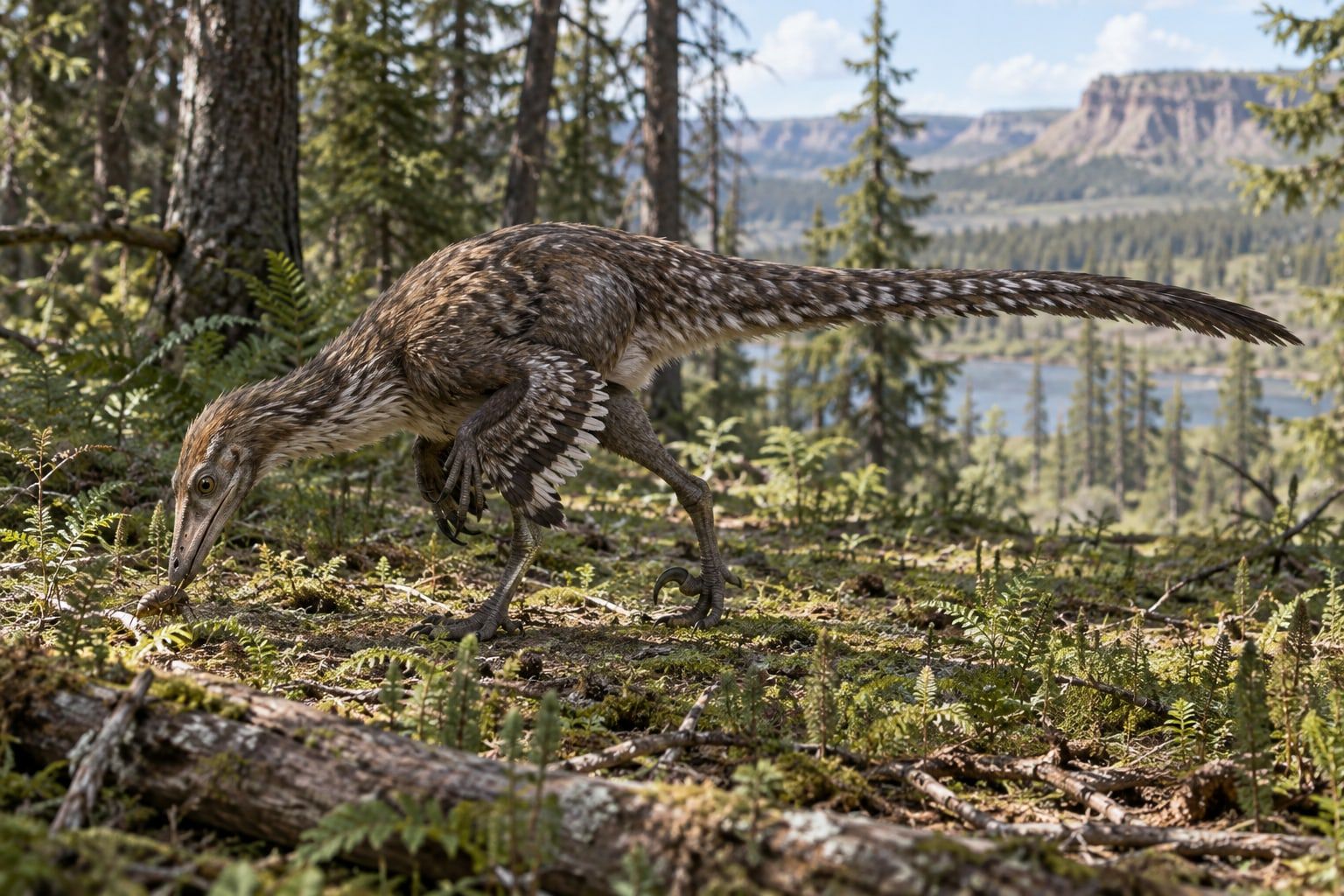
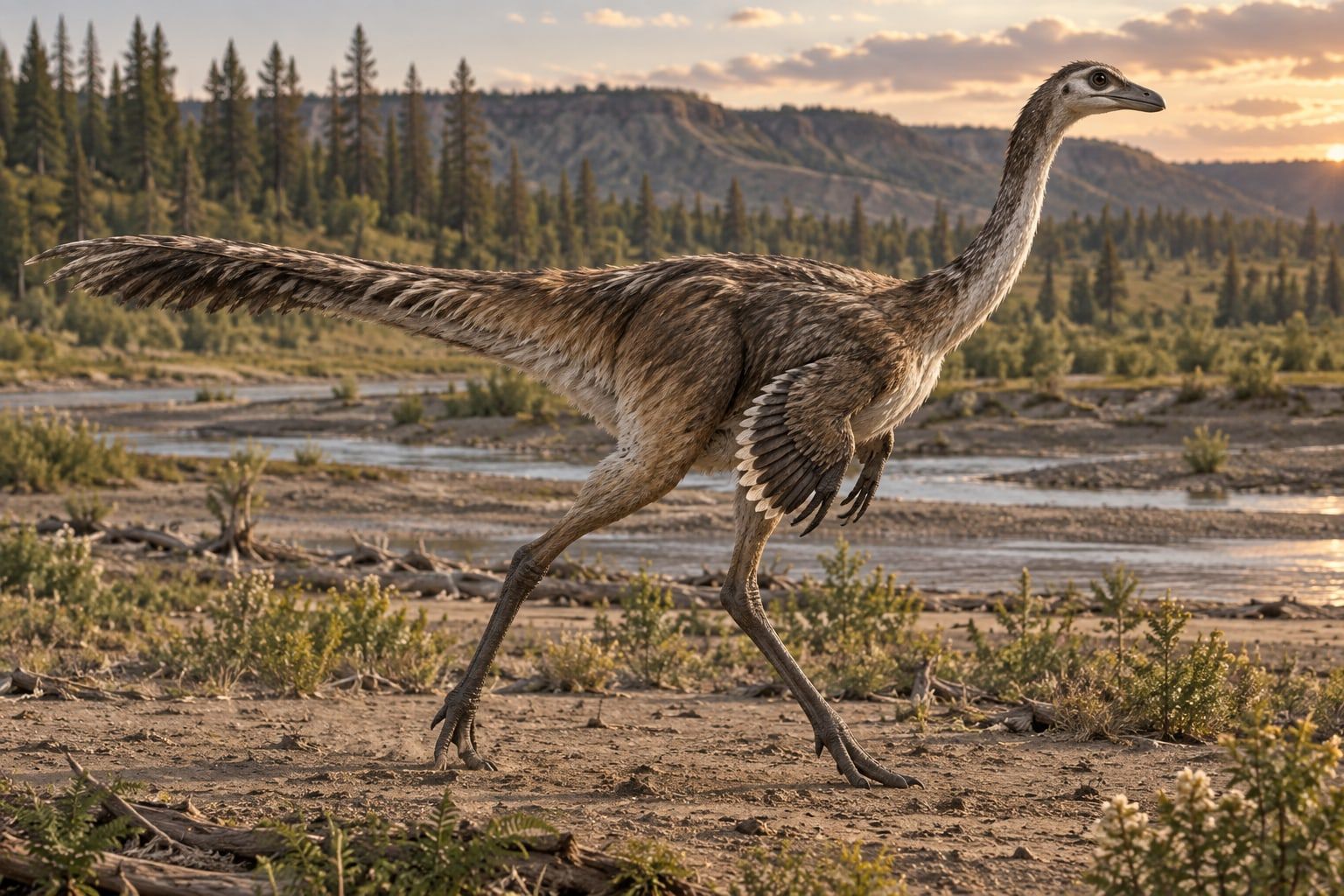
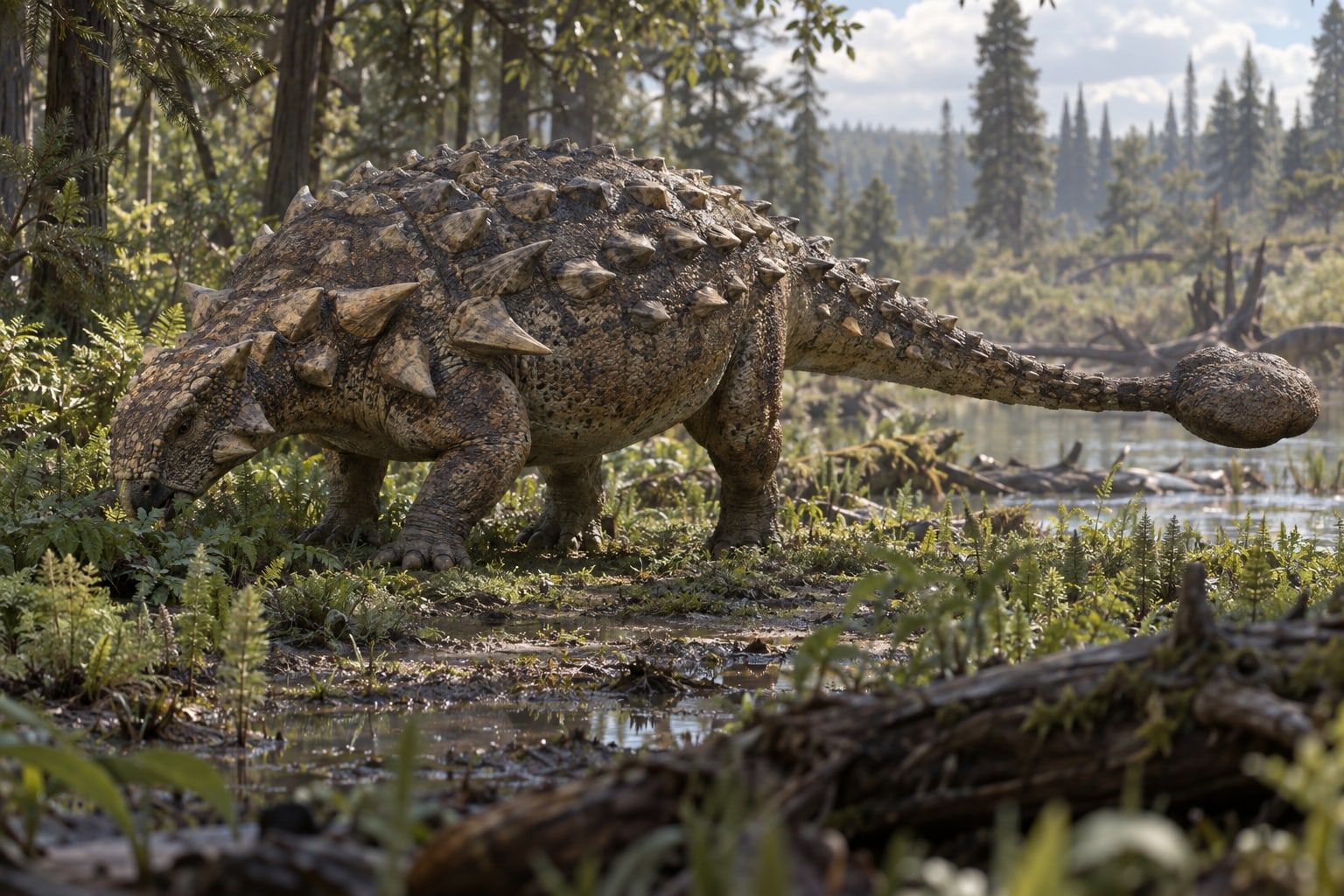
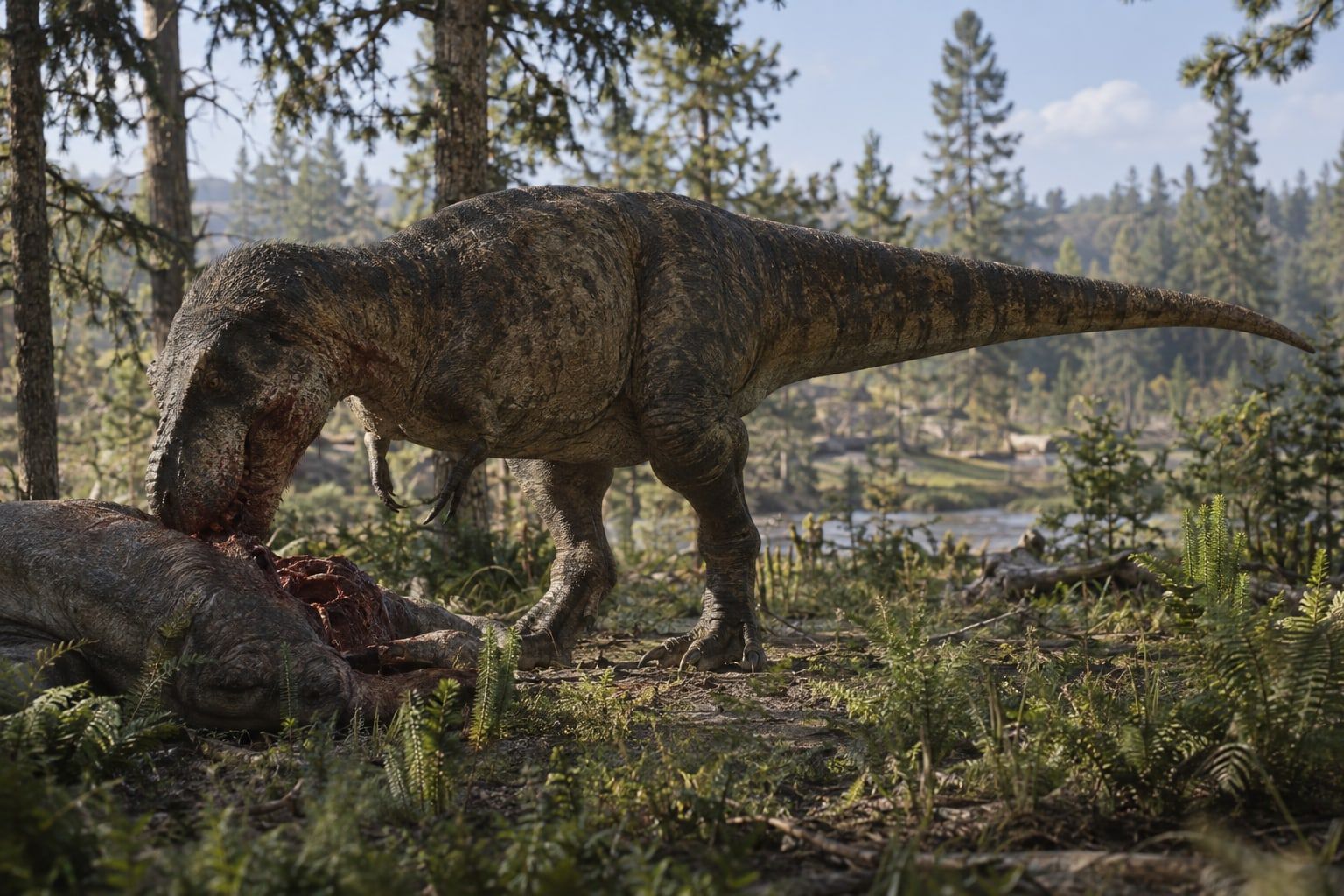
It lived in the Late Cretaceous, in western North America. Its best fossils come from the Dinosaur Park Formation of Alberta, where it shared the land with its relative Edmontonia, the club-tailed Euoplocephalus and the tyrannosaur Daspletosaurus.
How it was found
Lambe named Panoplosaurus in 1919. The type species is Panoplosaurus mirus. Its skull is one of the best preserved of any nodosaur.
Lived alongside
Found in the same rock formations
Close relatives
Other members of Nodosauridae
Sources: WikidataNamed in: L. M. Lambe. 1919. Description of a new genus and species (Panoplosaurus mirus) of an armoured dinosaur from the Belly River Beds of Alberta. Proceedings and Transactions of the Royal Society of Canada, series 3 13:39-50