Stegoceras
steg-OSS-er-us
"roof horn"
Type species Stegoceras validum
- Lived
- 84 to 72 million years ago, Late Cretaceous
- Diet
- Herbivore
- Length
- about 2.4 m (8 ft)
- Group
- Pachycephalosaurs
- Found in
- United States and Canada
- Named by
- Lambe 1902
Size comparison
To scale

Scale in metersOutline: typical pachycephalosaur shape
Where its fossils were found
The evidence
Today

80 million years ago
Habitat
It probably frequented river floodplains and coastal lowlands. Gorgosaurus, Daspletosaurus and Saurornitholestes lived in the same region.
Field notes
About Stegoceras
What it was like
Stegoceras was a small plant eater about 2.4 meters (8 feet) long with a thick bony dome on top of its head. It walked on two legs and had small, leaf-shaped teeth.
Scientists have long debated what the dome was for. It may have been used for head-butting or shoving rivals, or mainly for display.
Its world
It lived about 84 to 72 million years ago, in the Late Cretaceous, in what are now Alberta and Montana, with other remains from New Mexico and elsewhere. Many of its fossils come from the Dinosaur Park and Oldman formations.
It shared those lands with the tyrannosaurs Gorgosaurus and Daspletosaurus and smaller hunters like Saurornitholestes and Troodon.
How it was found
Lambe named Stegoceras in 1902. The type species is Stegoceras validum. About 43 finds are known, mostly the tough domes, which survive better than the rest of the skeleton.
Field gallery
More views of Stegoceras
Scenes reconstructed from the available fossil evidence.
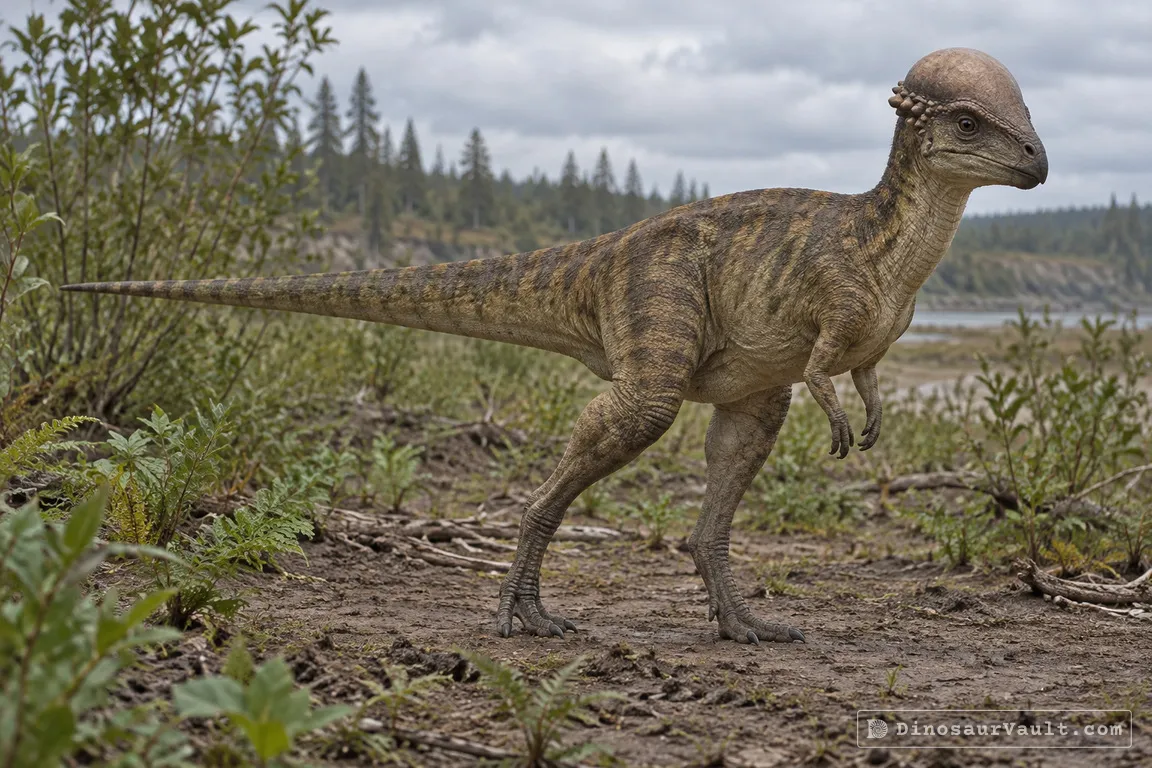
1 of 3
Lived alongside
Found in the same rock formations
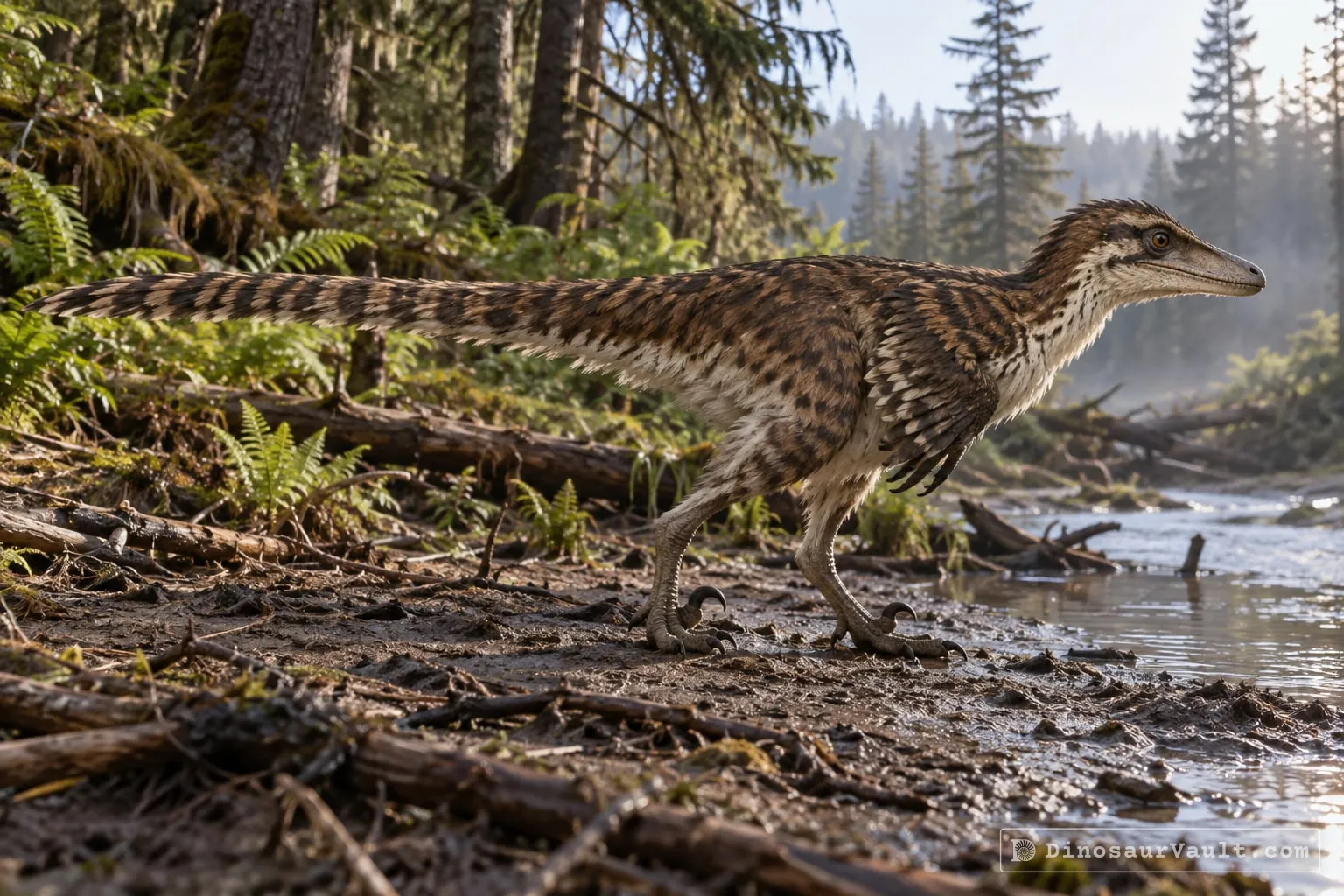
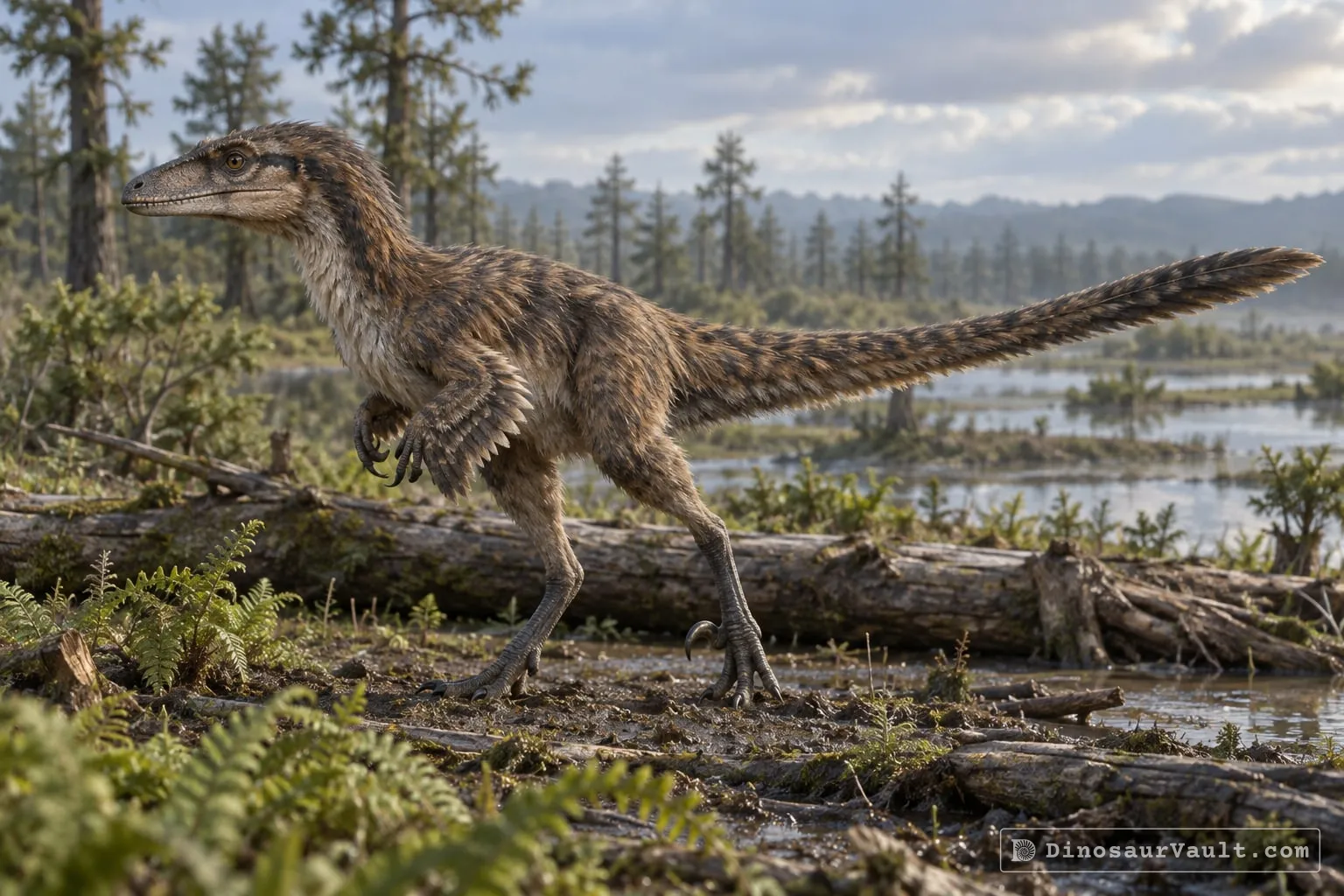
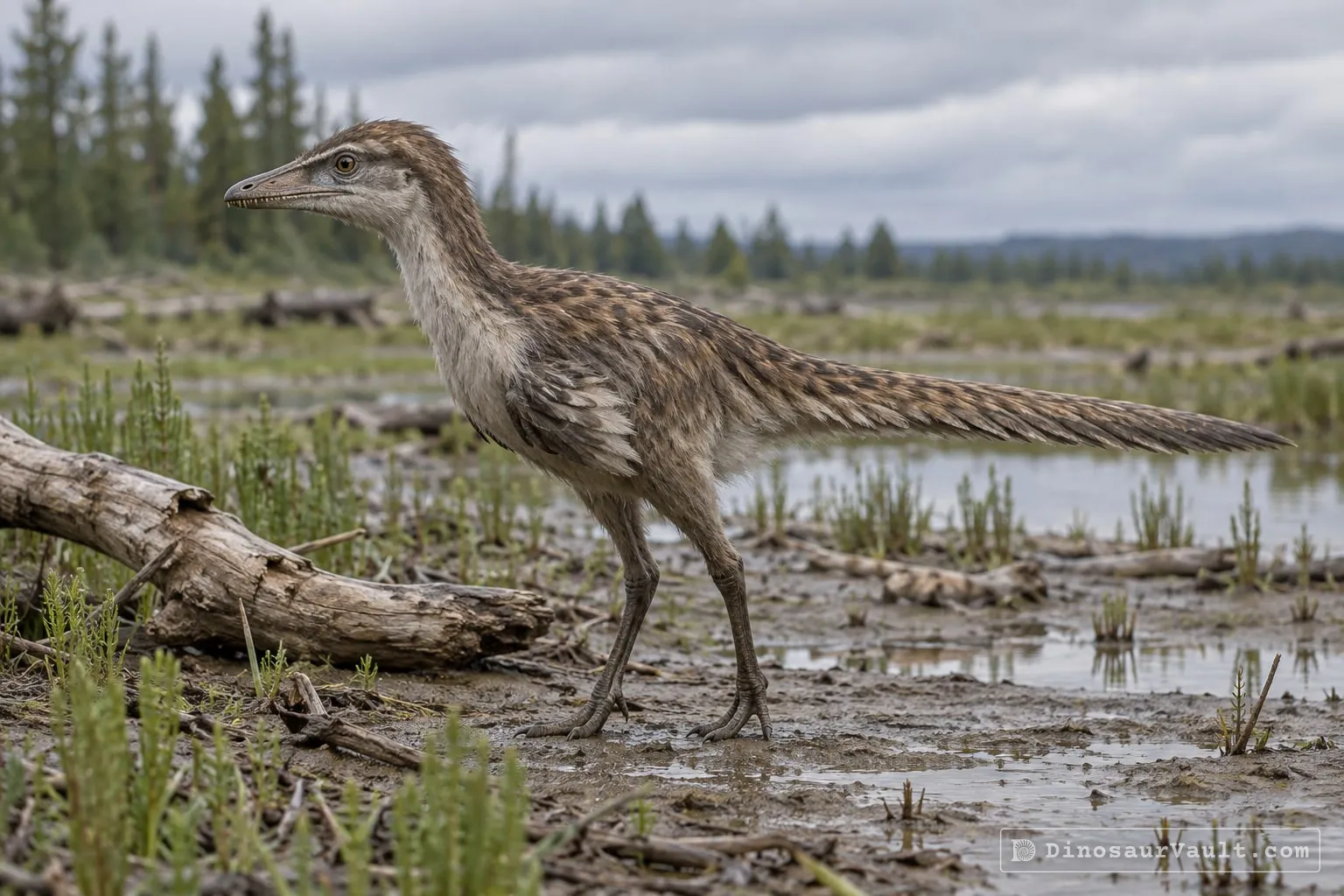
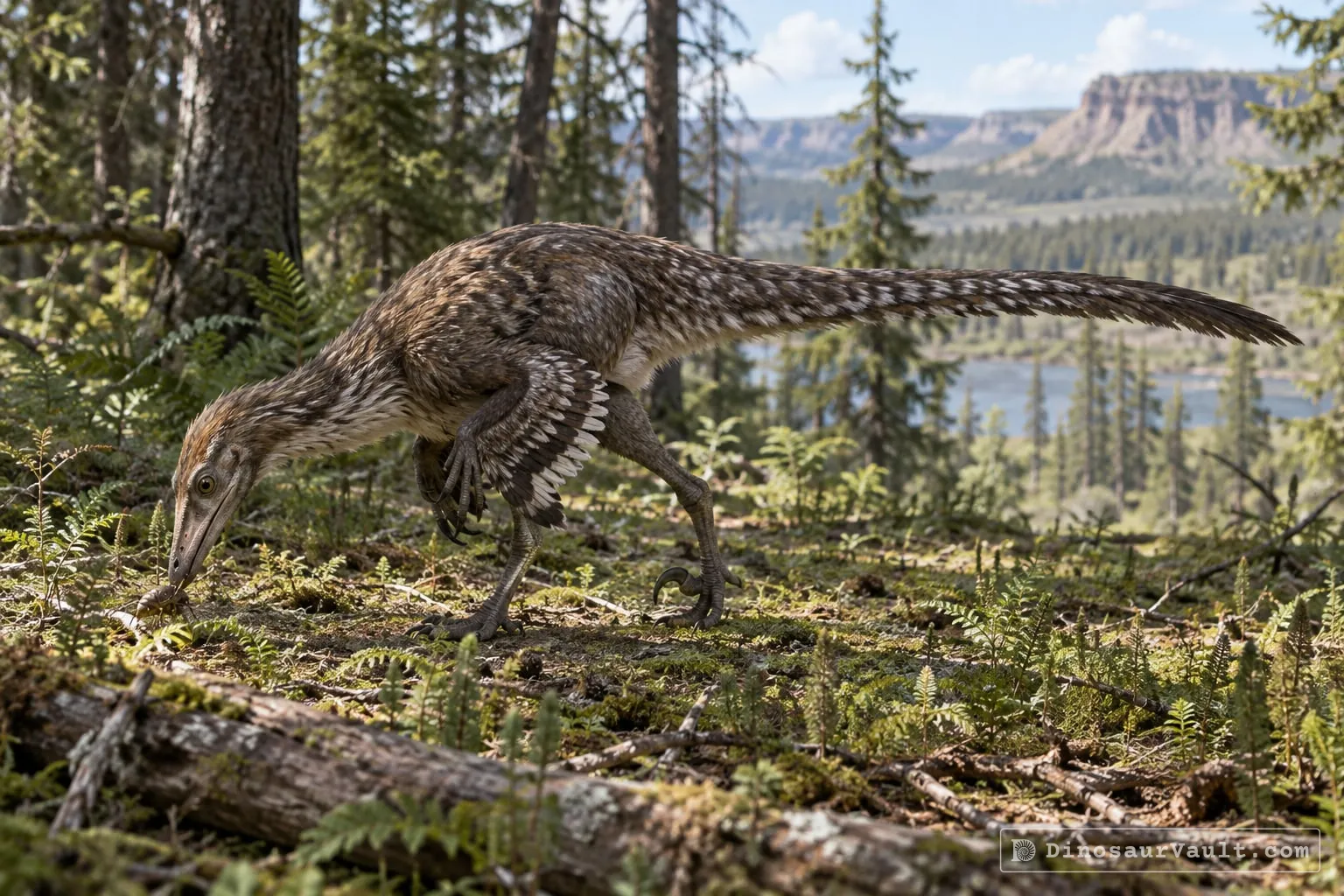
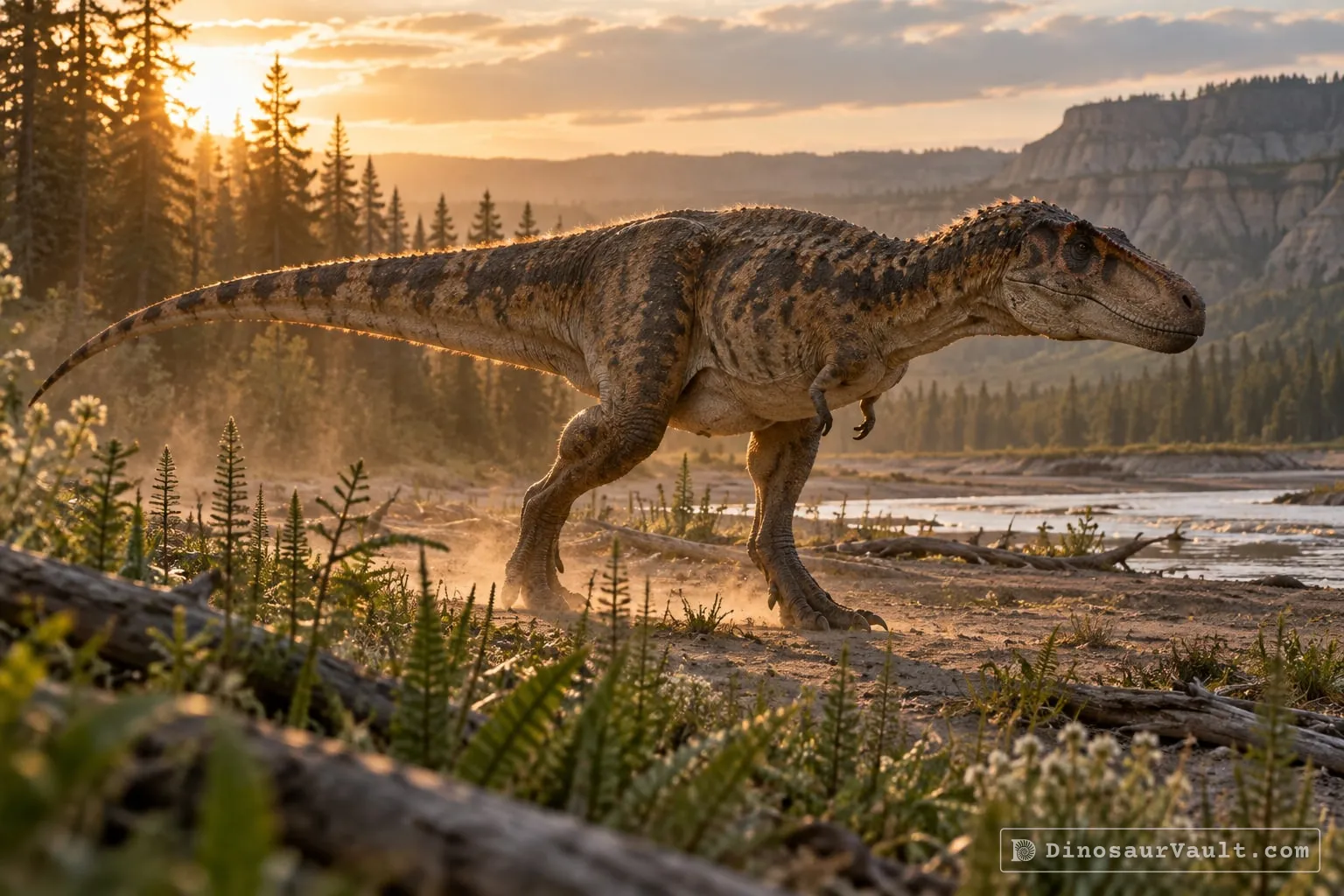
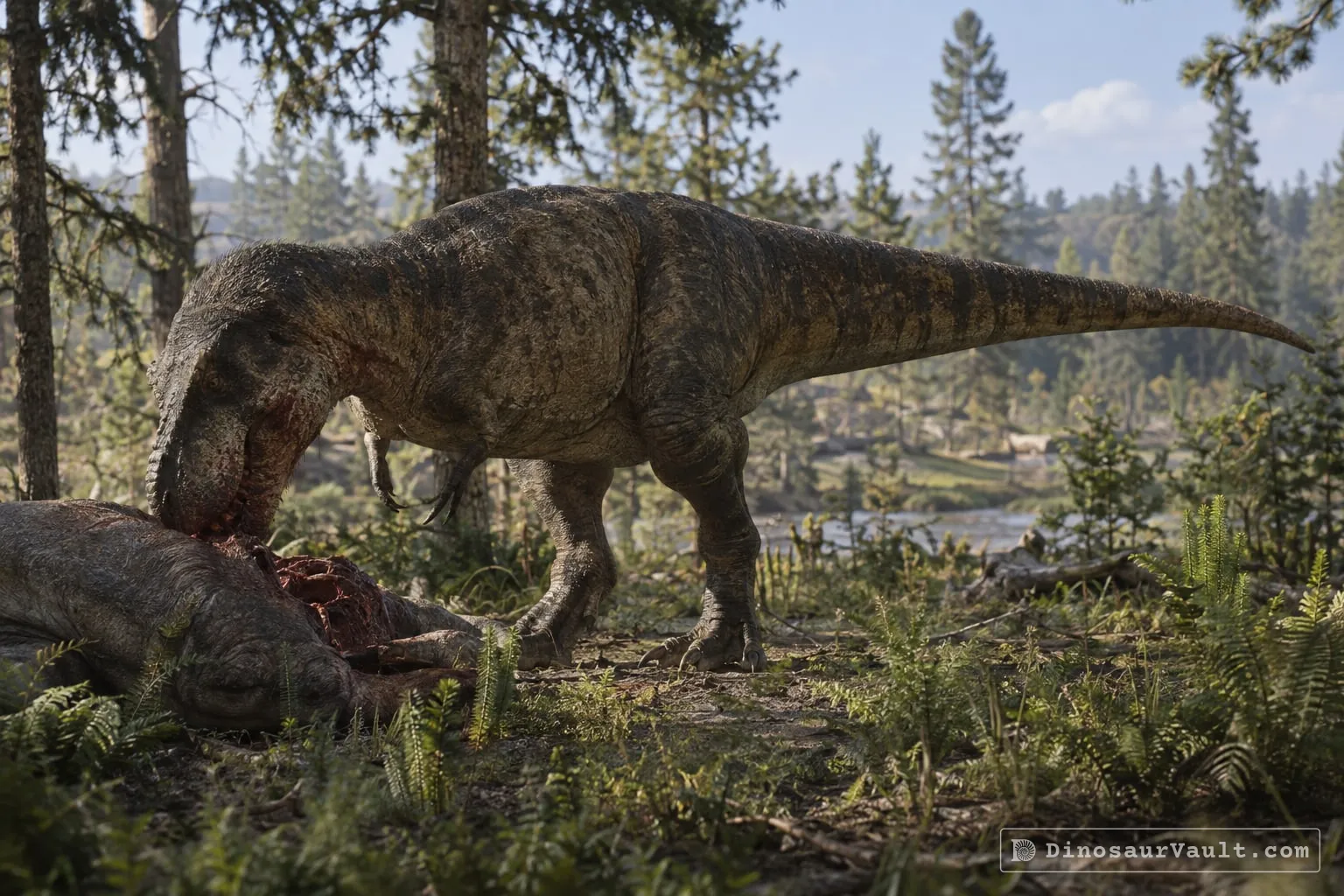
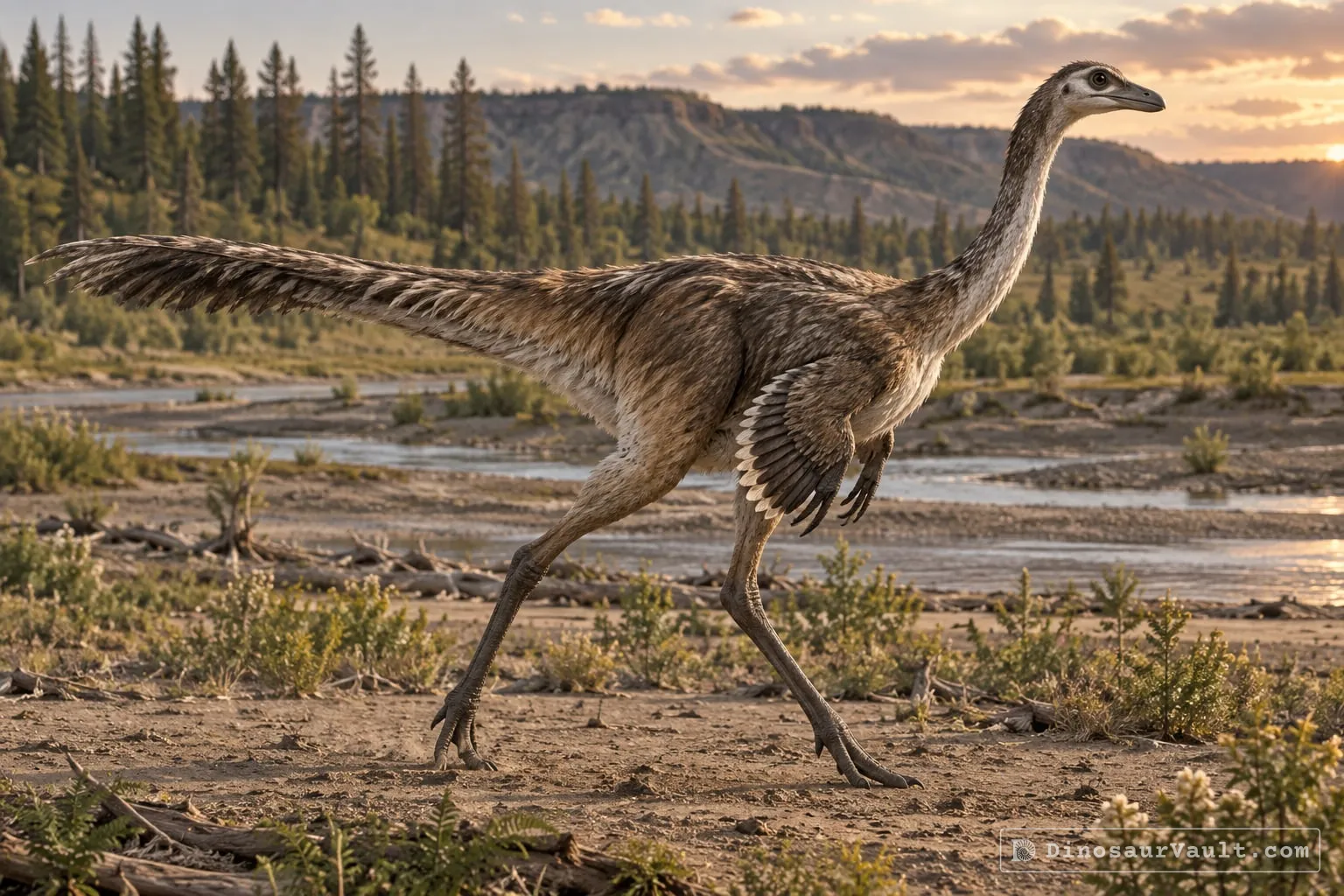
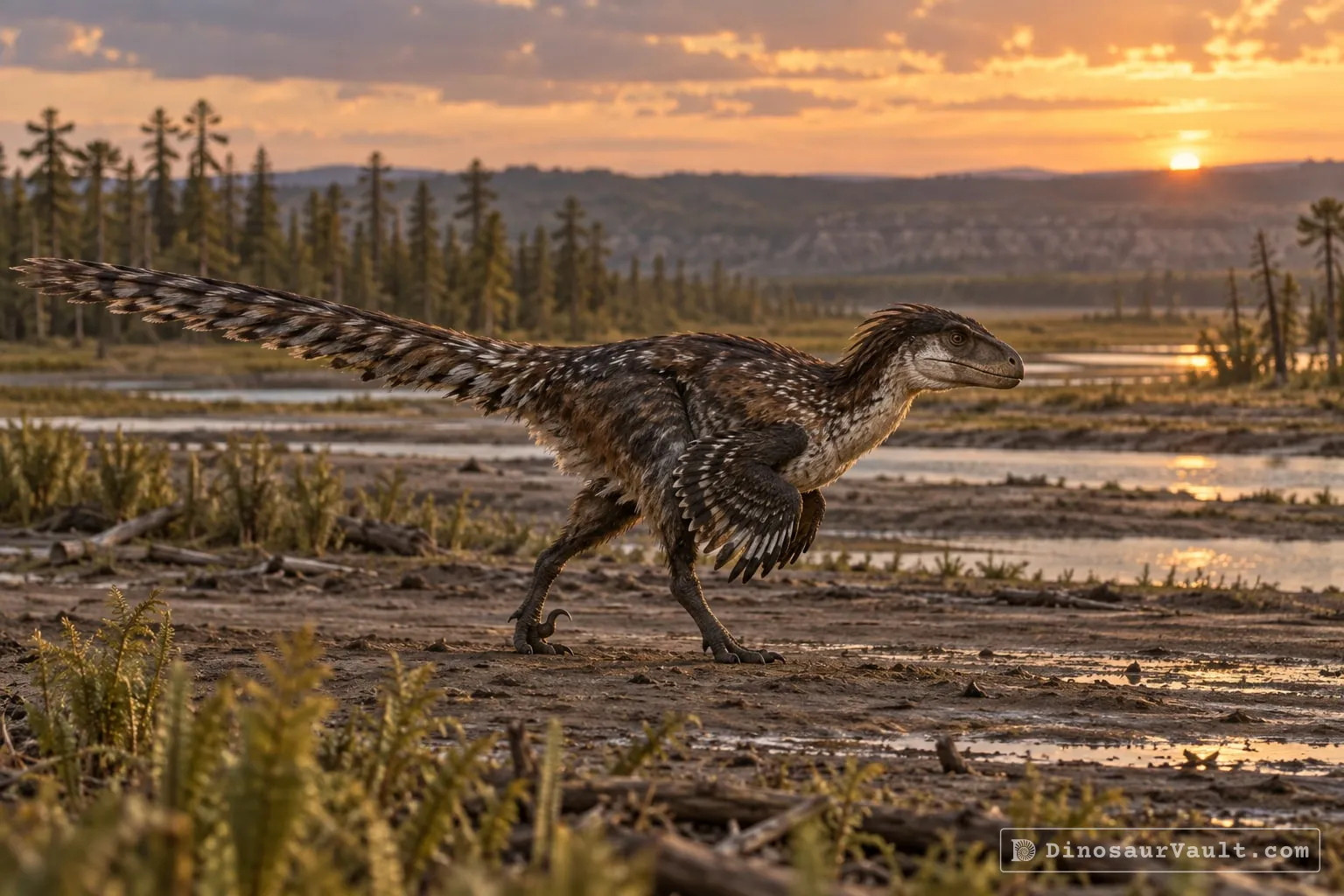


A rock formation can hold fossils laid down millions of years apart, so not every animal here met Stegoceras.
The evidence
The science behind Stegoceras
Which parts of the picture come from its own bones, and which come from its relatives.
From its own fossils
- Many skull roofs show a thick dome bordered by rows of bony knobs.
- Scans reveal dense outer bone above a more open inner layer in the dome.
Borrowed from relatives
- Its own skulls and partial skeleton provide much of its shape; comparisons with Prenocephale help explain the dome's structure.
Still unknown
- How often it struck rivals with its head and whether it aimed at their heads or bodies.
- Whether males and females had different dome shapes.
- Its color and the thickness of the covering over its dome.
Discovery timeline
- 1902Named itLambe
- 2011Growing upSchott et al.
- 2011SkullSnively & Theodor
- 2014Fossil sitesMallon & Evans
Key papers
The research behind what we know of Stegoceras
Named it
Named Stegoceras from thick skull roofs found in Canada.
New genera and species from the Belly River Series (mid-Cretaceous). Geological Survey of Canada Contributions to Canadian Palaeontology 3: 25-81
No link available
Growing up
Linked flat-headed young animals to domed adults through skull shape, bony knobs and the changing structure inside the dome.
Cranial Ontogeny in Stegoceras validum (Dinosauria: Pachycephalosauria): A Quantitative Model of Pachycephalosaur Dome Growth and Variation. PLoS ONE 6: e21092
Read the paper : Cranial Ontogeny in Stegoceras validum (Dinosauria: Pachycephalosauria): A Quantitative Model of Pachycephalosaur Dome Growth and Variation (opens in a new tab)Skull
Compared its dome with the skulls of fighting mammals and found that its structure could withstand head impacts.
Common Functional Correlates of Head-Strike Behavior in the Pachycephalosaur Stegoceras validum (Ornithischia, Dinosauria) and Combative Artiodactyls. PLoS ONE 6: e21422
Read the paper : Common Functional Correlates of Head-Strike Behavior in the Pachycephalosaur Stegoceras validum (Ornithischia, Dinosauria) and Combative Artiodactyls (opens in a new tab)Fossil sites
Examined dome preservation and argued that dome-headed dinosaurs frequented river floodplains and coastal lowlands.
Taphonomy and habitat preference of North American pachycephalosaurids (Dinosauria, Ornithischia). Lethaia 47: 567-578
Read the paper : Taphonomy and habitat preference of North American pachycephalosaurids (Dinosauria, Ornithischia) (opens in a new tab)
Close relatives
Other members of Eupachycephalosauria


Sources: Wikidata