Jeholosaurus
"Jehol lizard"
- Lived
- 126 to 120 million years ago, Early Cretaceous
- Diet
- Herbivore
- Group
- Early ornithischians, Thescelosauridae
- Found in
- China
- Named by
- Xu et al. 2000
Where its fossils were found
The evidence
Today

125 million years ago
Habitat
Forests and lakes in what is now China, in the landscape recorded by the Yixian Formation. Psittacosaurus, Sinosauropteryx and Yutyrannus also lived in this region.
Field notes
About Jeholosaurus
What it was like
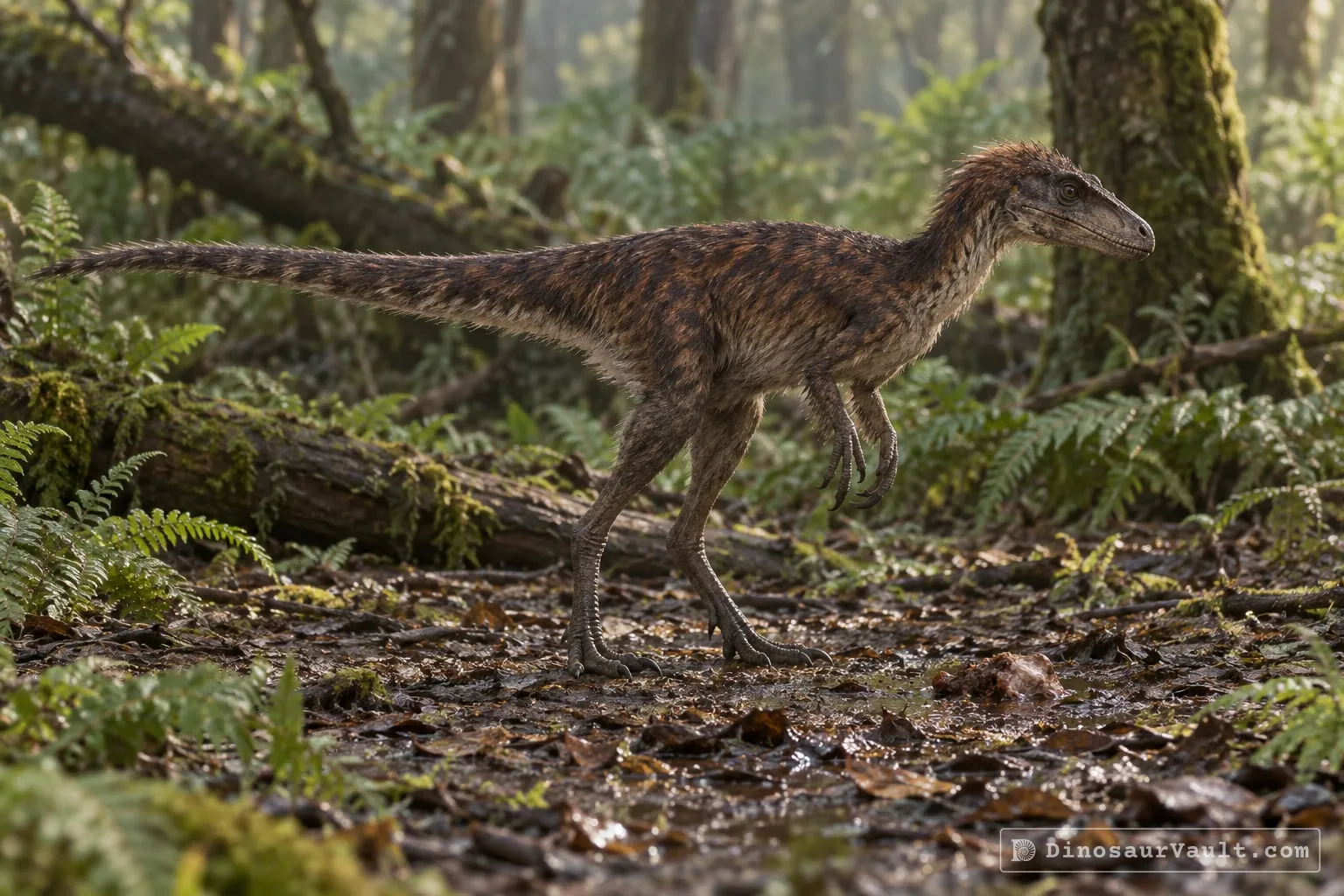
Jeholosaurus was a small, two-legged plant eater. It had large eyes, a short snout, and teeth of two kinds: pointed teeth at the front of its jaws and leaf-shaped teeth at the back. It may have eaten a mix of plants and small animals.
Its world
It lived about 126 to 120 million years ago, in the Early Cretaceous, in what is now China. Its bones come from the Yixian Formation, a land of forests and lakes shared with the small horned Psittacosaurus, the feathered Sinosauropteryx and the big feathered tyrannosaur Yutyrannus.
How it was found
Xu and colleagues named Jeholosaurus in 2000. Several skeletons of young animals have since been found.
Field gallery
More views of Jeholosaurus
Scenes reconstructed from the available fossil evidence.
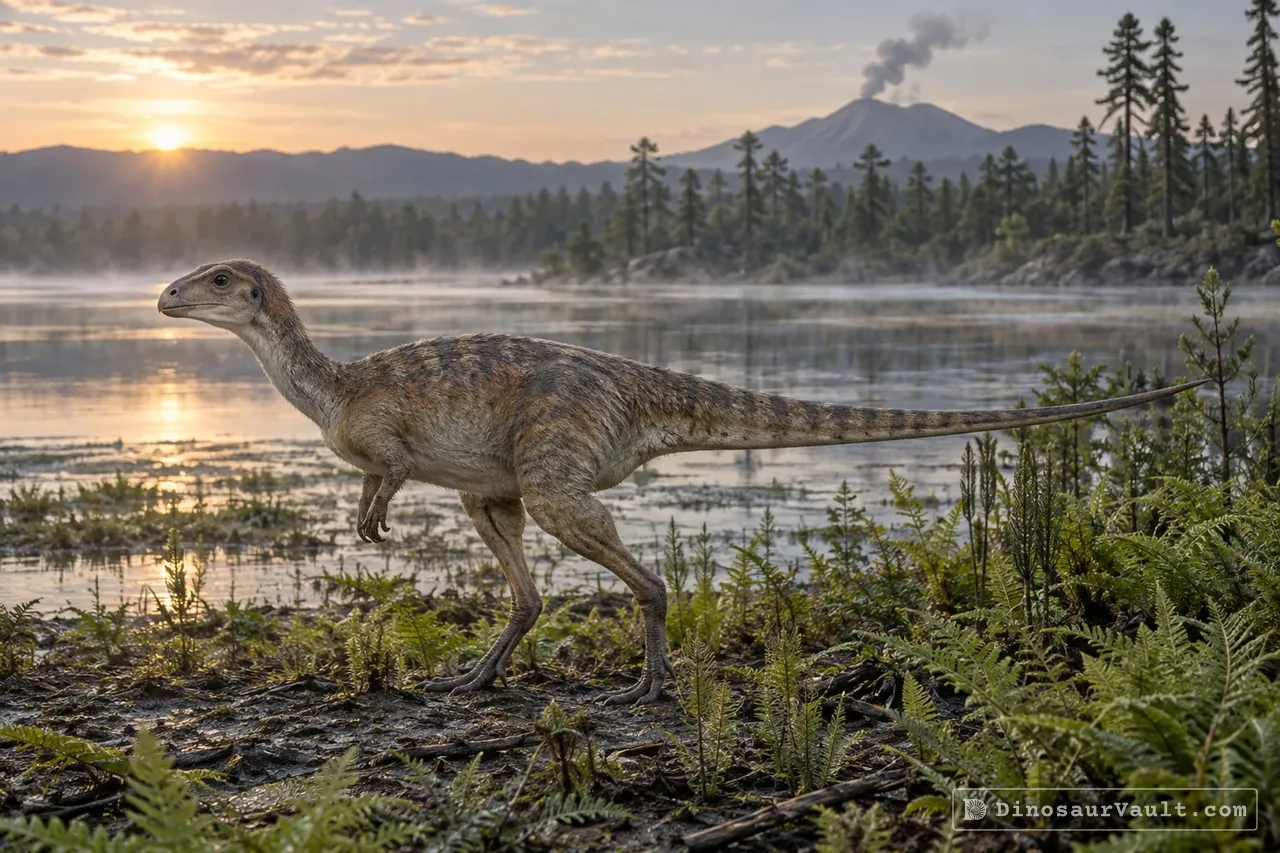
1 of 3
Lived alongside
Found in the same rock formations
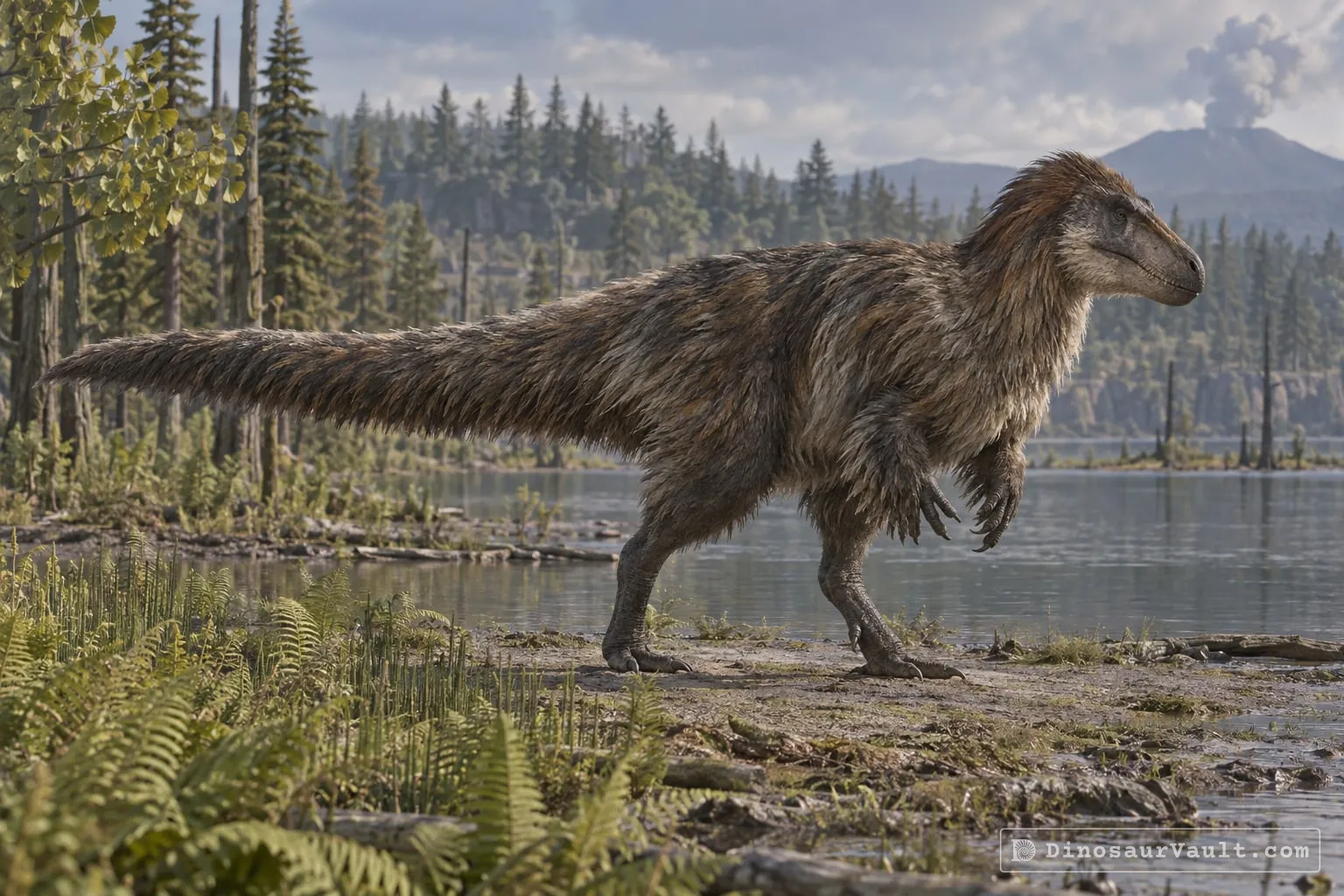
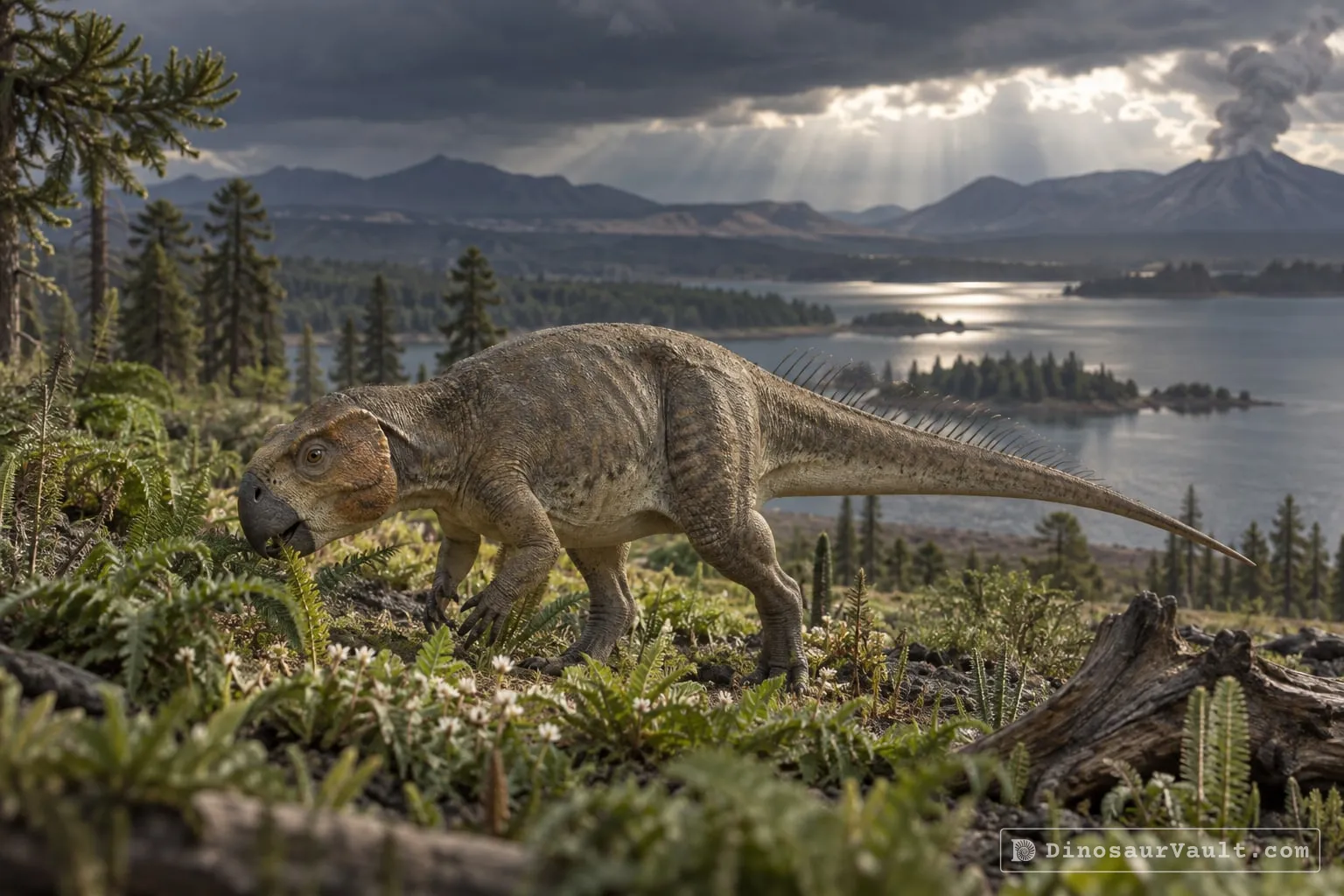
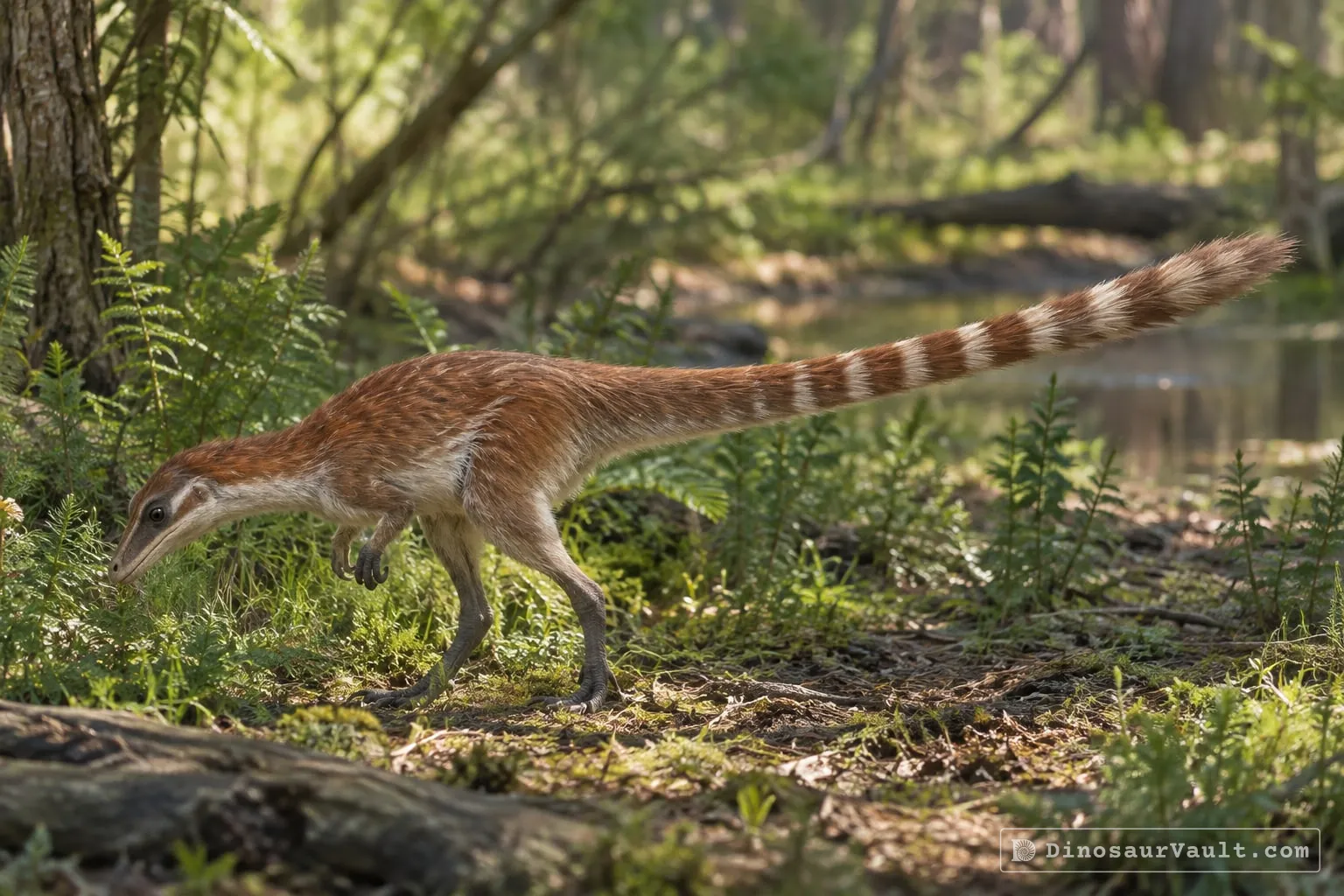
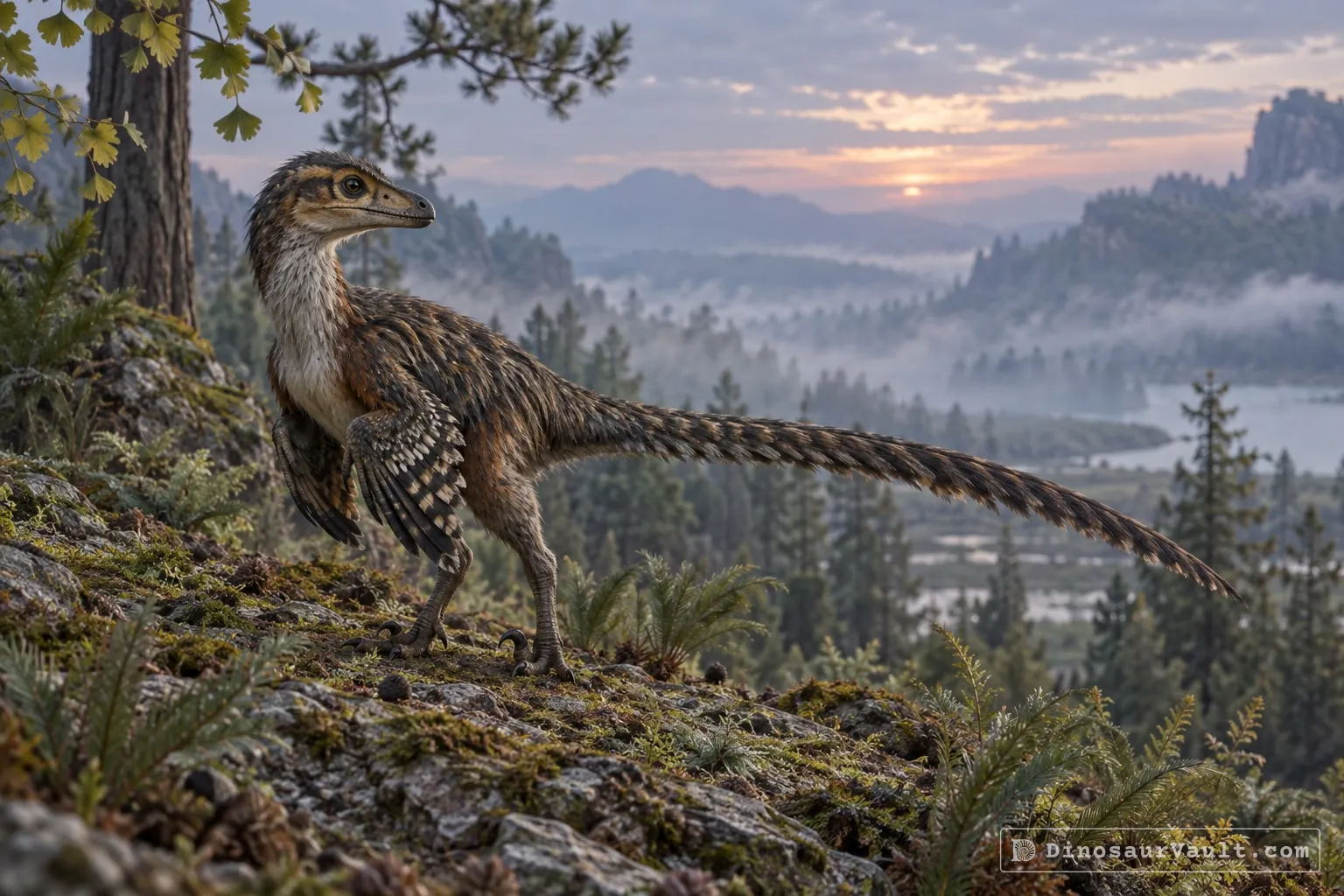
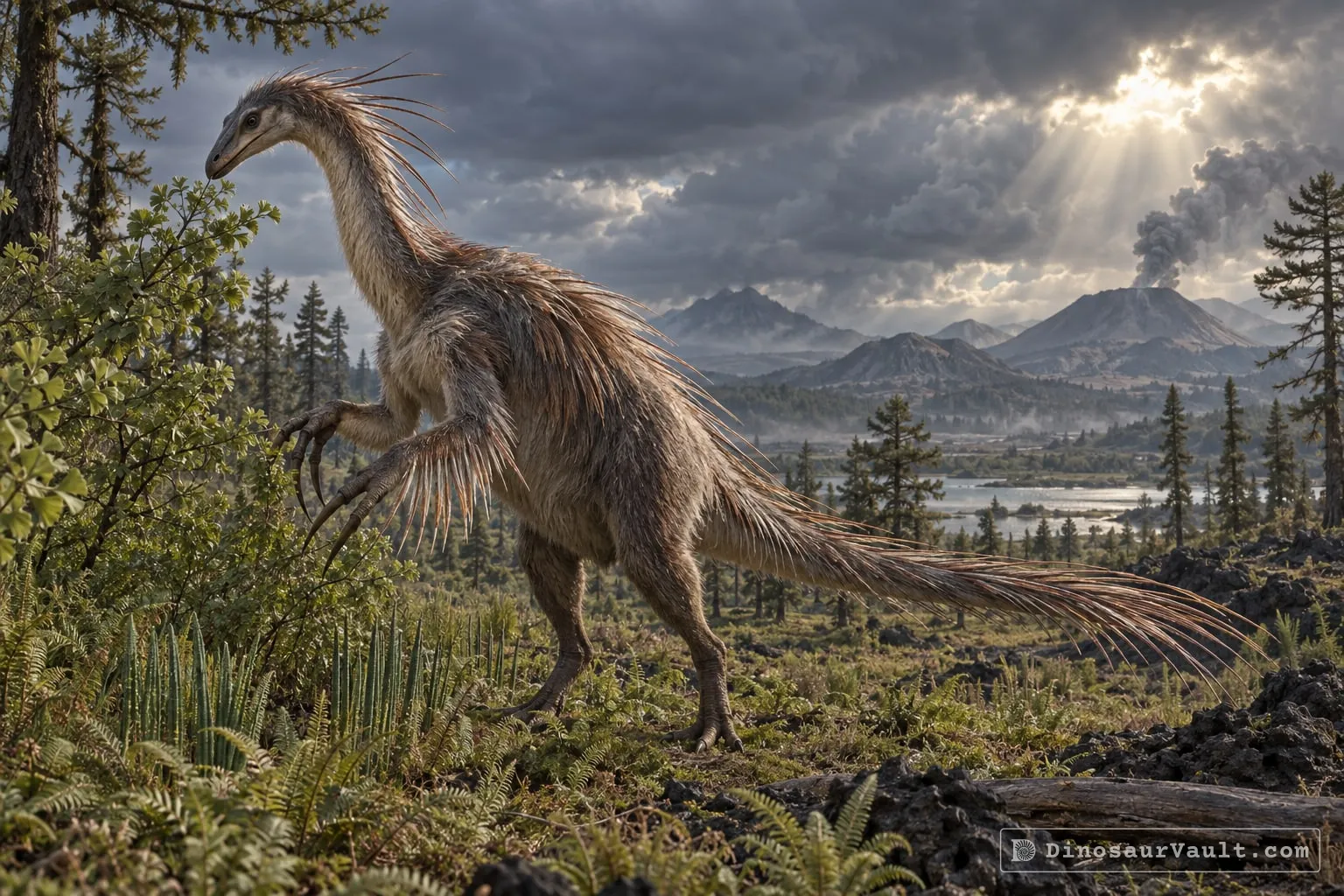
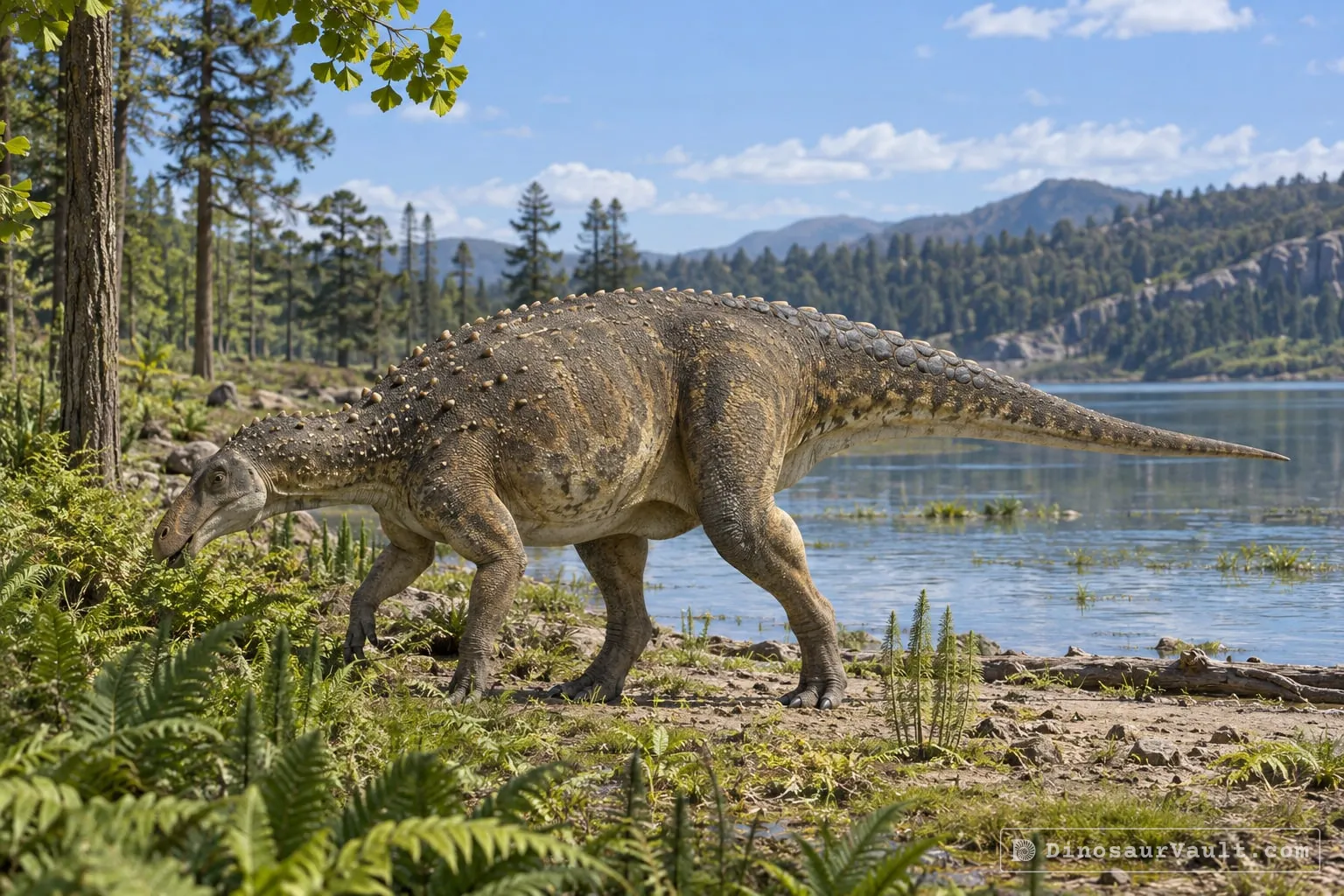
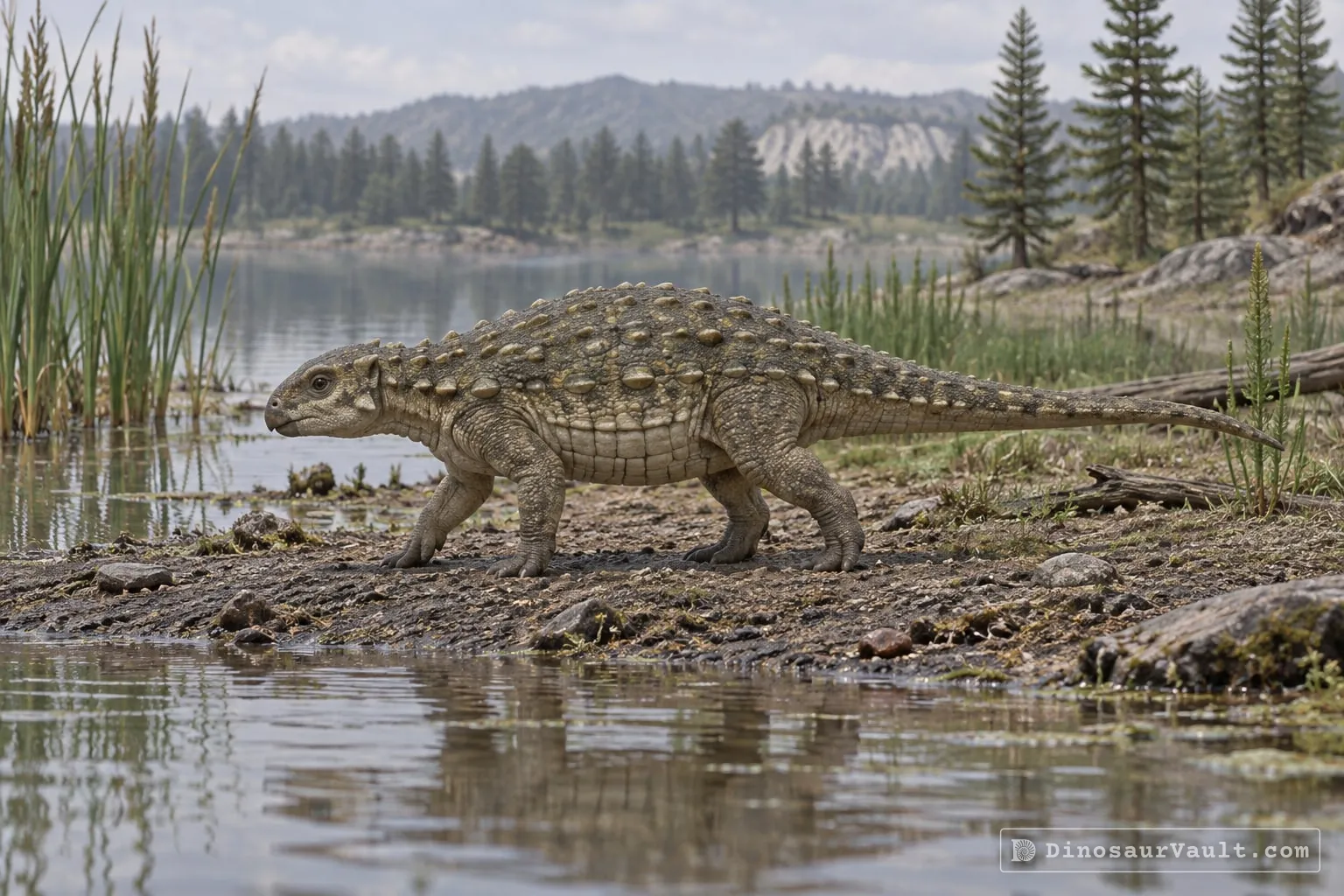


A rock formation can hold fossils laid down millions of years apart, so not every animal here met Jeholosaurus.
The evidence
The science behind Jeholosaurus
Which parts of the picture come from its own bones, and which come from its relatives.
From its own fossils
- Several skulls and partial skeletons preserve the jaws, backbone and limbs.
- The jaws carried pointed front teeth and broader, leaf-shaped teeth farther back.
- Scans of a young skull reveal replacement teeth growing beneath the working teeth.
Borrowed from relatives
- Much of its body shape comes from its own bones; comparisons with Haya help restore missing parts.
- Its outer covering is restored by comparison with other small plant-eating dinosaurs.
Still unknown
- Whether it ate small animals as well as plants.
- Its skin covering and color.
- Whether it cared for its young.
Discovery timeline
- 2000Named itXu, Wang & You
- 2009SkullBARRETT & HAN
- 2012Full descriptionHan et al.
- 2025SkullBertozzo et al.
Key papers
The research behind what we know of Jeholosaurus
Named it
Named a small plant-eating dinosaur from skull and skeleton remains in the Yixian Formation.
A primitive ornithopod from the Early Cretaceous Yixian Formation of Liaoning. Vertebrata PalAsiatica 38: 318-325
No link available
Skull
Described the skull and jaws in detail, using additional specimens to examine anatomy and growth.
Cranial anatomy of Jeholosaurus shangyuanensis (Dinosauria: Ornithischia) from the Early Cretaceous of China. Zootaxa 2072
Read the paper : Cranial anatomy of Jeholosaurus shangyuanensis (Dinosauria: Ornithischia) from the Early Cretaceous of China (opens in a new tab)Full description
Described the body skeleton and found close relationships with Haya and other small Asian plant eaters.
Postcranial anatomy ofJeholosaurus shangyuanensis(Dinosauria, Ornithischia) from the Lower Cretaceous Yixian Formation of China. Journal of Vertebrate Paleontology 32: 1370-1395
Read the paper : Postcranial anatomy ofJeholosaurus shangyuanensis(Dinosauria, Ornithischia) from the Lower Cretaceous Yixian Formation of China (opens in a new tab)Skull
Scanned a juvenile skull to reveal hidden bones, nerve passages and replacement teeth.
Anatomical description and digital reconstruction of the skull of Jeholosaurus shangyuanensis (Dinosauria, Ornithopoda) from China. PLOS ONE 20: e0312519
Read the paper : Anatomical description and digital reconstruction of the skull of Jeholosaurus shangyuanensis (Dinosauria, Ornithopoda) from China (opens in a new tab)
Close relatives
Other members of Thescelosauridae


Sources: Wikidata