Orodromeus
OR-oh-DROH-mee-us
"mountain runner"
- Lived
- 84 to 72 million years ago, Late Cretaceous
- Diet
- Herbivore
- Length
- about 2 m (7 ft)
- Group
- Early ornithischians, Thescelosauridae
- Found in
- United States
- Named by
- Horner and Weishampel 1988
Size comparison
To scale

Scale in metersOutline: typical early ornithischian shape
Where its fossils were found
The evidence
Today

80 million years ago
Habitat
Its fossil site had well-drained ground with sparse vegetation, near lakes that may have dried up seasonally. Daspletosaurus and Saurornitholestes lived in the region.
Field notes
About Orodromeus
What it was like
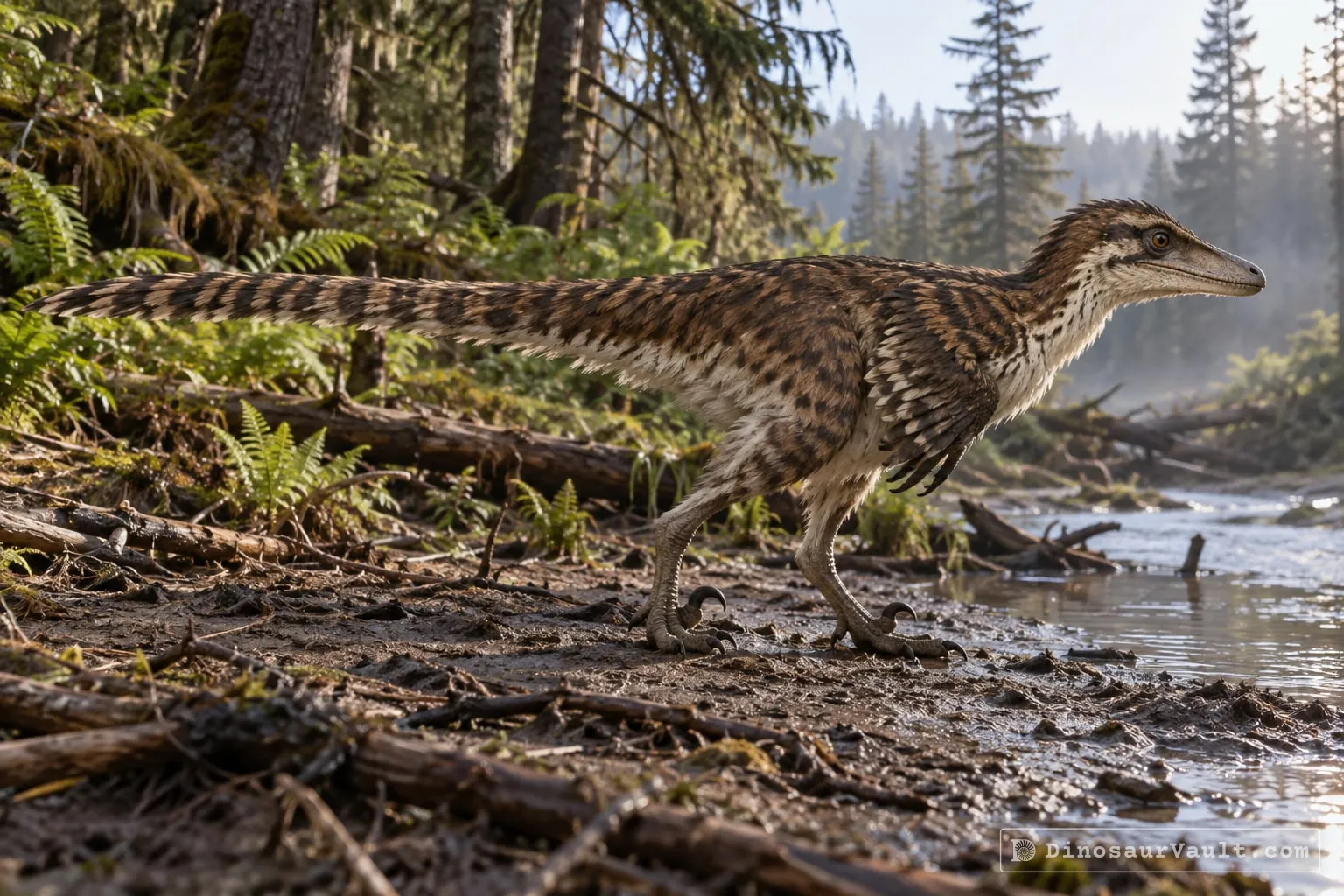
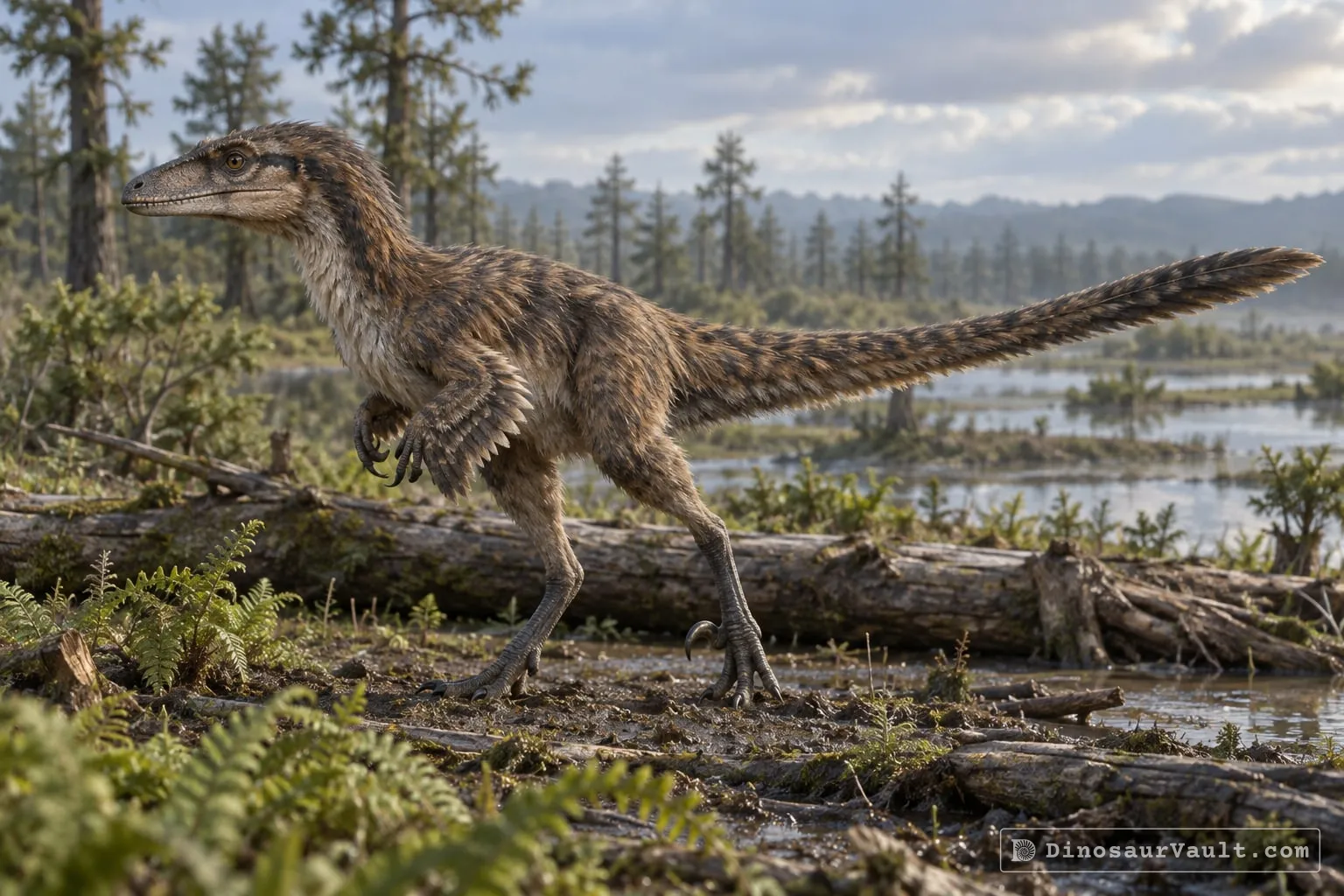
Orodromeus was a small plant eater about 2 meters (7 feet) long, much of that a long tail. It stood on long hind legs and was built for running, which was probably its best defense against predators.
Its world
It lived in the Late Cretaceous in what is now Montana. Its bones come from the Two Medicine Formation, where it shared the land with the small hunter Troodon and the tyrannosaur Daspletosaurus.
How it was found
Horner and Weishampel named Orodromeus in 1988. It was found at a site rich in eggs, and at first some of the eggs were thought to be its own. Later work showed that those eggs belonged to Troodon instead. Its closest relatives include Oryctodromeus and Zephyrosaurus.
Field gallery
More views of Orodromeus
Scenes reconstructed from the available fossil evidence.
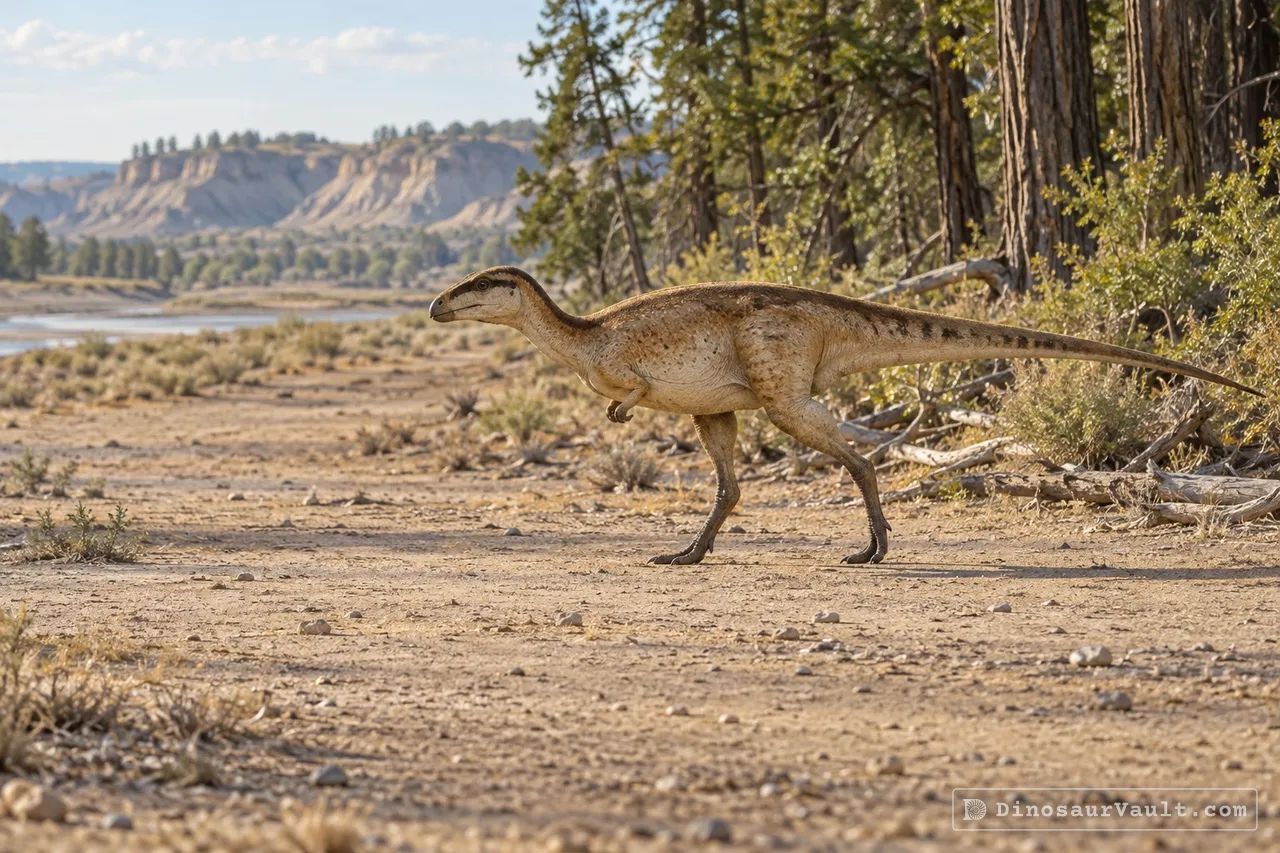
1 of 3
Lived alongside
Found in the same rock formations
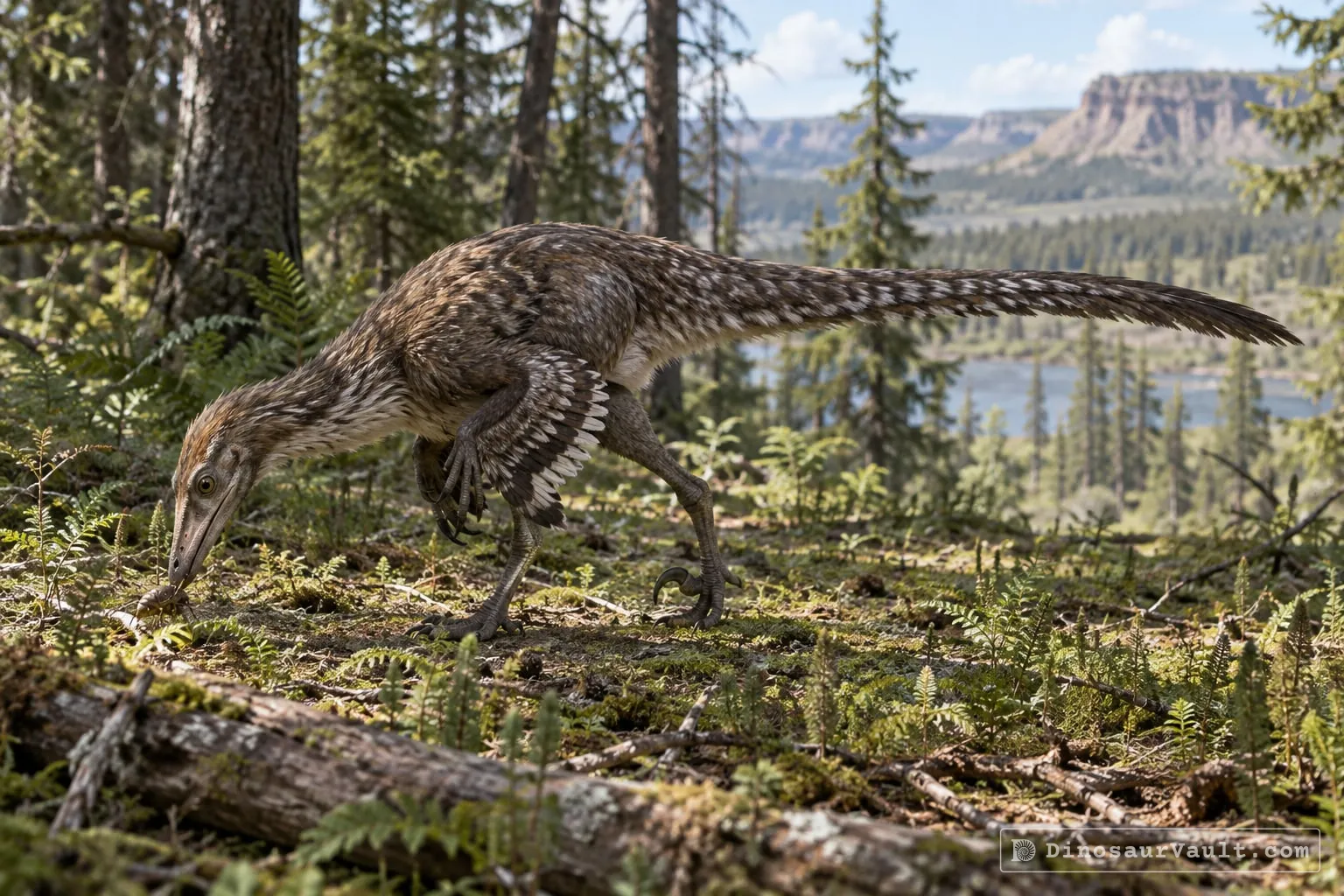
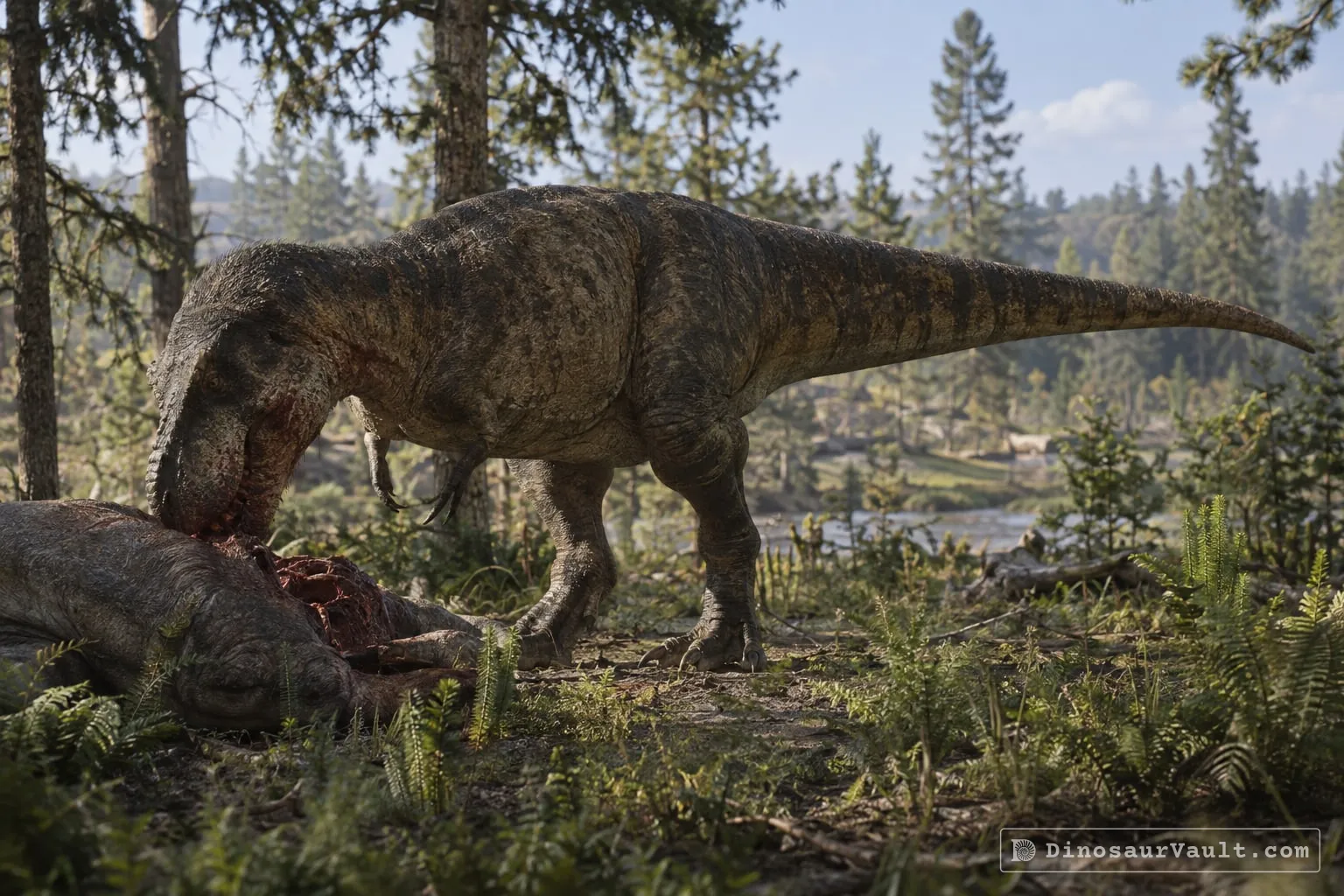
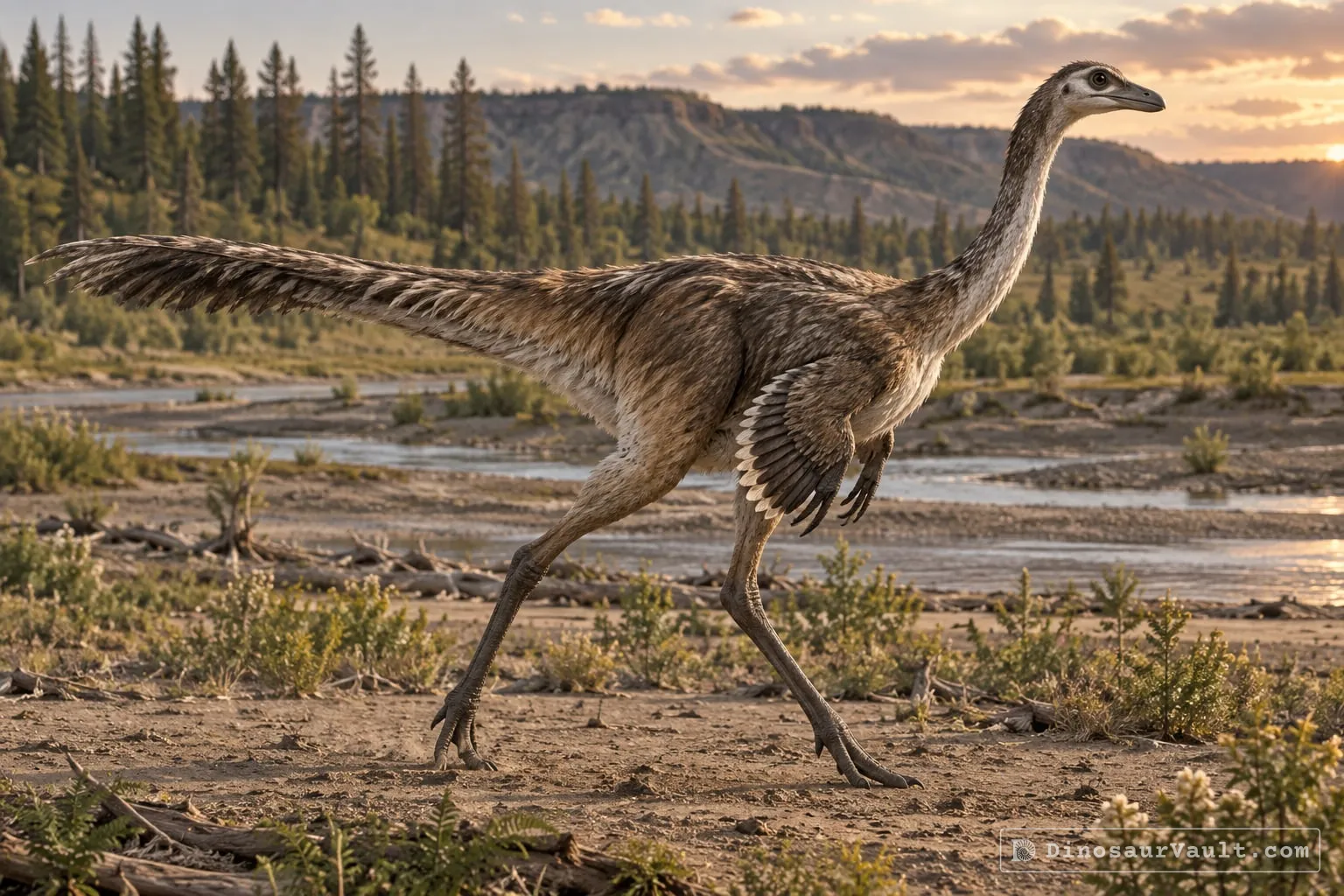
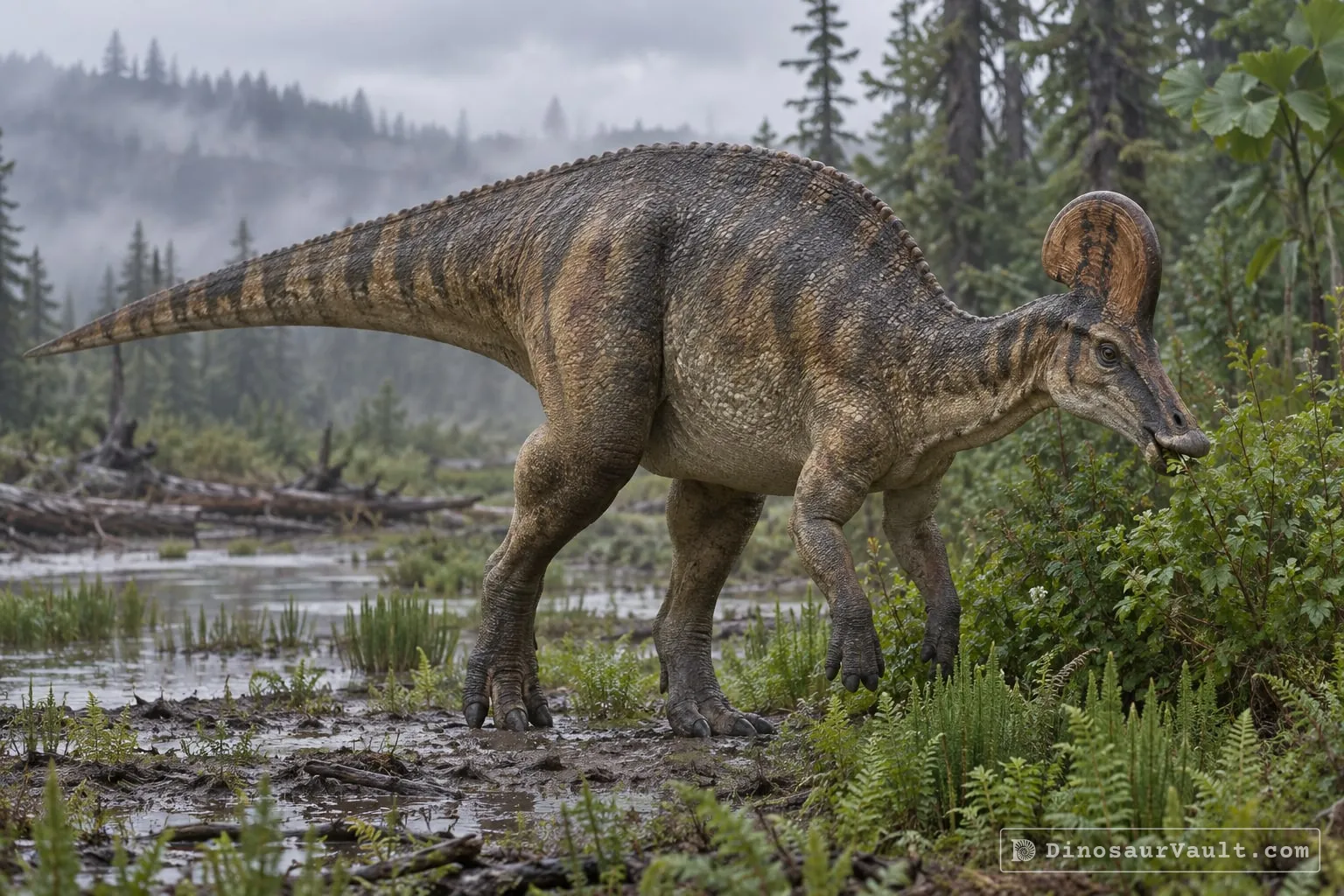
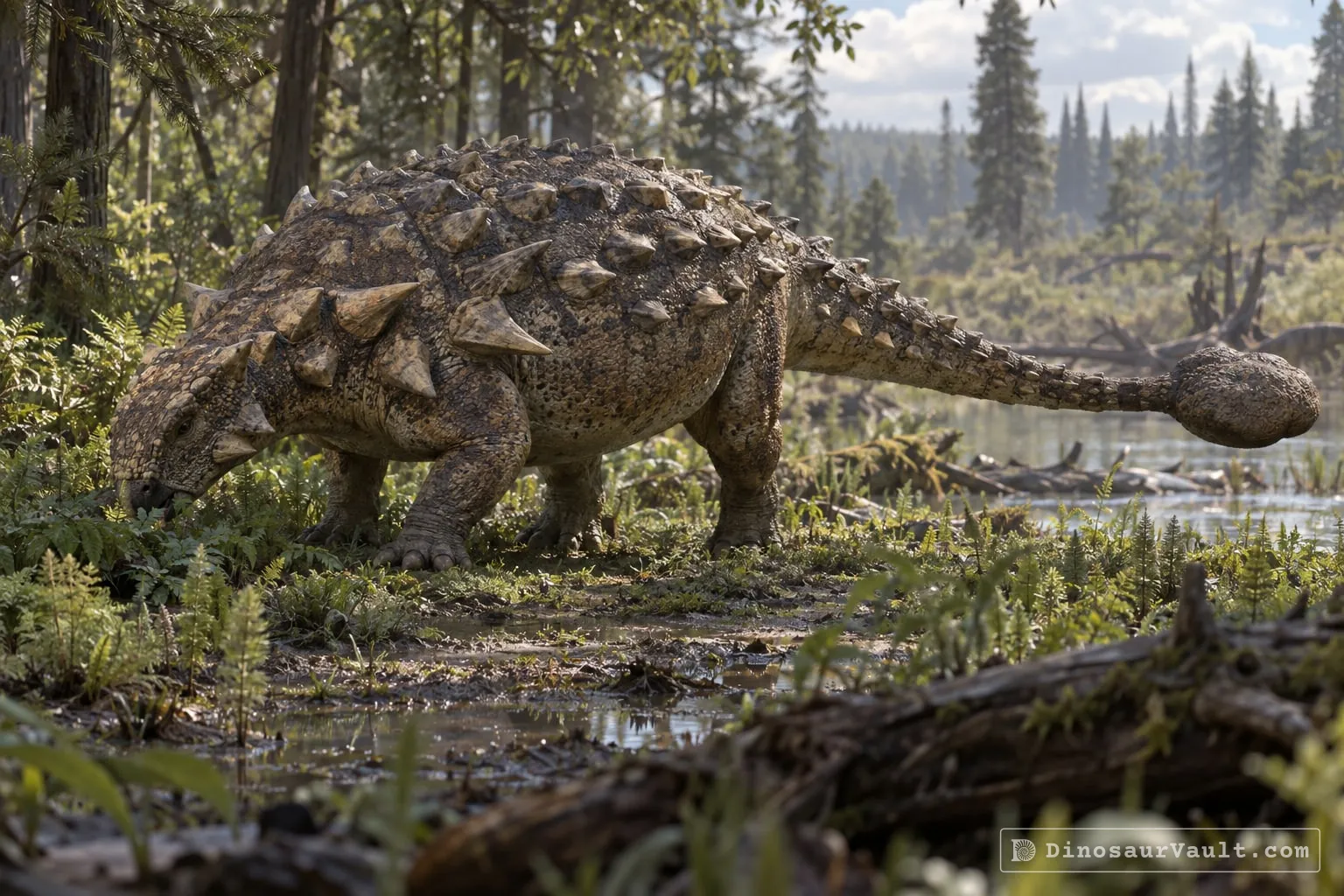
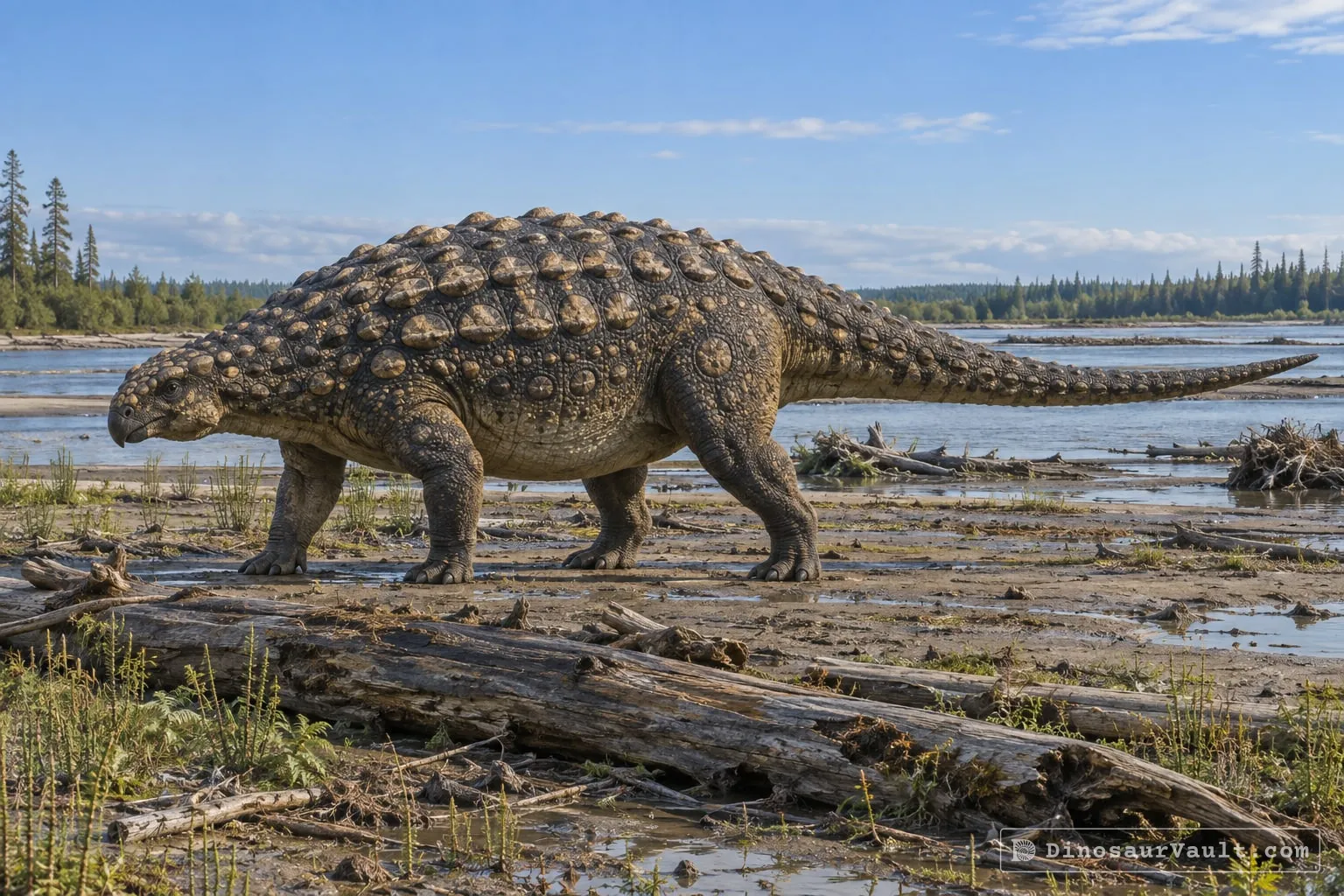


A rock formation can hold fossils laid down millions of years apart, so not every animal here met Orodromeus.
The evidence
The science behind Orodromeus
Which parts of the picture come from its own bones, and which come from its relatives.
From its own fossils
- Skeletons of young animals and adults preserve changes in the shape of the shoulder and upper arm as it grew.
- Microscopic sections of its leg bones show slower growth than in larger plant eaters such as Tenontosaurus.
Borrowed from relatives
- Oryctodromeus and Zephyrosaurus help place it among small, lightly built plant eaters.
- Its skin covering is restored by comparison with other small ornithischians.
Still unknown
- Its color and skin covering.
- Whether it dug burrows like Oryctodromeus.
- Whether parents cared for their young.
Discovery timeline
- 1988Named itHorner & Weishampel
- 1997Same rocksVarricchio et al.
- 2009Growing upHorner et al.
- 2019Fossil sitesFreimuth & Varricchio
- 2022Growing upPoole
Key papers
The research behind what we know of Orodromeus
Named it
Named Orodromeus and compared young dinosaurs; the embryos originally assigned to it were later reassigned to Troodon.
A comparative embryological study of two ornithischian dinosaurs. Nature 332: 256-257
Read the paper : A comparative embryological study of two ornithischian dinosaurs (opens in a new tab)Same rocks
Described Troodon nests and eggs from the area where eggs had previously been attributed to Orodromeus.
Nest and egg clutches of the dinosaur Troodon formosus and the evolution of avian reproductive traits. Nature 385: 247-250
Read the paper : Nest and egg clutches of the dinosaur Troodon formosus and the evolution of avian reproductive traits (opens in a new tab)Growing up
Bone sections showed that Orodromeus grew more slowly than larger plant eaters and that its growth slowed as it approached adult size.
Comparative long bone histology and growth of the “hypsilophodontid” dinosaursOrodromeus makelai, Dryosaurus altus, andTenontosaurus tillettii(Ornithischia: Euornithopoda). Journal of Vertebrate Paleontology 29: 734-747
Read the paper : Comparative long bone histology and growth of the “hypsilophodontid” dinosaursOrodromeus makelai, Dryosaurus altus, andTenontosaurus tillettii(Ornithischia: Euornithopoda) (opens in a new tab)Fossil sites
Insect burrows revealed well-drained ground and sparse vegetation at a fossil site containing Orodromeus bones.
Insect trace fossils elucidate depositional environments and sedimentation at a dinosaur nesting site from the Cretaceous (Campanian) Two Medicine Formation of Montana. Palaeogeography, Palaeoclimatology, Palaeoecology 534: 109262
Read the paper : Insect trace fossils elucidate depositional environments and sedimentation at a dinosaur nesting site from the Cretaceous (Campanian) Two Medicine Formation of Montana (opens in a new tab)Growing up
Compared young and adult Orodromeus to show how changing bone shapes can affect the reconstruction of dinosaur family trees.
Placing juvenile specimens in phylogenies: An ontogenetically sensitive phylogenetic assessment of a new genus of iguanodontian dinosaur from the Early Cretaceous Kirkwood Formation, South Africa. The Anatomical Record 306: 1939-1950
Read the paper : Placing juvenile specimens in phylogenies: An ontogenetically sensitive phylogenetic assessment of a new genus of iguanodontian dinosaur from the Early Cretaceous Kirkwood Formation, South Africa (opens in a new tab)
Close relatives
Other members of Thescelosauridae


Sources: Wikidata