Fona
Type species Fona herzogae
- Lived
- 101 to 94 million years ago, Late Cretaceous
- Diet
- Herbivore
- Group
- Early ornithischians, Thescelosauridae
- Found in
- United States
- Named by
- Avrahami et al. 2024
Where its fossils were found
The evidence
Today

95 million years ago
Habitat
It lived in a humid lowland within the Cedar Mountain Formation. Other dinosaurs from the same part of the formation include Eolambia, Iani and Siats.
Field notes
About Fona
What it was like
Fona was a small plant eater related to Thescelosaurus. It walked on two legs and had a short, deep skull. Its bones are thick, and it may have dug burrows.
Its world
It lived about 101 to 94 million years ago, in the Late Cretaceous, in what is now Utah. It comes from the Cedar Mountain Formation. It lived through a time when the kinds of plant eaters in North America were changing fast.
How it was found
Avrahami and colleagues named Fona in 2024. The type species is Fona herzogae. Several animals are known.
Field gallery
More views of Fona
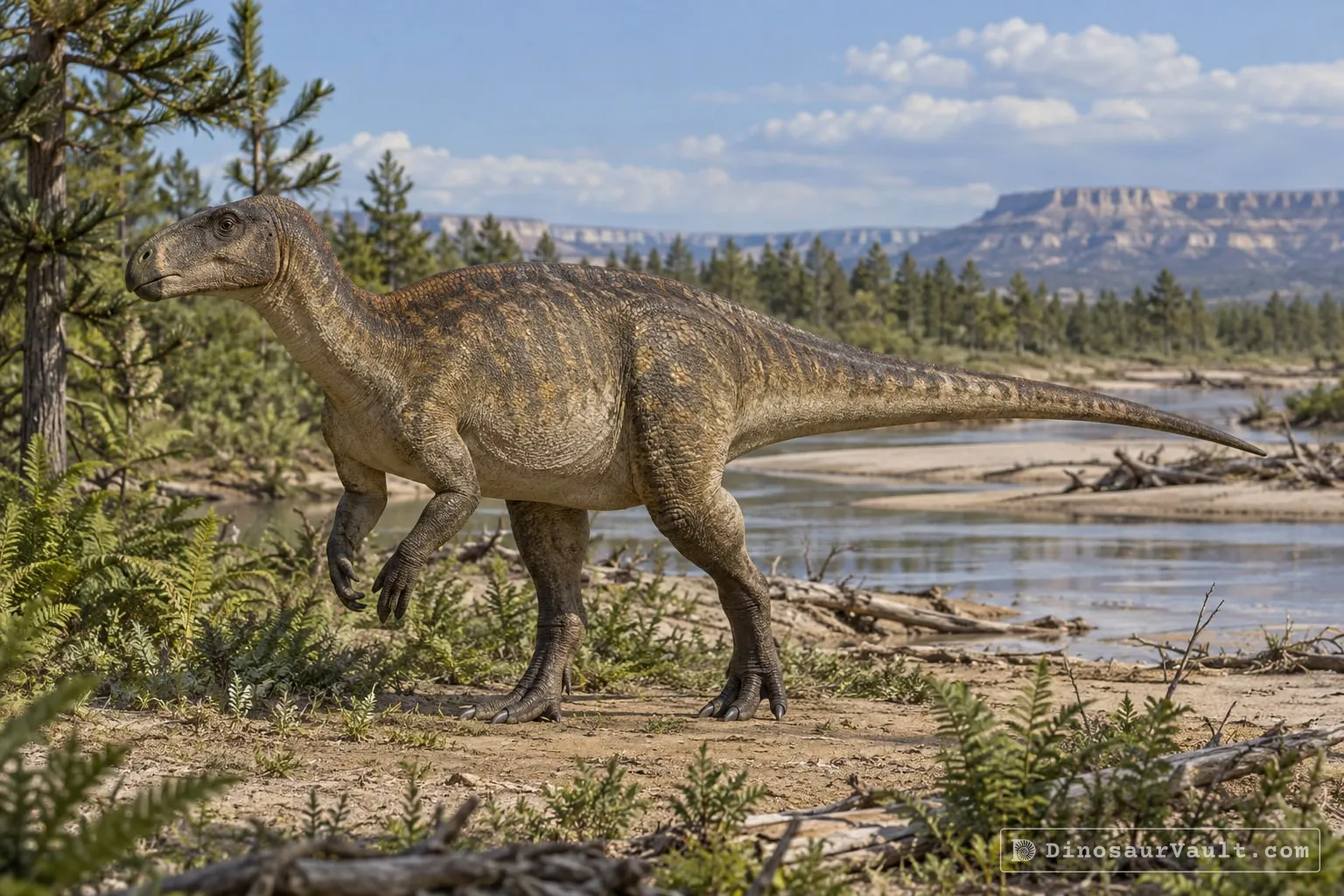
Scenes reconstructed from the available fossil evidence.
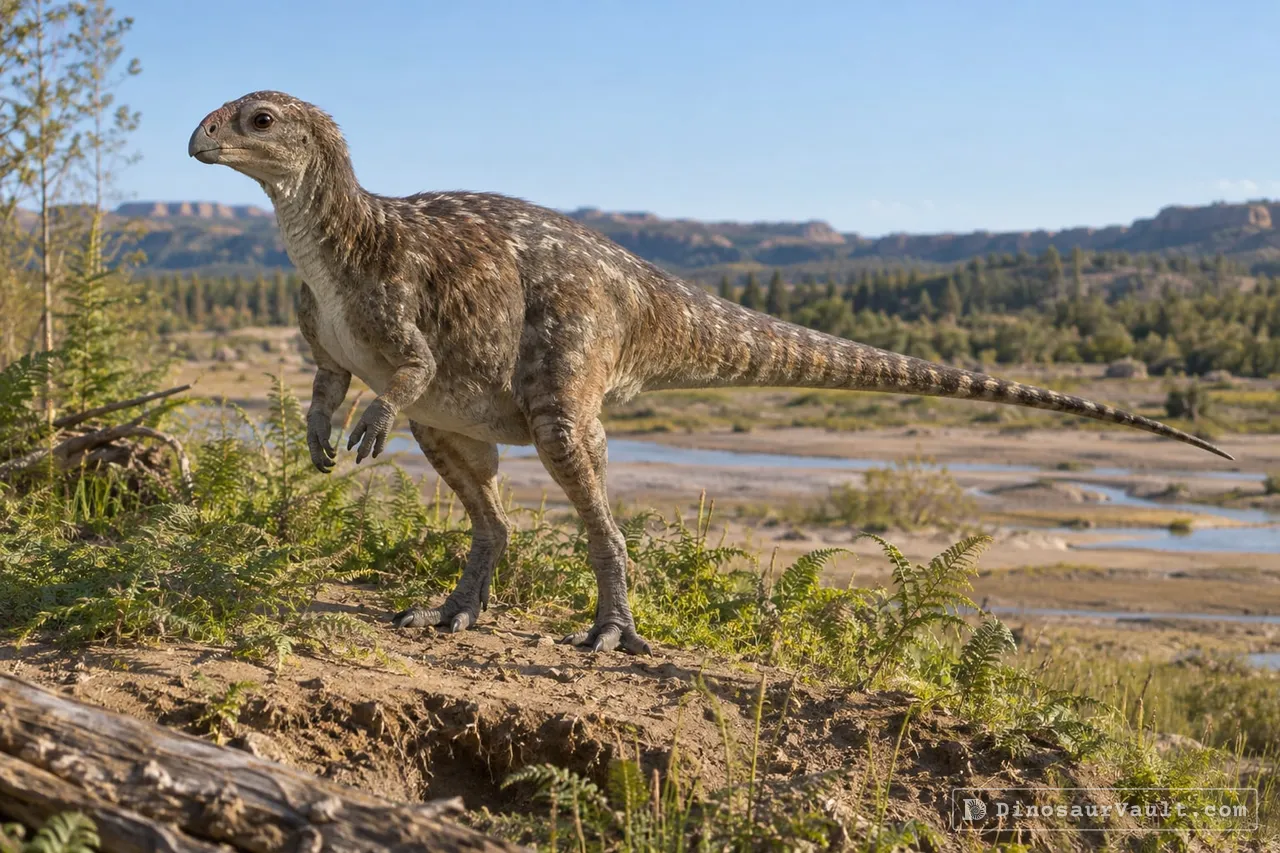
1 of 3
Lived alongside
Found in the same rock formations
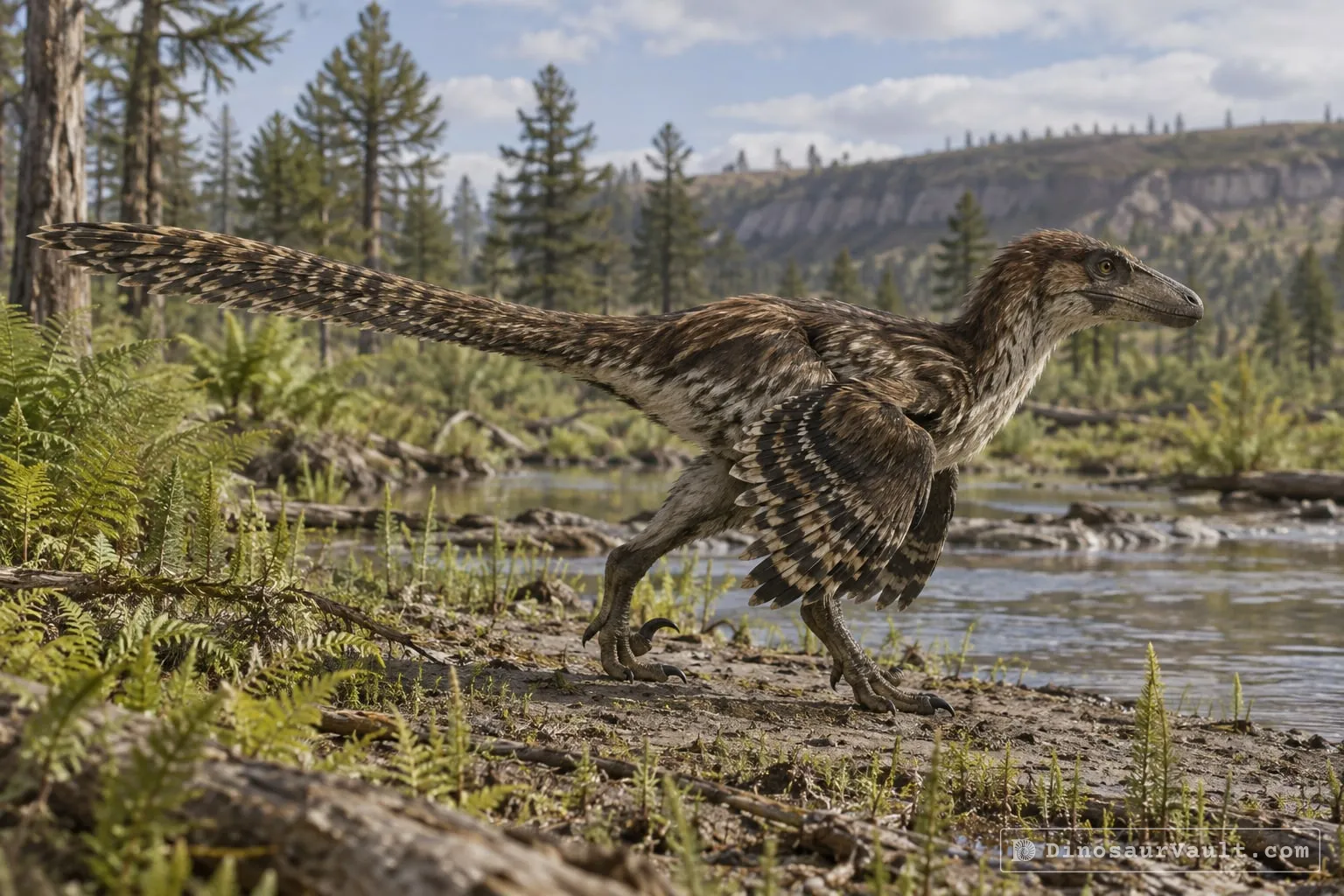
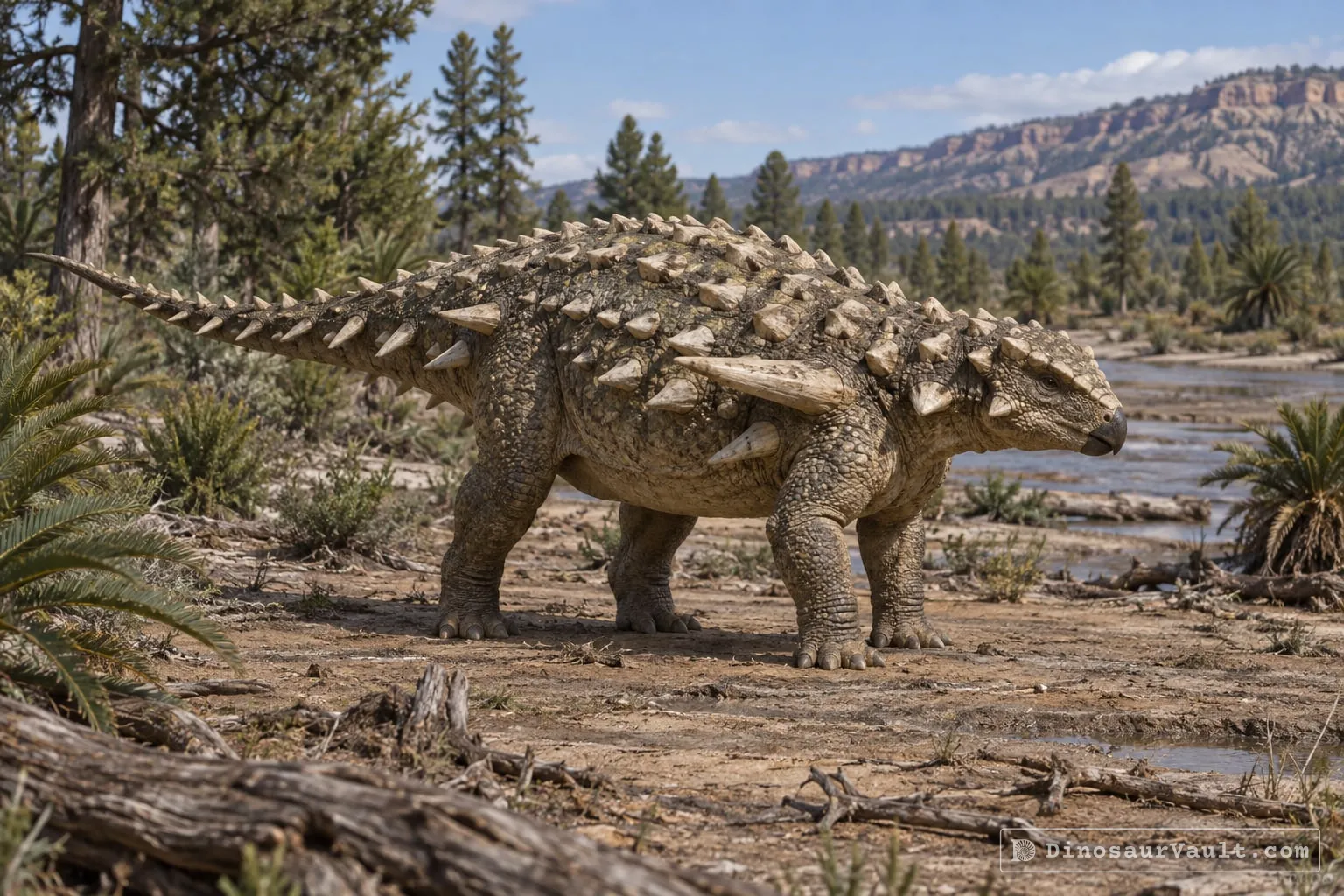
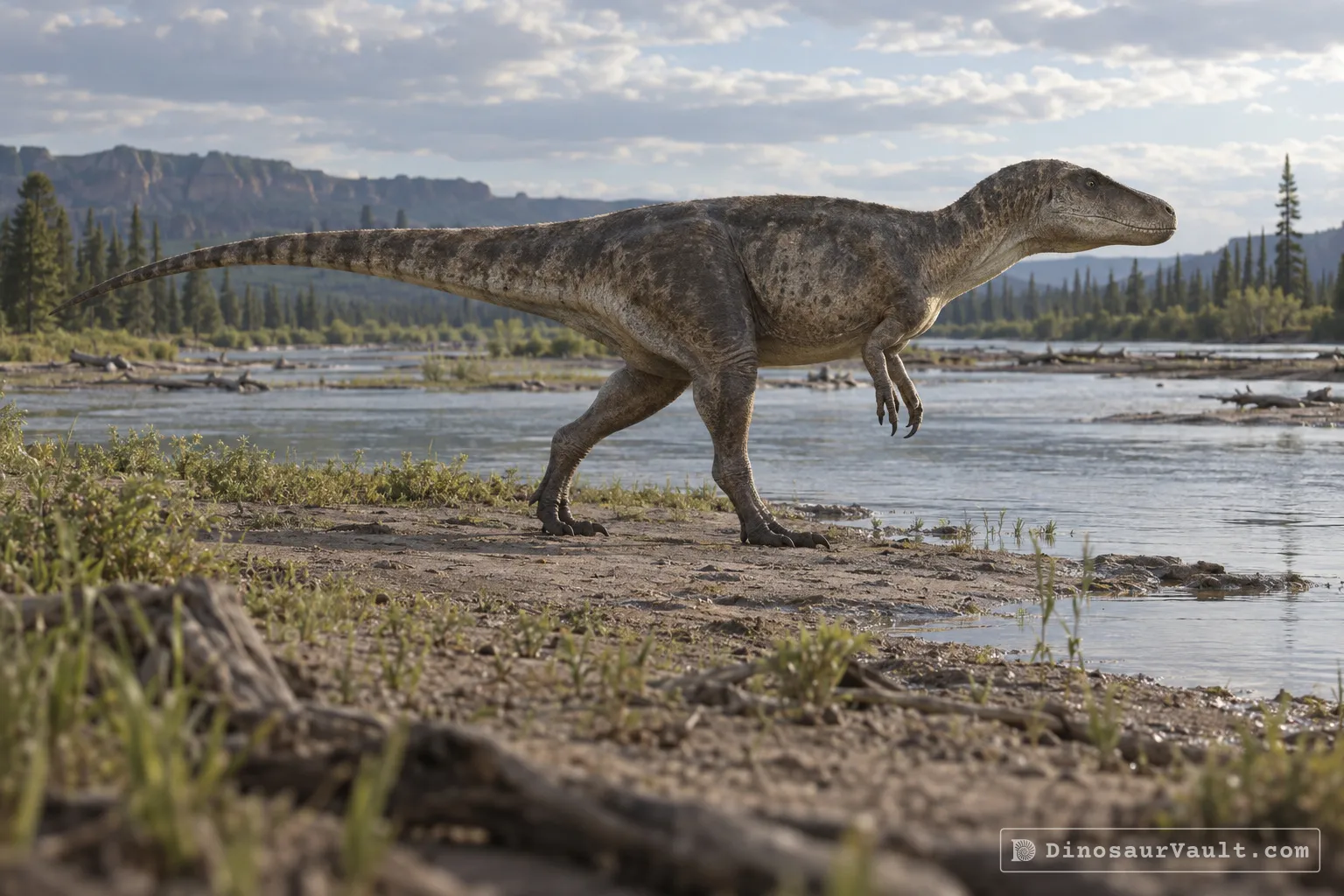
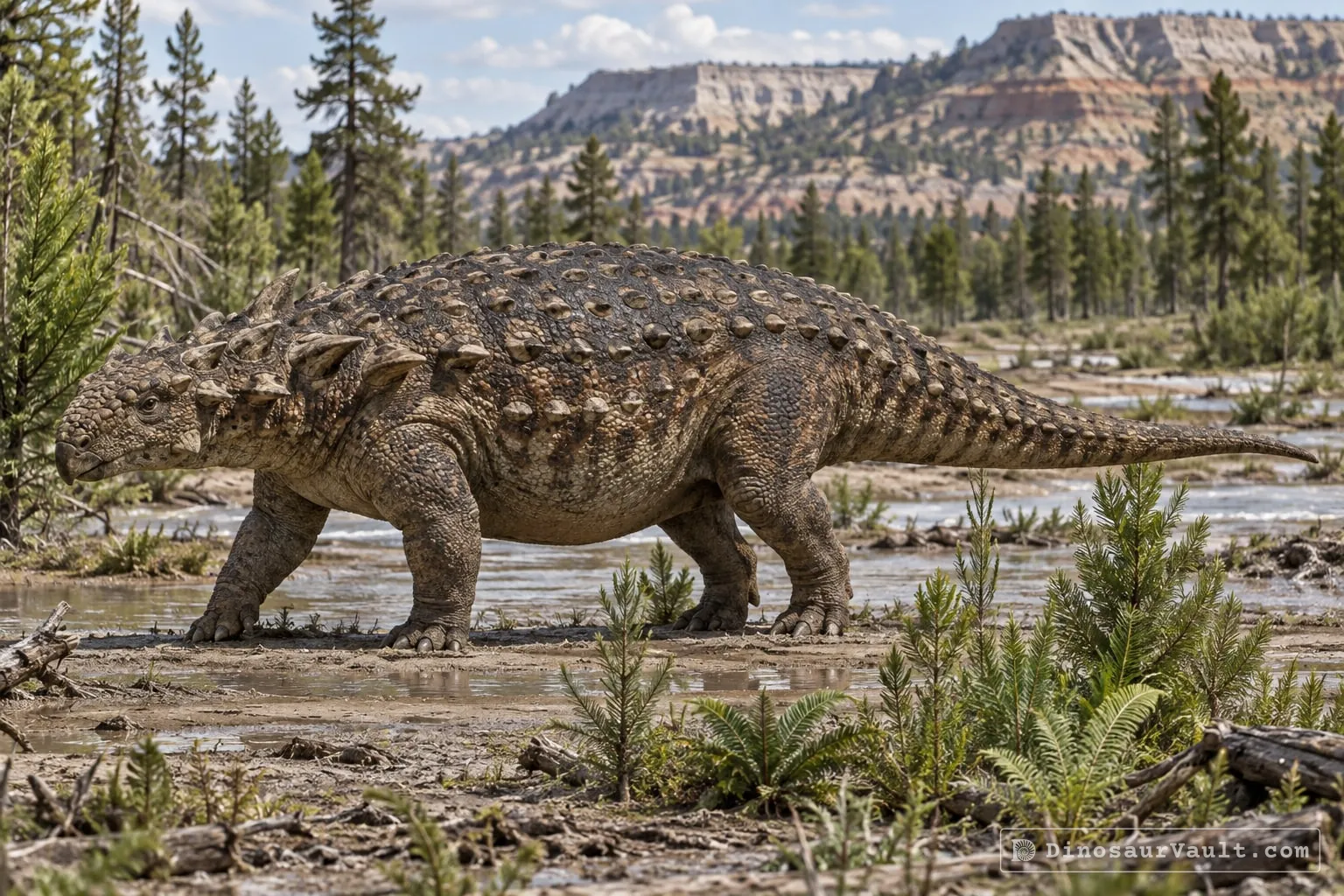
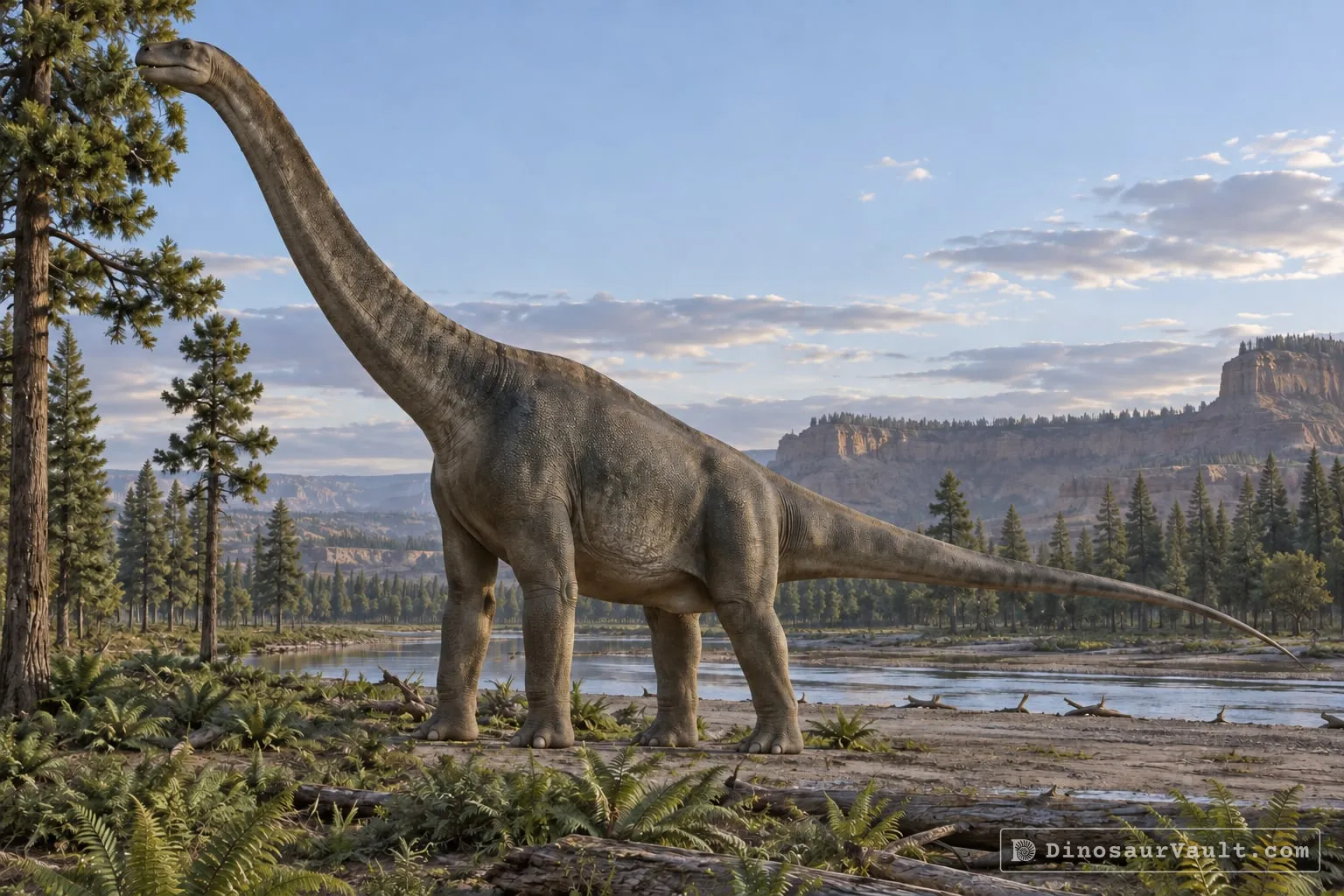
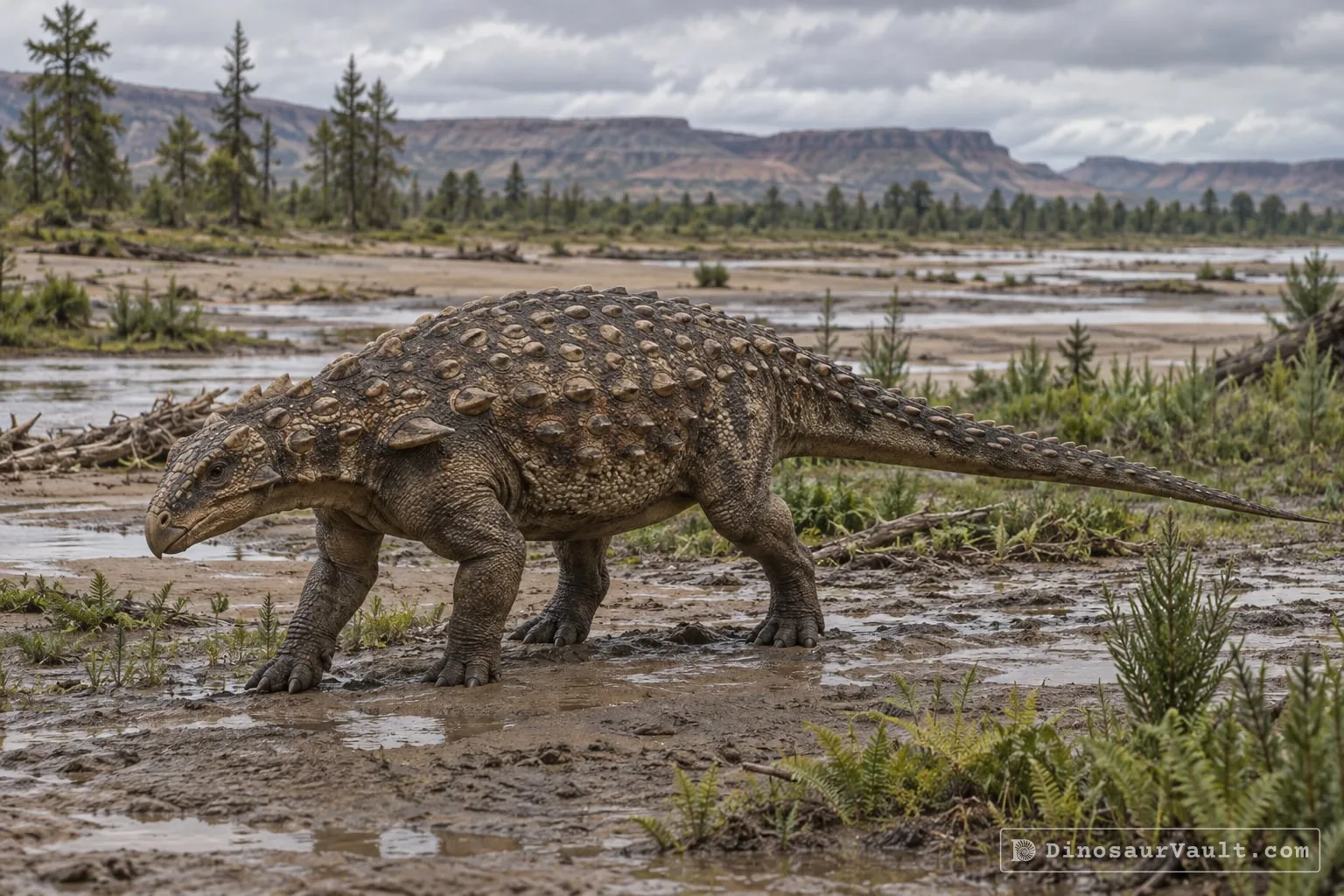
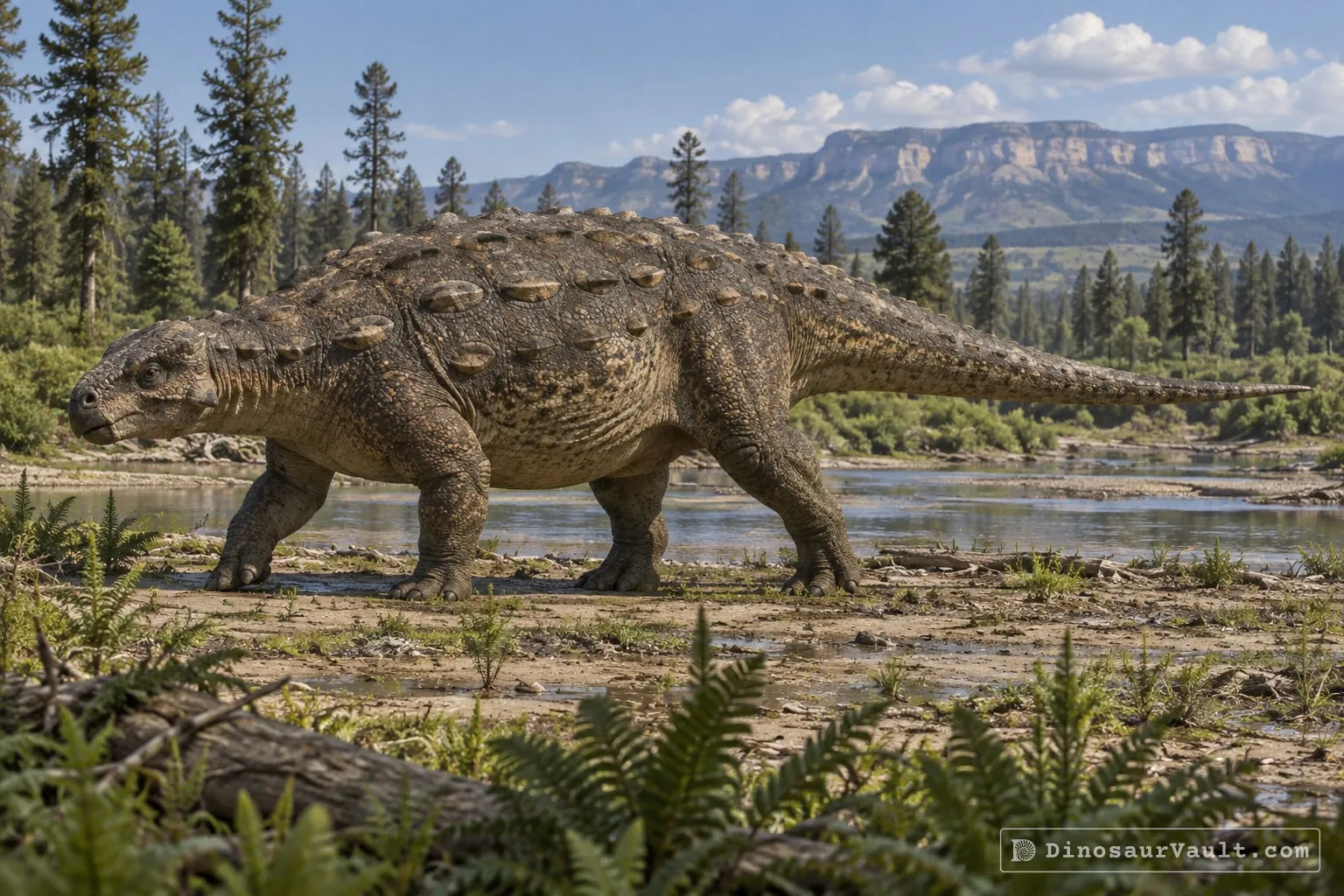


A rock formation can hold fossils laid down millions of years apart, so not every animal here met Fona.
The evidence
The science behind Fona
Which parts of the picture come from its own bones, and which come from its relatives.
From its own fossils
- Several skeletons preserve much of the skull, backbone, hips and limbs.
- Strong shoulder bones and large muscle attachments on the upper arms suggest powerful forelimbs.
- Associated subadults preserve skull bones that help reveal how its head was built.
Borrowed from relatives
- Much of its body is known from its own bones; Oryctodromeus provides a comparison for the missing parts of the hands and tail.
- Similarities with the burrowing Oryctodromeus suggest that Fona may also have spent time underground.
Still unknown
- Whether it dug its own burrows and how often it used them.
- The complete arrangement of its fingers and the full length of its tail.
- Its skin covering and color.
Discovery timeline
- 2007Close relativeVarricchio, Martin & Katsura
- 2024Named itAvrahami et al.
- 2026SkullAvrahami & Zanno
Key papers
The research behind what we know of Fona
Close relative
Found an adult Oryctodromeus and young inside a preserved burrow, supporting comparisons with Fona's possible underground lifestyle.
First trace and body fossil evidence of a burrowing, denning dinosaur. Proceedings of the Royal Society B: Biological Sciences 274: 1361-1368
Read the paper : First trace and body fossil evidence of a burrowing, denning dinosaur (opens in a new tab)Named it
Described several skeletons of a small plant eater and proposed a partly underground lifestyle from similarities with Oryctodromeus.
A new semi‐fossorial thescelosaurine dinosaur from the Cenomanian‐age Mussentuchit Member of the Cedar Mountain Formation, Utah. The Anatomical Record 307: 3717-3781
Read the paper : A new semi‐fossorial thescelosaurine dinosaur from the Cenomanian‐age Mussentuchit Member of the Cedar Mountain Formation, Utah (opens in a new tab)Skull
Described individual skull bones from several Fona specimens, documenting differences among animals and clarifying comparisons with other small plant eaters.
Cranial Osteology of Fona herzogae (Dinosauria: Thescelosaurinae) from the Mussentuchit Member of the Cedar Mountain Formation. PLOS One 21: e0353169
Read the paper : Cranial Osteology of Fona herzogae (Dinosauria: Thescelosaurinae) from the Mussentuchit Member of the Cedar Mountain Formation (opens in a new tab)
Close relatives
Other members of Thescelosauridae


Sources: Wikidata