Parksosaurus
"Parks's lizard"
- Lived
- 72 to 66 million years ago, Late Cretaceous
- Diet
- Herbivore
- Length
- about 3 m (10 ft)
- Group
- Early ornithischians, Thescelosauridae
- Found in
- Canada
- Named by
- Sternberg 1937
Size comparison
To scale

Scale in metersOutline: typical early ornithischian shape
Where its fossils were found
The evidence
Today

70 million years ago
Habitat
River plains in what is now Alberta supported Parksosaurus and larger plant eaters. Edmontosaurus and Saurolophus lived in the region, along with the predator Albertosaurus.
Field notes
About Parksosaurus
What it was like
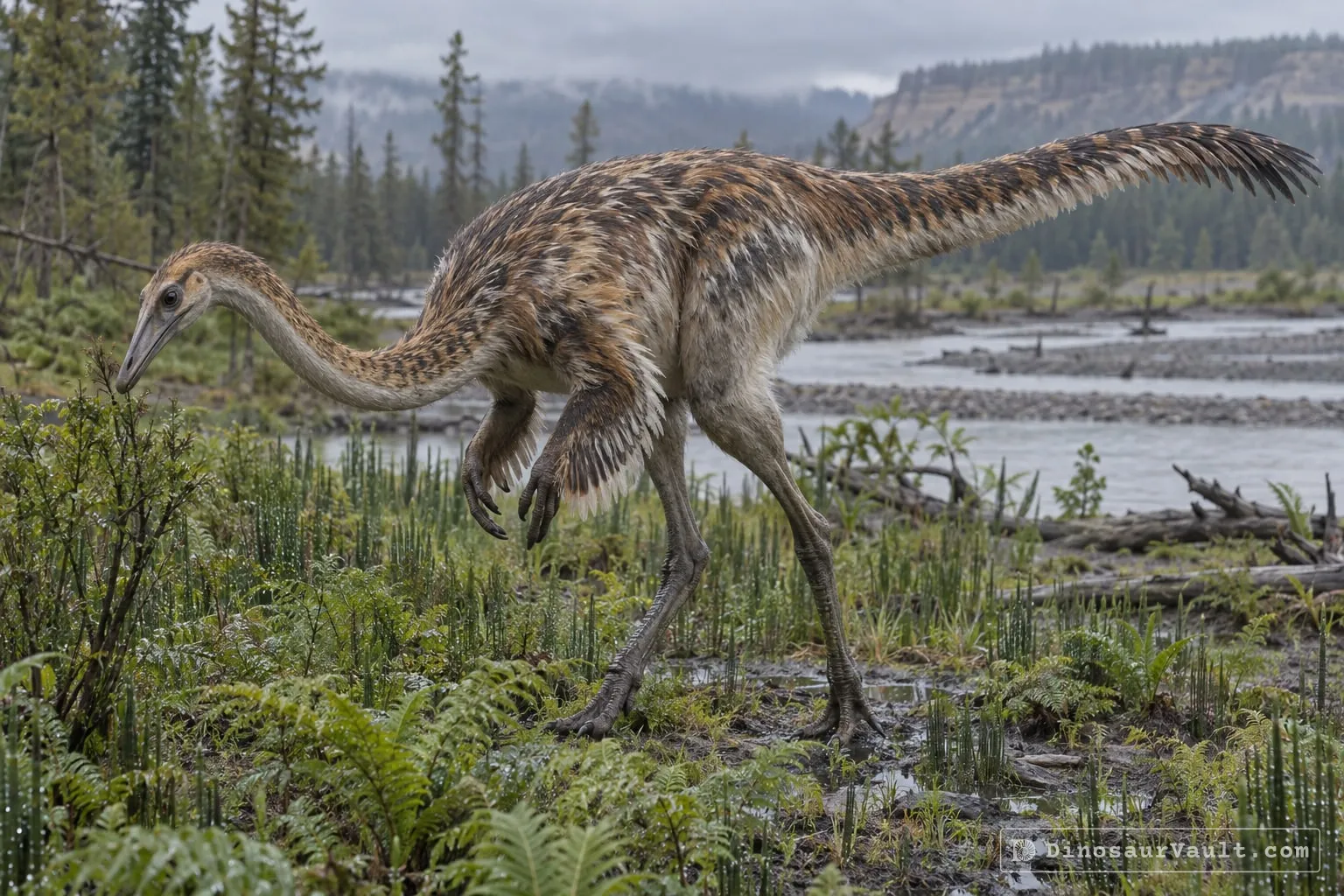
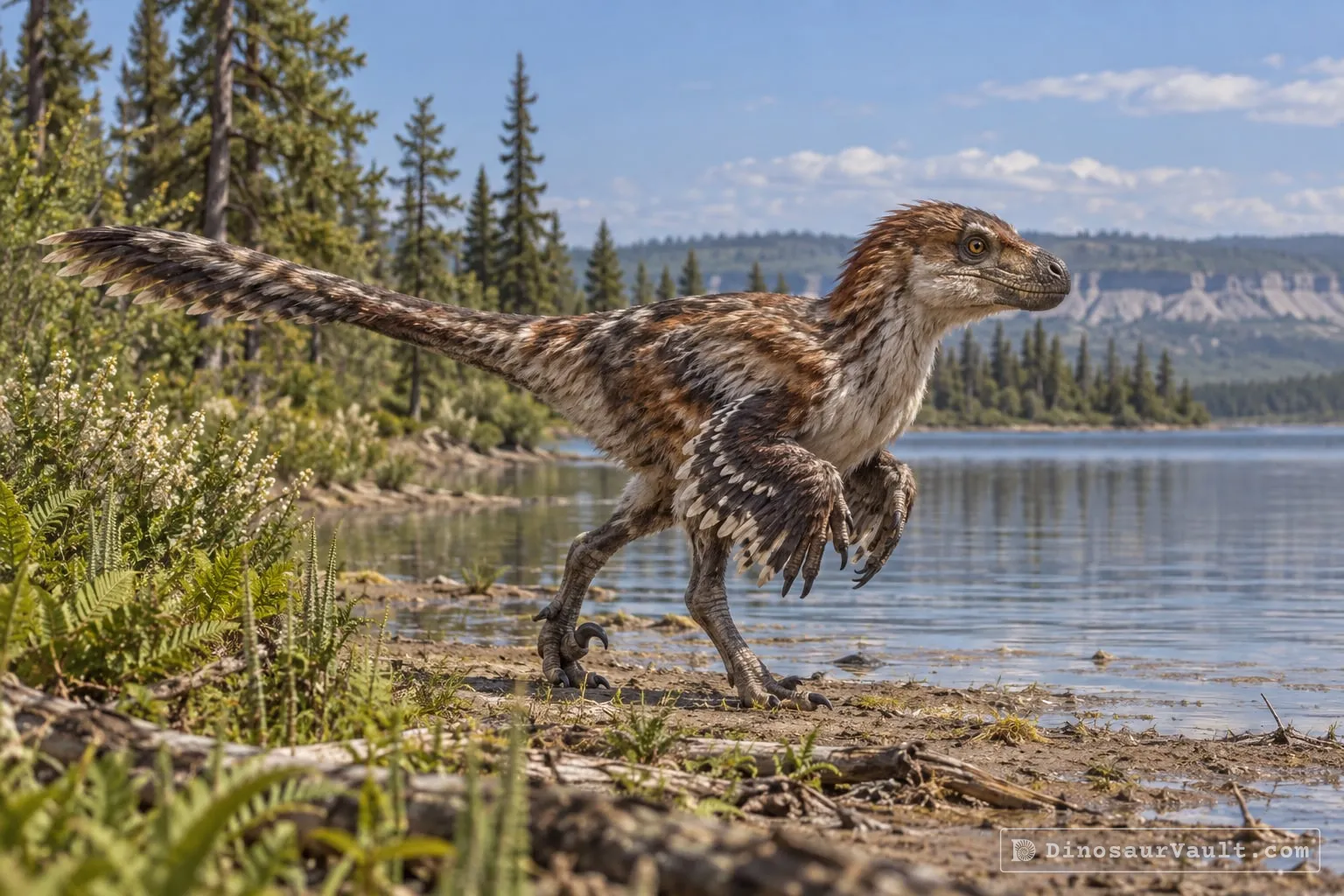
Parksosaurus was a small, two-legged plant eater about 3 meters (10 feet) long. It had a beak at the front of its jaws and leaf-shaped teeth behind, with long legs for running.
It is a close relative of Thescelosaurus.
Its world
It lived about 72 to 66 million years ago, near the end of the Late Cretaceous, in what is now Alberta, Canada. Its bones come from the Horseshoe Canyon Formation, where it shared the land with Edmontosaurus, Saurolophus and Pachyrhinosaurus, and the tyrannosaur Albertosaurus.
How it was found
Sternberg named Parksosaurus in 1937, for a scientist who had first described the skeleton as a species of Thescelosaurus. It is one of the few small plant eaters of its kind known from that time in North America.
Field gallery
More views of Parksosaurus
Scenes reconstructed from the available fossil evidence.
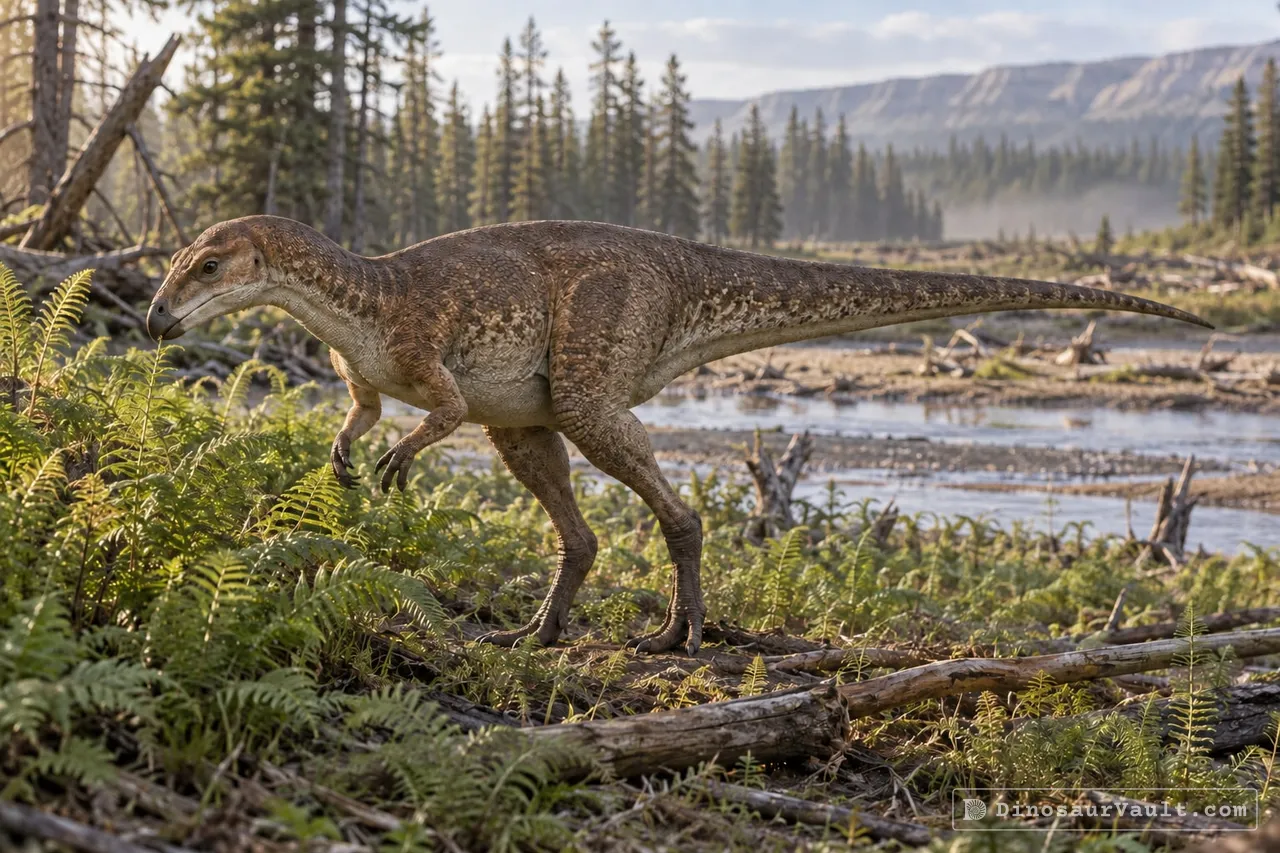
1 of 3
Lived alongside
Found in the same rock formations
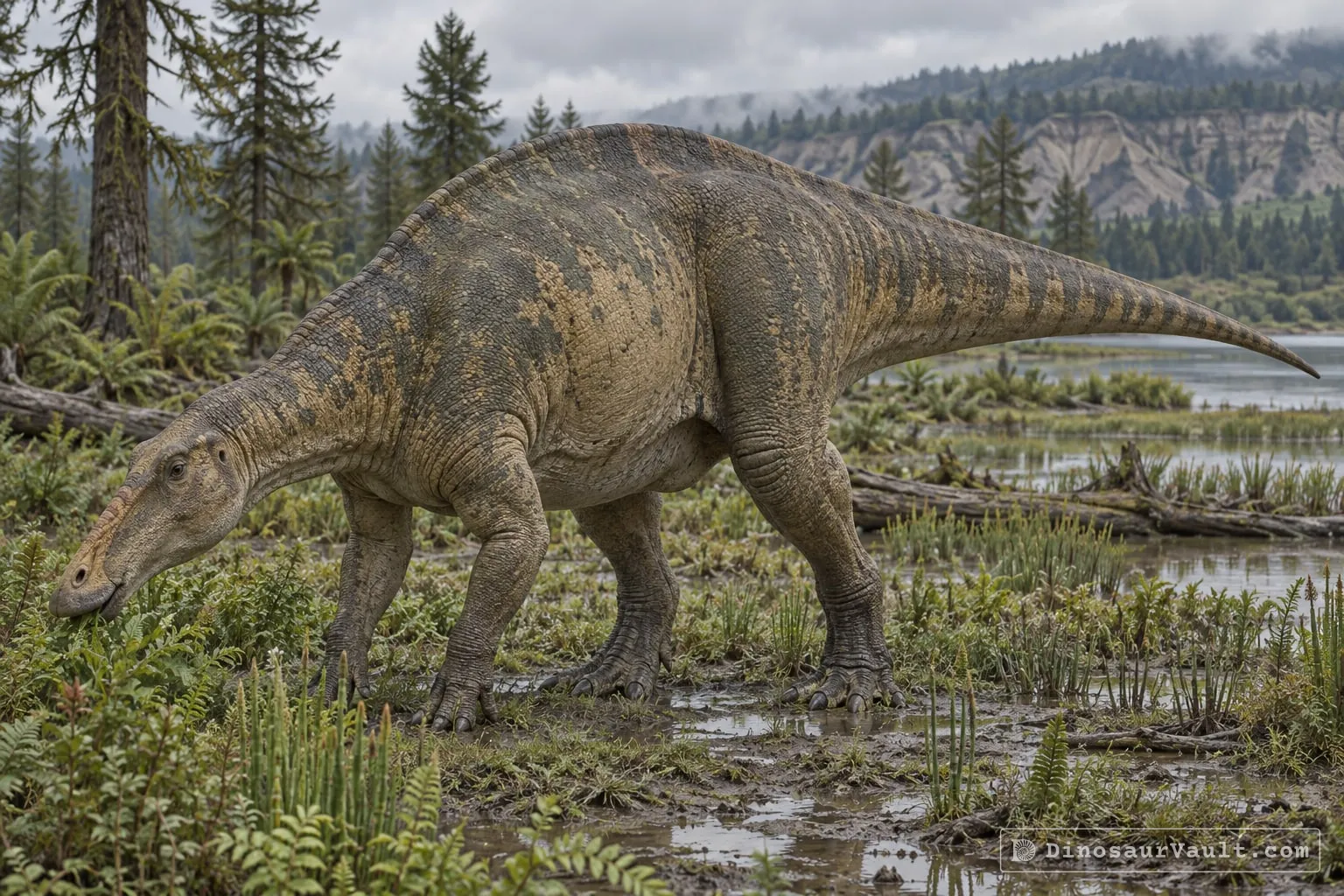
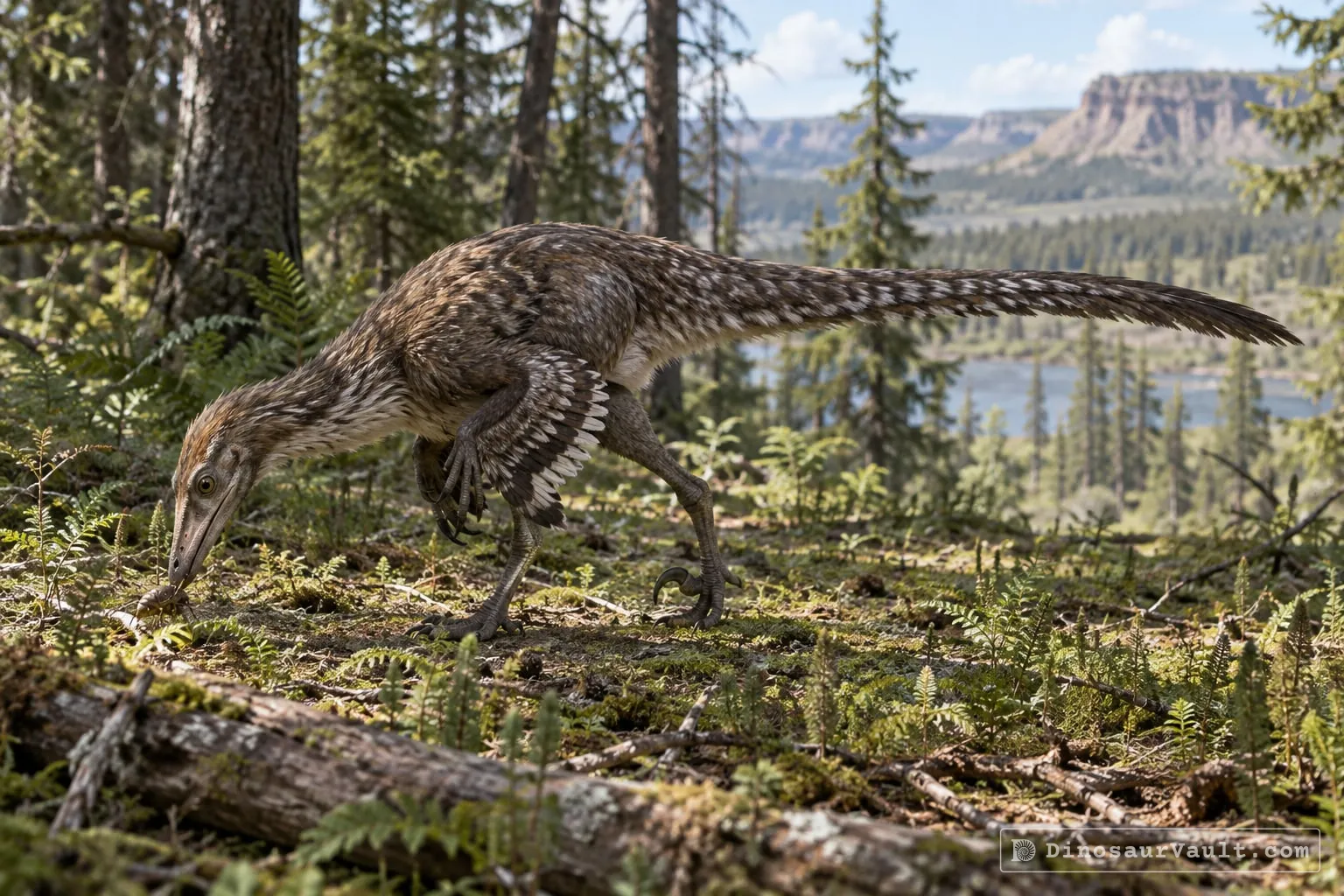
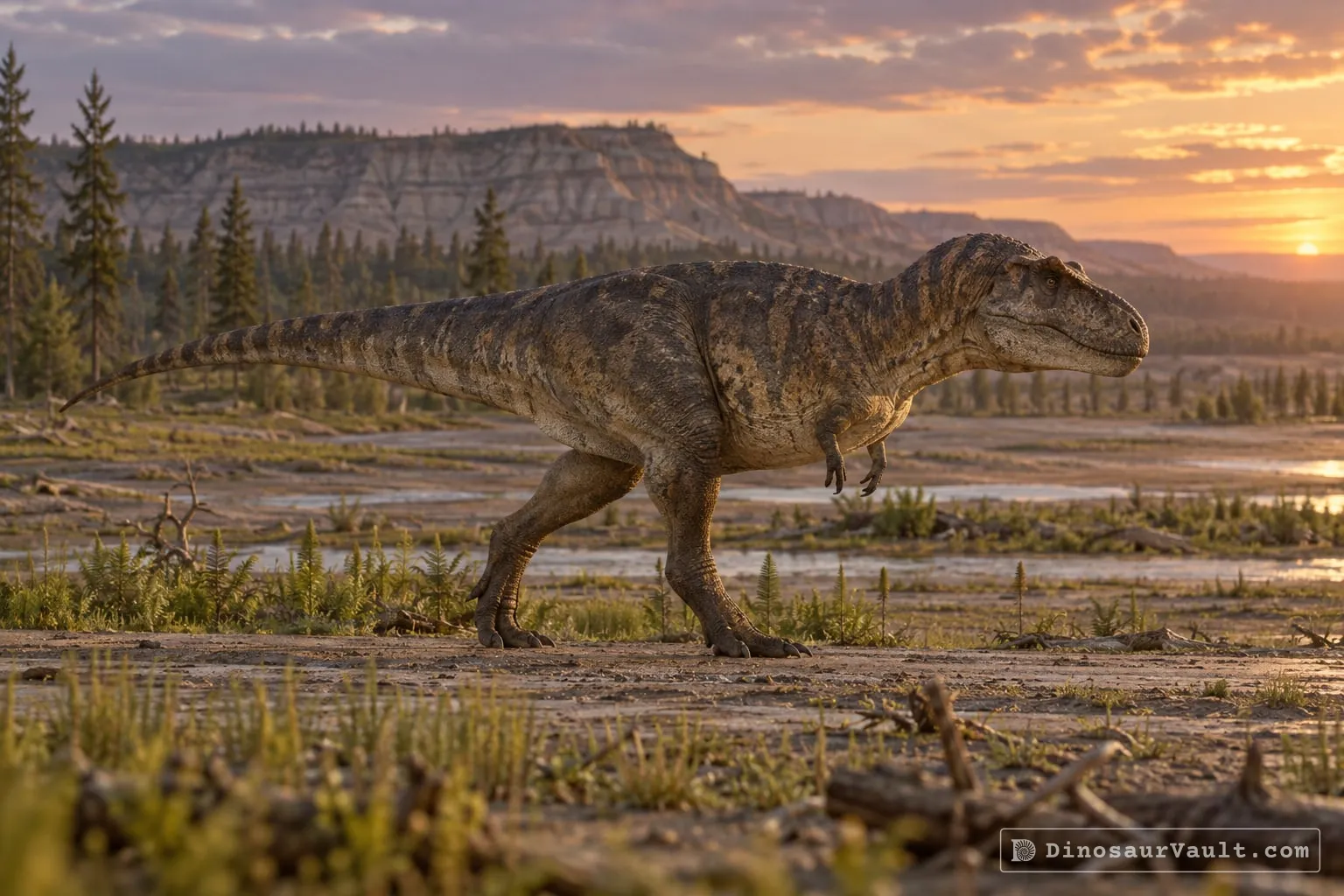
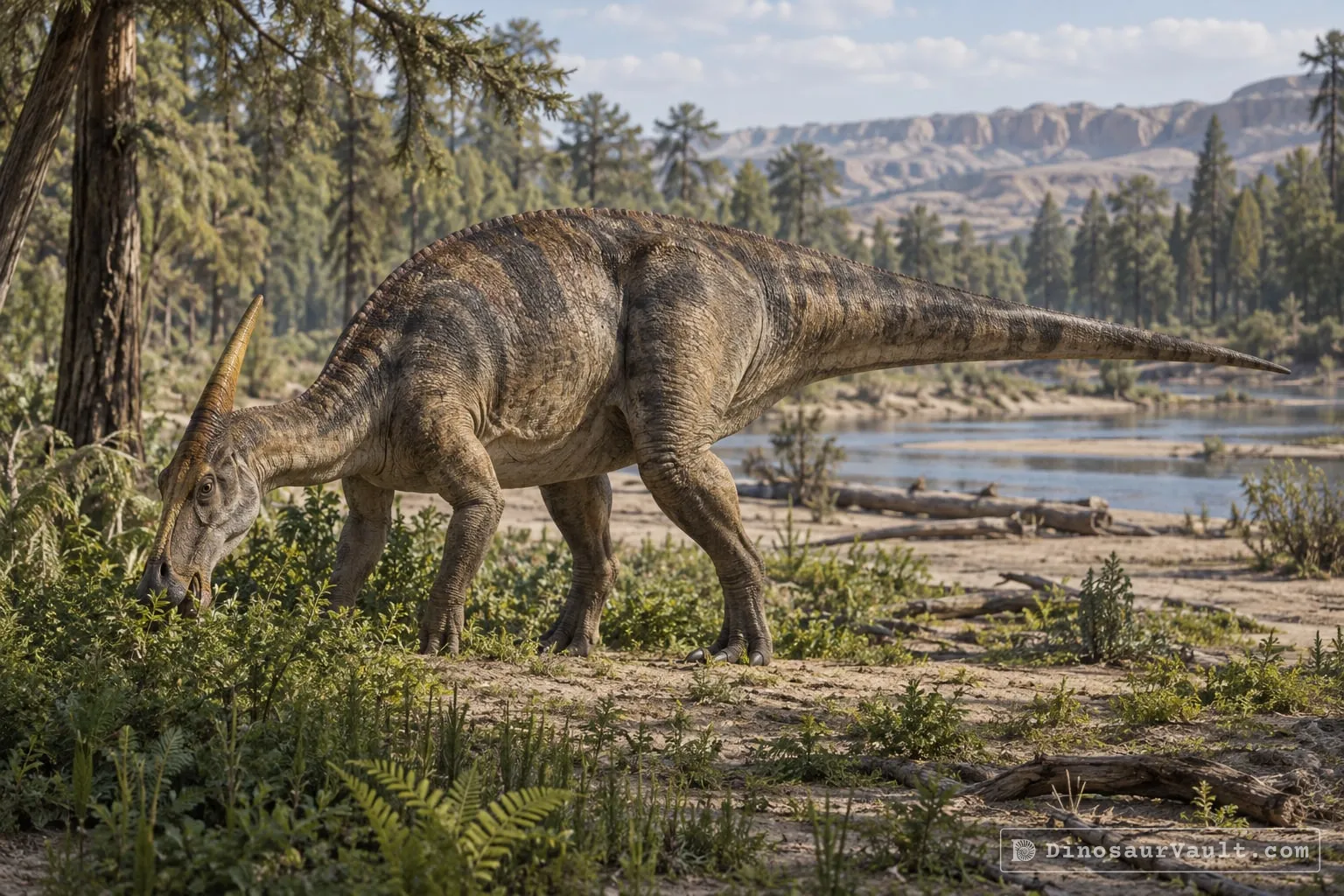
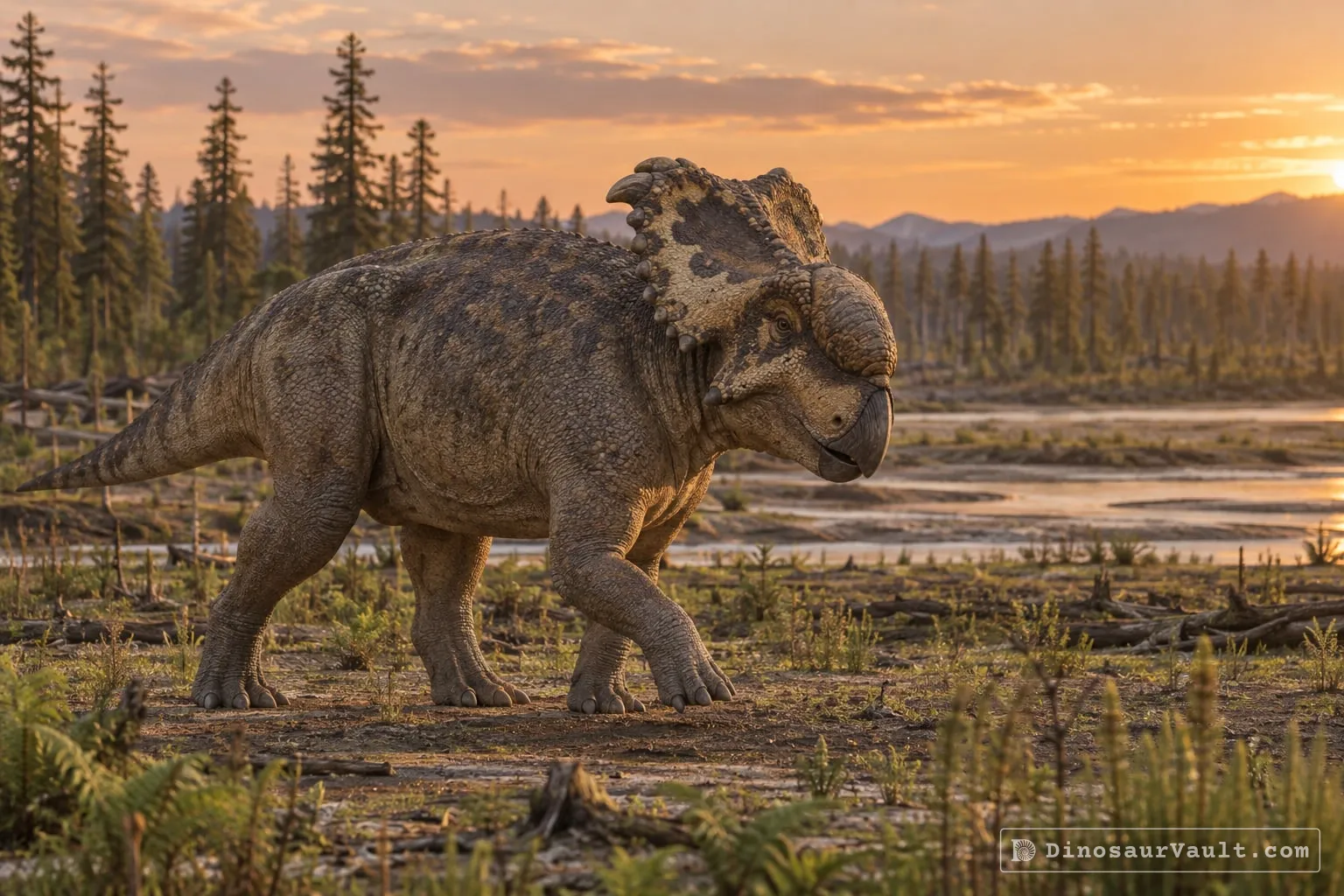
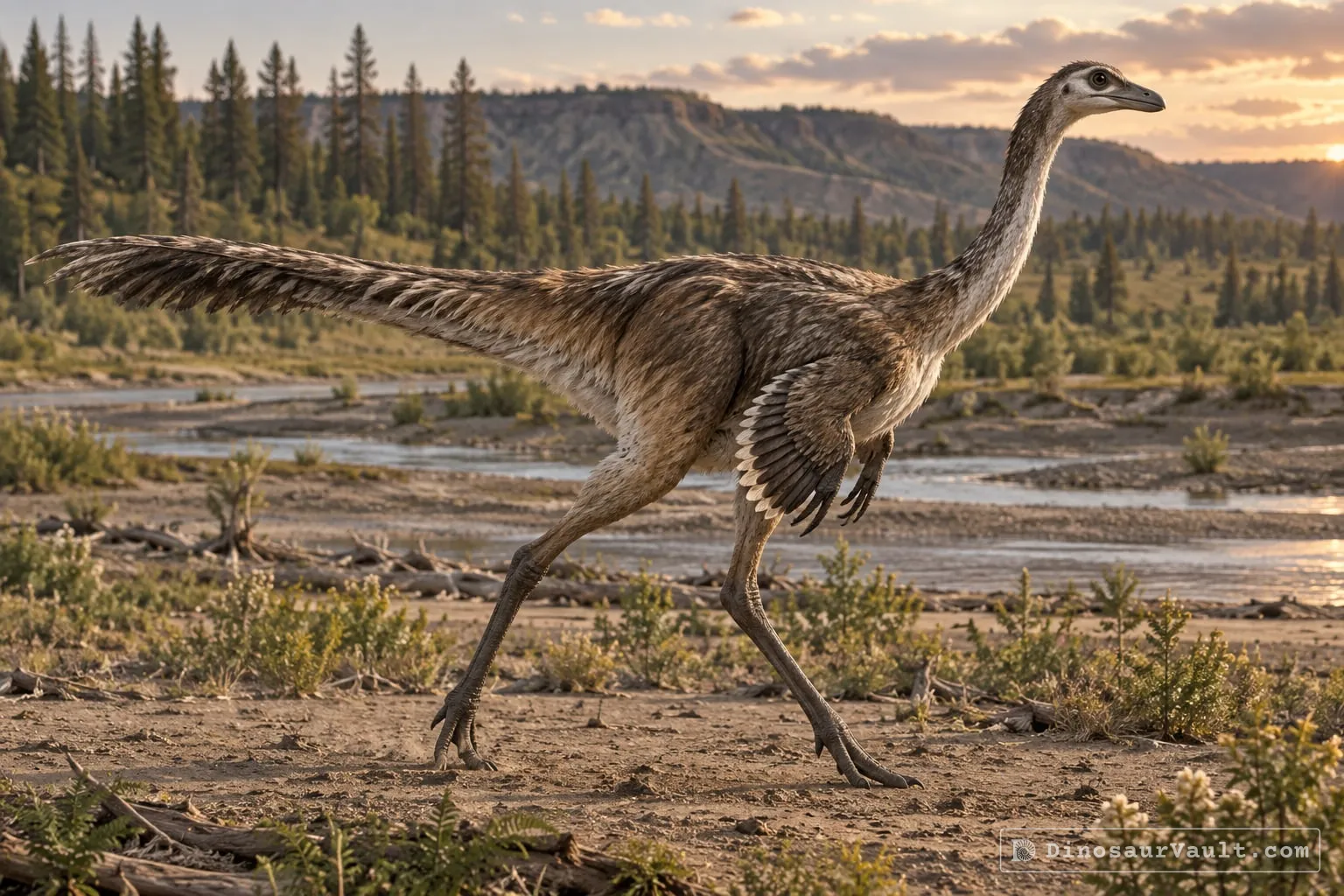


A rock formation can hold fossils laid down millions of years apart, so not every animal here met Parksosaurus.
The evidence
The science behind Parksosaurus
Which parts of the picture come from its own bones, and which come from its relatives.
From its own fossils
- An associated skull and much of the skeleton show its small head, long hind legs and balancing tail.
- Long overlapping joints and a basket of hardened tendons supported the far end of the tail.
- Its foot claws were broadly curved.
Borrowed from relatives
- Much of its body is known from its own skeleton; Thescelosaurus helps fill gaps in the head.
- Fona offers comparisons for missing details of the hands and feet.
Still unknown
- Its skin covering and color.
- How its proportions changed as it grew.
- Whether it lived in groups.
Often drawn wrong
- An unusually low jaw joint follows an old reconstruction of a damaged, displaced skull bone.
- The hardened tendons supporting its tail belonged inside the body, rather than forming spikes along its surface.
Discovery timeline
- 1937Named itSternberg
- 2014SkullBoyd
- 2023Full descriptionSues et al.
- 2024Close relativeAvrahami et al.
Key papers
The research behind what we know of Parksosaurus
Named it
Separated Parksosaurus from Thescelosaurus on differences in the skull and skeleton.
Classification of Thescelosaurus, with a description of a new species. Proceedings of the Geological Society of America 1936: 375
No link available
Skull
Compared Thescelosaurus with Parksosaurus and showed that damage had made the latter's jaw joint look unusually low.
The cranial anatomy of the neornithischian dinosaur Thescelosaurus neglectus. PeerJ 2: e669
Read the paper : The cranial anatomy of the neornithischian dinosaur Thescelosaurus neglectus (opens in a new tab)Full description
Described the fully prepared skull and skeleton, including distinctive skull features and the structures supporting the tail.
Anatomy of the neornithischian dinosaur Parksosaurus warreni (Parks, 1926) from the Upper Cretaceous (lower Maastrichtian) Horseshoe Canyon Formation of Alberta, Canada. Cretaceous Research 141: 105369
Read the paper : Anatomy of the neornithischian dinosaur Parksosaurus warreni (Parks, 1926) from the Upper Cretaceous (lower Maastrichtian) Horseshoe Canyon Formation of Alberta, Canada (opens in a new tab)Close relative
Described Fona and compared its feet with Parksosaurus, whose toe bones and claws had stronger curves.
A new semi‐fossorial thescelosaurine dinosaur from the Cenomanian‐age Mussentuchit Member of the Cedar Mountain Formation, Utah. The Anatomical Record 307: 3717-3781
Read the paper : A new semi‐fossorial thescelosaurine dinosaur from the Cenomanian‐age Mussentuchit Member of the Cedar Mountain Formation, Utah (opens in a new tab)
Close relatives
Other members of Thescelosauridae


Sources: Wikidata