Outline: a typical ornithopod
Istiorachis
"sail spine"
Type species Istiorachis macarthurae
- Lived
- 133 to 121 million years ago, Early Cretaceous
- Diet
- Herbivore
- Group
- Ornithopods
- Found in
- United Kingdom
- Named by
- Lockwood et al. 2025
Where its fossils were found
The evidence
Today
125 million years ago
Field notes
About Istiorachis
What it was like
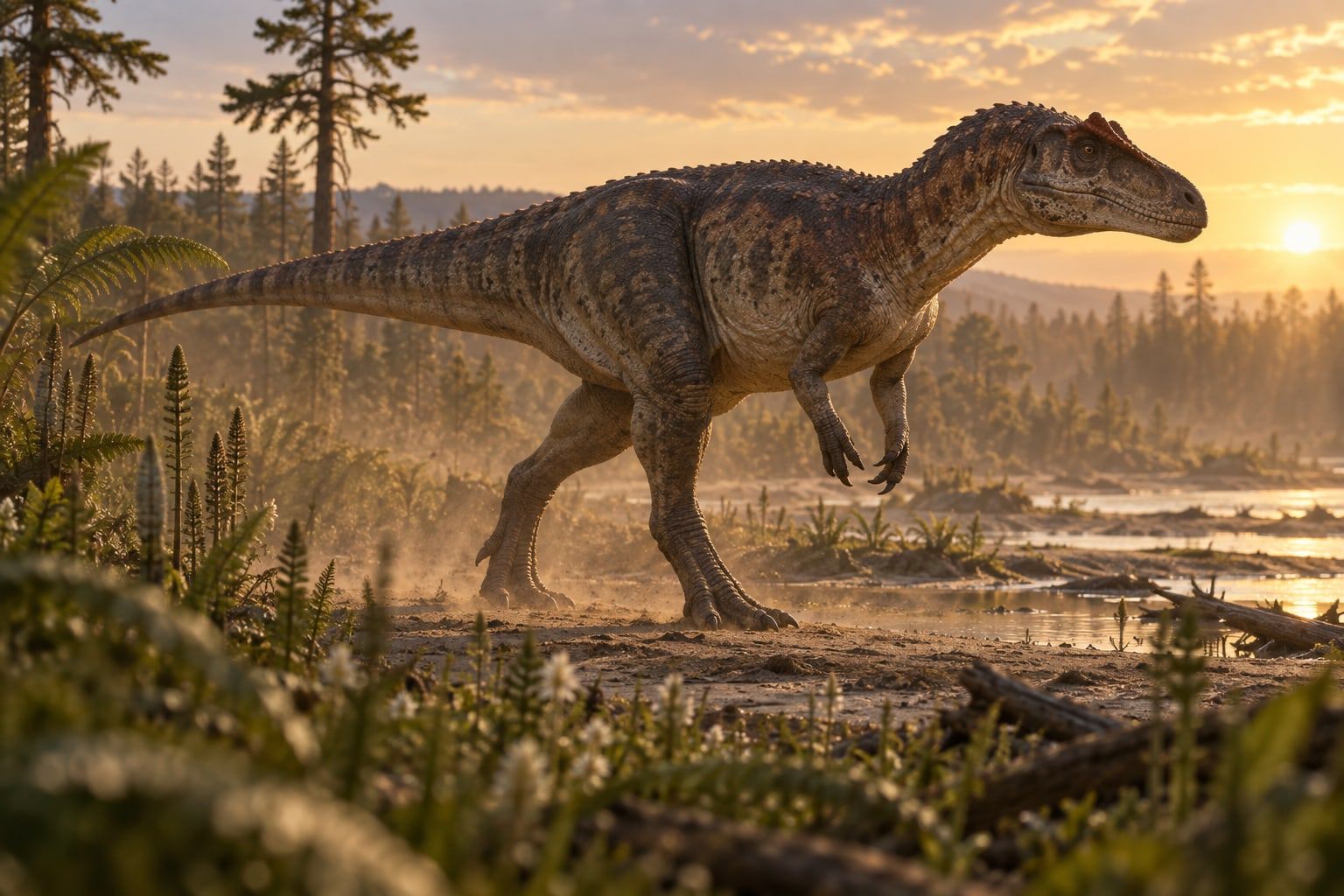
Istiorachis was an iguanodont, a plant eater related to Iguanodon, known from backbones, ribs and part of the hips. The spines on its backbones were unusually tall, which would have given it a low sail or ridge along its back.
Scientists think the sail was more likely for display than for controlling body heat.
Its world
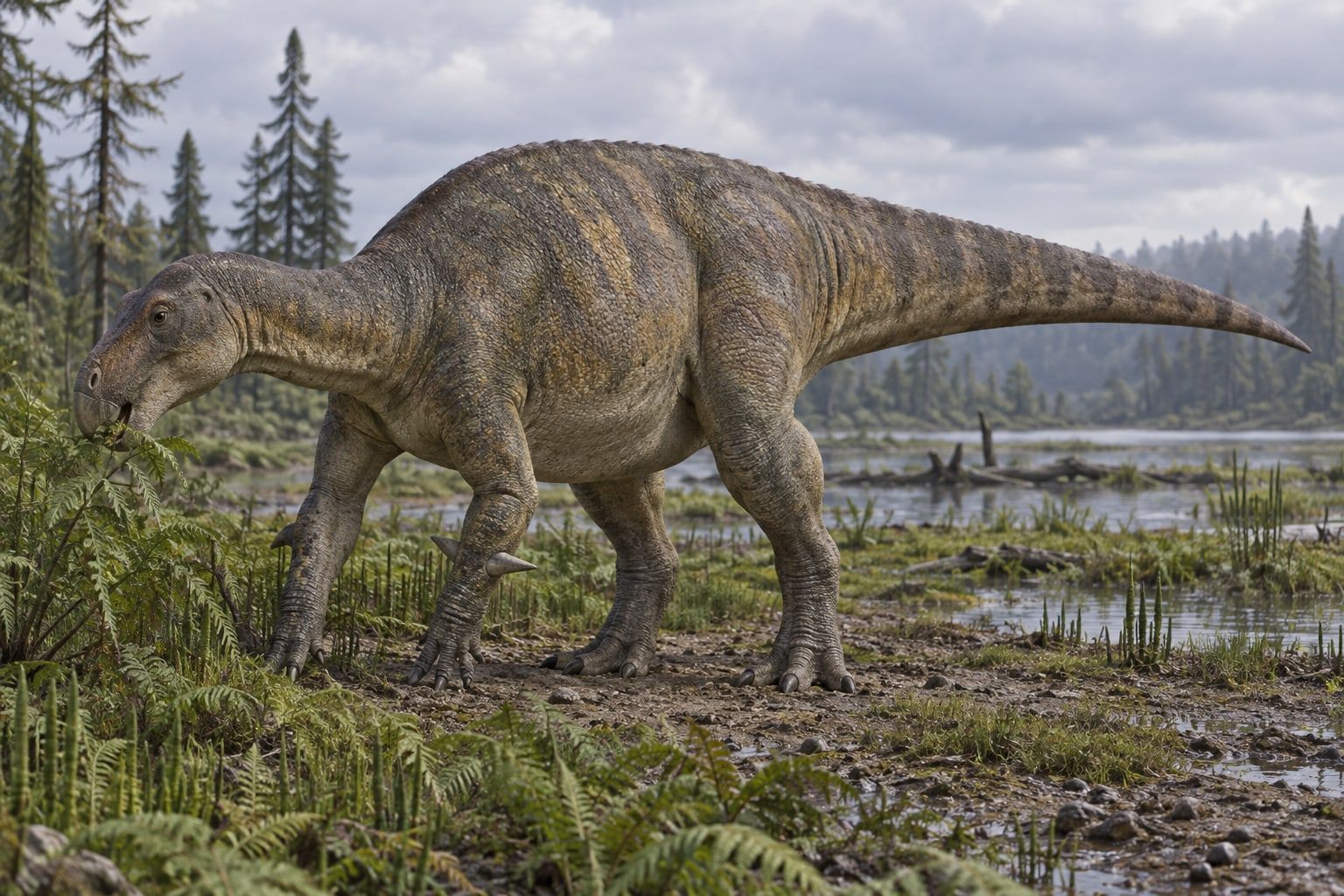
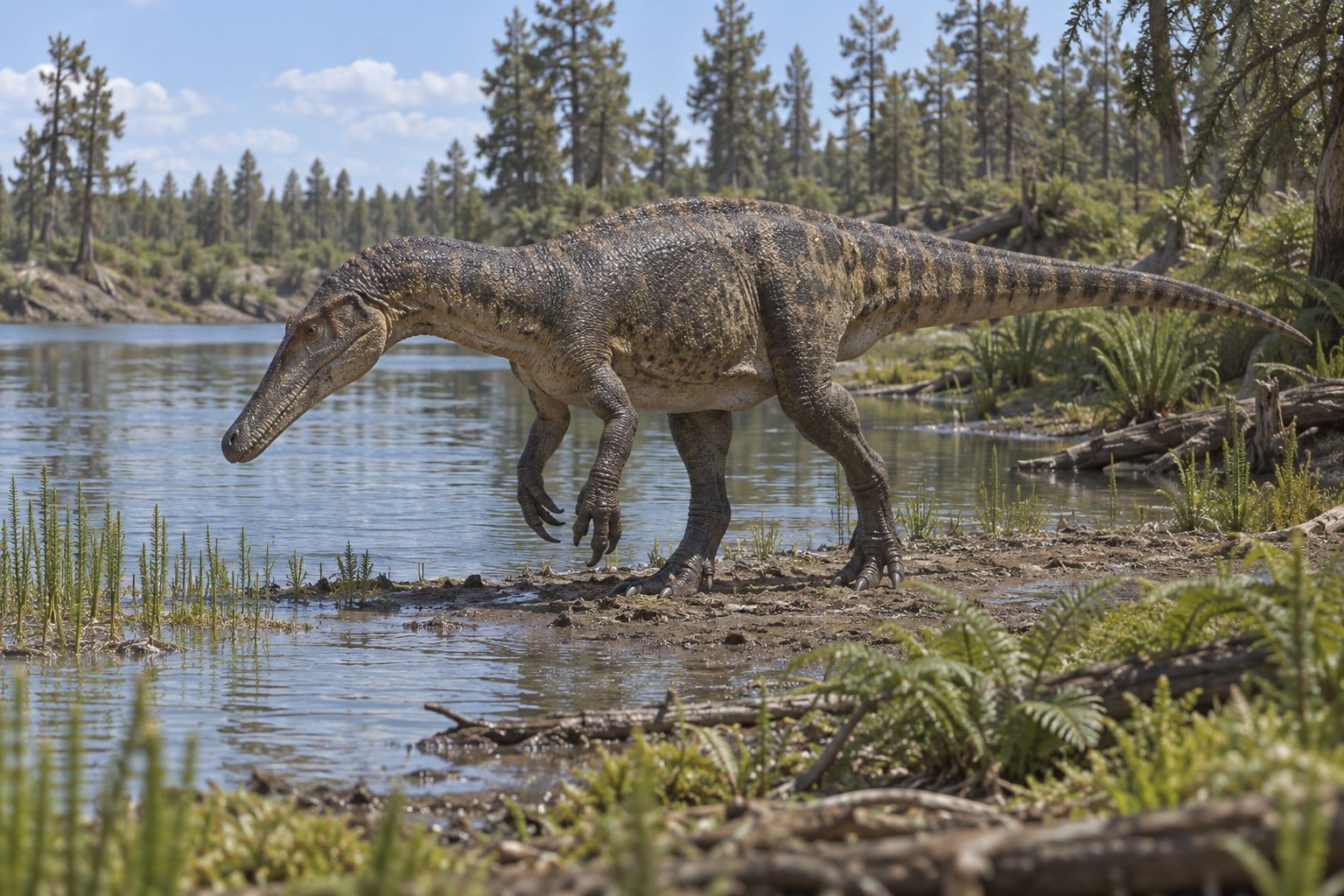
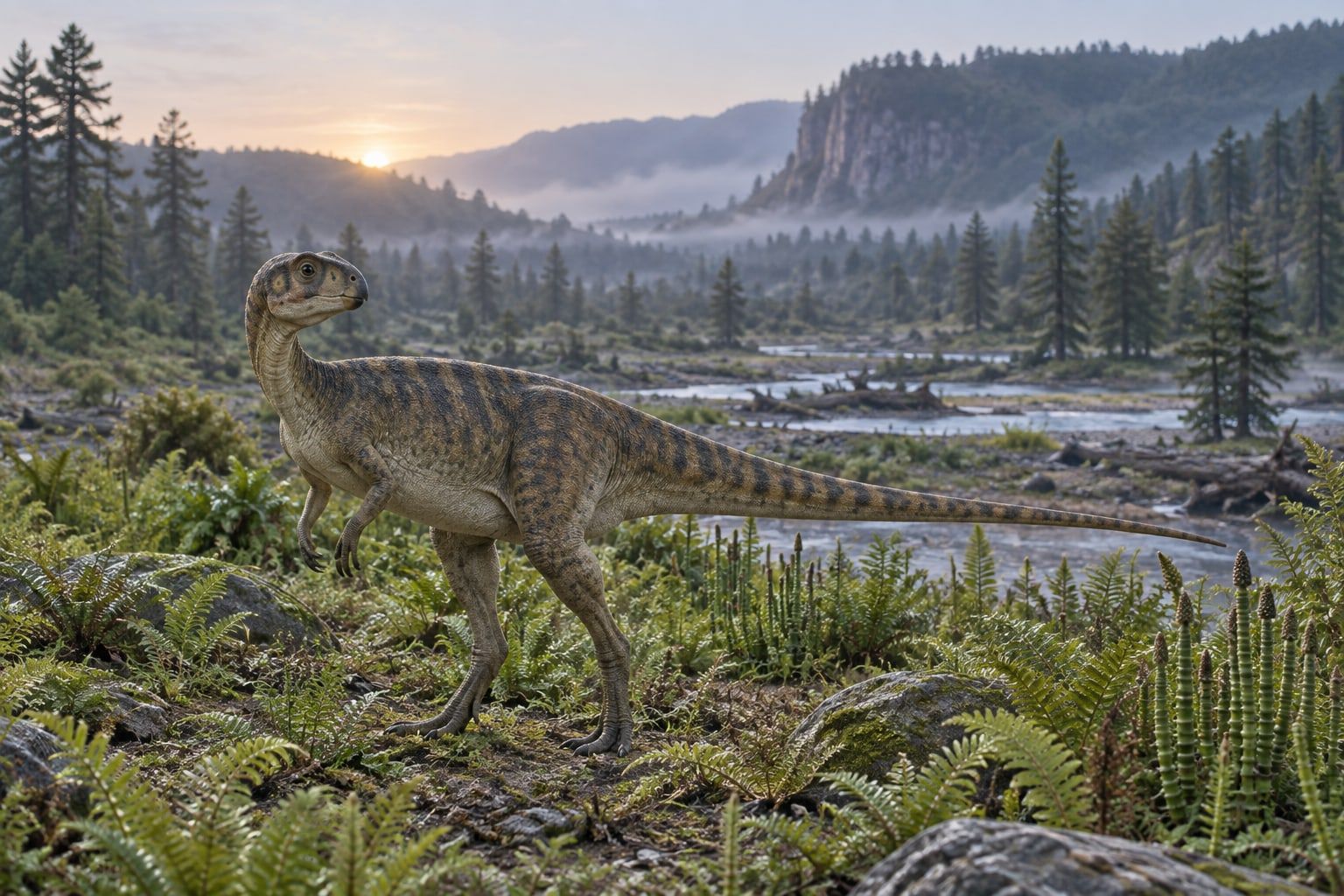
It lived in the Early Cretaceous in what is now England. Its bones come from the Wessex Formation, where it shared the land with Iguanodon, the small Hypsilophodon, the armored Polacanthus and the hunters Neovenator and Baryonyx.
How it was found
Lockwood and colleagues named Istiorachis in 2025, from bones that had been found years earlier.
Lived alongside
Found in the same rock formations
Close relatives
Other members of Styracosterna
Sources: WikidataNamed in: J. A. F. Lockwood, D. M. Martill, and S. C. R. Maidment. 2025. The origins of neural spine elongation in iguanodontian dinosaurs and the osteology of a new sail‐back styracosternan (Dinosauria, Ornithischia) from the Lower Cretaceous Wealden Group of England. Papers in Palaeontology 11(4):e70034:1-38