Haya
- Lived
- 86 to 72 million years ago, Late Cretaceous
- Diet
- Herbivore
- Group
- Early ornithischians, Thescelosauridae
- Found in
- Mongolia
- Named by
- Makovicky et al. 2011
Where its fossils were found
The evidence
Today

80 million years ago
Habitat
Rivers and spreading sheets of sediment shaped the landscape of the Javkhlant Formation, where Yamaceratops also lived. Zosuchus, a crocodile relative, comes from the western beds that also preserve Haya.
Field notes
About Haya
What it was like
Haya was a small plant eater that ran on two legs. Several skeletons are known, and some held small stones in the belly, which it probably swallowed to help grind food.
Its world
It lived in the Late Cretaceous, in what is now Mongolia. It comes from the Javkhlant Formation, where it shared the land with the small horned dinosaur Yamaceratops.
How it was found
Makovicky and colleagues named Haya in 2011. Its name comes from a horse-headed deity.
Field gallery
More views of Haya
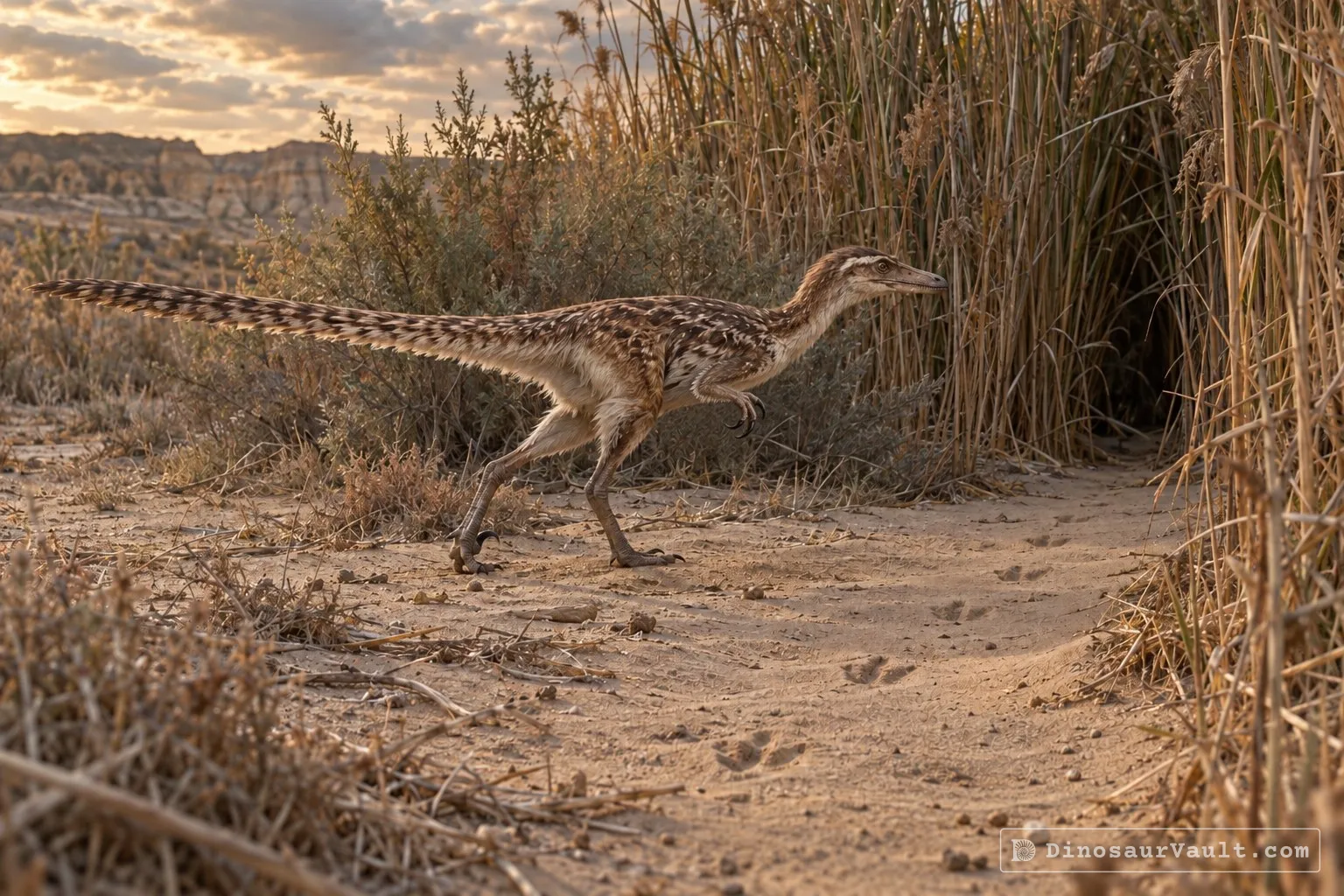
Scenes reconstructed from the available fossil evidence.
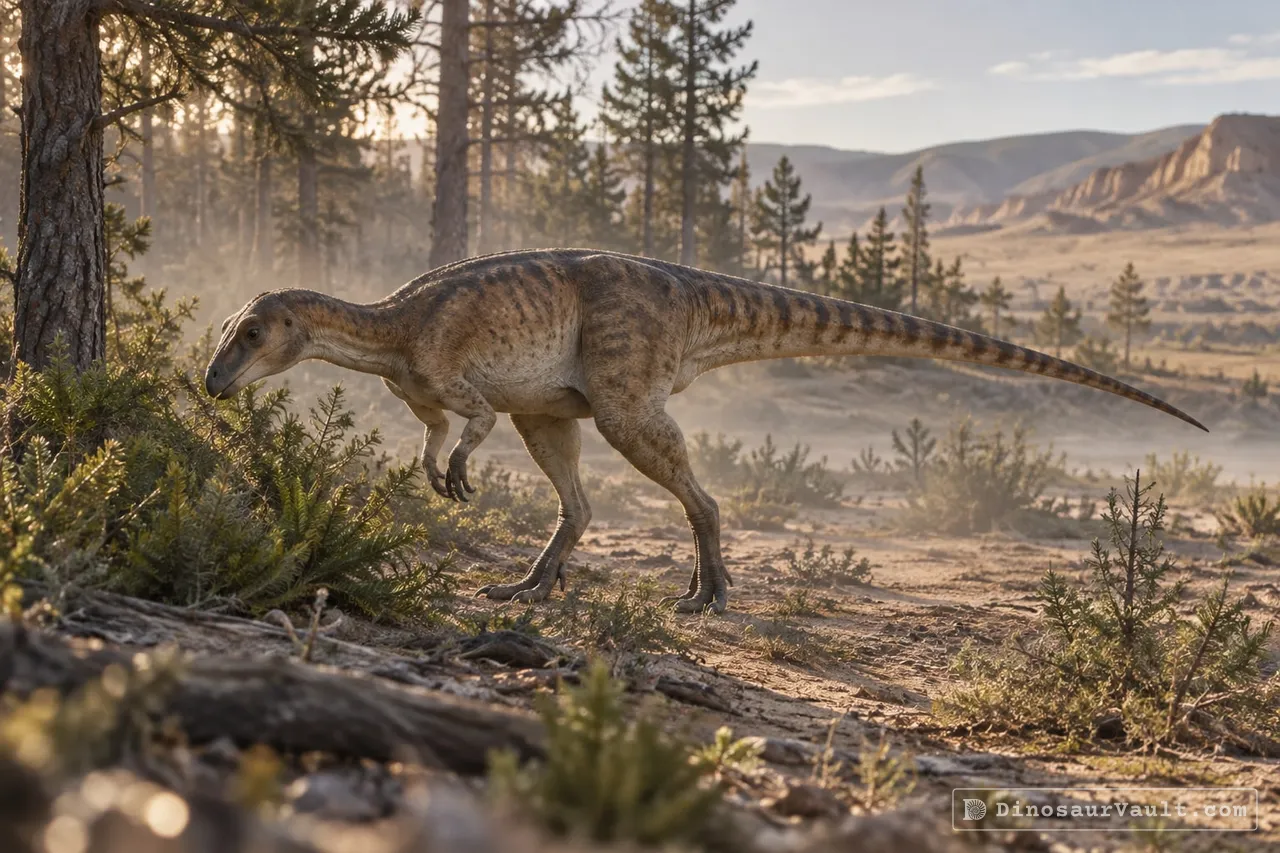
1 of 3
Lived alongside
Found in the same rock formations
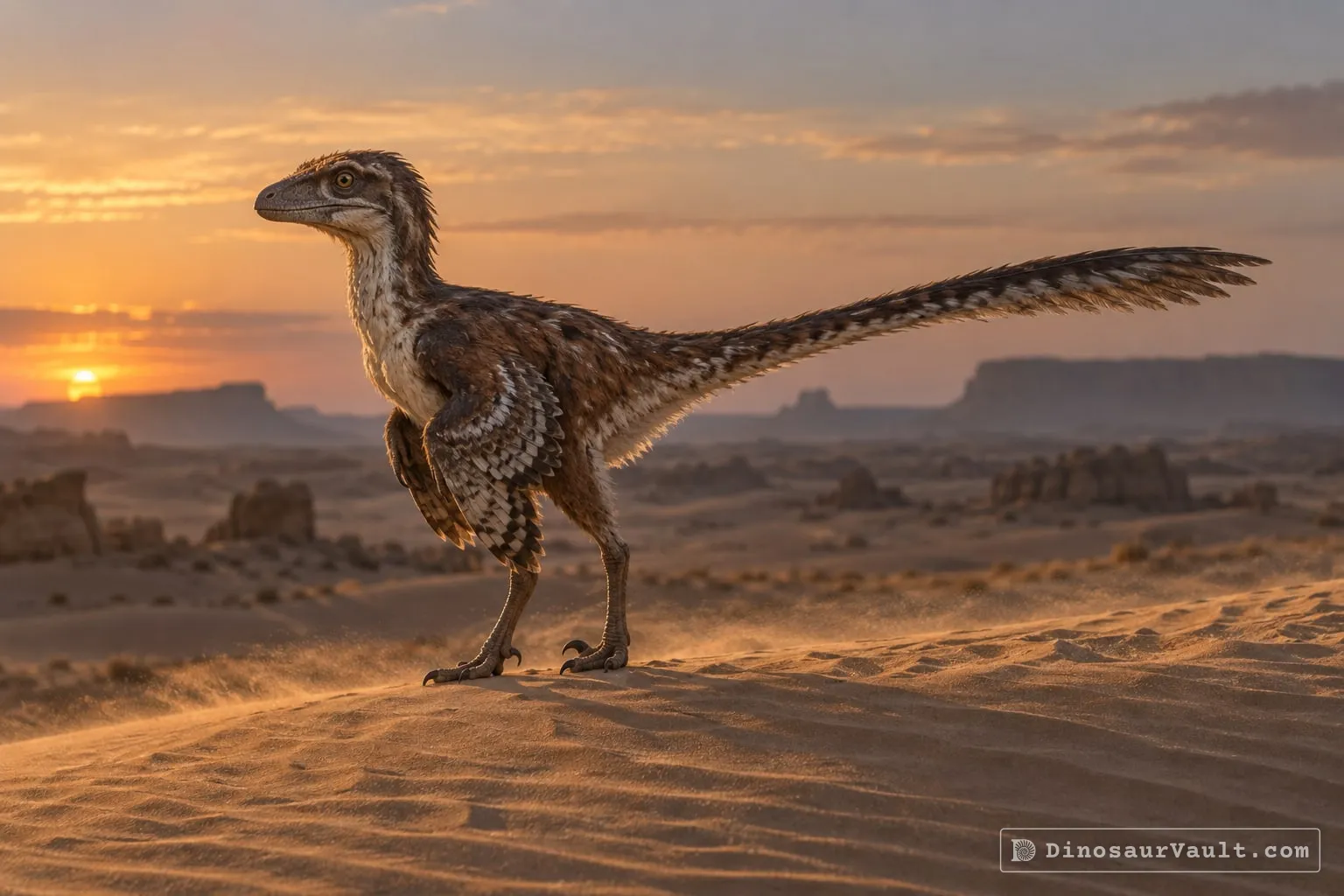
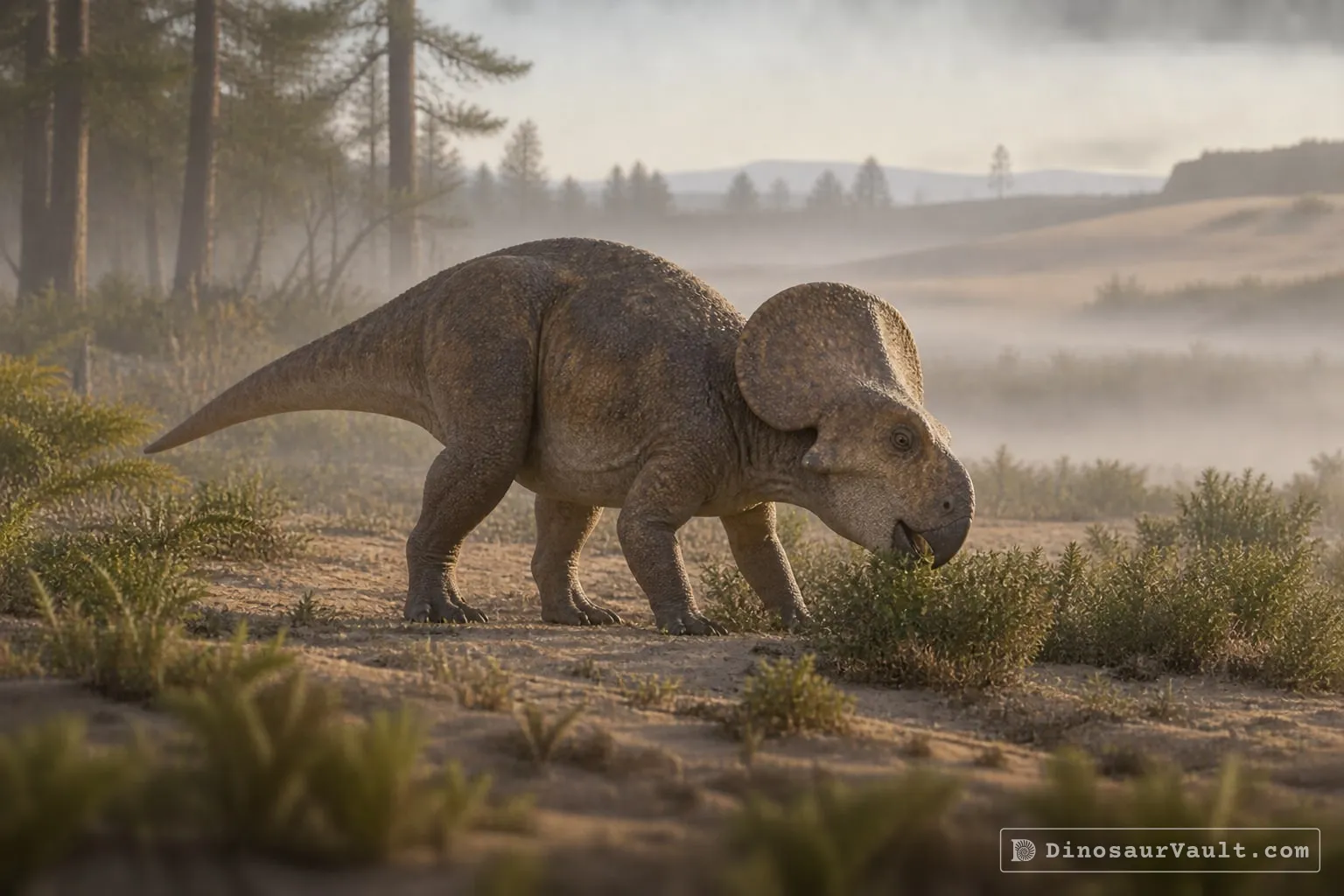
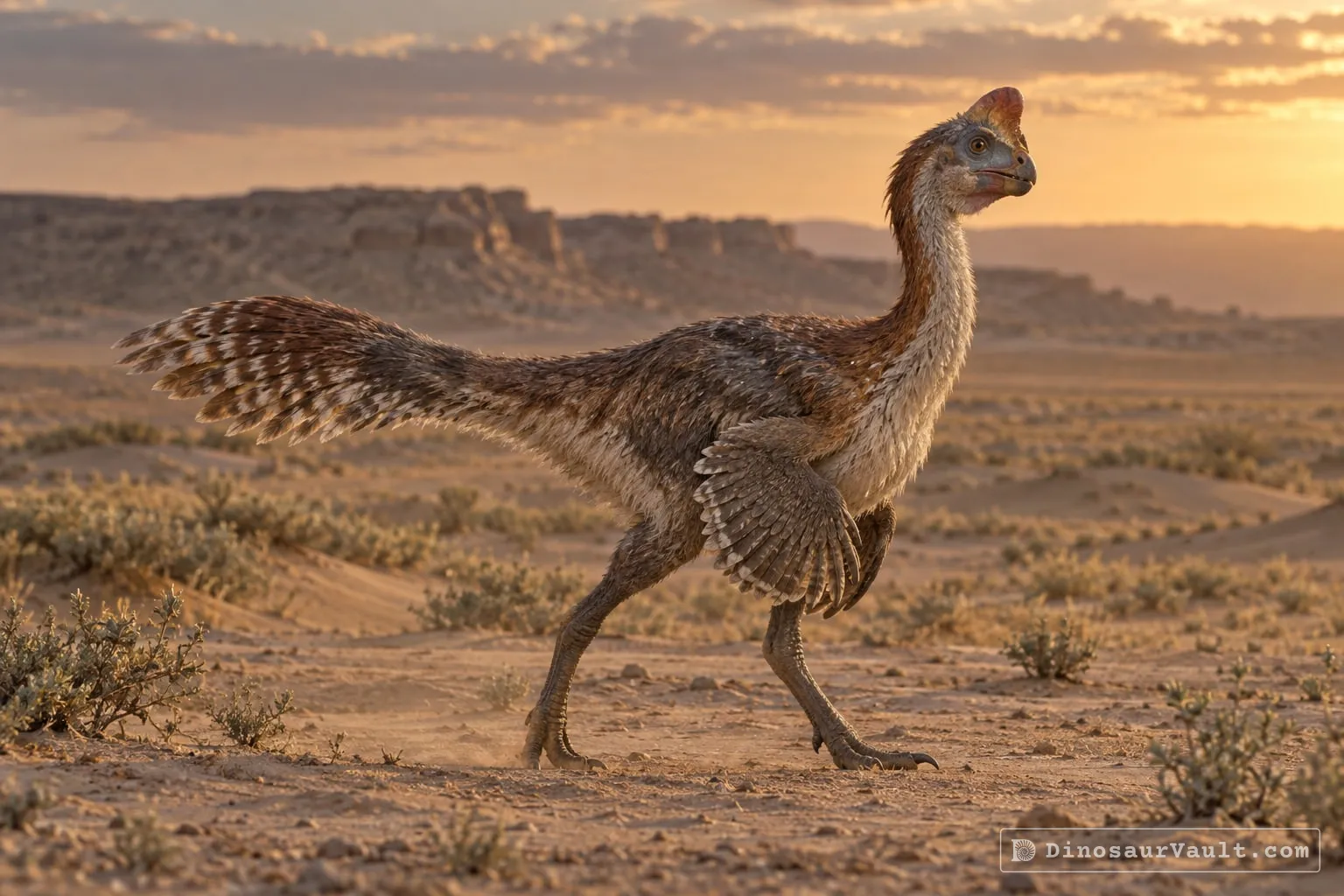
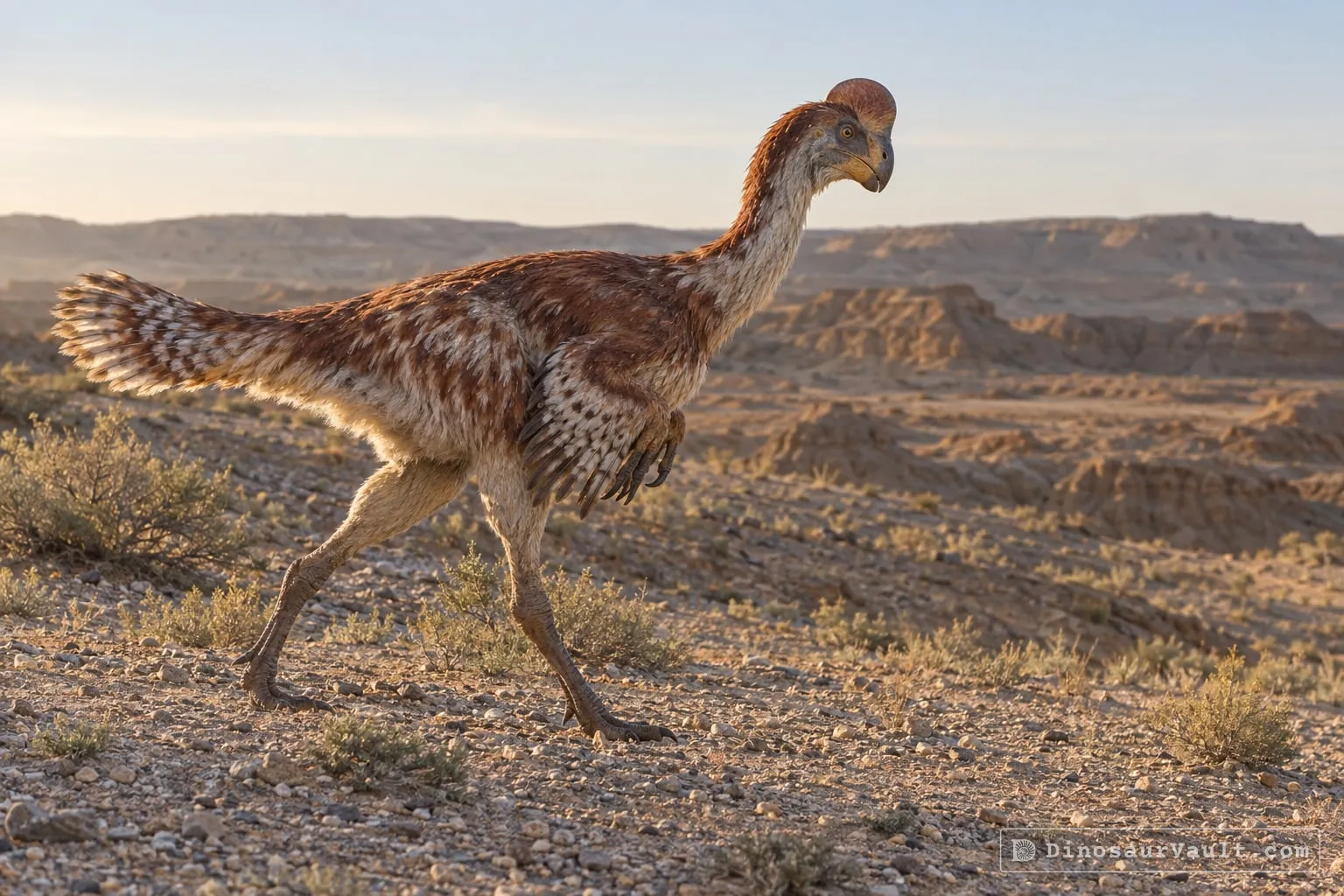
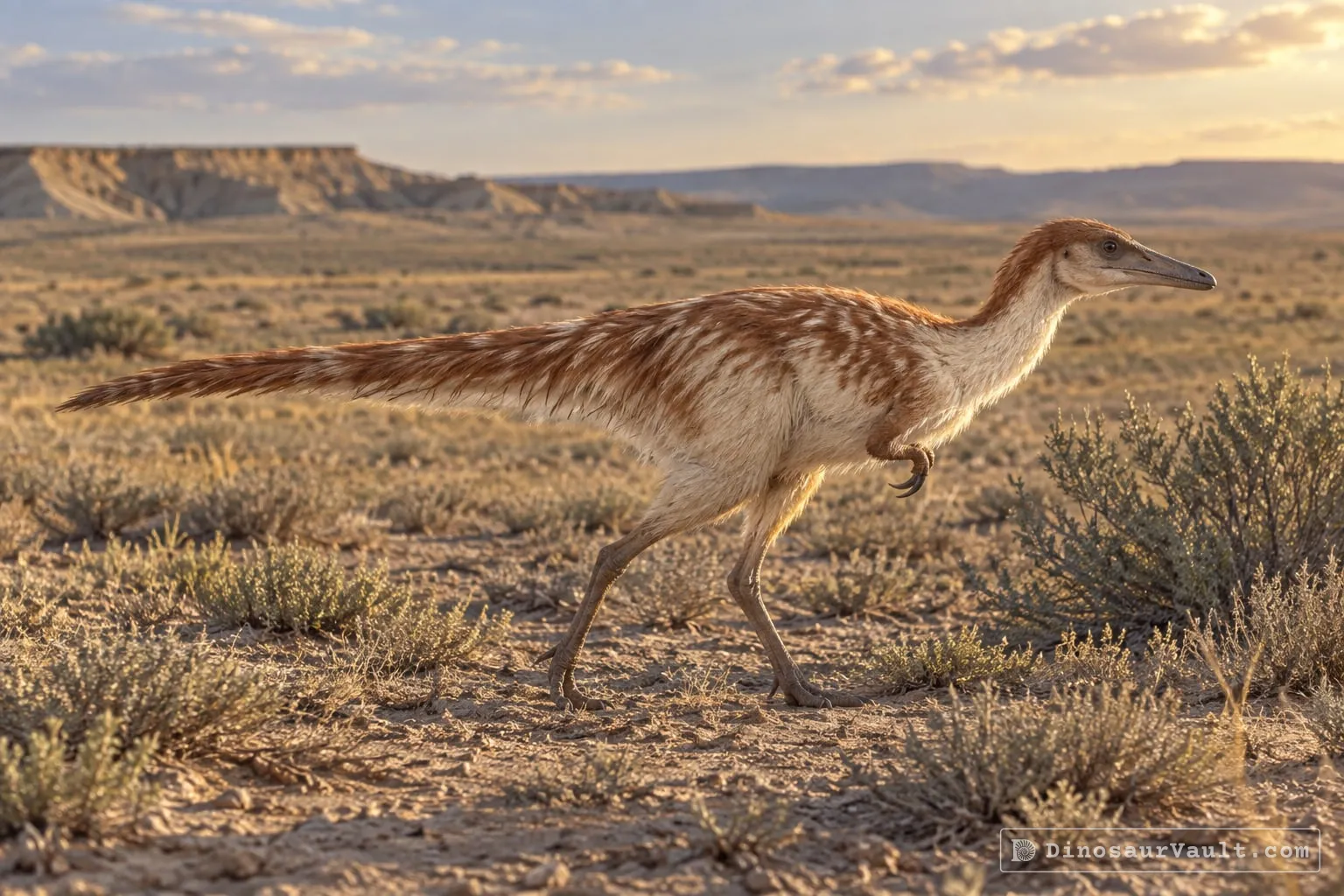
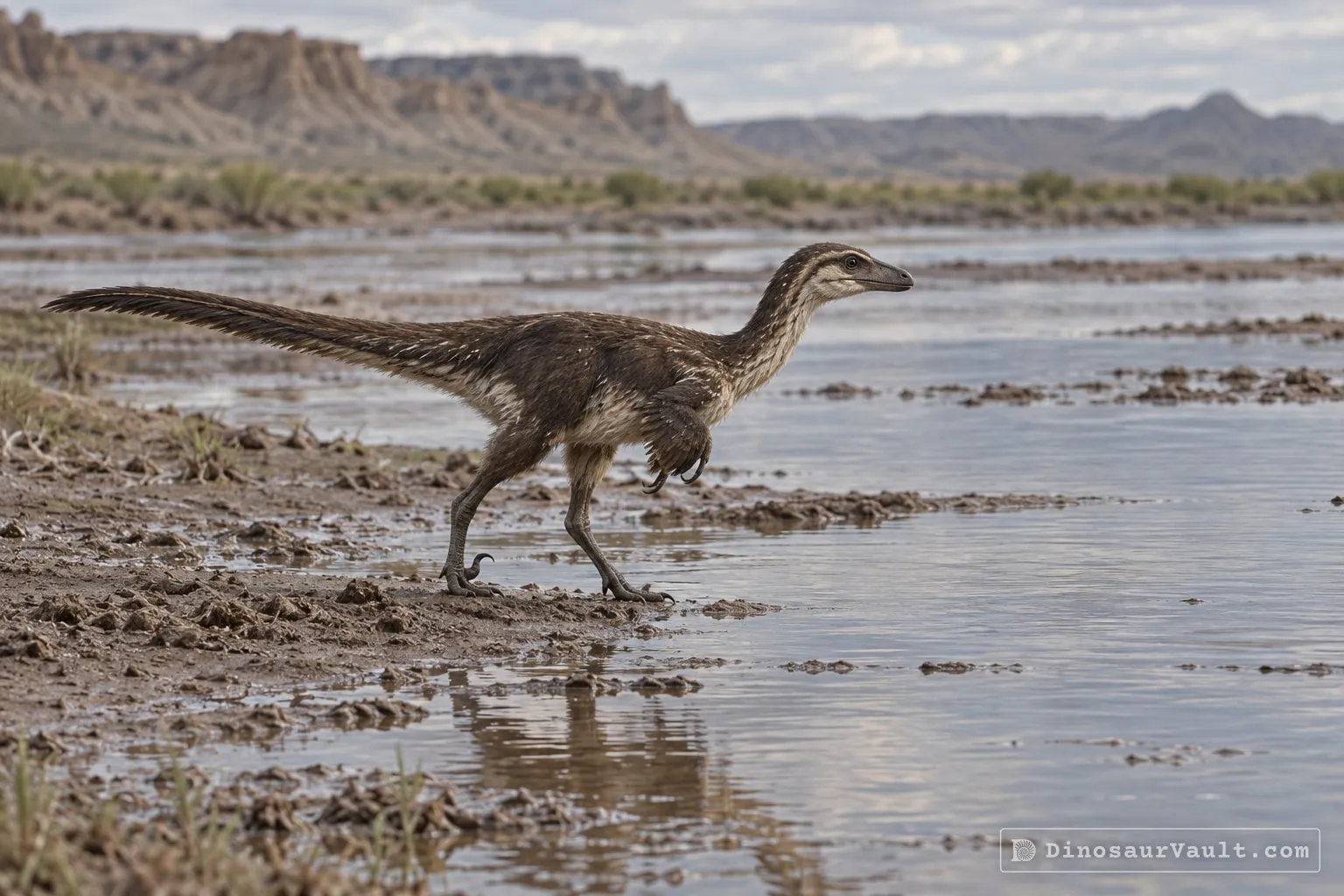
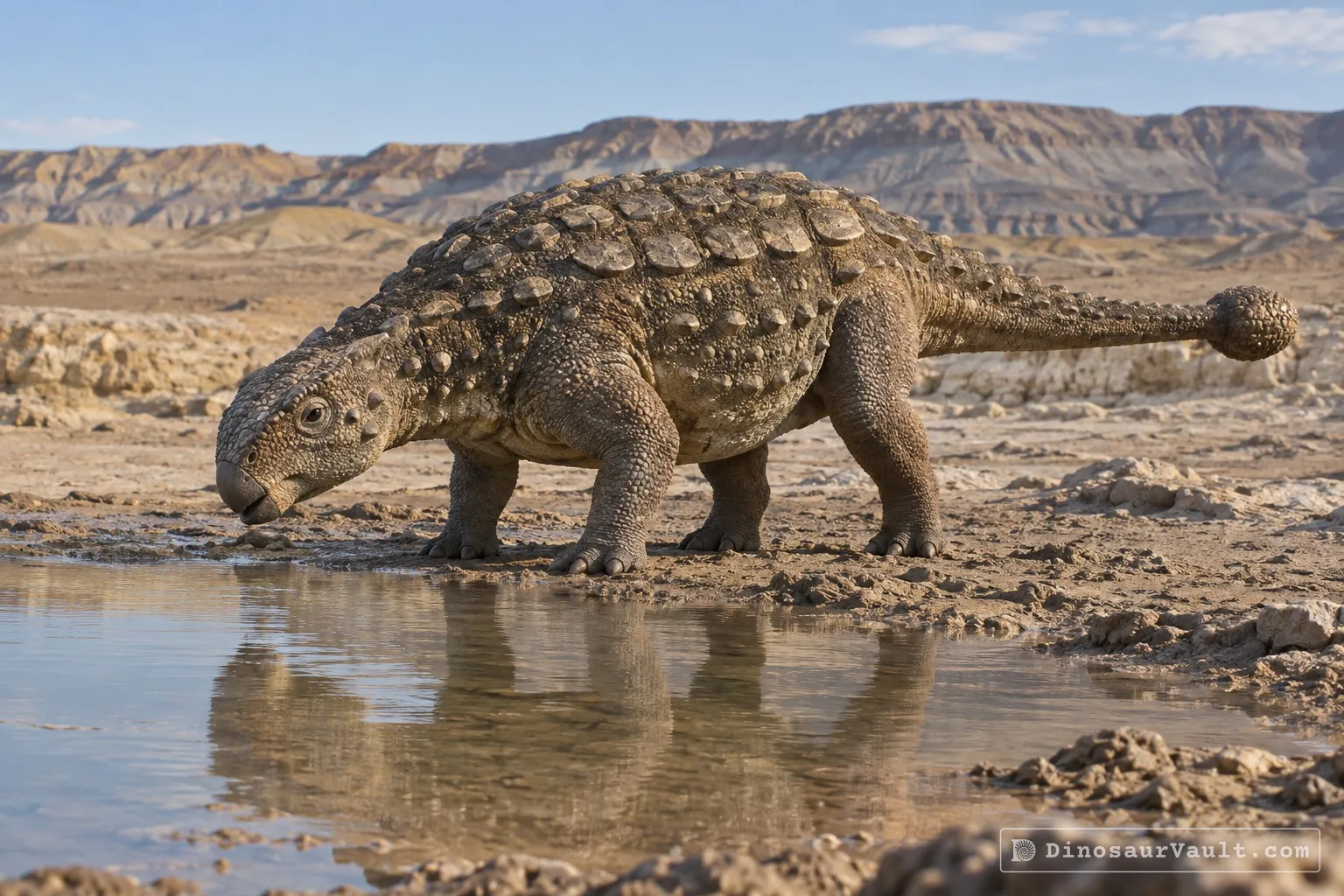


A rock formation can hold fossils laid down millions of years apart, so not every animal here met Haya.
The evidence
The science behind Haya
Which parts of the picture come from its own bones, and which come from its relatives.
From its own fossils
- Several skulls and skeletons together preserve nearly the whole skeleton.
- A well-preserved skeleton has a cluster of swallowed stones in its belly.
- Skulls and thigh bones of different sizes record stages of growth.
Borrowed from relatives
- Almost the entire skeleton is known from its own bones, so little skeletal anatomy needs to be borrowed from relatives.
Still unknown
- Its skin covering and color.
- Its fully grown size and proportions.
- Which plants it ate.
Discovery timeline
- 2011Named itMakovicky et al.
- 2016New findNorell & Barta
- 2021Full descriptionBarta & Norell
Key papers
The research behind what we know of Haya
Named it
Described skulls and skeletons of a small plant eater, including a skeleton with swallowed stones in its belly.
A new basal ornithopod (Dinosauria, Ornithischia) from the Late Cretaceous of Mongolia. Journal of Vertebrate Paleontology 31: 626-640
Read the paper : A new basal ornithopod (Dinosauria, Ornithischia) from the Late Cretaceous of Mongolia (opens in a new tab)New find
Described Haya from western fossil beds and used its presence to connect their age with the Javkhlant Formation farther east.
A New Specimen of the Ornithischian Dinosaur Haya griva , Cross-Gobi Geologic Correlation, and the Age of The Zos Canyon Beds. American Museum Novitates 3851: 1-20
Read the paper : A New Specimen of the Ornithischian Dinosaur Haya griva , Cross-Gobi Geologic Correlation, and the Age of The Zos Canyon Beds (opens in a new tab)Full description
Described nearly the entire skeleton, studied growth through bone tissue and placed Haya among thescelosaurids.
The Osteology of Haya griva (Dinosauria: Ornithischia) from the Late Cretaceous of Mongolia. Bulletin of the American Museum of Natural History 445
Read the paper : The Osteology of Haya griva (Dinosauria: Ornithischia) from the Late Cretaceous of Mongolia (opens in a new tab)
Close relatives
Other members of Thescelosauridae


Sources: Wikidata