Graciliceratops
"slender horned face"
Type species Graciliceratops mongoliensis
- Lived
- 101 to 84 million years ago, Late Cretaceous
- Diet
- Herbivore
- Group
- Ceratopsians
- Found in
- Mongolia
- Named by
- Sereno 2000
Where its fossils were found
The evidence
Today

90 million years ago
Habitat
Rivers and lakes crossed a landscape that was dry for part of the year in Mongolia. Other dinosaurs from the same formation include Segnosaurus, Erlikosaurus and Talarurus.
Field notes
About Graciliceratops
What it was like
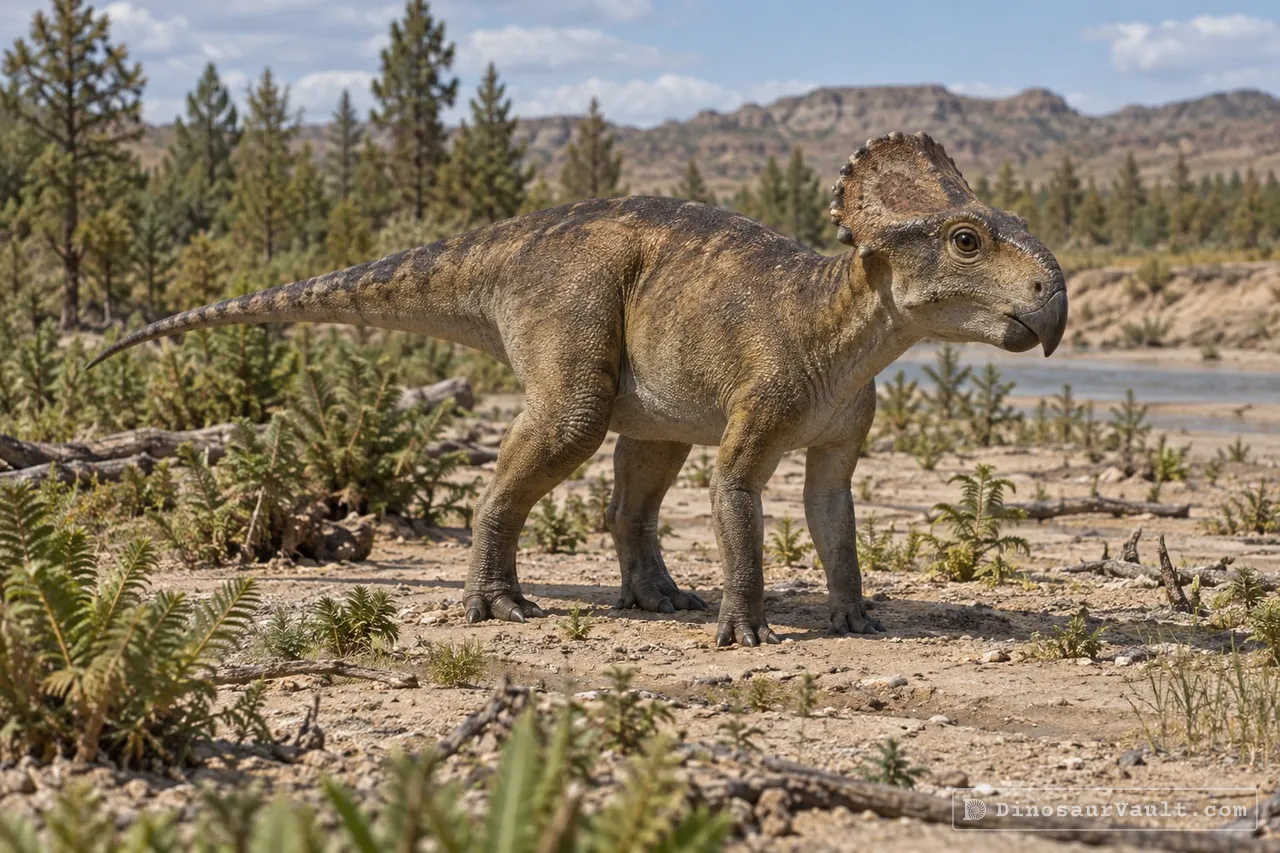
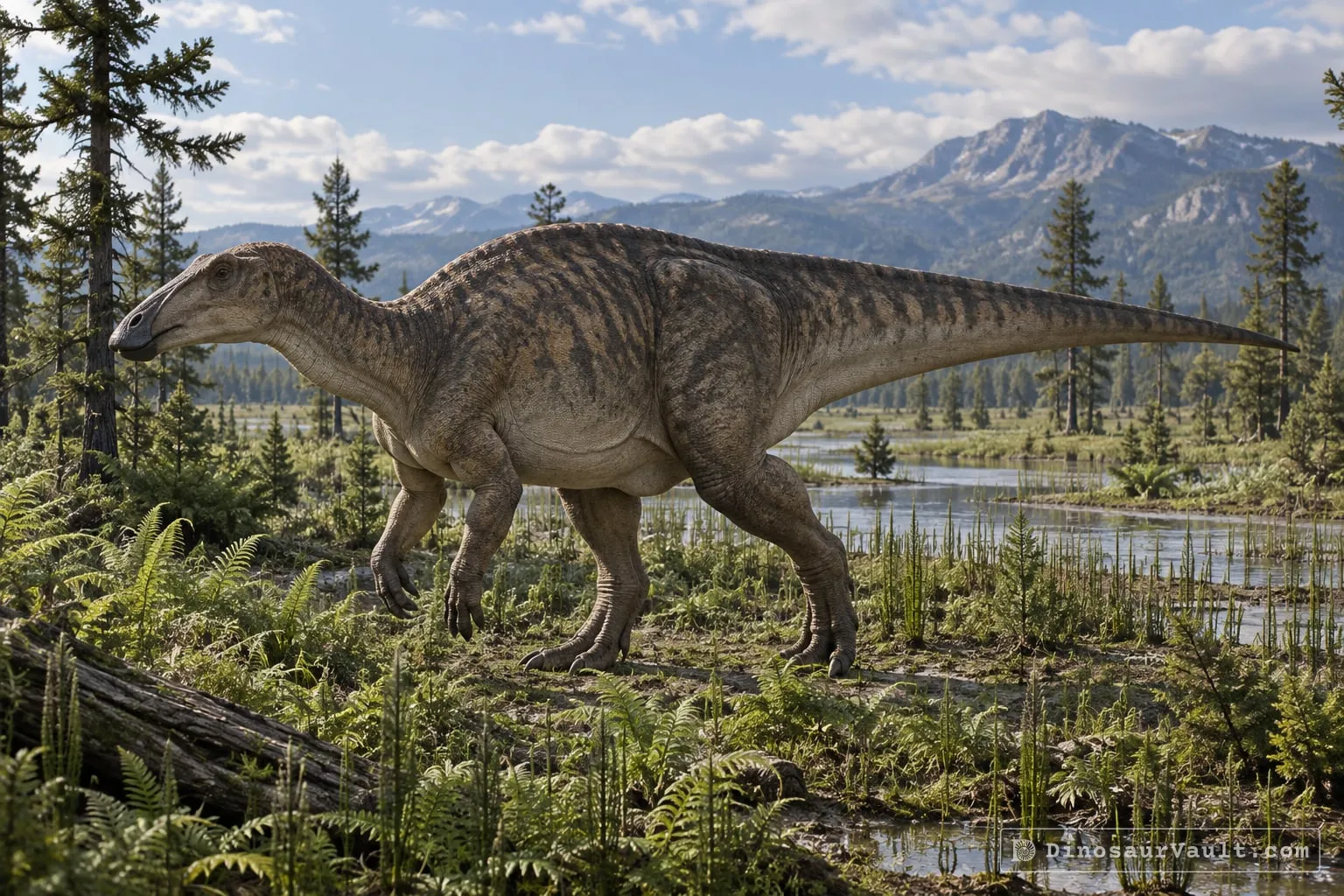
Graciliceratops was a small, lightly built horned dinosaur with a short frill. The known skeleton is from a young animal, so adults were probably bigger.
Its world
It lived in the Late Cretaceous, in what is now Mongolia. It comes from the Baynshire Formation, where it shared the land with the therizinosaurs Segnosaurus and Erlikosaurus, the dromaeosaur Achillobator and the armored Talarurus.
How it was found
Sereno named Graciliceratops in 2000. The type species is Graciliceratops mongoliensis.
Field gallery
More views of Graciliceratops
Scenes reconstructed from the available fossil evidence.
Lived alongside
Found in the same rock formations
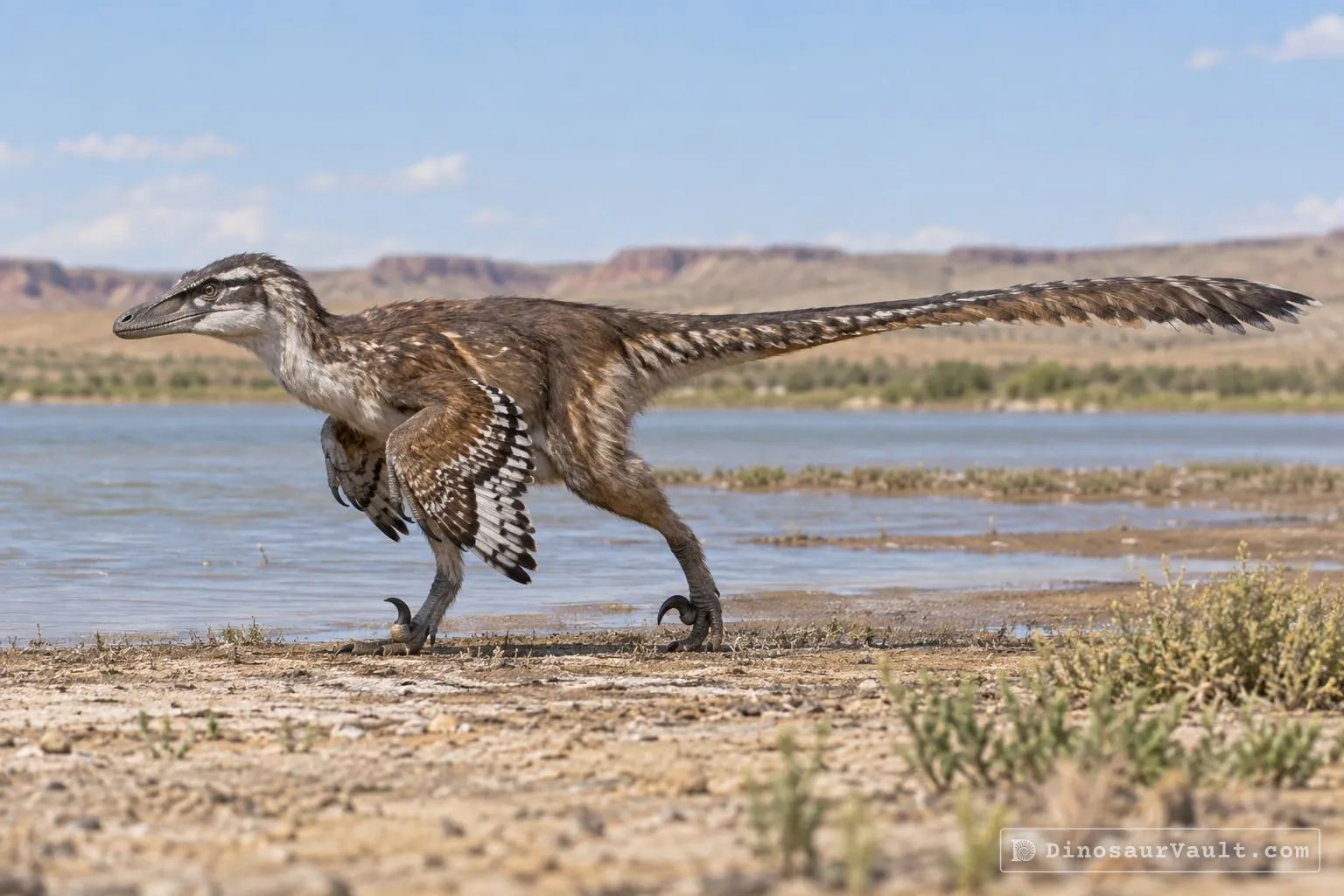
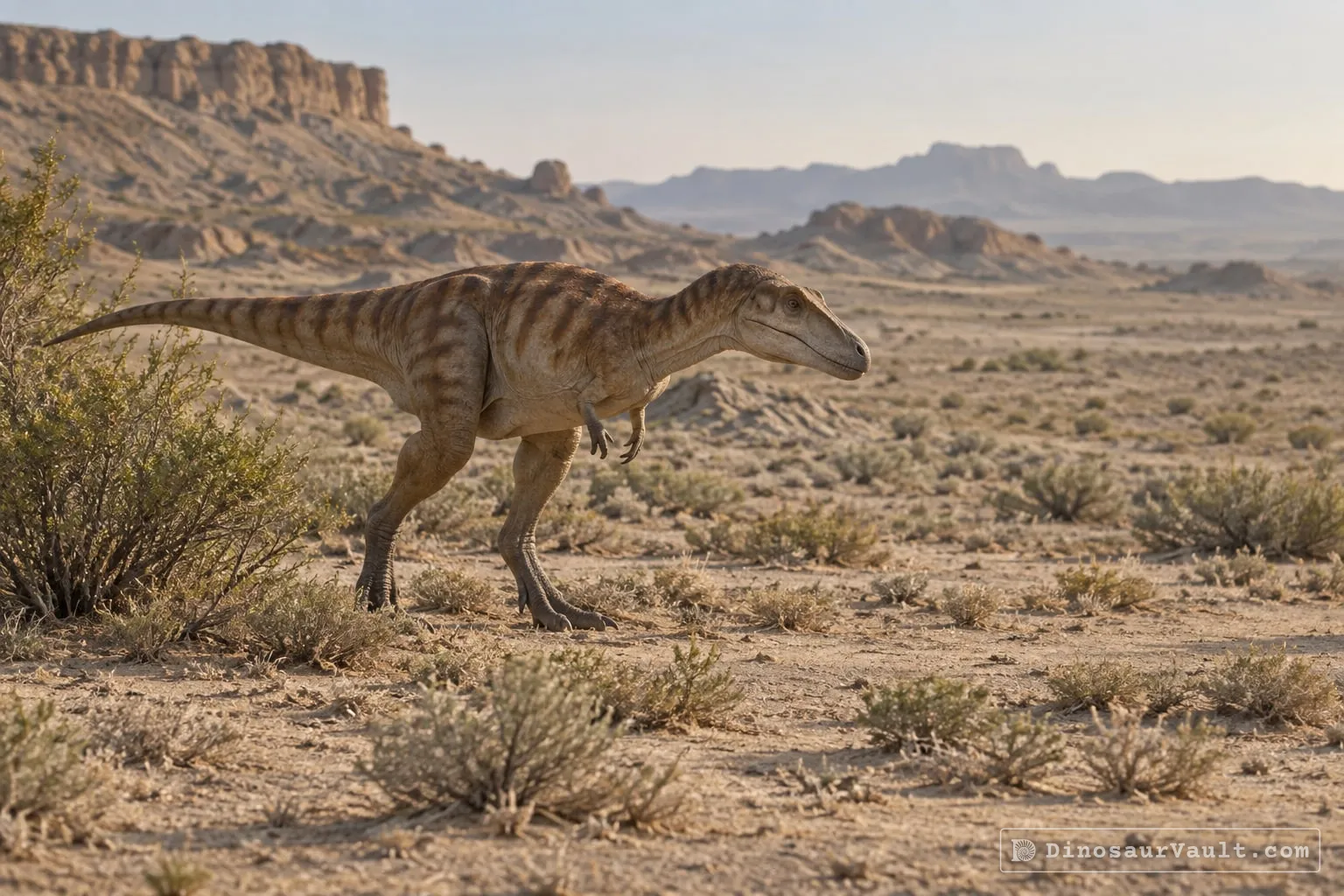
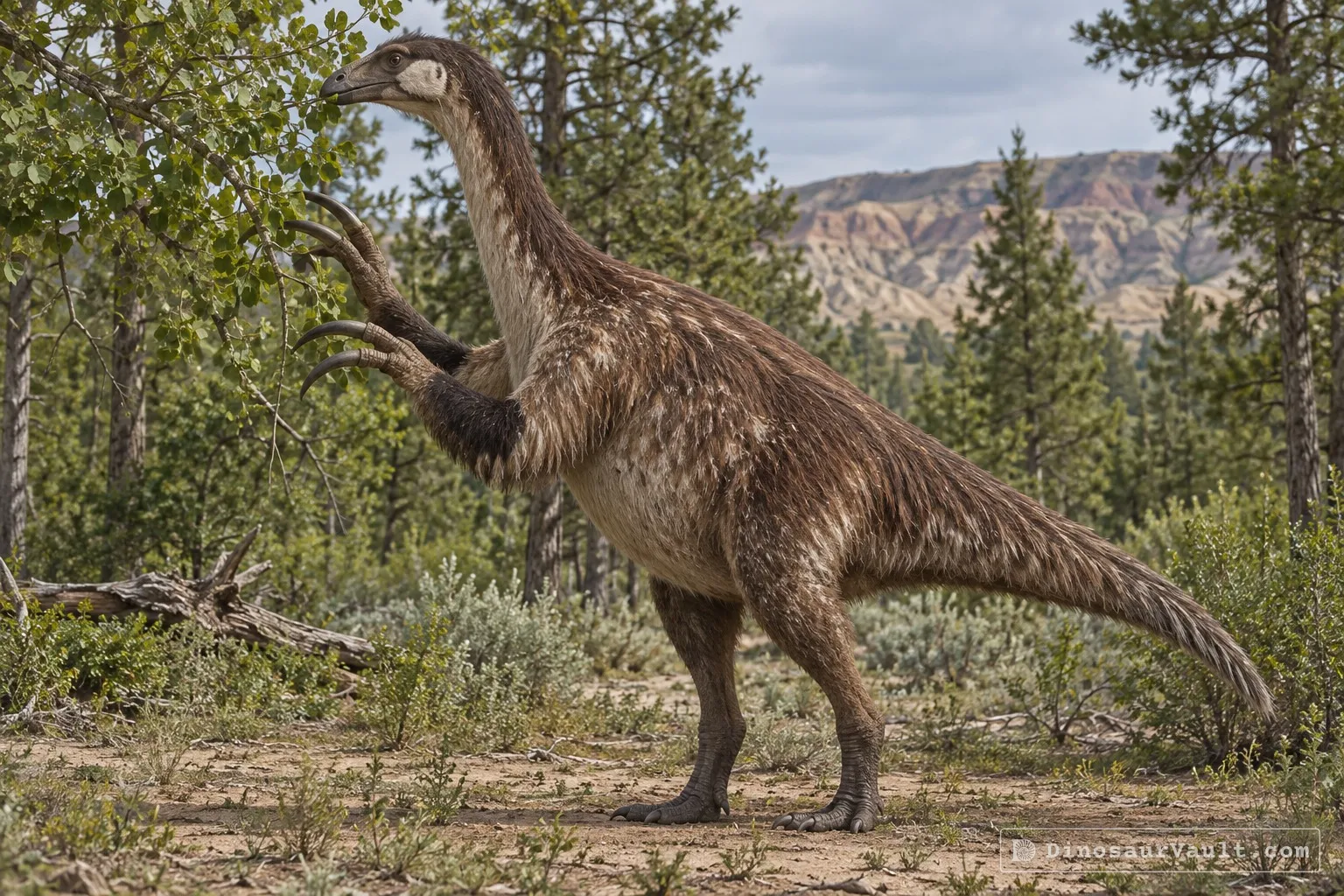
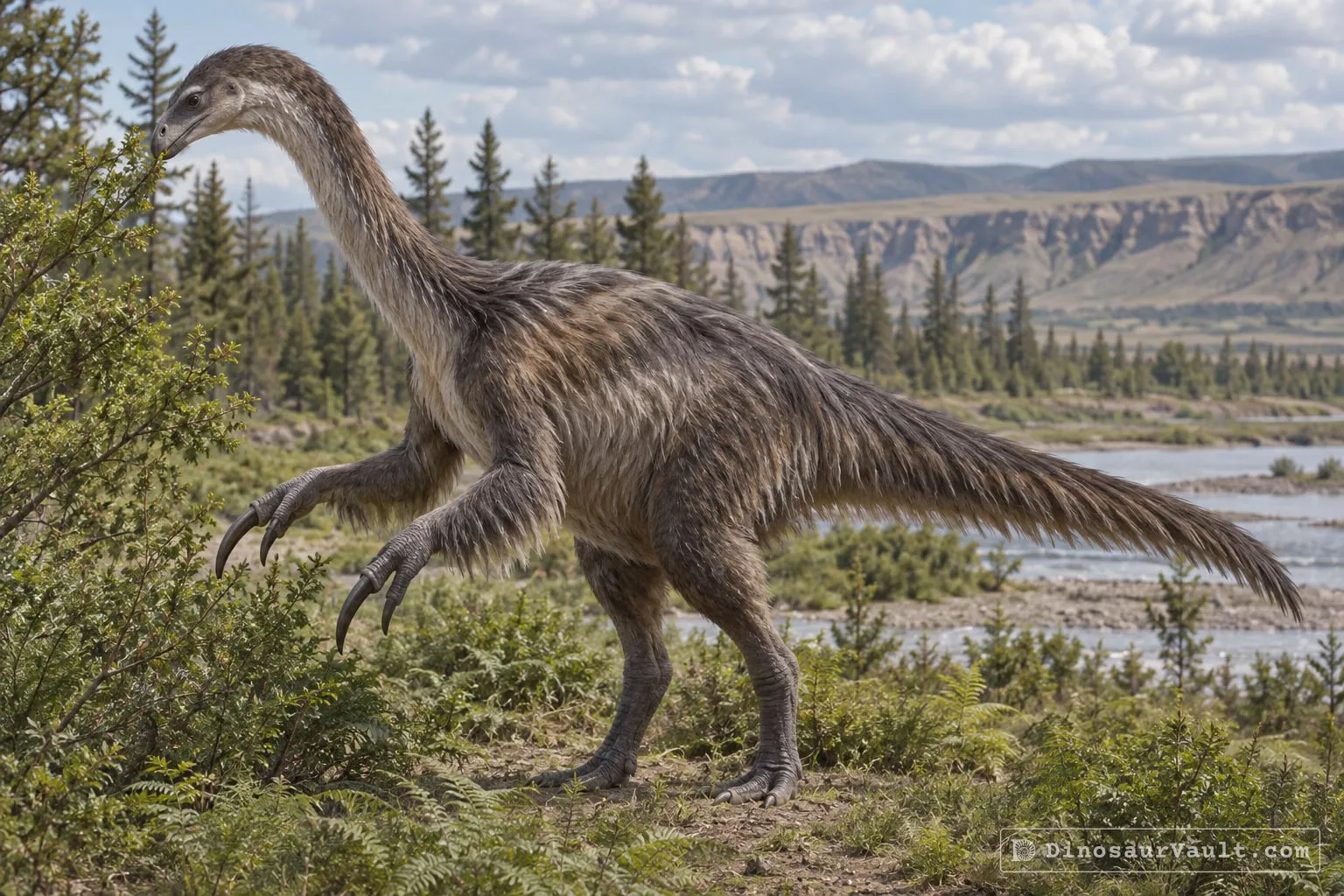
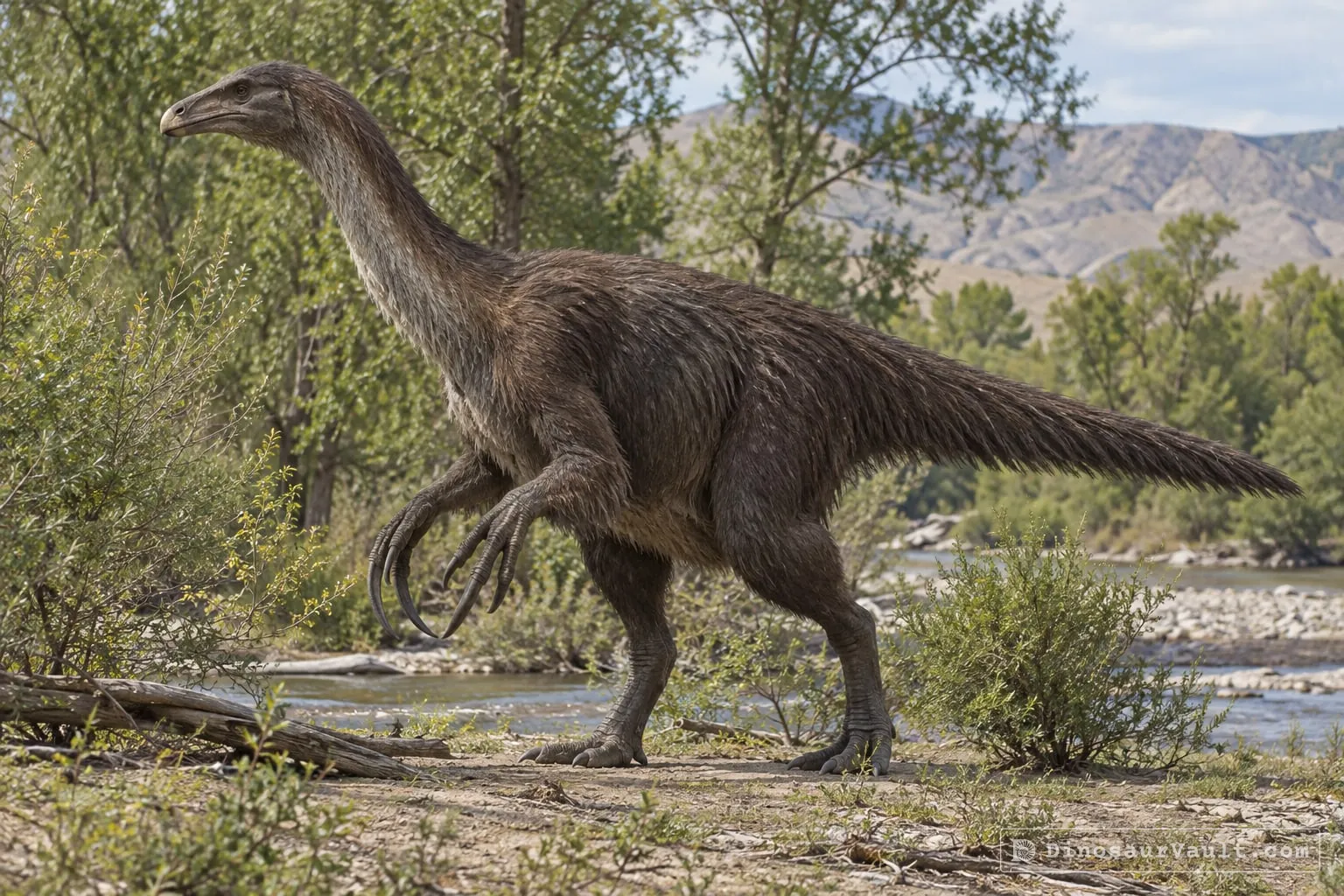
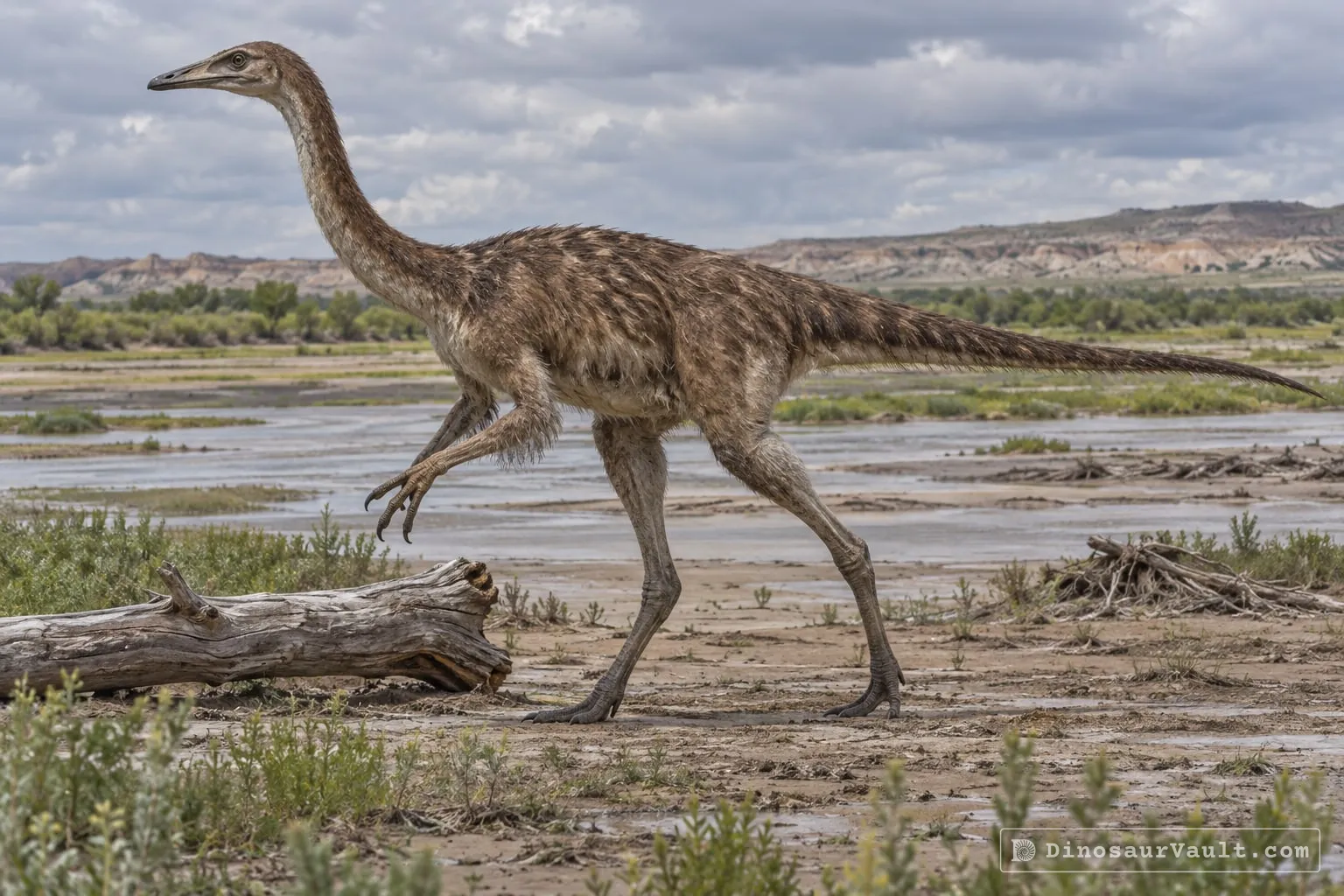
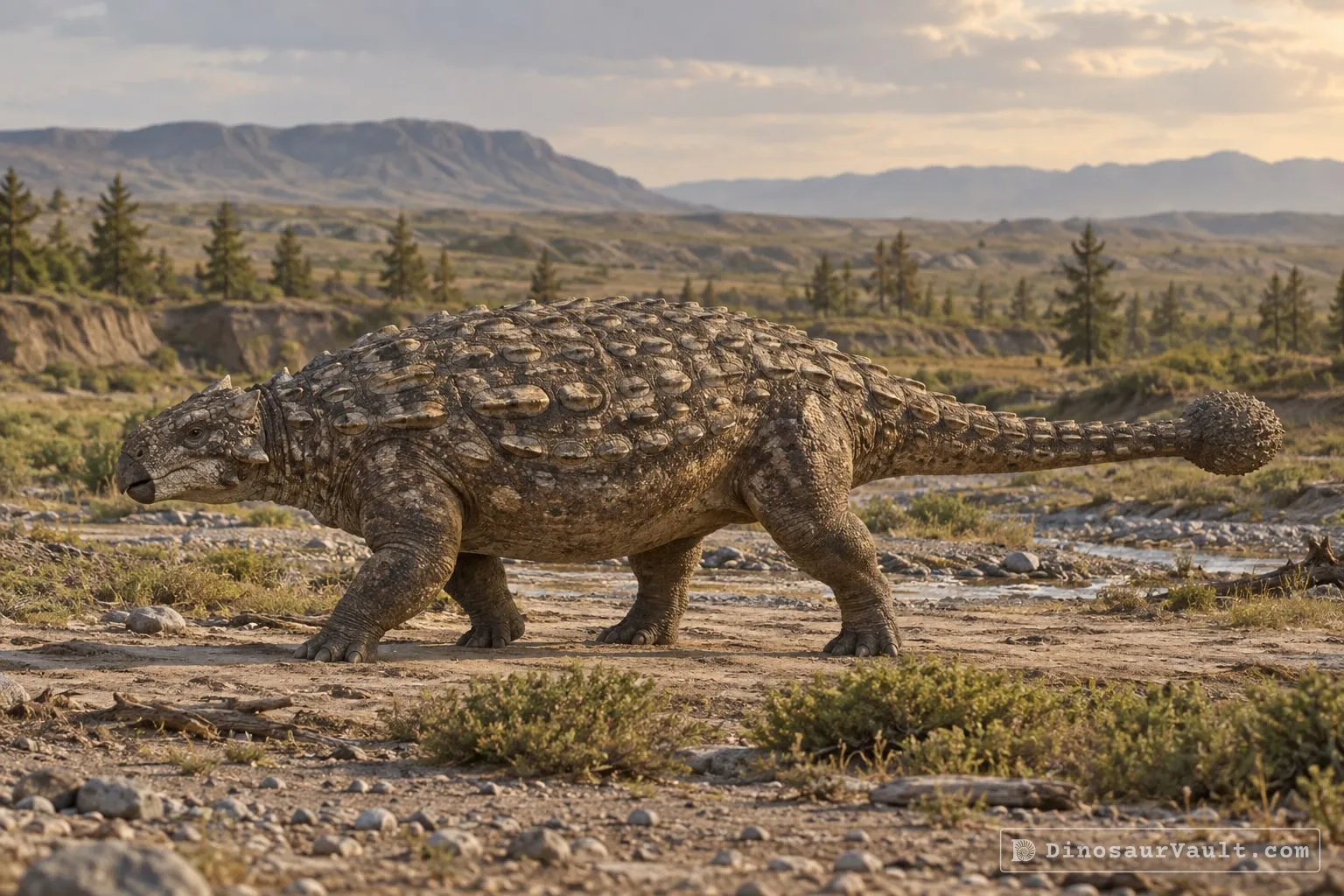


A rock formation can hold fossils laid down millions of years apart, so not every animal here met Graciliceratops.
The evidence
The science behind Graciliceratops
Which parts of the picture come from its own bones, and which come from its relatives.
From its own fossils
- A partial skull and skeleton preserve the back of the head, jaws, backbone and limb bones.
- The frill has large openings bordered by very slender strips of bone.
- The shin is longer than the thigh, and unfused bones show that the animal was still growing.
Borrowed from relatives
- The missing front of its face can be restored by comparison with early horned dinosaurs such as Aquilops.
- Yamaceratops provides a comparison for how the frill and other bones changed as early horned dinosaurs grew.
Still unknown
- Its adult size and proportions.
- The full shape of the front of its skull.
- Its skin covering and color.
Discovery timeline
- 2000Named itSereno
- 2014Close relativeFarke et al.
- 2022Growing upSon et al.
Key papers
The research behind what we know of Graciliceratops
Named it
Named Graciliceratops from a juvenile skeleton with slender limbs and a delicate frill.
The fossil record, systematics and evolution of pachycephalosaurs and ceratopsians from Asia. The Age of Dinosaurs in Russia and Mongolia.
No link available
Close relative
Described the small horned dinosaur Aquilops and compared early horned dinosaurs from Asia and North America.
A Ceratopsian Dinosaur from the Lower Cretaceous of Western North America, and the Biogeography of Neoceratopsia. PLoS ONE 9: e112055
Read the paper : A Ceratopsian Dinosaur from the Lower Cretaceous of Western North America, and the Biogeography of Neoceratopsia (opens in a new tab)Growing up
Compared young and adult Yamaceratops and revised family-tree characters for Graciliceratops to account for its juvenile skeleton.
A new juvenile Yamaceratops (Dinosauria, Ceratopsia) from the Javkhlant Formation (Upper Cretaceous) of Mongolia. PeerJ 10: e13176
Read the paper : A new juvenile Yamaceratops (Dinosauria, Ceratopsia) from the Javkhlant Formation (Upper Cretaceous) of Mongolia (opens in a new tab)
Close relatives
Other members of Neoceratopsia


Sources: Wikidata