Glyptodontopelta
"Glyptodon shield"
- Lived
- 84 to 66 million years ago, Late Cretaceous
- Diet
- Herbivore
- Group
- Ankylosaurs, Nodosauridae
- Found in
- United States
- Named by
- Ford 2000
Where its fossils were found
The evidence
Today

75 million years ago
Habitat
It lived on a floodplain crossed by winding rivers in what is now New Mexico. Alamosaurus and Dineobellator are known from the same Ojo Alamo Formation.
Field notes
About Glyptodontopelta
What it was like
Glyptodontopelta was a nodosaur, an armored plant eater. Its armor formed a solid shield over the hips, with bony plates marked by grooves and pits. A lower jaw fragment and a bone from above the eye have also been assigned to it.
Its world
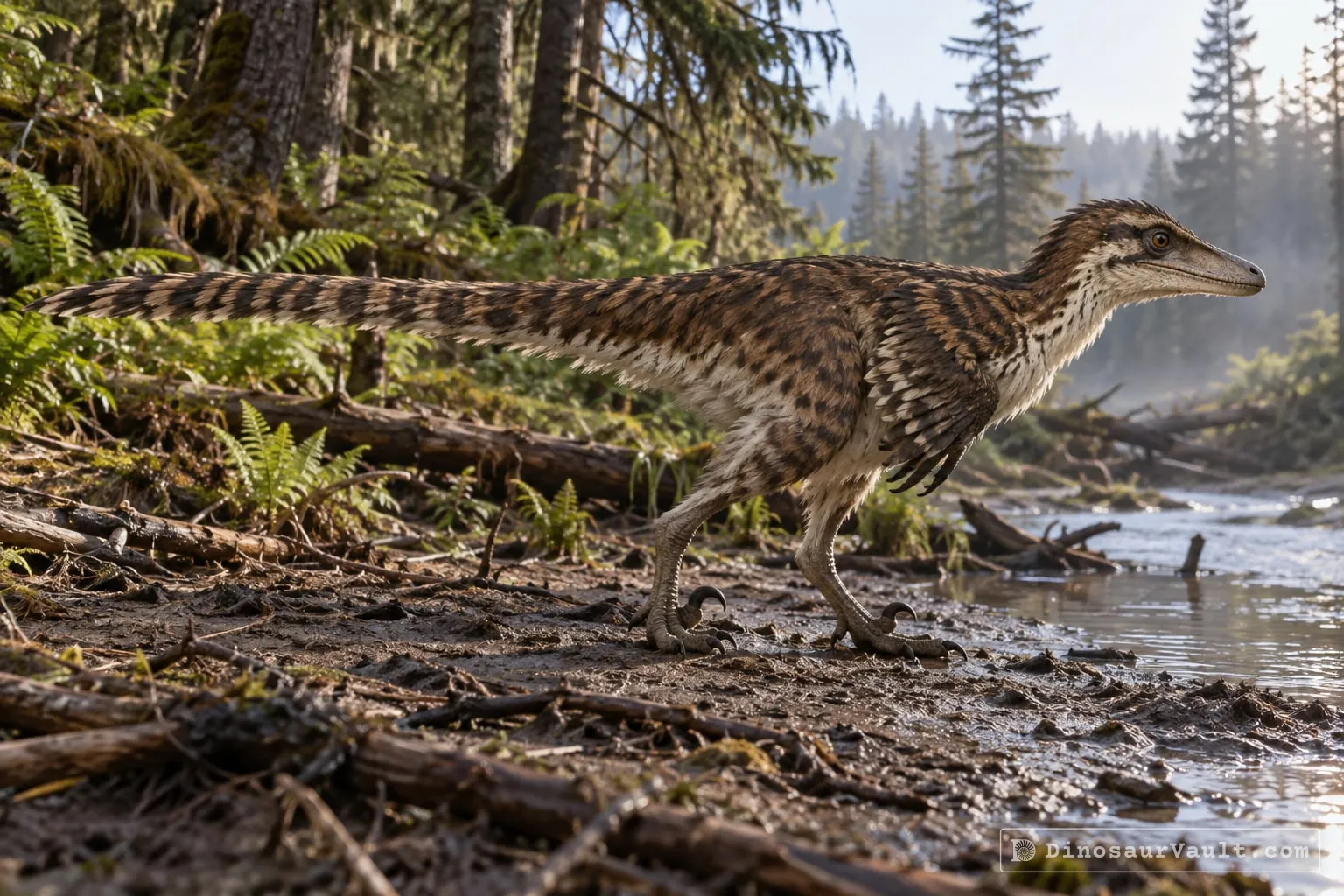
It lived in the Late Cretaceous in what is now New Mexico, in the United States. Its armor comes from the Ojo Alamo Formation, where it shared the land with the giant long-necked Alamosaurus and the small raptor Dineobellator.
How it was found
Ford named Glyptodontopelta in 2000. Its name comes from its armor, which looks like that of a giant armadillo-like mammal from much later times. Eleven finds are known.
Field gallery
More views of Glyptodontopelta
Scenes reconstructed from the available fossil evidence.
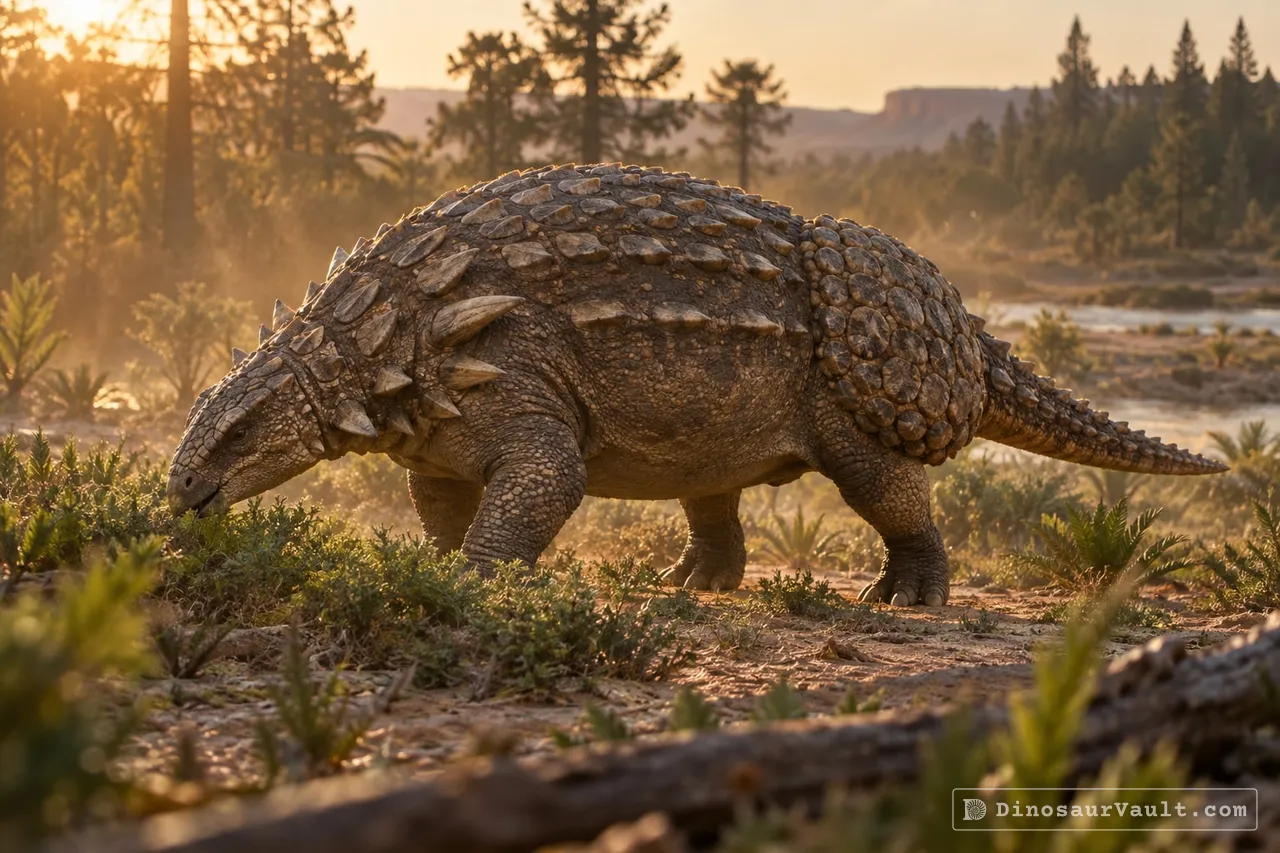
1 of 3
Lived alongside
Found in the same rock formations
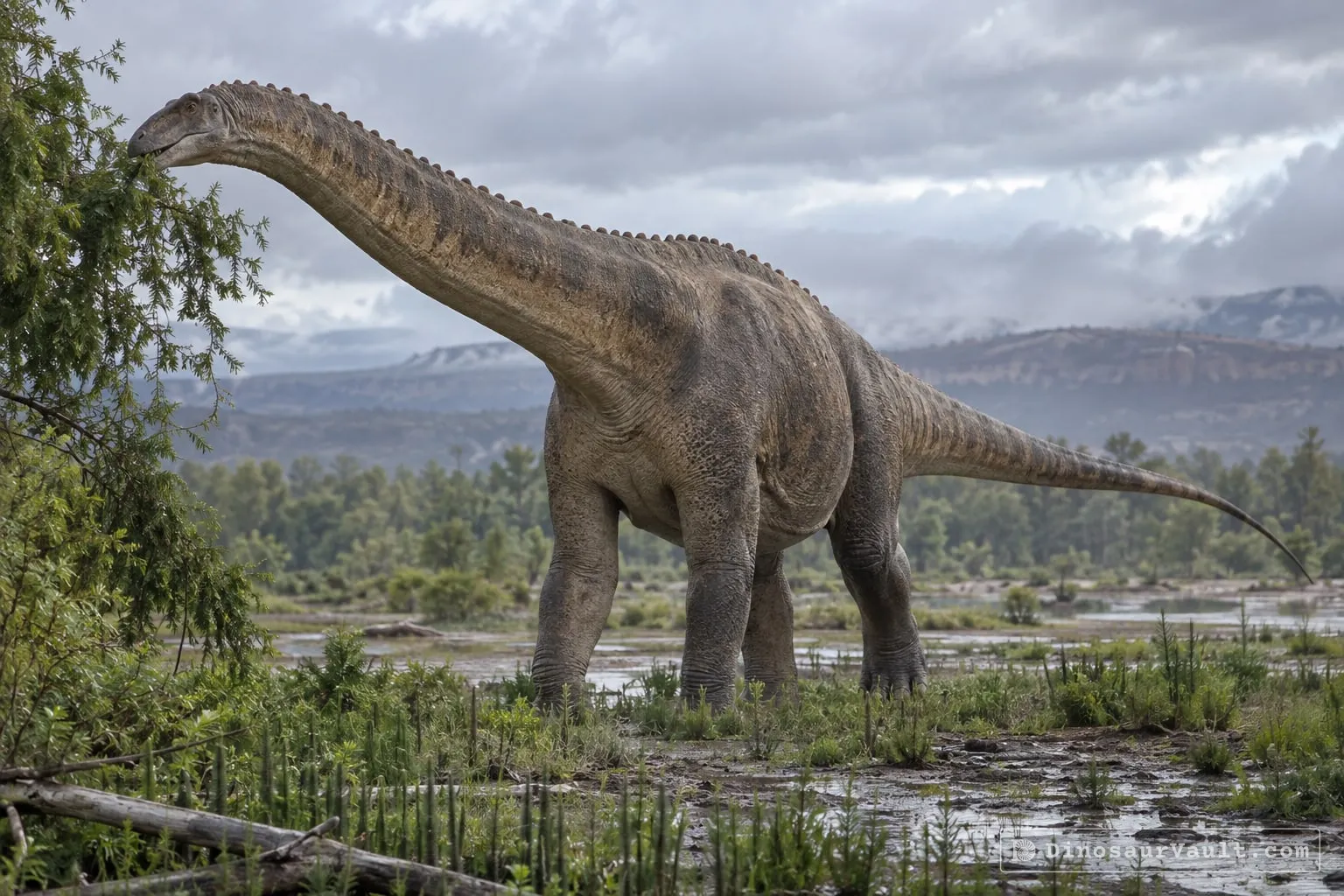
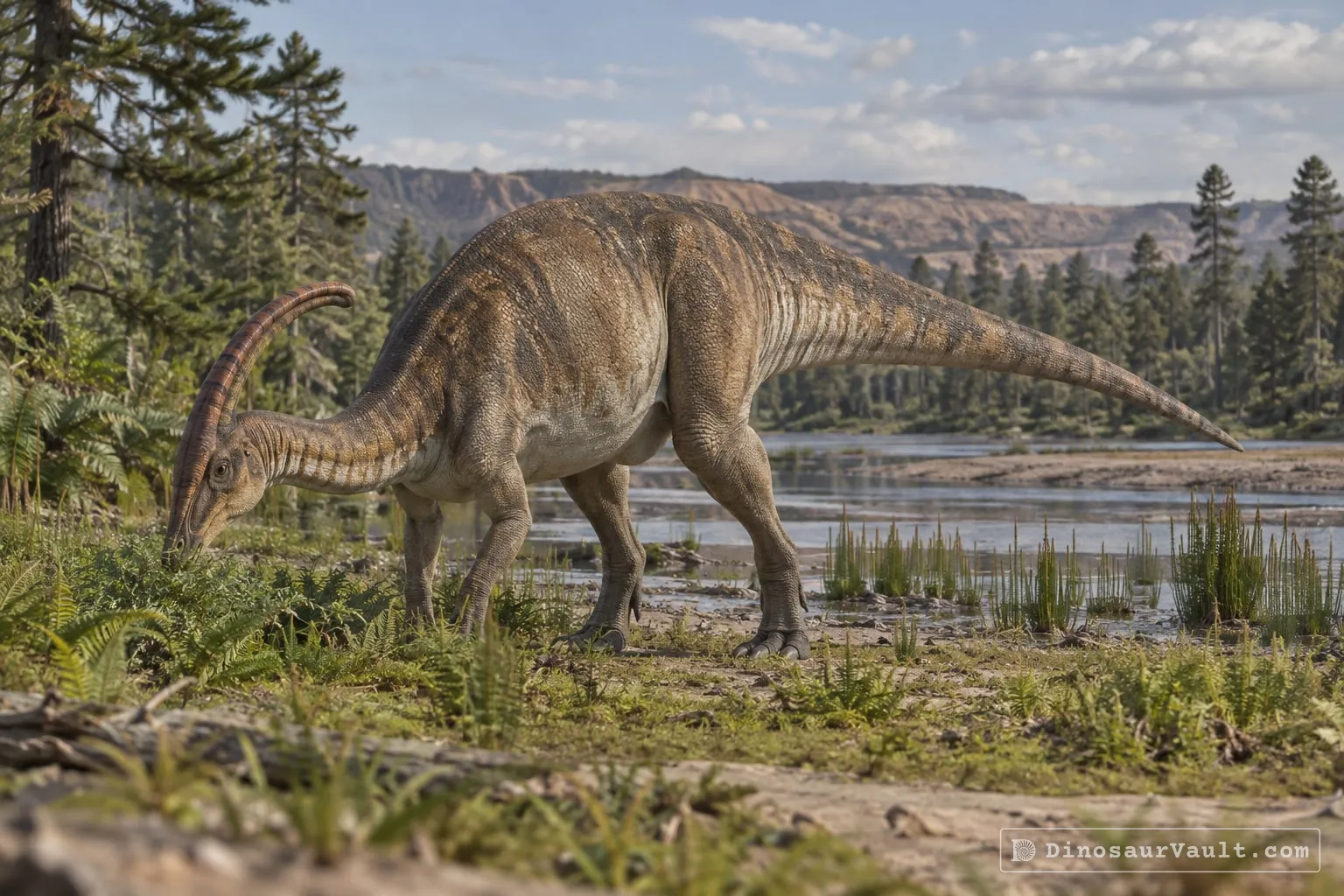
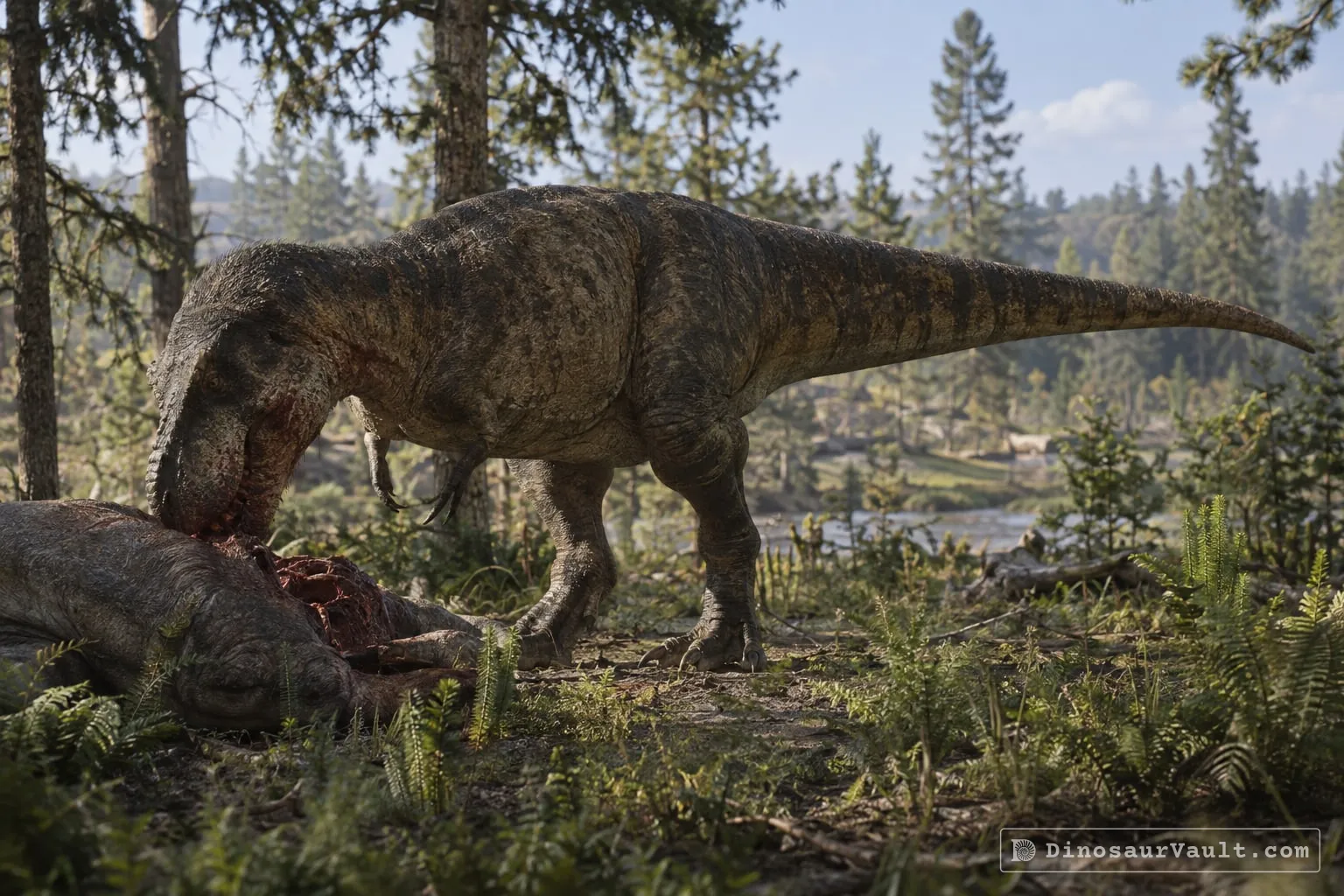
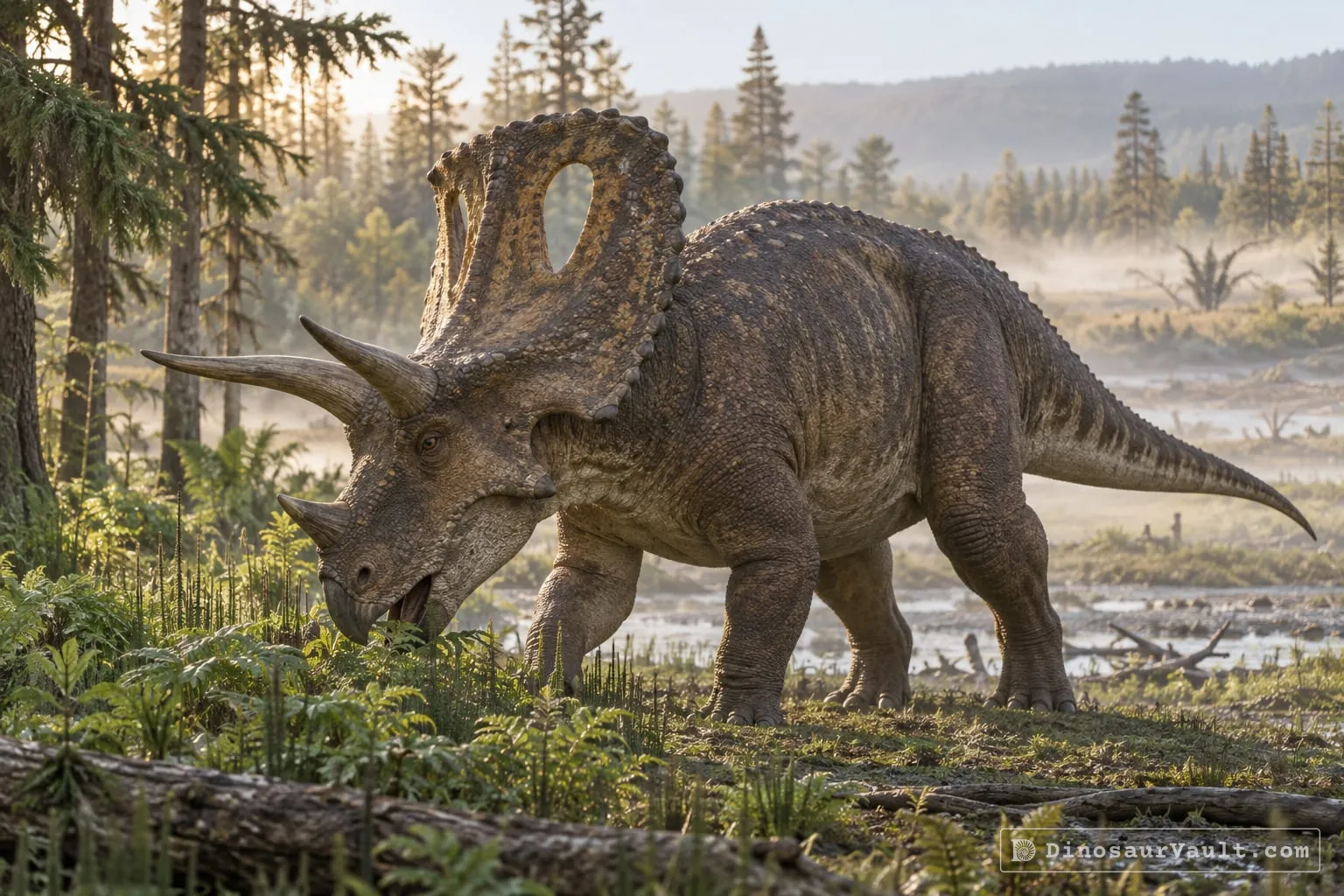
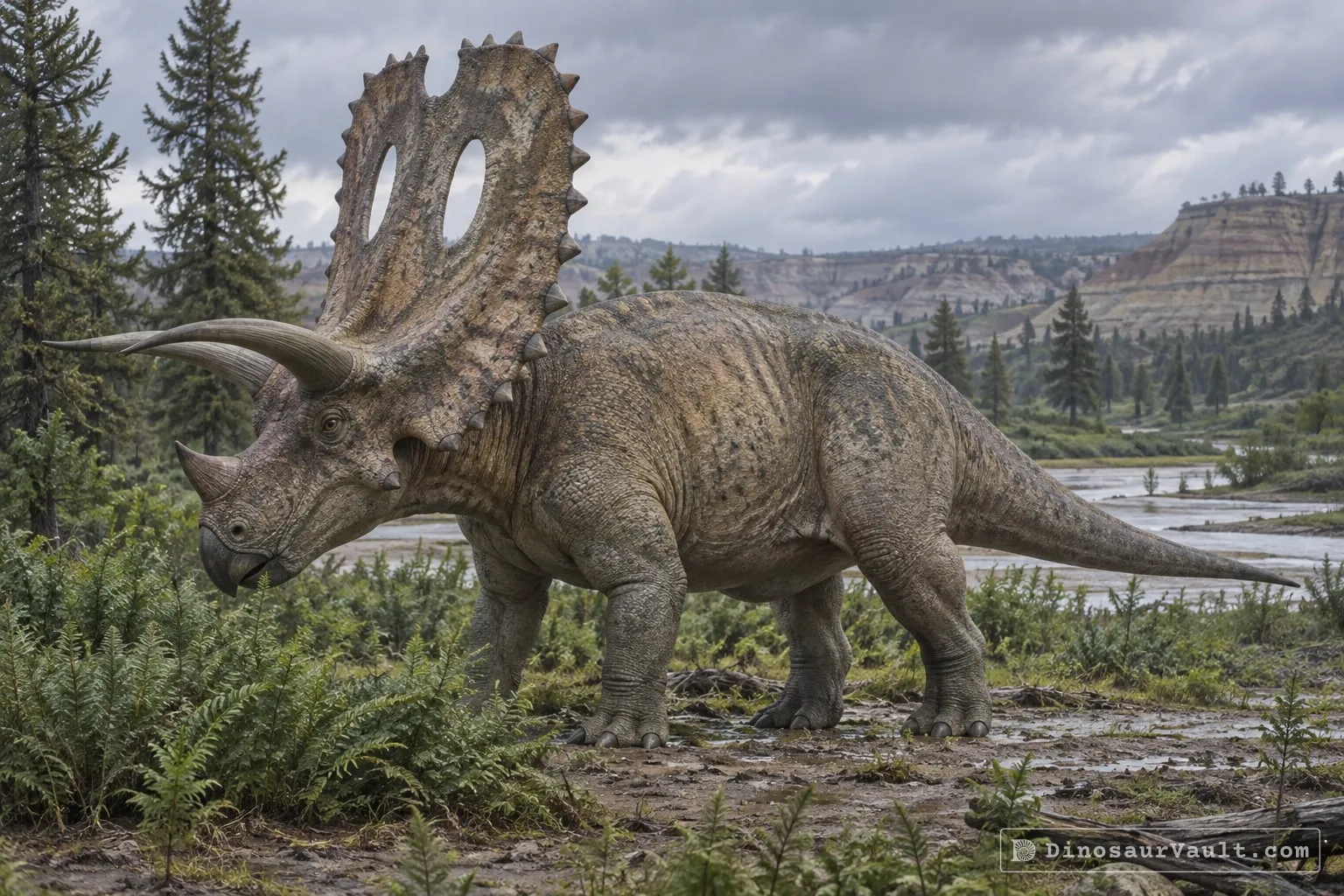


A rock formation can hold fossils laid down millions of years apart, so not every animal here met Glyptodontopelta.
The evidence
The science behind Glyptodontopelta
Which parts of the picture come from its own bones, and which come from its relatives.
From its own fossils
- The type specimen preserves fused polygonal armor plates from a shield over the hips.
- Its armor includes several plate shapes with a distinctive pattern of grooves and pits.
- A referred specimen includes part of the lower jaw, a bone above the eye and armor fragments.
Borrowed from relatives
- The low body and sturdy legs are restored by comparison with Sauropelta.
- Gargoyleosaurus provides a comparison for the missing parts of the head.
Still unknown
- The full shape of its skull and the proportions of its body.
- The arrangement of all its armor plates.
- Its color.
Discovery timeline
- 2000Named itFord
- 2008New findBurns
- 2014SkinBurns & Currie
- 2018Family treeMcDonald & Wolfe
Key papers
The research behind what we know of Glyptodontopelta
Named it
Named Glyptodontopelta from distinctive armor plates, including part of a fused shield over the hips.
A review of ankylosaur osteoderms from New Mexico and a preliminary review of ankylosaur armor. Dinosaurs of New Mexico. New Mexico Museum of Natural History and Science Bulletin 17: 157-176
No link available
New find
Assigned more armor to Glyptodontopelta and showed that its distinctive surface texture supports recognizing it as a separate genus.
Taxonomic utility of ankylosaur (Dinosauria, Ornithischia) osteoderms:Glyptodontopelta mimusFord, 2000: a test case. Journal of Vertebrate Paleontology 28: 1102-1109
Read the paper : Taxonomic utility of ankylosaur (Dinosauria, Ornithischia) osteoderms:Glyptodontopelta mimusFord, 2000: a test case (opens in a new tab)Skin
Compared armor structure across ankylosaurs and found that plate shapes and surface textures can distinguish genera, including Glyptodontopelta.
External and internal structure of ankylosaur (Dinosauria, Ornithischia) osteoderms and their systematic relevance. Journal of Vertebrate Paleontology 34: 835-851
Read the paper : External and internal structure of ankylosaur (Dinosauria, Ornithischia) osteoderms and their systematic relevance (opens in a new tab)Family tree
Compared Glyptodontopelta armor with Invictarx and described branching grooves, pits and a pelvic shield of fused polygonal plates.
A new nodosaurid ankylosaur (Dinosauria: Thyreophora) from the Upper Cretaceous Menefee Formation of New Mexico. PeerJ 6: e5435
Read the paper : A new nodosaurid ankylosaur (Dinosauria: Thyreophora) from the Upper Cretaceous Menefee Formation of New Mexico (opens in a new tab)
Close relatives
Other members of Nodosauridae


Sources: Wikidata