Fruitadens
"Fruita teeth"
- Lived
- 149 to 143 million years ago, Late Jurassic
- Diet
- Herbivore
- Group
- Early ornithischians, Heterodontosauridae
- Found in
- United States
- Named by
- Butler et al. 2010
Where its fossils were found
The evidence
Today

145 million years ago
Habitat
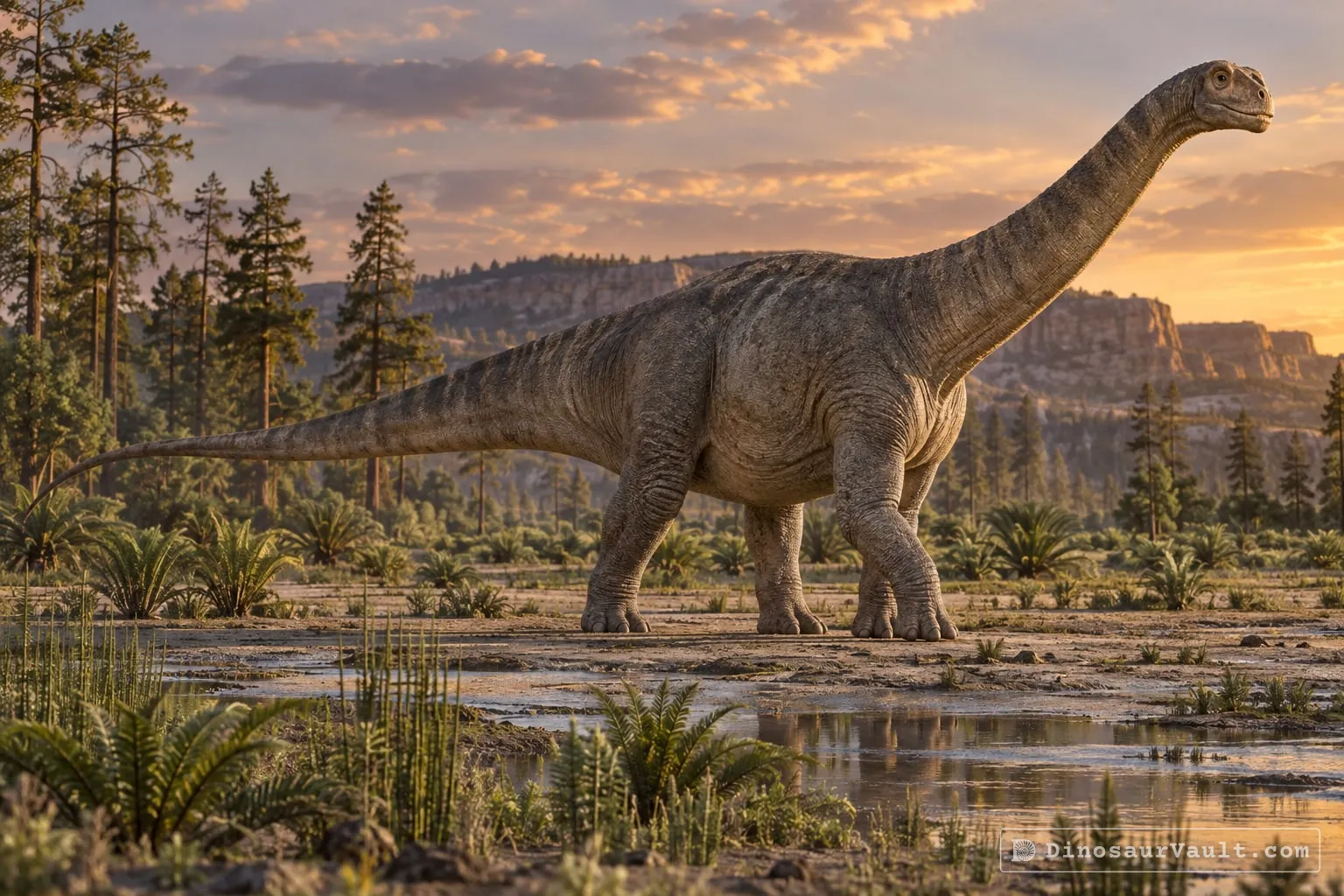
Its fossils come from a low floodplain with temporary ponds in the Morrison Formation. Ferns, horsetails and conifers grew in this wider landscape, home to Diplodocus, Brachiosaurus and Allosaurus.
Field notes
About Fruitadens
What it was like
Fruitadens was one of the smallest bird-hipped dinosaurs, a two-legged runner smaller than a house cat when grown. It belonged to the heterodontosaurids, which had teeth of different shapes, including small fangs at the front. It probably ate plants, insects and other small food.
Its world
It lived in the Late Jurassic in what is now Colorado. Its bones come from the Morrison Formation, where it lived in the shadow of giants such as Diplodocus and Brachiosaurus and the predator Allosaurus.
How it was found
Butler and colleagues named it in 2010 from bones of several individuals. Its name refers to the town near where it was found.
Field gallery
More views of Fruitadens
Scenes reconstructed from the available fossil evidence.
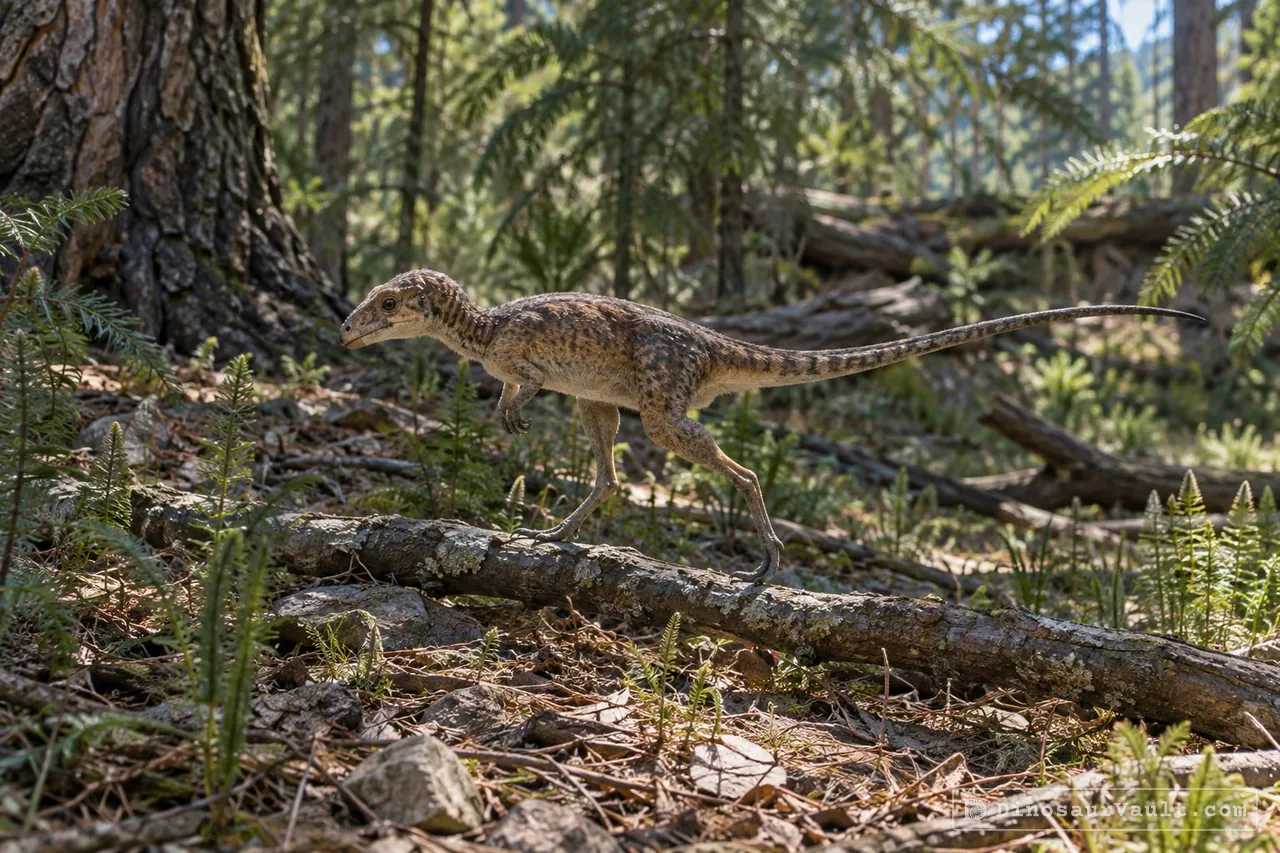
1 of 3
Lived alongside
Found in the same rock formations
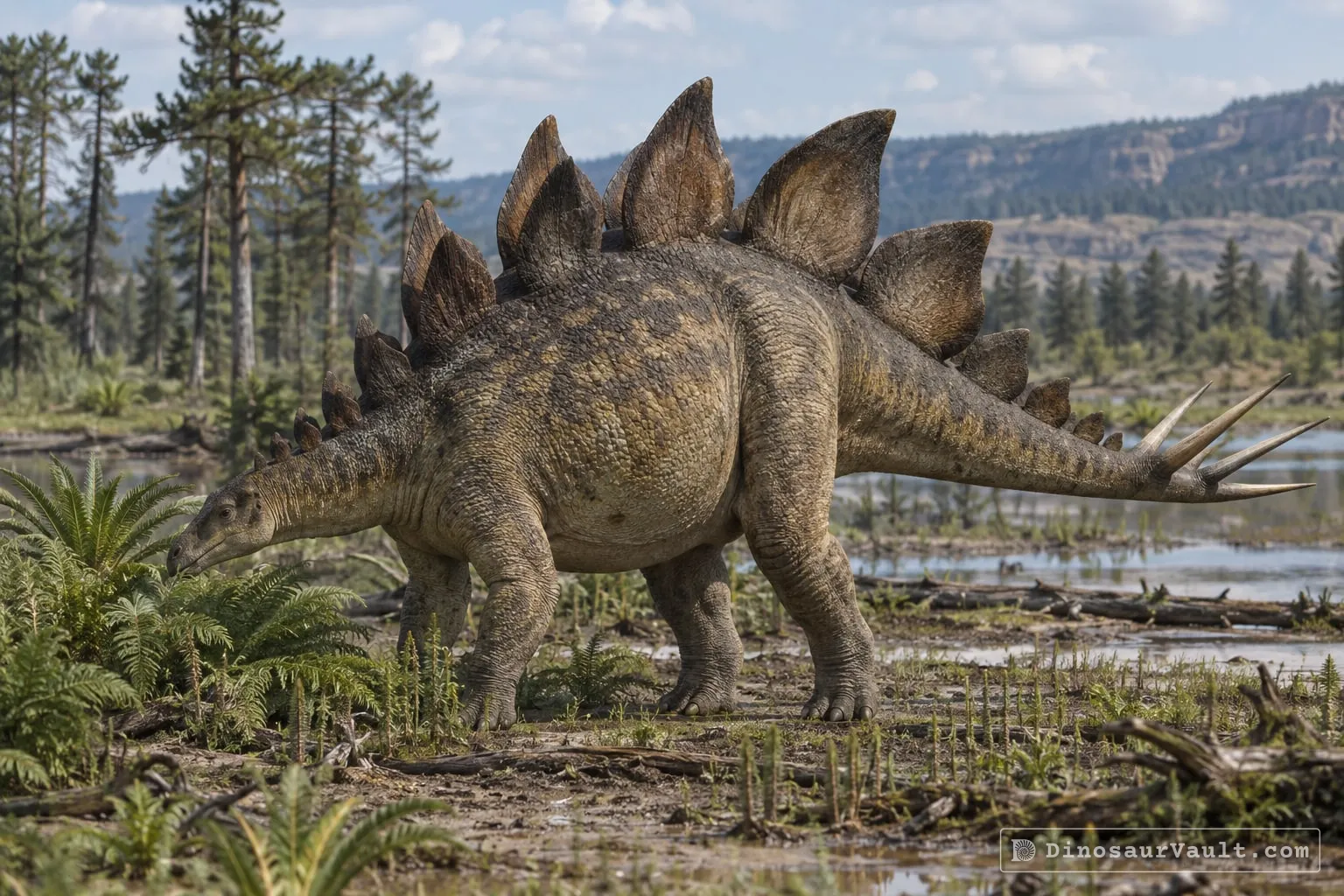
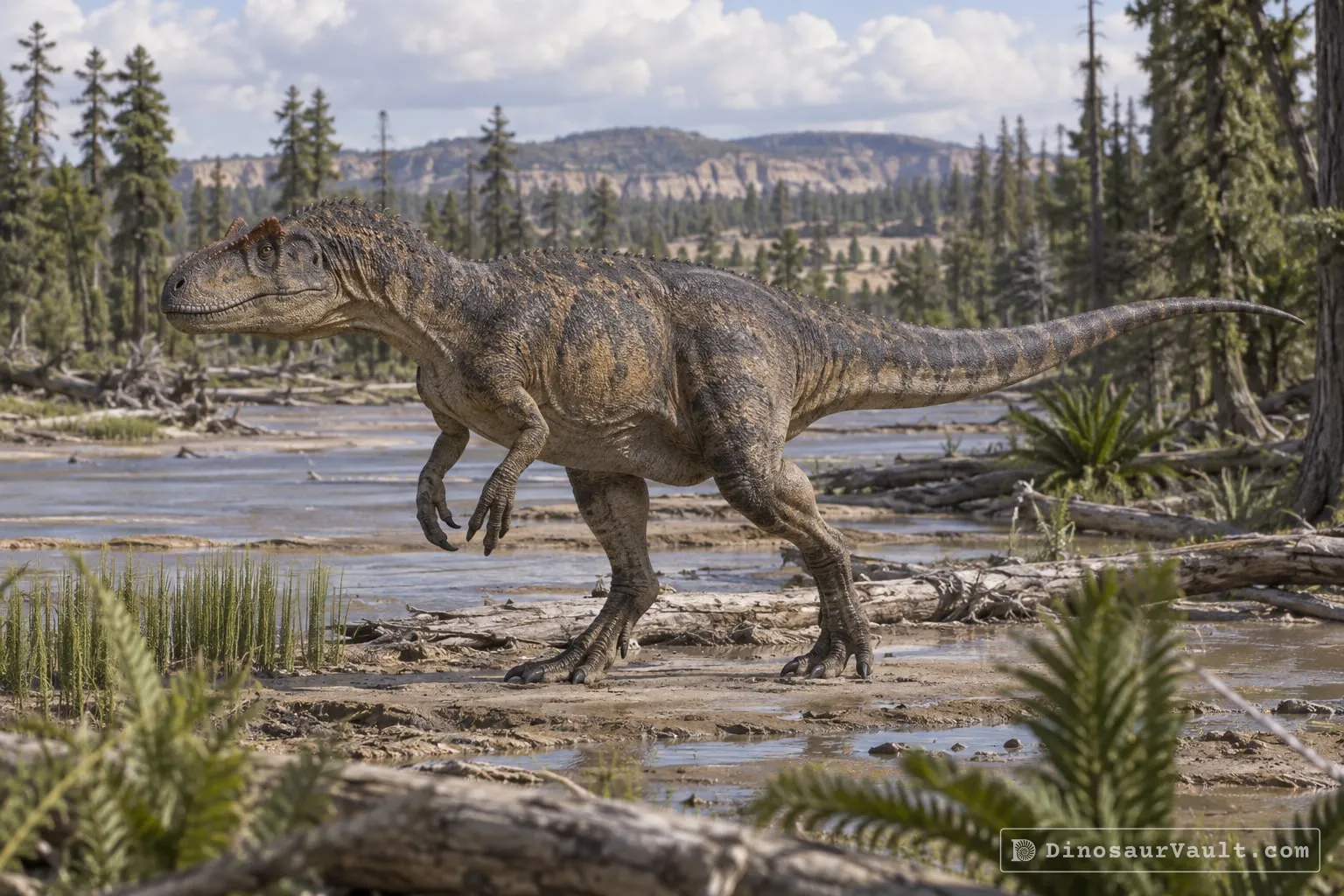
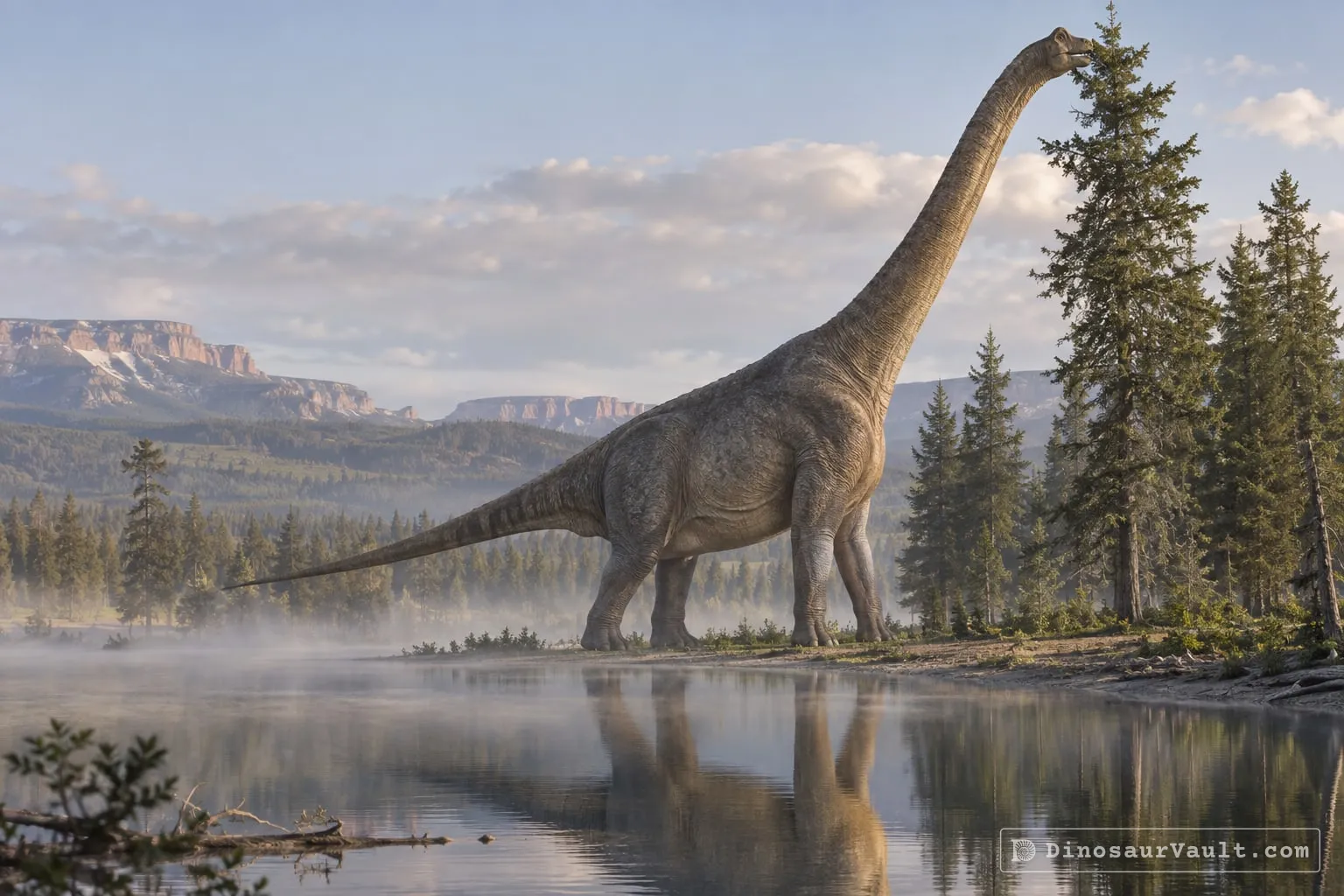
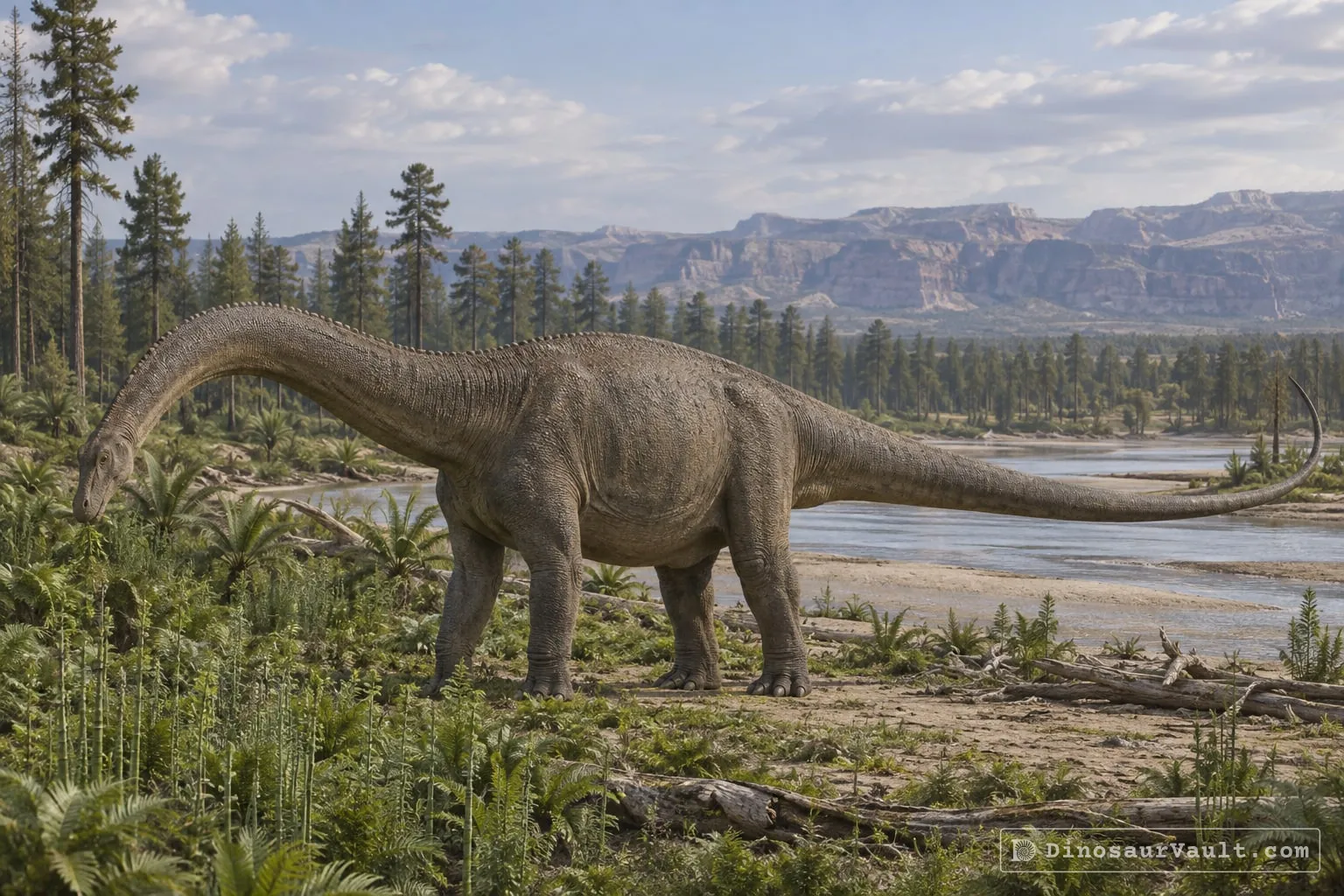
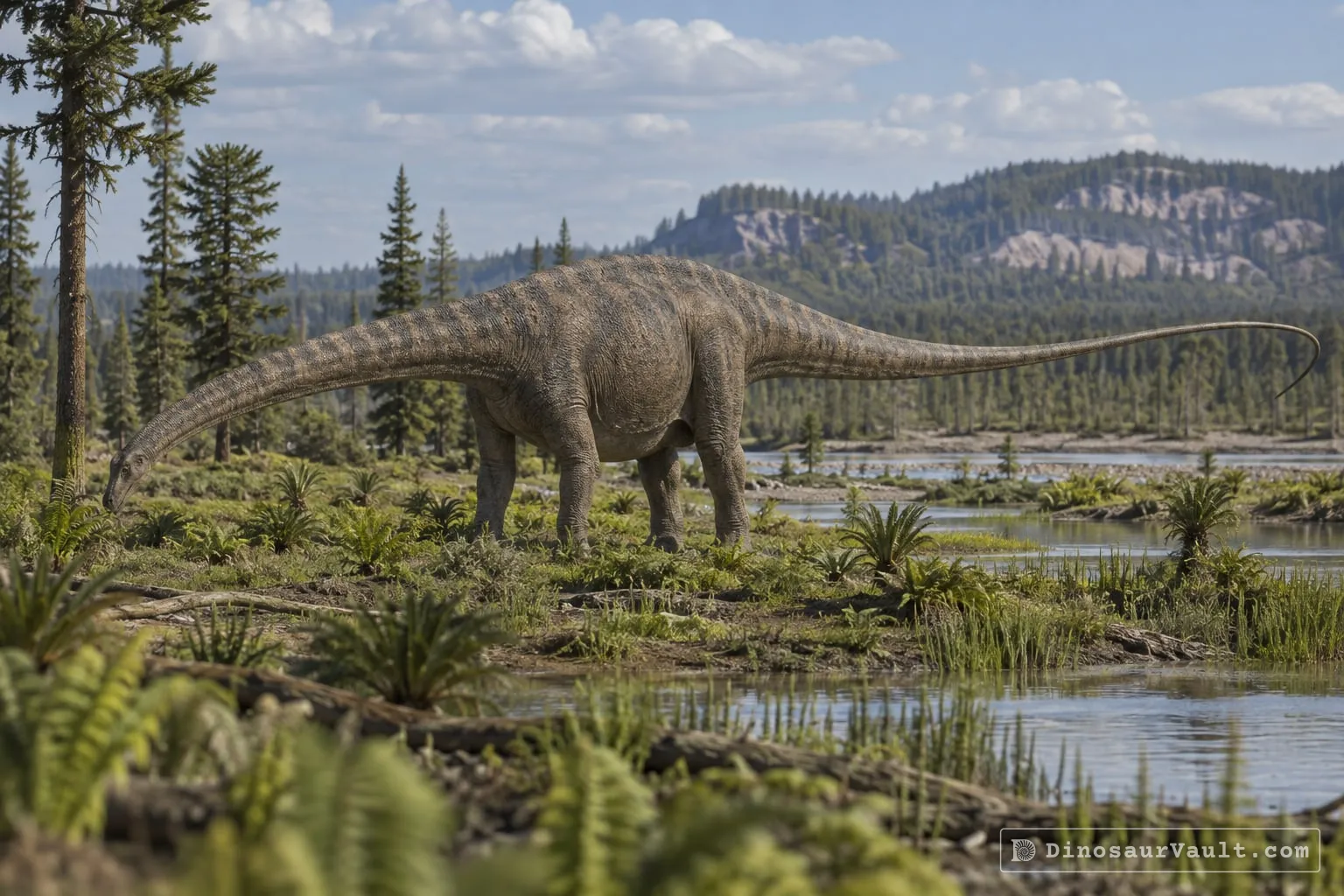
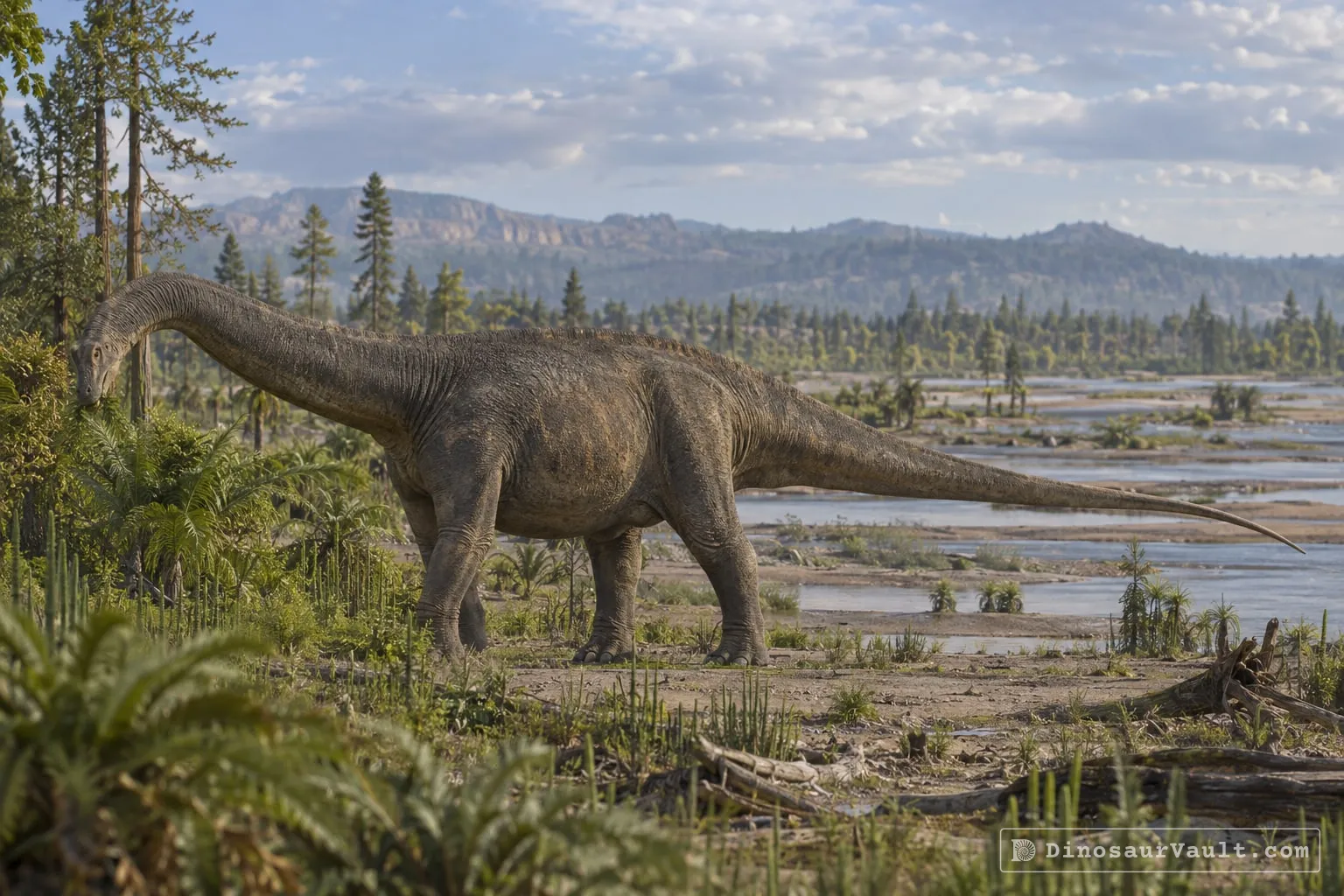
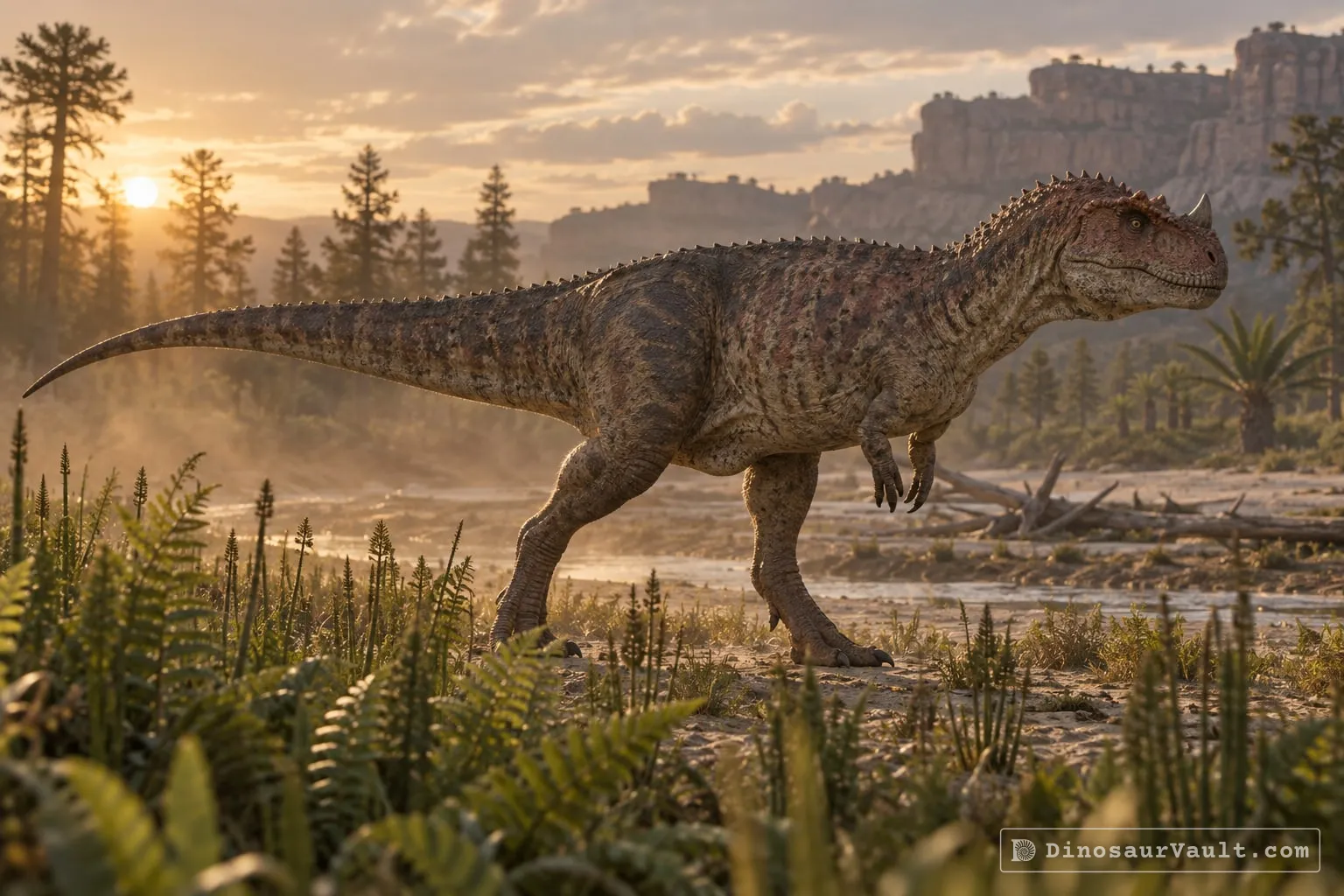


A rock formation can hold fossils laid down millions of years apart, so not every animal here met Fruitadens.
The evidence
The science behind Fruitadens
Which parts of the picture come from its own bones, and which come from its relatives.
From its own fossils
- Several partial individuals preserve jaws, vertebrae and slender leg bones.
- Its jaws carried teeth of different shapes, including pointed teeth near the front and simpler cheek teeth behind.
- Its hindlimb bones were hollow, and the ankle bones joined together without fusing to the shin.
Borrowed from relatives
- Tianyulong helps restore the missing parts of the face, while Heterodontosaurus provides a comparison for the back of the skull.
- The hands and missing parts of the feet are restored using these relatives.
Still unknown
- The complete shape of its skull, hands and feet.
- Its skin covering and color.
- Exactly which plants and small animals it ate.
Discovery timeline
- 2010Named itButler et al.
- 2012Full descriptionButler et al.
- 2012Family treeSereno
Key papers
The research behind what we know of Fruitadens
Named it
Named a tiny heterodontosaurid from the Morrison Formation using partial remains of several individuals.
A new Upper Jurassic heterodontosaurid from North America: lower limits of ornithischian dinosaur body size inferred from North America. Proceedings of the Royal Society B: Biological Sciences 277: 375-381
No link available
Full description
Described the bones and teeth, suggesting quick bites and a diet of selected plants, possibly with insects or other small invertebrates.
Anatomy and Cranial Functional Morphology of the Small-Bodied Dinosaur Fruitadens haagarorum from the Upper Jurassic of the USA. PLoS ONE 7: e31556
Read the paper : Anatomy and Cranial Functional Morphology of the Small-Bodied Dinosaur Fruitadens haagarorum from the Upper Jurassic of the USA (opens in a new tab)Family tree
Reassessed Fruitadens within the heterodontosaurid family and questioned some earlier interpretations of its teeth and ankle bones.
Taxonomy, morphology, masticatory function and phylogeny of heterodontosaurid dinosaurs. ZooKeys 226: 1-225
Read the paper : Taxonomy, morphology, masticatory function and phylogeny of heterodontosaurid dinosaurs (opens in a new tab)
Close relatives
Other members of Heterodontosauridae


Sources: Wikidata