Lycorhinus
"wolf snout"
Type species Lycorhinus angustidens
- Lived
- 201 to 193 million years ago, Early Jurassic
- Diet
- Herbivore
- Length
- about 1.2 m (4 ft)
- Group
- Early ornithischians, Heterodontosauridae
- Found in
- South Africa
- Named by
- Haughton 1924
Size comparison
To scale

Scale in metersOutline: typical early ornithischian shape
Where its fossils were found
The evidence
Today

195 million years ago
Habitat
It lived on seasonally dry river plains in South Africa, preserved in the Elliot Formation. Its neighbors included Massospondylus, Heterodontosaurus and Lesothosaurus.
Field notes
About Lycorhinus
What it was like
Lycorhinus was a small heterodontosaur about 1.2 meters (4 feet) long. Its jaws held different kinds of teeth, including a long, fang-like tooth near the front, like a canine.
It probably ate mostly plants, and the fangs may have been for display or defense.
Its world
It lived in the Early Jurassic in what is now South Africa. Its bones come from the Elliot Formation, where it shared the land with Heterodontosaurus, Lesothosaurus, the plant eater Massospondylus and the hunter Dracovenator.
How it was found
Haughton named Lycorhinus in 1924. He first thought its jaw came from a mammal-like reptile, because of its fang.
Field gallery
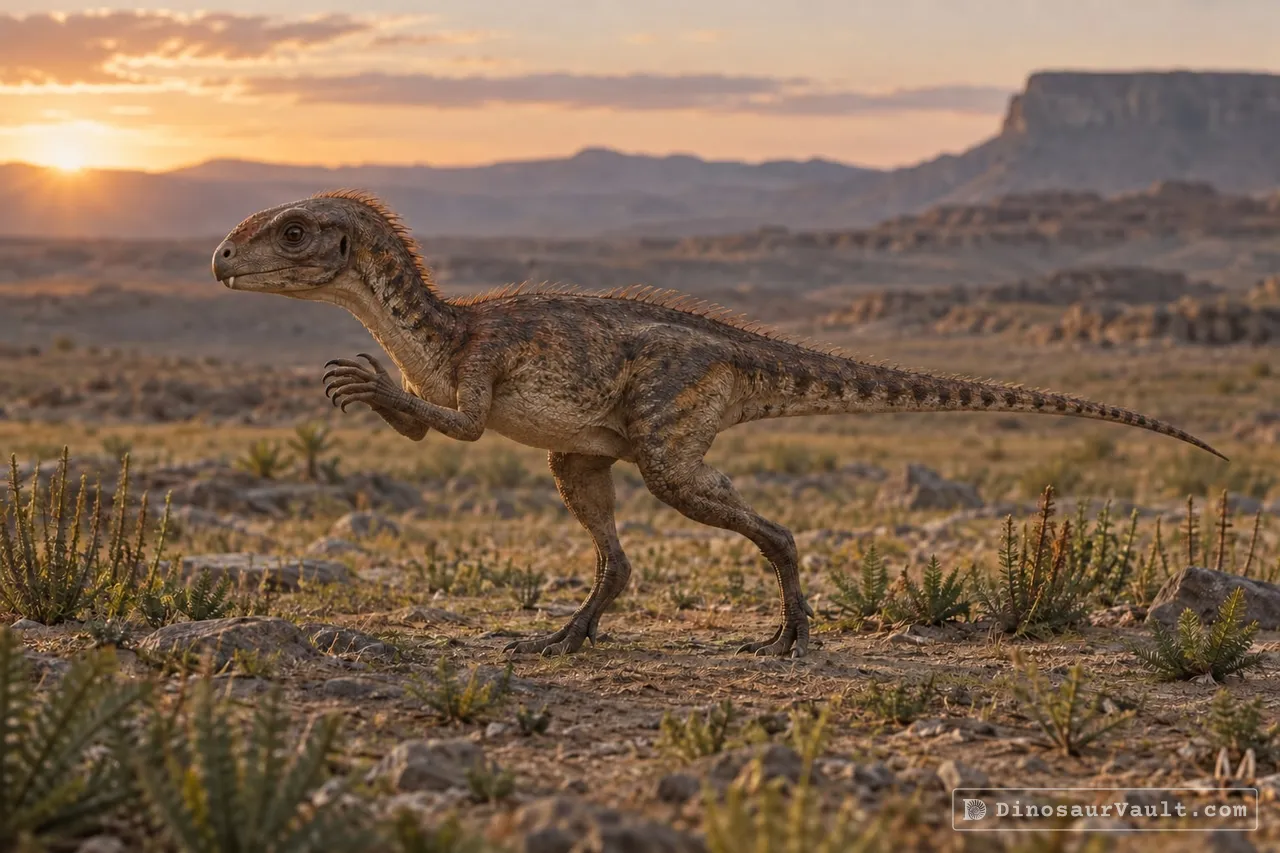
More views of Lycorhinus
Scenes reconstructed from the available fossil evidence.
Lived alongside
Found in the same rock formations
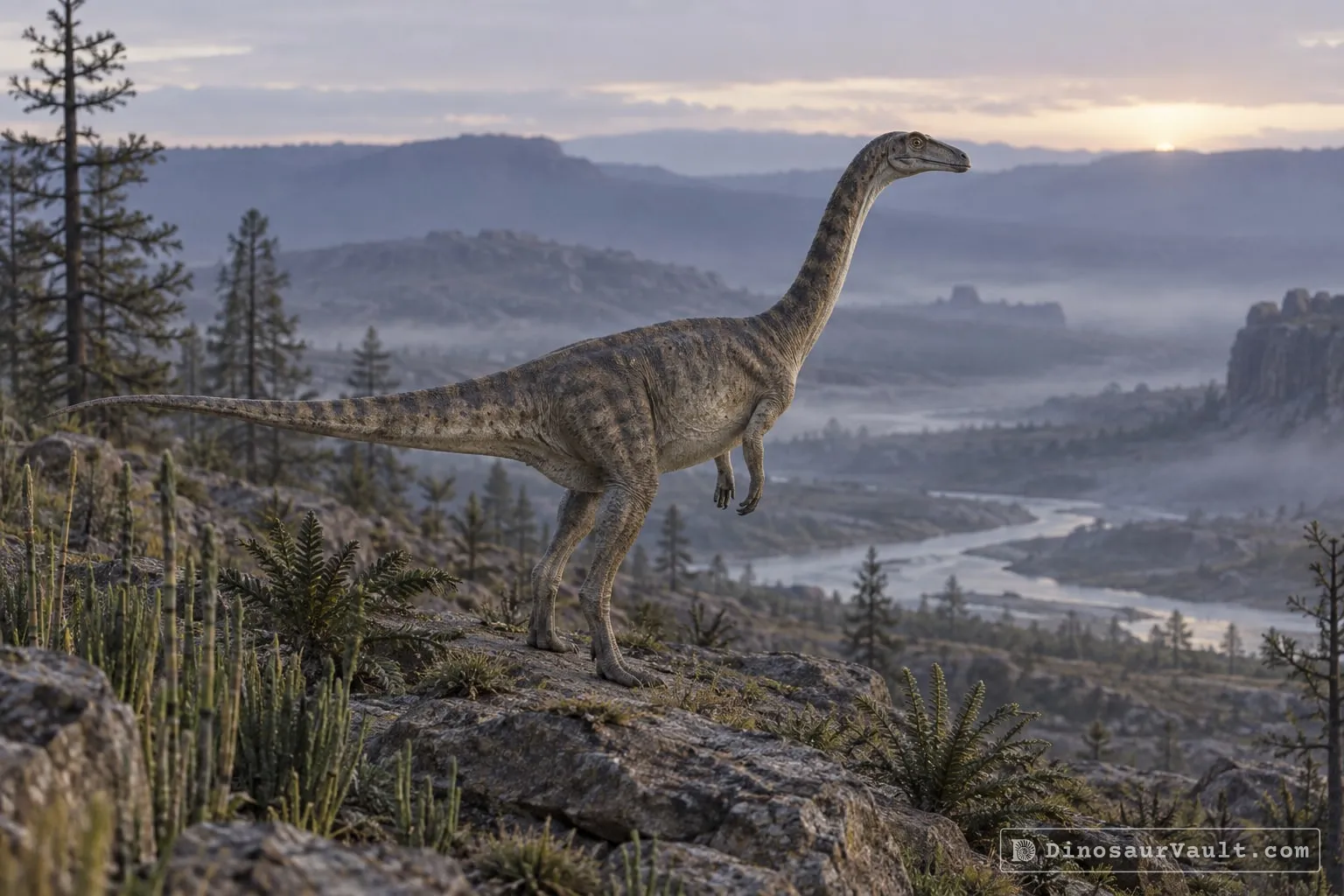
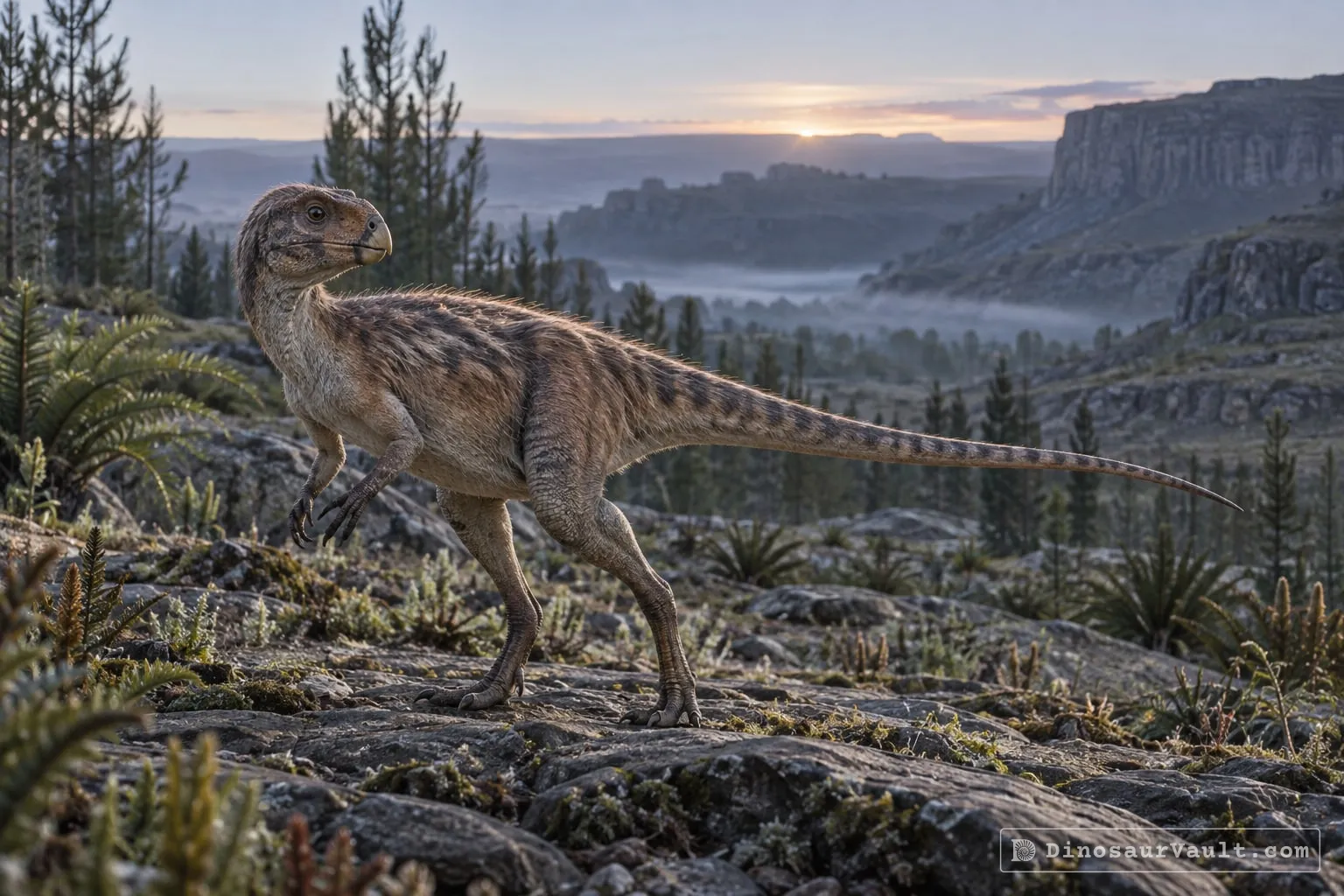
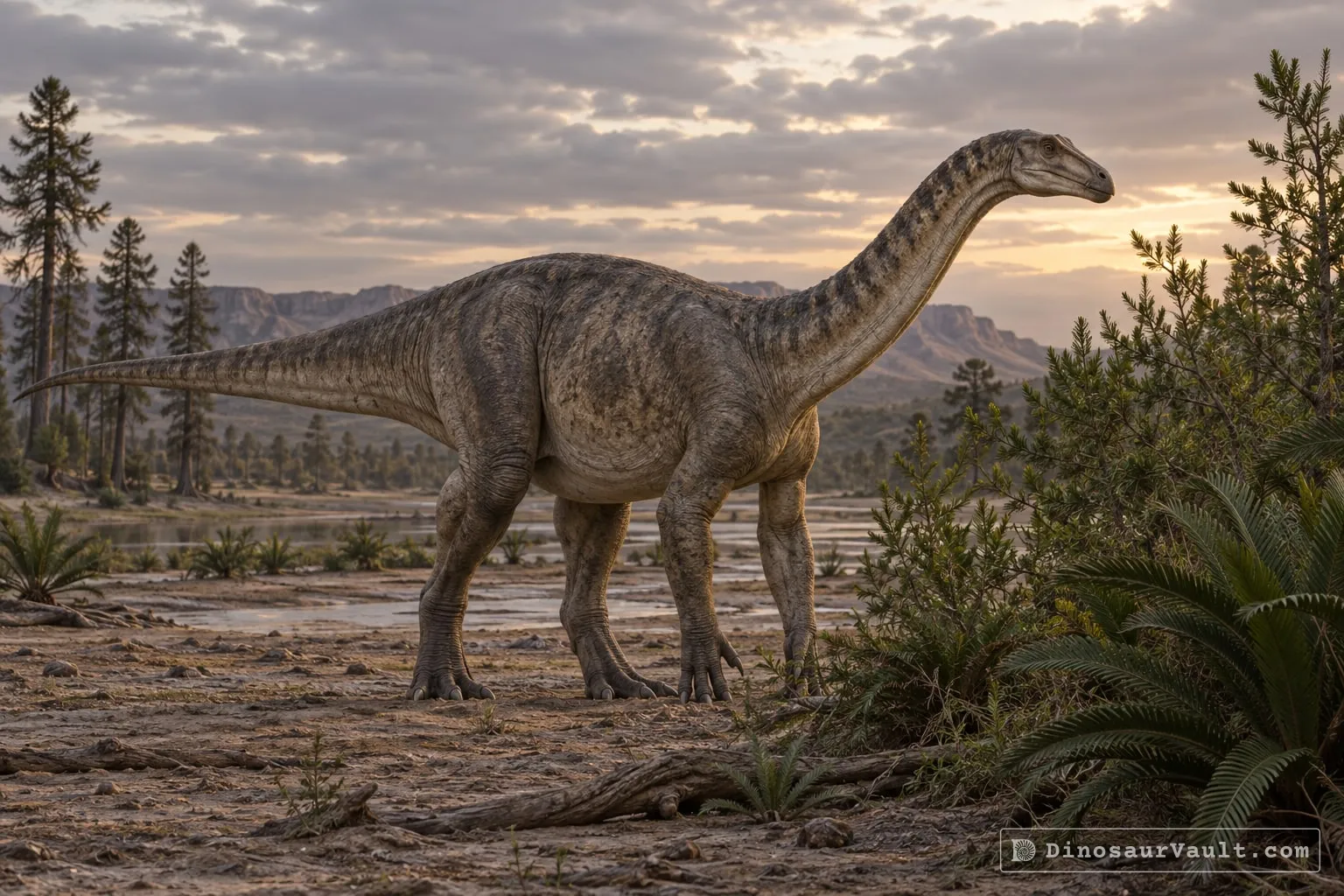
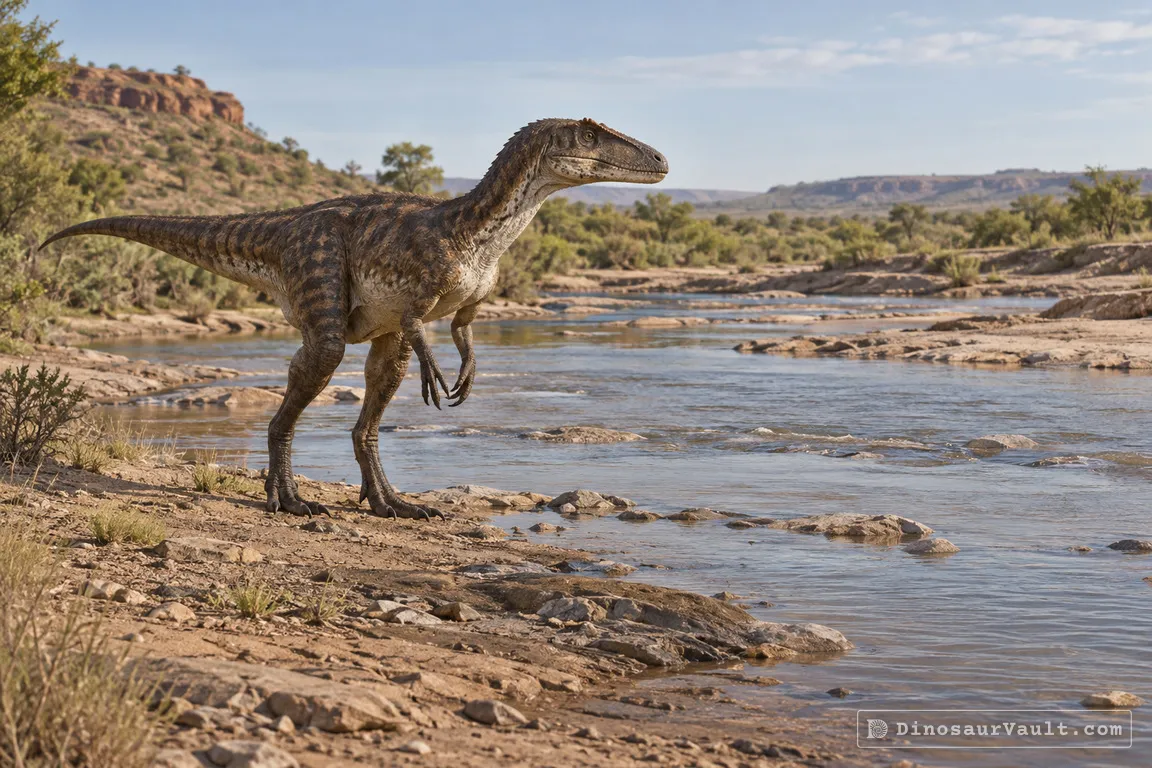
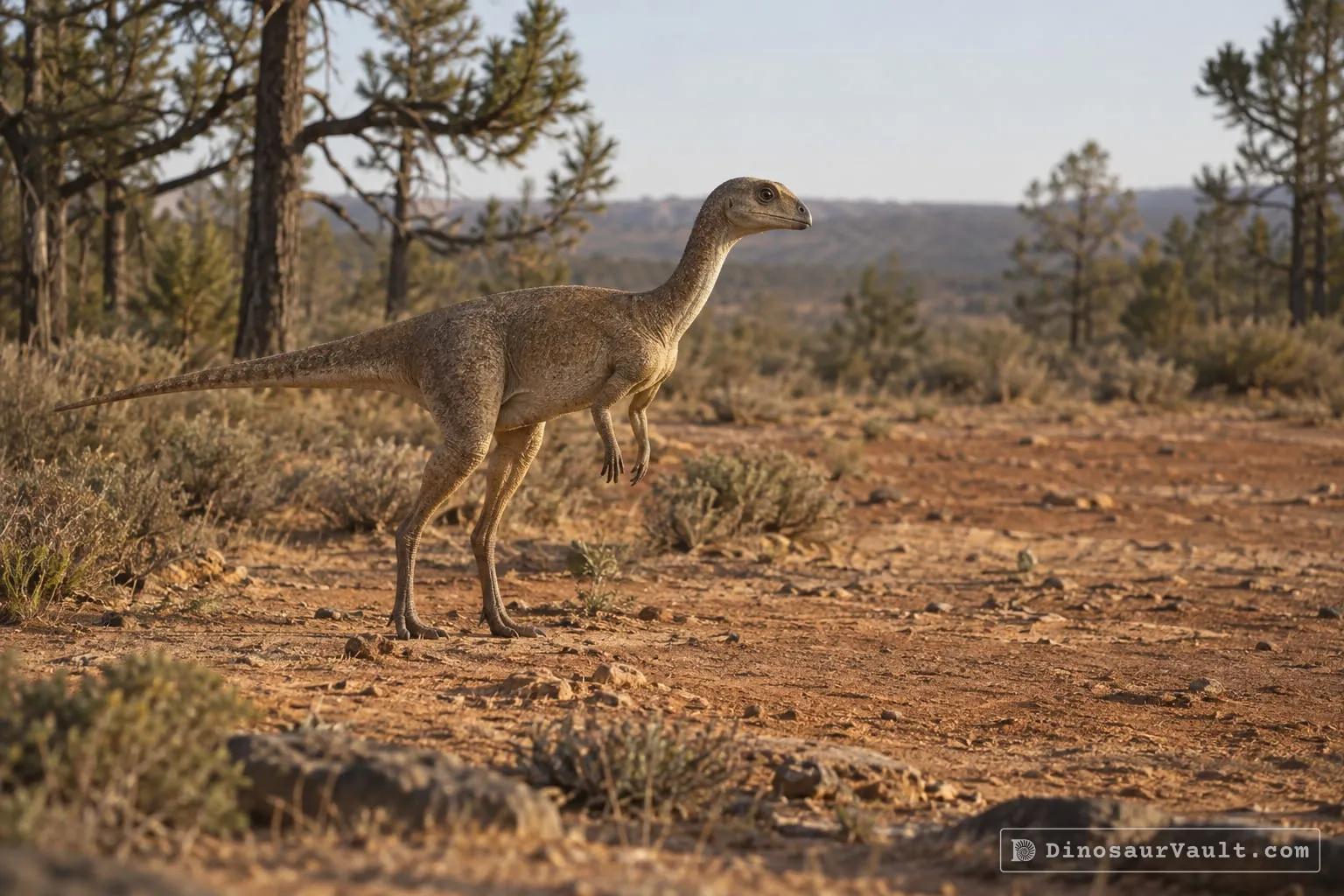
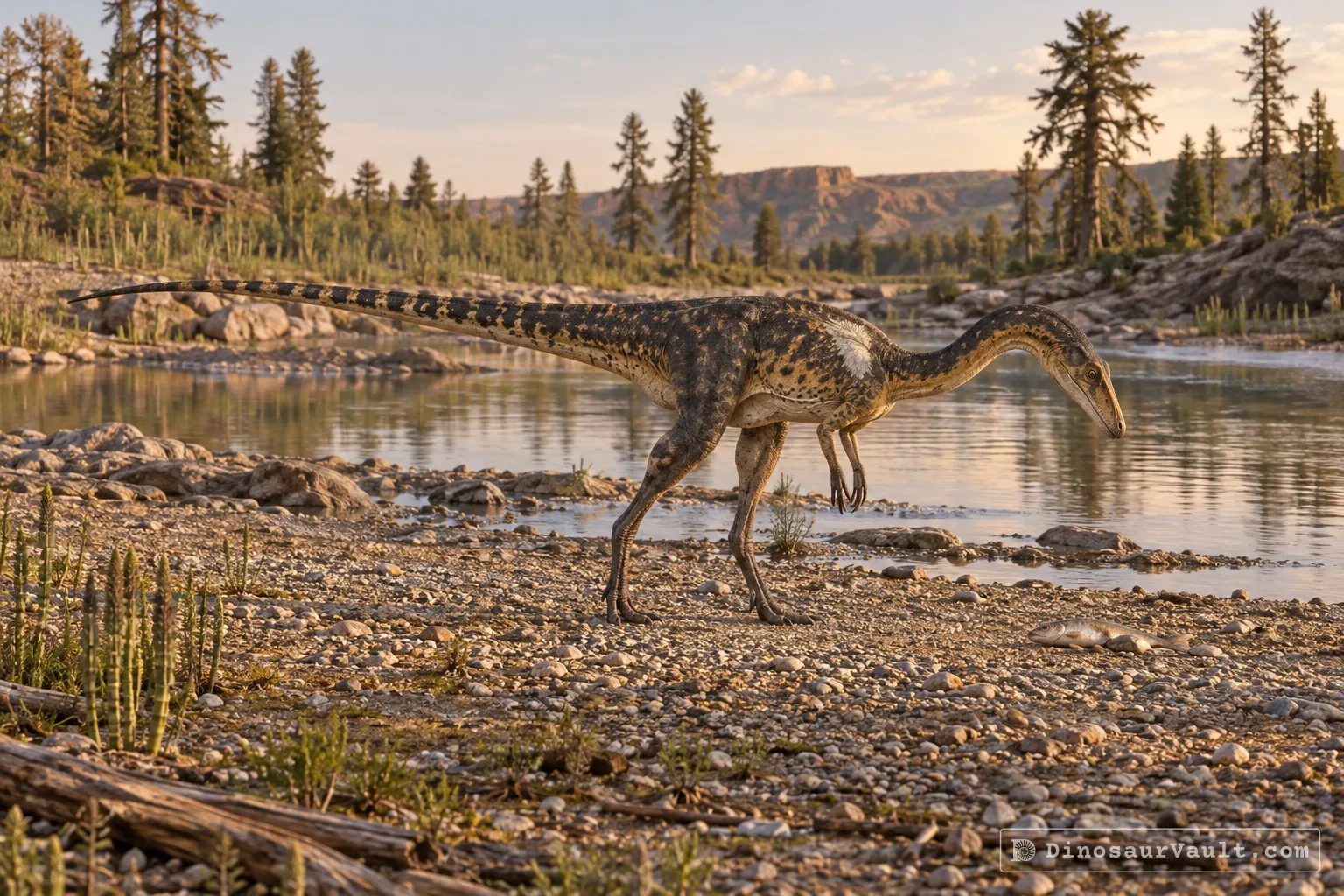
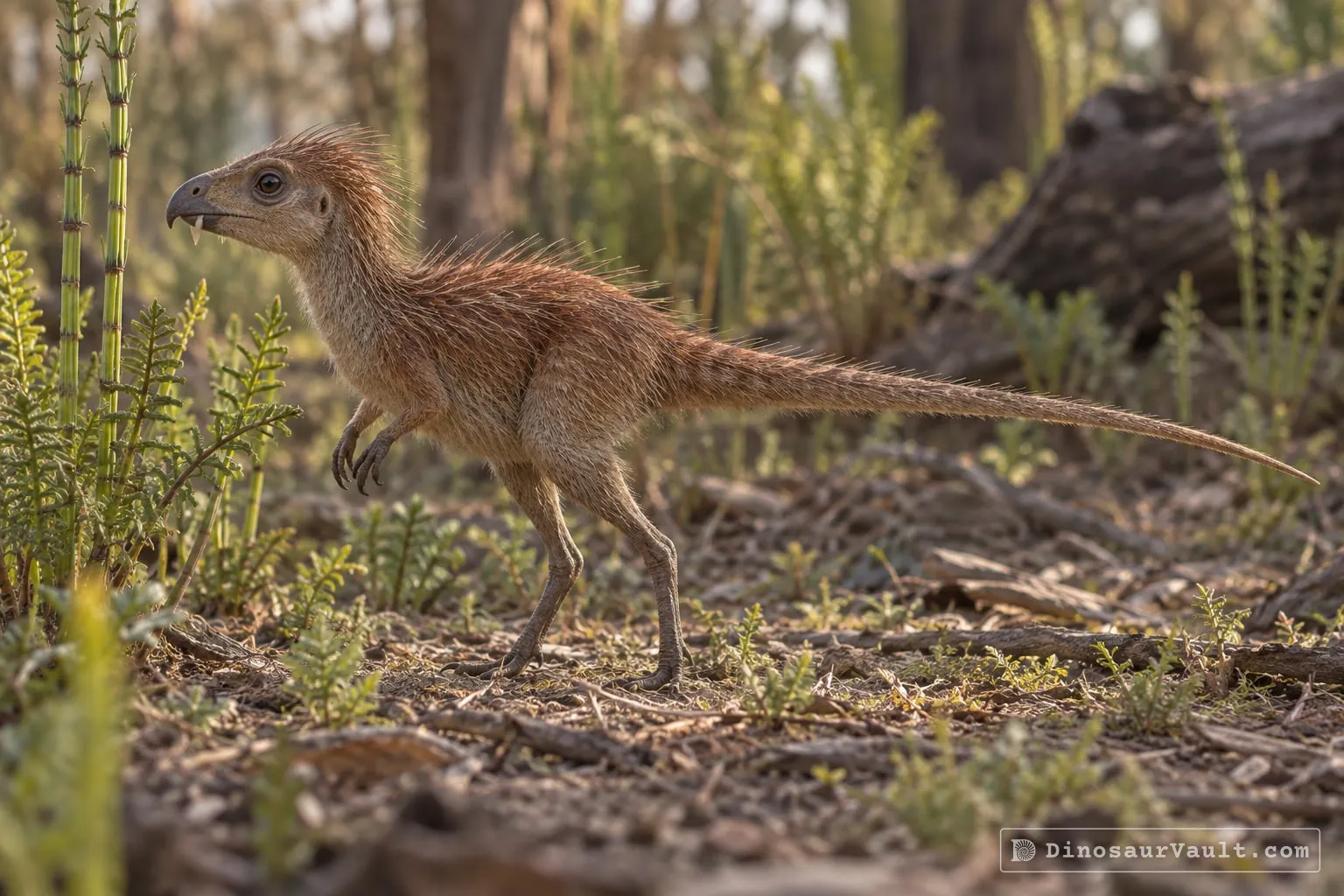


A rock formation can hold fossils laid down millions of years apart, so not every animal here met Lycorhinus.
The evidence
The science behind Lycorhinus
Which parts of the picture come from its own bones, and which come from its relatives.
From its own fossils
- Jaw material assigned to Lycorhinus preserves a large fang near the front and cheek teeth with worn chewing surfaces.
- The original lower jaw survives mainly as an impression in rock that shows a large curved fang.
Borrowed from relatives
- The head beyond the jaws, the arms, legs and tail are restored from Heterodontosaurus.
Still unknown
- Whether its skin carried bristles, scales or both.
- Its body proportions, color and the purpose of its fang.
- Whether a partial skull once assigned to Lycorhinus belongs to it was long disputed; a later revision and a subsequent family-tree study both support the referral.
Discovery timeline
- 1924Named itHaughton
- 2009SkinZheng et al.
- 2012RedescriptionSereno
- 2016Family treeBecerra et al.
Key papers
The research behind what we know of Lycorhinus
Named it
Named Lycorhinus from a partial lower jaw, initially mistaking its fang-bearing teeth for those of a mammal-like reptile.
The fauna and stratigraphy of the Stormberg Series. Annals of the South African Museum 12: 323-497
No link available
Skin
Described long, unbranched bristles preserved with Tianyulong, showing that a relative of Lycorhinus had a filamentous body covering.
An Early Cretaceous heterodontosaurid dinosaur with filamentous integumentary structures. Nature 458: 333-336
Read the paper : An Early Cretaceous heterodontosaurid dinosaur with filamentous integumentary structures (opens in a new tab)Redescription
Confirmed Lycorhinus as a distinct heterodontosaur and examined its jaws, tooth wear and relationships to other small plant eaters.
Taxonomy, morphology, masticatory function and phylogeny of heterodontosaurid dinosaurs. ZooKeys 226: 1-225
Read the paper : Taxonomy, morphology, masticatory function and phylogeny of heterodontosaurid dinosaurs (opens in a new tab)Family tree
Tested a disputed partial skull separately from Lycorhinus jaw material and recovered them together, supporting the proposed referral.
New heterodontosaurid remains from the Cañadón Asfalto Formation: cursoriality and the functional importance of the pes in small heterodontosaurids. Journal of Paleontology 90: 555-577
Read the paper : New heterodontosaurid remains from the Cañadón Asfalto Formation: cursoriality and the functional importance of the pes in small heterodontosaurids (opens in a new tab)
Close relatives
Other members of Heterodontosauridae


Sources: Wikidata