Manidens
"hand tooth"
- Lived
- 184 to 171 million years ago, Early Jurassic to Middle Jurassic
- Diet
- Herbivore
- Group
- Early ornithischians, Heterodontosauridae
- Found in
- Argentina
- Named by
- Pol et al. 2011
Where its fossils were found
The evidence
Today

180 million years ago
Habitat
It lived around lakes in what is now Argentina. Patagosaurus, Piatnitzkysaurus and Condorraptor are also known from the same rock formation.
Field notes
About Manidens
What it was like
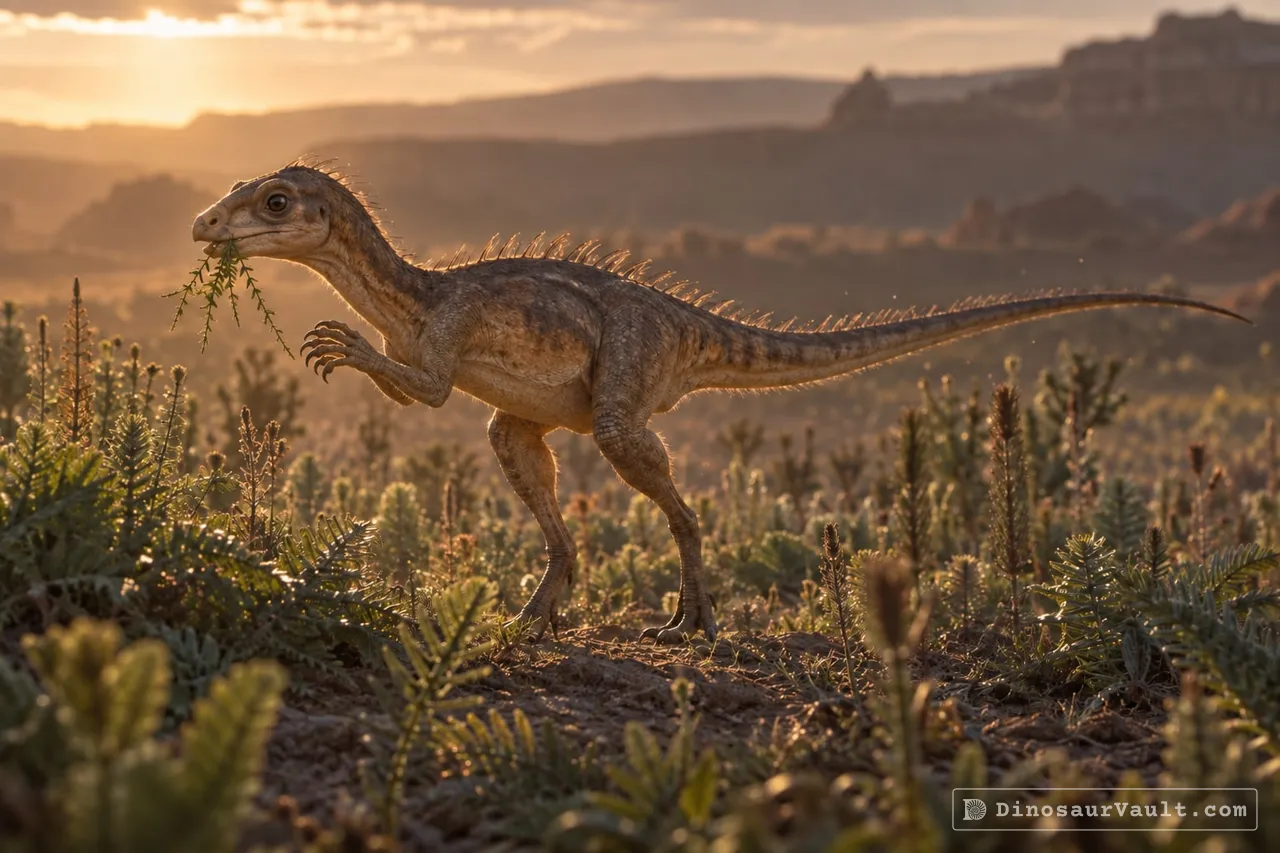
Manidens was a small plant eater from the heterodontosaurid family. It had teeth of different shapes, including a fang near the front. Its feet suggest it may have been able to grasp branches.
Its world
It lived in the Jurassic in what is now Argentina. Its bones come from the Cañadón Asfalto Formation, where it shared the land with the sauropod Patagosaurus and the predators Piatnitzkysaurus and Condorraptor.
How it was found
Pol and colleagues named it in 2011. Its name refers to its hand-shaped cheek teeth.
Field gallery
More views of Manidens
Scenes reconstructed from the available fossil evidence.
1 of 3
Lived alongside
Found in the same rock formations
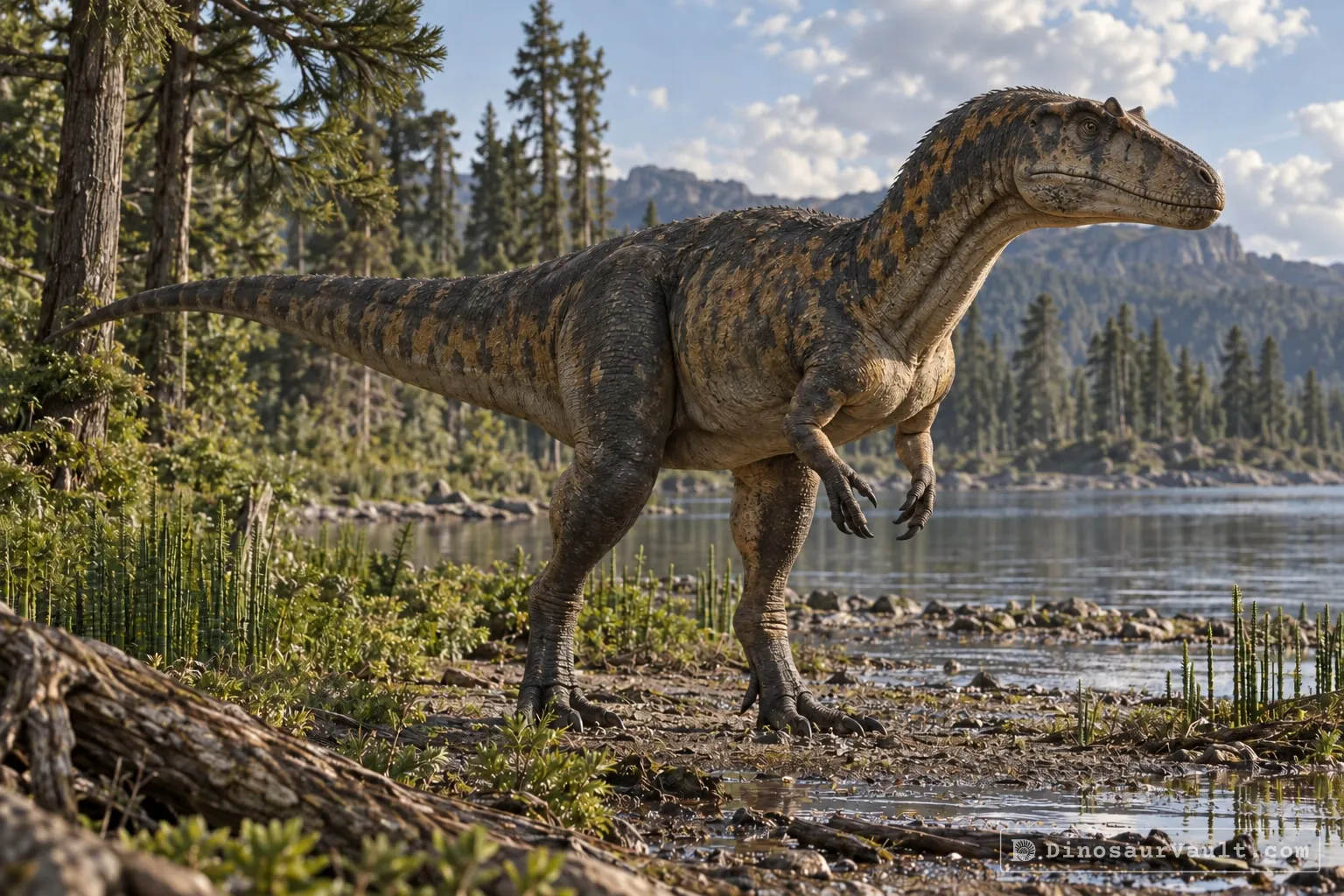
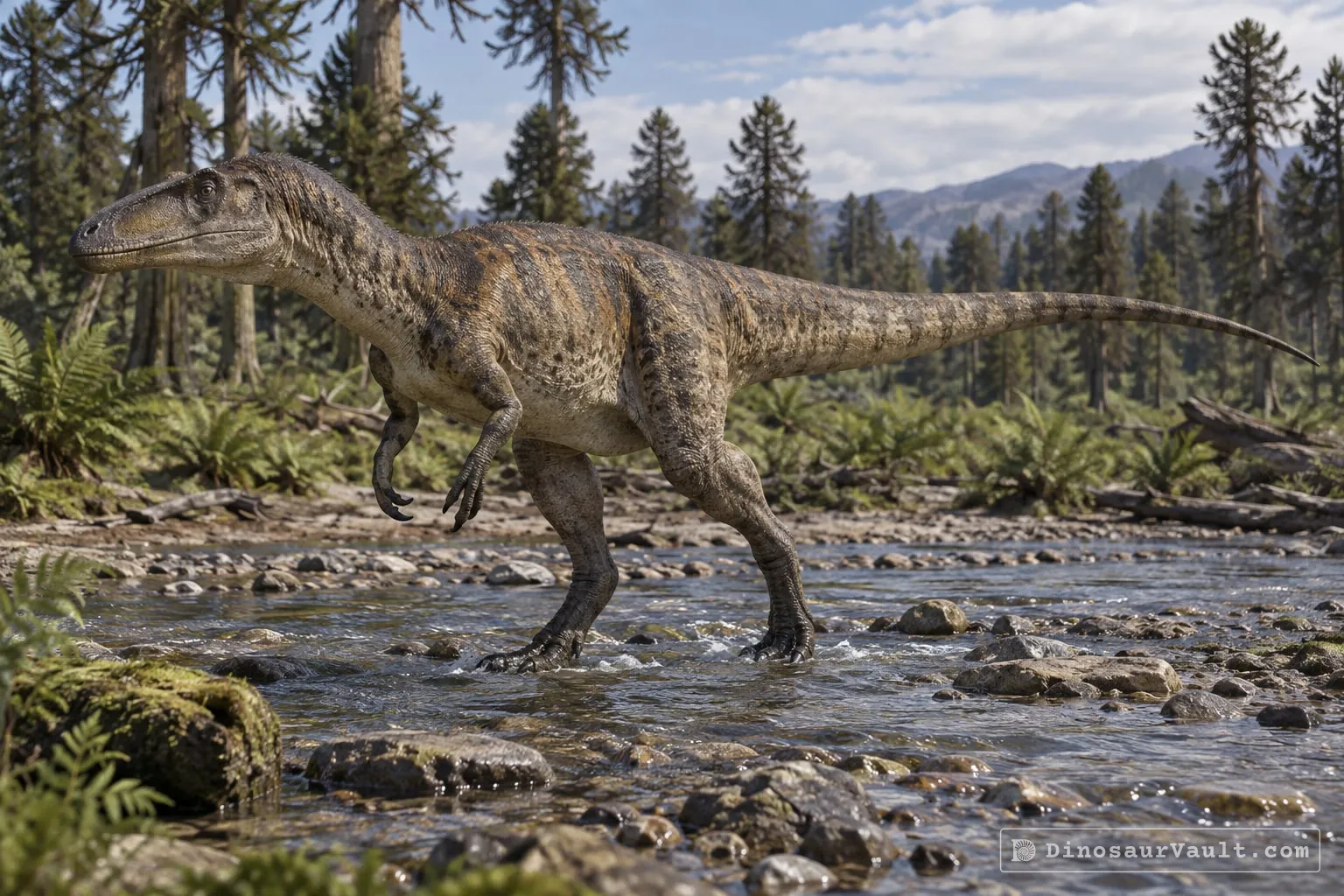
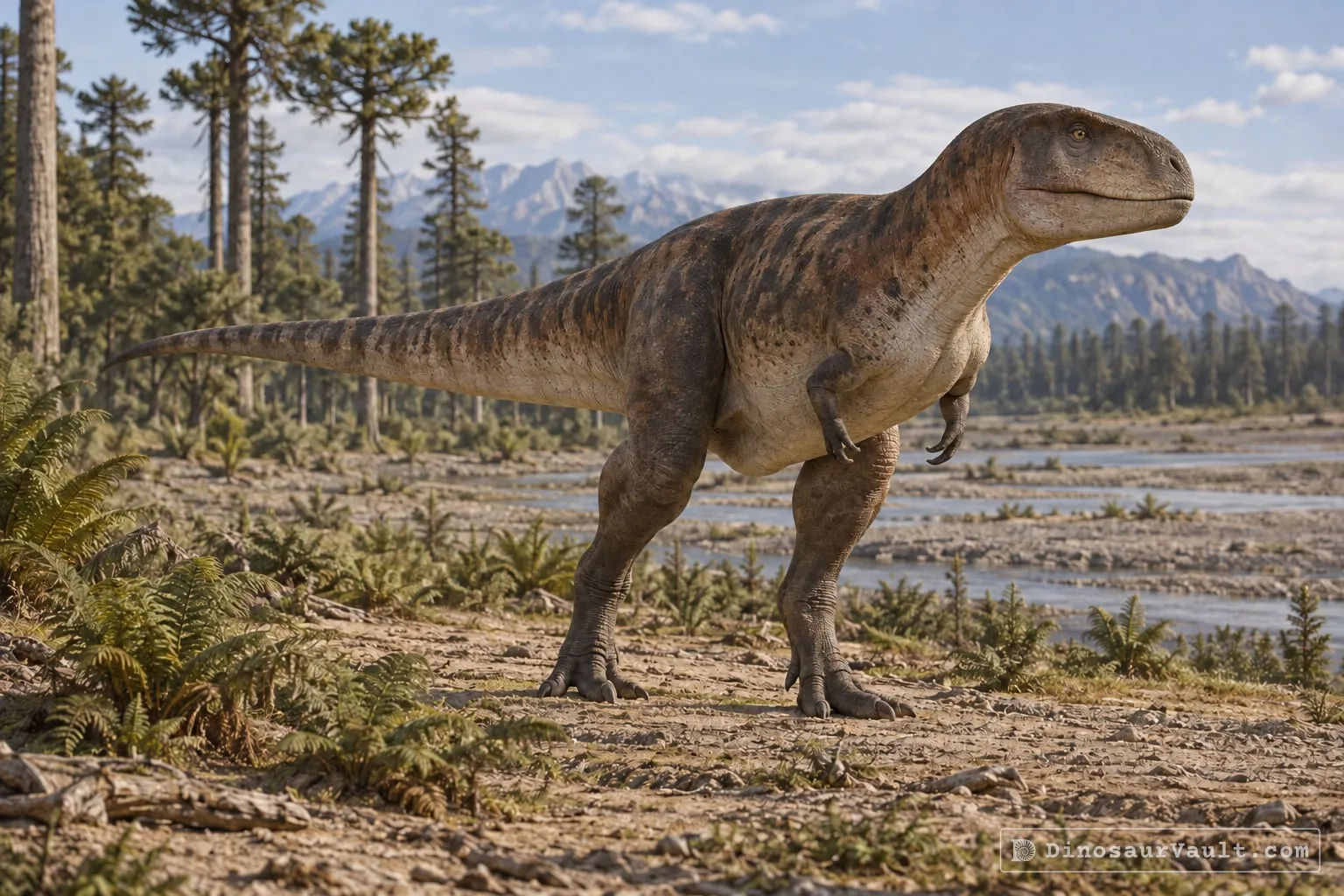
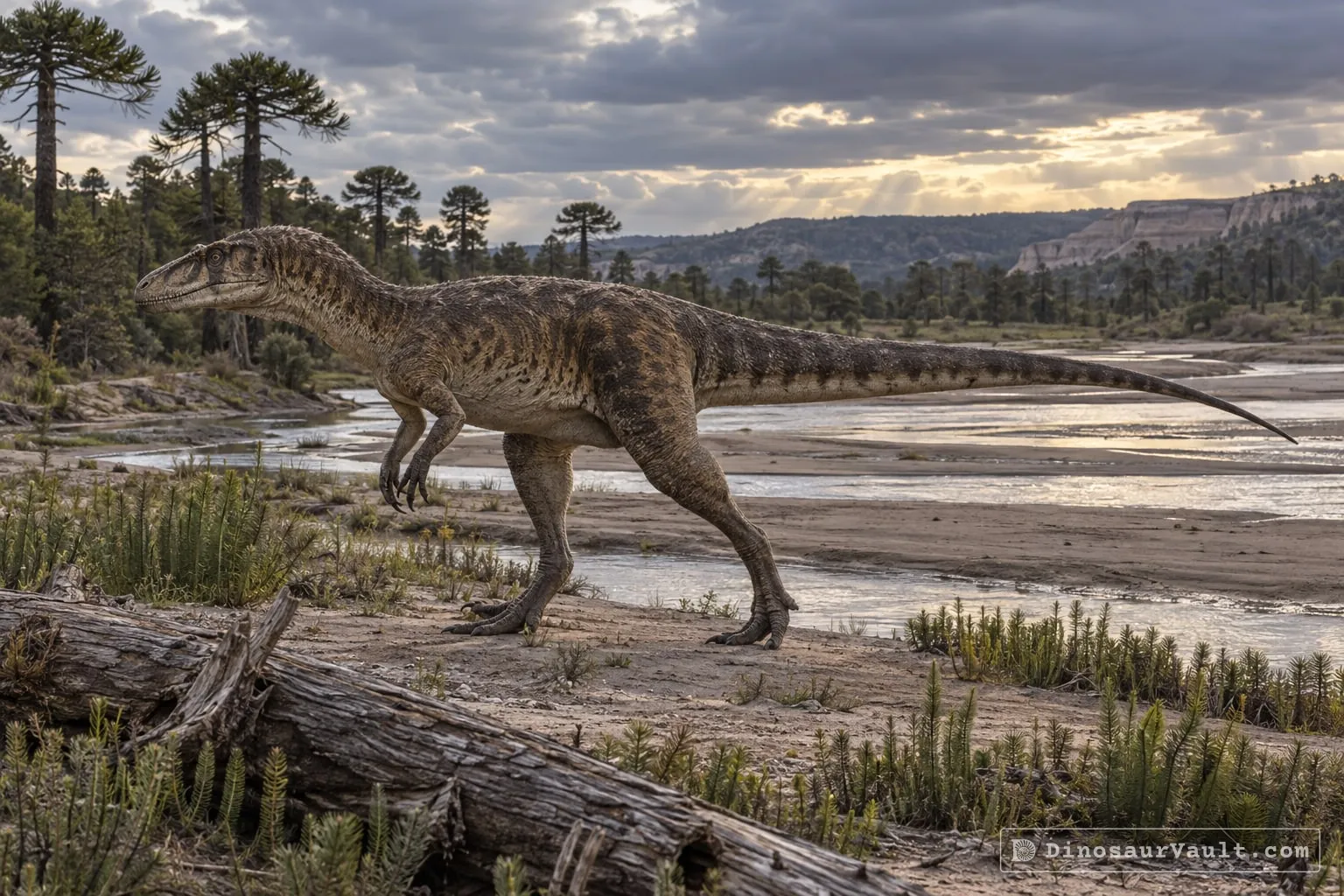
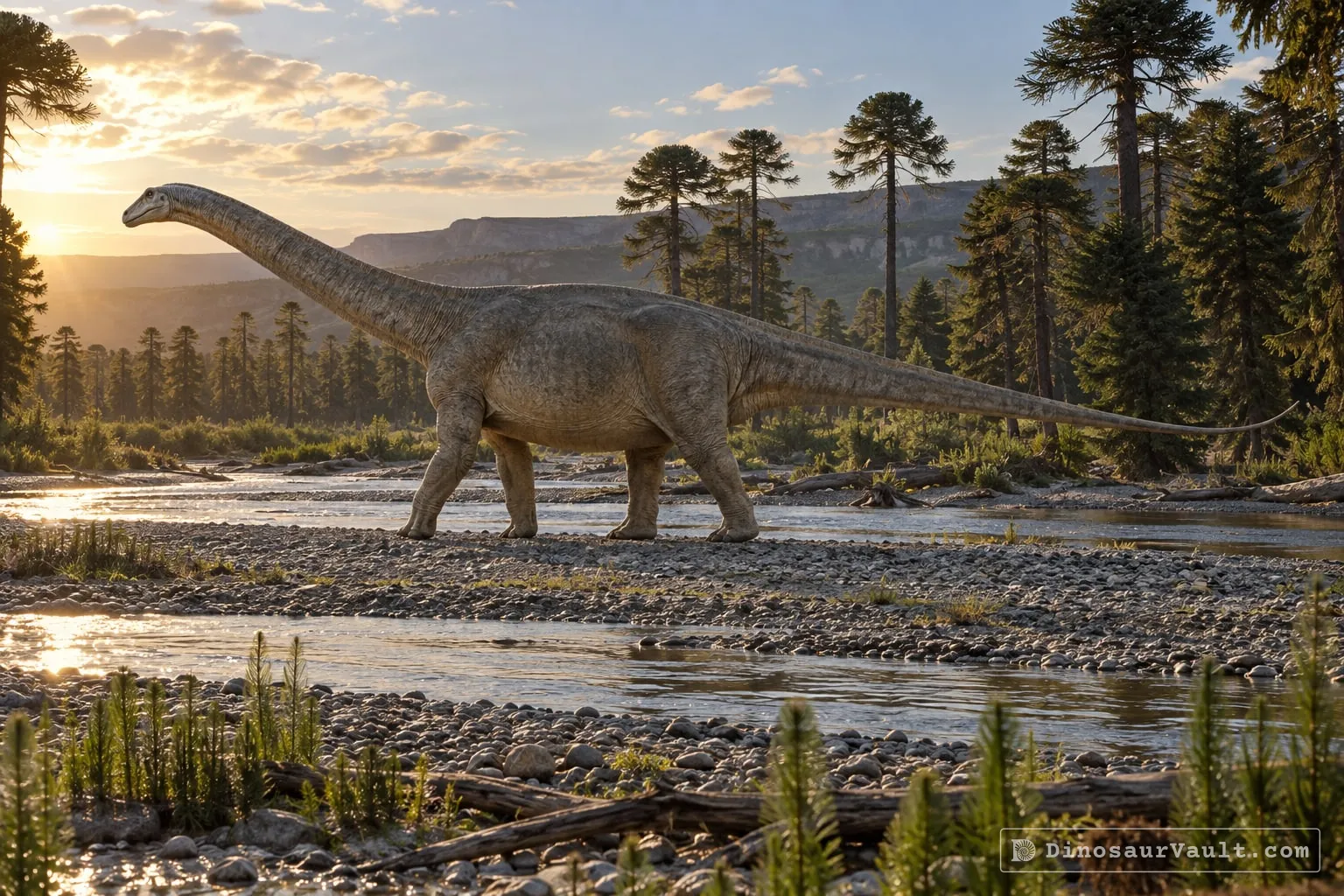
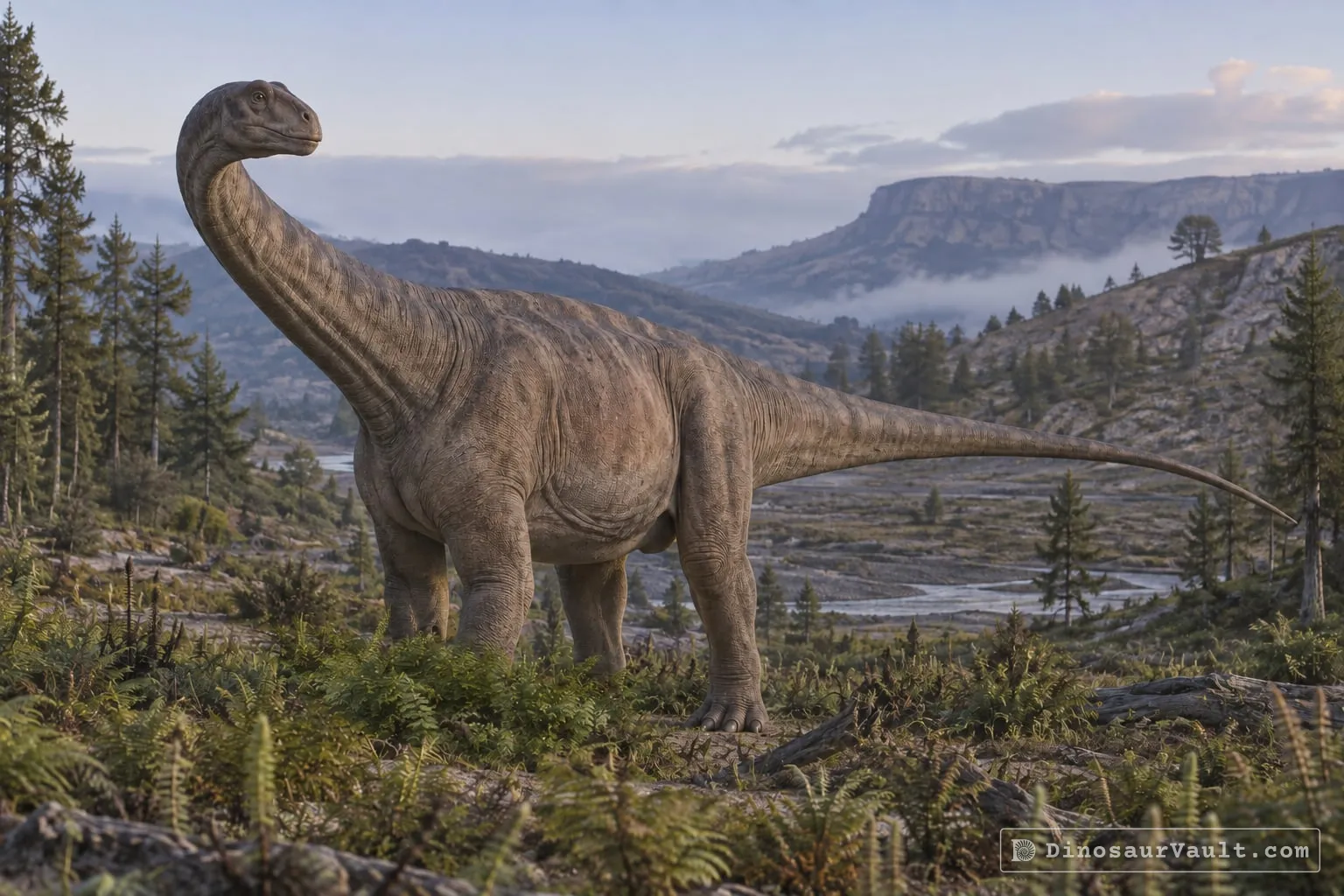
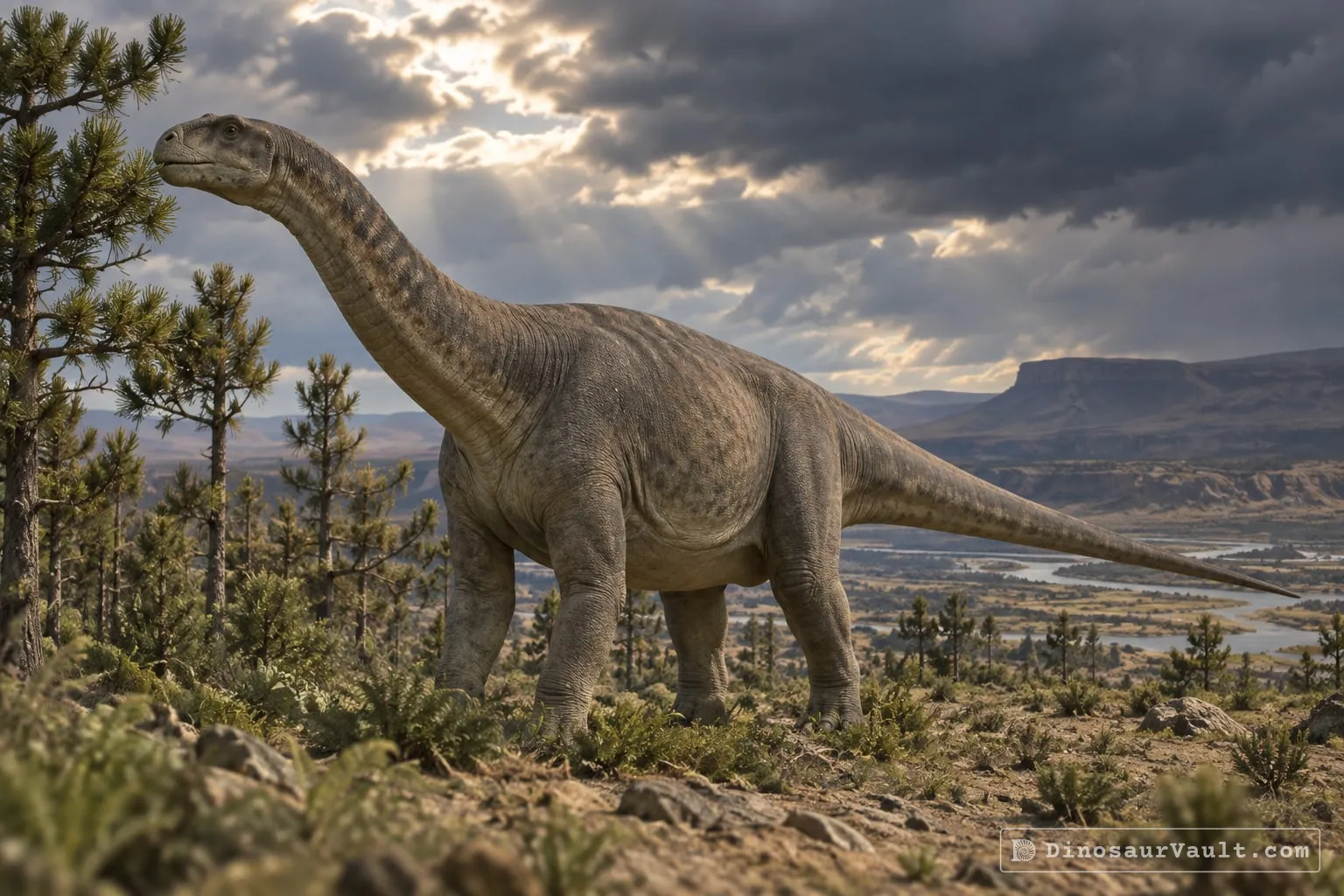


A rock formation can hold fossils laid down millions of years apart, so not every animal here met Manidens.
The evidence
The science behind Manidens
Which parts of the picture come from its own bones, and which come from its relatives.
From its own fossils
- A partial skeleton includes the skull, jaws, backbone, shoulder bones and hips.
- Upper and lower cheek teeth met along separate cutting edges as the jaws closed.
- New teeth replaced old ones in waves moving from the front of the jaw toward the back.
Borrowed from relatives
- Missing limb details are restored by comparison with Heterodontosaurus, a relative with a more complete skeleton.
Still unknown
- Its skin covering and color.
- Which plants it ate.
- Whether it regularly climbed.
Discovery timeline
- 2011Named itPol, Rauhut & Becerra
- 2018How it fedBecerra et al.
- 2020How it fedBecerra et al.
- 2025Full descriptionBecerra et al.
Key papers
The research behind what we know of Manidens
Named it
Named a small heterodontosaurid with tall cheek teeth and a mixture of features linking it to Heterodontosaurus and other relatives.
A Middle Jurassic heterodontosaurid dinosaur from Patagonia and the evolution of heterodontosaurids. Naturwissenschaften 98: 369-379
Read the paper : A Middle Jurassic heterodontosaurid dinosaur from Patagonia and the evolution of heterodontosaurids (opens in a new tab)How it fed
Found that differently shaped upper and lower teeth used separate cutting edges during chewing.
Heterodonty and double occlusion in Manidens condorensis: a unique adaptation in an Early Jurassic ornithischian improving masticatory efficiency. The Science of Nature 105
Read the paper : Heterodonty and double occlusion in Manidens condorensis: a unique adaptation in an Early Jurassic ornithischian improving masticatory efficiency (opens in a new tab)How it fed
Tracked tooth replacement in waves along the jaws and showed that the large fang also had a replacement tooth.
Tooth replacement in Manidens condorensis: baseline study to address the replacement pattern in dentitions of early ornithischians. Papers in Palaeontology 7: 1167-1193
Read the paper : Tooth replacement in Manidens condorensis: baseline study to address the replacement pattern in dentitions of early ornithischians (opens in a new tab)Full description
Described the backbone and body bones in detail, and found that the main skeleton belonged to an animal still growing.
Postcranial osteology of Manidens condorensis (Ornithischia: Heterodontosauridae) from the Lower Jurassic of Argentina: 3D reconstruction, histology, and phylogenetic implications. Papers in Palaeontology 11
Read the paper : Postcranial osteology of Manidens condorensis (Ornithischia: Heterodontosauridae) from the Lower Jurassic of Argentina: 3D reconstruction, histology, and phylogenetic implications (opens in a new tab)
Close relatives
Other members of Heterodontosauridae


Sources: Wikidata