Abrictosaurus
"wakeful lizard"
- Lived
- 201 to 193 million years ago, Early Jurassic
- Diet
- Herbivore
- Group
- Early ornithischians, Heterodontosauridae
- Found in
- Lesotho
- Named by
- Hopson 1975
Where its fossils were found
The evidence
Today

195 million years ago
Habitat
A seasonally dry floodplain with shallow rivers and temporary lakes in what is now Lesotho. The Elliot Formation also preserves Heterodontosaurus, Massospondylus and Lesothosaurus.
Field notes
About Abrictosaurus
What it was like
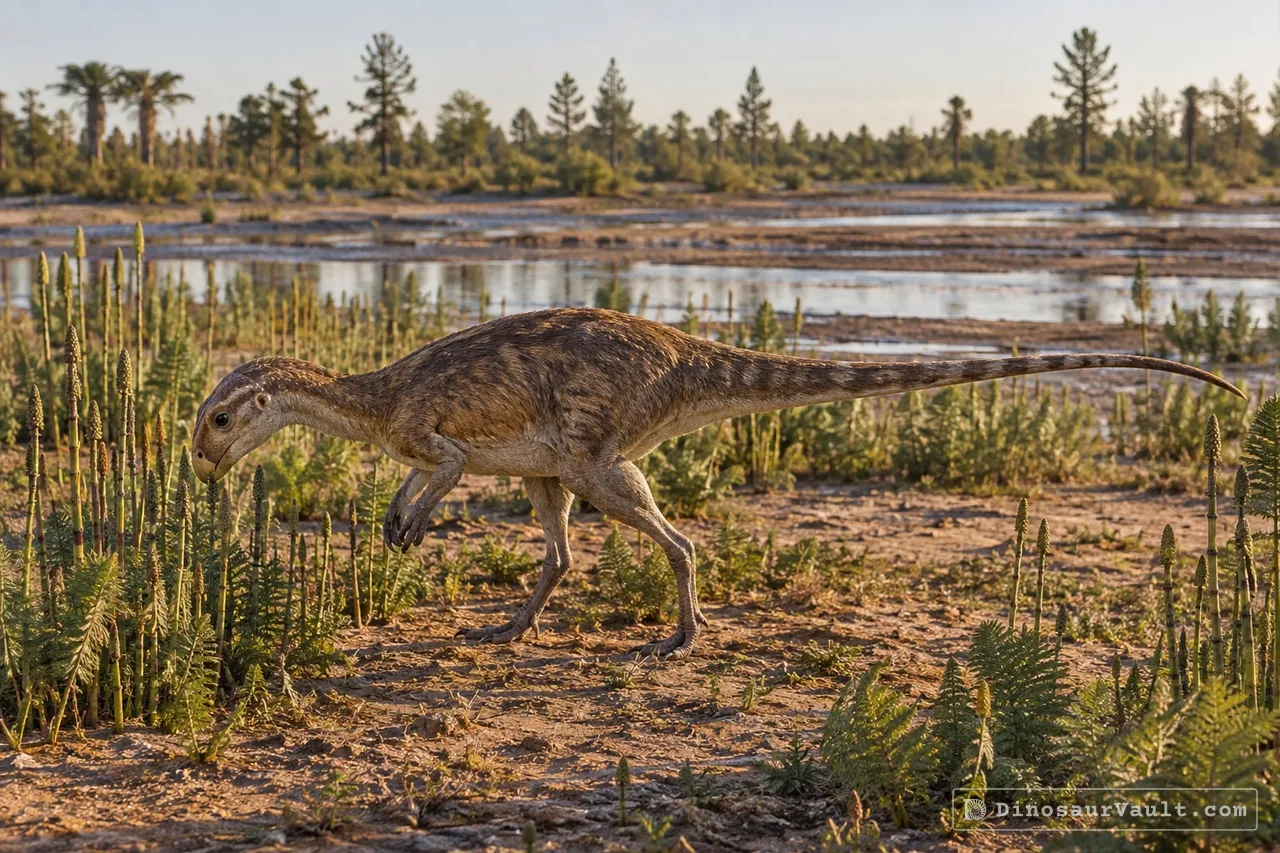
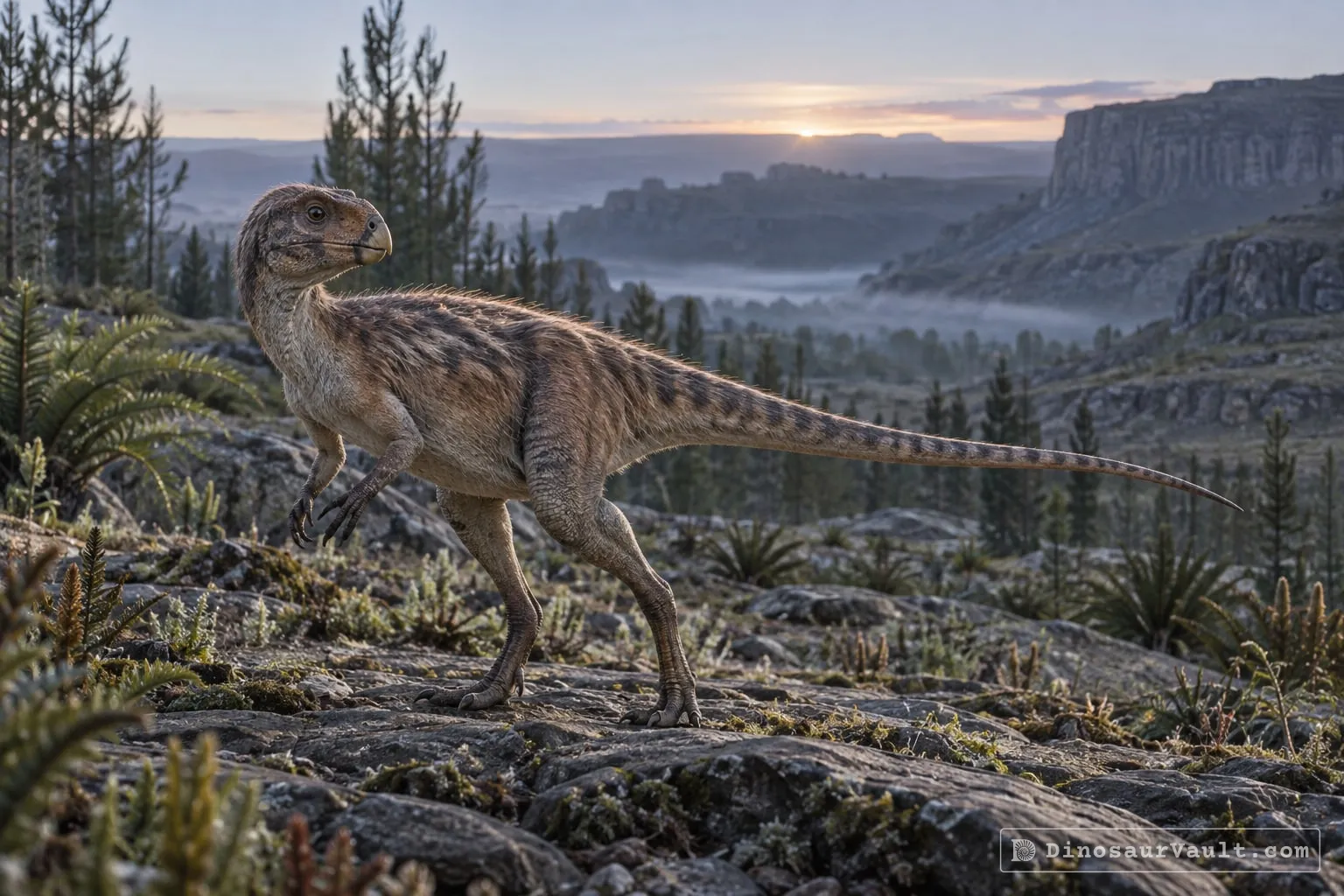
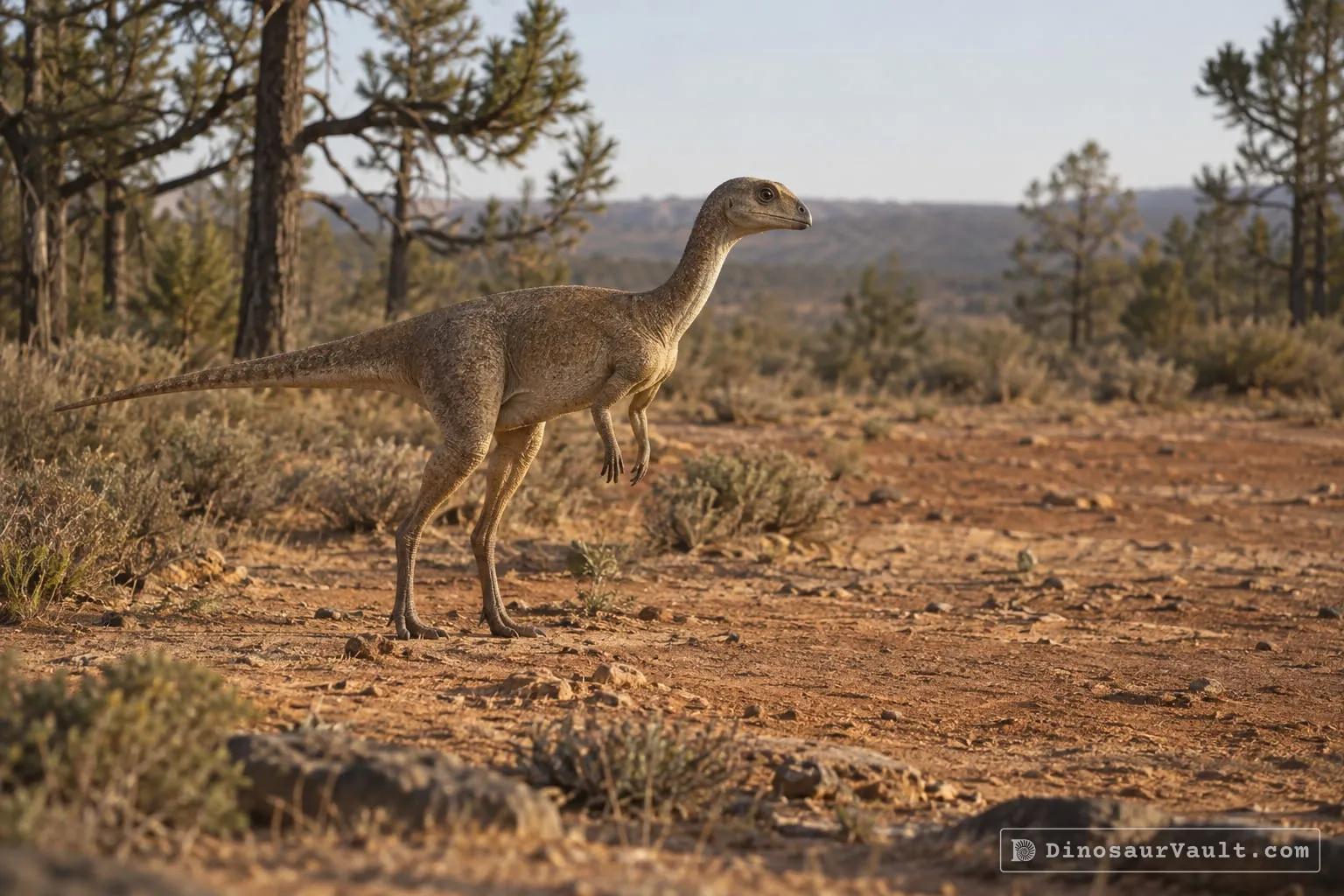
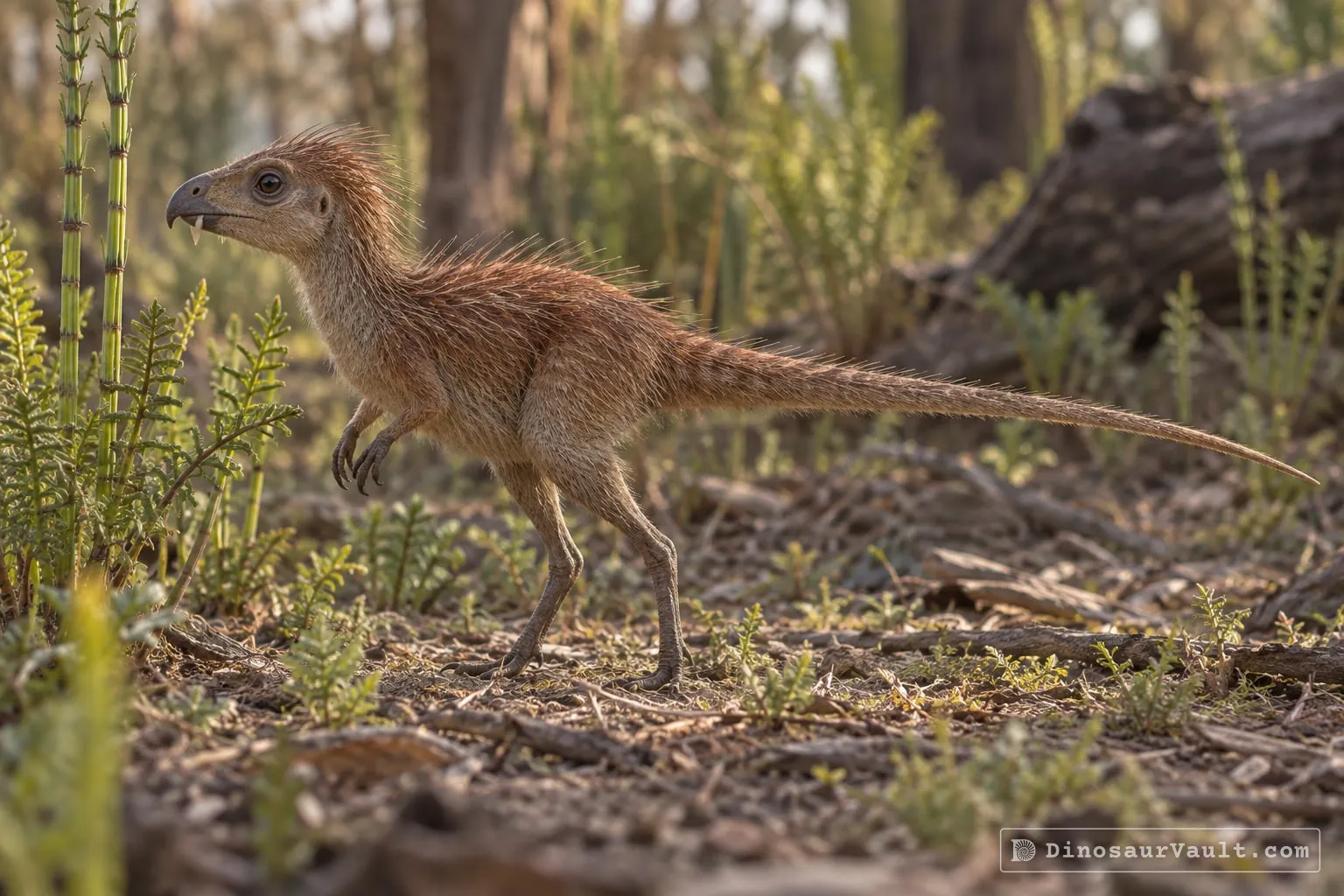
Abrictosaurus was a small heterodontosaur, a plant eater that walked on two legs. Some specimens have fangs at the front of the jaw and some do not, which may be a difference between males and females or between adults and young.
Its world
It lived in the Early Jurassic, in what is now Lesotho. It comes from the Elliot Formation, where it shared the land with its relative Heterodontosaurus, the long-necked Massospondylus and the hunters Dracovenator and Megapnosaurus.
How it was found
Hopson named Abrictosaurus in 1975. The name was a reply to an idea that heterodontosaurs slept through dry seasons.
Field gallery
More views of Abrictosaurus
Scenes reconstructed from the available fossil evidence.
Lived alongside
Found in the same rock formations
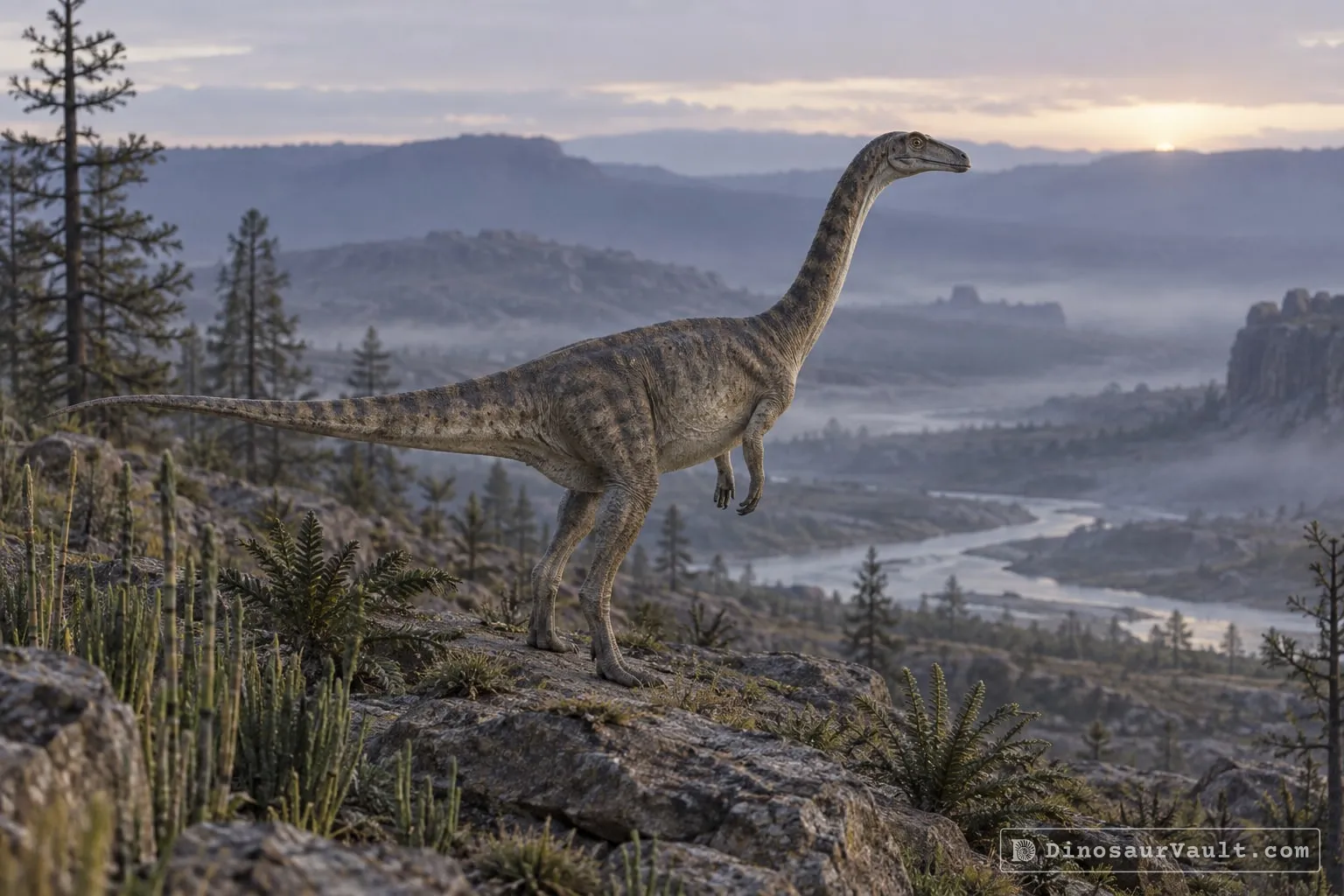
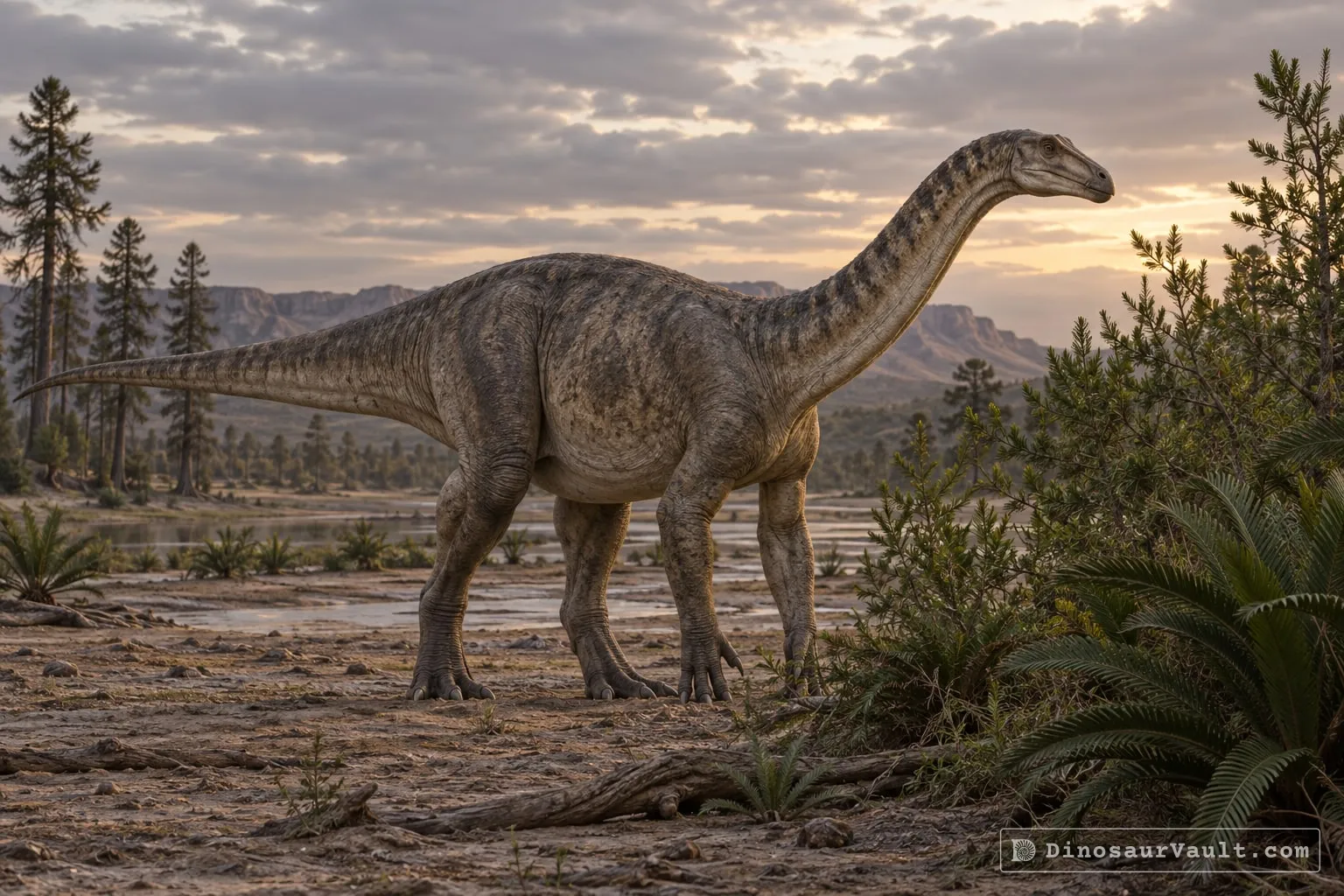
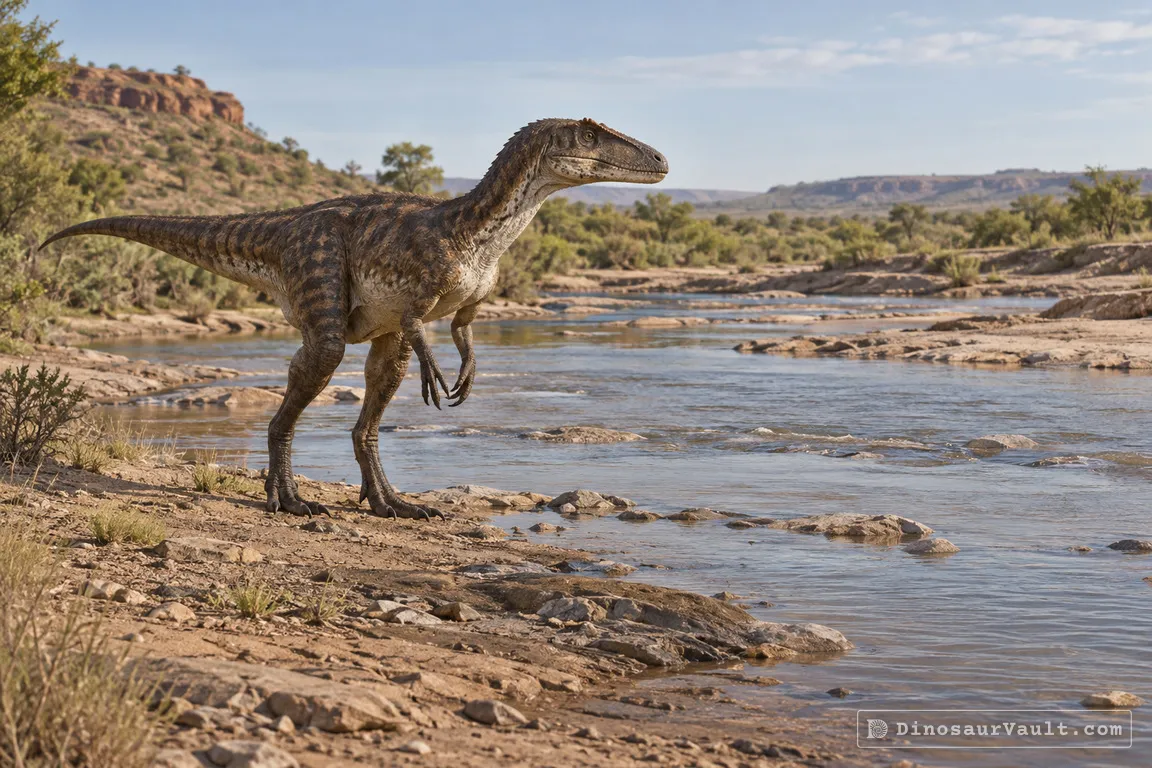
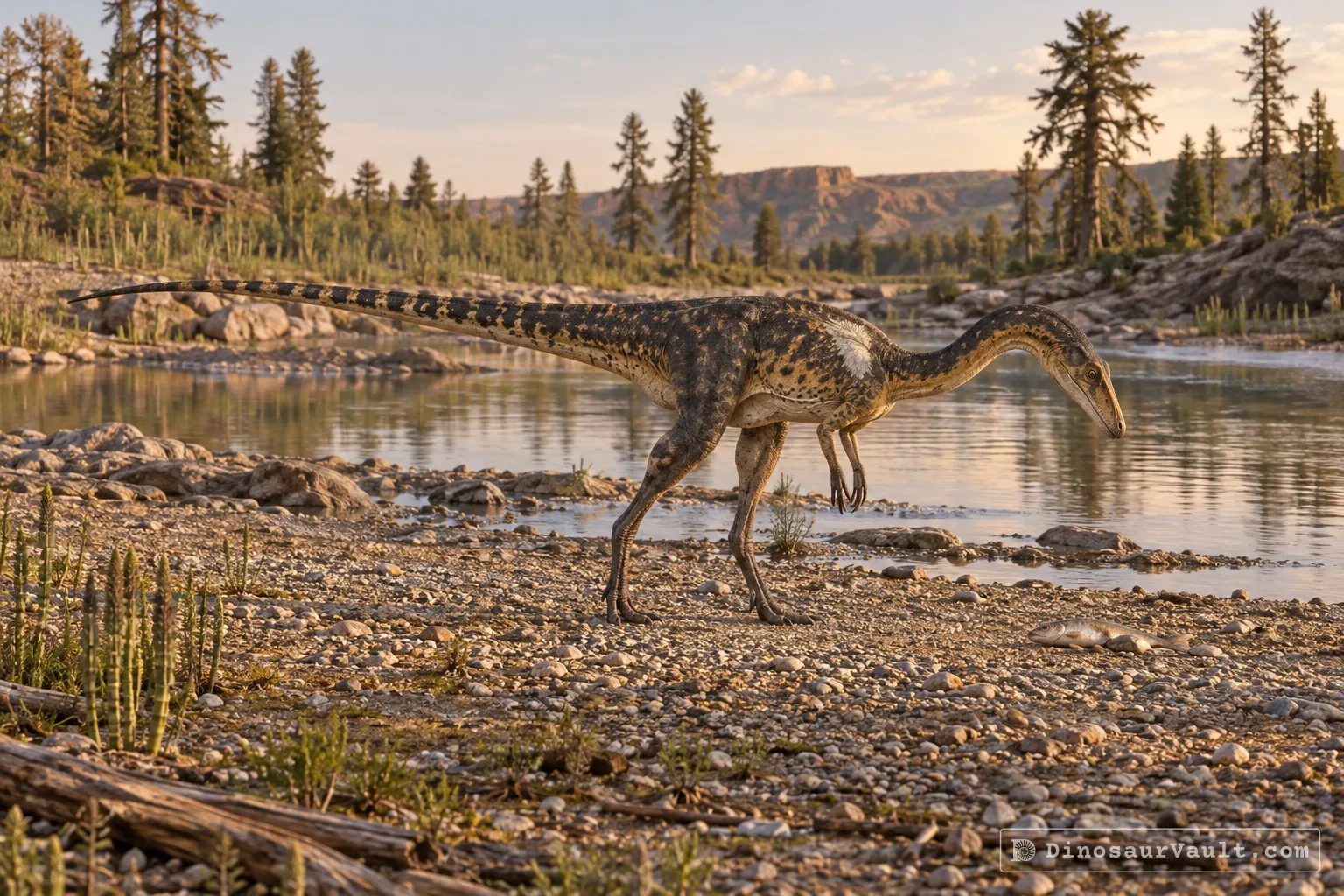


A rock formation can hold fossils laid down millions of years apart, so not every animal here met Abrictosaurus.
The evidence
The science behind Abrictosaurus
Which parts of the picture come from its own bones, and which come from its relatives.
From its own fossils
- The type specimen preserves a partial skull and an articulated skeleton with forearms, hind limbs and parts of the feet.
- The cheek teeth have tall, flat-sided crowns with worn chewing surfaces.
- An emerging replacement tooth shows that it renewed its teeth.
Borrowed from relatives
- Its missing skull roof and rear skull are compared with Heterodontosaurus.
Still unknown
- Whether its reduced front fangs reflect age or sex.
- Its skin covering, color and missing tail tip.
- Which plants made up its diet.
Discovery timeline
- 1974SkullTHULBORN
- 1975Named itHopson
- 2012RedescriptionSereno
Key papers
The research behind what we know of Abrictosaurus
Skull
First described the skull and named the species consors, originally placing it in Lycorhinus.
A new heterodontosaurid dinosaur (Reptilia: Ornithischia) from the Upper Triassic Red Beds of Lesotho. Zoological Journal of the Linnean Society 55: 151-175
Read the paper : A new heterodontosaurid dinosaur (Reptilia: Ornithischia) from the Upper Triassic Red Beds of Lesotho (opens in a new tab)Named it
Separated Abrictosaurus from Lycorhinus as a distinct genus of small plant-eating dinosaur.
On the generic separation of the ornithischian dinosaurs Lycorhinus and Heterodontosaurus from the Stormberg Series (Upper Triassic) of South Africa. South African Journal of Science 71: 302-305
No link available
Redescription
In a revision of the whole family, reexamined the skull and teeth of Abrictosaurus and identified active tooth replacement.
Taxonomy, morphology, masticatory function and phylogeny of heterodontosaurid dinosaurs. ZooKeys 226: 1-225
Read the paper : Taxonomy, morphology, masticatory function and phylogeny of heterodontosaurid dinosaurs (opens in a new tab)
Close relatives
Other members of Heterodontosauridae


Sources: Wikidata