Erketu
Type species Erketu ellisoni
- Lived
- 101 to 72 million years ago, Late Cretaceous
- Diet
- Herbivore
- Length
- about 15 m (49 ft)
- Group
- Sauropods, Euhelopodidae
- Found in
- China and Mongolia
- Named by
- Ksepka and Norell 2006
Size comparison
To scale


Scale in metersOutline: typical sauropod shape
Where its fossils were found
The evidence
Today

90 million years ago
Habitat
It lived in what is now Mongolia, among plant eaters and predators of the Baynshire Formation. Neighbors included Segnosaurus, Erlikosaurus and Achillobator.
Field notes
About Erketu
What it was like
Erketu was a sauropod about 15 meters (49 feet) long with an extremely long neck. Its neck bones are longer compared with its body than in almost any other sauropod.
Its world
It lived in the Late Cretaceous, in what is now Mongolia. It comes from the Baynshire Formation, where it shared the land with the therizinosaurs Segnosaurus and Erlikosaurus and the dromaeosaur Achillobator.
How it was found
Ksepka and Norell named Erketu in 2006. The type species is Erketu ellisoni. Its name comes from a figure of Mongolian belief.
Field gallery
More views of Erketu
Scenes reconstructed from the available fossil evidence.
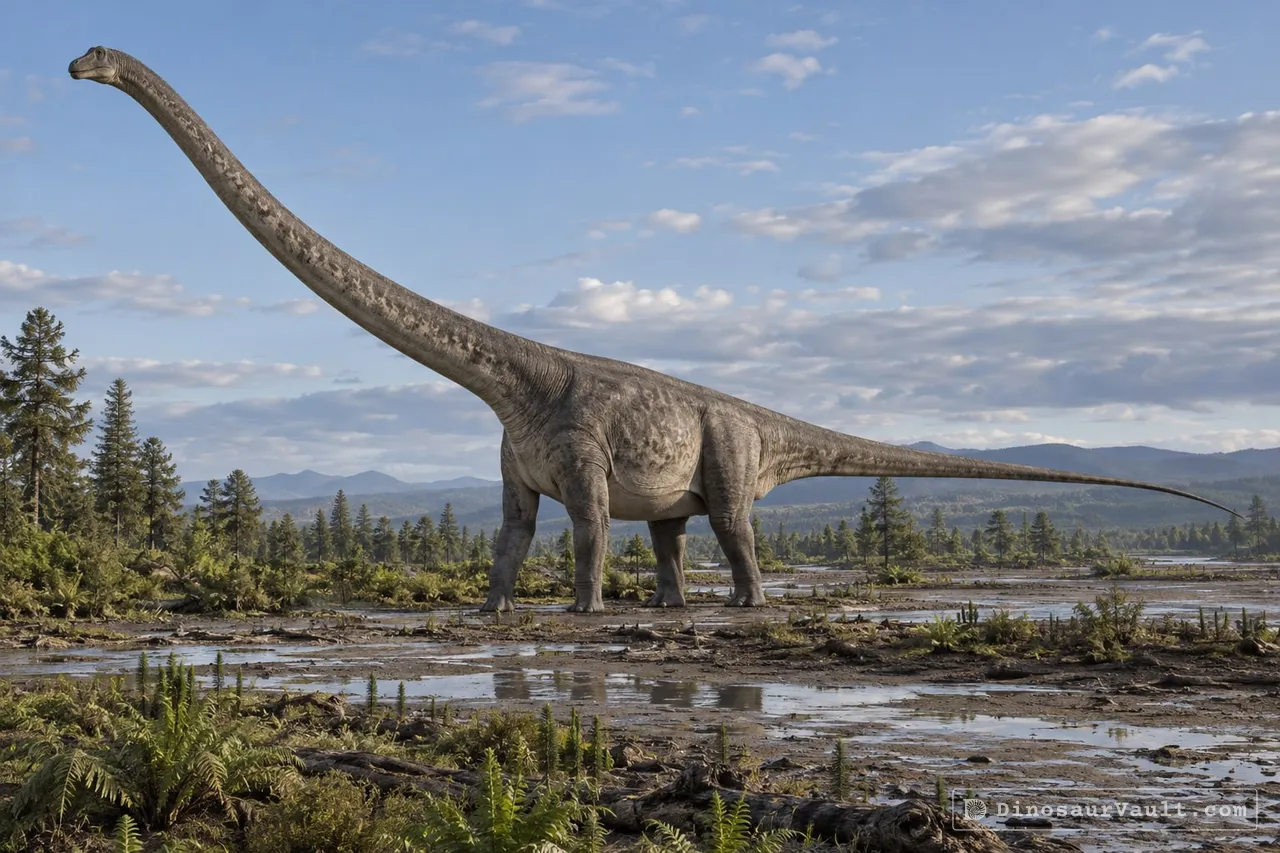
1 of 3
Lived alongside
Found in the same rock formations
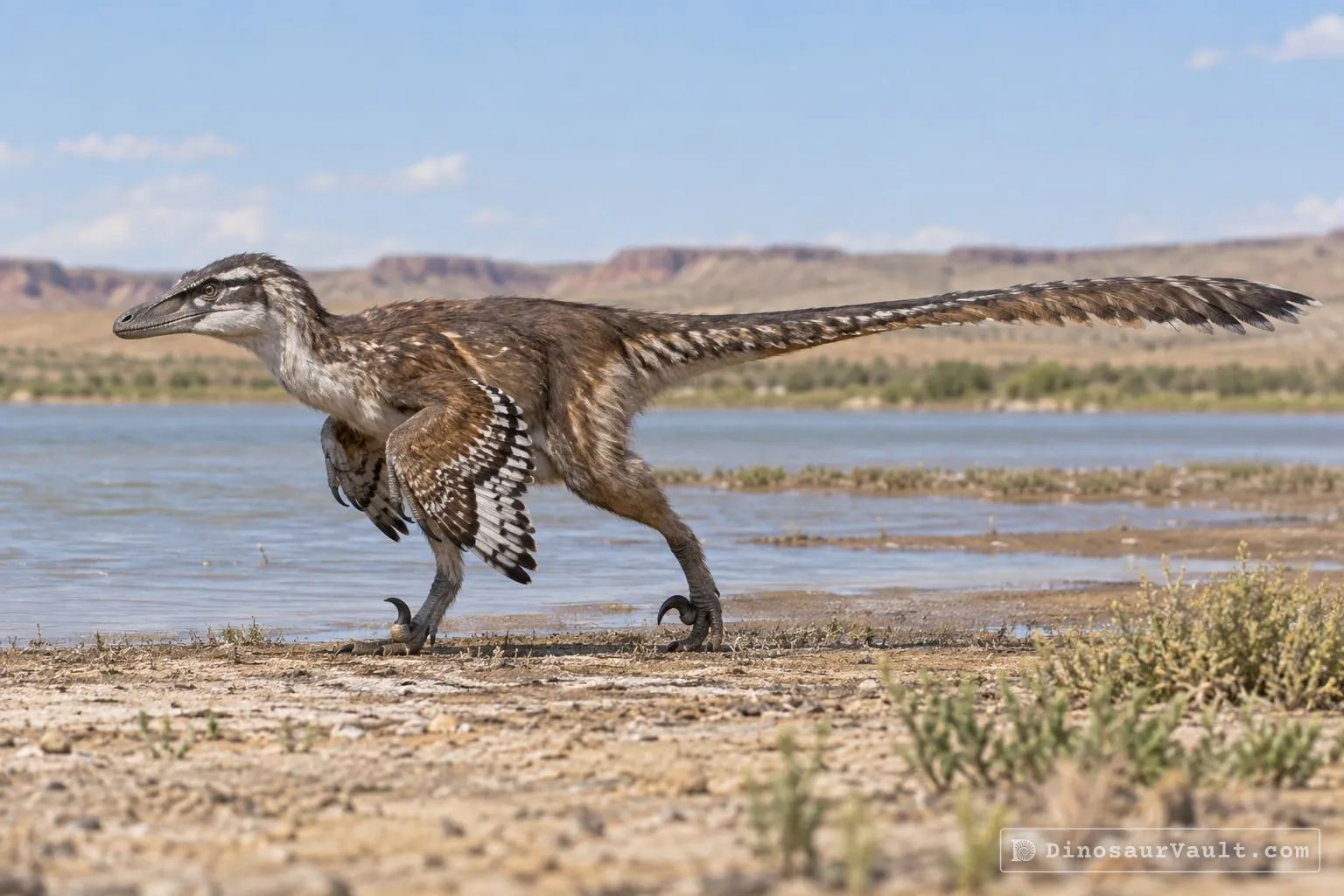
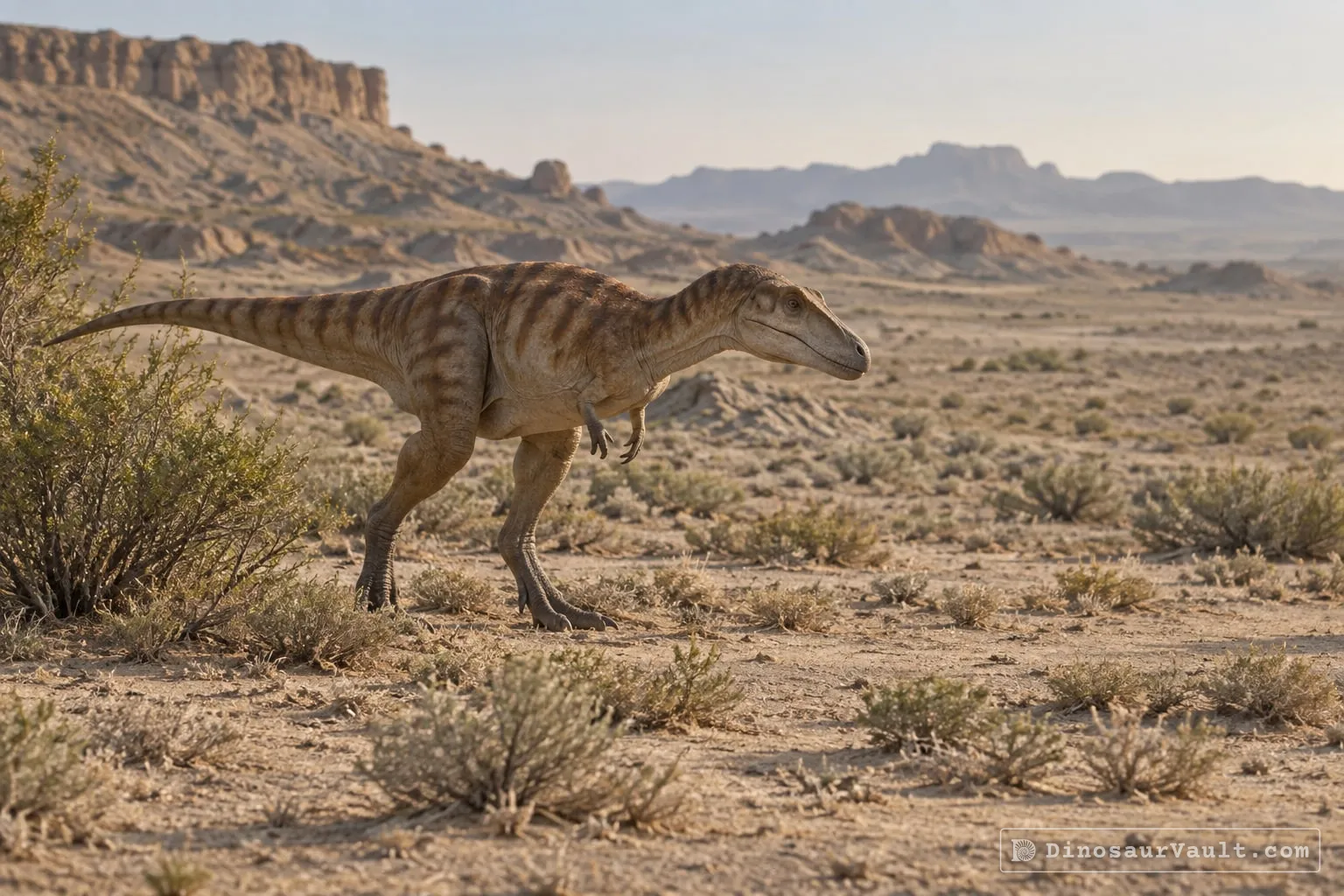
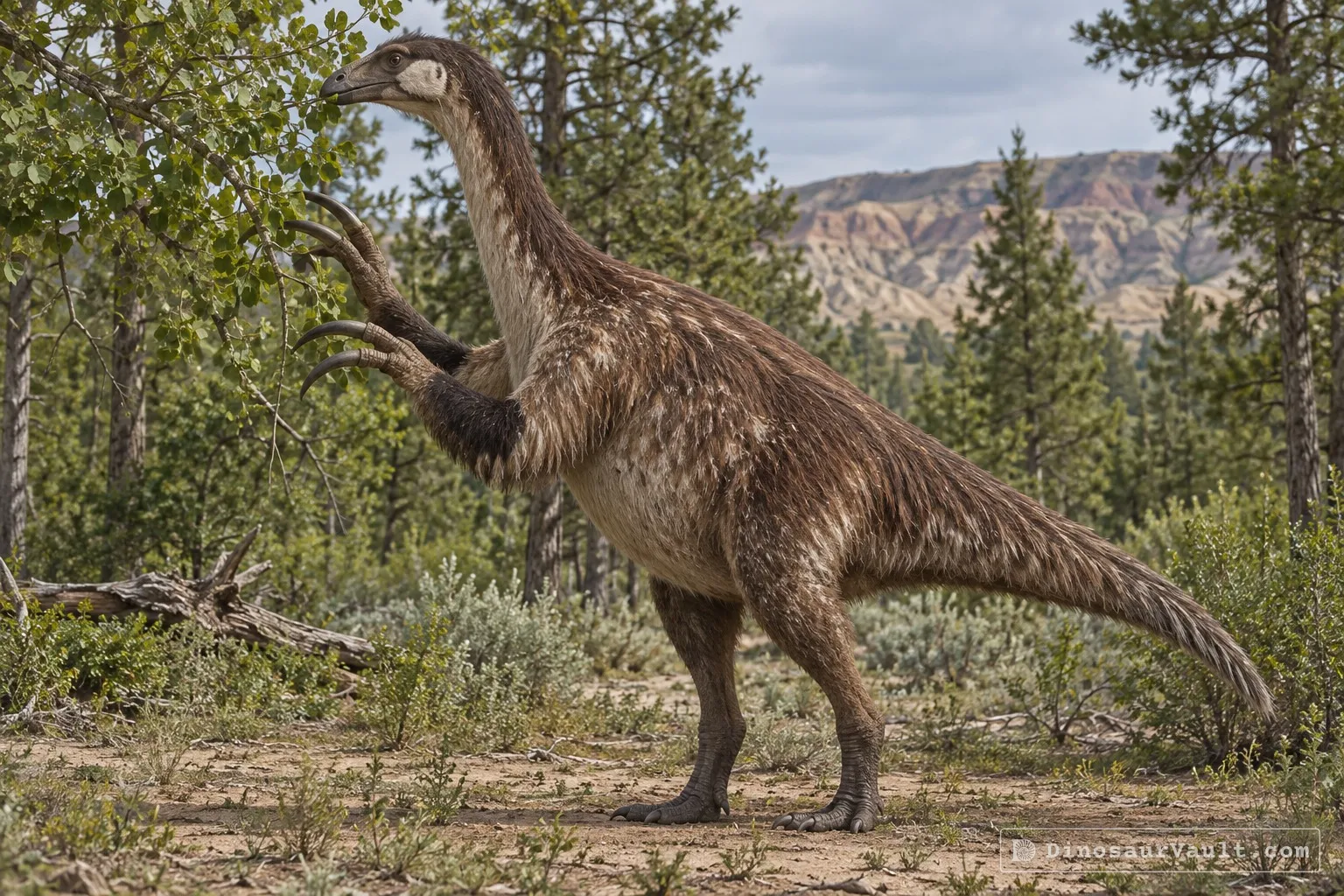
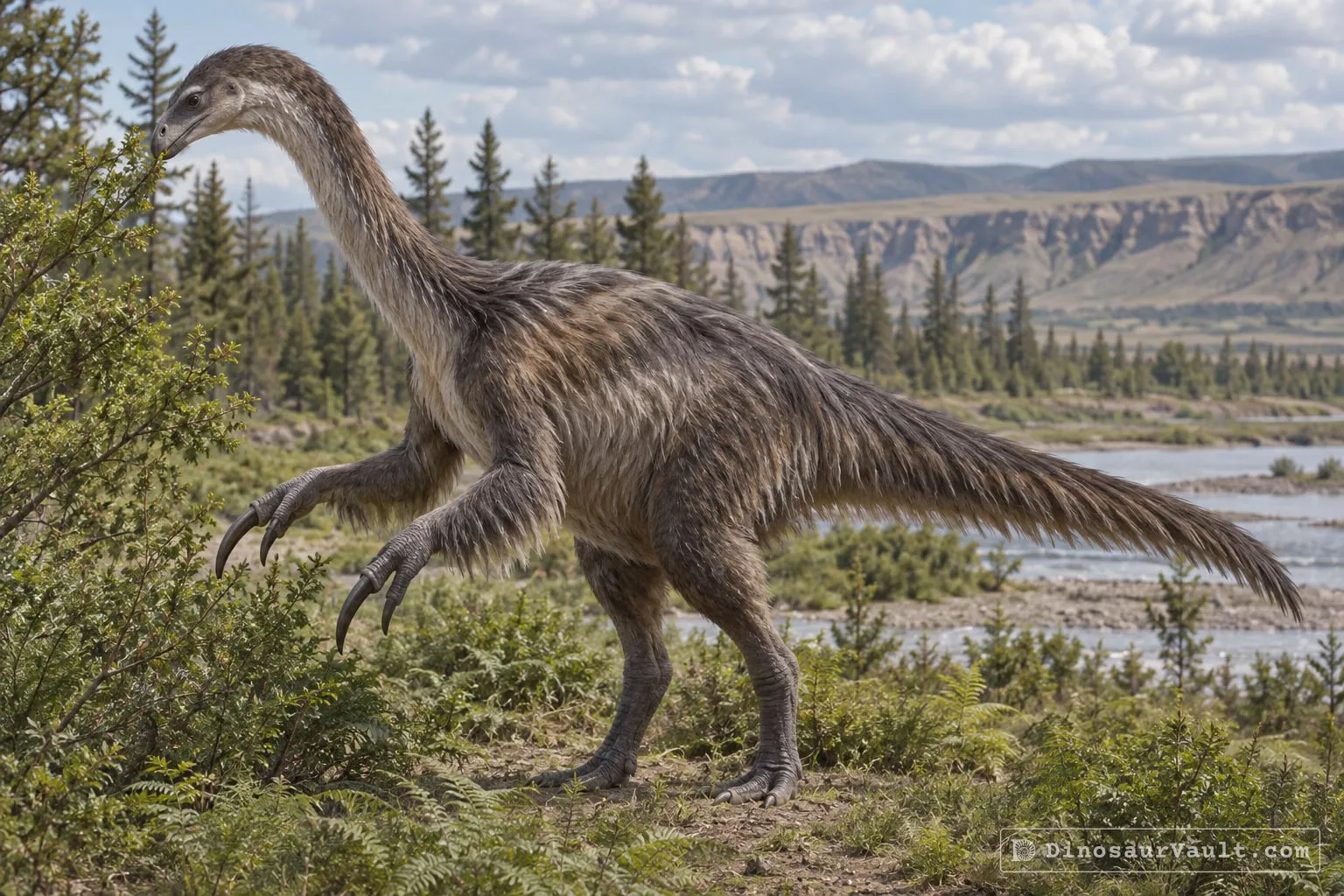
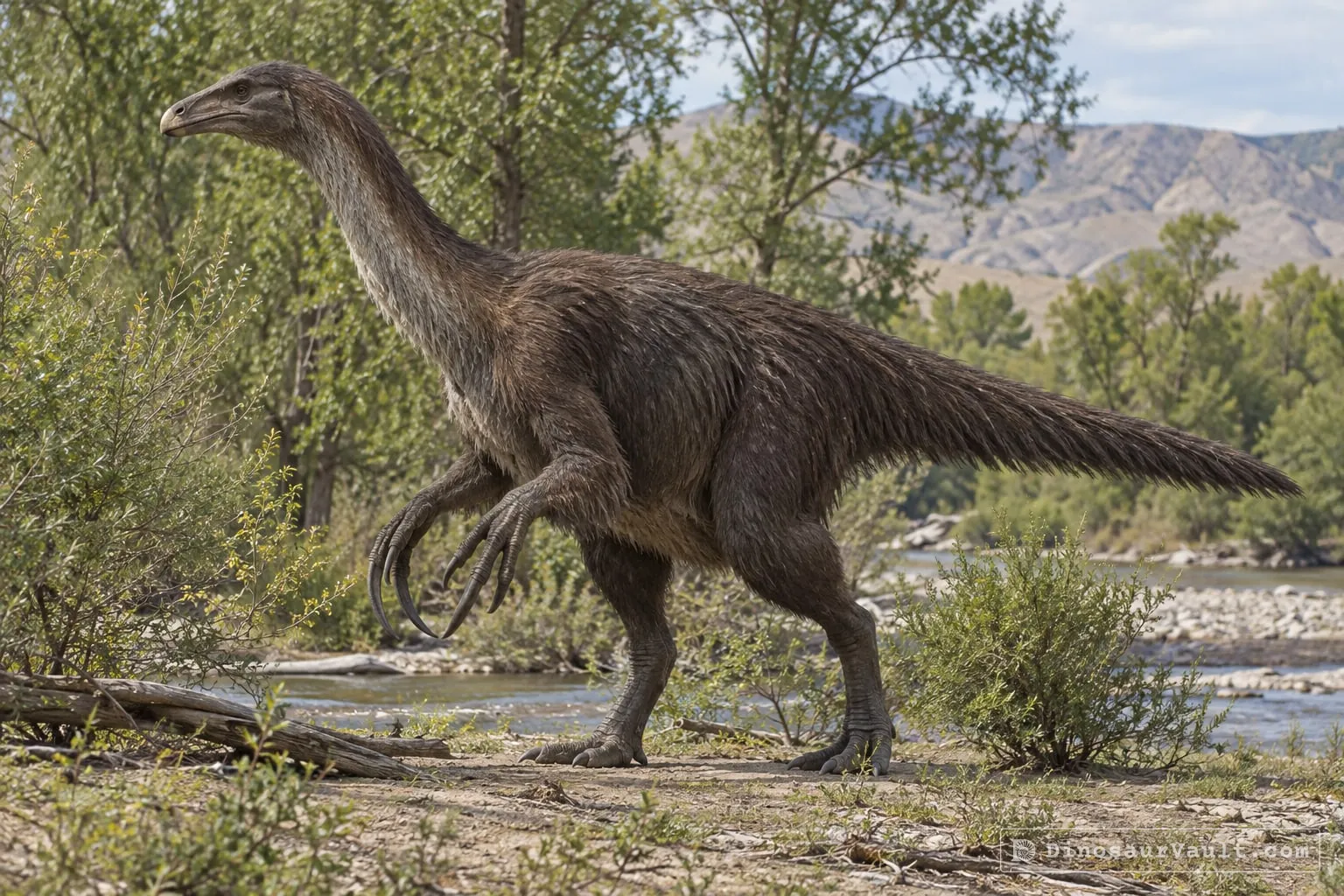
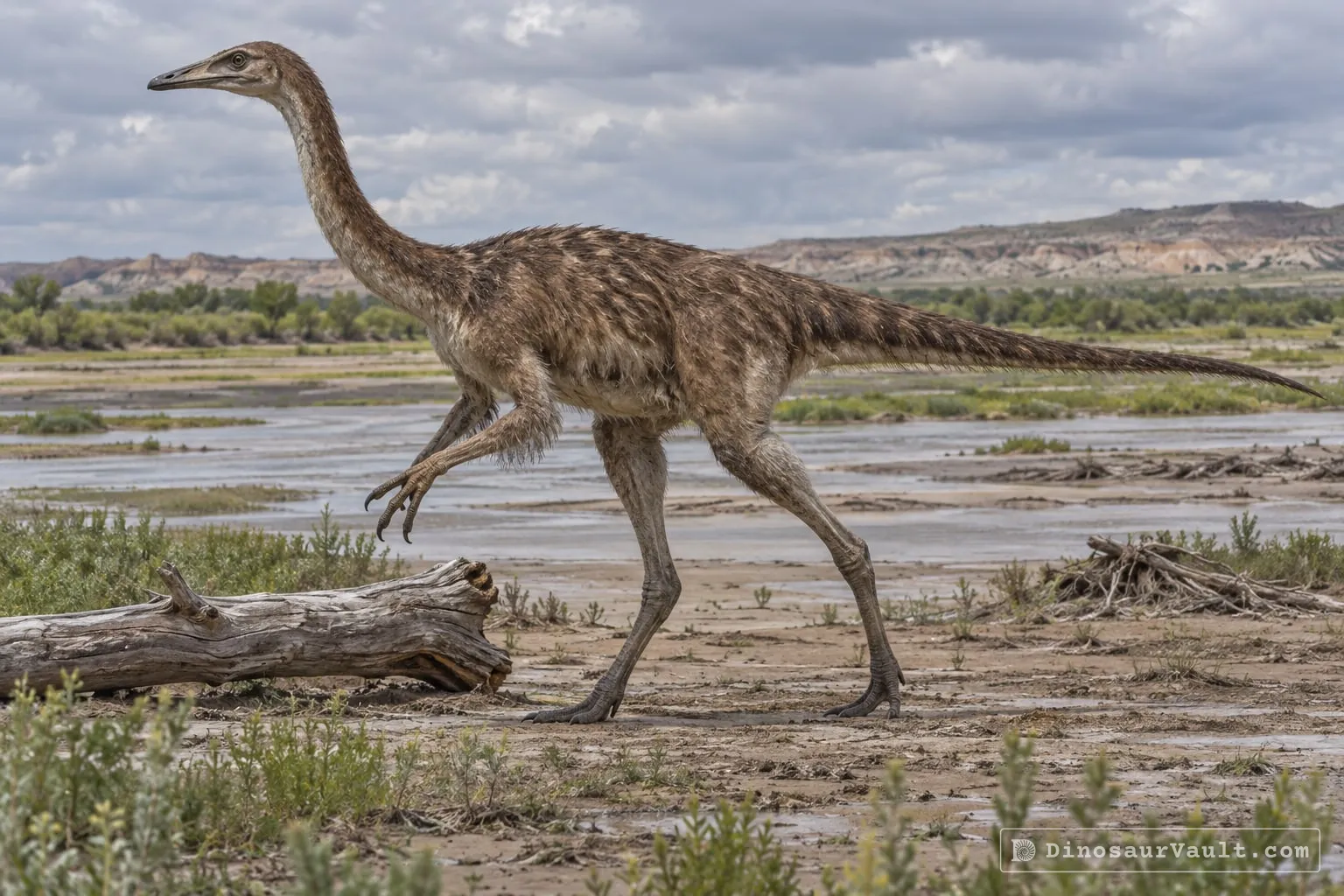
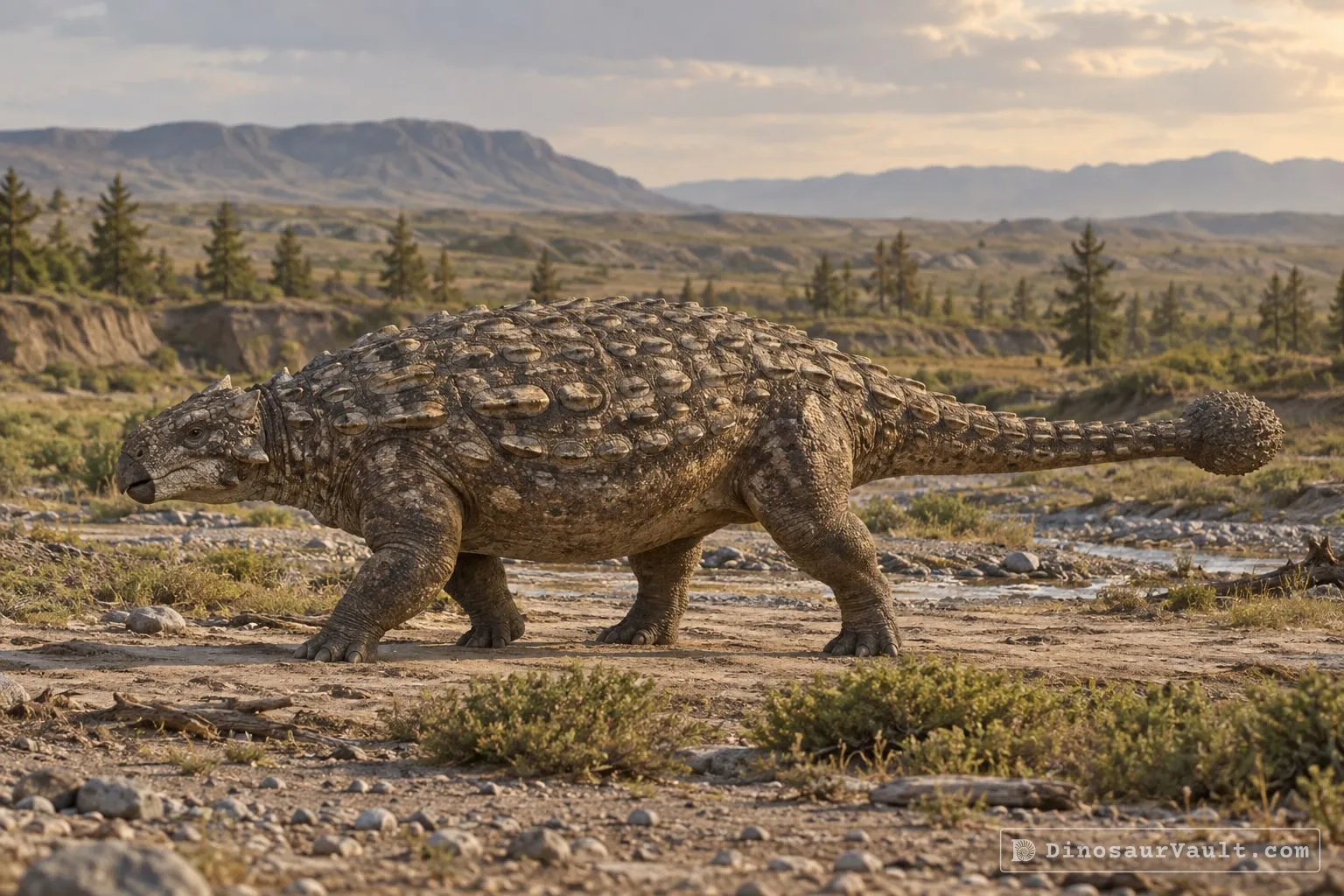
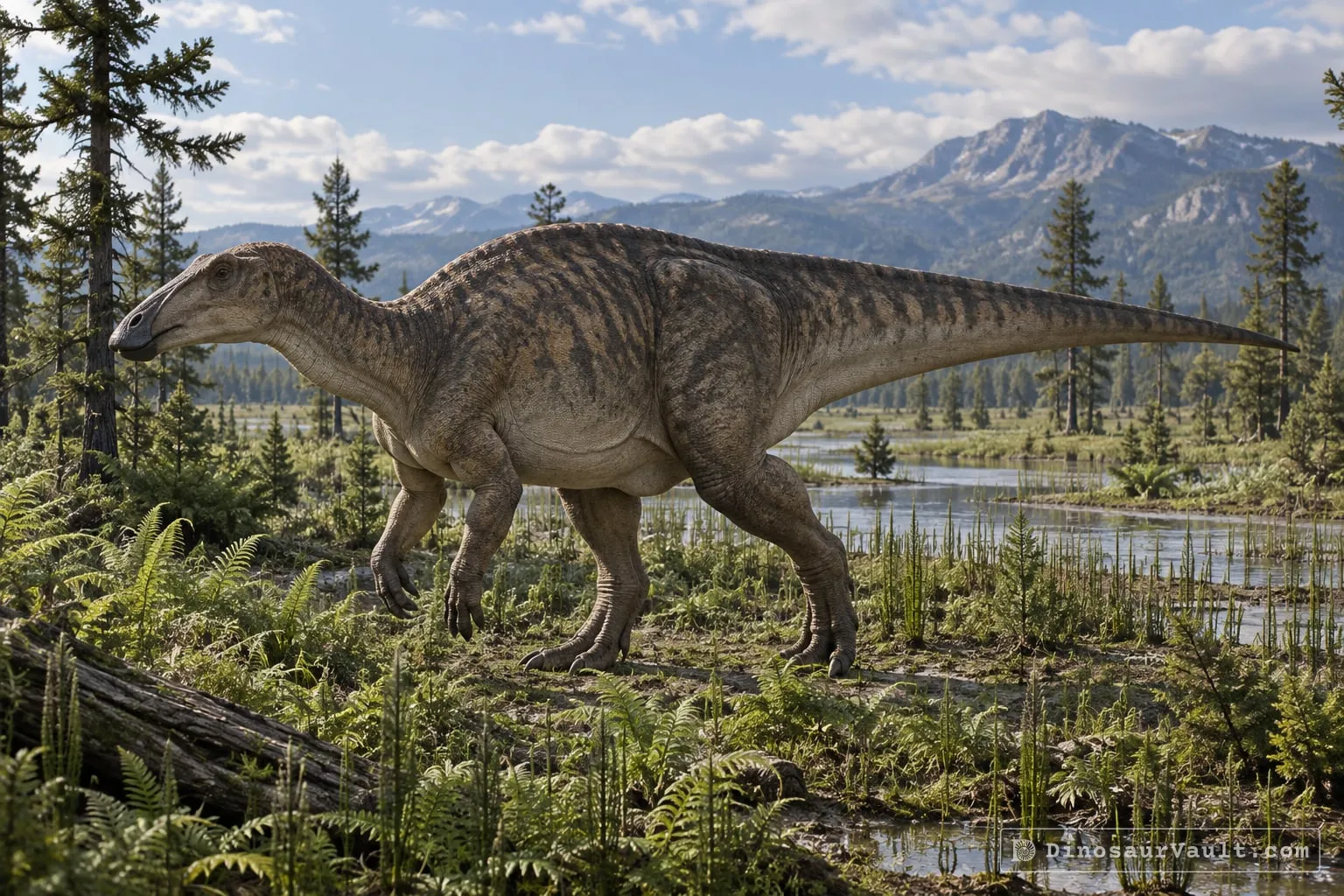


A rock formation can hold fossils laid down millions of years apart, so not every animal here met Erketu.
The evidence
The science behind Erketu
Which parts of the picture come from its own bones, and which come from its relatives.
From its own fossils
- Exceptionally stretched neck vertebrae show that it had a very long neck.
- A breastbone and an articulated lower hind leg belong to the same skeleton.
- Later finds added more neck bones from that individual.
Borrowed from relatives
- Euhelopus provides a comparison for the missing skull.
- The missing forelimbs and hands are restored using other sauropods, including Brachiosaurus and Apatosaurus.
Still unknown
- The complete shape of its head.
- The total number of neck bones and the exact neck-to-body ratio.
- Its skin covering and color.
Discovery timeline
- 2006Named itKsepka & Norell
- 2010New findKsepka & Norell
- 2013Close relativePoropat & Kear
Key papers
The research behind what we know of Erketu
Named it
Described a sauropod with exceptionally long neck bones, a breastbone and an articulated lower hind leg.
Erketu Ellisoni, a Long-necked Sauropod from Bor Guvé (Dornogov Aimag, Mongolia). American Museum Novitates 3508: 1
Read the paper : Erketu Ellisoni, a Long-necked Sauropod from Bor Guvé (Dornogov Aimag, Mongolia) (opens in a new tab)New find
Added neck bones from the original skeleton and reassessed Erketu alongside other sauropods from Asia.
The Illusory Evidence for Asian Brachiosauridae: New Material ofErketu ellisoniand a Phylogenetic Reappraisal of Basal Titanosauriformes. American Museum Novitates 3700: 1-27
Read the paper : The Illusory Evidence for Asian Brachiosauridae: New Material ofErketu ellisoniand a Phylogenetic Reappraisal of Basal Titanosauriformes (opens in a new tab)Close relative
Rebuilt the skull of Euhelopus, a useful comparison for the missing head of related sauropods.
Photographic Atlas and Three-Dimensional Reconstruction of the Holotype Skull of Euhelopus zdanskyi with Description of Additional Cranial Elements. PLoS ONE 8: e79932
Read the paper : Photographic Atlas and Three-Dimensional Reconstruction of the Holotype Skull of Euhelopus zdanskyi with Description of Additional Cranial Elements (opens in a new tab)
Close relatives
Other members of Euhelopodidae


Sources: Wikidata