Nagatitan
"naga giant"
Type species Nagatitan chaiyaphumensis
- Lived
- 121 to 101 million years ago, Early Cretaceous
- Diet
- Herbivore
- Length
- about 27 m (89 ft)
- Group
- Sauropods, Euhelopodidae
- Found in
- Thailand
- Named by
- Sethapanichsakul et al. 2026
Size comparison
To scale
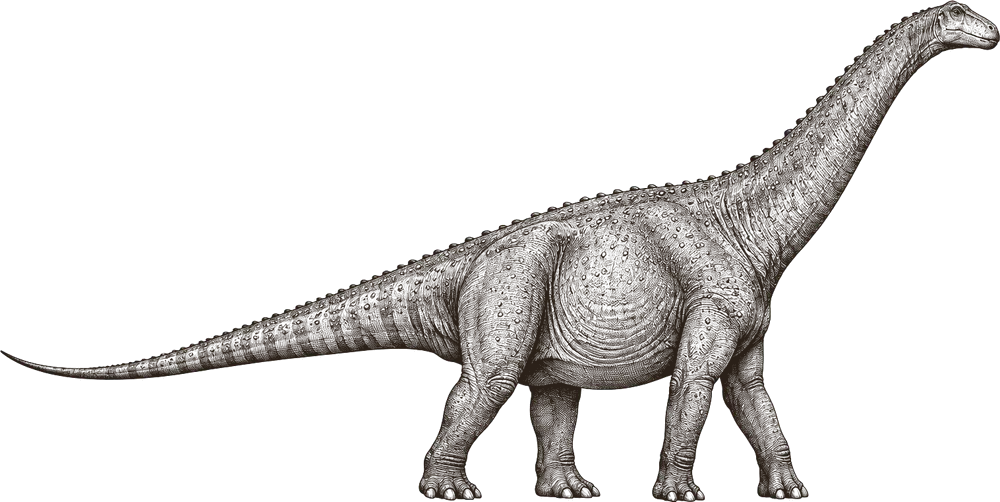


Scale in meters
Where its fossils were found
The evidence
Today

110 million years ago
Habitat
It lived beside winding rivers in a landscape that was dry for much of the year. Regional dinosaurs from the Khok Kruat Formation include Sirindhorna and Ratchasimasaurus.
Field notes
About Nagatitan
What it was like
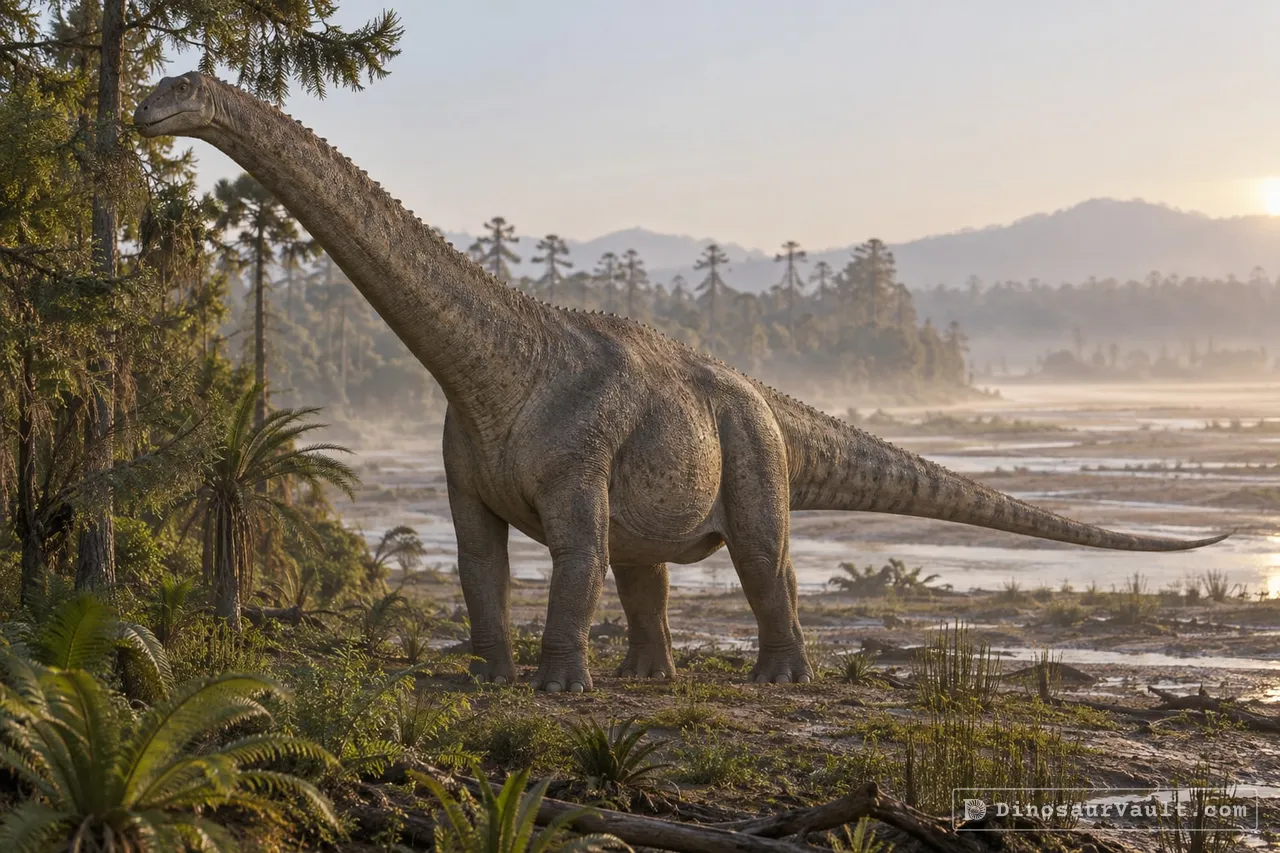
Nagatitan is known from a partial skeleton, not enough to give a precise size, but its bones point to a very large, long-necked plant eater, among the biggest sauropods so far found in this part of Asia. Like other titanosauriforms, it probably moved on four sturdy, column-like legs and browsed on plants well above the ground.
Its world
Nagatitan lived in what is now Thailand during the Early Cretaceous, between about 121 and 101 million years ago. Its remains, from a single find, come from the Khok Kruat Formation, where it shared its world with the small horned Psittacosaurus and the predator Siamraptor.
How it was found
Sethapanichsakul and colleagues named Nagatitan in 2026, giving it the type species Nagatitan chaiyaphumensis. It is related to other titanosauriforms from Asia such as Euhelopus and Phuwiangosaurus. As a newly named genus, much about Nagatitan is still being studied.
Field gallery
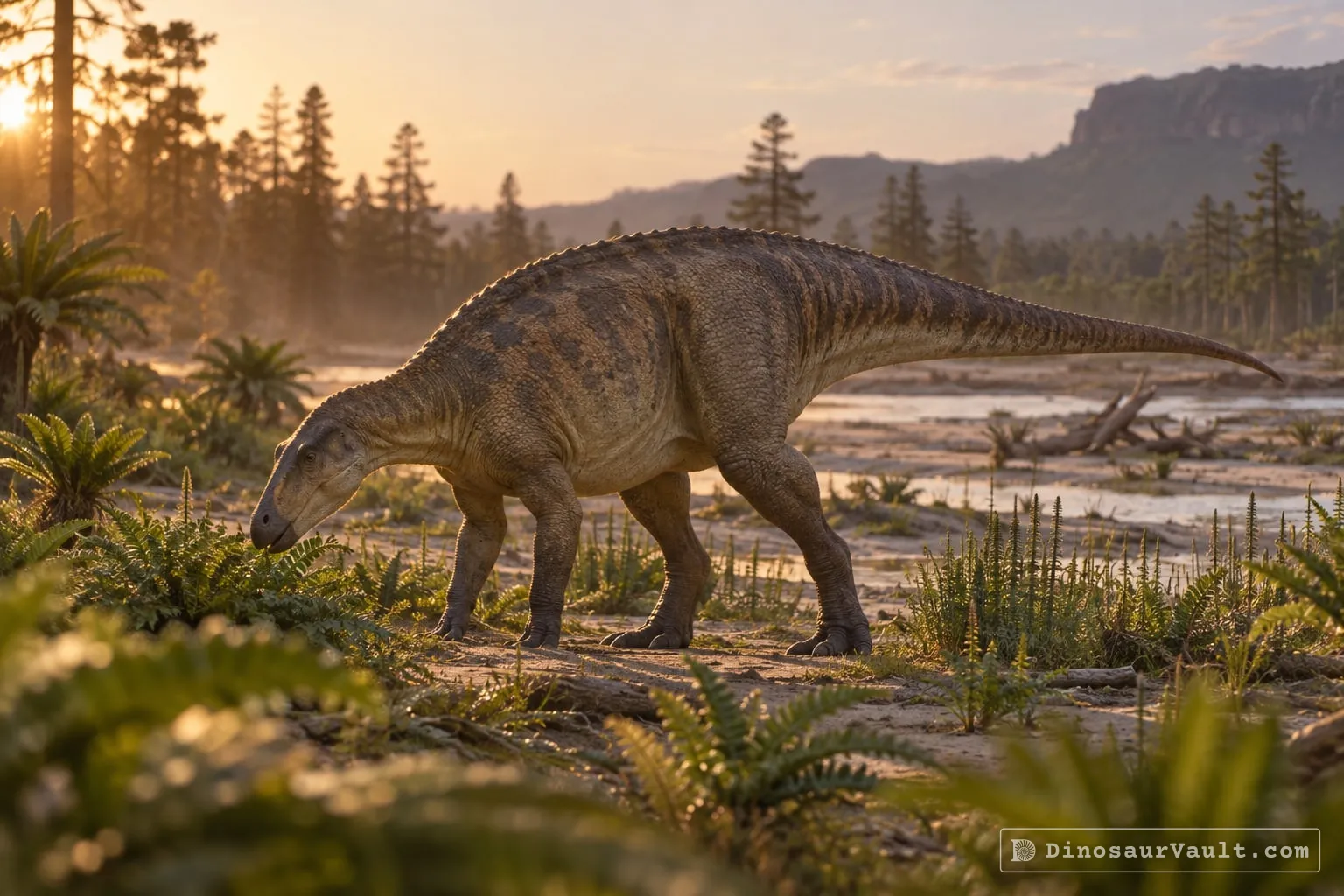
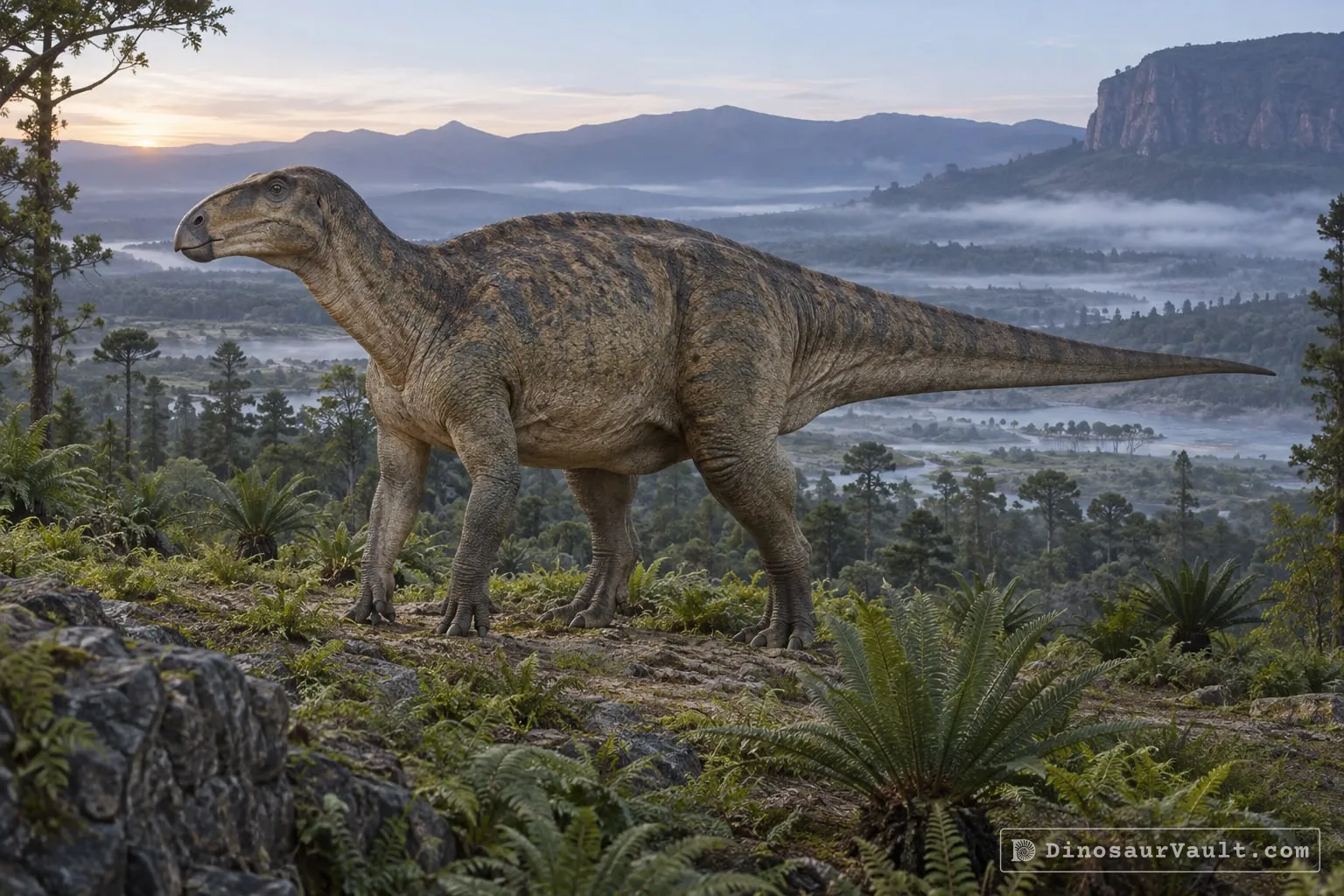
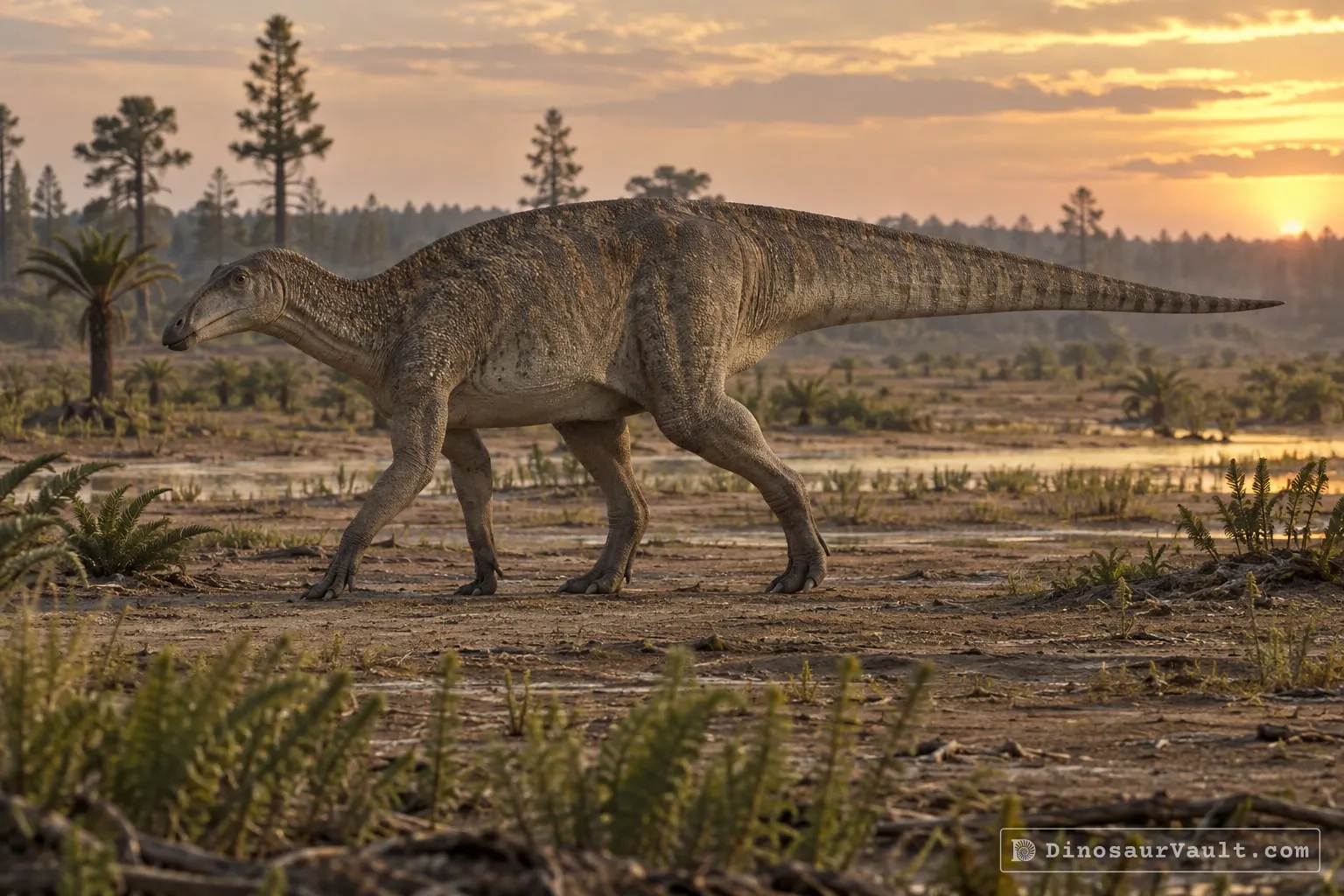
More views of Nagatitan
Scenes reconstructed from the available fossil evidence.
1 of 7
Lived alongside
Found in the same rock formations
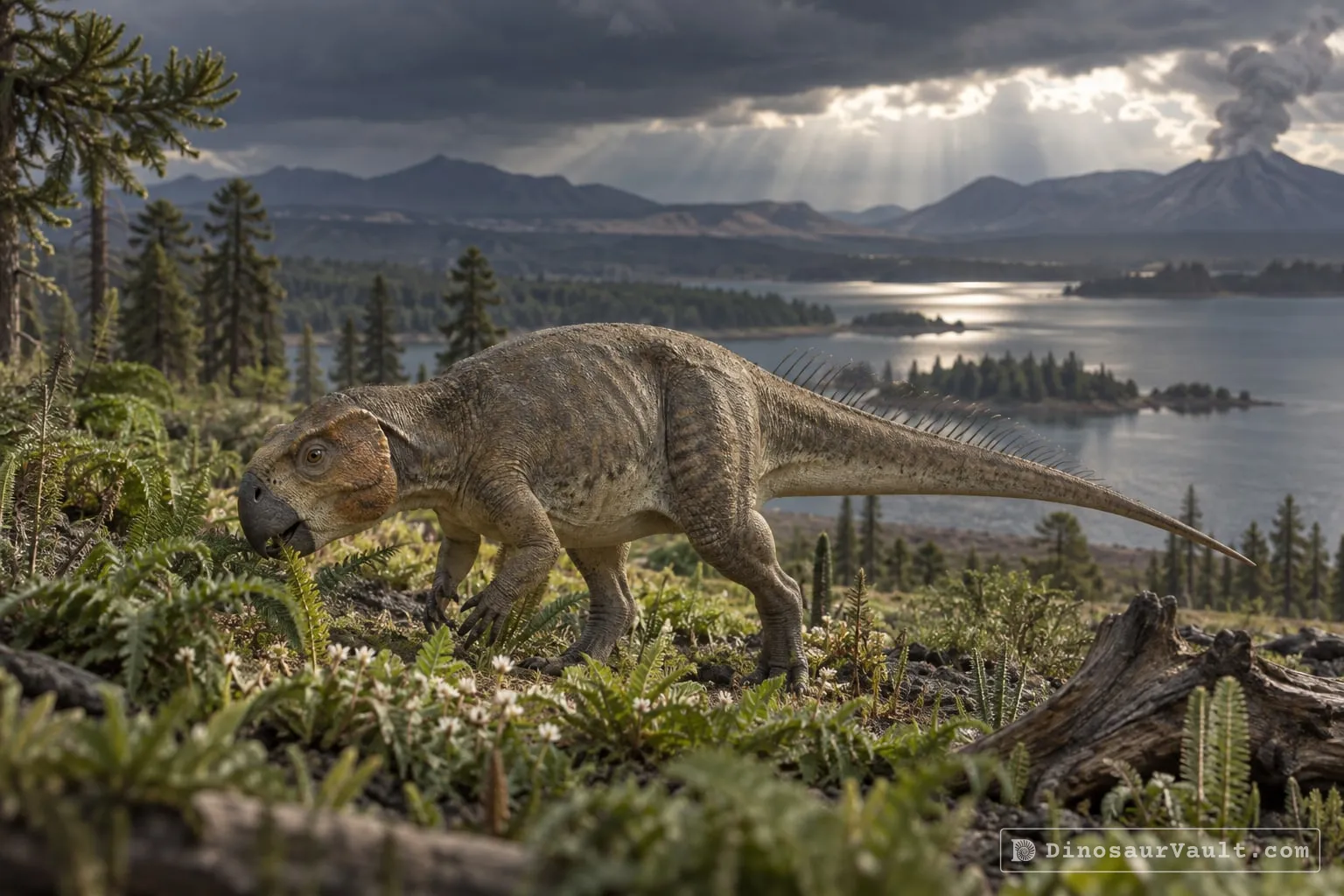
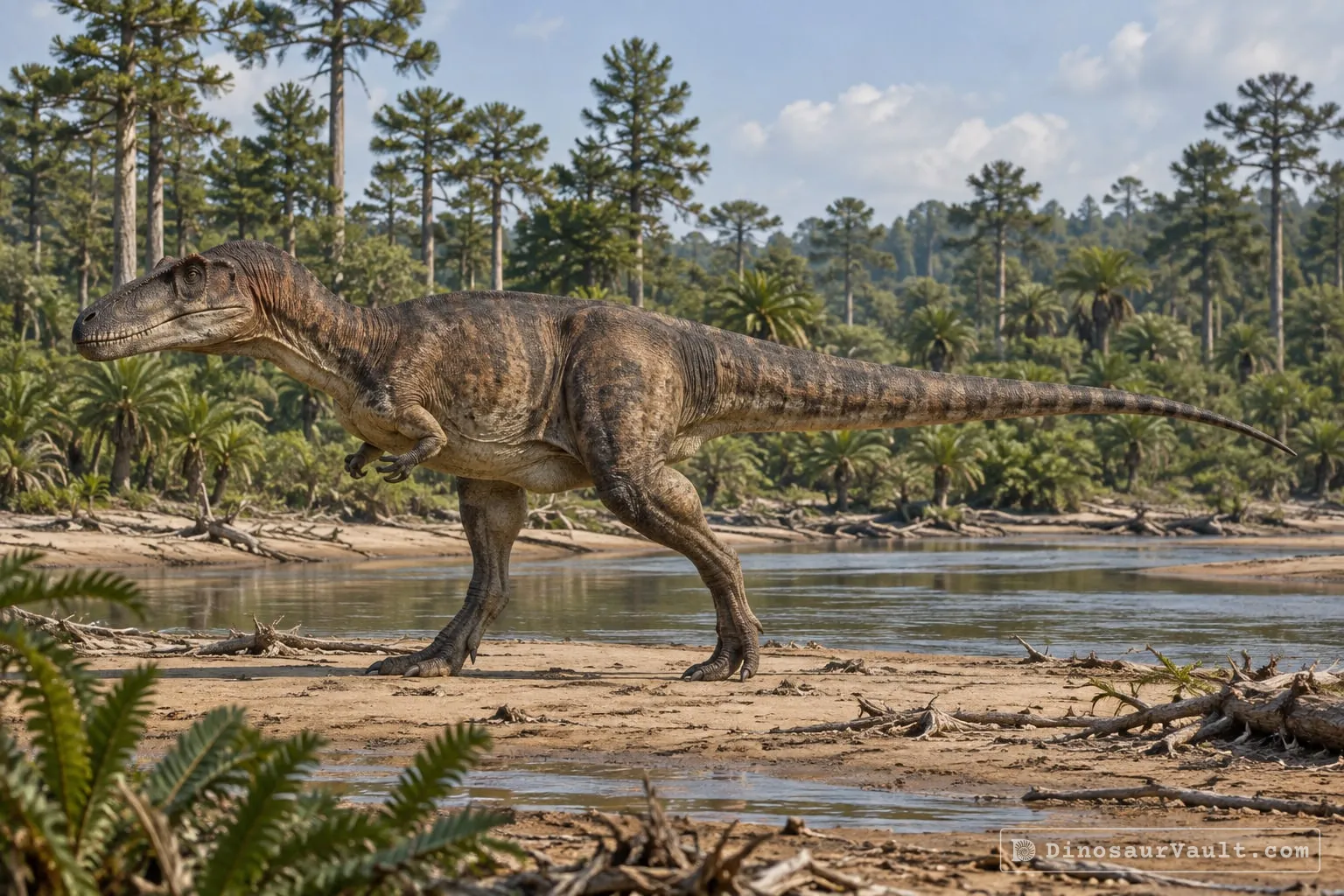


A rock formation can hold fossils laid down millions of years apart, so not every animal here met Nagatitan.
The evidence
The science behind Nagatitan
Which parts of the picture come from its own bones, and which come from its relatives.
From its own fossils
- A partial skeleton preserves back and hip vertebrae, ribs, pelvic bones, an upper arm bone and a mostly complete thigh bone.
- The upper arm bone is slender, while the back vertebrae have distinctive ridges and hollows.
Borrowed from relatives
- Its missing head, neck and tail are restored from related sauropods such as Euhelopus and Phuwiangosaurus.
- Column-like legs and compact supporting feet follow the body plan of other titanosauriforms.
Still unknown
- The exact shape of its skull, neck and tail.
- Its skin covering and color.
- Its precise adult length and what its young looked like.
Discovery timeline
- 2015Same rocksShibata et al.
- 2022Its worldManitkoon et al.
- 2026Named itSethapanichsakul et al.
Key papers
The research behind what we know of Nagatitan
Same rocks
Named Sirindhorna from skull and jaw bones, documenting a beaked plant eater from the same formation as Nagatitan.
A New Basal Hadrosauroid Dinosaur from the Lower Cretaceous Khok Kruat Formation in Nakhon Ratchasima Province, Northeastern Thailand. PLOS ONE 10: e0145904
Read the paper : A New Basal Hadrosauroid Dinosaur from the Lower Cretaceous Khok Kruat Formation in Nakhon Ratchasima Province, Northeastern Thailand (opens in a new tab)Its world
Documented fishes, turtles, crocodile relatives and dinosaurs from another locality in the formation that yielded Nagatitan.
Fossil assemblage from the Khok Pha Suam locality of northeastern, Thailand: an overview of vertebrate diversity from the Early Cretaceous Khok Kruat Formation (Aptian-Albian). Fossil Record 25: 83-98
Read the paper : Fossil assemblage from the Khok Pha Suam locality of northeastern, Thailand: an overview of vertebrate diversity from the Early Cretaceous Khok Kruat Formation (Aptian-Albian) (opens in a new tab)Named it
Described a large partial skeleton from Thailand and identified Nagatitan as a relative of other long-necked Asian sauropods.
The first sauropod dinosaur from the Lower Cretaceous Khok Kruat Formation of Thailand enriches the diversity of somphospondylan titanosauriforms in southeast Asia. Scientific Reports 16
Read the paper : The first sauropod dinosaur from the Lower Cretaceous Khok Kruat Formation of Thailand enriches the diversity of somphospondylan titanosauriforms in southeast Asia (opens in a new tab)
Close relatives
Other members of Euhelopodidae


Sources: Wikidata