Outline: a typical ornithopod
Dysalotosaurus
"uncatchable lizard"
- Lived
- 152 to 149 million years ago, Late Jurassic
- Diet
- Herbivore
- Group
- Ornithopods, Dryosauridae
- Found in
- Tanzania
- Named by
- Virchow 1919
Where its fossils were found
The evidence
Today

150 million years ago
Field notes
About Dysalotosaurus
What it was like
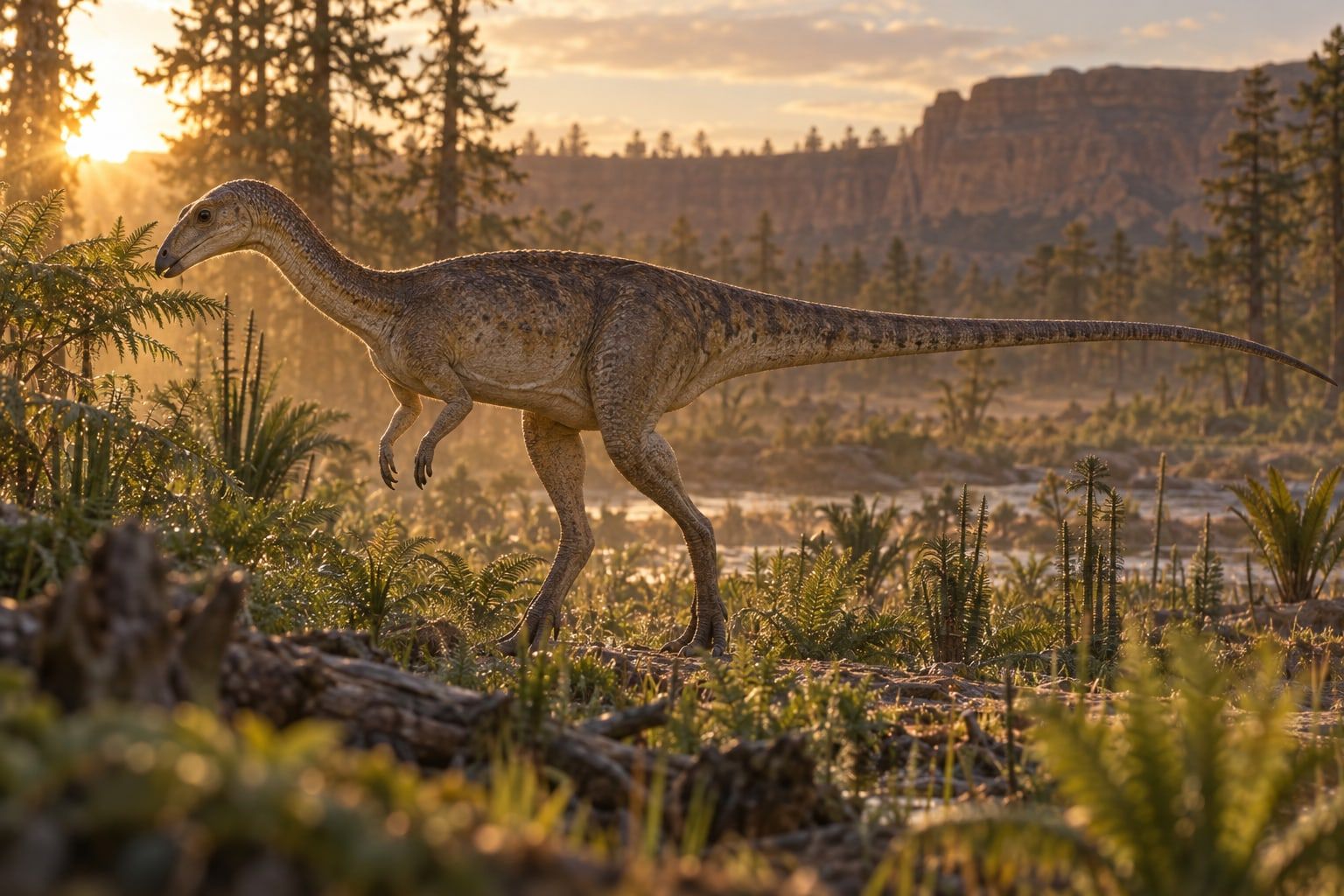
Dysalotosaurus was a small, fast plant eater, a close relative of Dryosaurus. It had long legs, a beak and a stiff tail for balance.
Thousands of its bones have been found, from young animals and adults, which has let scientists study how it grew and even find signs of illness in its bones.
Its world
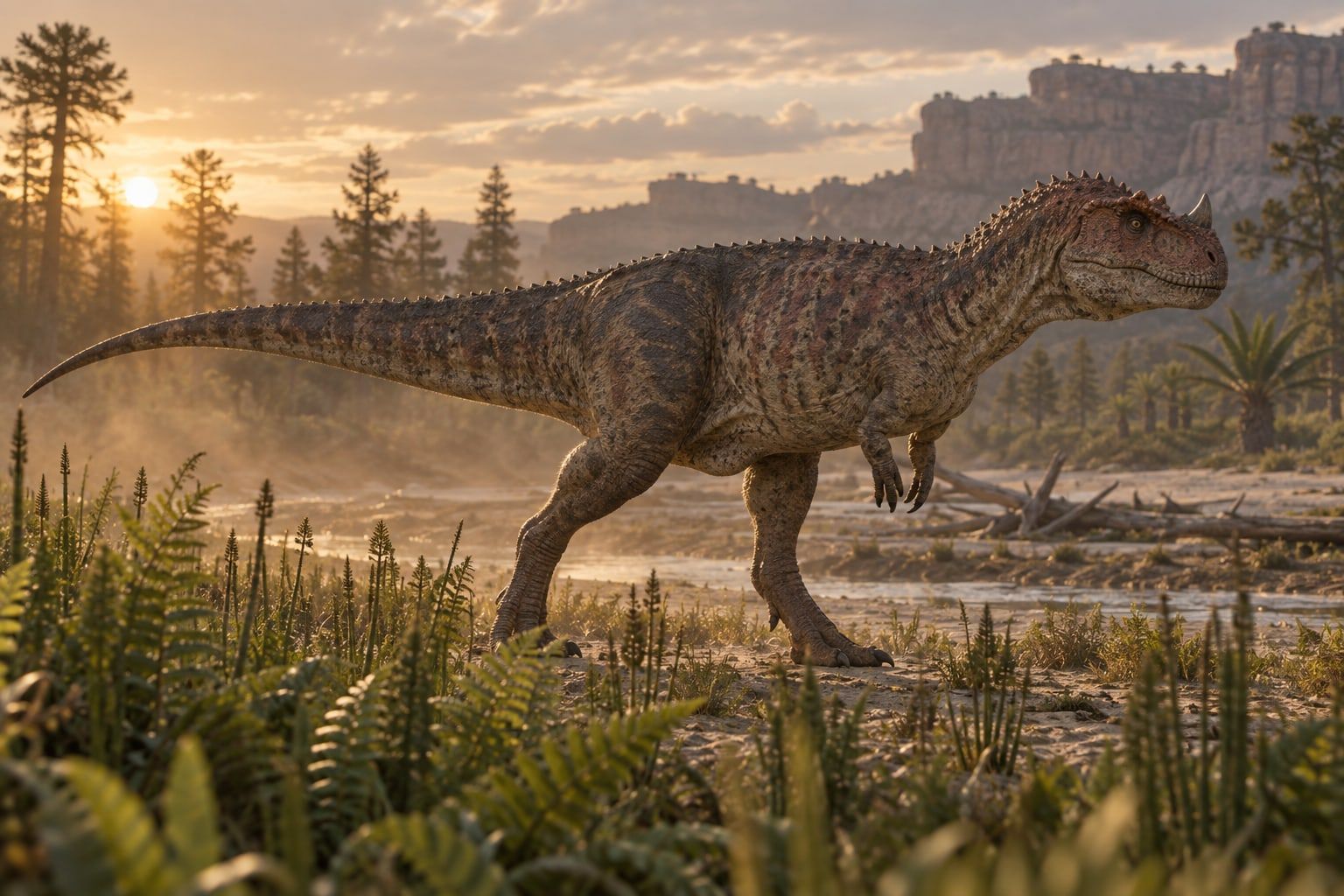
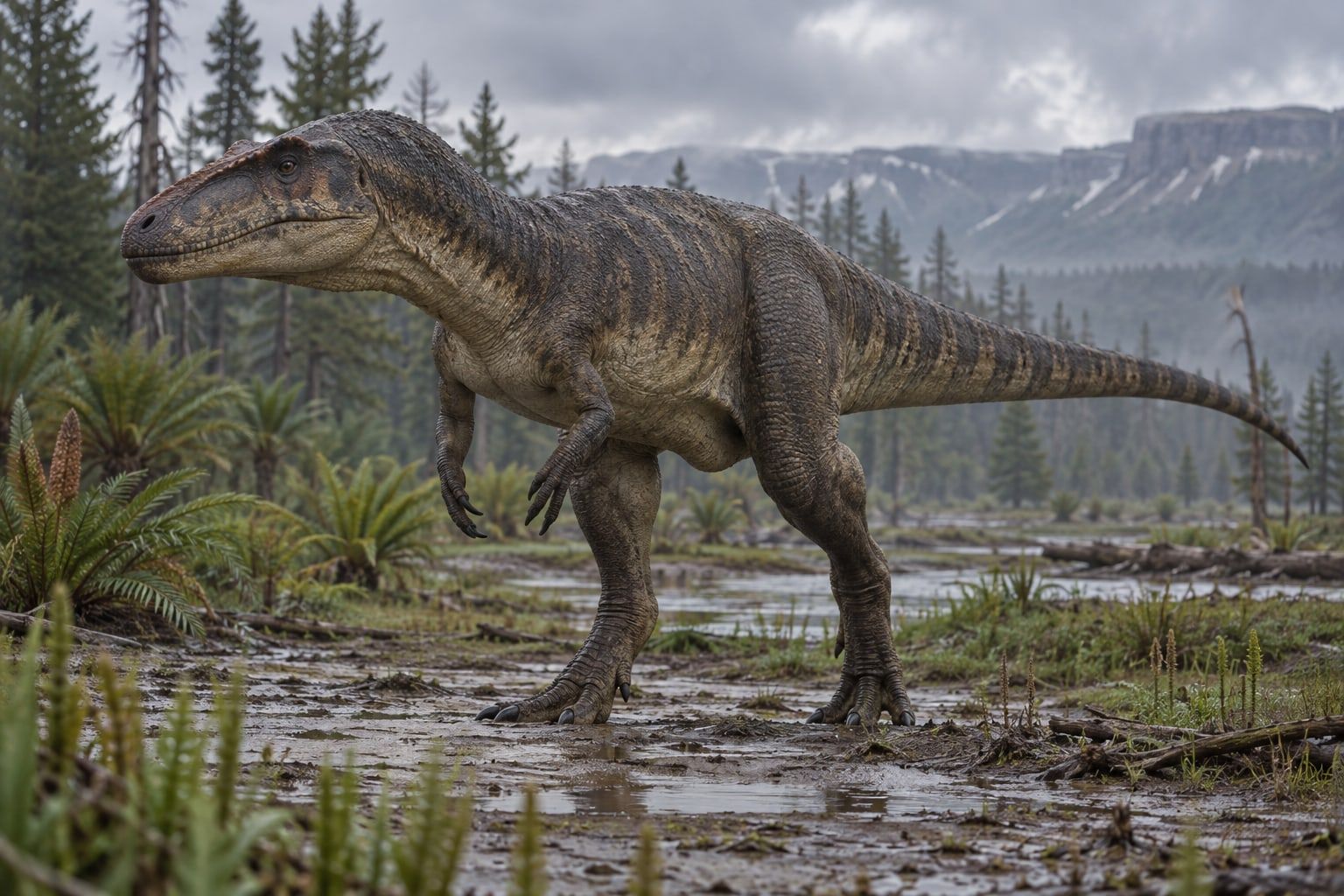
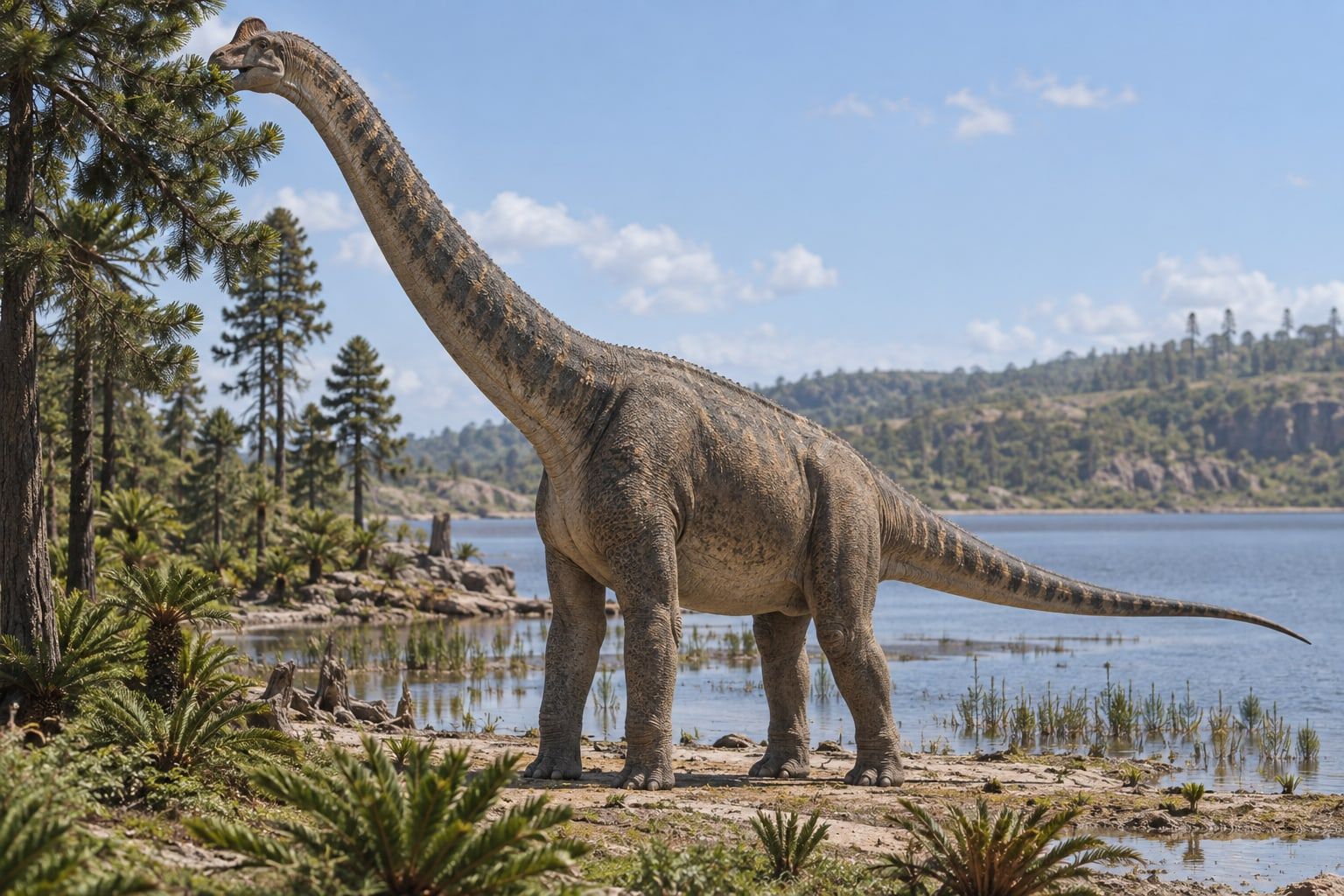
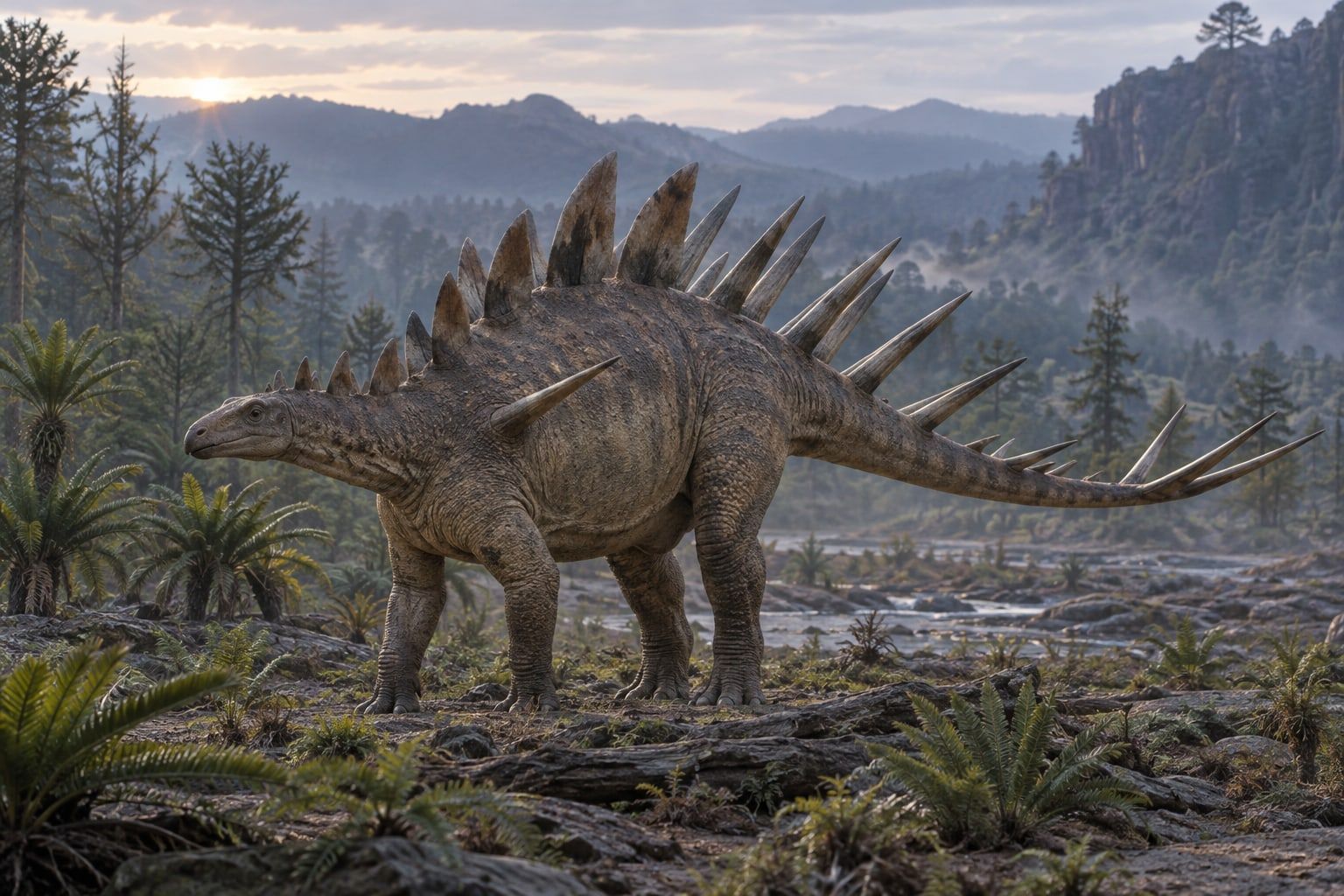
It lived in the Late Jurassic in what is now Tanzania, in eastern Africa. Its bones come from the Tendaguru beds, where it shared the land with the giant long-necked Giraffatitan and Dicraeosaurus, the stegosaur Kentrosaurus and the hunters Elaphrosaurus and Ceratosaurus.
How it was found
Virchow named Dysalotosaurus in 1919. Its bones were found in a bone bed that seems to hold a herd that died together.
Lived alongside
Found in the same rock formations
Close relatives
Other members of Dryosauridae
Sources: WikidataNamed in: H. Virchow. 1919. Atlas und Epistropheus bei den Schildkröten [Atlas and axis in the turtles]. Sitzungsberichte der Gesellschaft Naturforschender Freunde zu Berlin 1919(8):303-332