Tornieria
"for Tornier"
Type species Janenschia robusta
- Lived
- 152 to 143 million years ago, Late Jurassic
- Diet
- Herbivore
- Group
- Sauropods, Diplodocidae
- Found in
- Tanzania
- Named by
- Sternfeld 1911
Where its fossils were found
The evidence
Today

150 million years ago
Habitat
Low coastal plains lay beside lagoons and tidal channels. Dinosaurs from the Tendaguru Formation include Giraffatitan, Dicraeosaurus and Kentrosaurus.
Field notes
About Tornieria
What it was like
Tornieria was a long-necked, whip-tailed sauropod from the same family as Diplodocus. Like its relatives, it had a long, low body, peg-like teeth and a very long tail.
Its world
It lived in the Late Jurassic in what is now Tanzania. Its bones come from the Tendaguru Formation, a rich site shared with the giant Giraffatitan, the short-necked Dicraeosaurus, the spiked Kentrosaurus and the predators Ceratosaurus and Elaphrosaurus.
How it was found
Sternfeld gave it the name Tornieria in 1911, replacing an earlier name that was already taken. Its bones were once placed in Barosaurus. There are 6 recorded finds.
Field gallery
More views of Tornieria
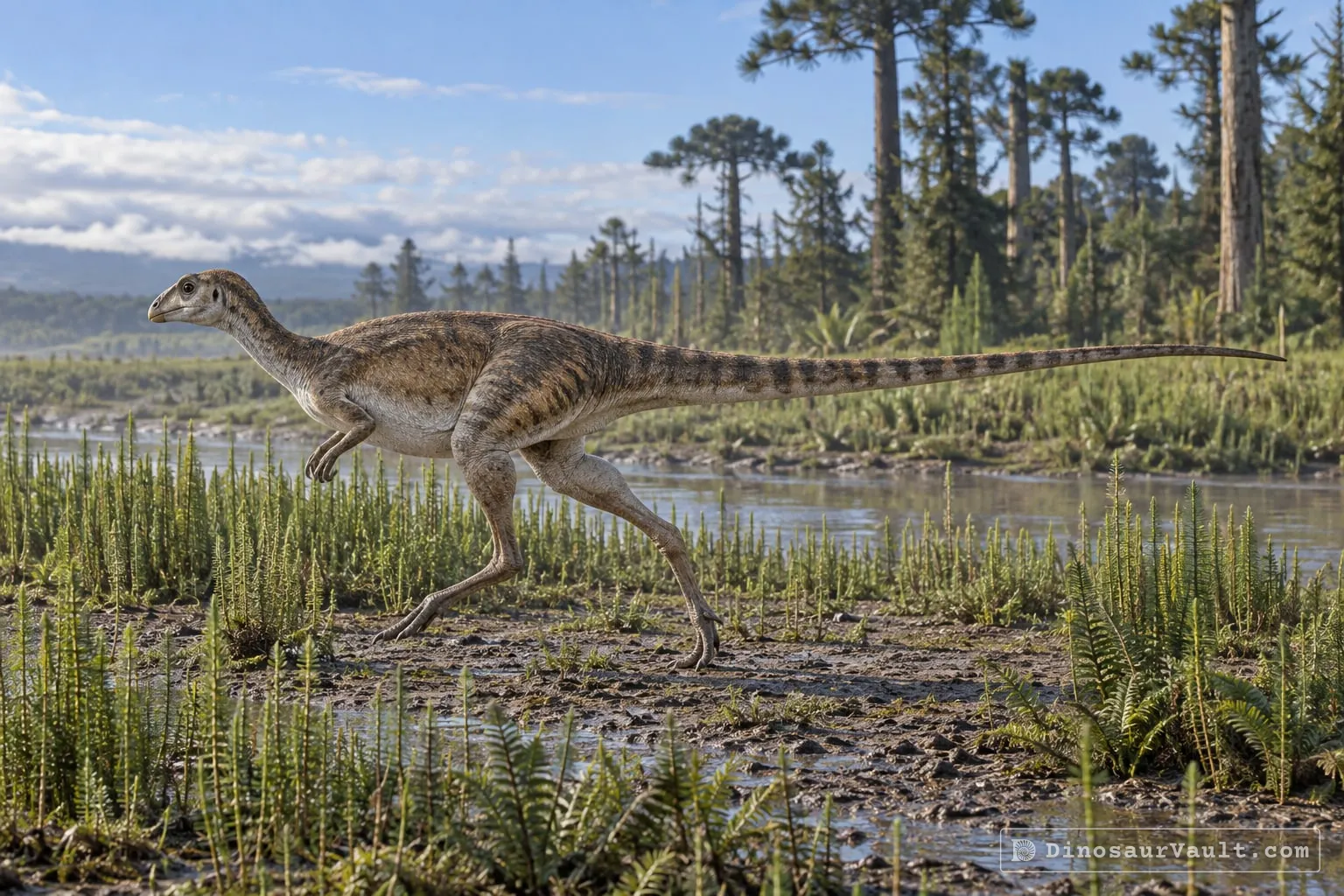
Scenes reconstructed from the available fossil evidence.
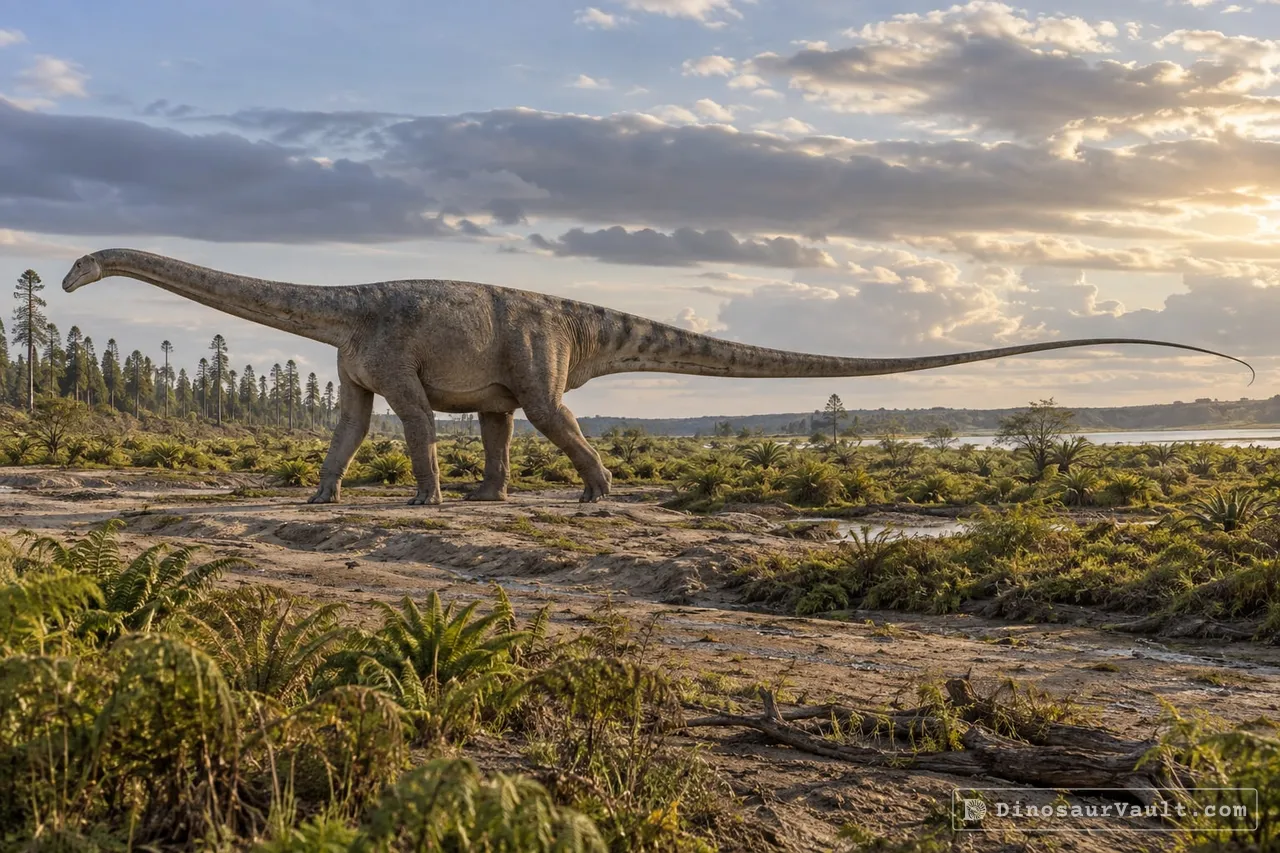
1 of 3
Lived alongside
Found in the same rock formations
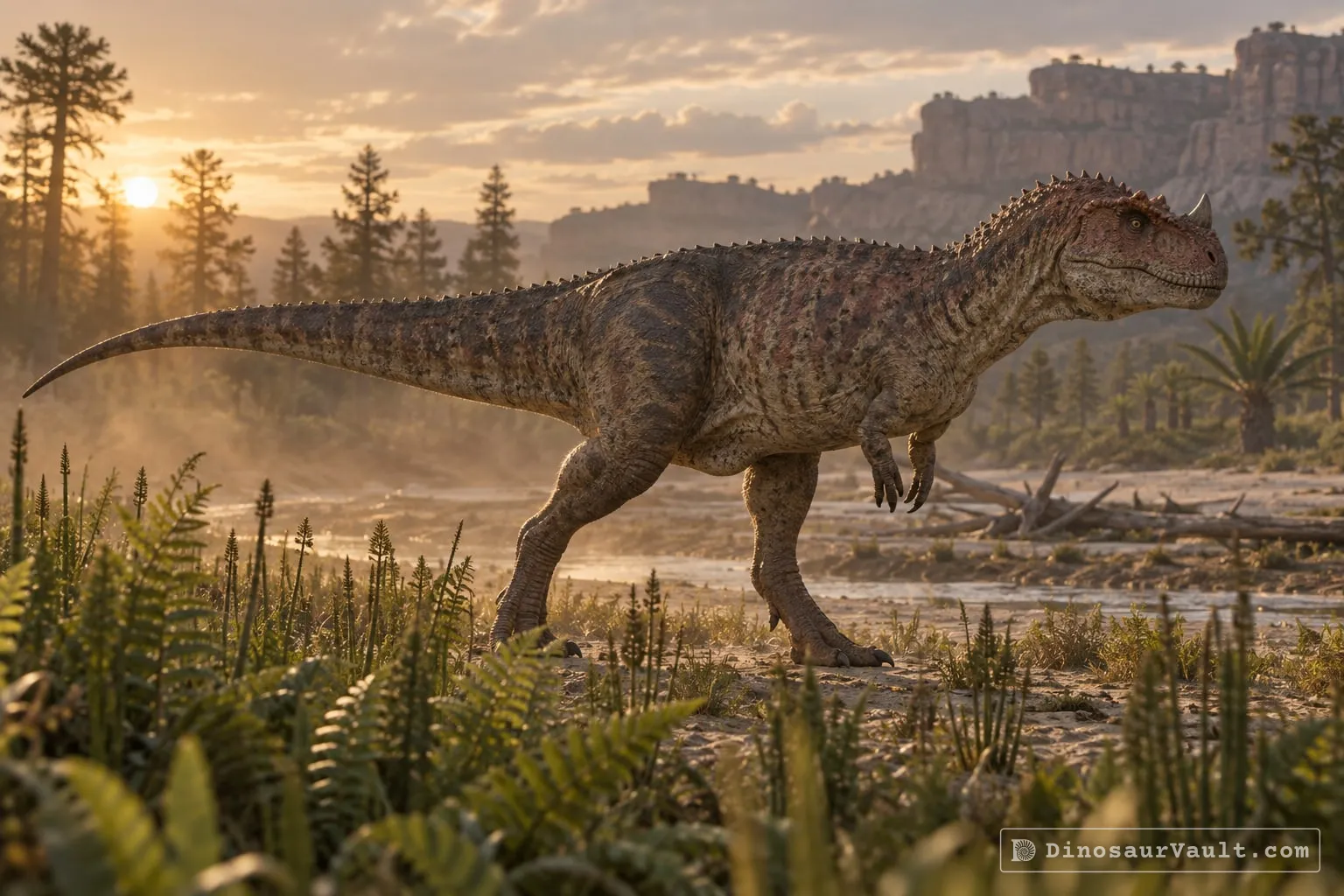
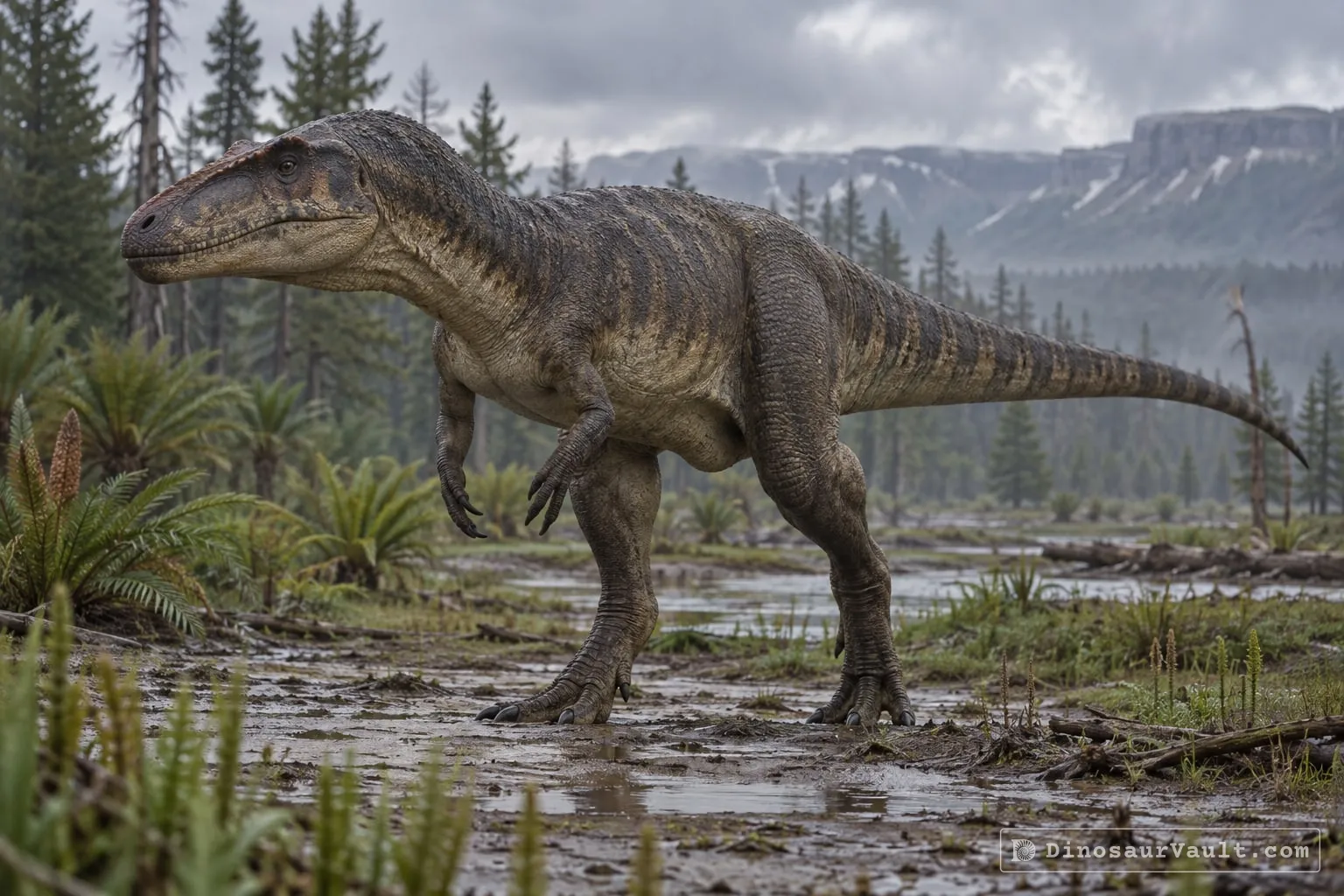
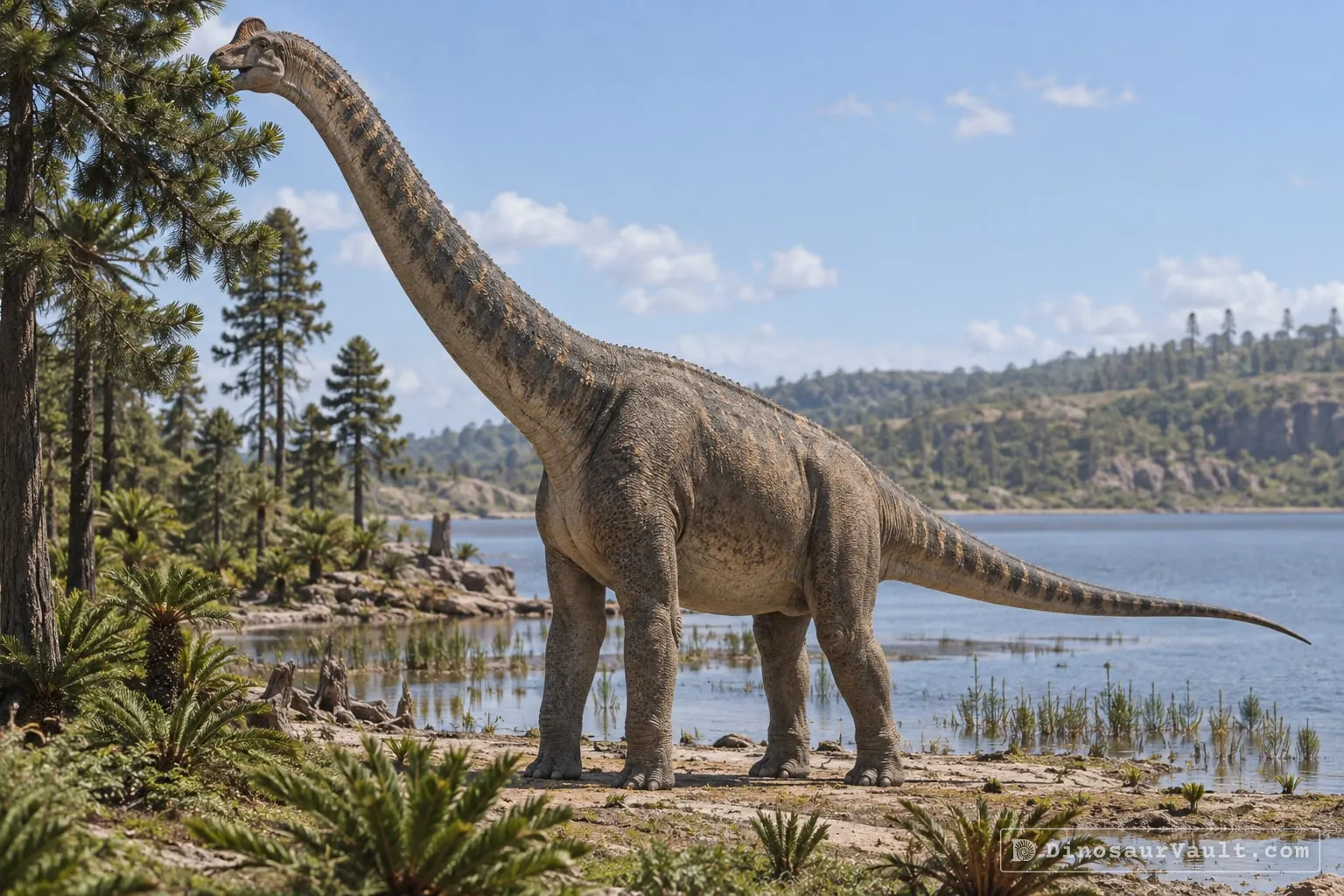
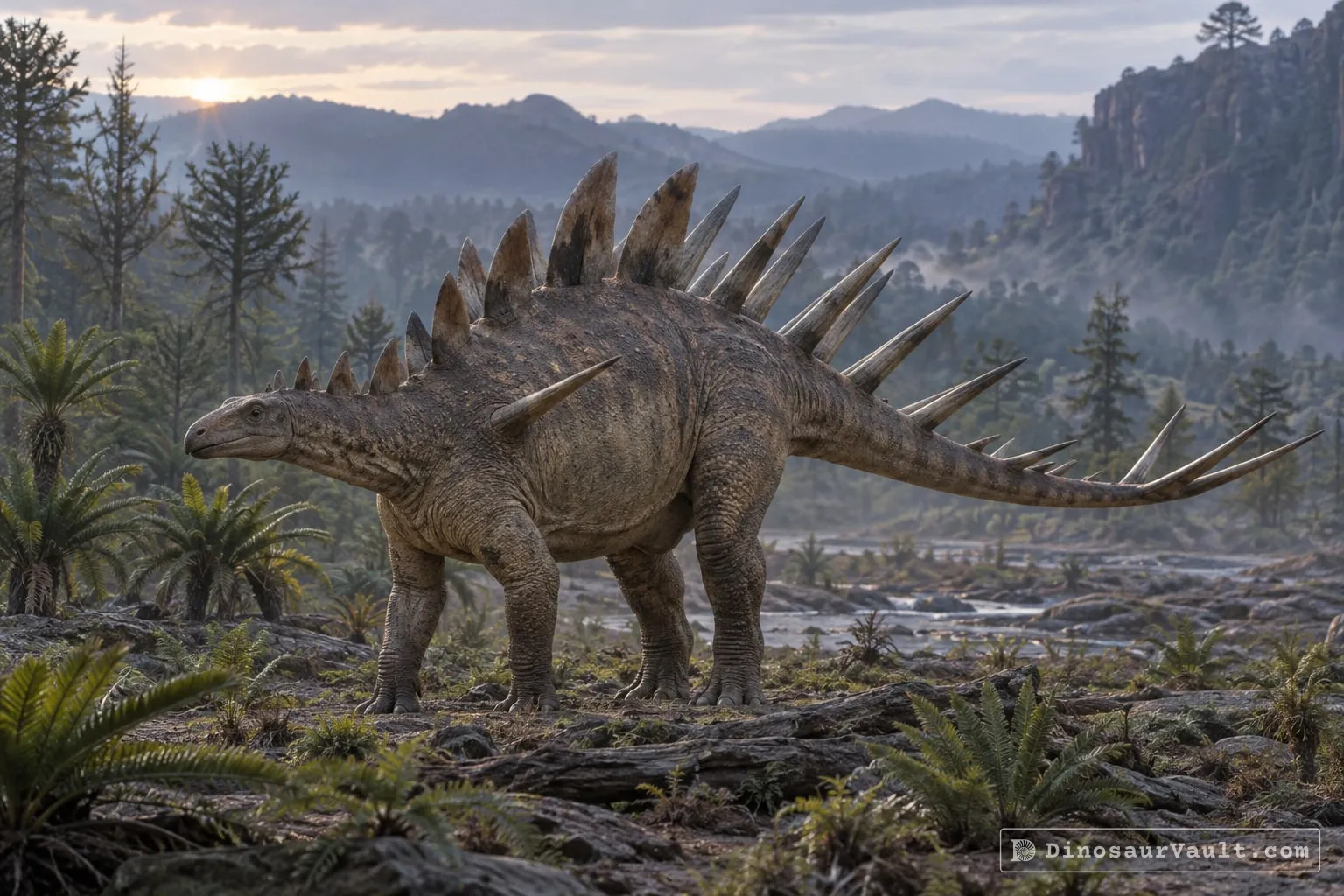
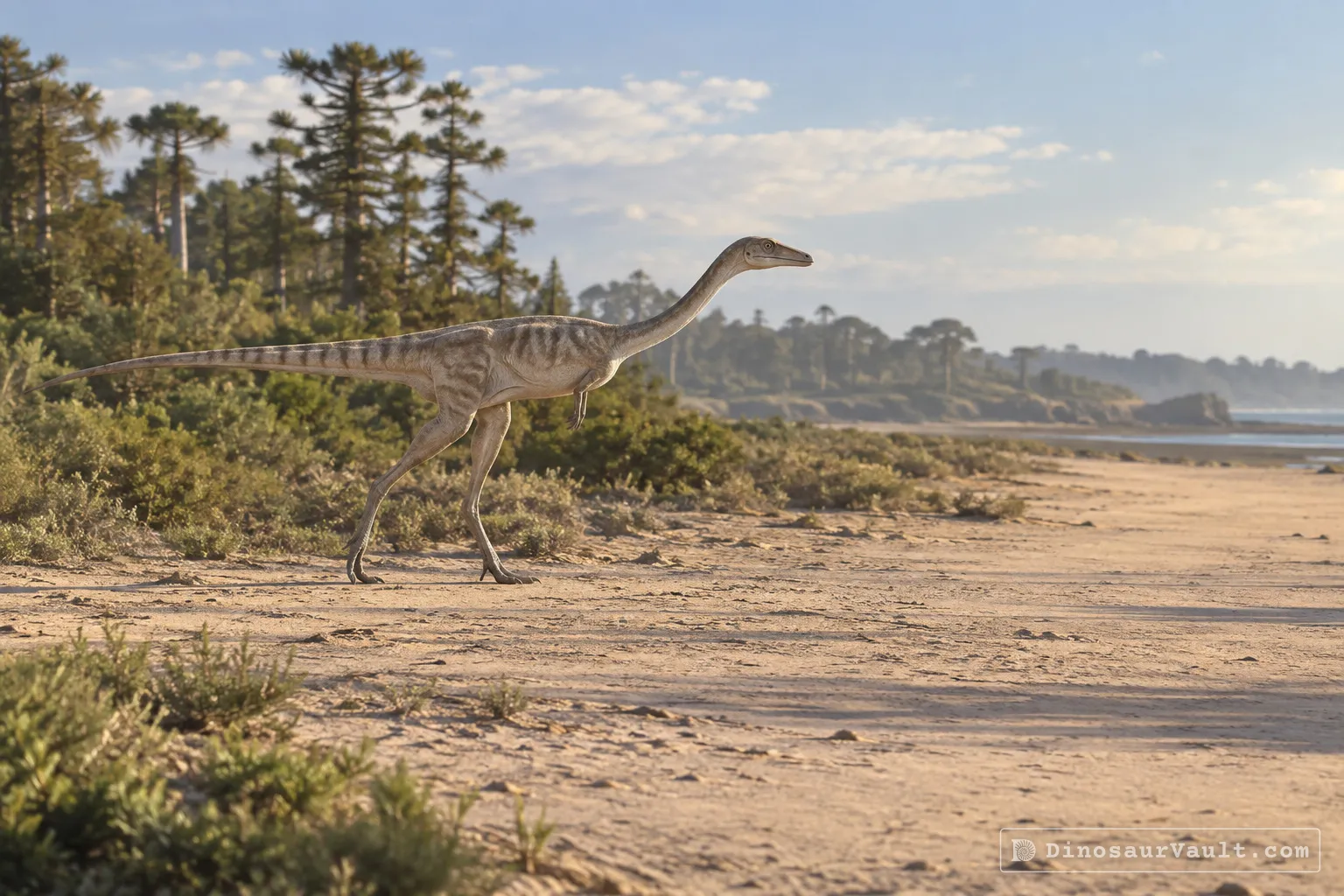
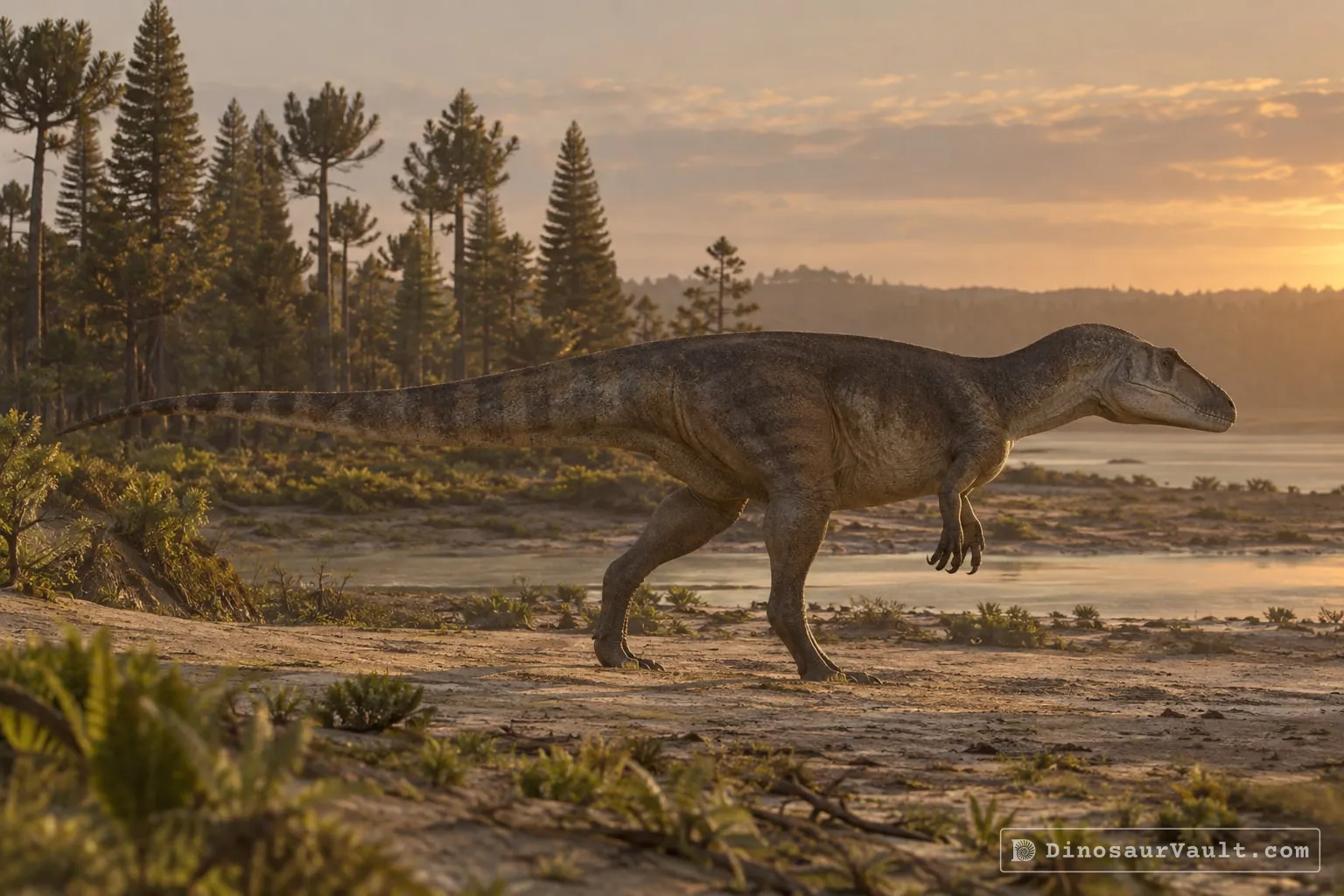
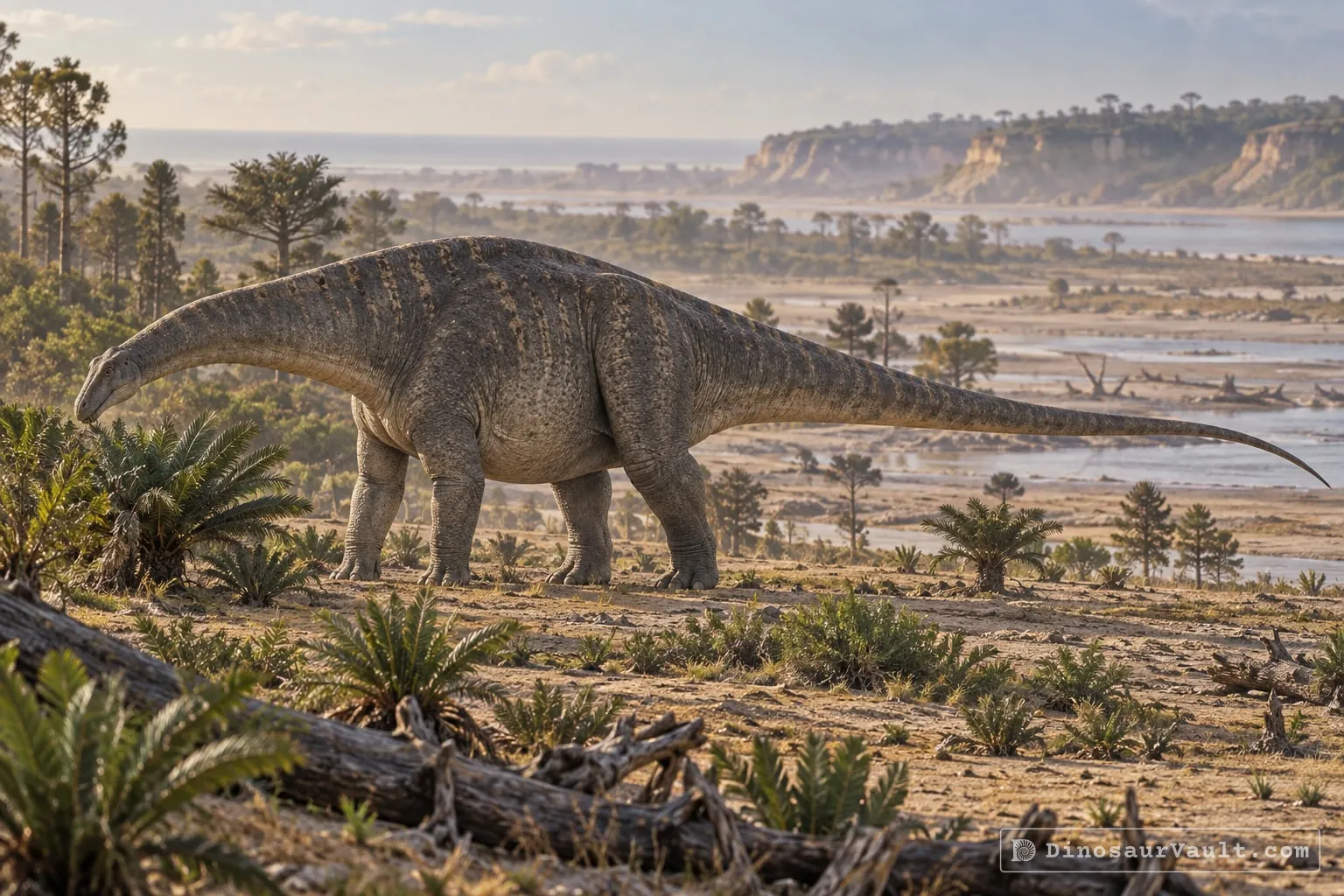


A rock formation can hold fossils laid down millions of years apart, so not every animal here met Tornieria.
The evidence
The science behind Tornieria
Which parts of the picture come from its own bones, and which come from its relatives.
From its own fossils
- Partial skeletons preserve vertebrae and limb bones of a large, long-necked sauropod.
- The front of the tail has sturdy vertebrae with hollows in their sides.
- Its lower hind legs were relatively short compared with its thigh bones.
Borrowed from relatives
- Diplodocus and Barosaurus guide restorations of the missing parts of its long neck and tail.
Still unknown
- Which isolated bones from Tendaguru belong to Tornieria rather than other sauropods.
- Its full tail length.
- Its skin covering and color.
Discovery timeline
- 1911Named itSternfeld
- 2006RedescriptionRemes
- 2009Fossil sitesRemes
- 2009Its worldBussert, Heinrich & Aberhan
Key papers
The research behind what we know of Tornieria
Named it
Introduced Tornieria as a replacement for a name that had already been used.
Zur Nomenklatur der Gattung Gigantosaurus Fraas [On the nomenclature of the genus Gigantosaurus Fraas]. Sitzungsberichte der Gesellschaft Naturforschender Freunde zu Berlin 8: 398
No link available
Redescription
Found distinctive tail vertebrae and hind leg proportions that separate Tornieria from Barosaurus.
Revision of the Tendaguru Sauropod dinosaurTornieria africana(Fraas) and its relevance for sauropod paleobiogeography. Journal of Vertebrate Paleontology 26: 651-669
Read the paper : Revision of the Tendaguru Sauropod dinosaurTornieria africana(Fraas) and its relevance for sauropod paleobiogeography (opens in a new tab)Fossil sites
Reexamined isolated sauropod bones and found that many could only be assigned to broader groups rather than Tornieria.
Taxonomy of Late Jurassic diplodocid sauropods from Tendaguru (Tanzania). Fossil Record 12: 23-46
Read the paper : Taxonomy of Late Jurassic diplodocid sauropods from Tendaguru (Tanzania) (opens in a new tab)Its world
Reconstructed a coastal landscape of tidal channels, lagoons and low plains from the rocks that contain the dinosaur bones.
The Tendaguru Formation (Late Jurassic to Early Cretaceous, southern Tanzania): definition, palaeoenvironments, and sequence stratigraphy. Fossil Record 12: 141-174
Read the paper : The Tendaguru Formation (Late Jurassic to Early Cretaceous, southern Tanzania): definition, palaeoenvironments, and sequence stratigraphy (opens in a new tab)
Close relatives
Other members of Diplodocidae


Sources: Wikidata