Brontomerus
"thunder thighs"
- Lived
- 121 to 101 million years ago, Early Cretaceous
- Diet
- Herbivore
- Group
- Sauropods
- Found in
- United States
- Named by
- Taylor et al. 2011
Where its fossils were found
The evidence
Today

110 million years ago
Habitat
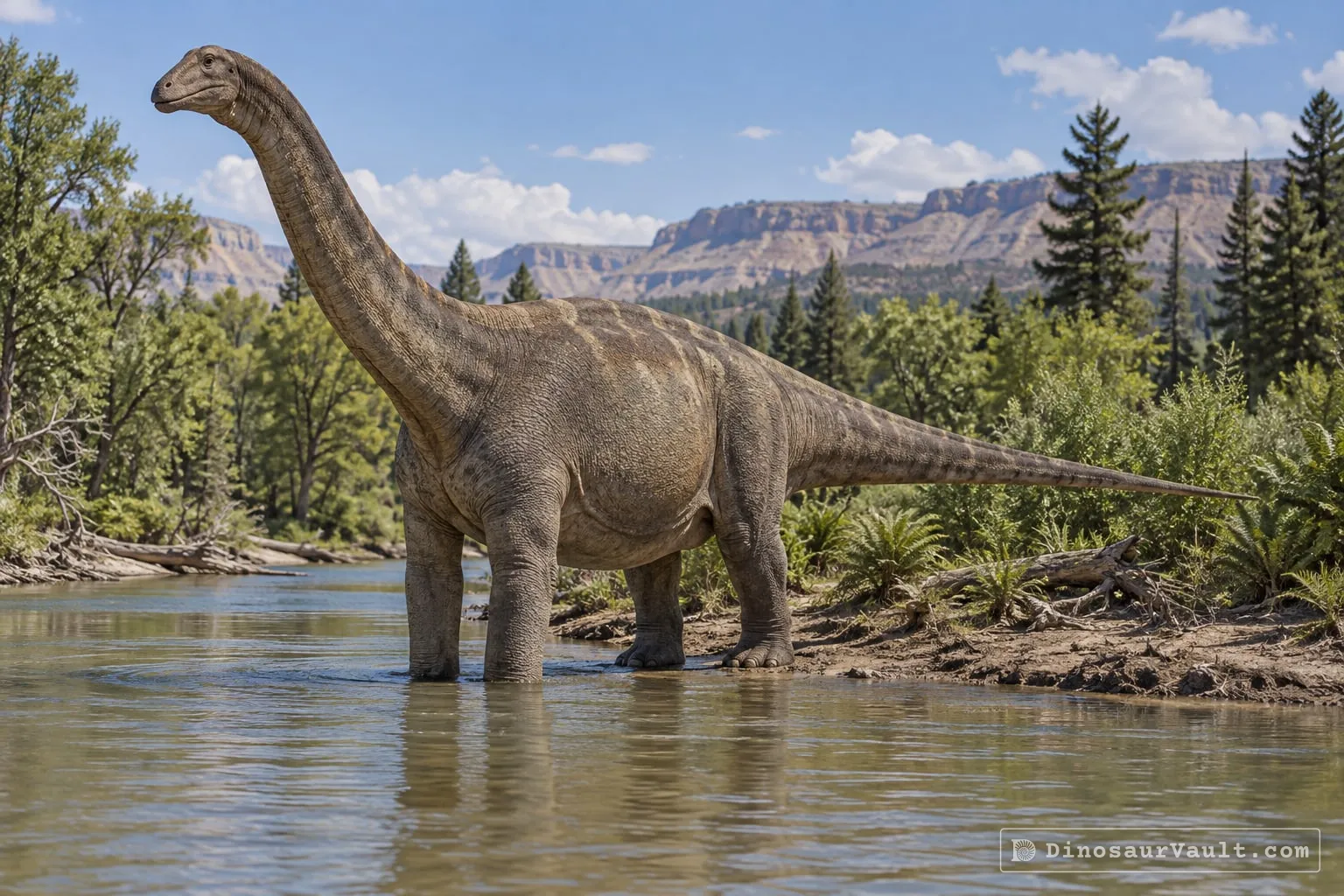
River plains in what is now Utah, with conifers and ferns among the regional vegetation. Other dinosaurs recorded in the Cedar Mountain Formation include Utahraptor and Gastonia.
Field notes
About Brontomerus
What it was like
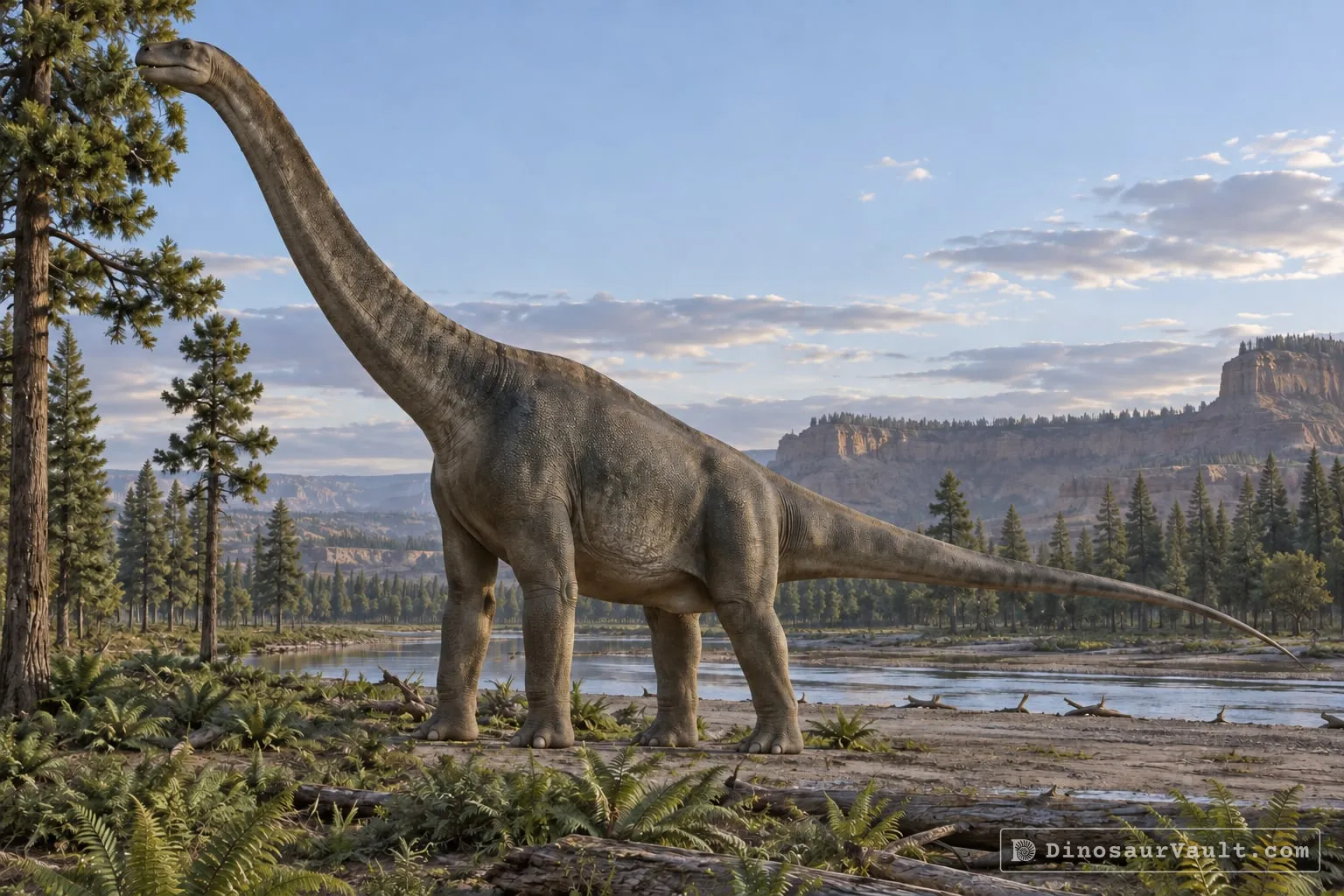
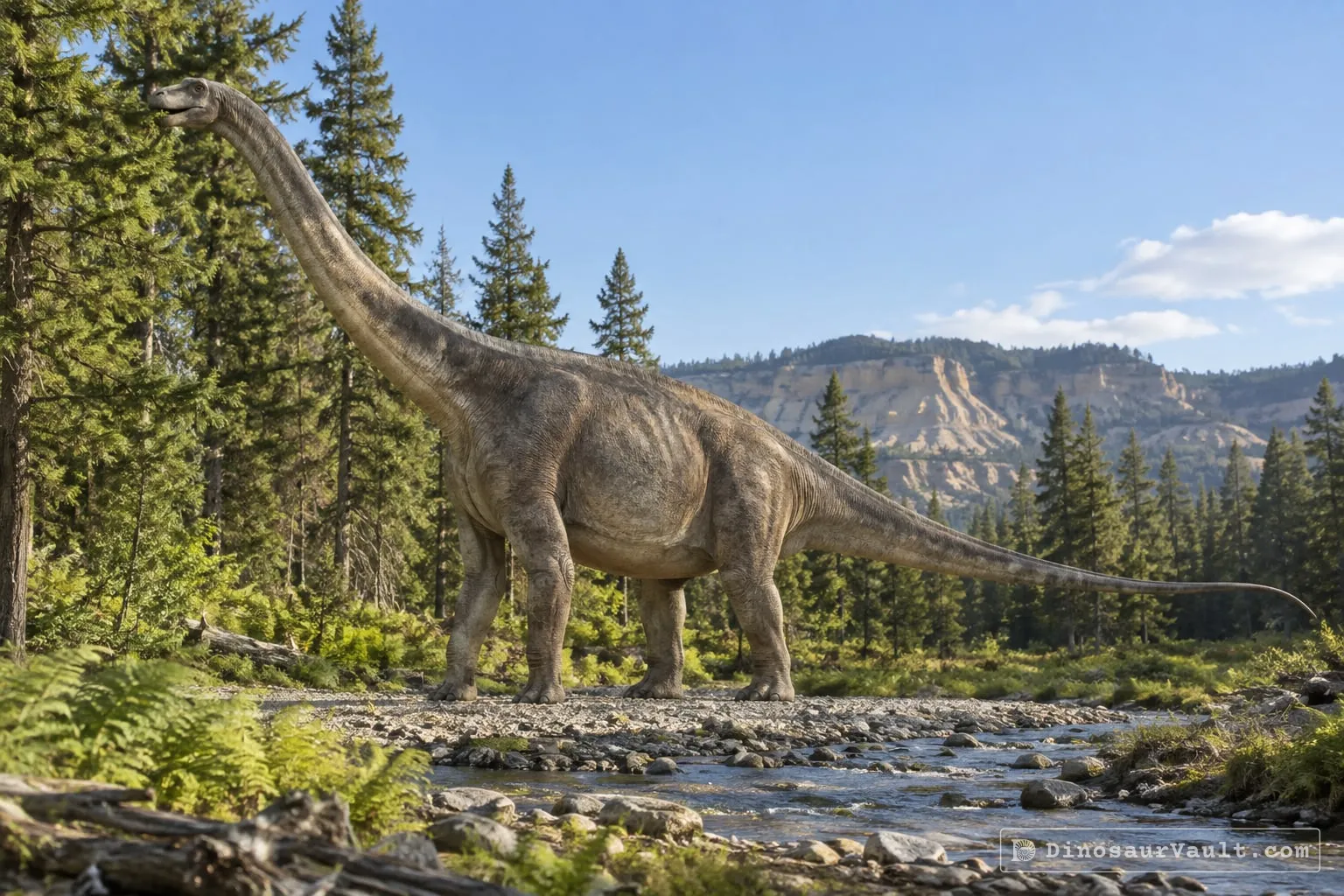
Brontomerus was a long-necked plant eater known from a few bones of an adult and a young animal. Its hip bone had a very large, flared blade at the front, which would have held unusually big thigh muscles.
Those strong legs may have helped it kick at predators or move over rough ground, though that is only a guess from the bones.
Its world
It lived in the Early Cretaceous in what is now Utah, in the United States. Its bones come from the Cedar Mountain Formation, where it shared the land with the giant raptor Utahraptor and the armored Gastonia.
How it was found
Taylor and colleagues named Brontomerus in 2011, from a single find.
Field gallery
More views of Brontomerus
Scenes reconstructed from the available fossil evidence.
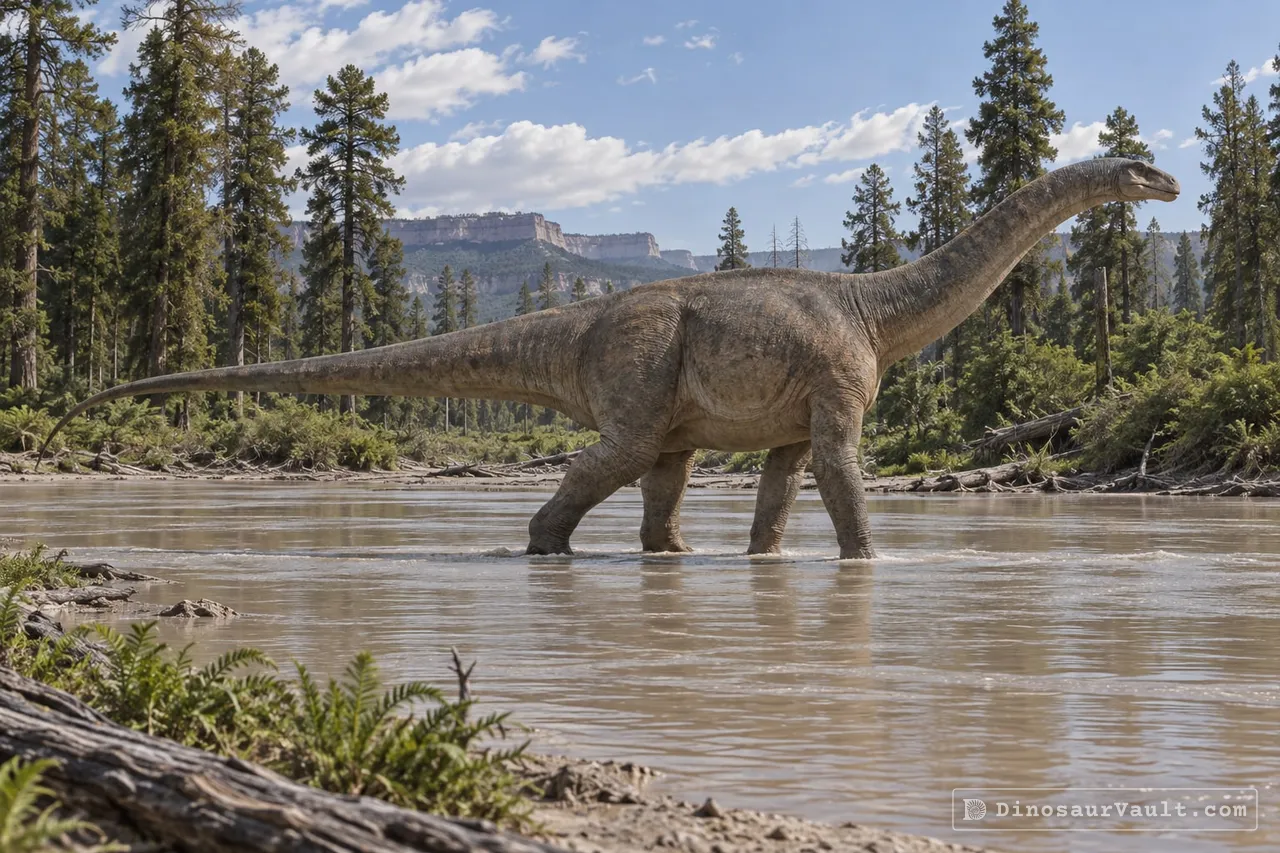
1 of 3
Lived alongside
Found in the same rock formations
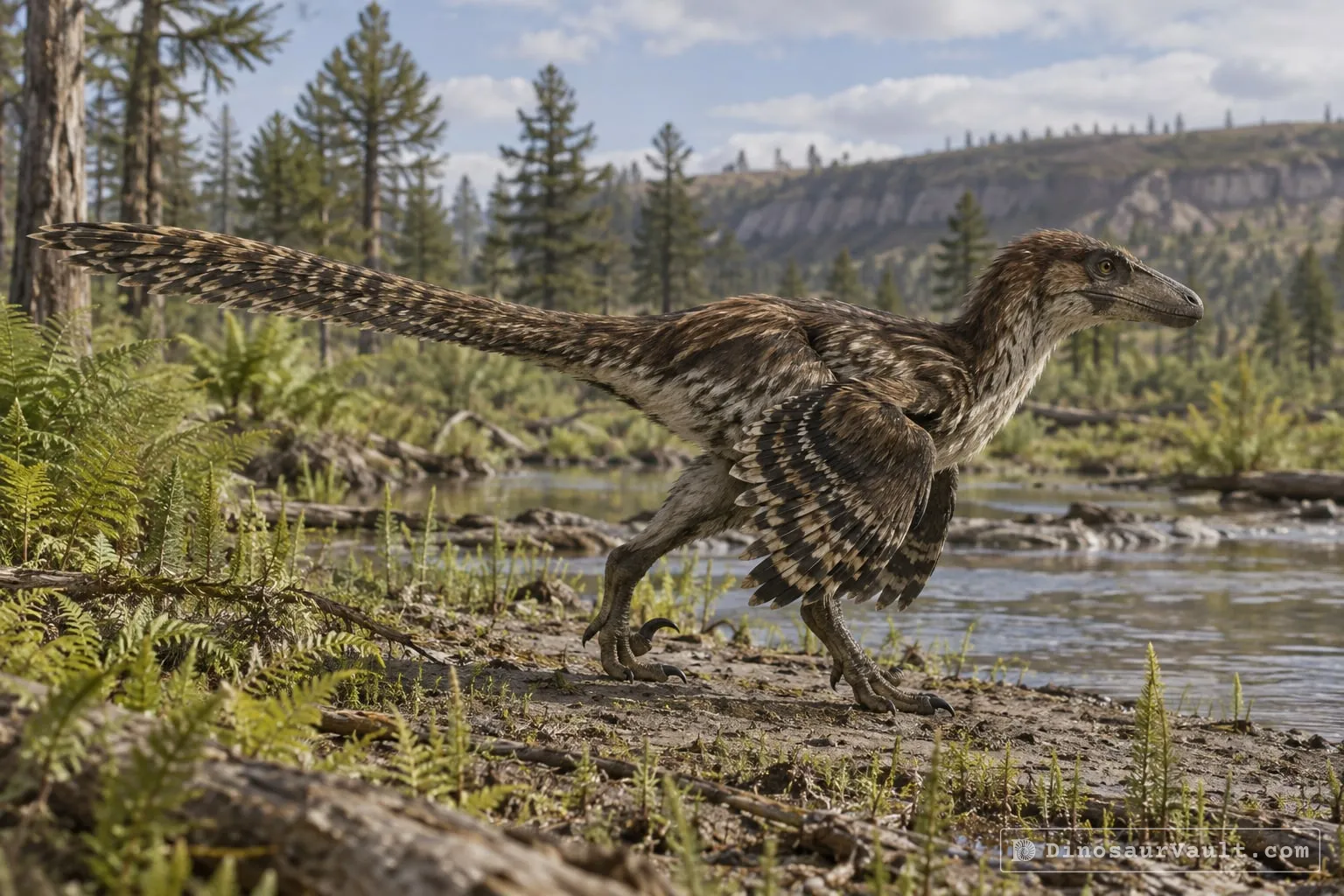
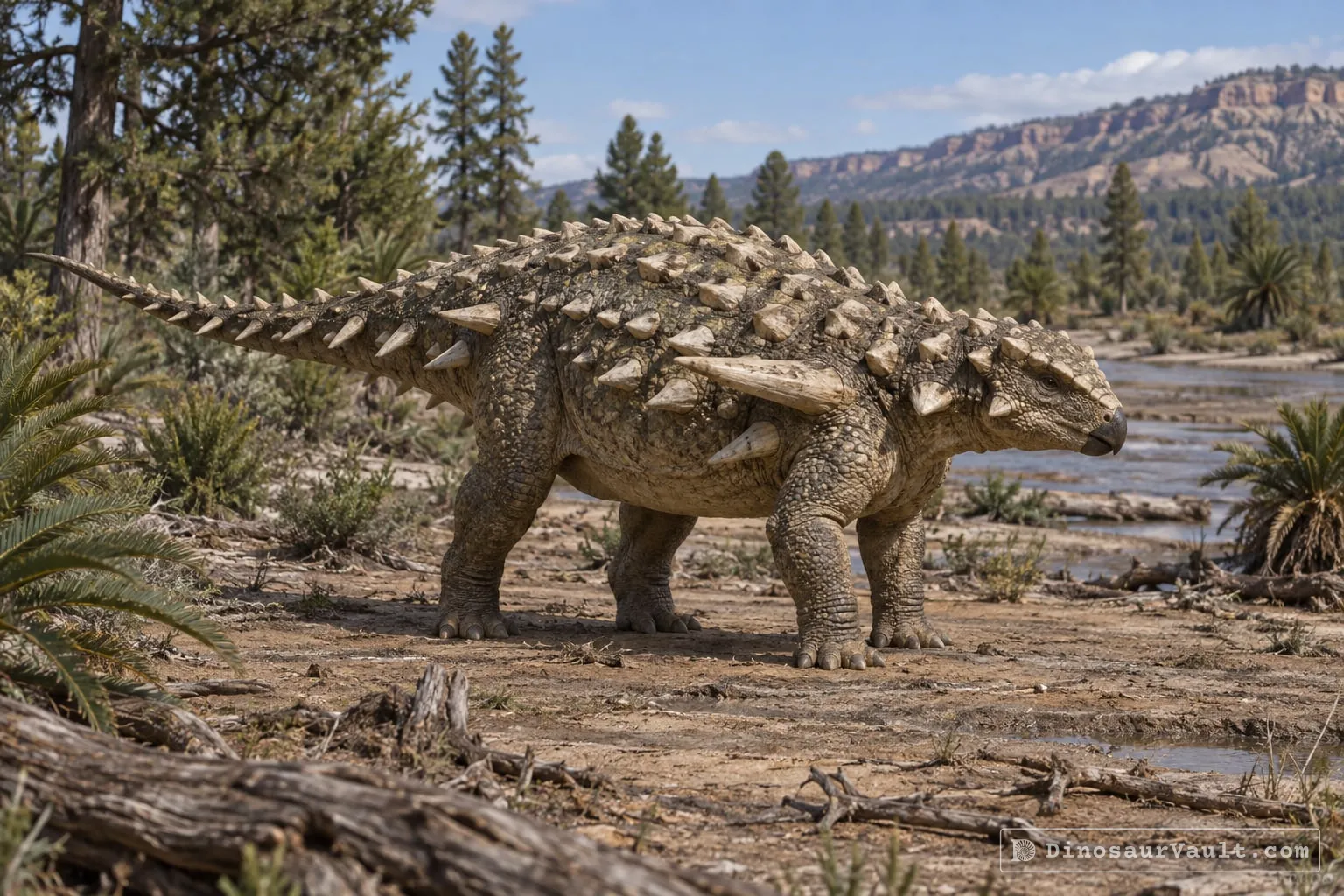
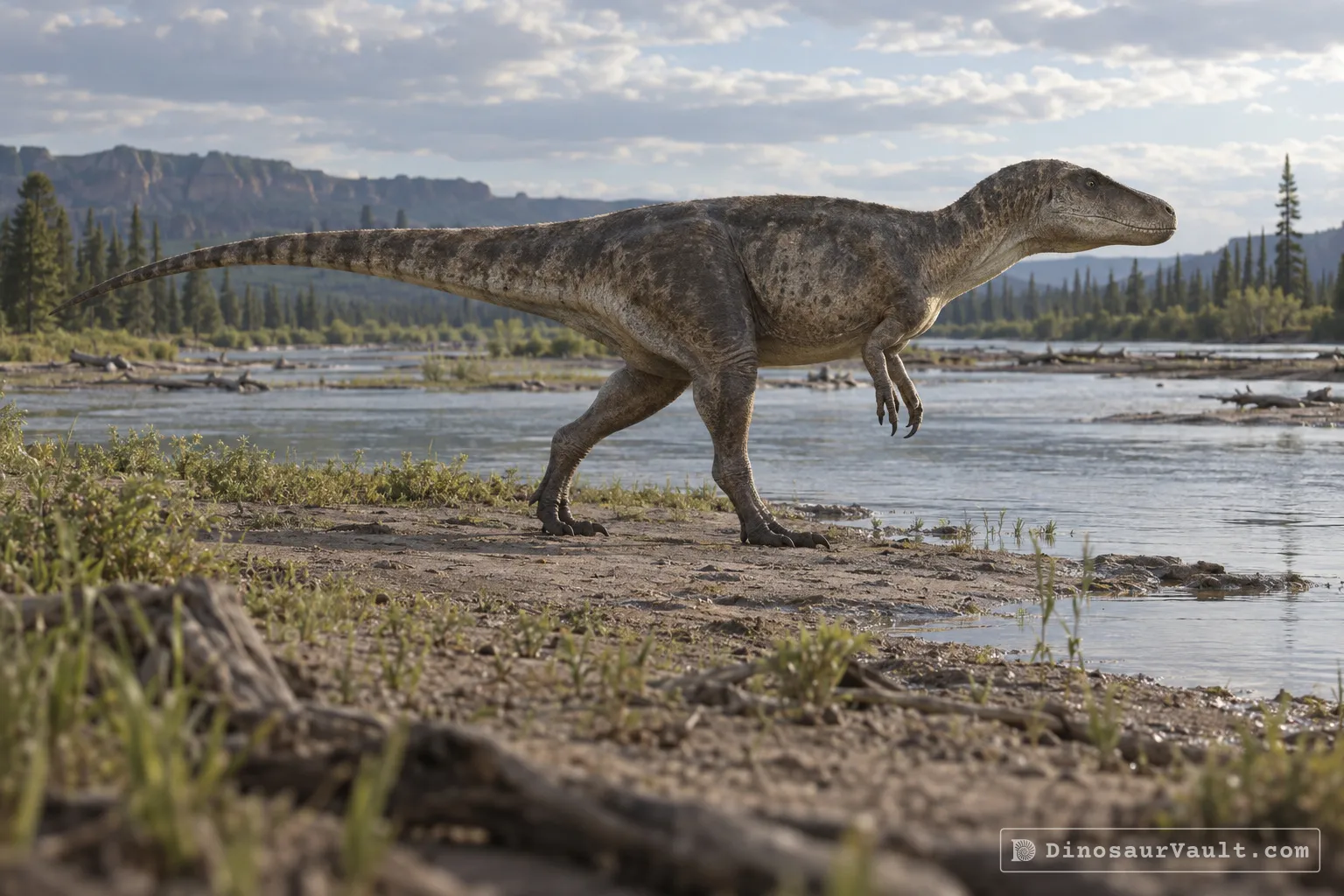
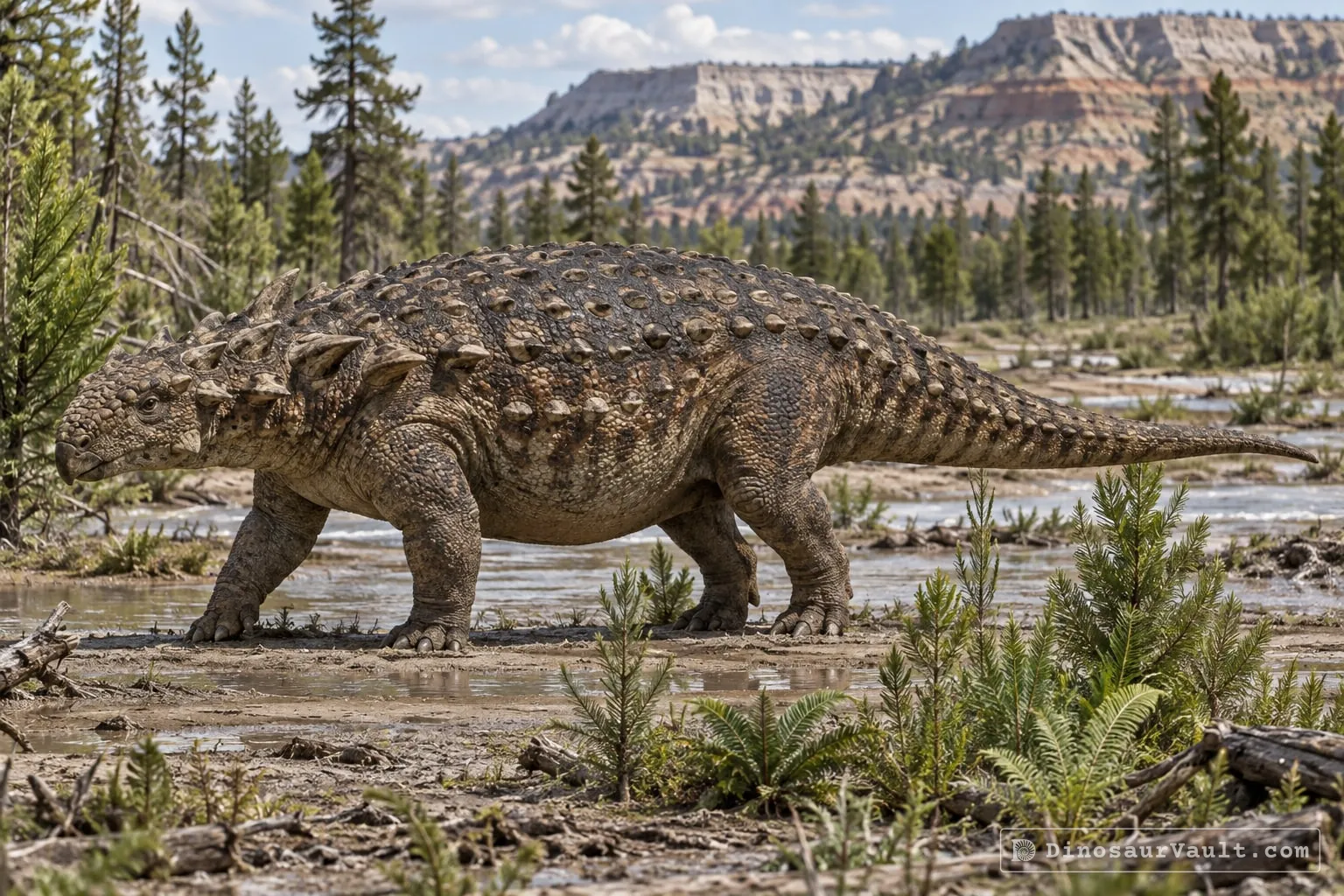
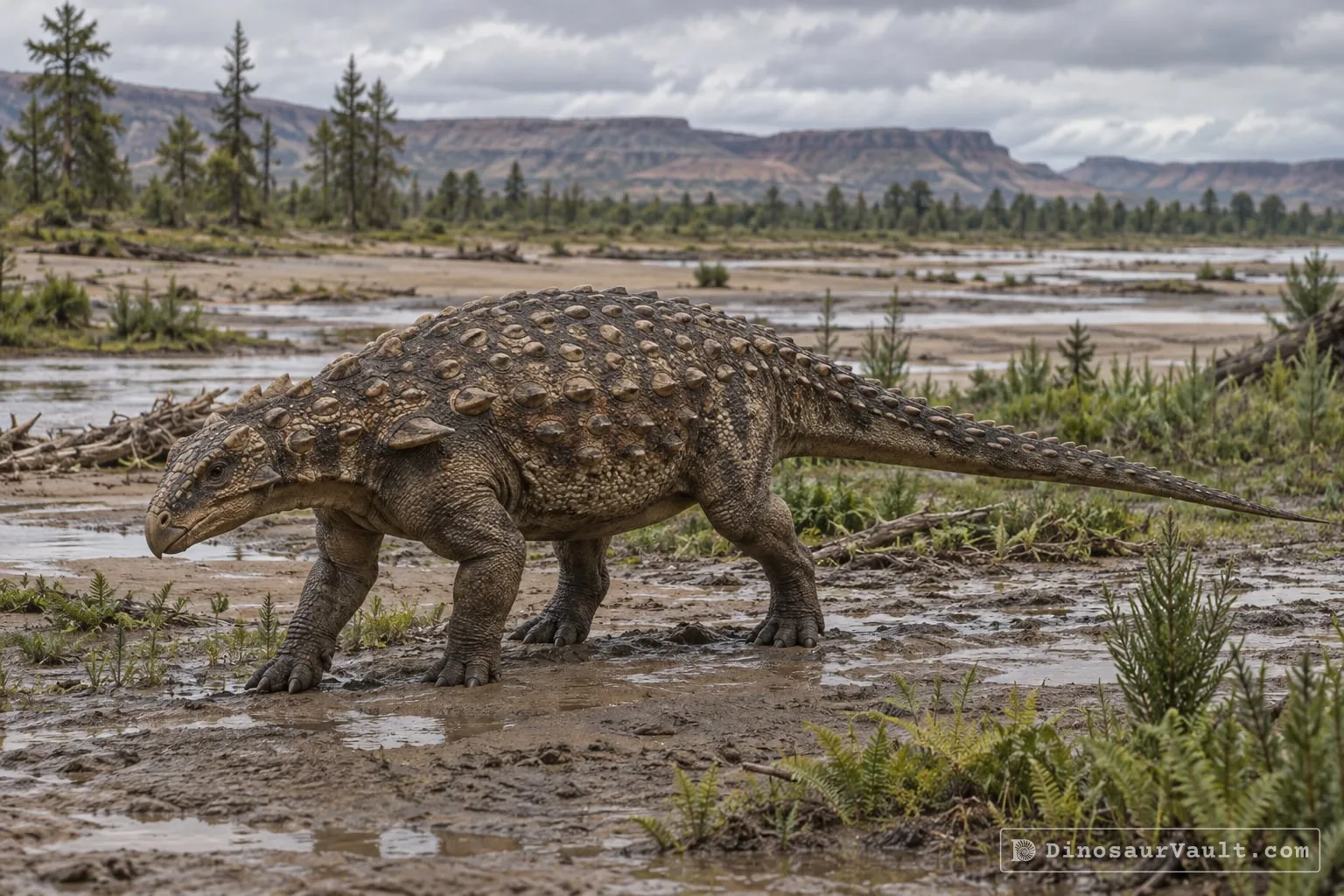


A rock formation can hold fossils laid down millions of years apart, so not every animal here met Brontomerus.
The evidence
The science behind Brontomerus
Which parts of the picture come from its own bones, and which come from its relatives.
From its own fossils
- A young animal's hip bone has an unusually tall blade that flares forward and outward.
- That broad blade provided room for large muscles that moved the thigh forward and sideways.
- Other bones assigned to Brontomerus include a shoulder blade, ribs and parts of the backbone.
Borrowed from relatives
- The missing head, neck and limbs are restored by comparison with better-known sauropods such as Camarasaurus and Brachiosaurus.
Still unknown
- Whether its powerful thigh muscles helped it kick, climb or do something else.
- Its full body proportions and exact place among sauropod relatives.
- Its skin texture and color.
Discovery timeline
- 2007Same rocksGarrison et al.
- 2011Named itTaylor, Wedel & Cifelli
- 2016Its worldHarris & Arens
Key papers
The research behind what we know of Brontomerus
Same rocks
Studied a younger quarry in the Cedar Mountain Formation and reconstructed its river and lake environments.
A multidisciplinary study of the Lower Cretaceous Cedar Mountain Formation, Mussentuchit Wash, Utah: a determination of the paleoenvironment and paleoecology of the Eolambia caroljonesa dinosaur quarry. Cretaceous Research 28: 461-494
Read the paper : A multidisciplinary study of the Lower Cretaceous Cedar Mountain Formation, Mussentuchit Wash, Utah: a determination of the paleoenvironment and paleoecology of the Eolambia caroljonesa dinosaur quarry (opens in a new tab)Named it
Named Brontomerus from fragmentary bones, including a juvenile hip with an unusually large area for thigh muscles.
A New Sauropod Dinosaur from the Lower Cretaceous Cedar Mountain Formation, Utah, USA. Acta Palaeontologica Polonica 56: 75-98
Read the paper : A New Sauropod Dinosaur from the Lower Cretaceous Cedar Mountain Formation, Utah, USA (opens in a new tab)Its world
Found flowering plants around a pond in younger Cedar Mountain rocks and reviewed the region's conifers and ferns.
A mid-Cretaceous angiosperm-dominated macroflora from the Cedar Mountain Formation of Utah, USA. Journal of Paleontology 90: 640-662
Read the paper : A mid-Cretaceous angiosperm-dominated macroflora from the Cedar Mountain Formation of Utah, USA (opens in a new tab)
Close relatives
Other members of Somphospondyli


Sources: Wikidata