Similicaudipteryx
"like Caudipteryx"
Type species Similicaudipteryx yixianensis
- Lived
- 121 to 113 million years ago, Early Cretaceous
- Diet
- Omnivore
- Group
- Theropods, Caudipterygidae
- Found in
- China
- Named by
- He et al. 2008
Where its fossils were found
The evidence
Today

115 million years ago
Habitat
Lakes dotted a volcanic landscape in northeastern China. Microraptor and Psittacosaurus also occur in the Jiufotang Formation.
Field notes
About Similicaudipteryx
What it was like
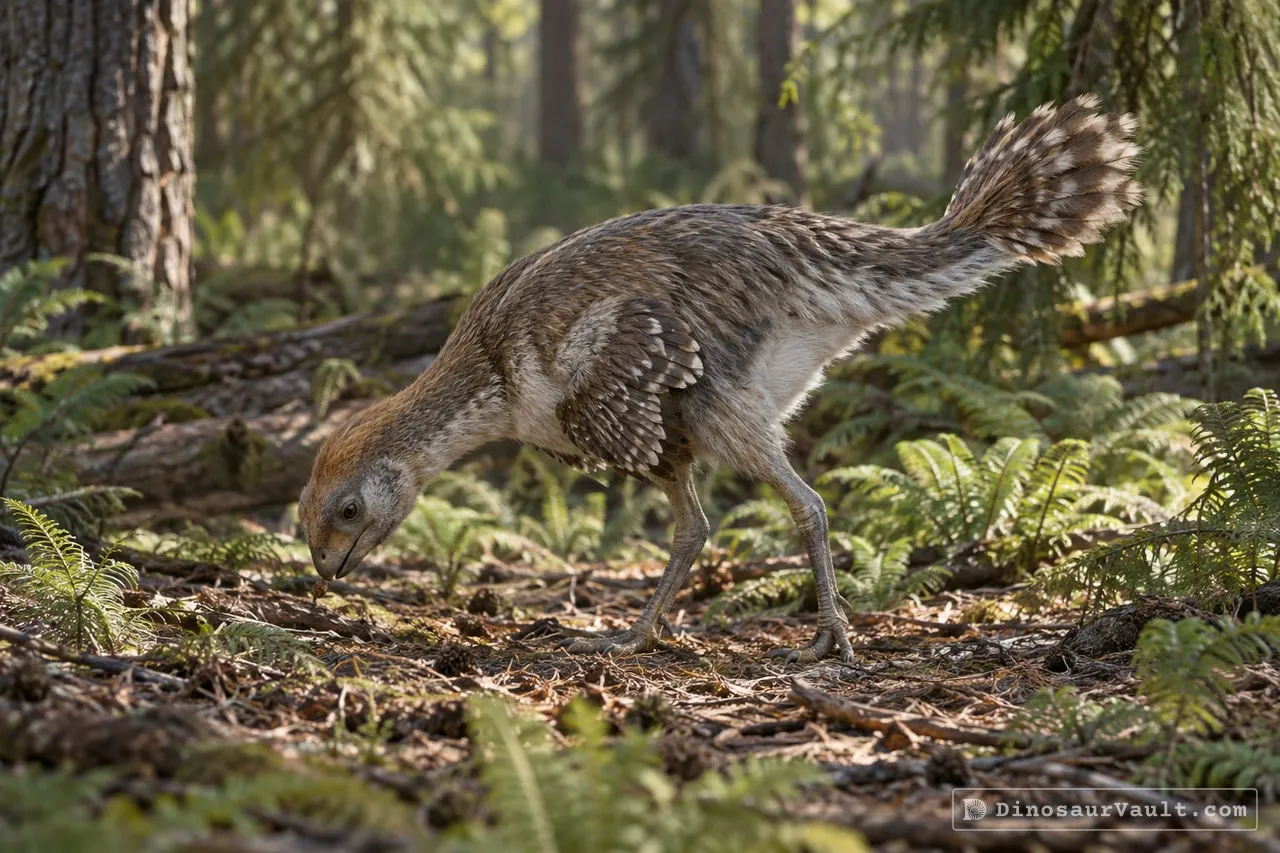
Similicaudipteryx was an early relative of Oviraptor and a close cousin of Caudipteryx. It probably had feathers like its relatives, but its own feather covering remains uncertain.
Two young skeletons were tentatively assigned to it. The younger had ribbon-like feather bases, while the older had feathers with broad vanes. A later study favored placing both in Incisivosaurus because of their teeth, so they do not securely show how Similicaudipteryx feathers changed with growth.
Its world
It lived in the Early Cretaceous in what is now northeastern China. Its bones come from the Jiufotang Formation, where it shared the land with the four-winged Microraptor and the beaked Psittacosaurus.
How it was found
He and colleagues named Similicaudipteryx in 2008.
Field gallery
More views of Similicaudipteryx
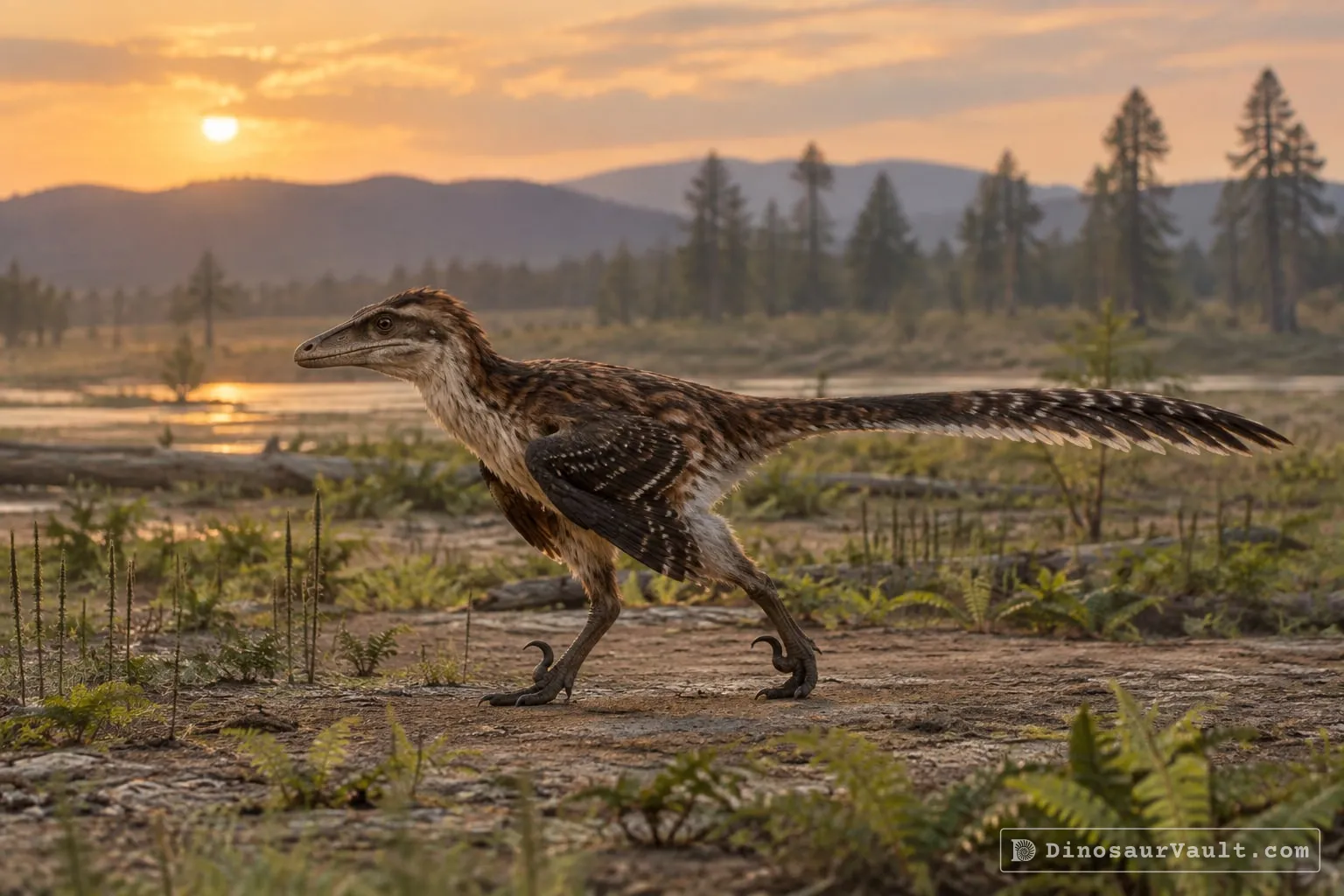
Scenes reconstructed from the available fossil evidence.
1 of 3
Lived alongside
Found in the same rock formations
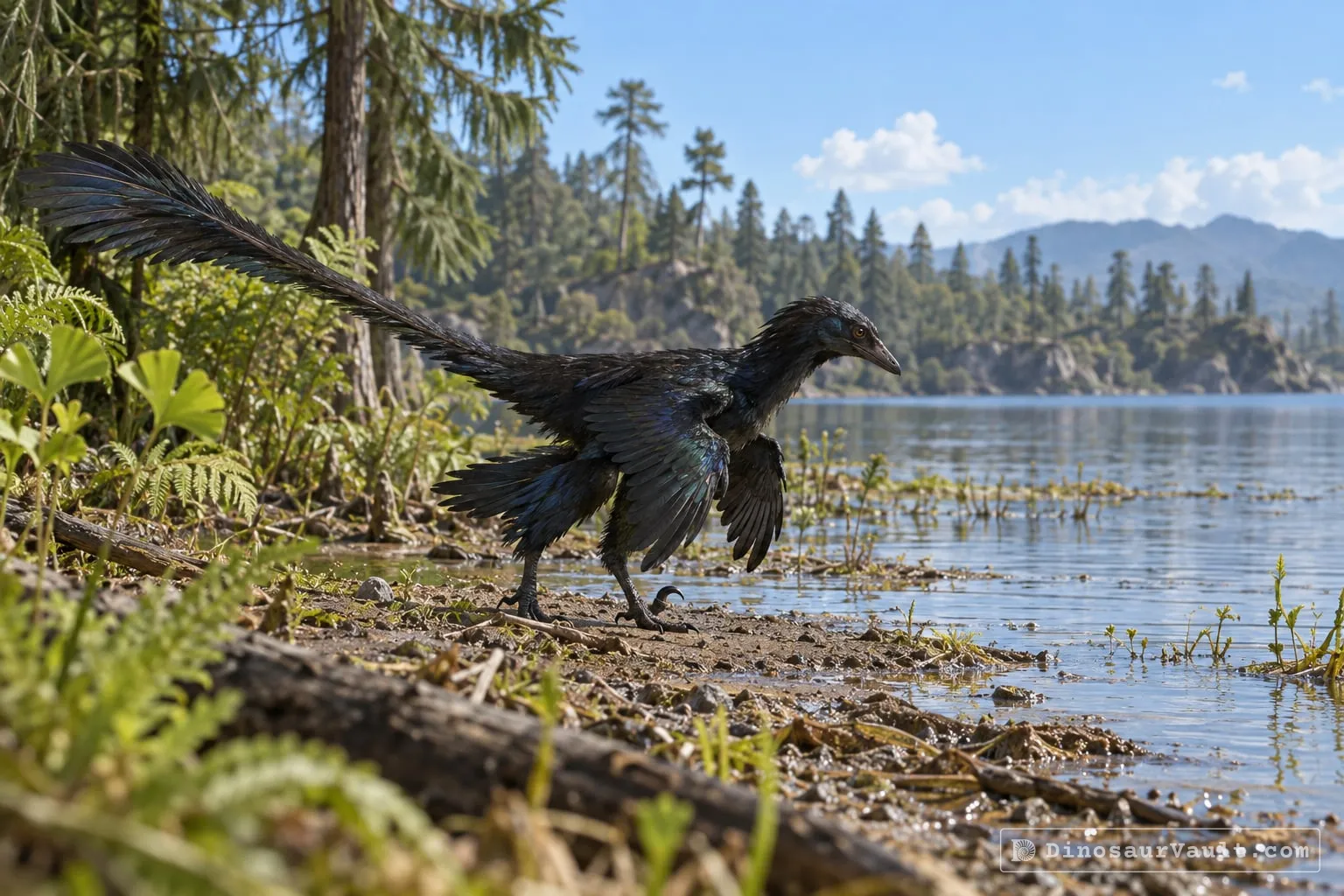
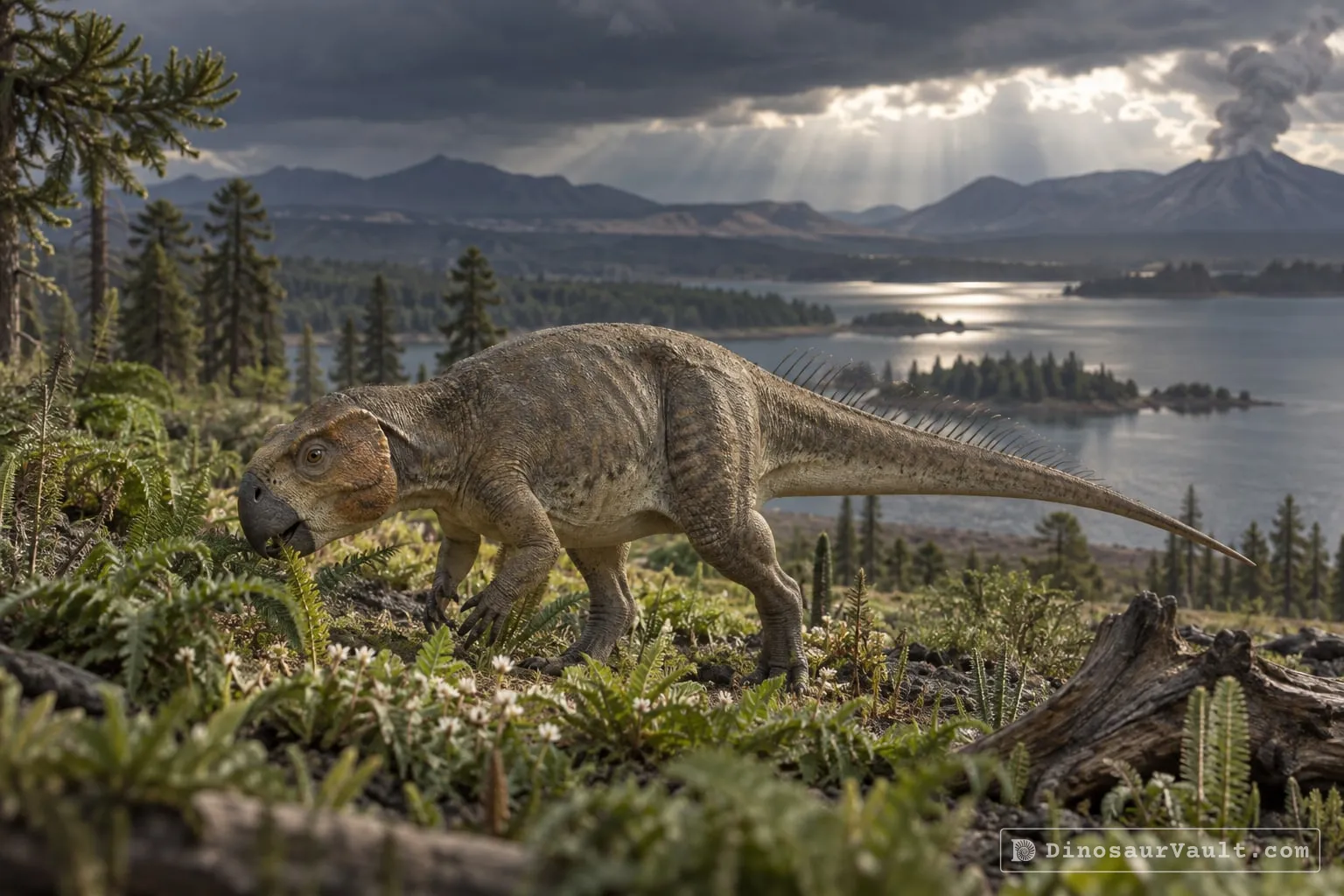
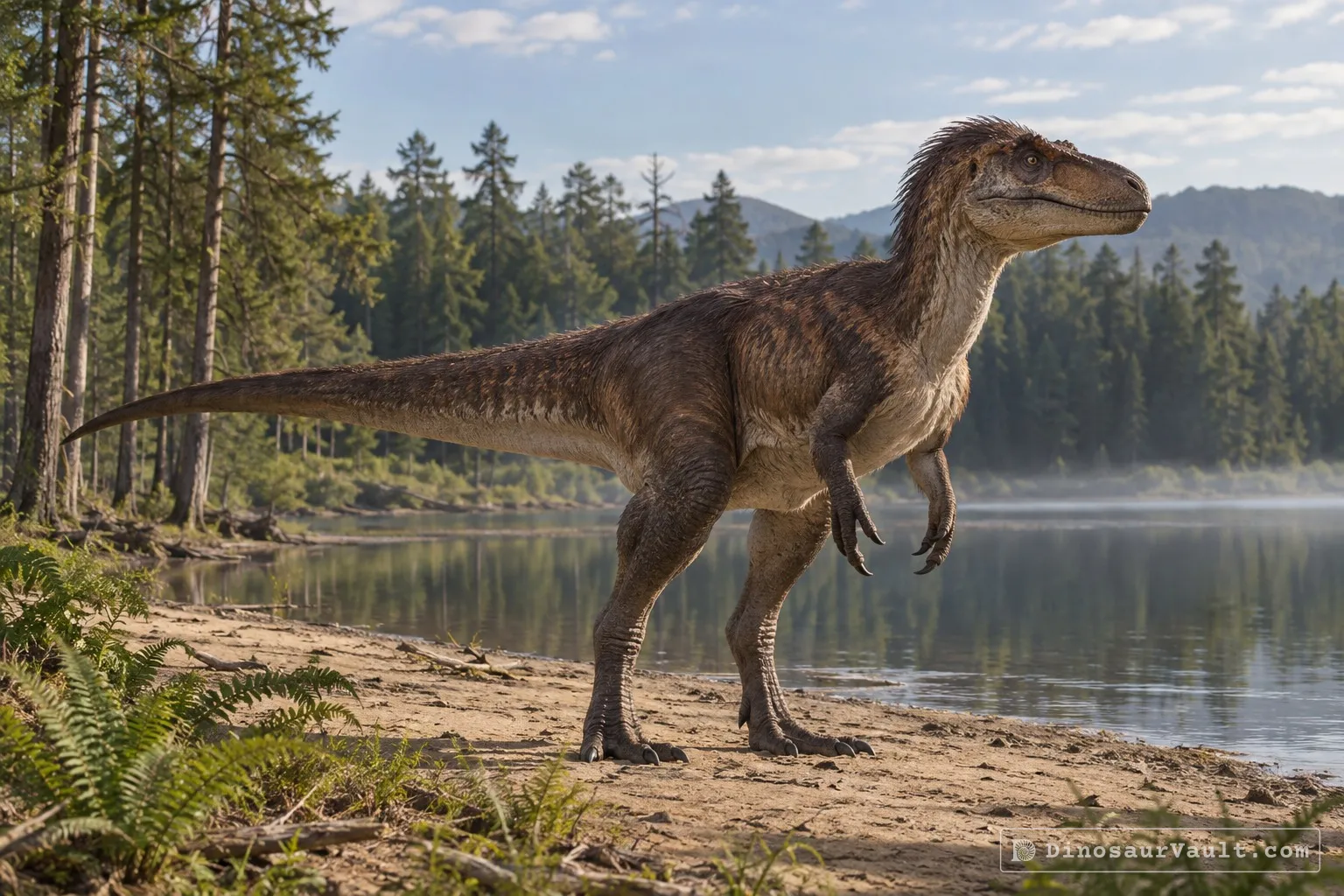
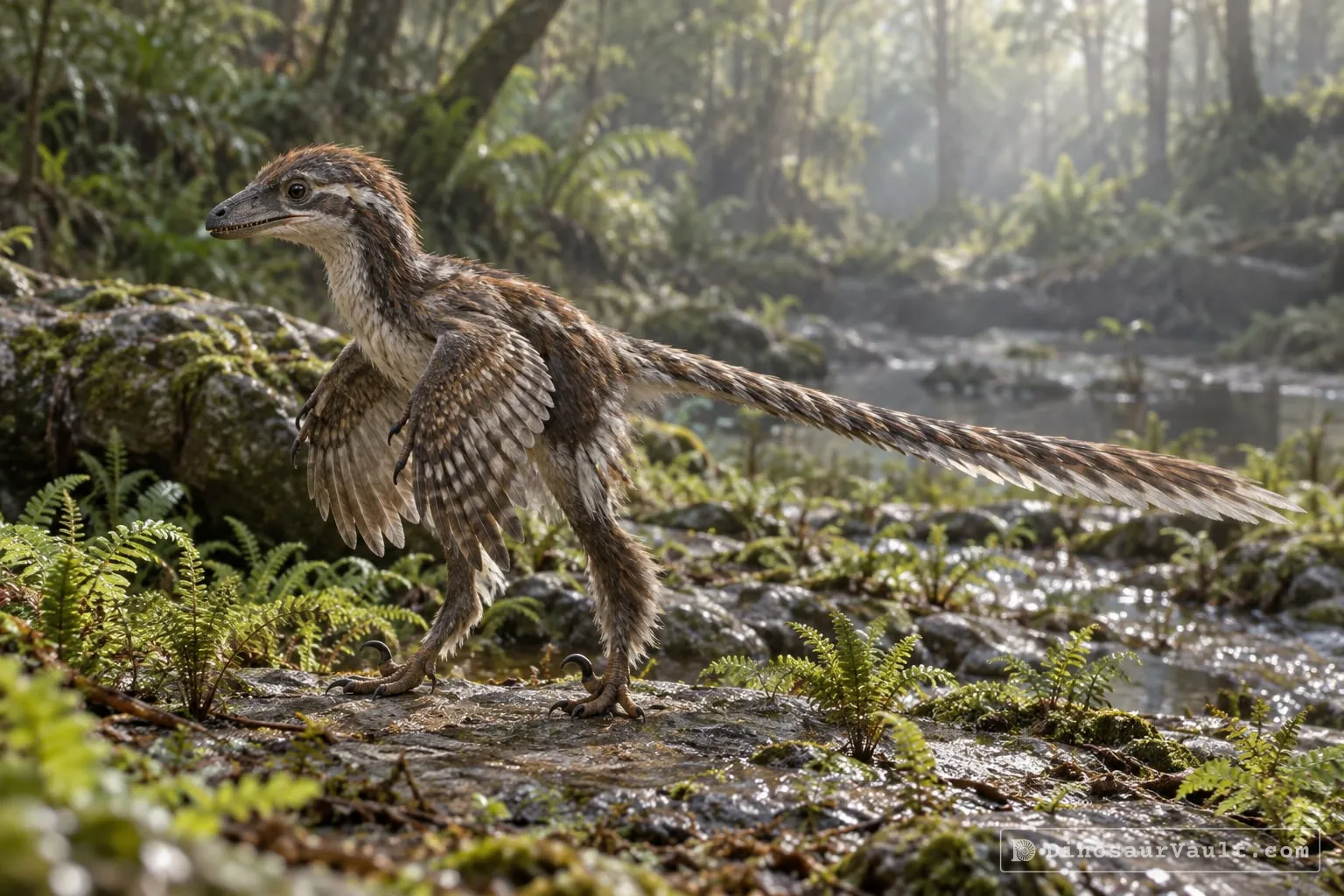
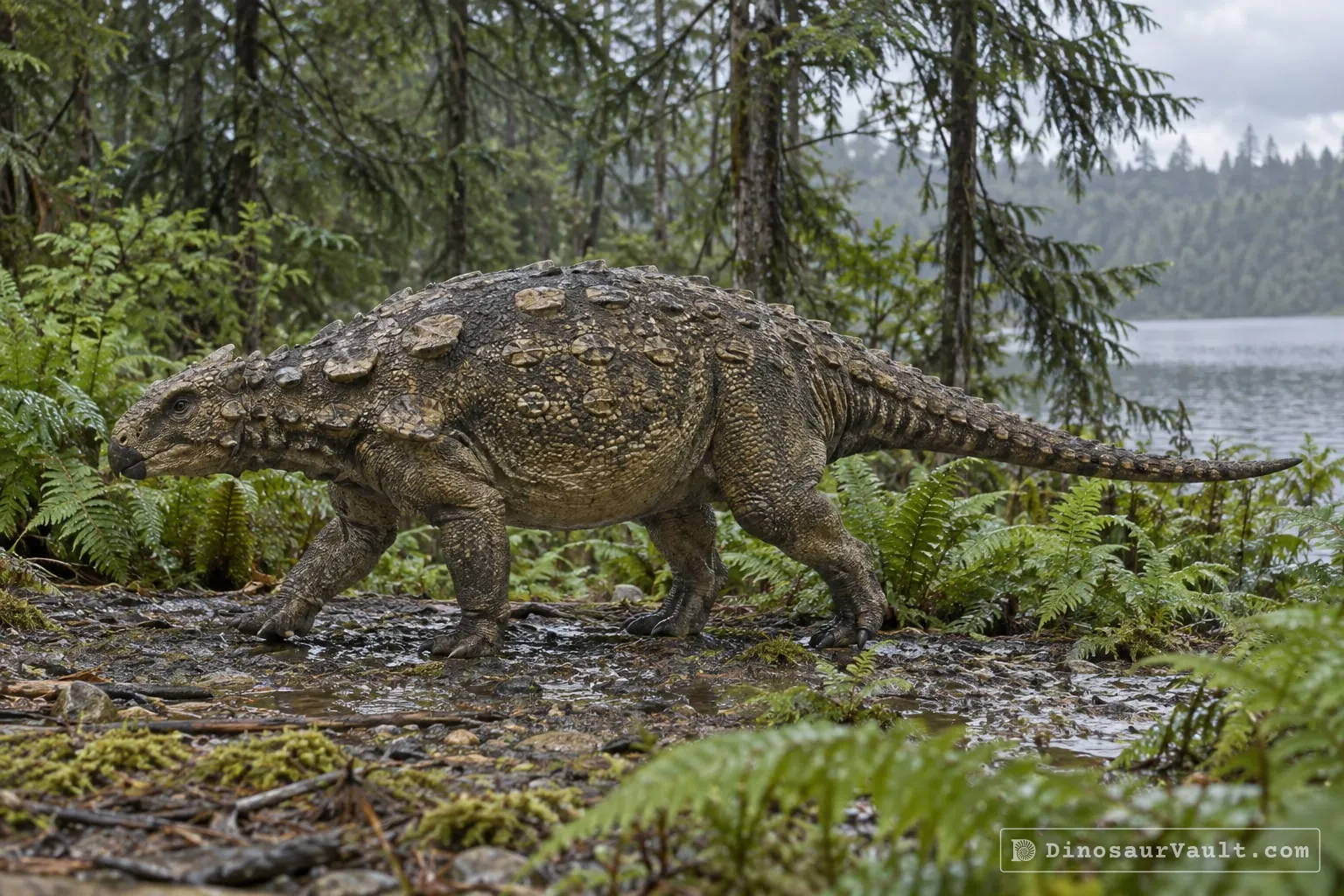
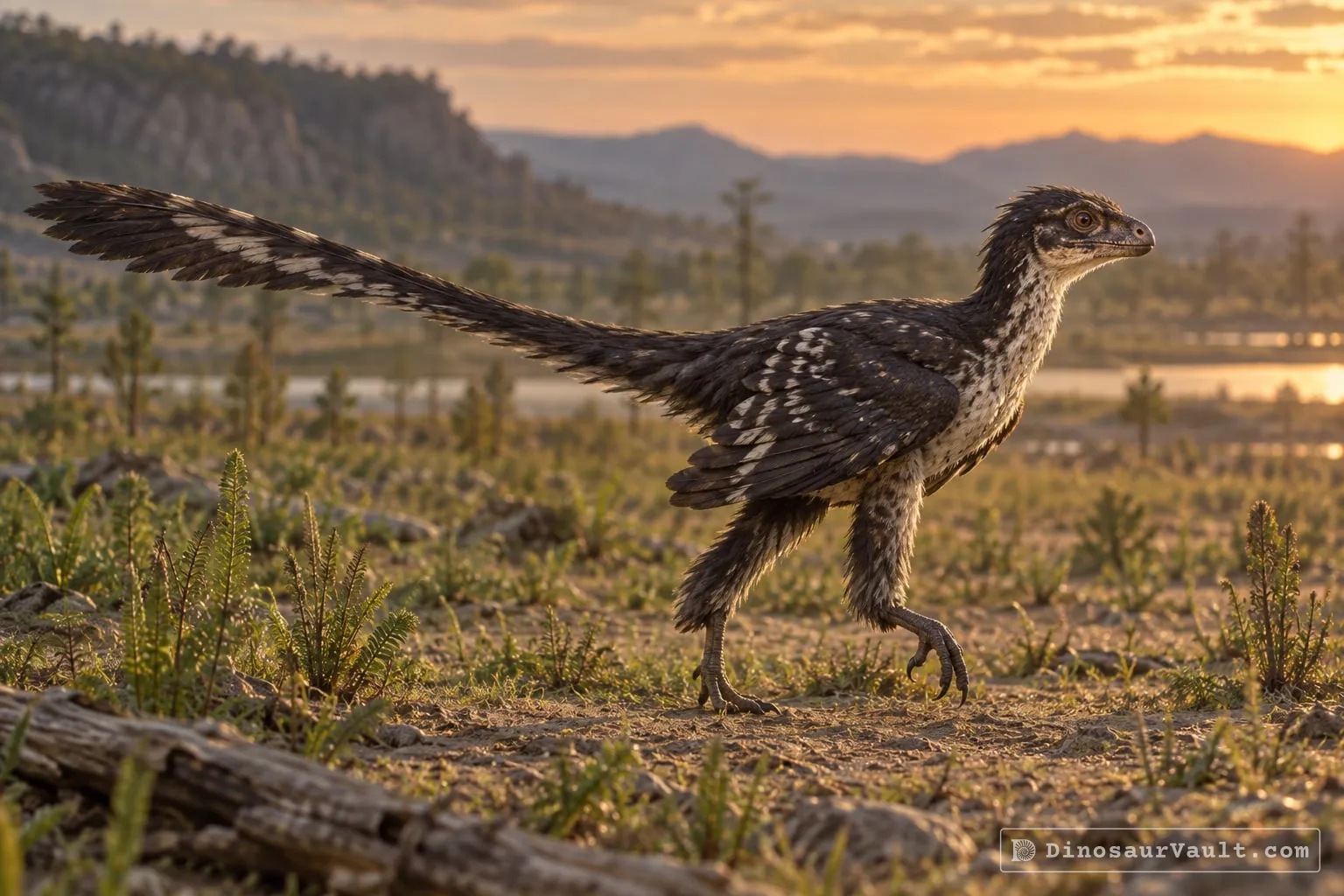
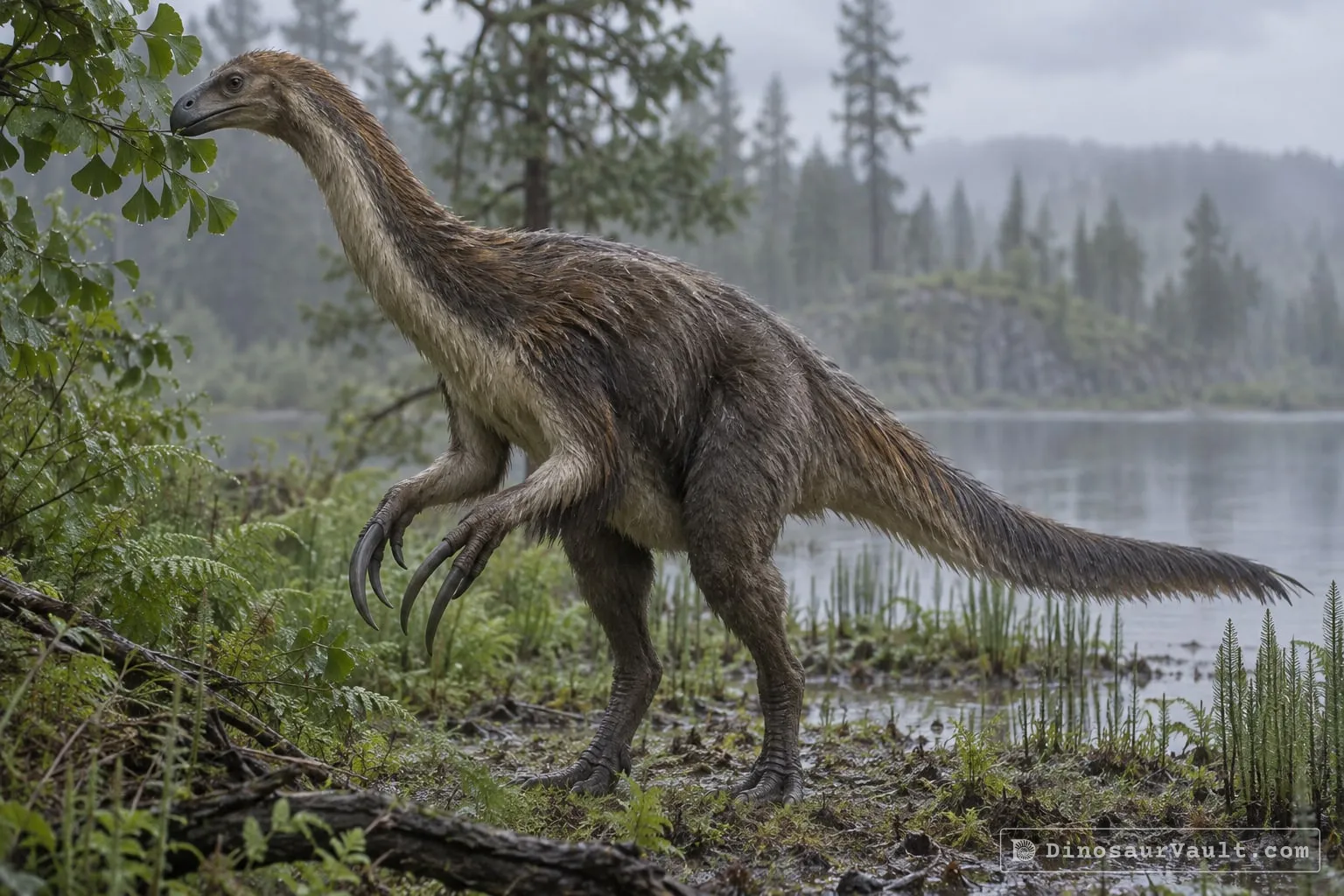


A rock formation can hold fossils laid down millions of years apart, so not every animal here met Similicaudipteryx.
The evidence
The science behind Similicaudipteryx
Which parts of the picture come from its own bones, and which come from its relatives.
From its own fossils
- The type skeleton has a dagger-shaped fused bone at the tip of the tail, a long pubic bone in the hip, short arms and a short tail.
- Its foot bones resemble those of Caudipteryx, and the first toe did not turn backward. Its back vertebrae have deep hollows, and its shoulder blade is slightly bowed.
- Two young skeletons tentatively referred to it carry long feathers on the arms and tail. The younger has ribbon-like feather bases, while the older has feathers with broad vanes.
Borrowed from relatives
- The head, neck and chest, the details of the arms and hands, and the feather covering are restored from Caudipteryx.
Still unknown
- Whether the two feathered young skeletons belong to it. One of the scientists who first described them later favored placing both in Incisivosaurus, because of their teeth.
- Whether the ribbon-like feather bases of the younger skeleton were a special juvenile feather type or feathers still emerging during a molt.
- Its head and the full appearance of its feathers. Its hand is incompletely preserved.
Discovery timeline
- 2008Named itHe, Wang & Zhou
- 2010Growing upXu, Zheng & You
- 2010Growing upPrum
- 2020SkinXu
Key papers
The research behind what we know of Similicaudipteryx
Named it
Named a close relative of Caudipteryx with a distinctive fused tail tip, hip proportions and back vertebrae.
A new genus and species of caudipterid dinosaur from the Lower Cretaceous Jiufotang Formation of western Liaoning, China. Vertebrata PalAsiatica 46: 178-189
No link available
Growing up
Described feathered juveniles of different ages, referred to Similicaudipteryx, and proposed that their arm and tail feathers changed shape as they grew.
Exceptional dinosaur fossils show ontogenetic development of early feathers. Nature 464: 1338-1341
Read the paper : Exceptional dinosaur fossils show ontogenetic development of early feathers (opens in a new tab)Growing up
Proposed that the younger specimen's ribbon-like tail feathers were developing feathers emerging from their sheaths during a molt.
Moulting tail feathers in a juvenile oviraptorisaur. Nature 468: E1-E1
Read the paper : Moulting tail feathers in a juvenile oviraptorisaur (opens in a new tab)Skin
Reviewed early feather types in theropods and favored moving the two feathered juveniles once referred to Similicaudipteryx into Incisivosaurus, based on their teeth.
Filamentous Integuments in Nonavialan Theropods and Their Kin: Advances and Future Perspectives for Understanding the Evolution of Feathers. Fascinating Life Sciences: 67-78
Read the paper : Filamentous Integuments in Nonavialan Theropods and Their Kin: Advances and Future Perspectives for Understanding the Evolution of Feathers (opens in a new tab)
Close relatives
Other members of Caudipterygidae

Sources: Wikidata