Sinotyrannus
"Chinese tyrant"
Type species Sinotyrannus kazuoensis
- Lived
- 121 to 113 million years ago, Early Cretaceous
- Diet
- Carnivore
- Group
- Theropods, Proceratosauridae
- Found in
- China
- Named by
- Ji et al. 2009
Where its fossils were found
The evidence
Today

115 million years ago
Habitat
Lakes lay among woodland where conifers were common. Microraptor, Psittacosaurus and Chuanqilong lived in the Jiufotang landscape.
Field notes
About Sinotyrannus
What it was like
Sinotyrannus was a large, early relative of the tyrannosaurs. It is known from part of a skull, some backbones and part of the hips, which show it was far bigger than most early tyrannosauroids.
It belonged to a family whose members often carried crests on their snouts, and was a relative of Yutyrannus and Guanlong.
Its world
It lived about 121 to 113 million years ago, in the Early Cretaceous, in what is now China. Its bones come from the Jiufotang Formation, where it shared forests and lakes with the four-winged Microraptor and the beaked Psittacosaurus.
How it was found
Ji and colleagues named Sinotyrannus kazuoensis in 2009, from a single find. It shows that some tyrannosaur relatives grew large long before the giant tyrannosaurs of the Late Cretaceous.
Field gallery
More views of Sinotyrannus
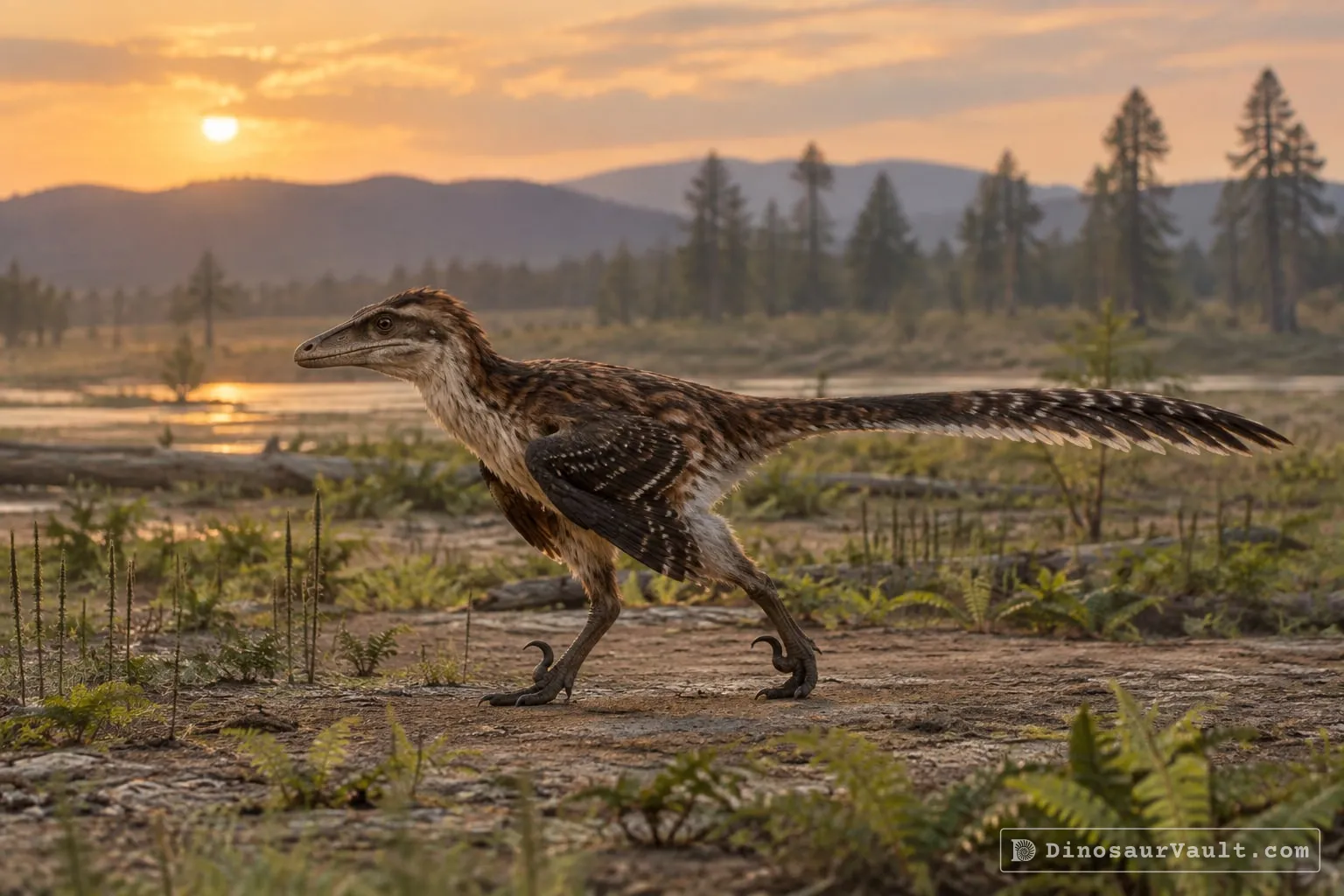
Scenes reconstructed from the available fossil evidence.
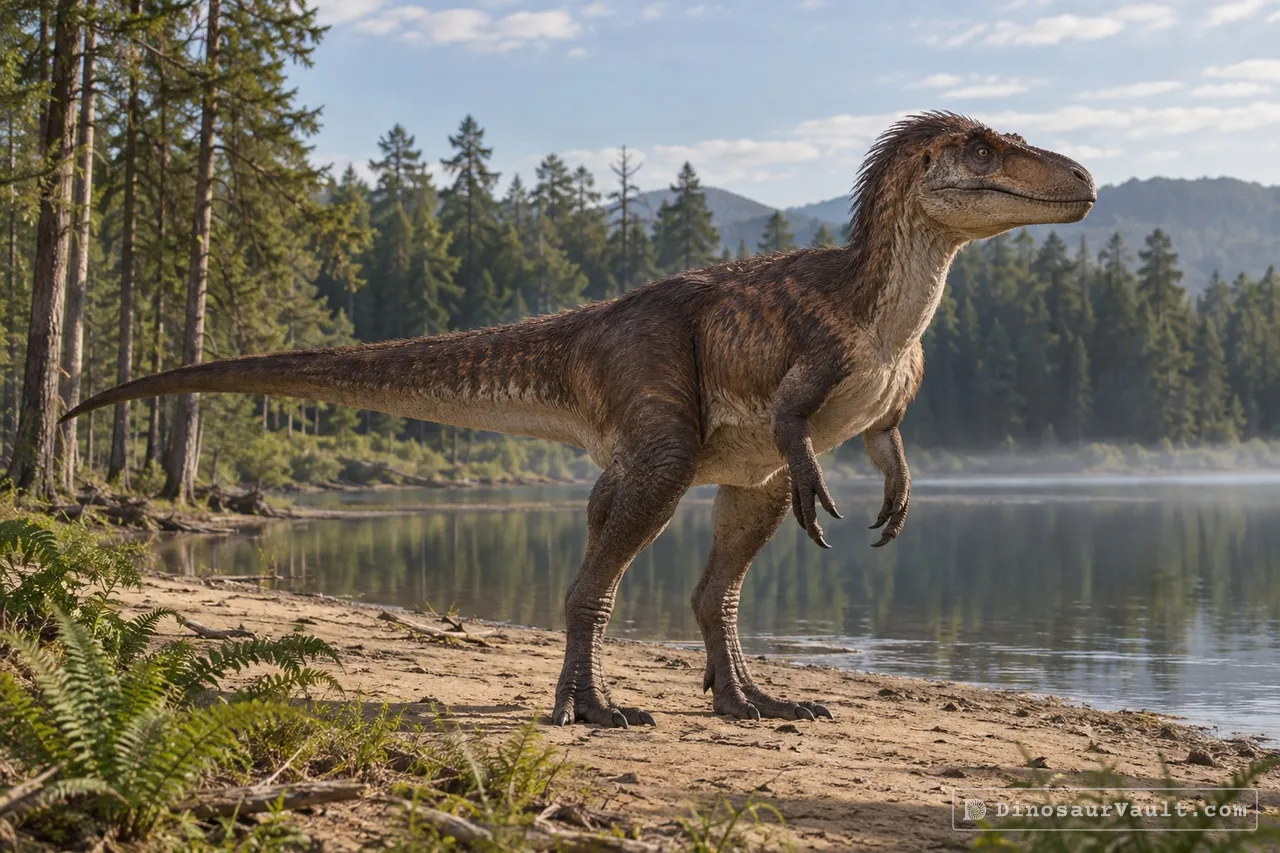
Lived alongside
Found in the same rock formations
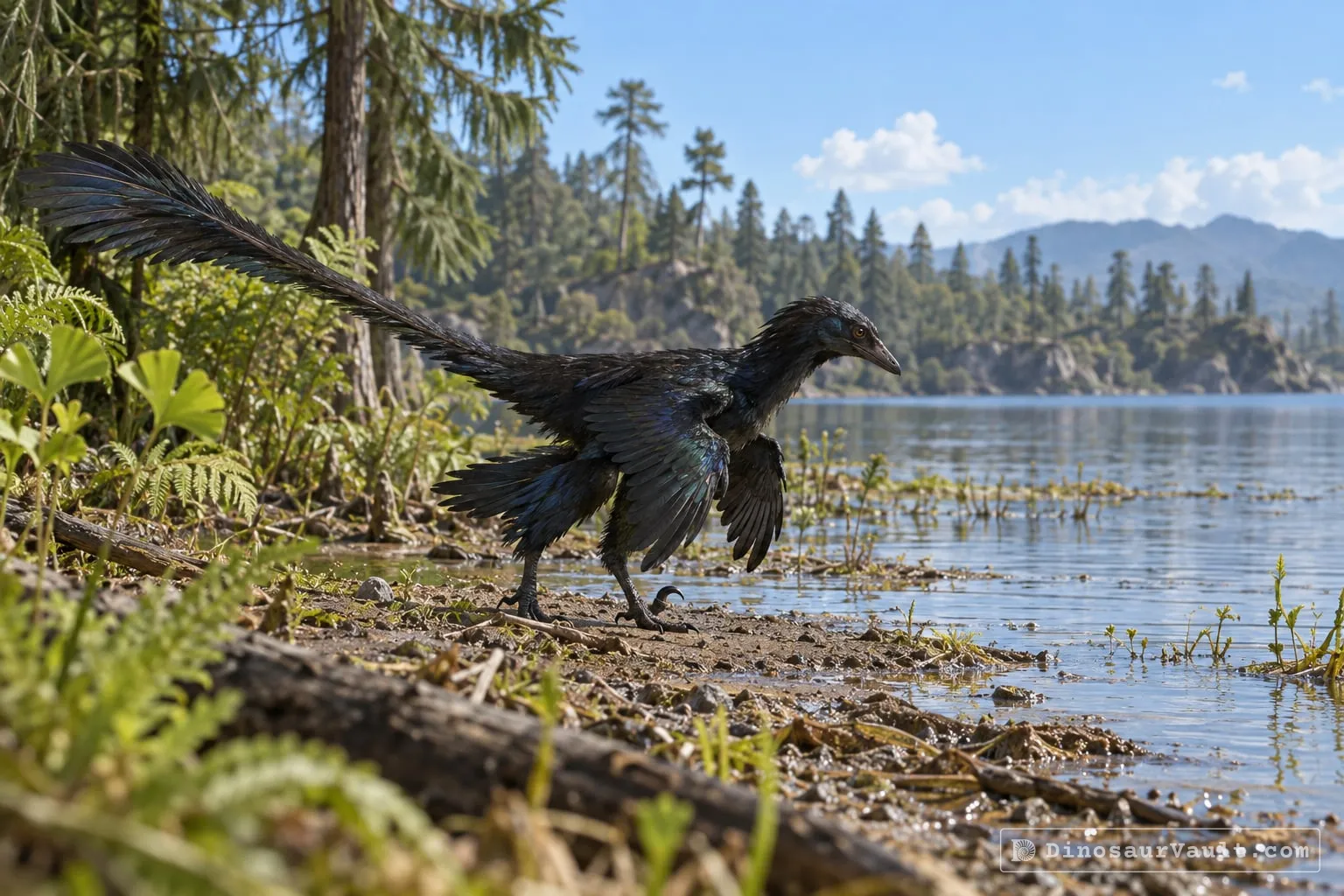
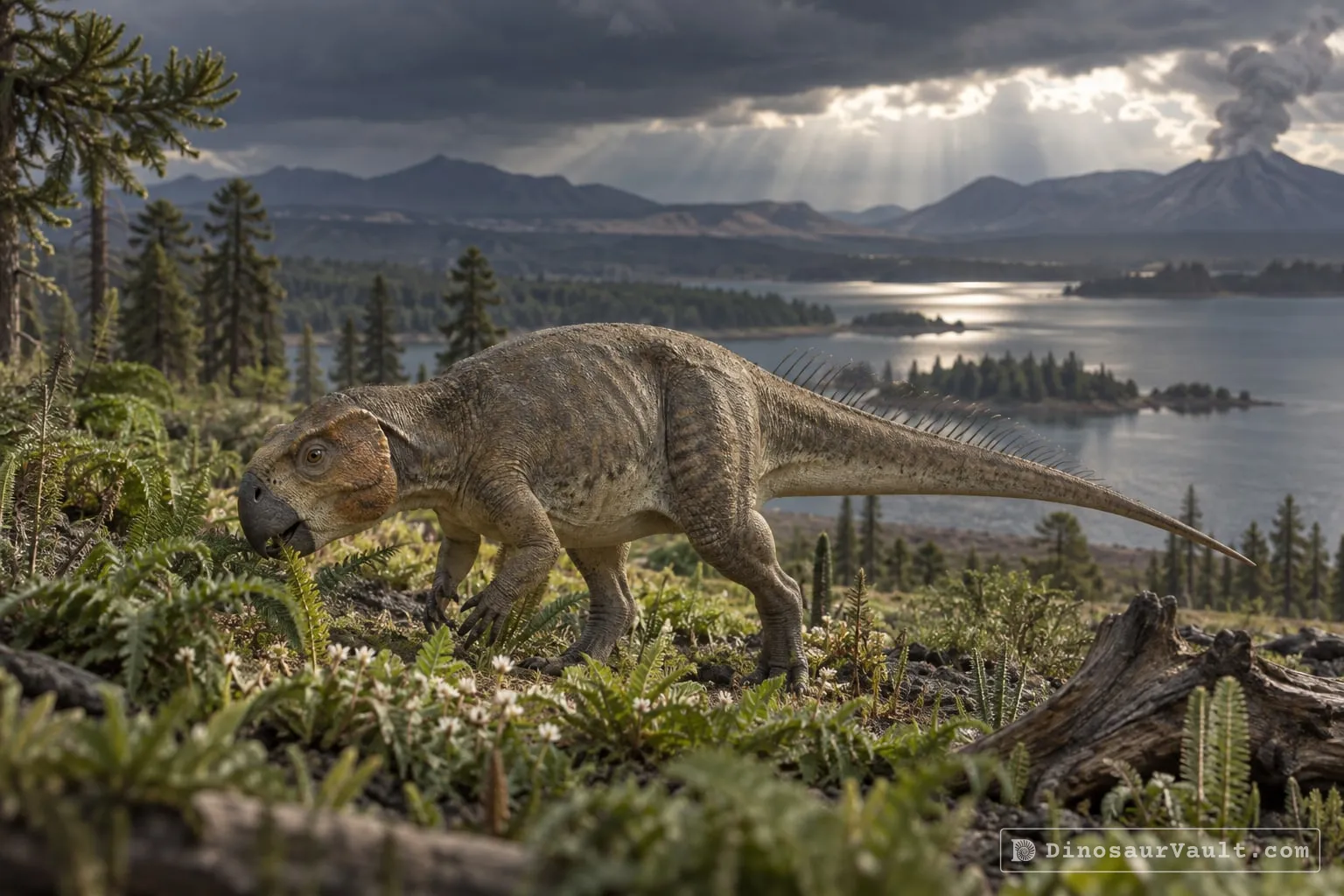
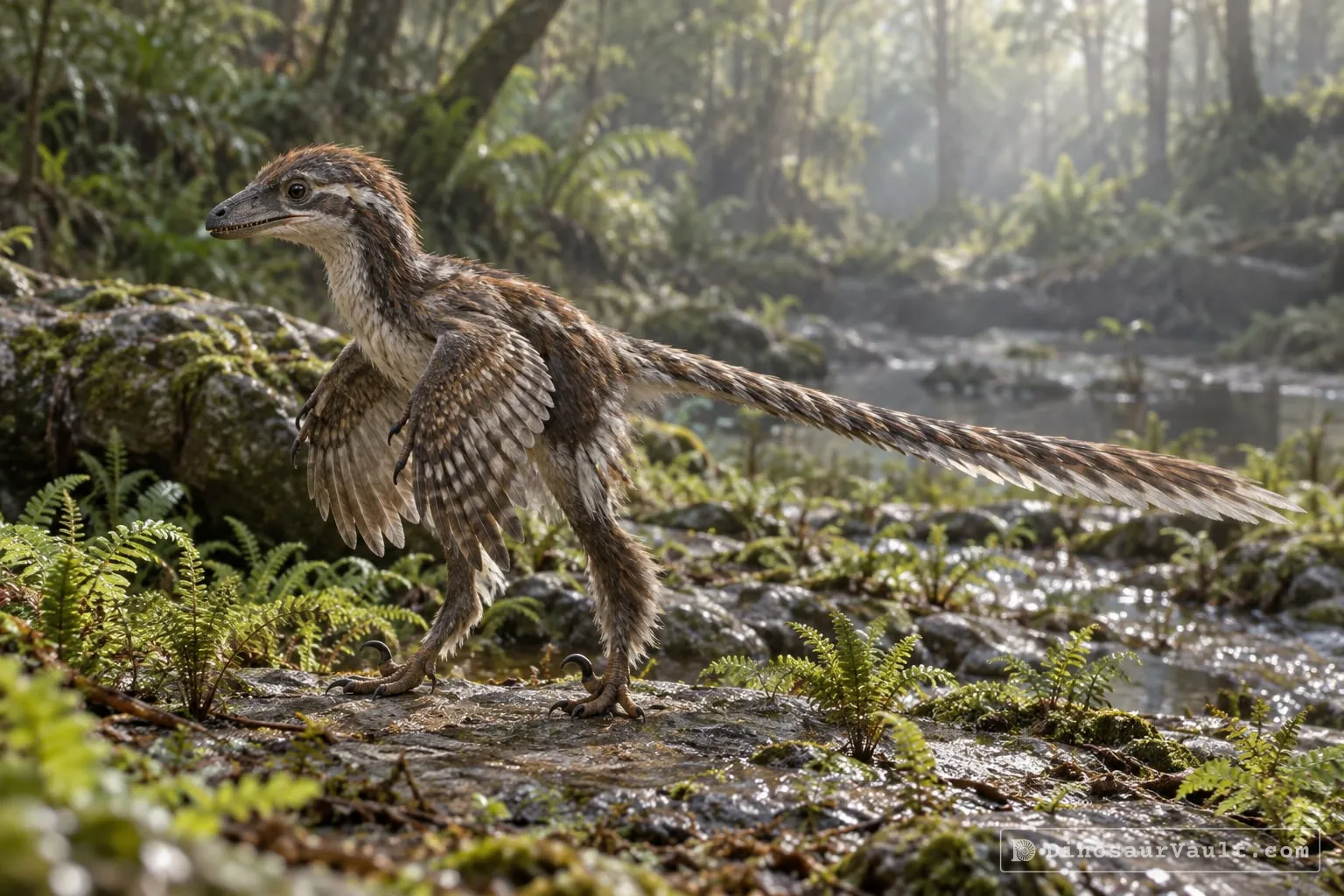
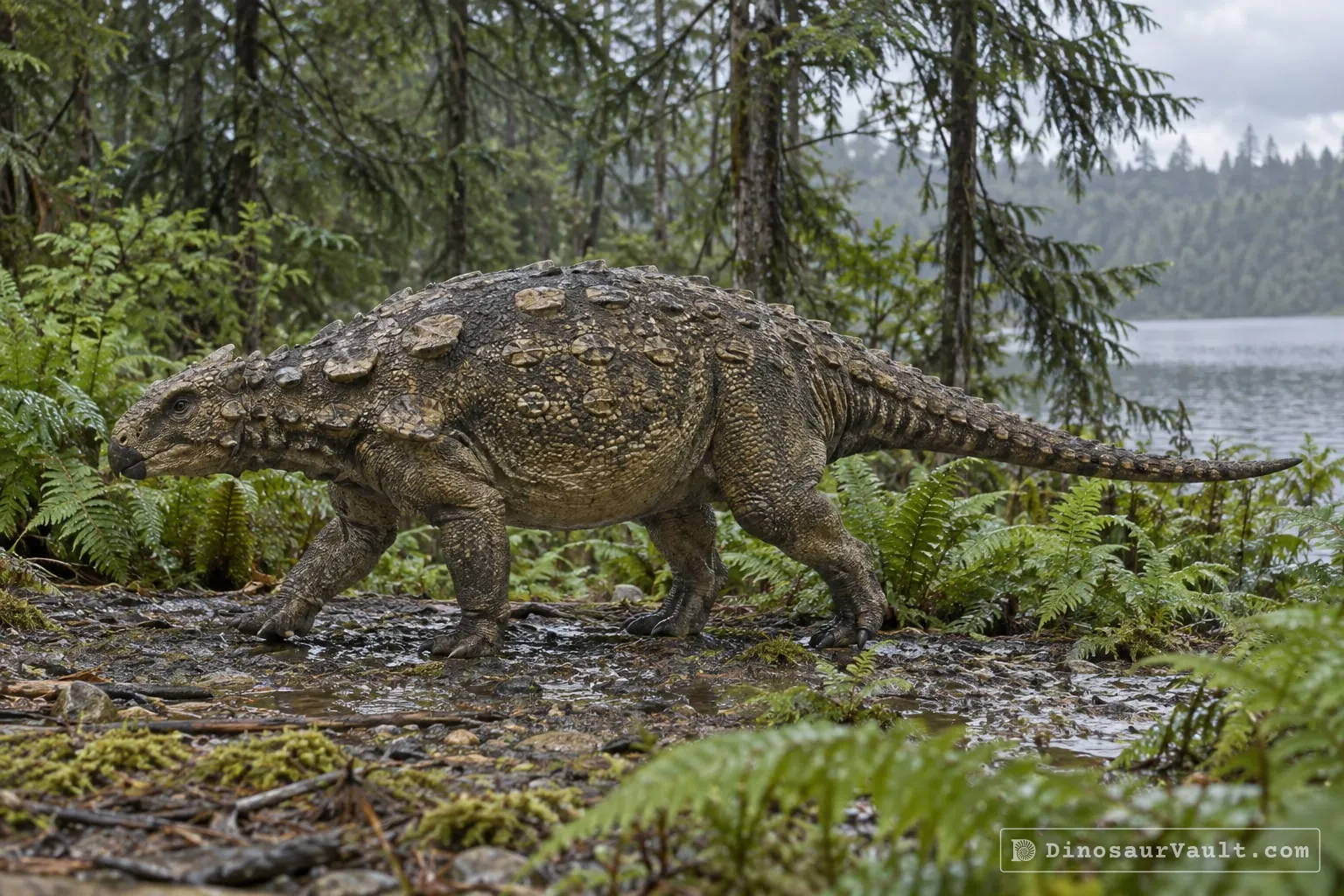
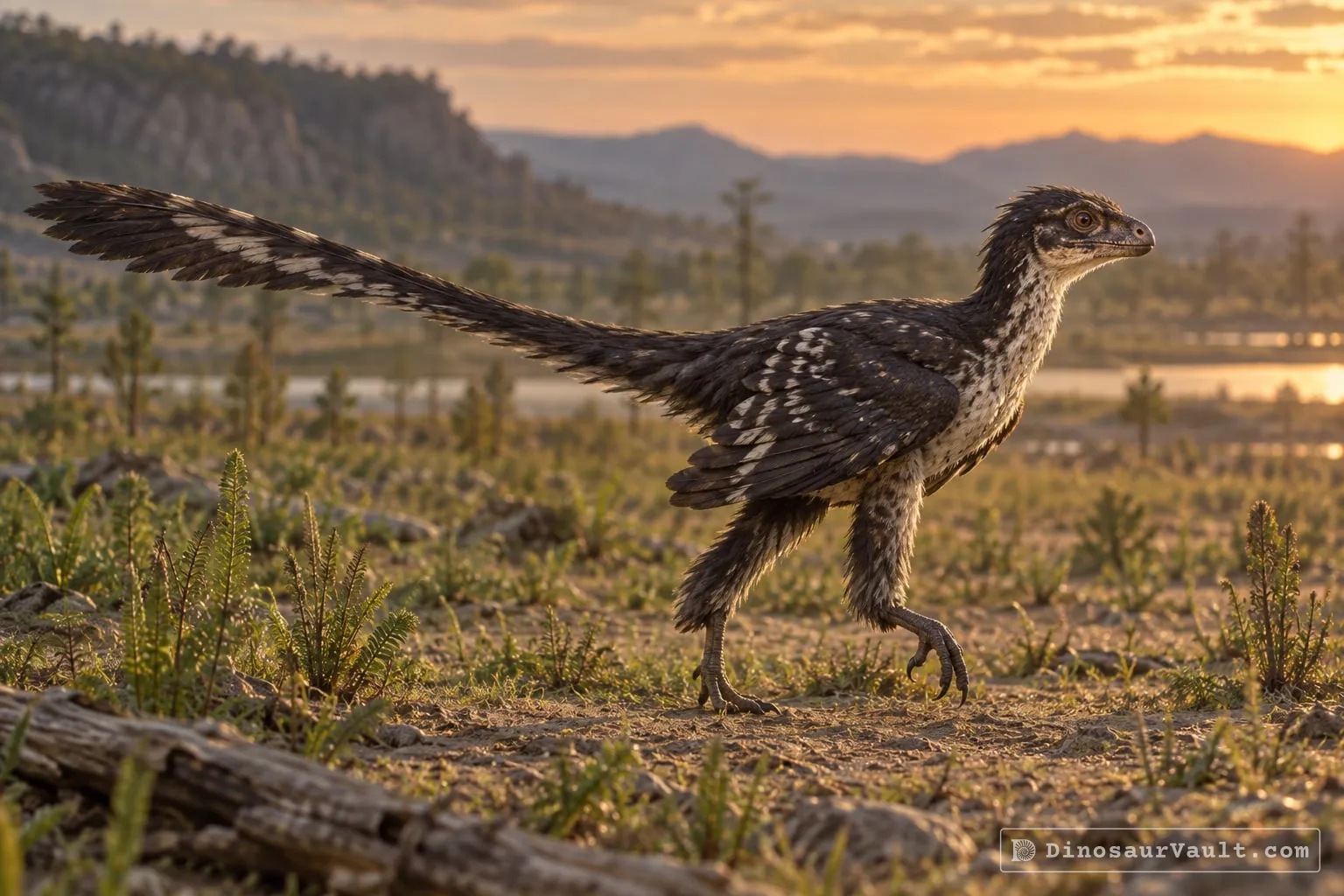
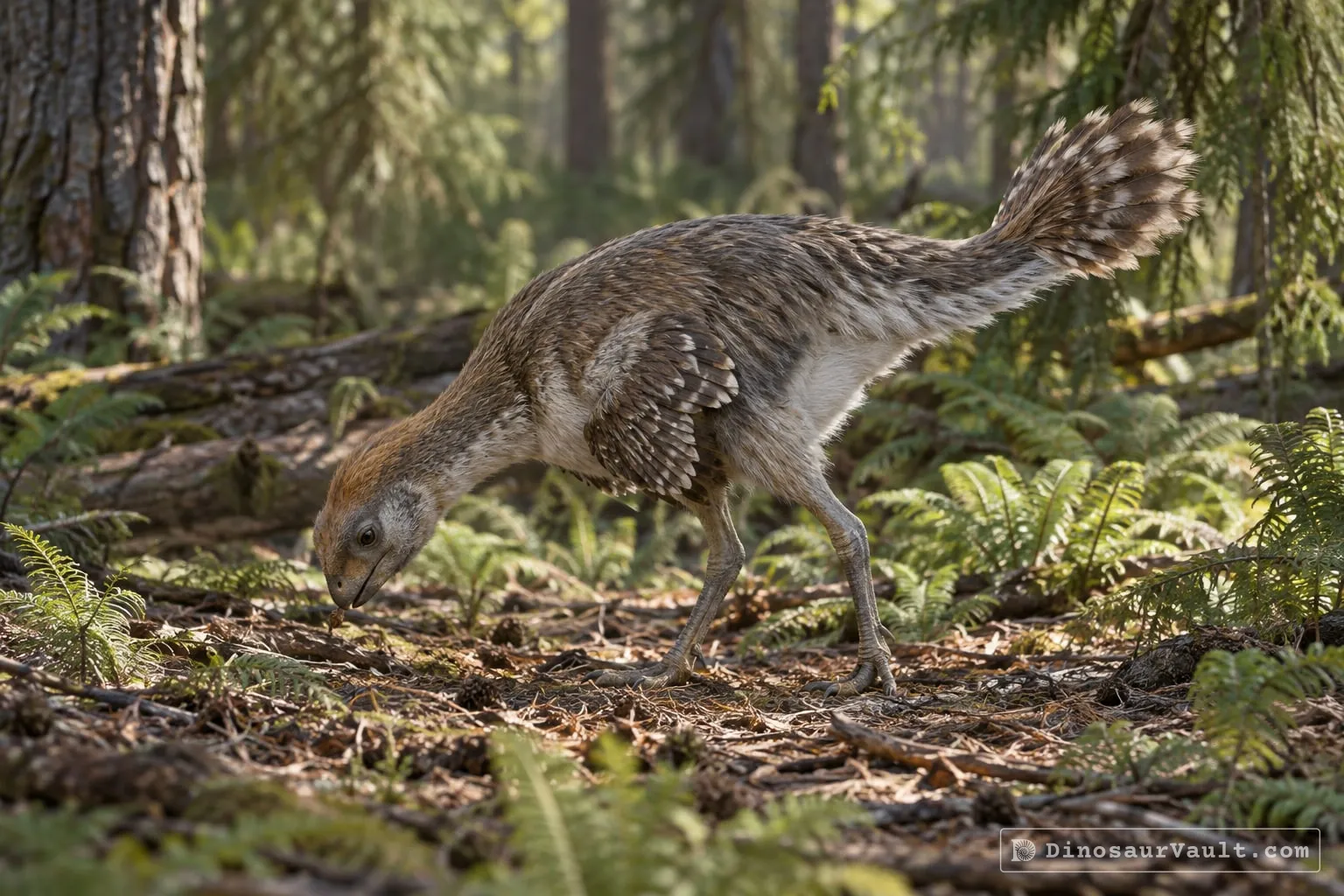
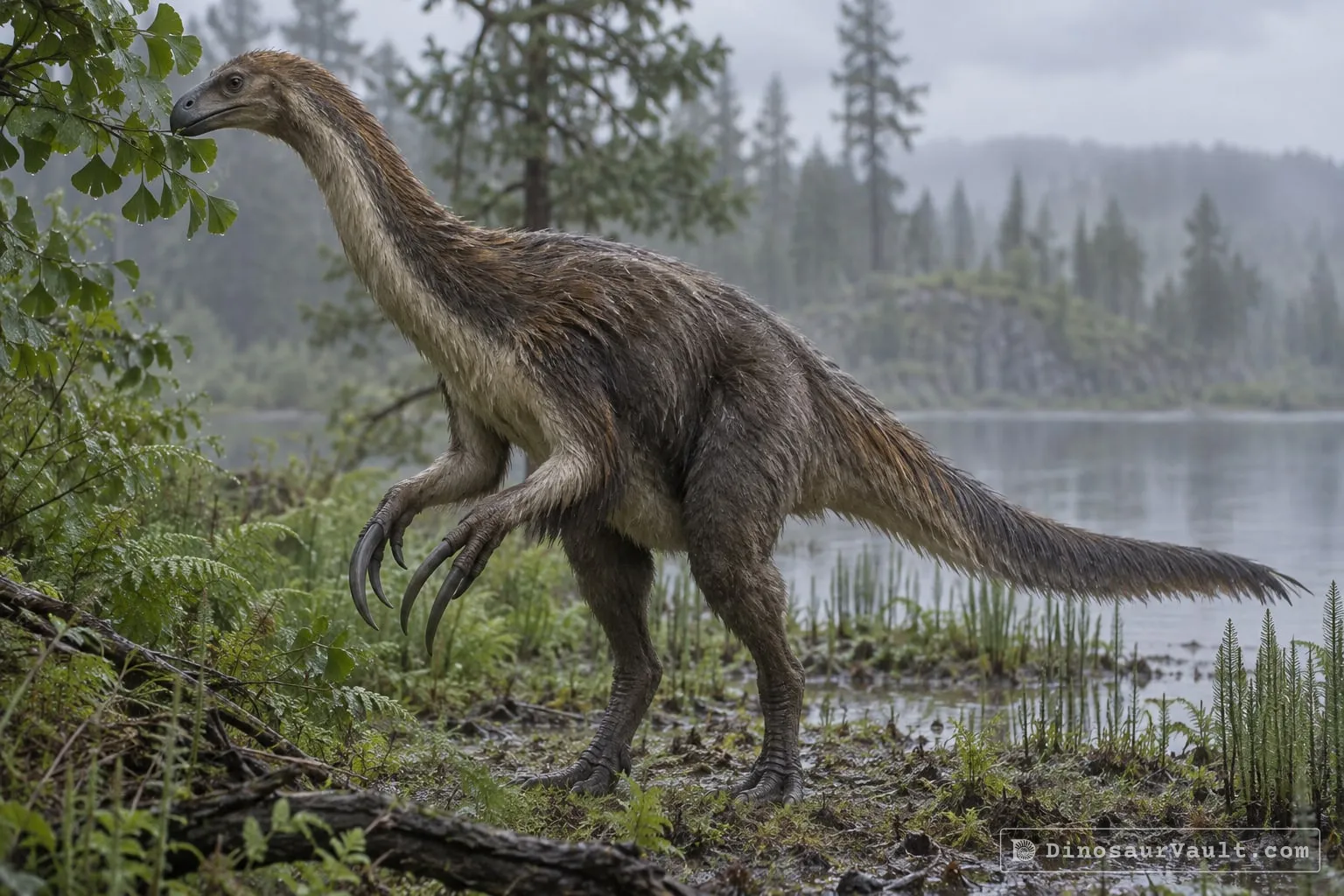


A rock formation can hold fossils laid down millions of years apart, so not every animal here met Sinotyrannus.
The evidence
The science behind Sinotyrannus
Which parts of the picture come from its own bones, and which come from its relatives.
From its own fossils
- A single partial skeleton preserves parts of the skull, jaws, backbone and hips.
- The preserved skull has a large nostril opening and a shallower build than the skull of Tyrannosaurus.
Borrowed from relatives
- One study grouped it with Yutyrannus and other proceratosaurids and suggested it probably resembled that long-armed relative.
- A coat of simple feathers is plausible by comparison with Yutyrannus, whose fossils preserve them.
Still unknown
- Whether it had feathers, and how much of its body they covered.
- The shape of any crest on its snout.
- Its adult size and color.
Discovery timeline
- 2009Named itJi, Ji & Zhang
- 2012Family treeXu et al.
- 2016Family treeBrusatte & Carr
Key papers
The research behind what we know of Sinotyrannus
Named it
Named a large early tyrannosauroid from a partial skeleton in the Jiufotang Formation.
First large tyrannosauroid theropod from the Early Cretaceous Jehol Biota in northeastern China. Geological Bulletin of China 28: 1369-1374
No link available
Family tree
Described Yutyrannus skeletons with long, simple feathers, showing that a large early tyrannosauroid could carry a feather coat.
A gigantic feathered dinosaur from the Lower Cretaceous of China. Nature 484: 92-95
Read the paper : A gigantic feathered dinosaur from the Lower Cretaceous of China (opens in a new tab)Family tree
Placed Sinotyrannus with the proceratosaurids among early tyrannosauroids, though support for the earliest branches was weak.
The phylogeny and evolutionary history of tyrannosauroid dinosaurs. Scientific Reports 6
Read the paper : The phylogeny and evolutionary history of tyrannosauroid dinosaurs (opens in a new tab)
Close relatives
Other members of Proceratosauridae


Sources: Wikidata