Changyuraptor
- Lived
- 126 to 120 million years ago, Early Cretaceous
- Diet
- Carnivore
- Group
- Theropods, Dromaeosauridae
- Found in
- China
- Named by
- Han et al. 2014
Where its fossils were found
The evidence
Today

125 million years ago
Habitat
Lakes lay among conifer forests in the Yixian landscape of China. Sinosauropteryx, Sinornithosaurus and Yutyrannus also lived in this region.
Field notes
About Changyuraptor
What it was like
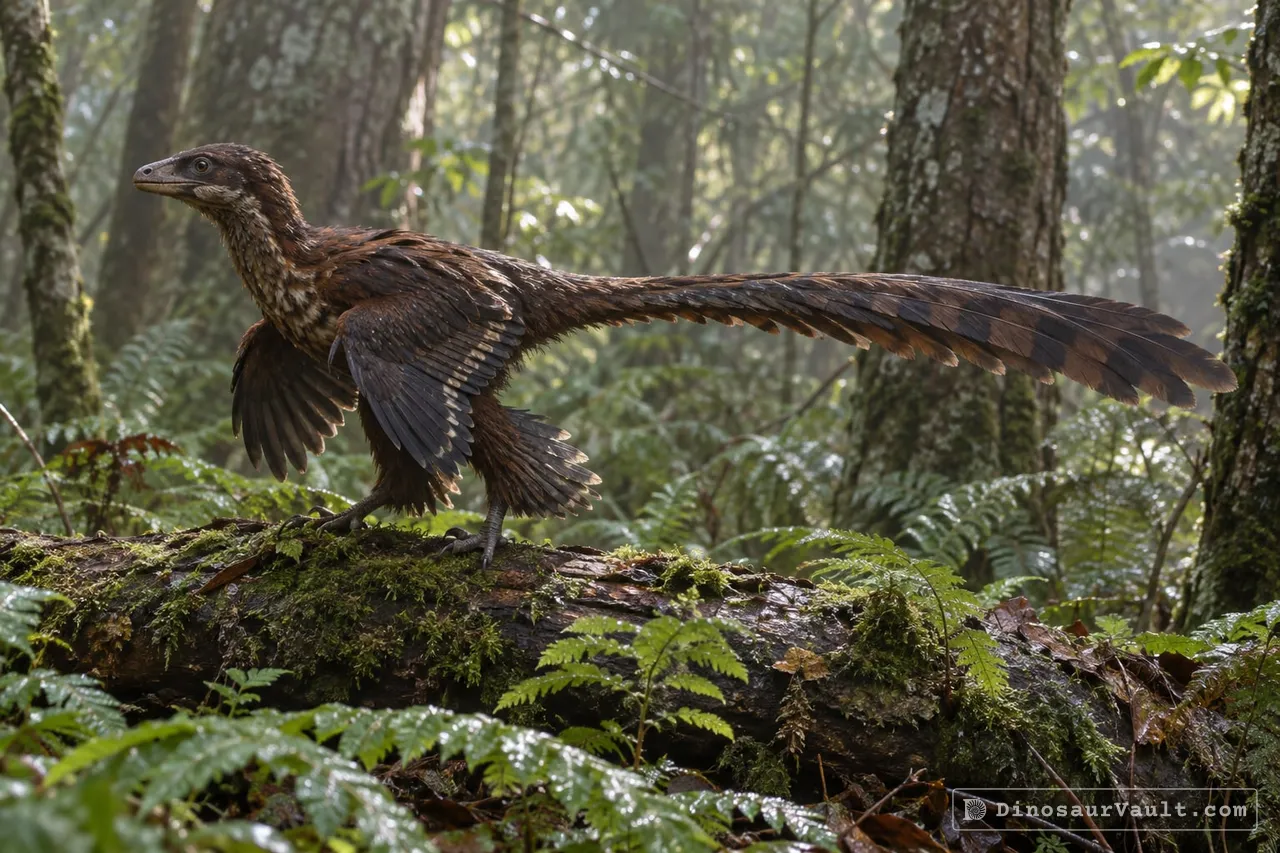
Changyuraptor was a feathered, four-winged raptor, a larger relative of Microraptor. It had long flight feathers on its arms and legs, and its tail feathers were very long, the longest known from any non-bird dinosaur.
Scientists think the long tail feathers helped it control speed and land safely as it glided or flew between trees. Even so, it was still only about the size of a turkey.
Its world
It lived about 126 to 120 million years ago, in the Early Cretaceous, in what is now northeastern China. Its fossil comes from the Yixian Formation, famous for feathered dinosaurs such as Sinosauropteryx, Sinornithosaurus and Beipiaosaurus, and home to the big tyrannosaur relative Yutyrannus.
How it was found
Han and colleagues named Changyuraptor in 2014, from a single, well-preserved skeleton with feathers.
Field gallery
More views of Changyuraptor
Scenes reconstructed from the available fossil evidence.
1 of 3
Lived alongside
Found in the same rock formations
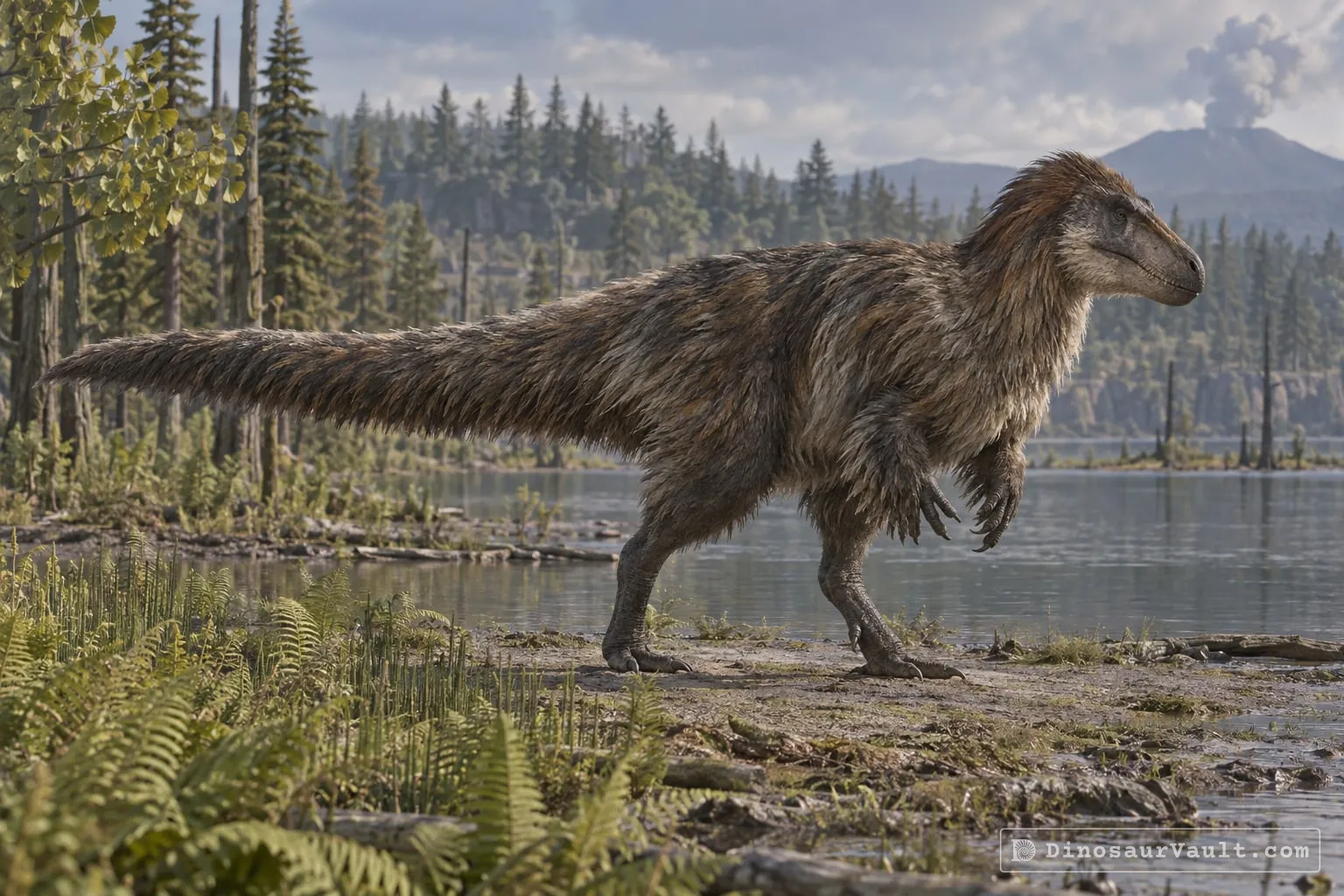
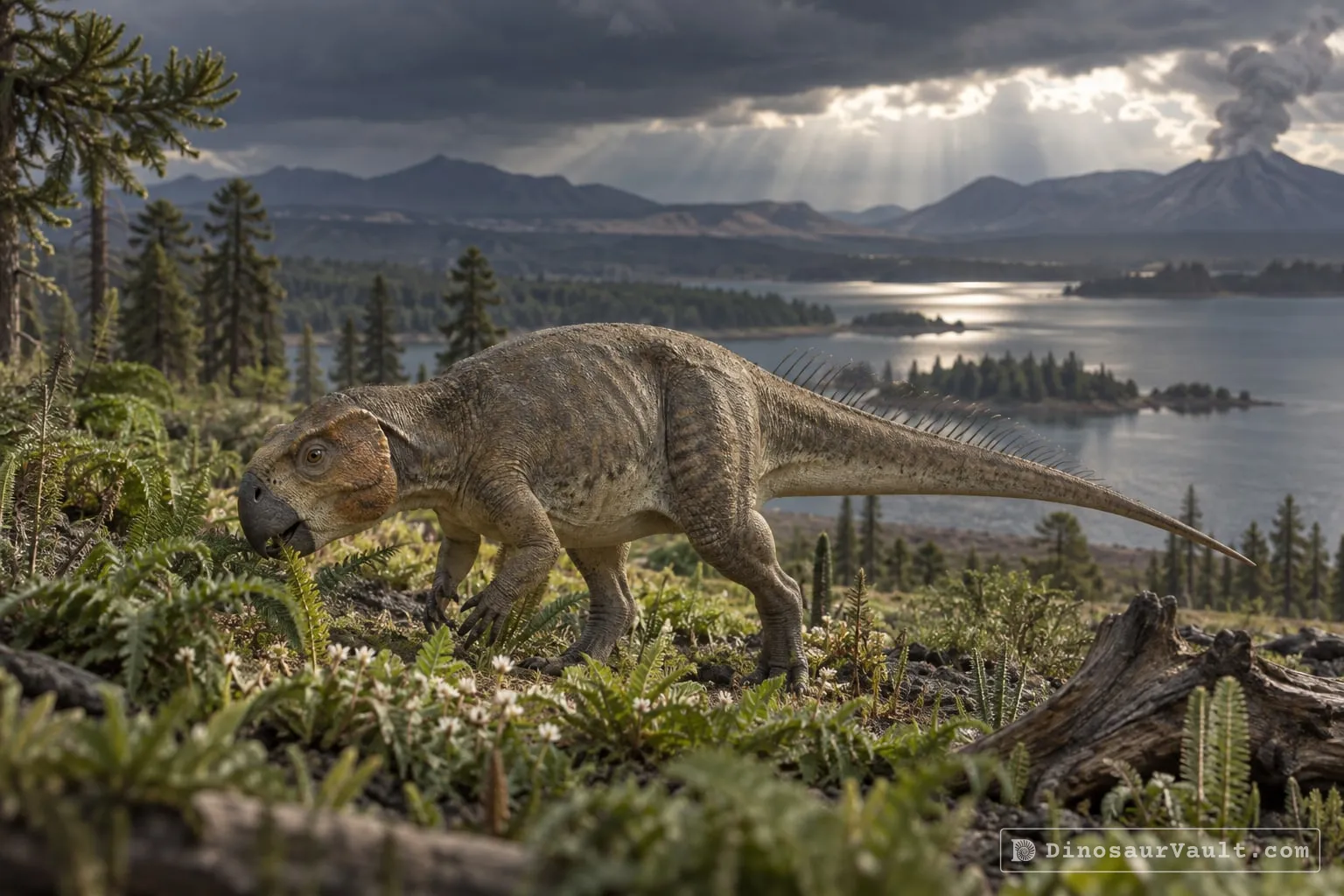
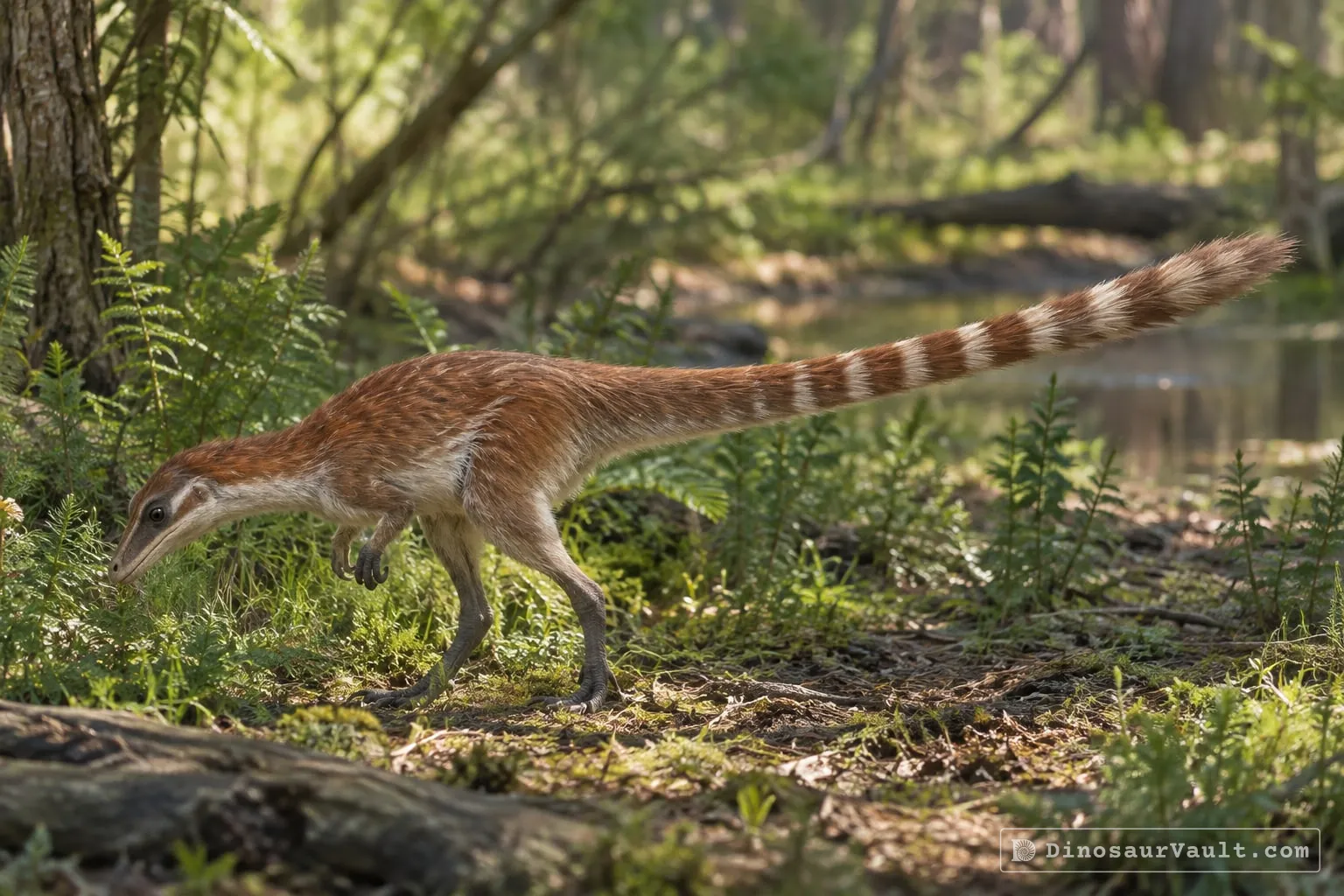
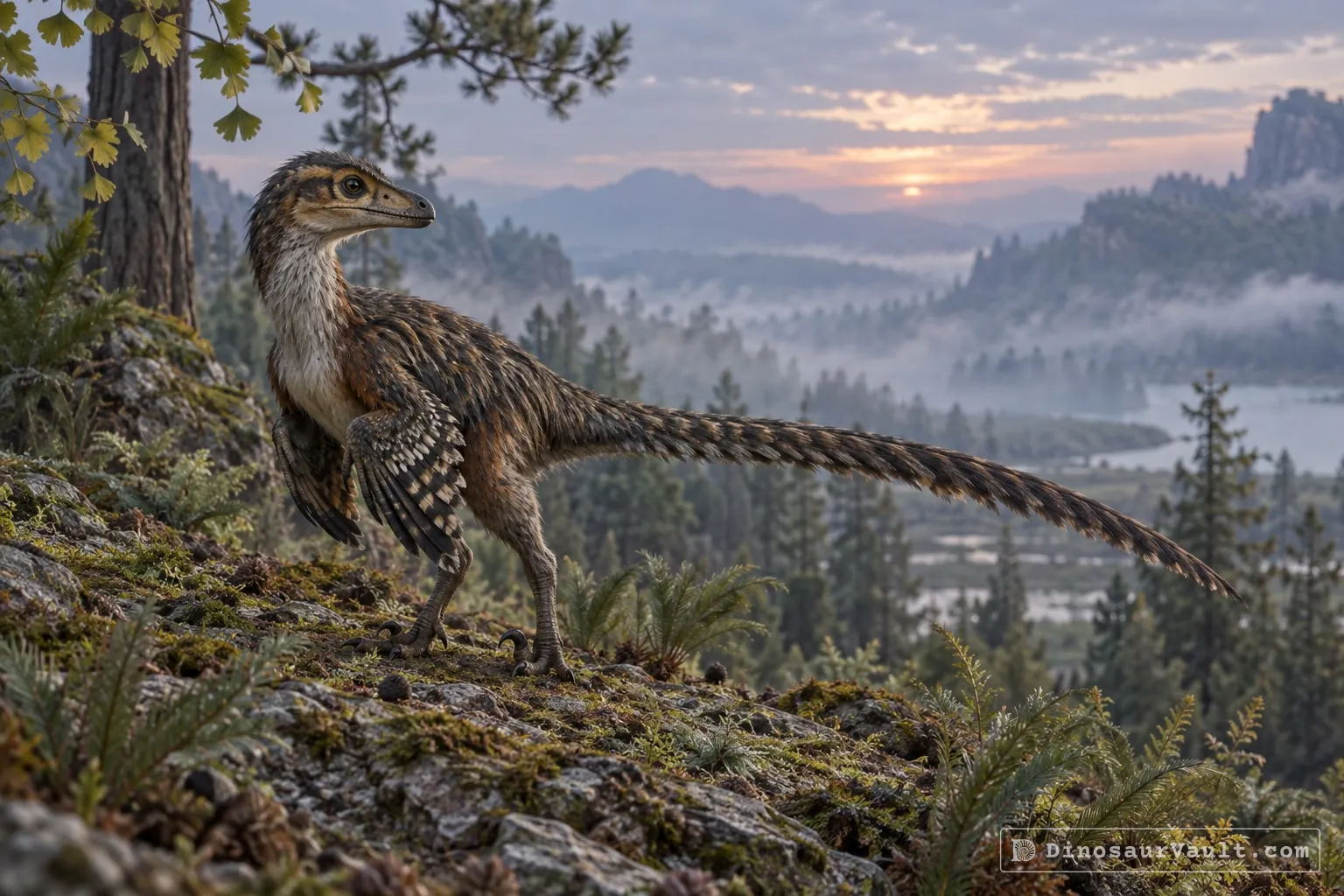
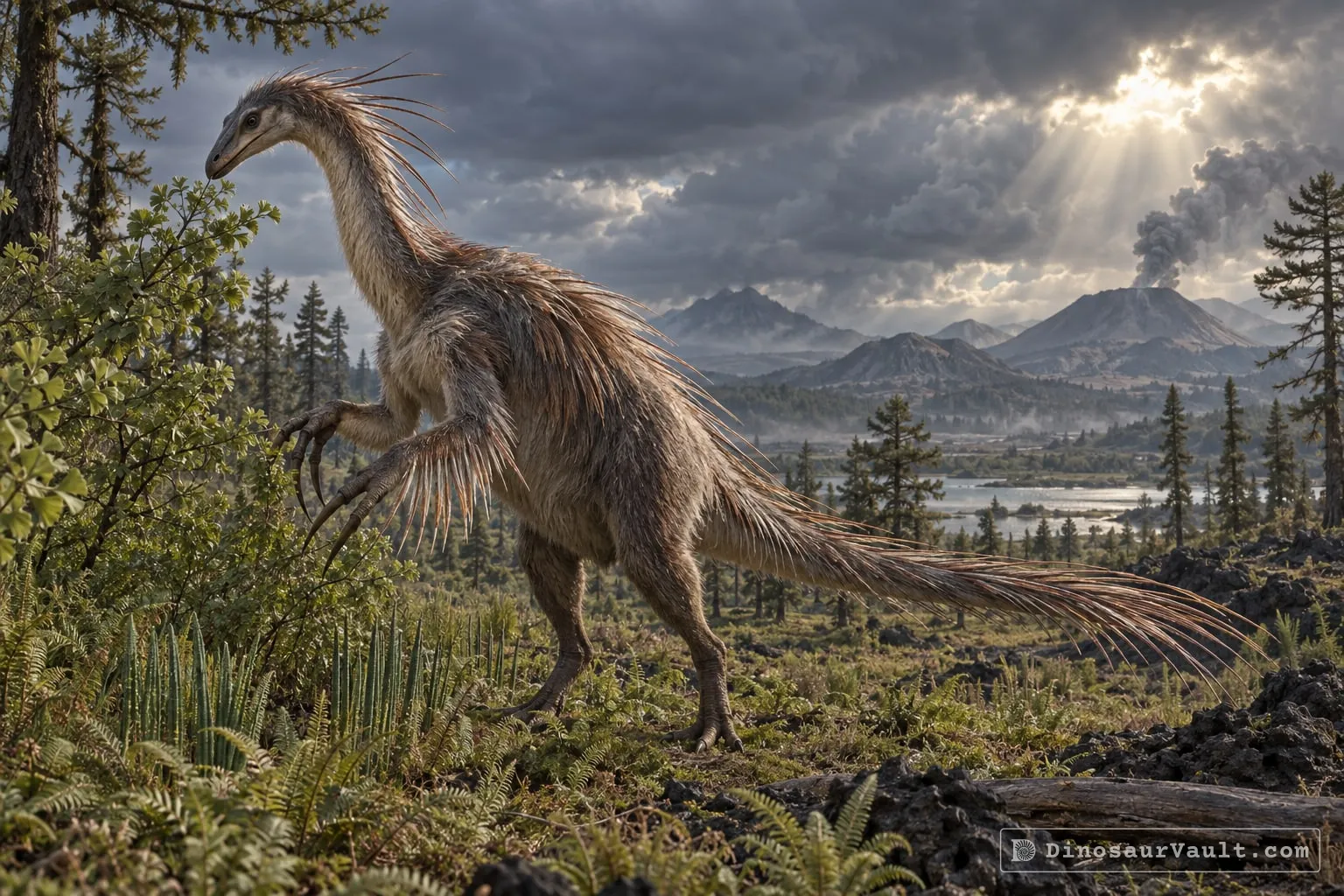
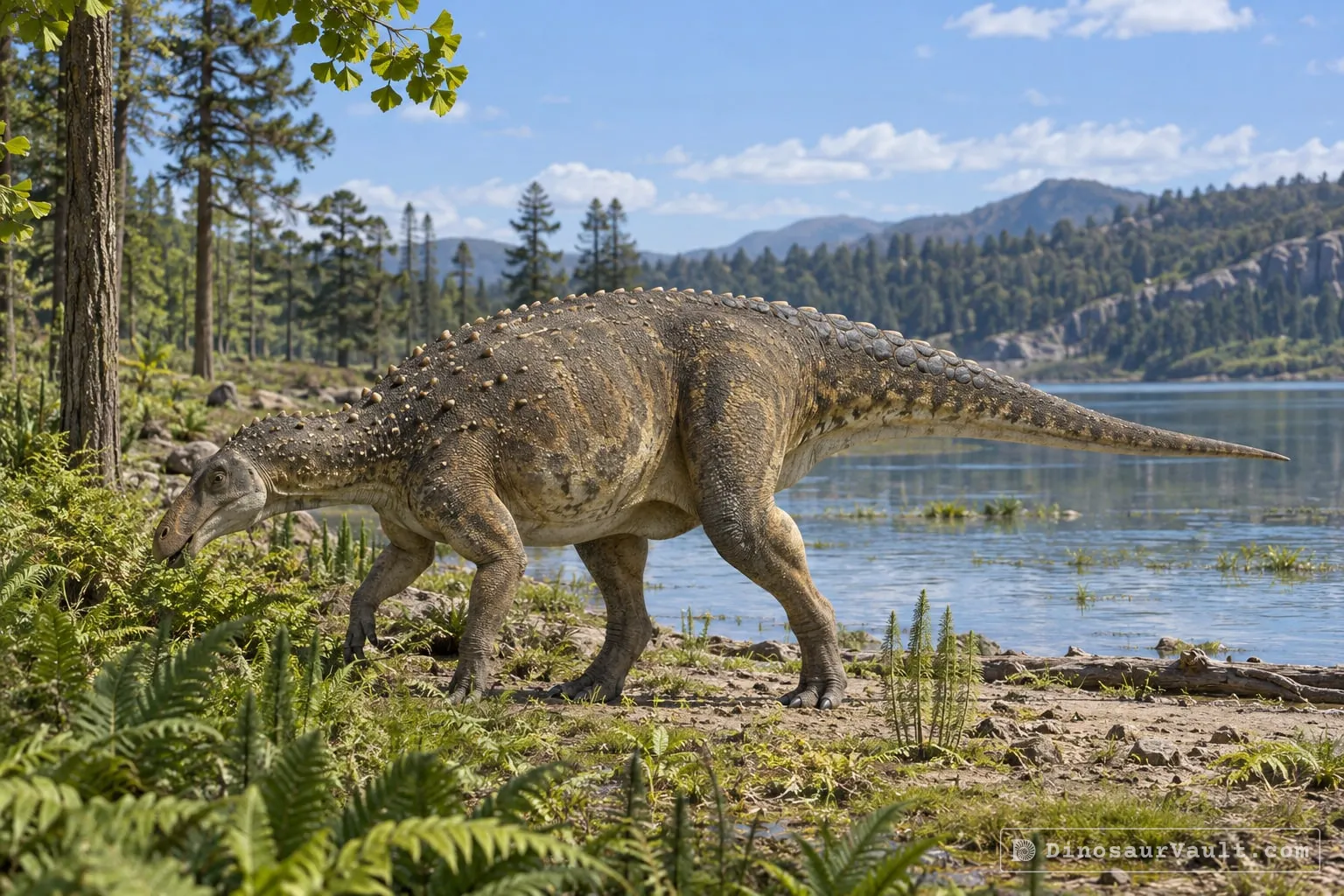
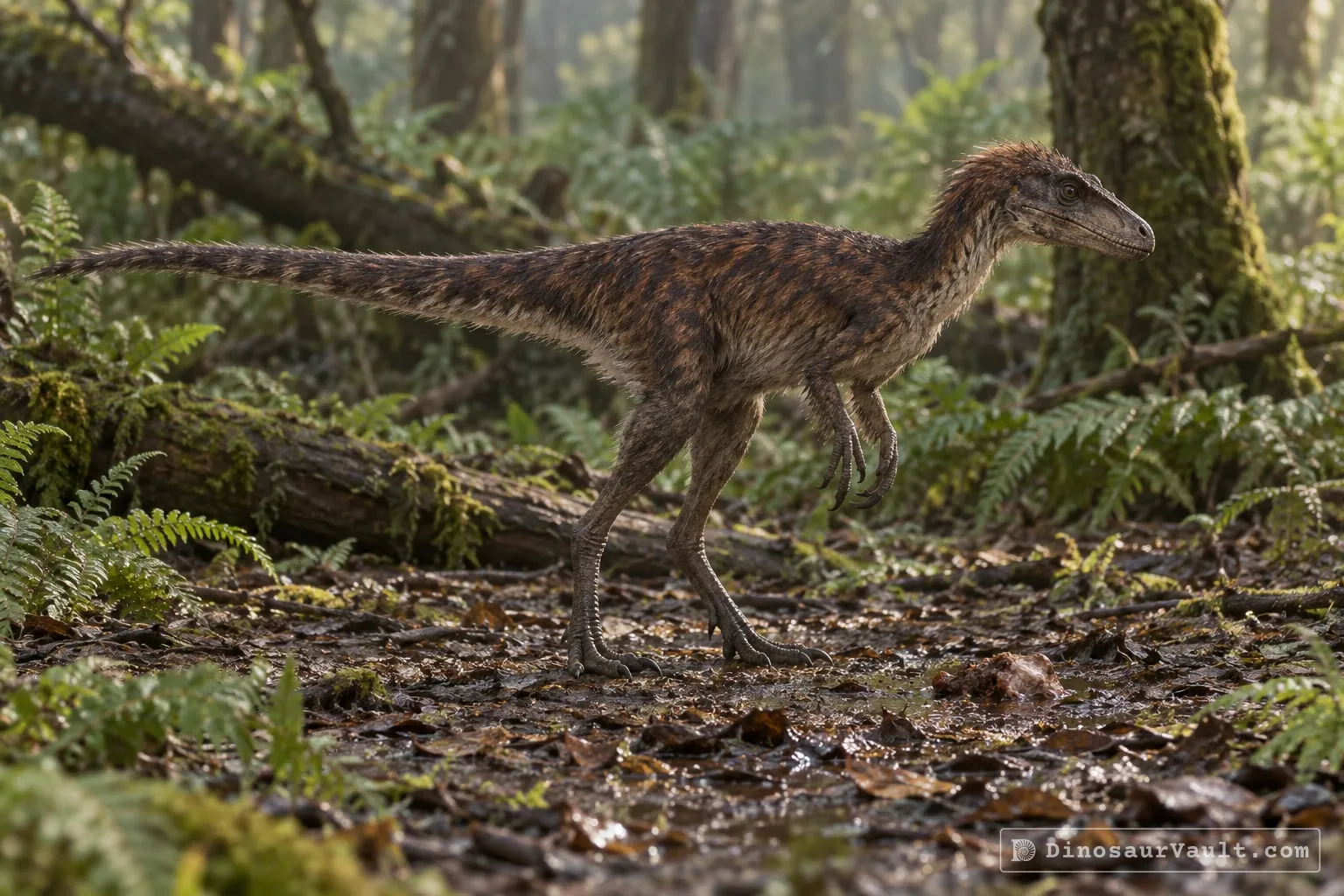


A rock formation can hold fossils laid down millions of years apart, so not every animal here met Changyuraptor.
The evidence
The science behind Changyuraptor
Which parts of the picture come from its own bones, and which come from its relatives.
From its own fossils
- A skeleton preserves long feathers on the arms and lower legs, forming wings on both pairs of limbs.
- The longest tail feathers lie near the center of a graduated fan.
- Its arms are long, and the claw on the second toe is modest compared with those of larger raptors.
Borrowed from relatives
- Sinornithosaurus helps guide the reconstruction of the poorly preserved face and neck.
- Flight studies of Microraptor help scientists explore how its feathered limbs and long tail may have worked in the air.
Still unknown
- Its feather colors and patterns.
- Whether it mainly glided or also used powered flight.
- The full shape of its skull and the exact arrangement of its hindwing feathers.
Often drawn wrong
- Bare lower legs leave out its feathered hindwings.
- A short, rounded tail fan misses its long central tail feathers.
- An oversized sickle claw like that of Deinonychus exaggerates its more modest toe claw.
Discovery timeline
- 2001Close relativeXu & Wu
- 2013Close relativeDyke et al.
- 2014Named itHan et al.
Key papers
The research behind what we know of Changyuraptor
Close relative
Described the skull of Sinornithosaurus, a useful comparison for the poorly preserved head of Changyuraptor.
Cranial morphology of <i>Sinornithosaurus millenii </i>Xu et al. 1999 (Dinosauria: Theropoda: Dromaeosauridae) from the Yixian Formation of Liaoning, China. Canadian Journal of Earth Sciences 38: 1739-1752
Read the paper : Cranial morphology of <i>Sinornithosaurus millenii </i>Xu et al. 1999 (Dinosauria: Theropoda: Dromaeosauridae) from the Yixian Formation of Liaoning, China (opens in a new tab)Close relative
Wind-tunnel tests showed that Microraptor could glide effectively, offering a comparison for flight in its larger relative Changyuraptor.
Aerodynamic performance of the feathered dinosaur Microraptor and the evolution of feathered flight. Nature Communications 4
Read the paper : Aerodynamic performance of the feathered dinosaur Microraptor and the evolution of feathered flight (opens in a new tab)Named it
Described a feathered skeleton and proposed that its unusually long tail feathers helped control descent and landing.
A new raptorial dinosaur with exceptionally long feathering provides insights into dromaeosaurid flight performance. Nature Communications 5
Read the paper : A new raptorial dinosaur with exceptionally long feathering provides insights into dromaeosaurid flight performance (opens in a new tab)
Close relatives
Other members of Dromaeosauridae


Sources: Wikidata