Changmiania
"eternal sleep"
- Lived
- 126 to 120 million years ago, Early Cretaceous
- Diet
- Herbivore
- Group
- Early ornithischians, Thescelosauridae
- Found in
- China
- Named by
- Yang et al. 2020
Where its fossils were found
The evidence
Today

125 million years ago
Habitat
Forests and volcanoes surrounded its home in the Yixian Formation of China. Psittacosaurus and Sinosauropteryx also lived in this region.
Field notes
About Changmiania
What it was like
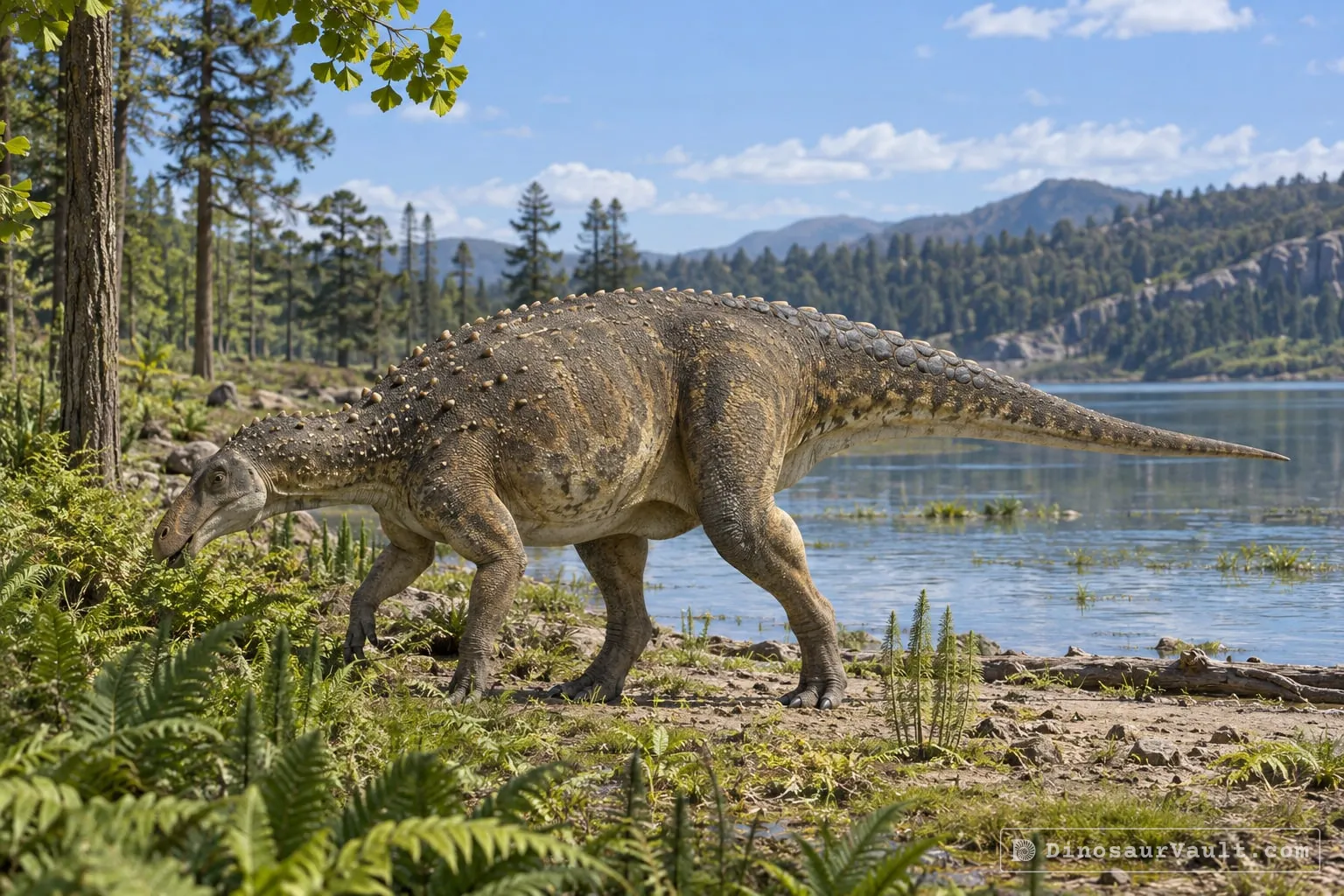
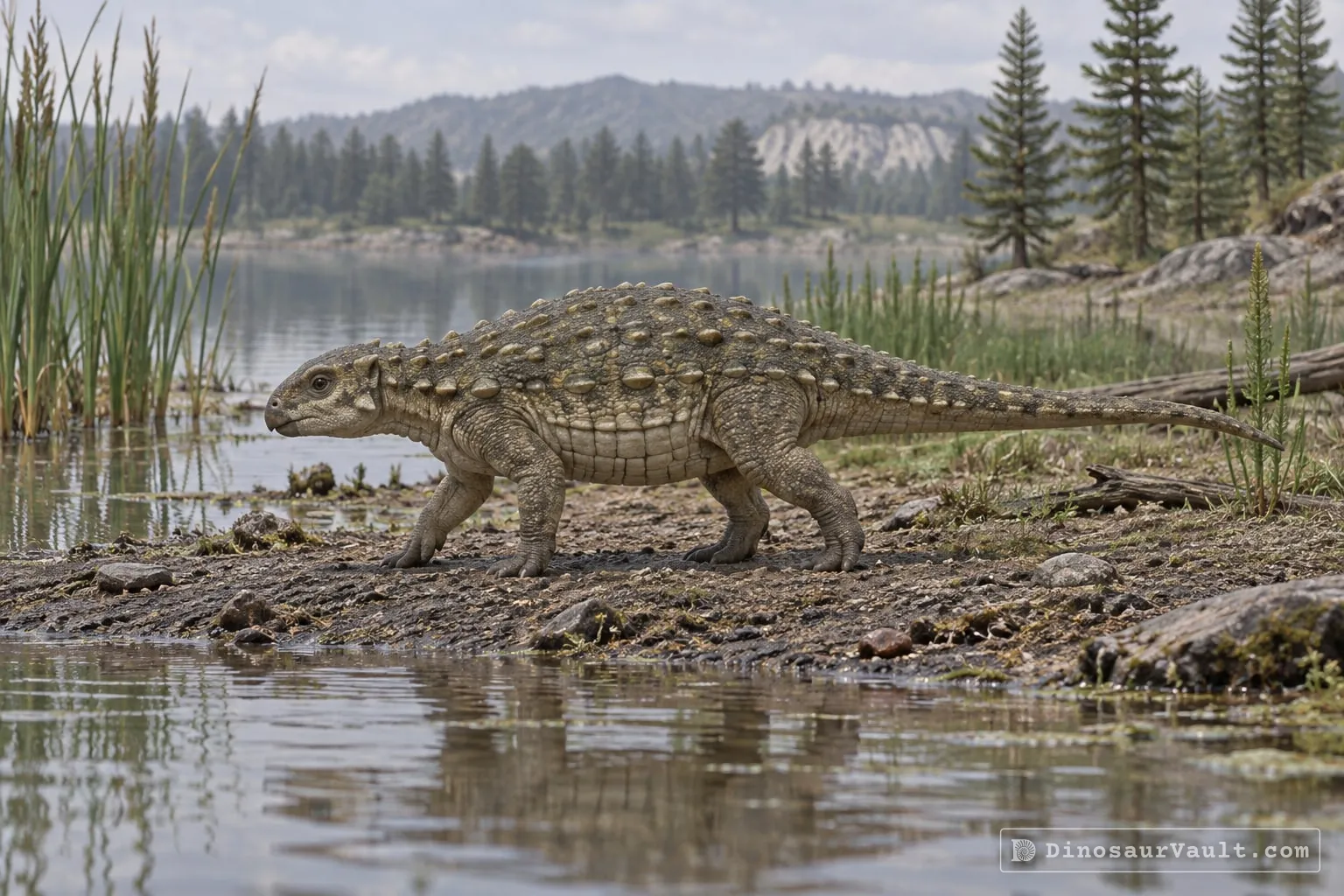
Changmiania was a small, two-legged plant eater. Its skeletons show strong shoulders, a short neck and a spade-like snout, which suggest it may have dug burrows.
Its world
It lived about 126 to 120 million years ago, in the Early Cretaceous, in what is now China. Its bones come from the Yixian Formation, a land of forests and volcanoes shared with the small horned Psittacosaurus and the feathered Sinosauropteryx.
How it was found
Yang and colleagues named it in 2020. Two skeletons were found lying as if asleep, perhaps buried quickly in their burrows by volcanic mud, which gave it its name.
Field gallery
More views of Changmiania
Scenes reconstructed from the available fossil evidence.
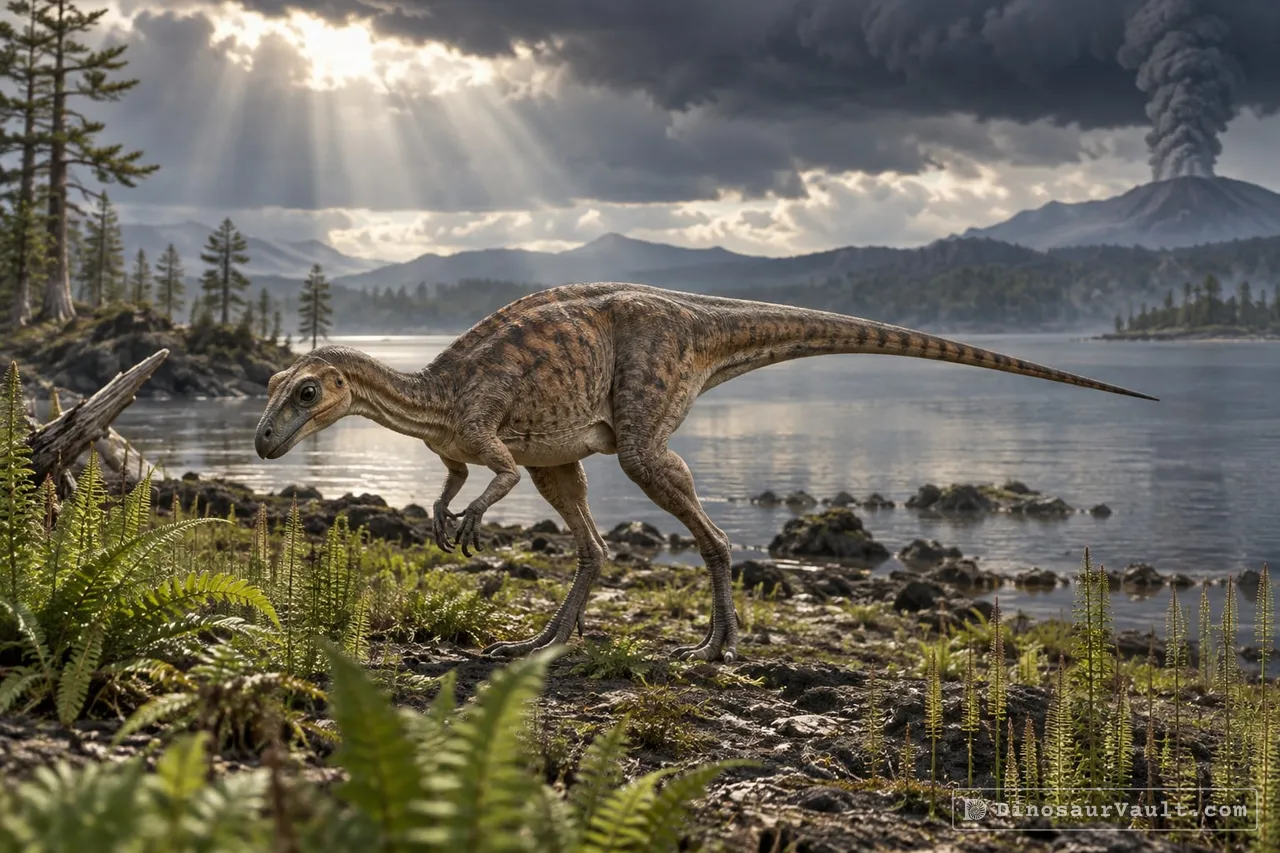
1 of 3
Lived alongside
Found in the same rock formations
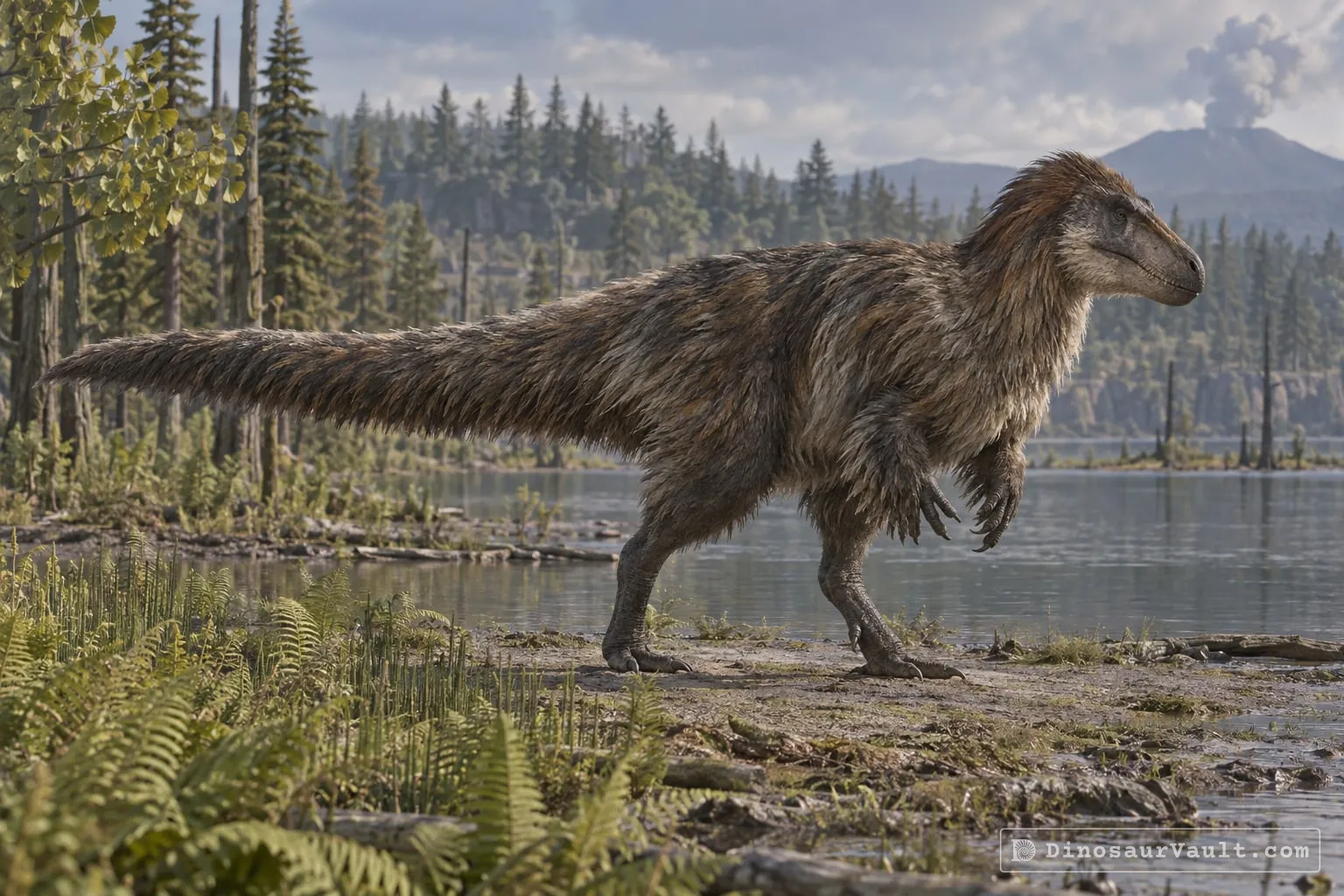
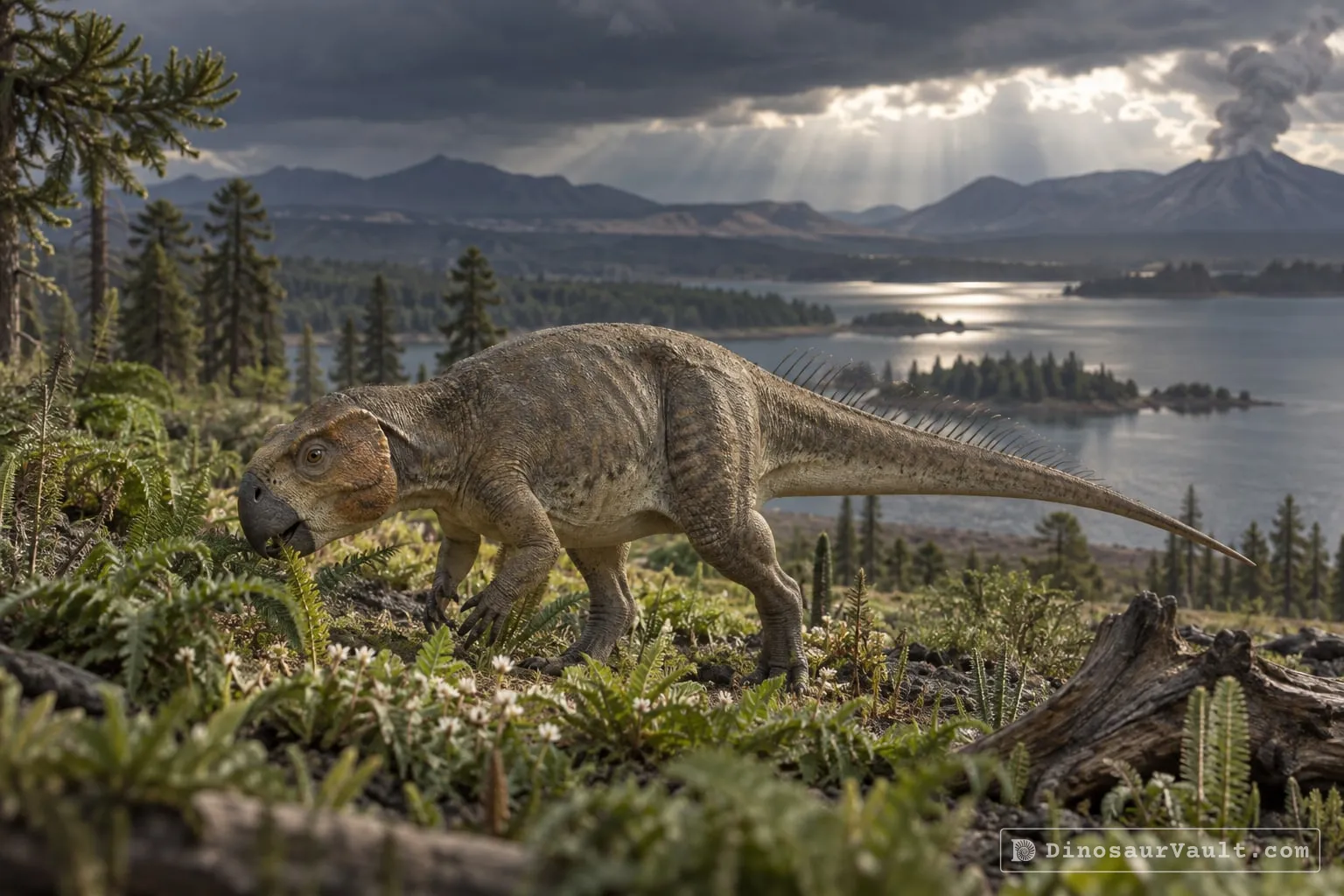
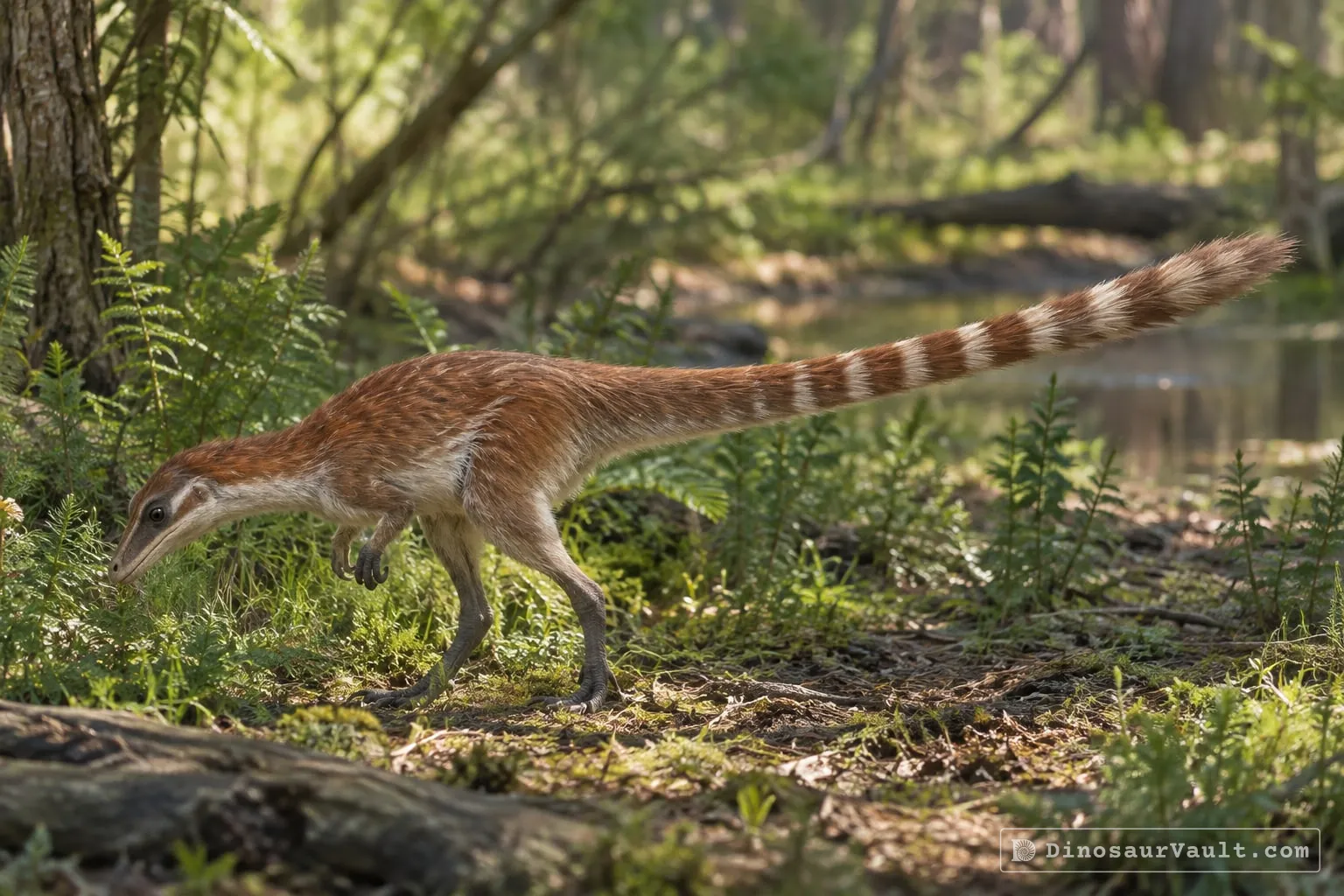
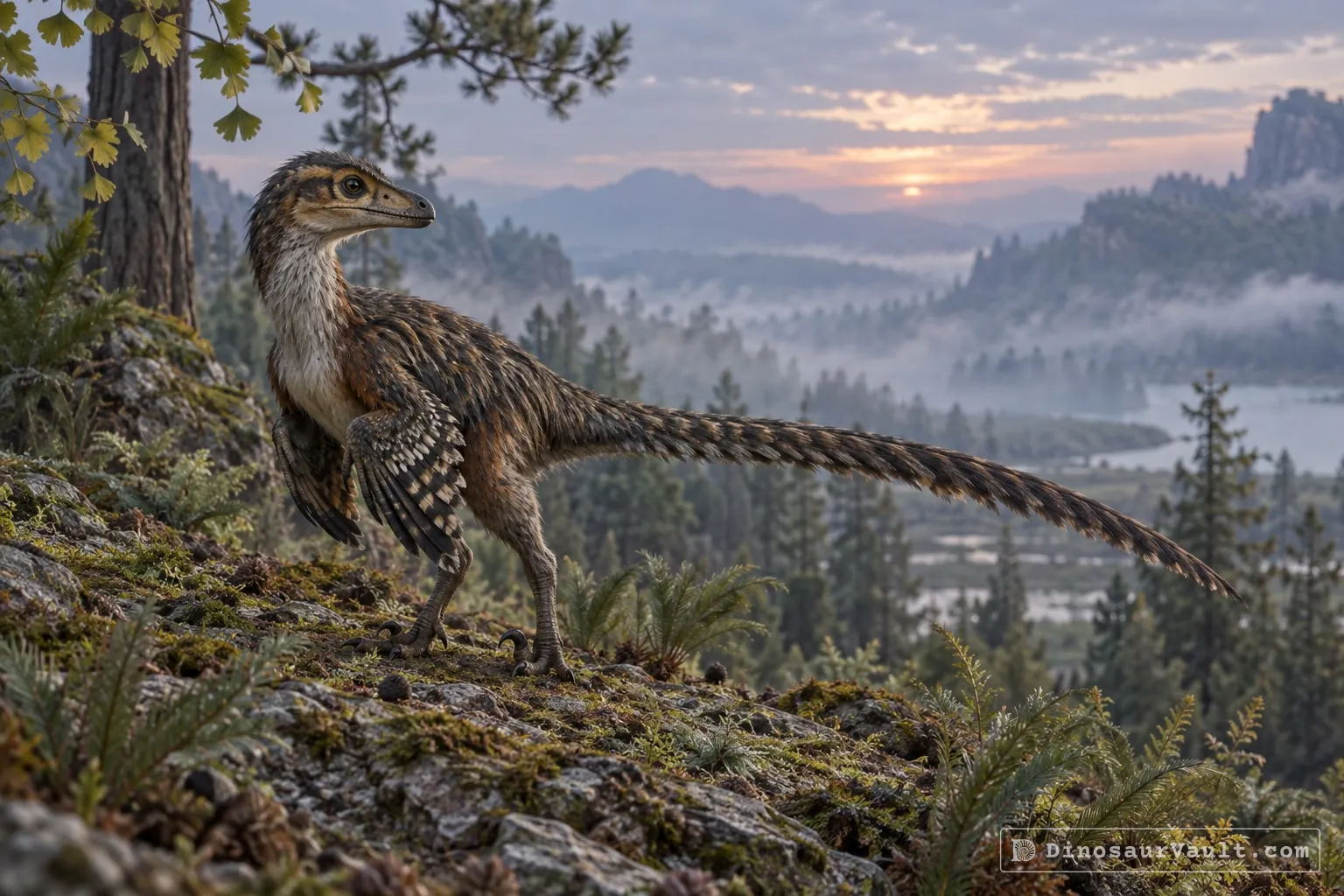
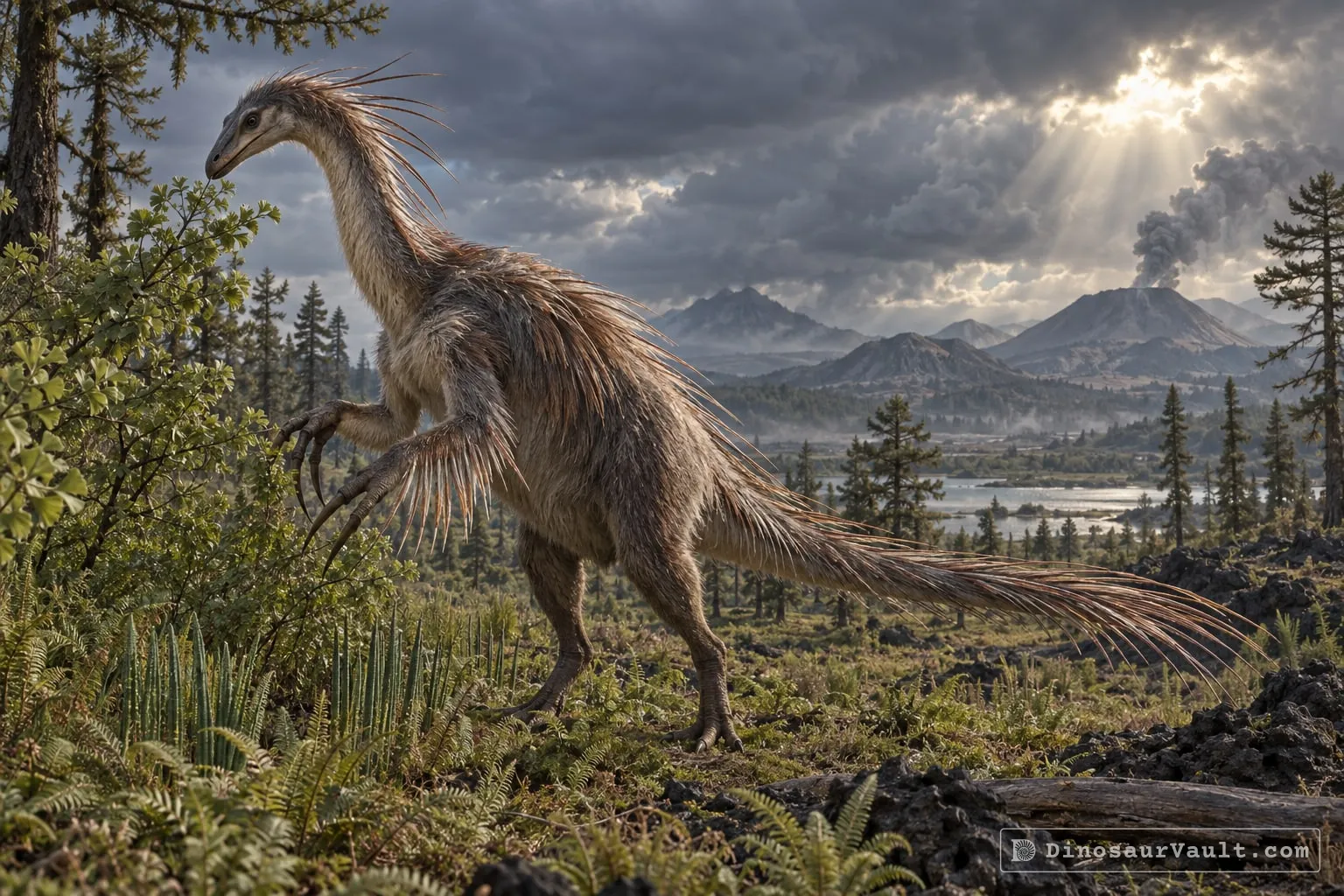
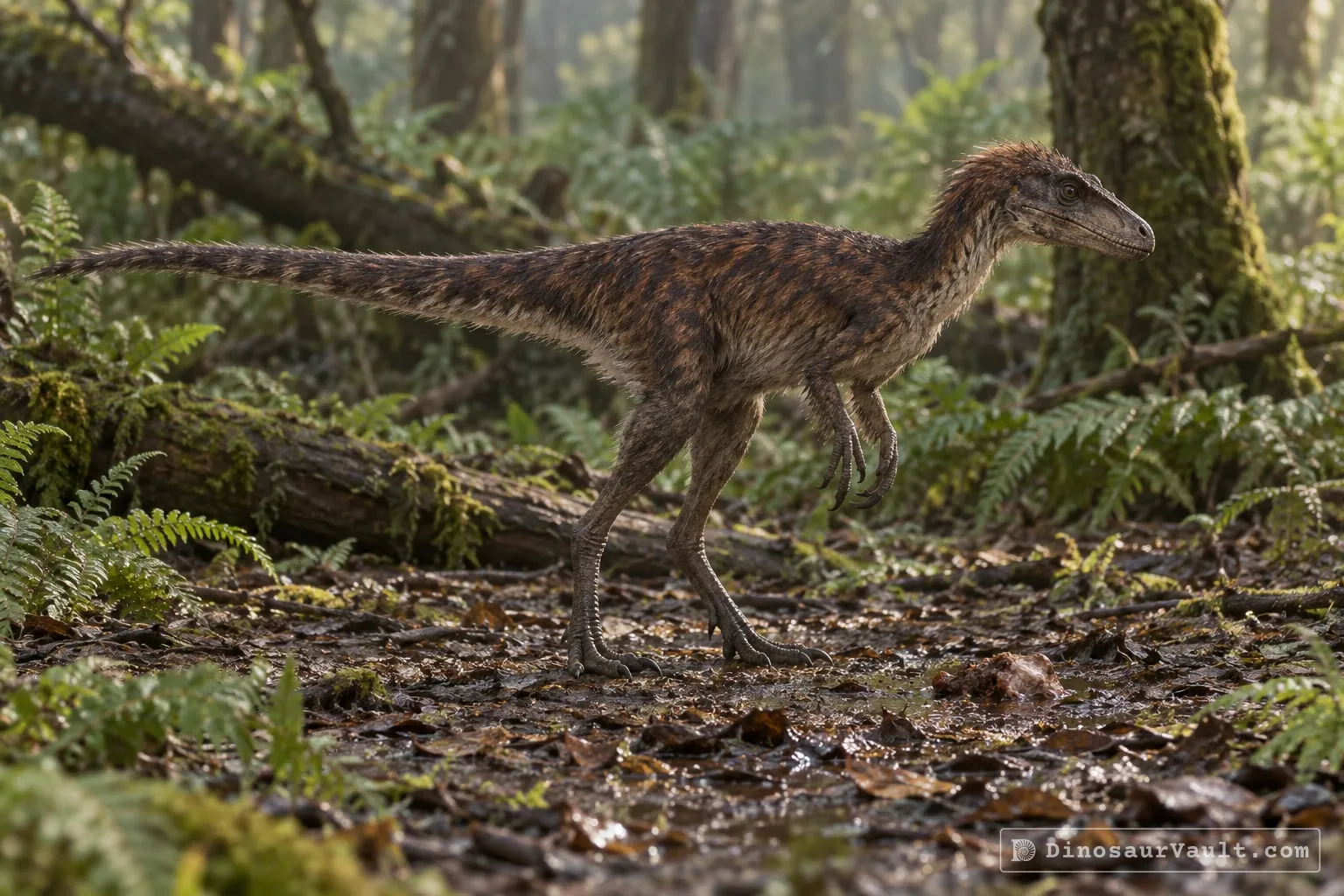


A rock formation can hold fossils laid down millions of years apart, so not every animal here met Changmiania.
The evidence
The science behind Changmiania
Which parts of the picture come from its own bones, and which come from its relatives.
From its own fossils
- Nearly complete skeletons preserve the animals resting on their bellies, with their legs folded beneath them.
- A short neck, strong shoulders and a broad snout suggest it may have dug burrows.
- Clusters of small stones lie inside the body, probably swallowed to help process food.
Borrowed from relatives
- Almost the whole skeleton is known from its own bones, so little of its body shape needs to be borrowed from relatives.
Still unknown
- Whether it really sheltered in burrows.
- Its skin covering and color.
- Its exact place among the small, early branches of plant-eating dinosaurs.
Discovery timeline
- 2020Named itYang et al.
- 2024Family treeAvrahami et al.
- 2026Family treeAvrahami & Zanno
Key papers
The research behind what we know of Changmiania
Named it
Described nearly complete skeletons and proposed that the short neck, shoulders and snout were suited to digging.
A new basal ornithopod dinosaur from the Lower Cretaceous of China. PeerJ 8: e9832
Read the paper : A new basal ornithopod dinosaur from the Lower Cretaceous of China (opens in a new tab)Family tree
Compared Fona with other small plant eaters and found that Changmiania's position changed between family-tree analyses.
A new semi‐fossorial thescelosaurine dinosaur from the Cenomanian‐age Mussentuchit Member of the Cedar Mountain Formation, Utah. The Anatomical Record 307: 3717-3781
Read the paper : A new semi‐fossorial thescelosaurine dinosaur from the Cenomanian‐age Mussentuchit Member of the Cedar Mountain Formation, Utah (opens in a new tab)Family tree
Updated skull comparisons and again found different family-tree positions for Changmiania depending on the method used.
Cranial Osteology of Fona herzogae (Dinosauria: Thescelosaurinae) from the Mussentuchit Member of the Cedar Mountain Formation. PLOS One 21: e0353169
Read the paper : Cranial Osteology of Fona herzogae (Dinosauria: Thescelosaurinae) from the Mussentuchit Member of the Cedar Mountain Formation (opens in a new tab)
Close relatives
Other members of Thescelosauridae


Sources: Wikidata