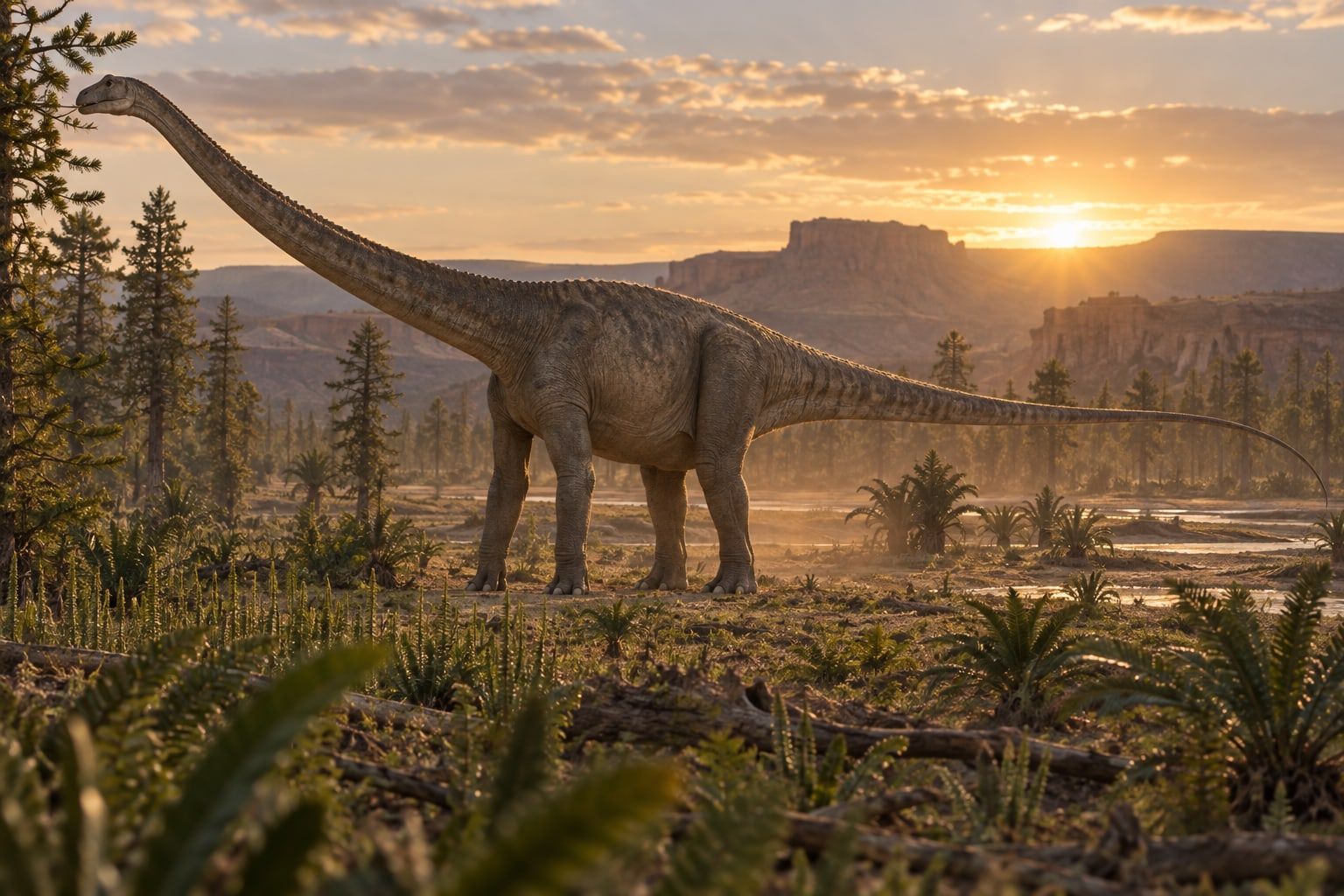
Barosaurus
BAIR-oh-SORE-us
"heavy lizard"
- Lived
- 155 to 143 million years ago, Late Jurassic to Early Cretaceous
- Diet
- Herbivore
- Length
- about 24 m (79 ft)
- Group
- Sauropods, Diplodocidae
- Found in
- United States
- Named by
- Marsh 1890
Size comparison
To scale
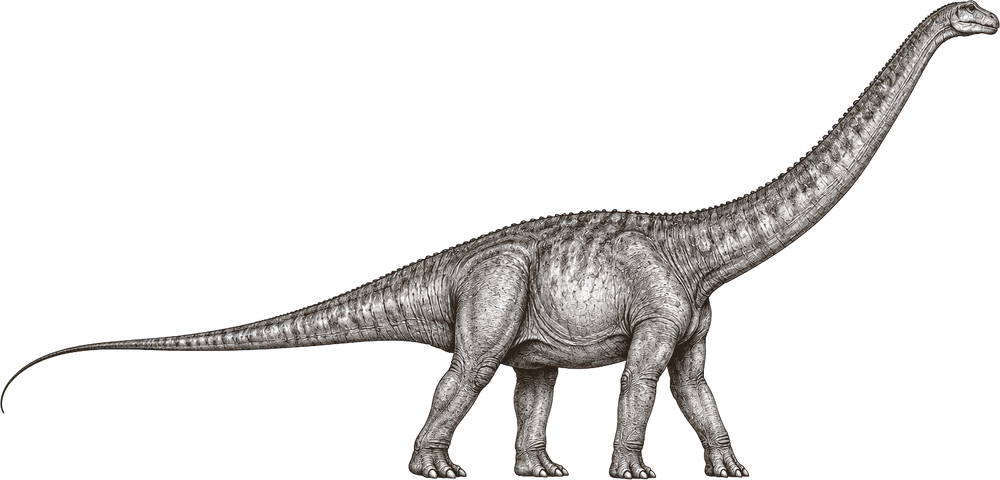

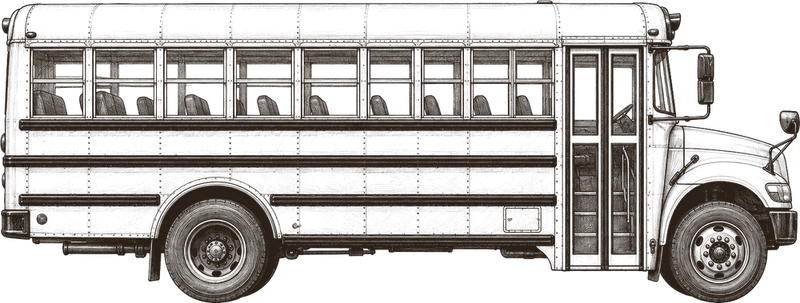
Scale in meters
Where its fossils were found
The evidence
Today
150 million years ago
Also reported from Zimbabwe.
Field notes
About Barosaurus
What it was like
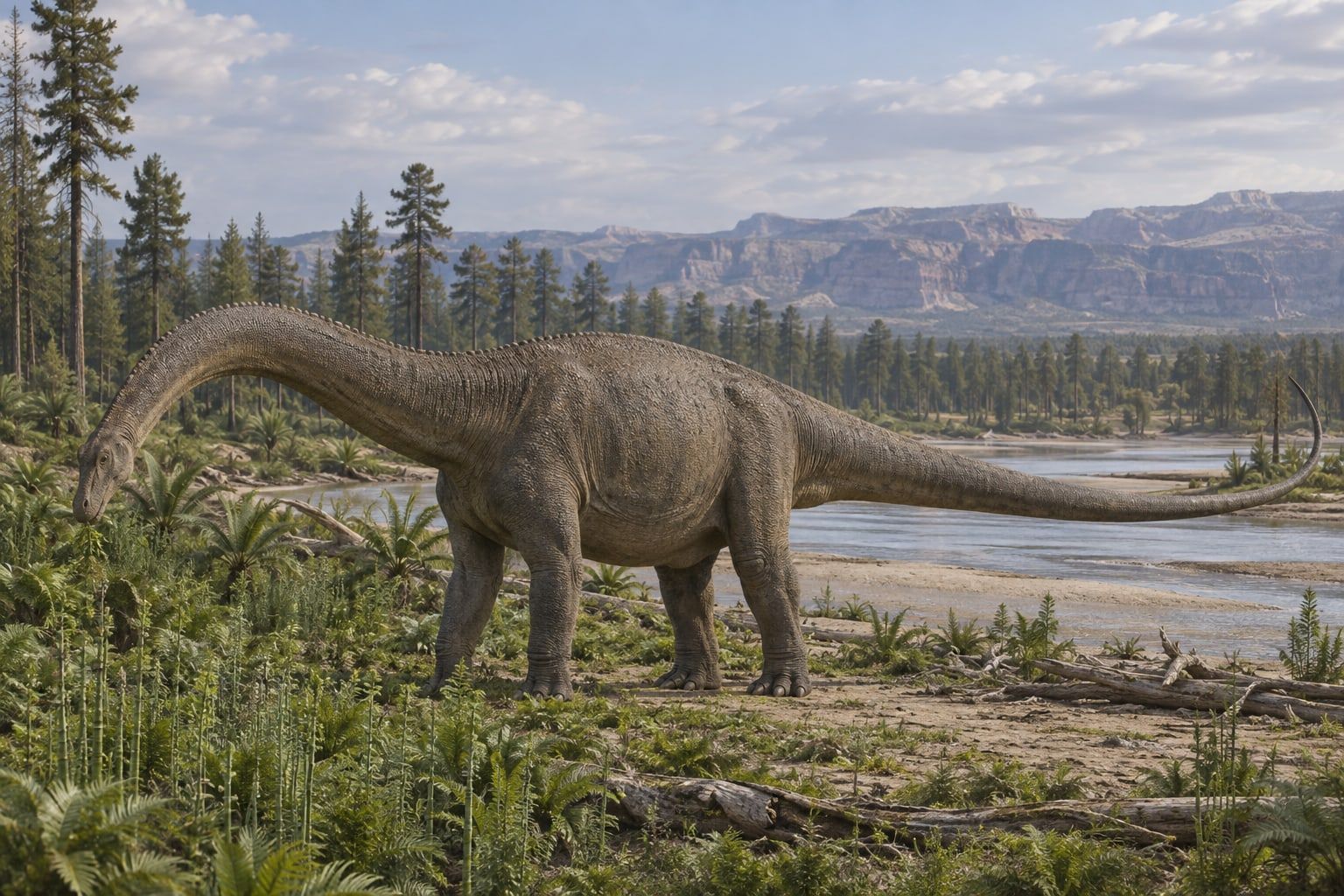
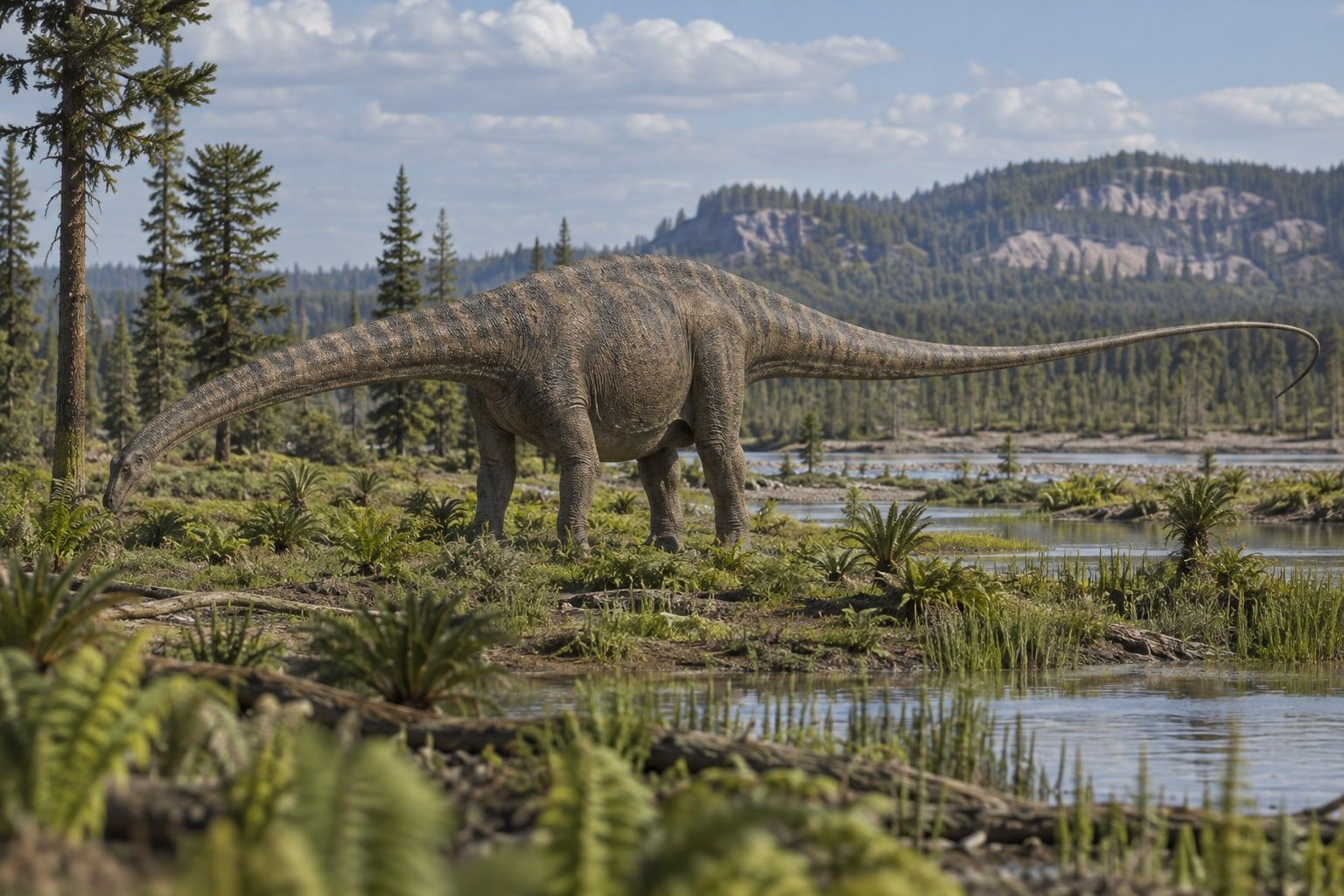
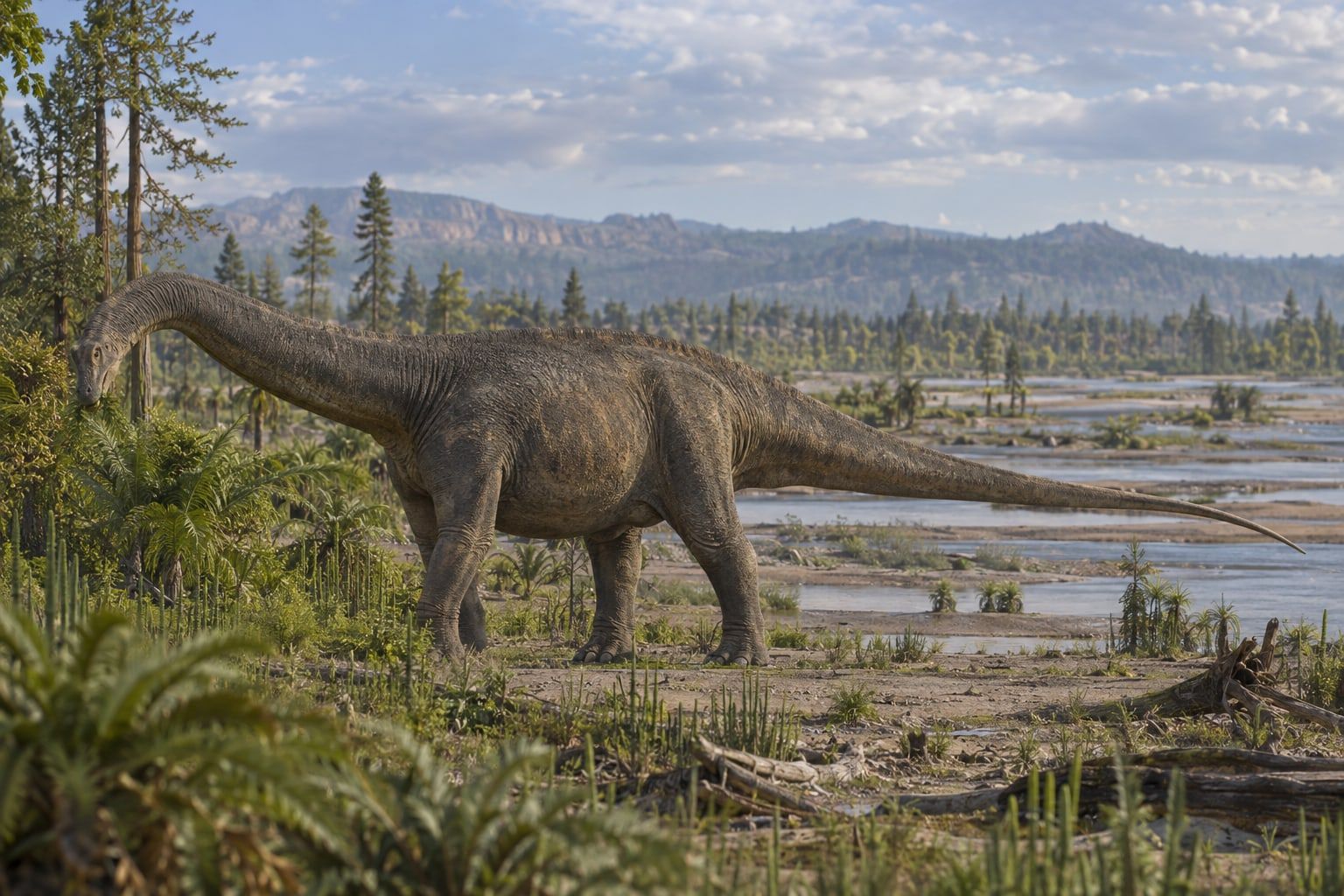
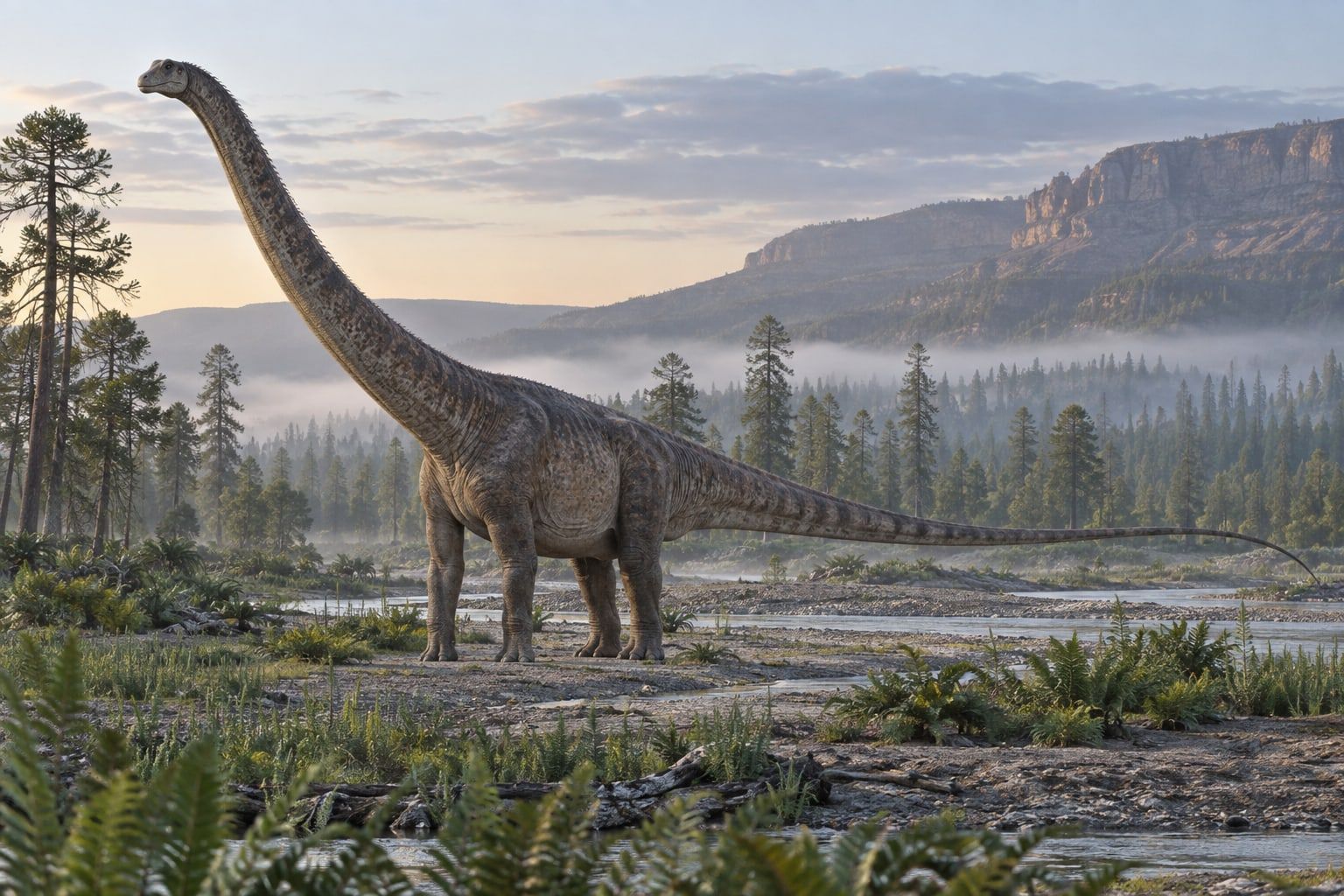
Barosaurus was a giant, long-necked plant eater, with a neck longer in proportion to its body than most of its relatives, balanced by a shorter tail. It grew to about 24 meters (79 feet) long, one of the longest animals of its time, and likely swept its head along the ground and through low branches to feed on huge amounts of plant material each day.
Its world
Barosaurus lived in what is now the western United States, with possible remains also reported from Zimbabwe, during the Late Jurassic into the Early Cretaceous, between about 155 and 143 million years ago. Its bones, fifteen finds in all, come mostly from the Morrison Formation across Utah, Wyoming, Colorado, and South Dakota.
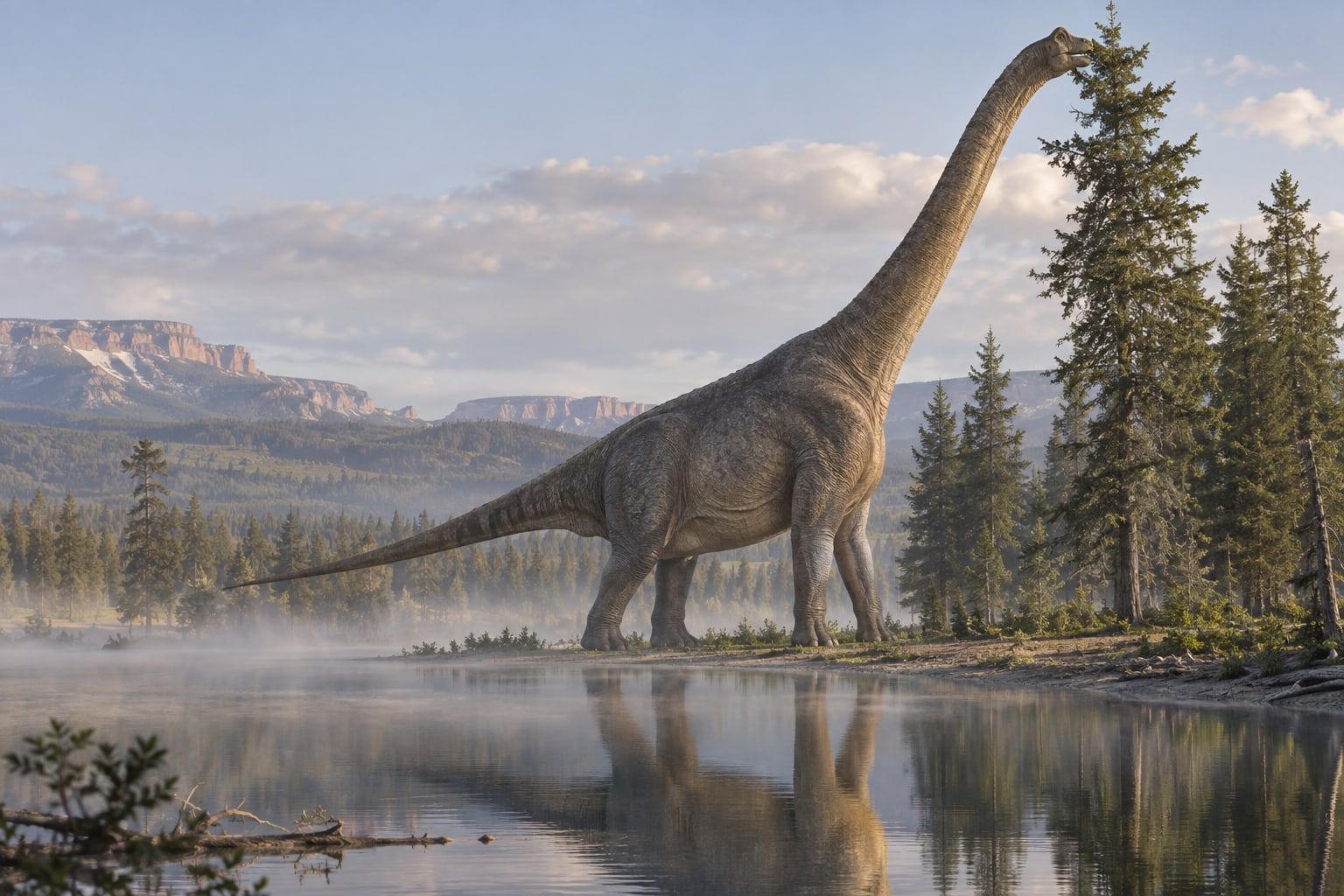
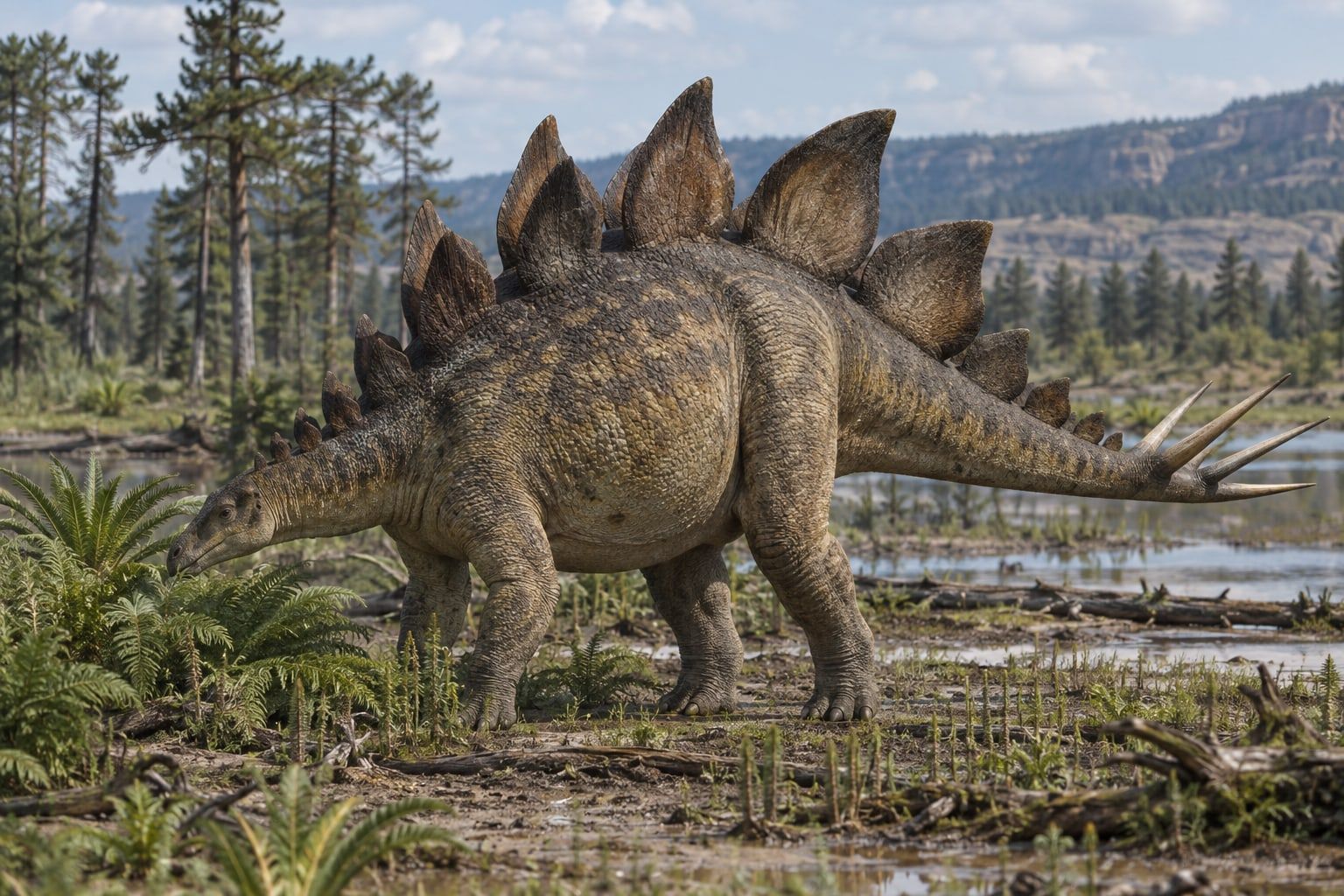
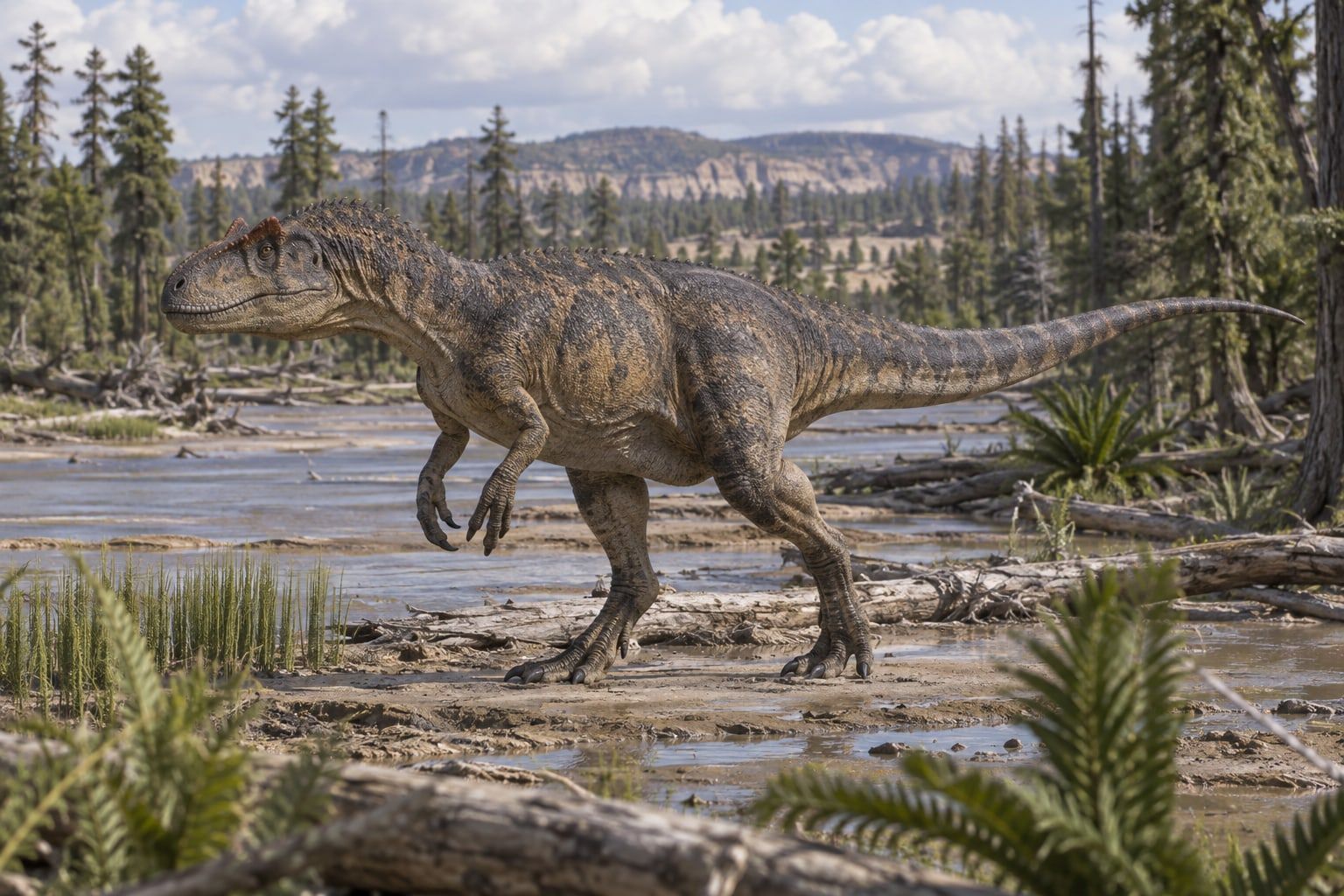
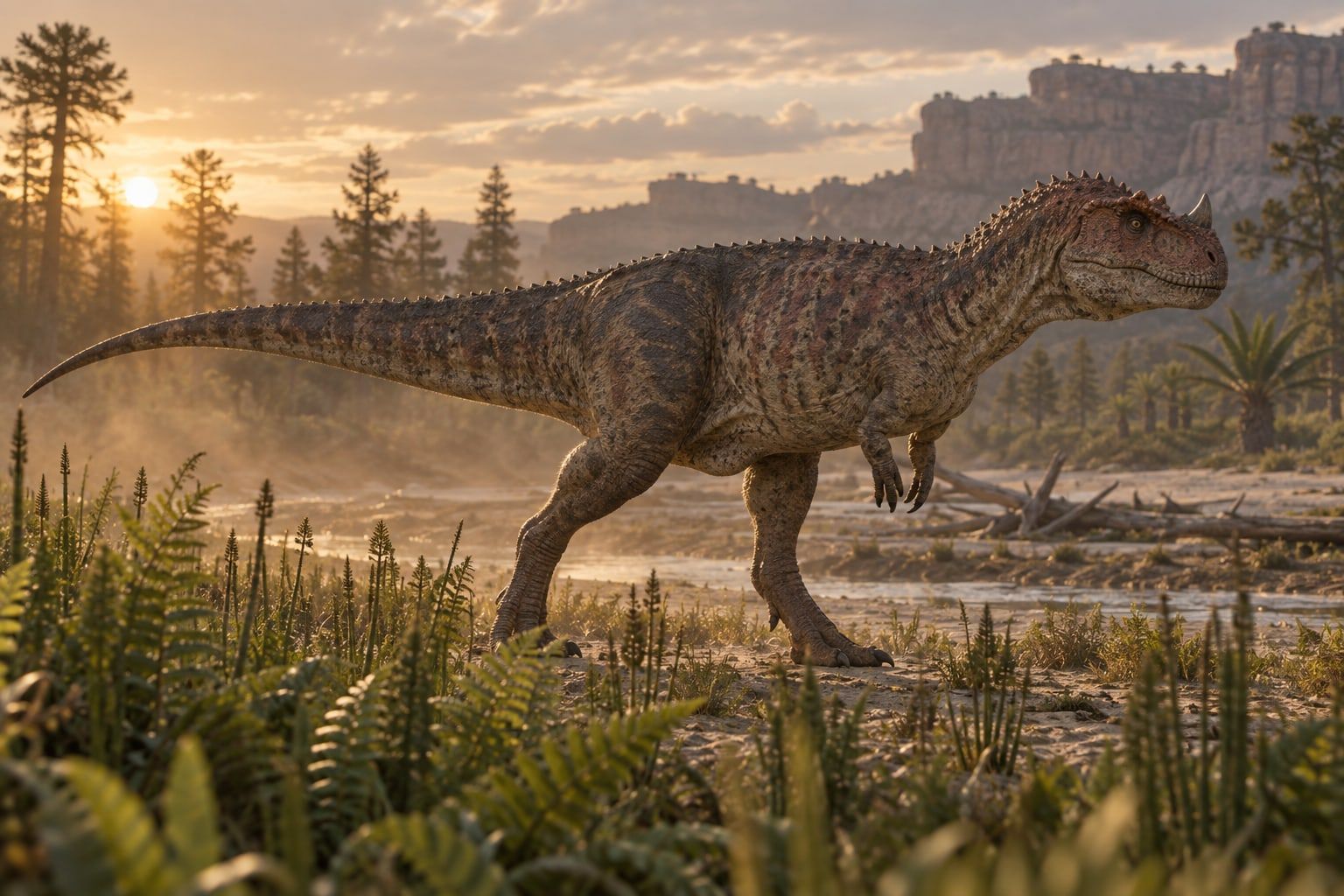
It shared this landscape with fellow sauropods Diplodocus, Apatosaurus, and Brachiosaurus, the armored Stegosaurus, and predators such as Allosaurus and Ceratosaurus.
How it was found
Marsh named Barosaurus in 1890. It belongs to Diplodocidae, the family of long-tailed sauropods that also includes Diplodocus, Apatosaurus, and the enormous Supersaurus. With fifteen finds, Barosaurus is reasonably well known, though its close resemblance to Diplodocus has made some remains difficult to tell apart.
Lived alongside
Found in the same rock formations
Close relatives
Other members of Diplodocidae
- GaleamopusLate Jurassic to Early Cretaceous
- TornieriaLate Jurassic to Early Cretaceous
- ArdetosaurusLate Jurassic
- LeinkupalEarly Cretaceous
Sources: WikidataNamed in: O. C. Marsh. 1890. Description of new dinosaurian reptiles. The American Journal of Science, series 3 39:81-86